
AHK-Cu (50 mg) Dosage Protocol
The copper tripeptide L-alanyl-L-histidyl-L-lysine (Ala-His-Lys) bound to copper — "Copper Tripeptide-3" — sold as a lyophilized research vial and studied for hair. Its only peptide-specific evidence is a single 2007 ex-vivo / in-vitro study; there is no human clinical trial by any route, and no validated injectable dose. Not FDA-approved; research use only.
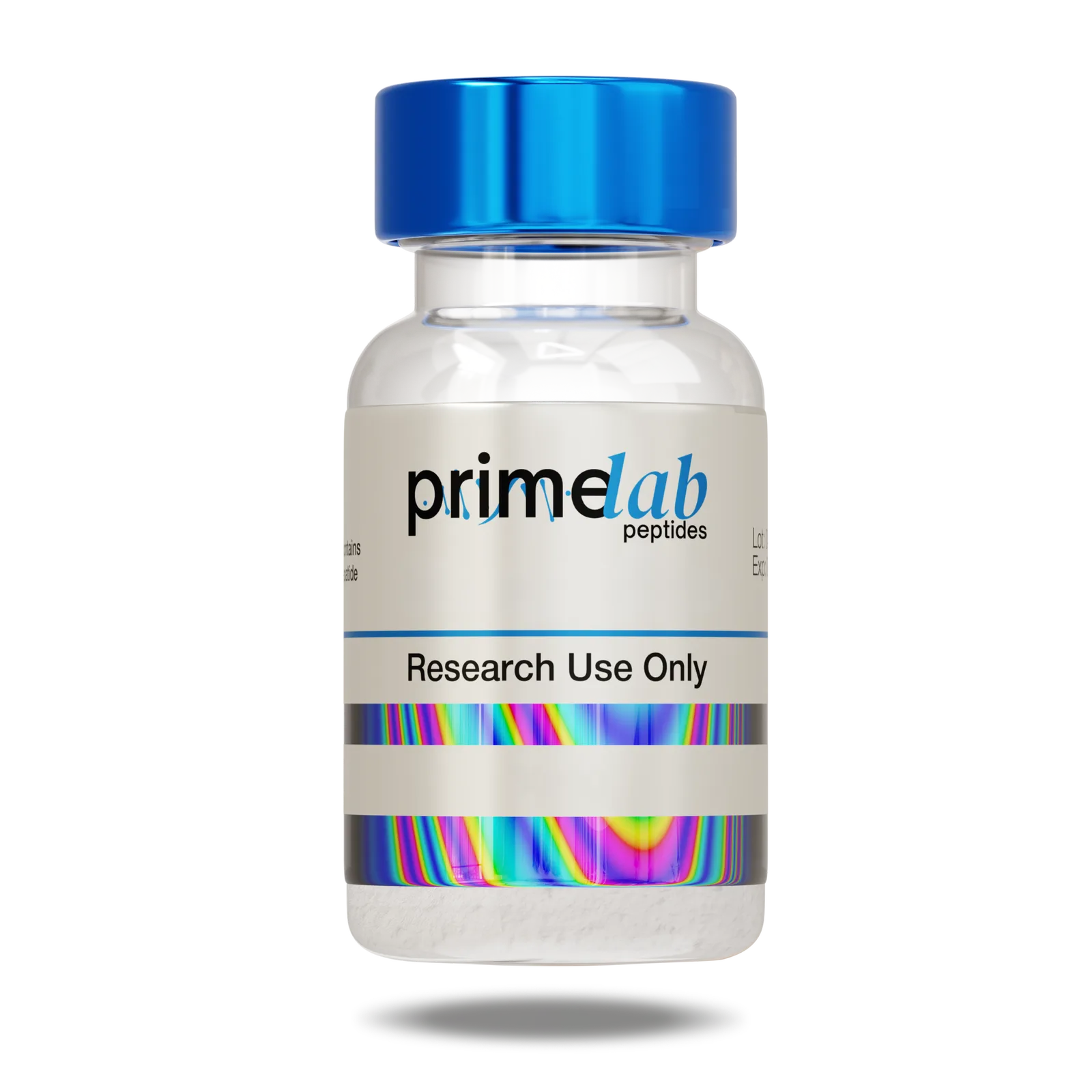
The copper tripeptide L-alanyl-L-histidyl-L-lysine (Ala-His-Lys) complexed with copper, also called Copper Tripeptide-3, in the same copper-tripeptide family as GHK-Cu. Marketed for hair; its proposed activity is linked to the copper it delivers. Sold as a lyophilized research vial.
No validated injectable dose and no human trial. Community/vendor research-use guides cluster at roughly 100-200 mcg subcutaneously; the only primary-source figure is an animal intradermal 100-500 mcg per 0.1 mL from a hair-growth patent. A 50 mg vial in 2 mL bacteriostatic water is 25 mg/mL, provided for reference only.
The entire AHK-Cu-specific peer-reviewed base is a single 2007 ex-vivo/in-vitro study, in which it promoted human hair-follicle elongation and dermal-papilla-cell proliferation at very low concentrations (one apoptosis measure was not statistically significant). There are no clinical trials, and injectable/in-vivo data come from the sister peptide GHK-Cu in animals. Not FDA-approved.
Quickstart Highlights
AHK-Cu is a copper tripeptide — the sequence L-alanyl-L-histidyl-L-lysine (Ala-His-Lys) complexed with a copper (Cu²⁺) ion, and also catalogued as Copper Tripeptide-3. It sits in the same copper-tripeptide family as the better-known GHK-Cu, and like GHK-Cu its proposed activity is tied to the copper it carries[1][2]. It is sold as a lyophilized powder for research use, and this page documents how such a vial is reconstituted and handled.
Two facts frame everything below and are easy to lose in vendor copy. First, there is no human clinical trial of AHK-Cu by any route — injectable or topical — and the entire peer-reviewed evidence specific to this peptide is a single 2007 study that was ex vivo (isolated human hair follicles) and in vitro (cultured dermal-papilla cells)[1]. Second, AHK-Cu is most often described as a topical ingredient, and at least one reputable community reference states plainly that it should not be injected[13]. This is an educational reference on how the compound has been studied and handled; it is not medical advice, not a dosing recommendation, and AHK-Cu is not approved by the FDA for any use.
Pre-filled with this protocol’s recommended BAC water and documented starting dose — edit any field to run your own numbers. Reconstitution math only — not dosing advice. U-100 syringe: 100 units = 1 mL. Full reconstitution guide → · Advanced calculator →Mix & measure AHK-Cu · 50 mg
Supplies Needed
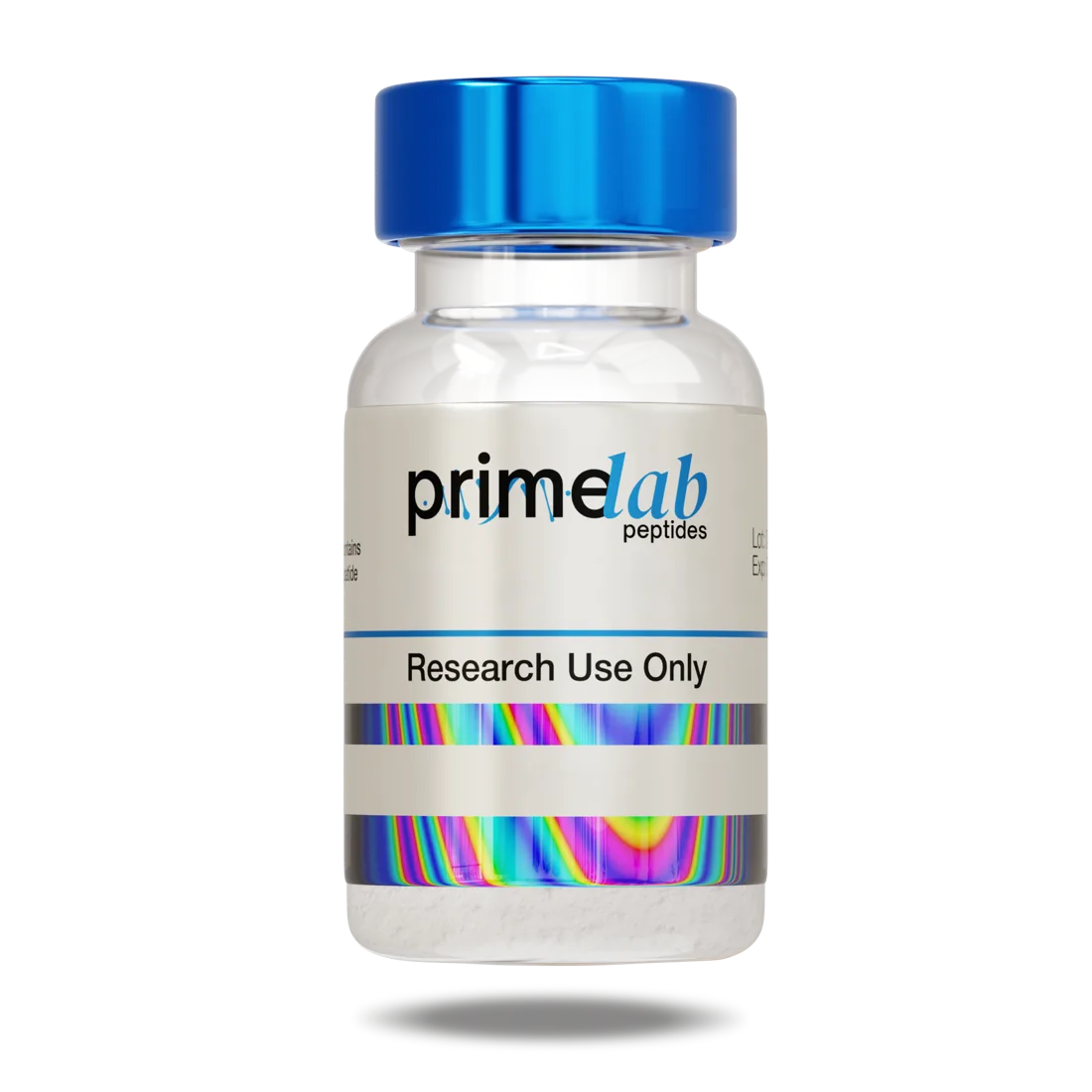
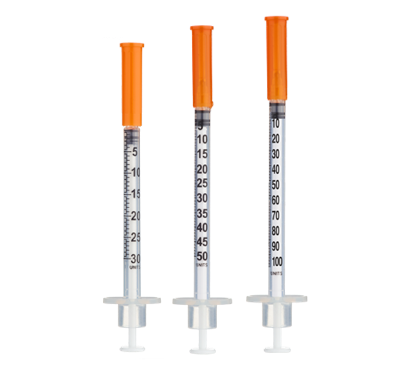
AHK-Cu is sold as a lyophilized research vial, so the generic reconstitution kit below applies if it is prepared. Note again that most references treat AHK-Cu as a topical ingredient, and the syringe workflow shown here has no efficacy or safety data behind it for this peptide[13].
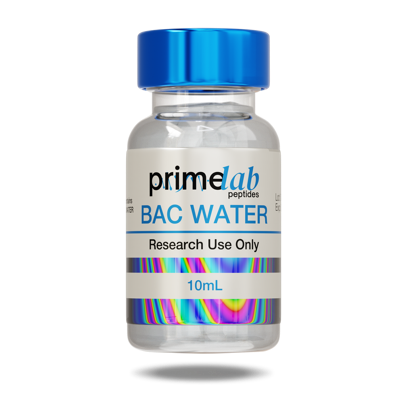
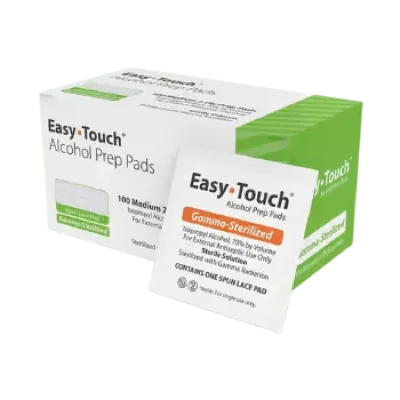
Protocol Overview
The honest overview is short. AHK-Cu is a copper tripeptide (Ala-His-Lys + Cu²⁺, Copper Tripeptide-3) in the same family as GHK-Cu, marketed for hair. Its proposed action is delivering copper and signalling to dermal papilla cells, the specialised fibroblasts that drive the hair-follicle growth cycle[1]. It is a research-use ingredient, not a systemic drug, and it is not FDA-approved.
The core of the overview is the evidence gap. Unlike GHK-Cu, which has decades of preclinical and some cosmetic data, AHK-Cu’s peptide-specific evidence is essentially one ex-vivo / in-vitro study[1], and no study of any kind has injected it. The injectable and in-vivo data people cite belong to GHK-Cu — subcutaneous rat-wound and mouse studies — and are an analogy for the class, not proof for AHK-Cu[6][9].
Dosing Protocol
Reference reconstitution volumes only (50 mg vial in 2 mL → 25 mg/mL). These are not a validated dose ladder: the amounts shown are community / vendor research-use conventions[12] and an animal-derived patent figure[4], not clinical doses. Note how small the convention doses are at this concentration — several fall below one insulin unit.
| Research-use amount | Volume at 25 mg/mL | U-100 units |
|---|---|---|
| 100 mcg (community low)[12] | 0.004 mL | ≈0.4 units |
| 200 mcg (community typical)[12] | 0.008 mL | ≈0.8 units |
| 500 mcg (patent intradermal max)[4] | 0.02 mL | 2 units |
| 1 mg | 0.04 mL | 4 units |
| 2 mg (upper vendor aggregate) | 0.08 mL | 8 units |
| 50 mg — the whole vial | 2.00 mL | 200 units |
Why AHK-Cu draws research interest
These are the directions researchers and the peptide community most often explore AHK-Cu for — so you know you’re in the right place. They describe what is being studied, not proven benefits, approved uses, or promised results.
Hair growth
The main draw: a copper tripeptide studied for follicle stimulation. Its entire peptide-specific evidence is one 2007 dish experiment.
Skin & collagen
Explored alongside GHK-Cu for collagen and repair; that data belongs to the copper-tripeptide class, not to AHK-Cu itself.
Topical, not injectable
Its own patents describe it as built for skin permeation. No study has ever injected it into a person.
Borrowed evidence
Almost every in-vivo figure quoted for AHK-Cu actually comes from GHK-Cu — a reasonable analogy, not proof.
Evidence ranges from early laboratory work to clinical trials depending on the use — the sections below cover the actual data and sources.
2 mL bacteriostatic water per 50 mg vial → 25 mg/mL. This fits a standard 3 mL vial with headroom. The math is provided for reference and calculator use only, not as a dosing endorsement.
No validated dose. Community/vendor research-use guides suggest 100–200 mcg subcutaneously[12]; a patent gives an animal intradermal 100–500 mcg / 0.1 mL range[4]. Neither is a clinical figure.
Most sources treat AHK-Cu as topical; one community wiki says do not inject it[13]. Every injectable/in-vivo datapoint in the class comes from its sister peptide GHK-Cu in animals[6][8].
One ex-vivo / in-vitro study, no clinical trial. AHK-Cu-specific efficacy is Pyo 2007 only[1]; everything else is class-level GHK-Cu analogy. Not FDA-approved.
Dosing & Reconstitution Guide
AHK-Cu has no weight-based dose, no titration ladder and no validated injectable dose at all — there is no human trial to anchor to[1]. What follows is the research-use convention reported by community and vendor guides, the single primary-source figure from a patent, and reference reconstitution math — presented as documentation, not as a recommendation to inject an unapproved copper peptide.
Standard / Gradual Approach
The dosing figures on record are conventions, not clinical results. Community research-use guides suggest a subcutaneous range of about 100–200 mcg (overall roughly 50–200 mcg), reconstituted with bacteriostatic water only[12]. The one primary-source injectable number comes from a 1990s ProCyte hair-growth patent, which describes intradermal formulations of the AHK-Cu class at 100–500 micrograms per 0.1 mL in saline or sterile water[4] — but that is an animal / formulation specification, not a human dose. No source rates any of this above “theoretical / in-vitro” evidence.
The reconstitution math makes the impracticality concrete. A 50 mg vial in 2 mL of bacteriostatic water is 25 mg/mL. At that concentration, the community convention of 100–200 mcg works out to only 0.004–0.008 mL, or 0.4–0.8 of a single U-100 insulin unit — a volume too small to draw or measure accurately on a standard insulin syringe. Diluting more (for example 5 mL for 10 mg/mL) makes the draw marginally larger but still a fraction of a unit. The mismatch between a 50 mg vial and a microgram “dose” is itself a signal that the injectable route was never worked out for this peptide.
Because there is no established or approved dose, anyone treating the numbers below as a protocol is extrapolating well past the evidence. The honest status of AHK-Cu is a copper tripeptide with one ex-vivo / in-vitro study, a plausible mechanism borrowed from GHK-Cu, and no human data by any route[1][2].
Reconstitution Steps
If a research vial is reconstituted, 2 mL of bacteriostatic water per 50 mg vial gives a clean 25 mg/mL and fits a standard 3 mL vial with headroom. Use bacteriostatic water only — not saline, which can precipitate the copper complex. This is provided so the reference figures are transparent; it is not a dosing recommendation.
- ▪Sanitize: swab the vial stopper and the bacteriostatic-water stopper with fresh alcohol pads and let them air-dry.
- ▪Add 2 mL slowly: draw 2 mL of bacteriostatic water and let it run down the inside wall of the vial rather than directly onto the powder. This gives 25 mg/mL.
- ▪Dissolve gently: let it stand about 30 seconds, then swirl the vial — do not shake. A copper-tripeptide solution carries a characteristic faint blue tint; discard it if it is cloudy, discoloured or holds particles.
- ▪Refrigerate: store the reconstituted vial at 2–8 °C, protected from light, and never freeze it.
Storage Instructions
Handle the lyophilized powder as the fragile material it is: store it frozen (around -20 °C), sealed and protected from light and moisture, and follow the supplier’s handling guidance. Because AHK-Cu is not a marketed product, there is no manufacturer stability profile to defer to, so err toward conservative handling.
After reconstitution with bacteriostatic water, store the solution at 2–8 °C, protect it from light, do not freeze it, and treat roughly 28 days as the outer usable window. Discard anything cloudy or discoloured. A specific caution for copper peptides: heat, shaking and incompatible diluents can drive copper to dissociate from the peptide, and loosely bound Cu²⁺ can generate reactive oxygen species — another reason to keep handling gentle and cold[2].
Important Notes
These are the points most often dropped when AHK-Cu is marketed as an injectable hair-growth “peptide.”
- ▪No human trial exists — state it plainly: there is no clinical trial of AHK-Cu by any route, and the entire peptide-specific peer-reviewed base is one 2007 study that was ex vivo and in vitro[1]. AHK-Cu returns no ClinicalTrials.gov registration and no ChEMBL entry. Everything below the mechanism is convention, not evidence.
- ▪The injectable dose is a convention, not a validated figure: the 100–200 mcg subcutaneous range comes from community/vendor research-use guides that self-rate their evidence as “theoretical / in-vitro only”[12], and the only primary-source injectable number is an animal / formulation intradermal range from a patent[4]. No source presents a clinically validated injectable dose.
- ▪Sources disagree on whether to inject it at all: at least one reputable community wiki states AHK-Cu is used exclusively as a topical product, has no established injection protocols, and advises “do not inject AHK-Cu”[13]. That disagreement is itself part of the honest picture.
- ▪Its chemistry favours the skin, not the needle: the ProCyte hair-growth patents note that copper tripeptides with hydrophilic residues — AHK’s lysine — are preferred for topical delivery because they permeate skin, while hydrophobic residues are preferred for injection[5]. The better-evidenced route for AHK-Cu is topical, which is what most of its (already thin) support describes.
- ▪Most “AHK-Cu” injectable data are really GHK-Cu: the subcutaneous and intraperitoneal studies cited for the class used the sister peptide GHK-Cu in rats, mice and dogs[6][7][8][9]. They show the copper-tripeptide class can be bioactive by injection in animals, but they are an analogy, not AHK-Cu proof.
- ▪Copper by injection is not a casual proposition: free or loosely bound copper can drive redox chemistry, so a copper peptide injected outside a validated formulation carries handling and tolerability unknowns on top of the absent efficacy data[2]. And even topically, the class is not uniformly effective — a controlled irradiated-rat study found no benefit of topical GHK-Cu on wound or vessel outcomes[11].
- ▪A research vial is not a therapy: AHK-Cu is not FDA-approved, is not comparable to evidence-based hair-loss treatments such as minoxidil or finasteride, and a grey-market vial has unverified identity, potency and purity. Nothing here is a human-use recommendation.
How This Works
AHK-Cu’s proposed mechanism runs through dermal papilla cells (DPCs), the specialised fibroblasts at the base of the hair follicle that orchestrate its growth cycle. In the single source study, AHK-Cu stimulated the proliferation of cultured human DPCs and the elongation of isolated human hair follicles at very low concentrations (10⁻¹²–10⁻⁹ M), raised the Bcl-2/Bax ratio and lowered cleaved caspase-3 and PARP — though the drop in apoptotic-cell count itself was not statistically significant[1].
The broader rationale is the copper-tripeptide class. Copper tripeptides such as GHK-Cu act as carriers and signals for copper — a cofactor for matrix enzymes — and are reported to stimulate fibroblasts and growth factors such as VEGF while modulating TGF-β, with class effects on angiogenesis, collagen and even follicle size[2][3]. The foundational GHK-Cu work found collagen stimulation in human fibroblasts beginning around 10⁻¹²–10⁻¹¹ M and peaking near 10⁻⁹ M — the same potency window later reported for AHK-Cu[10]. AHK-Cu is proposed to tap that same chemistry in the follicle’s support cells.
The honest limit is that this is a mechanism without a human outcome. Promoting DPC proliferation in a dish is a reasonable starting point, but it has never been shown to translate into measurable hair regrowth in a controlled human trial, and injecting the peptide has never been tested for efficacy at all. The mechanism is a hypothesis; the clinical benefit is unproven[1].
Lifestyle Factors
There is no lifestyle protocol to attach to injectable AHK-Cu, because there is no validated therapeutic use to build one around. For hair, the interventions with the strongest evidence are the approved treatments (minoxidil, finasteride where appropriate and medically supervised), managing the underlying cause of shedding, and general health basics — sleep, nutrition, and treating conditions like thyroid disease or iron deficiency.
The honest “daily habits” note here is a caution rather than a regimen. If AHK-Cu is used at all, the better-evidenced route for its hydrophilic chemistry is topical[5], and even then it is at most a speculative cosmetic adjunct to an evidence-based plan — not a stand-alone solution, and certainly not something the data support injecting.
Potential Benefits & Side Effects
Evidence tier: a single ex-vivo / in-vitro study for AHK-Cu, class-level animal data for GHK-Cu, and no human trial by any route. Read the two columns together — the “effects” are laboratory findings or GHK-Cu analogies, and the “considerations” are the honest counterweight, led by the absence of any injectable human data.
Reported Effects
- ▪Dermal-papilla-cell proliferation — in vitro: AHK-Cu stimulated the proliferation of cultured human dermal papilla cells at very low concentrations[1].
- ▪Hair-follicle elongation — ex vivo: it promoted the elongation of isolated human hair follicles in organ culture[1].
- ▪Class-level signalling — GHK-Cu analogy: copper tripeptides raise VEGF and modulate TGF-β, and by injection in animals GHK-Cu increases collagen and glycosaminoglycans in wounds[2][6]. This is the class story AHK-Cu borrows, not AHK-Cu-specific proof.
- ▪What is not established: any measurable hair regrowth in people, and anything at all from the injectable route — there are no human trials, and no study has injected AHK-Cu and measured an outcome[1][13].
Common Side Effects
- ▪Injectable-route safety is undefined: because no study injected AHK-Cu, there is no characterised safety profile for the subcutaneous route a research vial implies — local tolerability, systemic exposure and immunogenicity are simply unknown.
- ▪Copper redox considerations: loosely bound copper can generate reactive oxygen species, so injecting a copper peptide outside a validated formulation adds a handling/tolerability unknown on top of the absent efficacy data[2].
- ▪The class is not uniformly effective, even topically: a controlled irradiated-rat study found no benefit of topical GHK-Cu on flap ischaemia, vessel number/area or VEGF versus control — a clean negative that tempers enthusiasm for the whole class[11].
- ▪Purity and identity risk: as an unapproved grey-market peptide, a research vial has no verified potency or purity, adding the usual sourcing hazards on top of the missing human data.
Injection Technique
AHK-Cu is sold as a lyophilized vial, but it is important to be clear that no study has ever injected it, most references treat it as topical, and at least one advises against injecting it entirely[13]. The generic subcutaneous workflow below describes how such a vial is handled in principle; it is documentation, not a recommendation to inject an unapproved copper peptide with no injectable data behind it.
Pre-Injection Preparation
- ▪Understand the route mismatch first: AHK-Cu’s only peptide-specific evidence is an ex-vivo / in-vitro study, its chemistry favours the topical route[5], and a subcutaneous protocol has no efficacy or safety data behind it.
- ▪Confirm the concentration: the reference math assumes 25 mg/mL — a 50 mg vial in 2 mL. A different diluent volume changes every unit figure, and at 25 mg/mL the convention doses are fractions of a unit.
- ▪Inspect: the reconstituted solution should be a clear, faintly blue, particle-free liquid; discard it if cloudy or discoloured, which can signal copper dissociation.
Injection Procedure
- ▪Recognise there is no validated dose: the table gives reconstitution reference points only, not a studied injectable regimen — the numbers are community/vendor convention[12] and an animal patent figure[4], not clinical doses.
- ▪If handled, use a fine insulin syringe: vendor guides specify a 29–31 gauge, 1/2-inch insulin syringe for subcutaneous administration; pinch the skin and deliver slowly into subcutaneous tissue — not intramuscular or intravenous.
- ▪Rotate sites: alternate injection areas to avoid repeated trauma to one spot.
Post-Injection Care
- ▪Store and discard properly: keep the reconstituted vial refrigerated at 2–8 °C, protected from light, never freeze it, and discard anything cloudy or past roughly 28 days.
- ▪Watch for local and systemic reactions: because the injectable route is uncharacterised, treat any injection-site reaction, rash or systemic symptom as a reason to stop and reassess.
- ▪Keep perspective: the strongest evidence for AHK-Cu is a single dish-and-follicle study, its better-evidenced route is topical, and nothing here is a human-use recommendation — weigh that before any self-experimentation.
Recommended Source
For high-purity research peptides, we point researchers to Prime Lab Peptides for AHK-Cu (50 mg Vial).
Why Prime Lab Peptides?
- ▪Top-rated on Trustpilot: Independently reviewed as the highest-rated peptide lab on Trustpilot — making it the best current source in the USA.
- ▪Third-party tested: Every batch ships with a Certificate of Analysis (COA) confirming purity and composition.
- ▪Consistent quality: ISO-aligned manufacturing and handling keep product integrity reliable batch to batch.
- ▪Cold-chain integrity: Temperature-controlled shipping and storage across the whole fulfilment chain.
- ▪Research-grade purity: Fit for educational and research use that demands high-quality peptides.
Note: Product availability and specifications subject to change. Verify current product details on supplier website.
References
- 1
Archives of Pharmacal Research (2007) — The effect of tripeptide-copper complex on human hair growth in vitroPyo et al. (PMID 17703734). The primary and only AHK-Cu-specific study: L-alanyl-L-histidyl-L-lysine-Cu2+ (10^-12 to 10^-9 M) stimulated elongation of human hair follicles ex vivo and proliferation of dermal papilla cells in vitro, raised the Bcl-2/Bax ratio and lowered cleaved caspase-3/PARP; the reduction in apoptotic cells was not statistically significant. Ex vivo / in vitro, not a human trial. DOI: 10.1007/BF02978833.
- 2
International Journal of Molecular Sciences (2018) — Regenerative and Protective Actions of the GHK-Cu Peptide in the Light of the New Gene DataPickart & Margolina (PMID 29986520). Authoritative open-access review of the copper-tripeptide class — the sister peptide GHK-Cu, not AHK-Cu. Documents copper binding, VEGF, angiogenesis, collagen/elastin synthesis, anti-inflammatory actions and gene pathways; establishes the mechanistic backdrop AHK-Cu borrows. DOI: 10.3390/ijms19071987.
- 3
Journal of Biomaterials Science, Polymer Edition (2008) — The human tri-peptide GHK and tissue remodelingPickart (PMID 18644225). GHK/GHK-Cu review (sister peptide) listing increased VEGF, FGF-2, collagen/elastin, fibroblast and keratinocyte proliferation, angiogenesis and hair-follicle size — the class-level VEGF-up / follicle mechanism AHK-Cu is proposed to share, but about GHK-Cu. DOI: 10.1163/156856208784909435.
- 4
US Patent 5,550,183 (ProCyte; Pickart) — Metal-peptide compositions and methods for stimulating hair growthGranted 1996. Explicitly claims L-alanyl-L-histidyl-L-lysine:copper(II) as a composition and describes both intradermal injection formulations (100-500 micrograms per 0.1 mL in saline/sterile water) and topical formulations. The only primary-source injectable AHK-Cu-class dose range — animal / formulation data, not a human trial.
- 5
US Patent 5,538,945 (ProCyte; Pallenberg, Patt, Trachy) — Stimulation of hair growth by peptide copper complexesGranted 1996. Discusses AHK:Cu directly; states hydrophobic residues are preferably used for injection while hydrophilic residues (AHK carries lysine) are used for topical administration due to enhanced skin permeability, and Table 7 shows AHK:Cu outperformed the hydrophobic AHF:Cu topically. Primary-source basis for the topical-versus-injectable route argument.
- 6
Journal of Clinical Investigation (1993) — In vivo stimulation of connective tissue accumulation by GHK-Cu in rat experimental woundsMaquart et al. (PMID 8227353). GHK-Cu (sister peptide) delivered by repeated subcutaneous injection into rat wound chambers produced concentration-dependent increases in collagen, glycosaminoglycans, protein and DNA — primary in-vivo evidence that the copper-tripeptide class is bioactive by injection in animals, but for GHK-Cu, not AHK-Cu. DOI: 10.1172/JCI116842.
- 7
Journal of Investigative Dermatology (2000) — Expression of glycosaminoglycans and small proteoglycans in wounds: modulation by GHK-CuSiméon et al. (PMID 11121126). GHK-Cu (sister peptide) given as repeated 2 mg injections into rat wound chambers modulated decorin/biglycan and increased type-I collagen and GAGs — grounds the milligram-per-injection magnitude sometimes cited for the class, but this is GHK-Cu, rat, wound-healing. DOI: 10.1046/j.1523-1747.2000.00166.x.
- 8
American Journal of Veterinary Research (1996) — Effect of locally injected medications on healing of pad wounds in dogsSwaim et al. (PMID 8669775). A tripeptide-copper complex (GHK-Cu class) delivered by local subcutaneous injection into dog footpad wounds increased type-I collagen versus saline — another injectable-route animal datapoint for the class; not AHK-Cu, not hair, not human.
- 9
Life Sciences (2019) — Protective effects of GHK-Cu in bleomycin-induced pulmonary fibrosisMa et al. (PMID 31809714). GHK-Cu (sister peptide) given by intraperitoneal injection at 0.2/2/20 micrograms/g in mice reduced pulmonary fibrosis via Nrf2/NF-kB/TGF-beta1-Smad2/3 — demonstrates systemic-injection dosing of the copper-tripeptide class in animals, relevant to the injectable question but GHK-Cu, lung, mouse. DOI: 10.1016/j.lfs.2019.117139.
- 10
FEBS Letters (1988) — Stimulation of collagen synthesis in fibroblast cultures by GHK-CuMaquart et al. (PMID 3169264). Foundational GHK-Cu (sister peptide) paper: stimulates collagen synthesis in human fibroblasts, effect beginning at 10^-12 to 10^-11 M and maximal at 10^-9 M — the same potency window later reported for AHK-Cu, establishing the copper-tripeptide mechanism. DOI: 10.1016/0014-5793(88)80509-x.
- 11
Otolaryngology–Head and Neck Surgery (2013) — Effects of topical copper tripeptide complex on wound healing in an irradiated rat modelParker et al. (PMID 23744835). Controlled negative result: topical GHK-Cu gel on irradiated rat dorsal flaps showed no difference versus control in flap ischemia, vessel number/area or VEGF expression — counter-evidence that the copper-tripeptide class is not uniformly effective even topically. DOI: 10.1177/0194599813492644.
- 12
The Peptide Volt — AHK-Cu Research GuideCommunity research-use guide giving the injectable convention: subcutaneous 100-200 mcg (overall 50-200 mcg), reconstitute with bacteriostatic water only, gentle swirl, store powder frozen and reconstituted at 2-8 C protected from light, use within ~30 days. Self-rates the evidence as Grade D — theoretical / in-vitro only, for research purposes only, not approved for human use.
- 13
PeptideWiki — AHK-Cu Dosage Guide: Copper Tripeptide-3 for Hair Growth & Scalp HealthCommunity guide that contradicts the injectable framing: states AHK-Cu is used exclusively as a topical product, is not available in injectable form and has no established injection protocols, and warns “Do not inject AHK-Cu.” Confirms no large-scale human clinical trials and that the evidence base is essentially the single 2007 Pyo study.
AHK-Cu — frequently asked questions
How do I reconstitute a 50 mg vial of AHK-Cu?
Wipe the stopper with an alcohol swab, then inject your bacteriostatic water slowly down the inside wall of the vial. Let it sit and gently swirl until dissolved — never shake. Store the mixed vial in the refrigerator and draw doses with an insulin syringe. Use the calculator above to turn any dose into syringe units.
How much bacteriostatic water should I add to AHK-Cu?
There is no single correct amount — more water simply spreads the same 50 mg of peptide across a larger volume, which makes small doses easier to measure accurately. 1 to 3 mL per vial is typical. Enter your chosen volume in the calculator above to see the resulting concentration and syringe units.
What do the "units" on an insulin syringe mean?
On a U-100 insulin syringe, 100 units equal 1 mL, so 1 unit equals 0.01 mL. The calculator above converts your draw volume into these units automatically so you can measure without doing the math by hand.
How should I store AHK-Cu after mixing?
Keep the reconstituted vial refrigerated at roughly 2 to 8 degrees Celsius, away from light, and avoid freezing it. Reconstituted research peptides are generally used within a few weeks. Always follow the specific guidance supplied with your product.
How many doses does a 50 mg vial of AHK-Cu provide?
Divide the vial strength of 50 mg by the amount you use per injection. The calculator above reports this as "doses per vial" the moment you enter a dose.
Is AHK-Cu approved for human use?
No. AHK-Cu is sold strictly for laboratory and research purposes and is not approved by the FDA or other regulators for human use. Everything on this page is research information, not medical advice — consult a licensed healthcare professional before any use.
New protocols & dosing updates
Reconstitution charts, new peptide protocols and safety updates — straight to your inbox. No spam, unsubscribe anytime.