
Melanotan I (10 mg) Dosage Protocol
Afamelanotide — a selective MC1R agonist and α-MSH analog studied for sunless pigmentation and photoprotection. FDA-approved only as a clinician-placed 16 mg EPP implant, not as self-injection.

Selective melanocortin-1 receptor (MC1R) agonist; raises cAMP in melanocytes to drive eumelanin production and skin darkening independent of UV light.
Research conventions cite a 0.5-1 mg once-daily SC loading phase until pigmentation builds, then 1 mg once or twice weekly maintenance.
Afamelanotide is FDA-approved — but only as a 16 mg clinician-placed EPP implant; self-injected MT-I is not that approved product.
Quickstart Highlights
Melanotan I — the research-peptide name for afamelanotide, a 13-amino-acid analog of α-melanocyte-stimulating hormone (α-MSH) — is a selective melanocortin-1 receptor (MC1R) agonist that drives the skin’s pigment cells to make more eumelanin, independent of sun exposure[2]. It is studied for skin pigmentation (tanning) and photoprotection, and in the community it is treated as the more MC1R-selective, “tanning-focused” sibling to Melanotan II.
The regulatory picture is unusual and worth stating plainly: the afamelanotide molecule is FDA-approved — but only as SCENESSE®, a 16 mg controlled-release bioresorbable implant placed by a trained clinician to reduce phototoxic pain in adults with erythropoietic protoporphyria (EPP), a rare light-sensitivity disorder[1]. The grey-market self-injected “Melanotan I” used for cosmetic tanning is not that approved product. Everything below reflects research conventions and is provided strictly for research and educational reference — not medical advice.
Pre-filled with this protocol’s recommended BAC water and documented starting dose — edit any field to run your own numbers. Reconstitution math only — not dosing advice. U-100 syringe: 100 units = 1 mL. Full reconstitution guide → · Advanced calculator →Mix & measure Melanotan I · 10 mg
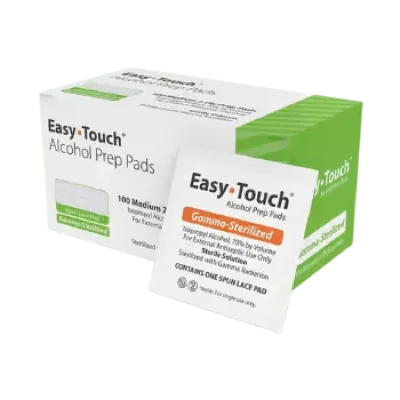
Supplies Needed
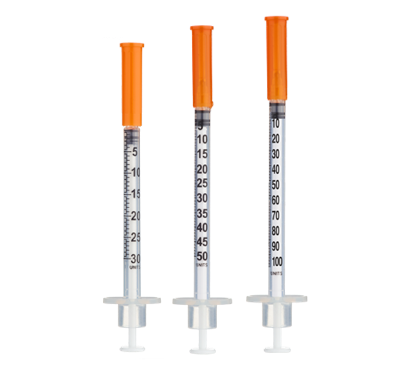
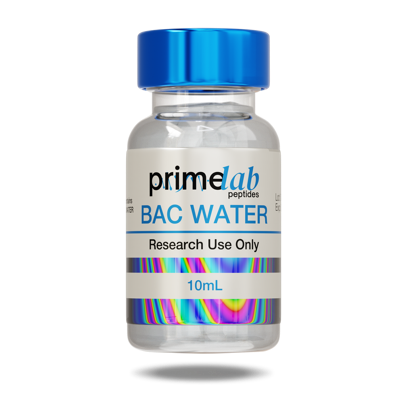
Everything a documented injectable protocol relies on. Nothing here is exotic — sterile technique and accurate measurement matter far more than any single tool.
Protocol Overview
At 5 mg/mL a single 10 mg vial holds 2 mL of usable solution — twenty 0.5 mg doses, or roughly two to three weeks of a 1 mg daily loading phase from one vial. Because doses are small in volume, an accurate U-100 insulin syringe is the single most important measuring tool.
A common research pattern is a 1–3 week loading block to build pigment followed by weekly maintenance, so one vial typically covers a loading phase and part of maintenance depending on the dose chosen.
Dosing Protocol
A reference range converted to U-100 units at 5 mg/mL. This is a common research convention, not a titration schedule and not clinical guidance.
| Phase | Dose | Volume (U-100 units / mL) |
|---|---|---|
| Loading (conservative) | 0.5 mg once daily | 10 units (0.10 mL) |
| Loading (upper reference) | 1 mg once daily | 20 units (0.20 mL) |
| Maintenance | 1 mg 1–2× weekly | 20 units (0.20 mL) |
| Approved EPP form | 16 mg implant, clinician-placed | Not self-injection |
Why Melanotan I draws research interest
These are the directions researchers and the peptide community most often explore Melanotan I for — so you know you’re in the right place. They describe what is being studied, not proven benefits, approved uses, or promised results.
Sunless tanning
Stimulates eumelanin production and skin darkening through MC1R activation without needing UV exposure as the trigger.
MT-I vs MT-II
More MC1R-selective than Melanotan II, so it tans with far less of MT-II's appetite-suppression and spontaneous-erection activity — but is used more frequently.
Photoprotection in EPP
As the approved 16 mg implant it increased pain-free time in direct sunlight for patients with erythropoietic protoporphyria.
Evidence ranges from early laboratory work to clinical trials depending on the use — the sections below cover the actual data and sources.
Add 2.0 mL bacteriostatic water to one 10 mg vial → 5 mg/mL (0.5 mg = 10 U-100 units).
Reference loading convention 0.5–1 mg once daily; maintenance often drops to 1 mg once or twice weekly.
Subcutaneous. Because MC1R selectivity means little of the appetite/libido effect seen with MT-II, more frequent dosing is typically used for tanning.
Approved molecule, off-label peptide — afamelanotide is FDA-approved as a 16 mg EPP implant; self-injected MT-I is not that product.
Dosing & Reconstitution Guide
Melanotan I differs from Melanotan II in two practical ways: it is more selective for the pigment receptor MC1R (so it lacks much of MT-II’s appetite-suppression and spontaneous-erection activity at the other melanocortin receptors), and it is generally considered shorter-acting for tanning, so research conventions use it more frequently to build and hold pigmentation[2].
Standard / Gradual Approach
The reference approach is a loading phase to build pigment, then maintenance to hold it. A commonly cited research convention is 0.5 to 1 mg once daily during loading until the target skin tone is reached, then 1 mg once or twice weekly as maintenance. Reconstituted at 5 mg/mL, a 0.5 mg dose equals 0.1 mL (10 units on a U-100 syringe) and a 1 mg dose equals 0.2 mL (20 units). Because pigmentation develops gradually over days to weeks, escalating faster does not deepen the tan proportionally and simply increases nausea and the total peptide exposure — the approved EPP program itself relies on a single controlled-release implant every ~60 days rather than daily peaks[1].
Reconstitution Steps
Reconstitution is standard for a lyophilized peptide. A 2 mL diluent volume dissolves a 10 mg vial cleanly and keeps the microgram-to-milligram math simple.
- ▪Sanitize: Swab the vial stopper and the bacteriostatic-water vial with fresh alcohol pads and let them dry.
- ▪Add diluent slowly: Draw 2.0 mL bacteriostatic water and let it run down the inside wall of the vial — do not spray it directly onto the powder.
- ▪Dissolve gently: Swirl; do not shake. The solution should clear within a minute or two.
- ▪Store: Label with the date and refrigerate at 2–8 °C; the reconstituted vial holds ~5 mg/mL.
Storage Instructions
Store the lyophilized vial in the refrigerator or freezer away from light until reconstitution.
After reconstitution, keep the vial refrigerated at 2–8 °C and use within the bacteriostatic-water window (commonly cited as up to ~28 days). Discard if the solution becomes cloudy or discolored.
Important Notes
Practical points that keep a pigmentation protocol consistent and honest about what the compound is and is not.
- ▪MT-I vs MT-II: Melanotan I (afamelanotide) is more selective for MC1R, so it delivers the tanning effect with far less of the appetite-suppression and spontaneous-erection activity that MT-II produces at MC3/MC4 receptors — but it is generally used more frequently to reach the same pigmentation[2].
- ▪A tan is not sun protection you can rely on: Even in the approved EPP program the benefit is measured, not a licence to disregard sun safety; increased melanin does not equal a high SPF, and burning is still possible[3].
- ▪Watch your moles: Any melanocortin agonist darkens existing moles and freckles and can drive new pigmented lesions; the standard, non-negotiable caution is regular skin/mole surveillance and a dermatology check for anything that changes — do not use it to mask a changing mole.
- ▪Nausea and flushing: The most common acute effects are nausea, facial flushing and occasional appetite change, usually worse early and dose-related[4].
- ▪Unverified purity: Grey-market Melanotan I is easily mislabeled or under-/over-dosed; without a Certificate of Analysis, identity and potency cannot be assumed.
How This Works
Melanotan I is a synthetic analog of α-MSH engineered for stability and receptor selectivity. When it binds the melanocortin-1 receptor on melanocytes it raises intracellular cyclic AMP, which switches the pigment machinery toward producing eumelanin — the darker, more photoprotective form of melanin — without needing UV light as the trigger[2].
Because that extra eumelanin absorbs and dissipates light energy, the approved EPP application uses it to reduce the phototoxic reactions those patients suffer within minutes of sun exposure; in the pivotal trials the implant increased pain-free time in direct sunlight versus placebo[1]. Its MC1R selectivity is what separates it pharmacologically from the broader, multi-receptor Melanotan II[3].
Lifestyle Factors
Because Melanotan I builds pigment rather than blocking UV, sun safety still applies in full — sunscreen, protective clothing and avoiding peak-hour burning remain the actual protection, and a deeper base tan can create a false sense of security if it replaces them.
Research users generally treat baseline and ongoing skin/mole checks as prerequisites, start low to gauge nausea, and avoid combining it with tanning beds or aggressive UV exposure that raises melanoma risk independently of the peptide.
Potential Benefits & Side Effects
What the clinical and pharmacology literature reports; the approved data are for a controlled implant in EPP, and cosmetic self-injection outcomes are extrapolated rather than trial-proven, so individual results and risks vary.
Reported Effects
- ▪Sunless pigmentation: Stimulates eumelanin production and skin darkening independent of UV exposure through MC1R activation[2].
- ▪Photoprotection in EPP (approved use): As a 16 mg implant, afamelanotide increased pain-free time in direct sunlight and improved quality of life in adults with erythropoietic protoporphyria[1].
- ▪MC1R selectivity: Reported to tan with fewer of the systemic melanocortin effects (appetite, libido) seen with Melanotan II because it targets MC1R more selectively[3].
- ▪Studied for the ‘safer tan’ interest: The community draw is a cosmetic tan with a cleaner side-effect profile than MT-II — a reasonable extrapolation from its pharmacology, but cosmetic self-injection has no controlled efficacy/safety trial behind it.
Common Side Effects
- ▪Nausea & facial flushing: The most common acute effects of melanocortin agonists, typically worse early in dosing and dose-related[4].
- ▪Darkening of moles and new pigmented lesions: Existing moles/freckles darken and new ones can appear — the central reason ongoing skin surveillance is mandatory and any changing lesion needs a dermatologist.
- ▪Injection-site reactions & headache: Local redness or soreness and headache are reported; implant-site reactions and headache were the common adverse events in the approved program[4].
- ▪Unknown long-term safety of self-injection: The safety data belong to the controlled 16 mg implant, not to repeated grey-market self-injection at uncontrolled doses and purity.
Injection Technique
Subcutaneous injection technique is standard. Accurate measurement, low starting doses and site rotation matter more than speed.
Pre-Injection Preparation
- ▪Wash hands; let the refrigerated vial come toward room temperature to reduce sting.
- ▪Swab the stopper and injection site; let the alcohol dry fully.
- ▪Draw your dose into a fresh U-100 syringe and tap out air bubbles — double-check the small unit mark before injecting.
Injection Procedure
- ▪Pinch a subcutaneous skinfold (abdomen is typical) and insert at 45–90°.
- ▪Inject the small volume at a steady, even pace.
- ▪Withdraw and apply light pressure with a clean swab — do not rub.
Post-Injection Care
- ▪Drop the used syringe straight into a puncture-proof sharps container.
- ▪Have a light snack available — nausea is most likely in the first hour, especially early in a cycle.
- ▪Rotate sites, return the vial to the refrigerator promptly, and keep up routine skin/mole checks.
Recommended Source
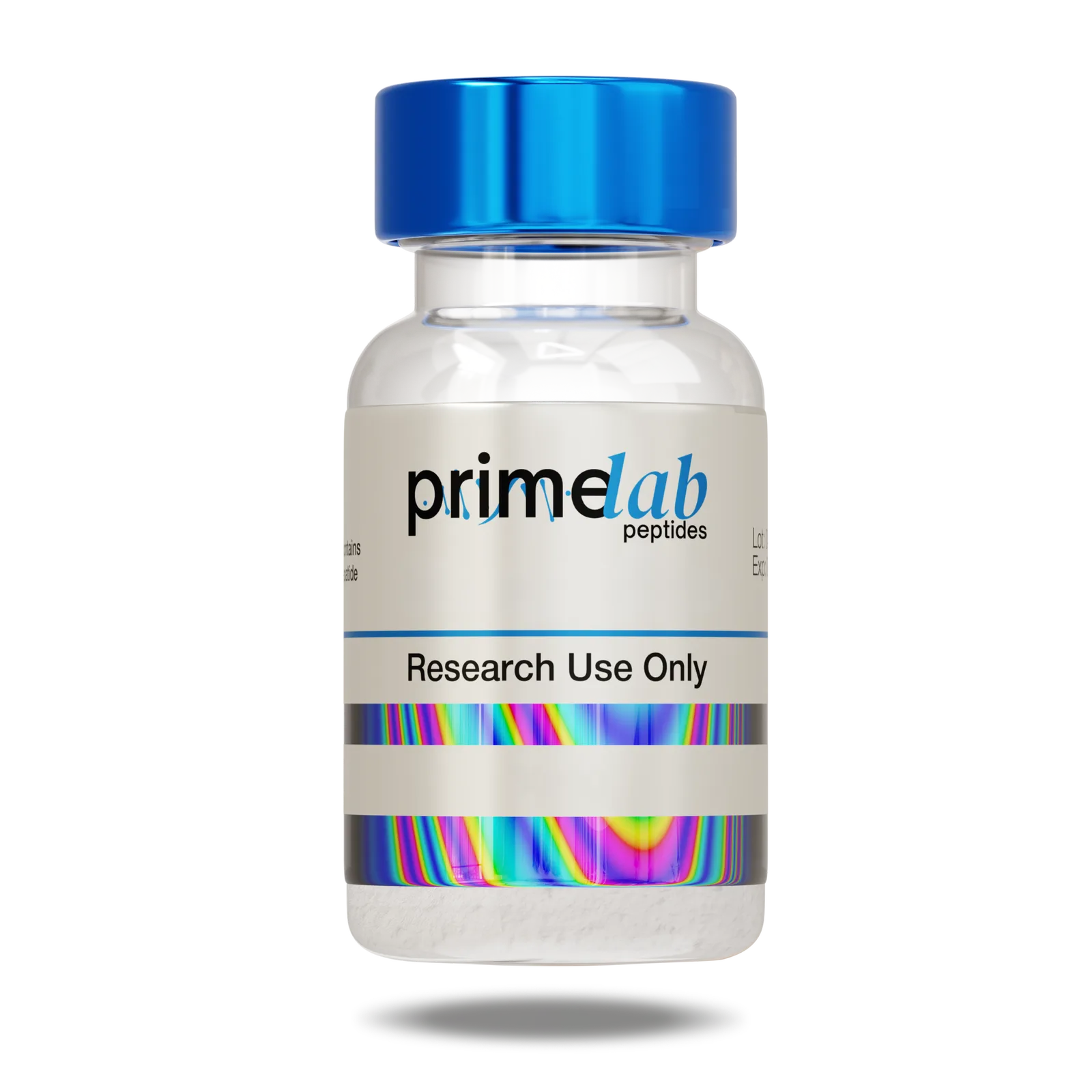
For high-purity research peptides, we point researchers to Prime Lab Peptides for Melanotan I (10 mg Vial).
Why Prime Lab Peptides?
- ▪Top-rated on Trustpilot: Independently reviewed as the highest-rated peptide lab on Trustpilot — making it the best current source in the USA.
- ▪Third-party tested: Every batch ships with a Certificate of Analysis (COA) confirming purity and composition.
- ▪Consistent quality: ISO-aligned manufacturing and handling keep product integrity reliable batch to batch.
- ▪Cold-chain integrity: Temperature-controlled shipping and storage across the whole fulfilment chain.
- ▪Research-grade purity: Fit for educational and research use that demands high-quality peptides.
Note: Product availability and specifications subject to change. Verify current product details on supplier website.
References
- 1
Am J Clin Dermatol — Afamelanotide: A Review in Erythropoietic Protoporphyria (Kim & Garnock-Jones, 2016)Reviews afamelanotide as a synthetic α-MSH analogue and first-in-class MC1R agonist administered as a biodegradable 16 mg subcutaneous controlled-release implant; in phase III trials it increased pain-free time in direct sunlight in EPP with headache and implant-site reactions the common adverse events. PMID 26979527. DOI 10.1007/s40257-016-0184-6.
- 2
J Pharm Biomed Anal — A bioassay for neutralizing antibodies against the α-MSH analog afamelanotide (Spichty et al., 2012)Describes afamelanotide as a tridecapeptide congener of α-MSH that binds the melanocortin-1 receptor on melanocytes, triggering cAMP synthesis that stimulates melanin production and skin tanning. PMID 23277150. DOI 10.1016/j.jpba.2012.11.040.
- 3
Expert Rev Clin Pharmacol — Afamelanotide (CUV1647) in dermal phototoxicity of erythropoietic protoporphyria (Minder & Schneider-Yin, 2014)Reviews the α-MSH receptor-mediated mechanism, the rationale for afamelanotide in protoporphyria, and the phase II/III and safety results, concluding the risk-benefit profile is favorable in this indication. PMID 25470471. DOI 10.1586/17512433.2014.956089.
- 4
Mol Genet Metab — Erythropoietic Protoporphyria and X-Linked Protoporphyria: pathophysiology, genetics, clinical manifestations, and management (Balwani, 2019)Clinical review confirming afamelanotide, a synthetic α-MSH analogue, increases pain-free sun exposure and improves quality of life in adults with EPP; used here as the honest disease-context and regulatory anchor. PMID 30704898. DOI 10.1016/j.ymgme.2019.01.020.
Melanotan I — frequently asked questions
How do I reconstitute a 10 mg vial of Melanotan I?
Wipe the stopper with an alcohol swab, then inject your bacteriostatic water slowly down the inside wall of the vial. Let it sit and gently swirl until dissolved — never shake. Store the mixed vial in the refrigerator and draw doses with an insulin syringe. Use the calculator above to turn any dose into syringe units.
How much bacteriostatic water should I add to Melanotan I?
There is no single correct amount — more water simply spreads the same 10 mg of peptide across a larger volume, which makes small doses easier to measure accurately. 1 to 3 mL per vial is typical. Enter your chosen volume in the calculator above to see the resulting concentration and syringe units.
What do the "units" on an insulin syringe mean?
On a U-100 insulin syringe, 100 units equal 1 mL, so 1 unit equals 0.01 mL. The calculator above converts your draw volume into these units automatically so you can measure without doing the math by hand.
How should I store Melanotan I after mixing?
Keep the reconstituted vial refrigerated at roughly 2 to 8 degrees Celsius, away from light, and avoid freezing it. Reconstituted research peptides are generally used within a few weeks. Always follow the specific guidance supplied with your product.
How many doses does a 10 mg vial of Melanotan I provide?
Divide the vial strength of 10 mg by the amount you use per injection. The calculator above reports this as "doses per vial" the moment you enter a dose.
Is Melanotan I approved for human use?
No. Melanotan I is sold strictly for laboratory and research purposes and is not approved by the FDA or other regulators for human use. Everything on this page is research information, not medical advice — consult a licensed healthcare professional before any use.
New protocols & dosing updates
Reconstitution charts, new peptide protocols and safety updates — straight to your inbox. No spam, unsubscribe anytime.