
Thymulin (5 mg) Dosage Protocol
A zinc-dependent thymic nonapeptide (formerly “serum thymic factor”/FTS), studied since the 1970s in T-cell immunology. Research-use-only — not an approved medicine and not the same molecule as Thymalin. This page is an educational reference, not a dosing recommendation.

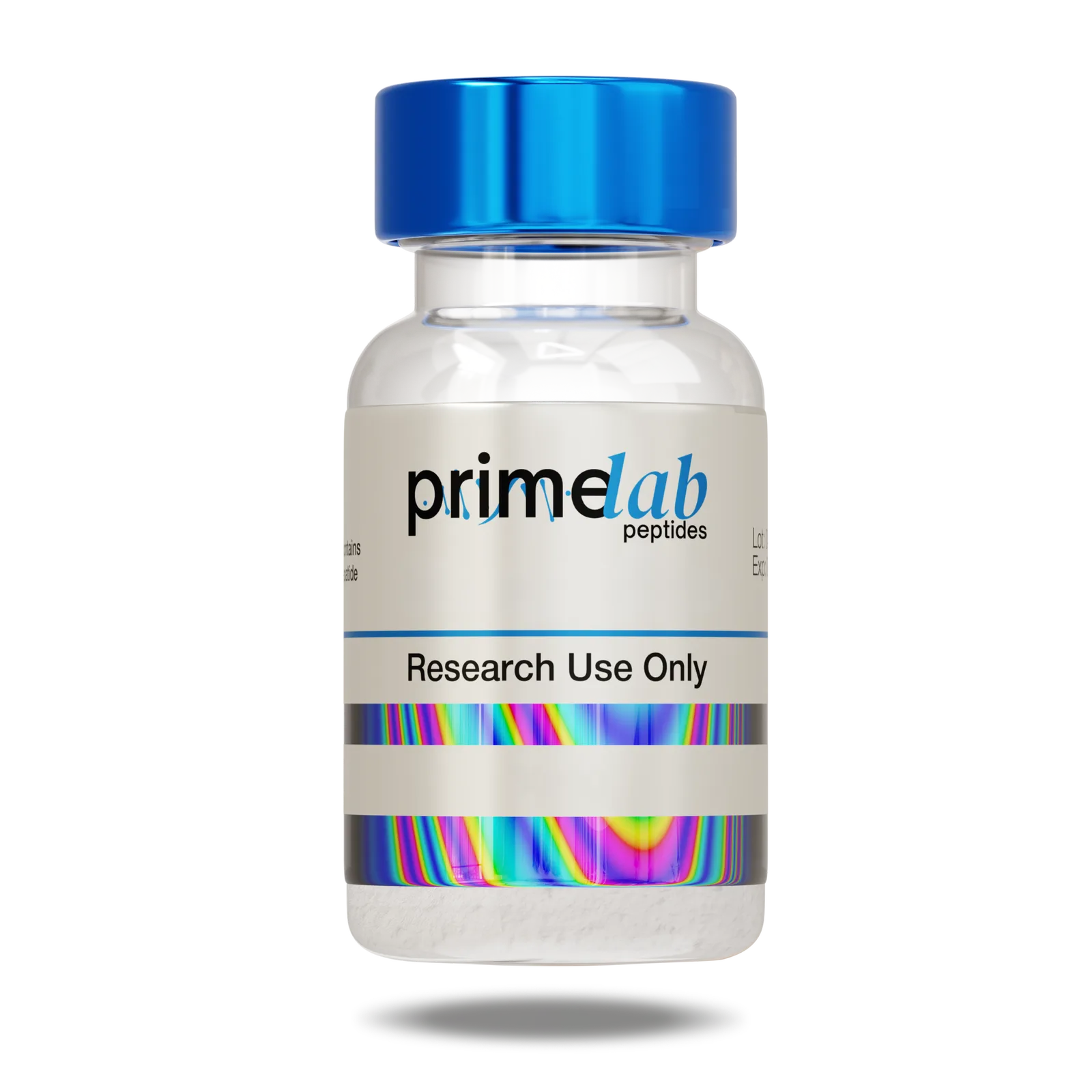
A zinc-bound thymic nonapeptide that promotes T-lymphocyte differentiation and modulates T-cell subset functions. The zinc ion is not optional: without it the peptide loses its characteristic three-dimensional conformation and its biological activity.
A laboratory research peptide, not a drug. It is not approved for human use, has no established dose, and is distinct from the crude thymus extract sold as "Thymalin". The wellness/anti-aging claims attached to research vials are not backed by modern controlled human trials.
The solid science is decades-old immunology: thymulin induces T-cell markers, its serum level falls in human zinc deficiency and rises again with zinc repletion, and it declines with age as the thymus involutes. Therapeutic benefit in humans was never established.
Pre-filled with this protocol’s recommended BAC water and documented starting dose — edit any field to run your own numbers. Reconstitution math only — not dosing advice. U-100 syringe: 100 units = 1 mL. Full reconstitution guide → · Advanced calculator →Mix & measure Thymulin · 5 mg
Dosing & Reconstitution Guide
Thymulin has no established dose for humans, and this page does not supply one. What the literature contains are experimental amounts used in immunology research — almost always at picogram-to-nanogram concentrations in cell assays or small animal models—reported here as scientific fact, not as instructions. The reconstitution figures below are simply the arithmetic of turning a lyophilized vial into a known concentration for laboratory handling.
Standard / Gradual Approach
In the classic work, thymulin is active at remarkably low concentrations: its historical bioassay (the azathioprine-sensitive rosette assay) reads out biological activity in the picogram-to-nanogram range[1], and animal studies used correspondingly tiny amounts. This is the honest scale of the science — a defined 5 mg research vial contains millions of those assay units, which is one reason casual milligram-level use has no basis in the literature.
Because the peptide’s activity is zinc-dependent, any real biological effect also depends on adequate zinc being present[3][4]. Thymulin measured in serum falls in zinc-deficient people and is restored by zinc repletion, which means the endogenous hormone’s behavior cannot be separated from zinc status. None of this defines a self-administration regimen; it describes how the natural hormone behaves in controlled research.
It is worth stating plainly: the popular framing of thymulin as an injectable “immune-boosting” or “anti-aging” peptide outruns the evidence. The durable findings are mechanistic and animal-level; there is no modern controlled human trial establishing that administering synthetic thymulin produces a clinical benefit, and no validated dose. This reference exists to explain the real science, not to endorse a protocol.
| Reference amount | Volume at 2.5 mg/mL | U-100 units |
|---|---|---|
| 100 mcg | 0.04 mL | 4 units |
| 250 mcg | 0.10 mL | 10 units |
| 500 mcg | 0.20 mL | 20 units |
| 1 mg | 0.40 mL | 40 units |
Why Thymulin draws research interest
These are the directions researchers and the peptide community most often explore Thymulin for — so you know you’re in the right place. They describe what is being studied, not proven benefits, approved uses, or promised results.
Immune & T-cell function
The main draw: a thymic hormone studied for T-cell maturation. The human data are immunology and zinc biology, not treatment outcomes.
Zinc status
The best-documented human link: serum thymulin activity falls in mild zinc deficiency and recovers when zinc is restored.
Not the same as Thymalin
Thymulin is one defined nonapeptide; Thymalin is a crude thymus extract. Different molecules, different data, not interchangeable.
Inflammation & pain
Explored in rodent work, with a nuance worth keeping: thymulin itself caused low-dose hyperalgesia, while an analog was analgesic.
Evidence ranges from early laboratory work to clinical trials depending on the use — the sections below cover the actual data and sources.
Quickstart Highlights
Thymulin is a zinc-dependent nonapeptide hormone produced by the epithelial cells of the thymus — sequence pGlu-Ala-Lys-Ser-Gln-Gly-Gly-Ser-Asn. It was first characterized in the 1970s as the “facteur thymique sérique” (serum thymic factor, FTS) by Jean-François Bach and Mireille Dardenne at Hôpital Necker in Paris, and later renamed thymulin once it was recognized that the peptide is biologically active only when it is coupled to a zinc ion[1][2].
This page is an educational reference on what thymulin is, what the research literature actually shows, and how a lyophilized research vial is reconstituted to a known concentration. It is not medical advice and not a protocol to administer the peptide. Thymulin is not approved by the FDA or any regulator as a therapeutic. One point matters up front: thymulin is not the same product as “Thymalin.” Thymulin is a single, chemically defined zinc-bound nonapeptide, whereas Thymalin is a crude polypeptide extract of thymus tissue — a mixture, not a molecule. They are routinely confused because the names look alike; this reference is about the defined peptide.
A thymic nonapeptide (pGlu-Ala-Lys-Ser-Gln-Gly-Gly-Ser-Asn) from thymic epithelial cells whose activity requires a bound zinc ion[1][3]. Formerly called serum thymic factor (FTS).
2 mL bacteriostatic water per 5 mg vial → 2.5 mg/mL. This is a lab-handling reference only; the site provides no dose for administration.
Not FDA-approved for any use. Studied for decades as an experimental immunoregulator, but never developed into an approved drug. No validated human protocol exists.
Reconstitution Steps
A research vial is lyophilized powder that must be reconstituted with bacteriostatic water before it can be measured accurately. Using 2 mL for a 5 mg vial gives 2.5 mg/mL. This is a laboratory-handling step; it is not preparation for administering the peptide.
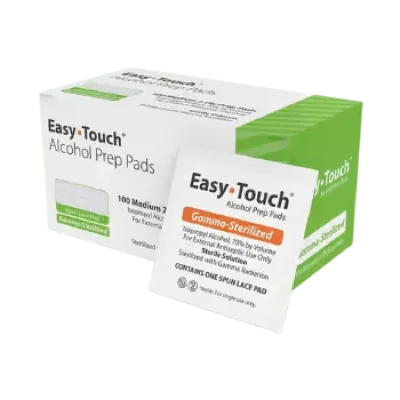
- ▪Sanitize: swab the vial stopper and the bacteriostatic-water stopper with fresh alcohol pads and let them air-dry.
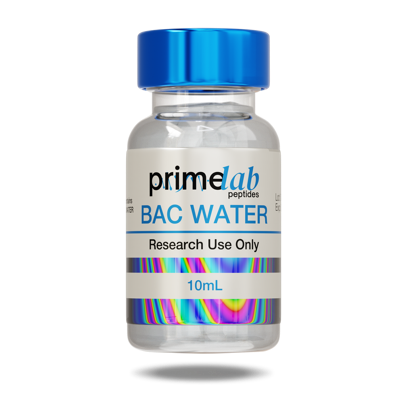
- ▪Add 2 mL slowly: draw 2 mL of bacteriostatic water and let it run down the inside wall of the vial rather than onto the powder. This yields 2.5 mg/mL.
- ▪Dissolve gently: let it stand about 30 seconds, then swirl or roll the vial between your palms. Do not shake. Discard it if the solution stays cloudy or holds particles.
- ▪Refrigerate: store the reconstituted vial at 2–8 °C, protected from light, and never freeze a reconstituted peptide.
Supplies Needed
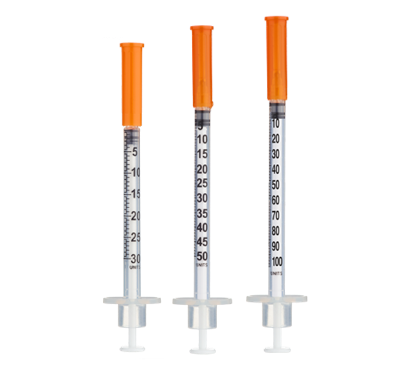
The generic reconstitution kit below is what a laboratory would use to bring a lyophilized vial into solution for measurement and storage. Listing it does not imply the peptide should be injected — thymulin is a research reagent, not a medical product.
Protocol Overview
The practical picture for thymulin is a study compound with a long, respectable research history and no approved use. In the laboratory it is reconstituted to a known concentration and used to probe thymic hormone biology and T-cell differentiation. There is no weight-based human calculation, no approved schedule, and no endorsed administration — only the immunology literature and the arithmetic of reconstitution.
What makes it scientifically notable is the zinc-dependent metallopeptide chemistry[2][3] and the genuine link between thymulin activity and human zinc status[4]. That is real, reproducible science. The honest limitation is that none of it was ever developed into a proven therapy, and the confident wellness claims made for injectable research thymulin are not supported by modern controlled human data.
Dosing Protocol
The table is a concentration–volume reference only for a 5 mg vial reconstituted in 2 mL (→ 2.5 mg/mL). It converts a given amount of peptide into a syringe volume for laboratory measurement. It is not a dose recommendation — the site does not recommend administering thymulin.
Storage Instructions
Lyophilized vials are stable refrigerated and should be protected from light; follow the supplier’s handling guidance for the unreconstituted powder. Do not freeze a vial once it has been reconstituted.
After reconstitution with bacteriostatic water, store at 2–8 °C and use within the multi-week window the preservative supports. Discard any vial whose contents turn cloudy or particulate. Because activity is zinc-dependent, degraded or improperly stored material has no assurance of retaining the peptide’s characteristic conformation.
Important Notes
The points below are the ones that matter most for anyone encountering thymulin, and several are cautions about how the compound is marketed versus what the evidence supports.
- ▪It is not a medicine: thymulin has no FDA approval and no established dose. The durable evidence is mechanistic immunology and animal work[1][4], not controlled human therapeutic trials.
- ▪It is not Thymalin: thymulin is a single defined zinc-bound nonapeptide; Thymalin is a crude thymus extract (a mixture). Do not treat claims about one as evidence for the other.
- ▪Activity is zinc-dependent: the peptide is biologically active only when coupled to a zinc ion[2][3]. This is a defining biochemical fact, not a marketing flourish, and it means zinc status is inseparable from any real effect[4].
- ▪The scale is tiny: the classic bioassay reads out in picogram-to-nanogram amounts[1], so a milligram vial is orders of magnitude larger than anything the literature used. “More” has no evidential support here.
- ▪Wellness claims outrun the data: injectable thymulin is marketed for immune and anti-aging benefits, but there is no modern controlled human trial establishing such benefits. Treat those claims skeptically.
- ▪Research vials are unverified: grey-market thymulin has no guaranteed identity, potency, purity, or — critically for this peptide — zinc-loading. An unverified metallopeptide of unknown concentration is not a substitute for medical care.
How This Works
Thymulin is a product of the thymic epithelial cells, and its best-characterized action is to promote the differentiation of T lymphocytes and to modulate the functions of T-cell subsets[1]. In the classic literature it induces T-cell surface markers on immature precursors and influences suppressor and helper subsets, which is why it was studied as an endogenous regulator of thymic-dependent immunity.
The molecular signature of thymulin is its absolute dependence on zinc. Gel-filtration binding studies show the nonapeptide binds a single zinc ion with an apparent dissociation constant in the sub-micromolar range, and binding is pH-dependent—lost below about pH 6[2]. Antibody and NMR studies further show that the zinc-bound peptide adopts a specific conformation that zinc-free thymulin lacks; monoclonal antibodies can be raised that recognize only the zinc-coupled form[3]. In other words, the metal is structural: it is what folds the peptide into its active shape.
This zinc dependence connects thymulin to human physiology in a concrete way. In controlled studies of mild zinc deficiency, serum thymulin activity fell and was restored by zinc supplementation, both in vivo and in vitro[4] — making the hormone a sensitive readout of zinc status and offering a mechanism for zinc’s well-known effects on T-cell function. The endogenous hormone also declines with age as the thymus involutes, part of why thymic peptides were of interest in immunosenescence research. These are findings about the natural hormone, not evidence that an injected research vial reproduces them.
Lifestyle Factors
If there is a genuinely evidence-based thread in the thymulin story, it is zinc. Because the peptide’s activity is zinc-dependent and its serum level tracks zinc status[4], adequate dietary zinc is the part of “thymic support” that actually rests on human data. That is a nutrition point, not an endorsement of injecting the peptide.
Beyond that, the honest framing is restraint: thymulin is a research peptide with decades of mechanistic study but no proven clinical use. For immune concerns or age-related health, evidence-based medical care—not an unregulated thymic peptide of unverified identity and zinc-loading—is the appropriate route.
Potential Benefits & Side Effects
Evidence tier: historical immunology and animal research. The “effects” below are documented findings about the endogenous hormone or its analogs, listed to describe the peptide accurately — not benefits established for injecting a research vial. Thymulin has no approved use and no validated human dose.
Reported Effects
- ▪T-cell differentiation (documented): thymulin induces T-lymphocyte markers and modulates T-cell subset functions in classic immunology assays and animal models[1].
- ▪Zinc-linked immune readout (human data): serum thymulin activity falls in human zinc deficiency and recovers with zinc repletion[4] — a real, reproducible finding about the natural hormone.
- ▪Anti-inflammatory action of a thymulin analog (animal): a thymulin-related peptide (PAT) reduced inflammatory hyperalgesia and down-regulated IL-1β, IL-6, TNF-α and NGF in rat models[6] — an analog finding, not evidence for the parent peptide in humans.
- ▪A nuance that cuts against hype: thymulin itself, injected locally at low doses, produced hyperalgesia (increased pain sensitivity) in rats via IL-1β/PGE2/NGF pathways[5] — a reminder that its actions are context-dependent, not uniformly “calming.”
- ▪What is not established: any safe, effective, approved human use, or any controlled-trial evidence that injecting synthetic thymulin improves immune function or slows aging.
Common Side Effects
- ▪Unknown human safety profile: there is no modern controlled human safety dataset for injected synthetic thymulin; historical use does not substitute for one.
- ▪Immune modulation is not risk-free: a compound that alters T-cell differentiation could in principle have unpredictable effects on immune balance, especially in anyone with autoimmune disease or on immune-active medication.
- ▪Context-dependent inflammatory effects: the parent peptide has shown pro-hyperalgesic, pro-inflammatory actions in some animal settings[5], so simplistic “anti-inflammatory” framing is not reliable.
- ▪Zinc-loading uncertainty: because activity depends on bound zinc, a grey-market vial of uncertain zinc content has uncertain activity — adding a variable no user can measure.
- ▪Research-chemical risk: mislabeling, wrong potency and contamination are the usual hazards of unregulated peptide vials, and there is no medical oversight of self-administration.
Injection Technique
The section below documents the generic subcutaneous reconstitution-and-handling workflow used across this site for completeness. It is not a recommendation to inject thymulin — the peptide is a research reagent with no approved use, no validated dose, and no controlled human safety data. It should be handled only in appropriate laboratory settings.
Pre-Injection Preparation
- ▪Understand there is no endorsed use: this peptide is not intended for administration to people; the steps here describe generic peptide handling, not a treatment.
- ▪Confirm the concentration: the reference volumes assume 2.5 mg/mL (5 mg in 2 mL). A different diluent volume changes every figure.
- ▪Inspect: the reconstituted solution should be clear and particle-free; discard it if cloudy or discolored.
Injection Procedure
- ▪Laboratory handling only: any manipulation of a research peptide belongs in a controlled setting, not a home or self-administration context.
- ▪Measure by concentration: a research amount is the intended microgram figure converted at 2.5 mg/mL — for example 0.10 mL (10 units) for 250 mcg — used for accurate laboratory measurement, not administration.
- ▪Do not self-administer: with no established dose, no human safety data, and zinc-dependent activity of unverifiable extent, there is no sound basis for self-injection.
Post-Injection Care
- ▪Store securely: refrigerate the reconstituted solution at 2–8 °C, protect it from light, and never freeze it.
- ▪Dispose responsibly: discard unused or degraded solution safely.
- ▪Seek medical advice, not peptides, for immune concerns: immune and age-related health questions belong with a qualified clinician, not an unregulated research compound.
Recommended Source
For high-purity research peptides, we point researchers to Prime Lab Peptides for Thymulin (5 mg Vial).
Why Prime Lab Peptides?
- ▪Top-rated on Trustpilot: Independently reviewed as the highest-rated peptide lab on Trustpilot — making it the best current source in the USA.
- ▪Third-party tested: Every batch ships with a Certificate of Analysis (COA) confirming purity and composition.
- ▪Consistent quality: ISO-aligned manufacturing and handling keep product integrity reliable batch to batch.
- ▪Cold-chain integrity: Temperature-controlled shipping and storage across the whole fulfilment chain.
- ▪Research-grade purity: Fit for educational and research use that demands high-quality peptides.
Note: Product availability and specifications subject to change. Verify current product details on supplier website.
References
- 1
Medical Oncology and Tumor Pharmacotherapy (1989) — Thymulin, a zinc-dependent hormoneBach & Dardenne (PMID 2657247). Review describing thymulin as a well-defined nonapeptide produced by thymic epithelial cells whose biological activity and antigenicity depend on the presence of zinc; it induces T-cell differentiation and enhances T-cell subset functions. DOI: 10.1007/BF02985220.
- 2
Biochimica et Biophysica Acta (1984) — Studies on the zinc binding site to the serum thymic factorGastinel, Dardenne, Pléau & Bach (PMID 6538097). Gel-filtration studies show the nonapeptide binds one zinc ion with an apparent Kd of ~5 × 10⁻⁷ M; binding is pH-dependent and lost below pH 6, and correlates with biological activity. DOI: 10.1016/0304-4165(84)90116-8.
- 3
PNAS (1985) — A zinc-dependent epitope on the molecule of thymulin, a thymic hormoneDardenne, Savino, Berrih & Bach (PMID 2413455). Monoclonal antibodies that block thymulin’s zinc-dependent activity recognize only the zinc-coupled peptide, and NMR data indicate the zinc-containing hormone has a unique conformation — evidence that zinc is structural to the active molecule. DOI: 10.1073/pnas.82.20.7035.
- 4
Journal of Clinical Investigation (1988) — Serum thymulin in human zinc deficiencyPrasad, Meftah, Abdallah, Kaplan, Brewer, Bach & Dardenne (PMID 3262625). In controlled models of mild human zinc deficiency, serum thymulin activity decreased and was corrected by in vivo and in vitro zinc supplementation, tying thymic hormone function to zinc status. DOI: 10.1172/JCI113717.
- 5
Brain, Behavior, and Immunity (1997) — Involvement of IL-1β, NGF and PGE2 in the hyperalgesia induced by intraplantar injections of low doses of thymulinSafieh-Garabedian, Kanaan, Jalakhian, Jabbur & Saadé (PMID 9417804). Low-dose intraplantar thymulin produced localized hyperalgesia in rats, mediated by PGE2-dependent and partly IL-1β/NGF-dependent mechanisms — showing the peptide’s actions are context-dependent, not uniformly anti-inflammatory. DOI: 10.1006/brbi.1997.0491.
- 6
British Journal of Pharmacology (2002) — Potent analgesic and anti-inflammatory actions of a novel thymulin-related peptide in the ratSafieh-Garabedian, Dardenne, Pléau & Saadé (PMID 12110619). A thymulin-related peptide (PAT) dose-dependently reduced inflammatory hyperalgesia and down-regulated IL-1β, IL-6, TNF-α and NGF in rat models — an analog finding, distinct from the parent peptide and from any human evidence. DOI: 10.1038/sj.bjp.0704793.
Thymulin — frequently asked questions
How do I reconstitute a 5 mg vial of Thymulin?
Wipe the stopper with an alcohol swab, then inject your bacteriostatic water slowly down the inside wall of the vial. Let it sit and gently swirl until dissolved — never shake. Store the mixed vial in the refrigerator and draw doses with an insulin syringe. Use the calculator above to turn any dose into syringe units.
How much bacteriostatic water should I add to Thymulin?
There is no single correct amount — more water simply spreads the same 5 mg of peptide across a larger volume, which makes small doses easier to measure accurately. 1 to 3 mL per vial is typical. Enter your chosen volume in the calculator above to see the resulting concentration and syringe units.
What do the "units" on an insulin syringe mean?
On a U-100 insulin syringe, 100 units equal 1 mL, so 1 unit equals 0.01 mL. The calculator above converts your draw volume into these units automatically so you can measure without doing the math by hand.
How should I store Thymulin after mixing?
Keep the reconstituted vial refrigerated at roughly 2 to 8 degrees Celsius, away from light, and avoid freezing it. Reconstituted research peptides are generally used within a few weeks. Always follow the specific guidance supplied with your product.
How many doses does a 5 mg vial of Thymulin provide?
Divide the vial strength of 5 mg by the amount you use per injection. The calculator above reports this as "doses per vial" the moment you enter a dose.
Is Thymulin approved for human use?
No. Thymulin is sold strictly for laboratory and research purposes and is not approved by the FDA or other regulators for human use. Everything on this page is research information, not medical advice — consult a licensed healthcare professional before any use.
New protocols & dosing updates
Reconstitution charts, new peptide protocols and safety updates — straight to your inbox. No spam, unsubscribe anytime.