
VIP (5 mg) Dosage Protocol
Vasoactive intestinal peptide (aviptadil) — a 28-amino-acid VPAC1/VPAC2 neuropeptide studied for lung protection and inflammation, and the central compound of CIRS protocols. Cleared in about a minute; the largest randomized trial was stopped for futility. Not FDA-approved.

A 28-amino-acid neuropeptide signaling through the VPAC1 and VPAC2 receptors to raise cAMP — regulating vasodilation, gut secretion and motility, glycemic control, immune tone and circadian rhythm.
Community reference is roughly 25-100 mcg per dose, most often as a compounded intranasal spray. Every controlled trial used continuous IV infusion in an ICU, dosed in pmol/kg — never a self-administered shot.
Investigational and largely negative: the 471-patient TESICO trial was stopped for futility and the FDA declined an Emergency Use Authorization in 2022. Not FDA-approved.
Quickstart Highlights
VIP — vasoactive intestinal peptide — is a naturally occurring 28-amino-acid neuropeptide first described in 1970 as a vasodilator, and now known to signal through the VPAC1 and VPAC2 receptors to regulate blood-vessel tone, intestinal ion secretion and motility, glycemic control, immune responses and circadian rhythm[1][2]. Its synthetic form is called aviptadil. In the research community VIP is studied mainly as an anti-inflammatory and lung-protective signal, and it is the central compound of the CIRS / chronic-inflammatory-response (Shoemaker) protocols, where a compounded intranasal spray — not an injection — is the route people actually discuss.
The honest picture is unusually important here. Aviptadil is not FDA-approved: the FDA declined an Emergency Use Authorization for it in critical COVID-19 in July 2022[5], and the largest randomized trial (TESICO, 461 patients) was stopped for futility[3]. The only approved aviptadil product anywhere is Invicorp, an aviptadil-plus-phentolamine intracavernosal injection licensed in several European countries for erectile dysfunction — a completely different product, route and purpose[6]. Everything below reflects research conventions and is provided strictly for research and educational reference — not medical advice.
Pre-filled with this protocol’s recommended BAC water and documented starting dose — edit any field to run your own numbers. Reconstitution math only — not dosing advice. U-100 syringe: 100 units = 1 mL. Full reconstitution guide → · Advanced calculator →Mix & measure VIP · 5 mg
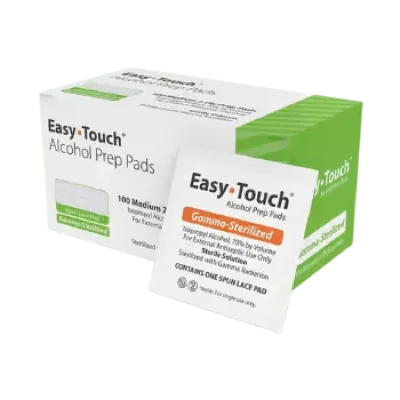
Supplies Needed
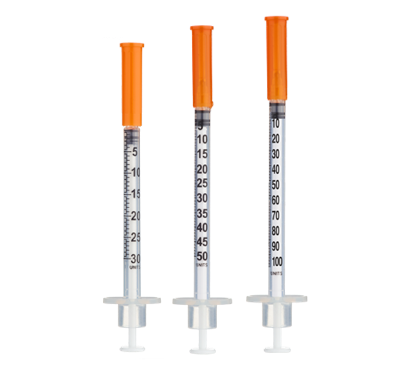
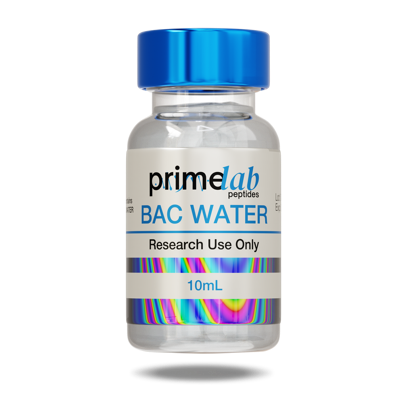
Everything a documented injectable protocol relies on. With VIP the single most important item is an accurate U-100 syringe — reference doses land at only 1–4 units, where measurement error dominates everything else.
Protocol Overview
At 2,500 mcg/mL a single 5 mg vial holds 2 mL of usable solution — on paper that is 100 doses at 50 mcg, so a vial is never the limiting factor. The limiting factor is measurement resolution: a 50 mcg dose is 0.02 mL, and pulling 2 units accurately from a U-100 syringe leaves little room for error. Some researchers deliberately reconstitute more dilute for this reason, accepting a shorter in-use window in exchange for readable volumes.
In practice the bacteriostatic-water window (~28 days refrigerated), not the vial’s dose count, is what ends a vial. A realistic research cycle uses far less than one vial, and any plan built around “using up” a 5 mg vial of a one-minute-half-life peptide deserves a second look.
Dosing Protocol
A reference table converted to U-100 units at 2,500 mcg/mL, alongside what the controlled trials actually did. This is documentation of conventions, not a titration schedule and not clinical guidance.
| Phase | Dose | Volume (U-100 units / mL) |
|---|---|---|
| Conservative reference | 25 mcg | 1 unit (0.01 mL) — at syringe resolution |
| Common reference | 50 mcg | 2 units (0.02 mL) |
| Upper reference | 100 mcg | 4 units (0.04 mL) |
| Community route (CIRS) | ~50 mcg intranasal, several times daily | Compounded spray — not a syringe dose |
| Controlled-trial route | 600–1,800 pmol/kg by 12-hour IV infusion × 3 days | ICU infusion only — never self-administered |
Why VIP draws research interest
These are the directions researchers and the peptide community most often explore VIP for — so you know you’re in the right place. They describe what is being studied, not proven benefits, approved uses, or promised results.
A one-minute half-life
Measured in humans, VIP disappears from plasma by first-order kinetics with an average half-time of about one minute — the single fact that shapes every honest discussion of how it can and cannot be dosed.
Studied for lung protection
VIP binds VPAC1 on the surfactant-producing alveolar type II cells and blunted cytokine synthesis in nonclinical work — a coherent hypothesis that a 471-patient randomized trial then failed to confirm.
The CIRS connection
Intranasal VIP is the signature intervention of the Shoemaker chronic-inflammatory-response protocols. The convention is documented here without endorsing a framework mainstream medicine does not accept.
Evidence ranges from early laboratory work to clinical trials depending on the use — the sections below cover the actual data and sources.
Add 2.0 mL bacteriostatic water to one 5 mg vial → 2,500 mcg/mL (50 mcg = just 2 U-100 units).
Community reference 25–100 mcg per dose — most often discussed intranasally, not injected. No validated schedule exists.
Trials used continuous IV infusion (ICU). A ~1-minute half-life means any bolus is gone within minutes[4].
Investigational — and largely negative. The biggest RCT stopped for futility; FDA declined an EUA. Not FDA-approved.
Dosing & Reconstitution Guide
VIP is the clearest example on this site of a peptide whose pharmacokinetics dictate the protocol. When graded doses were infused intravenously in healthy volunteers and plasma levels tracked by radioimmunoassay, VIP disappeared by first-order kinetics with an average half-time of one minute, a metabolic clearance rate of about 9 mL/kg/min and a volume of distribution of roughly 14 mL/kg[4]. A peptide that vanishes in about a minute cannot hold a systemic level from a once-daily injection — which is precisely why every serious clinical program has used continuous infusion, and why the community gravitated to a local intranasal route instead.
Standard / Gradual Approach
There is no validated titration schedule for self-administered VIP, and it would be dishonest to present one. What exists are two very different things. First, the trial protocol: aviptadil was given as a 12-hour IV infusion for 3 days, escalating across roughly 600, 1,200 and 1,800 pmol/kg on successive days, in intensive care with continuous monitoring[3]. Second, the community convention from the CIRS literature: a compounded intranasal spray delivering roughly 50 mcg per actuation, used several times daily. Neither transfers to a subcutaneous shot from a research vial.
Researchers who do work with the reconstituted vial start at the low end — around 25 mcg — for a concrete reason: VIP is a potent vasodilator, and the same human infusion study that measured its half-life also documented cutaneous flushing, a rise in pulse rate and a widened blood-pressure amplitude at the top dose[4]. At 2,500 mcg/mL a 25 mcg dose is 1 unit on a U-100 syringe — at or below the resolution of the syringe itself, which is a real accuracy problem rather than a detail.
Reconstitution Steps
Reconstitution is standard for a lyophilized peptide, but the resulting concentration is the thing to think about — 5 mg in 2 mL is very concentrated relative to a microgram-level reference dose.
- ▪Sanitize: Swab the vial stopper and the bacteriostatic-water vial with fresh alcohol pads and let them dry.
- ▪Add diluent slowly: Draw 2.0 mL bacteriostatic water and let it run down the inside wall of the vial — VIP is a small, fragile peptide, so never spray diluent directly onto the powder.
- ▪Dissolve gently: Swirl; do not shake. Shaking shears peptides and foams the solution.
- ▪Store: Label with the date and refrigerate at 2–8 °C; the reconstituted vial holds 2,500 mcg/mL (2.5 mg/mL).
Storage Instructions
Store the lyophilized vial refrigerated or frozen, away from light, until reconstitution. VIP is a short linear peptide with no stabilizing modifications, so it is less robust than a PEGylated or cyclized analog.
After reconstitution, keep the vial refrigerated at 2–8 °C and use within the bacteriostatic-water window (commonly cited as up to ~28 days). Discard if the solution becomes cloudy or discolored.
Important Notes
The points below are the ones that most change how an honest reader should interpret VIP — each is the difference between the marketing story and the published record.
- ▪The large trial was negative: TESICO randomized 471 patients with COVID-19 hypoxaemic respiratory failure; in the 461-patient modified intention-to-treat analysis the odds ratio for a better outcome at day 90 was 1.11 (95% CI 0.80–1.55, p=0.54), 90-day mortality was 38% with aviptadil versus 36% with placebo, and the data-safety board stopped the trial for futility[3]. This is the single most important fact about aviptadil and it is usually omitted by vendors.
- ▪The positive-sounding result was a secondary endpoint: An earlier 196-patient trial missed its primary endpoint (OR 1.6, 95% CI 0.86–3.11) and reported improved 60-day survival only as a secondary analysis (OR 2.0, p=0.035)[7]. A missed primary with a favorable secondary is a hypothesis, not a finding — and the larger, better-powered trial that followed did not confirm it.
- ▪Regulatory status, stated plainly: The FDA declined an Emergency Use Authorization for ZYESAMI (aviptadil) in July 2022, citing insufficient risk-benefit data[5]. The one approved aviptadil product is Invicorp (aviptadil + phentolamine) for erectile dysfunction in parts of Europe, given intracavernosally by a different route for a different indication[6] — it is not evidence for systemic anti-inflammatory use.
- ▪The CIRS context is contested: Intranasal VIP is a staple of the Shoemaker chronic-inflammatory-response-syndrome protocols. This reference documents that community convention because people genuinely search for it — but CIRS as a diagnostic framework is not accepted by mainstream medicine, and no controlled trial supports intranasal VIP for it. Describing the practice is not endorsing the diagnosis.
- ▪What VIP excess looks like: Infusing VIP raises plasma levels into the range seen in Verner-Morrison syndrome (VIPoma) — a tumor syndrome of VIP excess whose hallmark is profuse watery diarrhea with potassium loss[4]. That is the clearest available signal of what sustained high VIP does to a human being, and it is a real reason not to chase dose.
How This Works
VIP is a 28-amino-acid member of the secretin/glucagon peptide superfamily that signals through two class-B G-protein-coupled receptors, VPAC1 and VPAC2, raising intracellular cAMP[2]. Those receptors sit on vascular smooth muscle, gut epithelium and endocrine cells, and on immune cells — which is why one peptide plausibly touches vasodilation, intestinal secretion, motility, glycemic control and immune tone all at once[1]. The breadth is real, but it cuts both ways: VIP is not selective, so a dose aimed at an immune effect necessarily also hits blood vessels and bowel.
The lung rationale that drove the COVID-19 programs is specific and worth understanding on its merits. VIP binds VPAC1, which is densely expressed on alveolar type II cells — the surfactant-producing cells that SARS-CoV-2 also targets — and in nonclinical work VIP upregulated surfactant production and blunted cytokine synthesis[7]. That was a coherent hypothesis. It was then tested properly in a 471-patient randomized trial and did not translate into better patient outcomes[3] — a useful reminder that a good mechanism is a starting point, not a result. Its clinical development has also been limited throughout by exactly the properties described above: no oral bioavailability, poor receptor selectivity and a half-life measured in minutes[2].
Lifestyle Factors
Because VIP is a vasodilator with a one-minute half-life, the practical variables around it are circulatory rather than nutritional. Standing up quickly after a dose, dosing in a hot shower or sauna, alcohol, and any blood-pressure or vasodilator medication all push in the same direction as the peptide — toward hypotension and flushing.
VIP is also a circadian and gut-motility signal[1], so sleep timing and bowel symptoms are the two things researchers most often track. None of this substitutes for medical evaluation of the underlying inflammatory or fatigue picture that usually brings people to VIP in the first place.
Potential Benefits & Side Effects
What the literature actually reports — and here the honest summary is that the strongest human evidence is negative. The items below are mechanistic and preclinical findings plus one contested community practice, not demonstrated benefits.
Reported Effects
- ▪Studied for lung protection and inflammation: In nonclinical work VIP upregulated surfactant production, inhibited cytokine synthesis and protected alveolar type II cells — the rationale behind the aviptadil COVID-19 programs[7]. In the definitive randomized trial this did not improve clinical outcomes[3].
- ▪Immune modulation (preclinical): VIP regulates immune responses and has been explored for autoimmune disease and colitis in animal and cell models — the basis of the anti-inflammatory interest[1]. No controlled human trial establishes this benefit.
- ▪Vasodilation: The one effect reliably demonstrated in humans. Infusion produces measurable cutaneous flushing, increased pulse rate and widened blood-pressure amplitude[4] — and it is the basis of the only approved product, intracavernosal Invicorp for erectile dysfunction[6].
- ▪Gut and metabolic signaling: VIP governs intestinal ion secretion, nutrient absorption, motility and glycemic control, with therapeutic application to diabetes explored preclinically[1].
- ▪Studied for CIRS / mold illness: Intranasal VIP is the signature intervention of the Shoemaker CIRS protocols and is what most searchers are asking about. The convention is documented here without endorsement — the framework is contested and the practice is not supported by controlled trials.
Common Side Effects
- ▪Hypotension and flushing: The predictable consequence of a potent vasodilator; documented in human infusion alongside increased pulse rate and widened blood-pressure amplitude[4]. This is the most commonly reported effect of intranasal VIP too.
- ▪Diarrhea and electrolyte loss: Sustained high VIP reproduces the biology of Verner-Morrison syndrome (VIPoma) — profuse watery diarrhea with potassium loss[4]. Dose-chasing has a defined and unpleasant ceiling.
- ▪Metabolic shifts: Even at the pancreatic-submaximal infusion dose, plasma glucose, free fatty acids and calcium rose slightly but significantly in healthy volunteers[4].
- ▪Trial-setting safety context: In TESICO the composite safety outcome (death, serious adverse events, organ failure, serious infection or grade 3–4 adverse events by day 5) occurred in 63% of aviptadil patients versus 56% on placebo (OR 1.40, 95% CI 0.94–2.08)[3] — not statistically significant, but not a clean bill of health either, and that was in critically ill patients under continuous monitoring.
- ▪Unverified purity: VIP is a fragile 28-amino-acid peptide that degrades easily and is trivial to mislabel; without a Certificate of Analysis, identity and potency cannot be assumed.
Injection Technique
If a documented research protocol involves subcutaneous injection, standard technique applies — but with VIP the vasodilatory response, not the injection itself, is the thing to plan around.
Pre-Injection Preparation
- ▪Wash hands; let the refrigerated vial come toward room temperature to reduce sting.
- ▪Swab the stopper and injection site; let the alcohol dry fully.
- ▪Draw your dose into a fresh U-100 syringe and confirm the unit mark before injecting — at 2,500 mcg/mL a one-unit error is a 25 mcg error, which is an entire conservative dose.
Injection Procedure
- ▪Pinch a subcutaneous skinfold (abdomen is typical) and insert at 45–90°.
- ▪Inject at a steady, even pace.
- ▪Withdraw and apply light pressure with a clean swab — do not rub.
Post-Injection Care
- ▪Sit or lie down for a few minutes rather than standing straight up — flushing and blood-pressure changes are the expected pharmacology, not an anomaly.
- ▪Drop the used syringe straight into a puncture-proof sharps container and rotate sites between doses.
- ▪Return the vial to the refrigerator promptly and record the dose, time and any flushing or bowel response.
Recommended Source
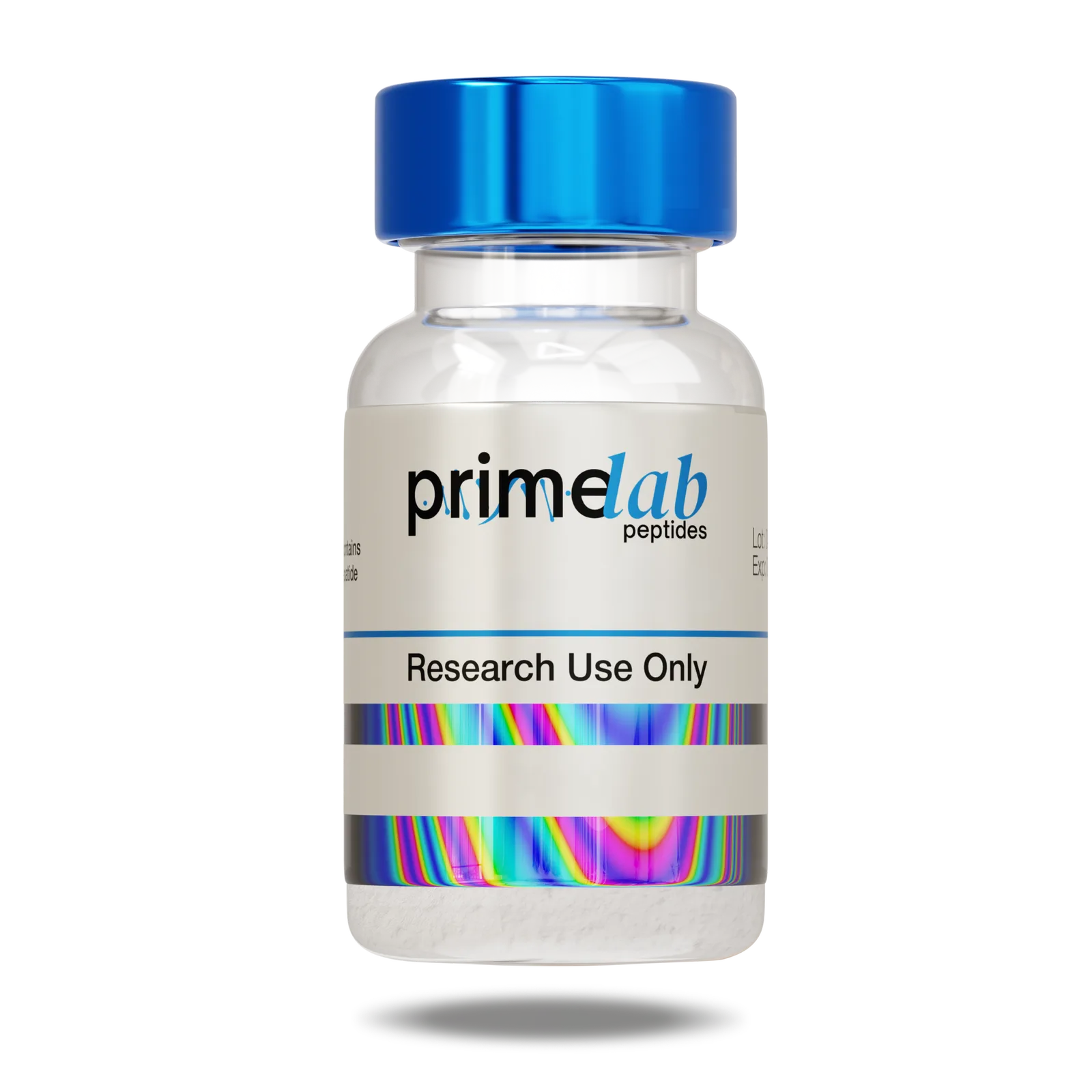
For high-purity research peptides, we point researchers to Prime Lab Peptides for VIP (5 mg Vial).
Why Prime Lab Peptides?
- ▪Top-rated on Trustpilot: Independently reviewed as the highest-rated peptide lab on Trustpilot — making it the best current source in the USA.
- ▪Third-party tested: Every batch ships with a Certificate of Analysis (COA) confirming purity and composition.
- ▪Consistent quality: ISO-aligned manufacturing and handling keep product integrity reliable batch to batch.
- ▪Cold-chain integrity: Temperature-controlled shipping and storage across the whole fulfilment chain.
- ▪Research-grade purity: Fit for educational and research use that demands high-quality peptides.
Note: Product availability and specifications subject to change. Verify current product details on supplier website.
References
- 1
F1000Research — Recent advances in vasoactive intestinal peptide physiology and pathophysiology: focus on the gastrointestinal system (Iwasaki, Akiba & Kaunitz, 2019)Review describing VIP as a gut peptide hormone first reported as a vasodilator in 1970, with effects on ion secretion, nutrient absorption, gut motility, glycemic control, immune responses and circadian rhythms, and possible therapeutic application to diabetes, autoimmune disease and cancer. PMID 31559013. DOI 10.12688/f1000research.18039.1.
- 2
Frontiers in Endocrinology — Drug Repositioning For Allosteric Modulation of VIP and PACAP Receptors (Langer & Latek, 2021)Describes VIP signaling through the class-B GPCRs VPAC1 and VPAC2, and states plainly that pharmacological use of the endogenous ligands is limited by poor receptor selectivity, absent oral bioavailability (27-38 amino-acid peptides) and a short half-life. PMID 34867774. DOI 10.3389/fendo.2021.711906.
- 3
The Lancet Respiratory Medicine — Intravenous aviptadil and remdesivir for treatment of COVID-19-associated hypoxaemic respiratory failure in the USA (TESICO) (Brown et al., 2023)The definitive randomized placebo-controlled trial of aviptadil: 471 randomized, 461 in the modified intention-to-treat analysis; odds ratio for a better day-90 outcome 1.11 (95% CI 0.80-1.55, p=0.54); 90-day mortality 38% vs 36%; stopped for futility on the recommendation of the data and safety monitoring board. PMID 37348524. DOI 10.1016/S2213-2600(23)00147-9.
- 4
Gut — Vasoactive intestinal peptide in man: pharmacokinetics, metabolic and circulatory effects (Domschke et al., 1978)The human pharmacokinetic study: graded IV infusions of 0.6, 1.3 and 3.3 pmol/kg/min in healthy volunteers; after infusion, plasma VIP fell by first-order kinetics with an average disappearance half-time of one minute, metabolic clearance ~9 mL/kg/min, volume of distribution ~14 mL/kg. Plateau levels reached the range seen in Verner-Morrison syndrome; the top dose raised glucose, free fatty acids and calcium and produced flushing and increased pulse rate. PMID 730072. DOI 10.1136/gut.19.11.1049.
- 5
NRx Pharmaceuticals — FDA Declines Emergency Use Authorization for ZYESAMI (aviptadil) (2022)The sponsor’s own announcement that the US FDA declined to issue an Emergency Use Authorization for ZYESAMI (aviptadil) in critical COVID-19 — the primary-source confirmation that aviptadil is not FDA-authorized or approved in the United States.
- 6
Scottish Medicines Consortium — aviptadil/phentolamine mesilate (Invicorp) advice (2017)Health-technology assessment of Invicorp, the aviptadil-plus-phentolamine intracavernosal injection licensed in Europe for erectile dysfunction — the only approved aviptadil-containing product, accepted for restricted use in NHS Scotland in men who have failed oral therapies. Establishes the approved indication, route and dose (25 micrograms aviptadil / 2 mg phentolamine).
- 7
Critical Care Medicine — The Use of IV Vasoactive Intestinal Peptide (Aviptadil) in Patients With Critical COVID-19 Respiratory Failure: Results of a 60-Day Randomized Controlled Trial (Youssef et al., 2022)The earlier 196-patient multicenter placebo-controlled trial. The primary endpoint (alive and free from respiratory failure at day 60) did NOT reach statistical significance (OR 1.6, 95% CI 0.86-3.11); improved 60-day survival (OR 2.0, 95% CI 1.1-3.9, p=0.035) was a secondary finding. Also summarizes the nonclinical rationale: VIP upregulates surfactant production and inhibits cytokine synthesis via the VPAC1 receptor on alveolar type II cells. PMID 36044317. DOI 10.1097/CCM.0000000000005660.
VIP — frequently asked questions
How do I reconstitute a 5 mg vial of VIP?
Wipe the stopper with an alcohol swab, then inject your bacteriostatic water slowly down the inside wall of the vial. Let it sit and gently swirl until dissolved — never shake. Store the mixed vial in the refrigerator and draw doses with an insulin syringe. Use the calculator above to turn any dose into syringe units.
How much bacteriostatic water should I add to VIP?
There is no single correct amount — more water simply spreads the same 5 mg of peptide across a larger volume, which makes small doses easier to measure accurately. 1 to 3 mL per vial is typical. Enter your chosen volume in the calculator above to see the resulting concentration and syringe units.
What do the "units" on an insulin syringe mean?
On a U-100 insulin syringe, 100 units equal 1 mL, so 1 unit equals 0.01 mL. The calculator above converts your draw volume into these units automatically so you can measure without doing the math by hand.
How should I store VIP after mixing?
Keep the reconstituted vial refrigerated at roughly 2 to 8 degrees Celsius, away from light, and avoid freezing it. Reconstituted research peptides are generally used within a few weeks. Always follow the specific guidance supplied with your product.
How many doses does a 5 mg vial of VIP provide?
Divide the vial strength of 5 mg by the amount you use per injection. The calculator above reports this as "doses per vial" the moment you enter a dose.
Is VIP approved for human use?
No. VIP is sold strictly for laboratory and research purposes and is not approved by the FDA or other regulators for human use. Everything on this page is research information, not medical advice — consult a licensed healthcare professional before any use.
New protocols & dosing updates
Reconstitution charts, new peptide protocols and safety updates — straight to your inbox. No spam, unsubscribe anytime.