
Teduglutide (5 mg) Dosage Protocol
A 33-amino-acid GLP-2 analog (GATTEX, Revestive) and the only approved GLP-2 — studied and prescribed to grow intestinal mucosa in short bowel syndrome. FDA-approved only for patients dependent on parenteral support; no controlled trial supports it for gut health or “leaky gut”.

A 33-amino-acid GLP-2 analog with a single Ala-to-Gly substitution at position 2 that blocks DPP-4 degradation. Its receptor is not on the dividing crypt cells: it sits on subepithelial myofibroblasts and enteric neurons, which release IGF-1, IGF-2, KGF and nitric oxide to drive mucosal growth indirectly.
0.05 mg/kg once daily subcutaneously, indefinitely, with no titration. The 5 mg vial is reconstituted with exactly 0.5 mL to 10 mg/mL, of which only 0.38 mL (3.8 mg) is withdrawable, so one vial stops covering a daily dose above about 76 kg.
FDA-approved since 2012 for short bowel syndrome with dependence on parenteral support. The pivotal 24-week trial showed 63% vs 30% achieving a 20% reduction in IV nutrition. No trial has ever tested it for leaky gut, permeability or IBS.
Quickstart Highlights
Teduglutide (development code ALX-0600, marketed as GATTEX in the United States and Revestive in Europe) is a 33-amino-acid analog of glucagon-like peptide-2 (GLP-2) — the gut hormone that tells the intestinal lining to grow[1]. It differs from native GLP-2 by a single substitution, alanine to glycine at position 2, which blocks the DPP-4 enzyme that would otherwise chew the native hormone up within minutes[7]. It is the only approved GLP-2 analog, and it is studied and prescribed for one thing: helping people with short bowel syndrome absorb enough nutrition through what is left of their intestine that they can reduce the intravenous feeding they depend on to stay alive[1]. It reliably increases villus height, crypt depth and intestinal blood flow — it grows bowel[3].
This page is an educational reference on how teduglutide has been dosed in published trials and on its approved label. It is not medical advice, and research-grade vials sold online are not the approved product. Teduglutide is a prescription drug administered under specialist supervision with mandatory endoscopic surveillance — for reasons that section 4 explains plainly.
Pre-filled with this protocol’s recommended BAC water and documented starting dose — edit any field to run your own numbers. Reconstitution math only — not dosing advice. U-100 syringe: 100 units = 1 mL. Full reconstitution guide → · Advanced calculator →Mix & measure Teduglutide · 5 mg
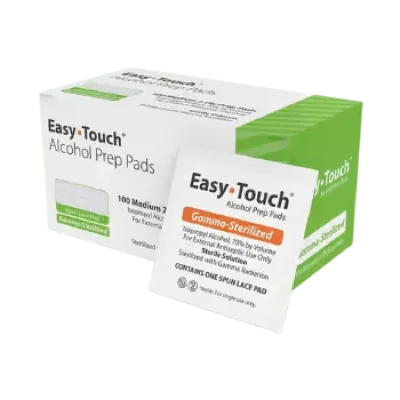
Supplies Needed
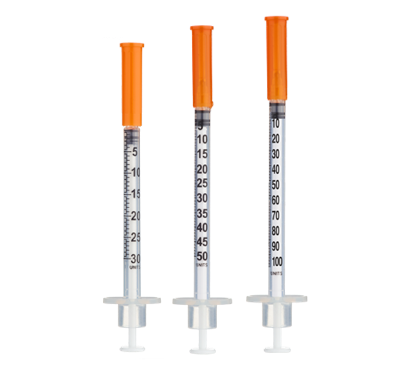
The commercial kit supplies its own matched diluent and syringe. The list below reflects the generic reconstitution workflow used across this site for research vials, which is a different and less controlled situation — see the notes in section 4.
Protocol Overview
The math is unusually tight for this compound. A 5 mg vial reconstituted to 10 mg/mL yields 3.8 mg of withdrawable drug[1]. Because dosing is 0.05 mg/kg daily, a 60 kg adult needs 3.0 mg/day and a 70 kg adult needs 3.5 mg/day — so the approved product is essentially a one-vial-per-day drug, and above roughly 76 kg one vial no longer covers a single day’s dose.
That is the practical reality behind the cost and supervision this drug carries: it is a daily injection, taken indefinitely, of a single-dose vial, alongside mandatory pre-treatment endoscopy, six-monthly bloodwork and scheduled surveillance colonoscopies[1]. It is dispensed through intestinal-failure centers, not casually.
Dosing Protocol
Reference dose volumes at the label’s own concentration (5 mg vial reconstituted with 0.5 mL → 10 mg/mL). These reproduce the approved 0.05 mg/kg/day schedule — they are not a recommendation to self-administer.
| Body Weight (reference) | Daily Dose (0.05 mg/kg) | Volume (U-100 units / mL) |
|---|---|---|
| 40 kg | 2.0 mg once daily | 20 units (0.20 mL) |
| 50 kg | 2.5 mg once daily | 25 units (0.25 mL) |
| 60 kg | 3.0 mg once daily | 30 units (0.30 mL) |
| 70 kg | 3.5 mg once daily | 35 units (0.35 mL) |
| ≈76 kg — the vial ceiling[1] | 3.8 mg once daily | 38 units (0.38 mL) — the maximum withdrawable from one vial |
| Renal impairment (eGFR <60)[1] | 0.025 mg/kg — half the above | Half the volumes above |
Why Teduglutide draws research interest
These are the directions researchers and the peptide community most often explore Teduglutide for — so you know you’re in the right place. They describe what is being studied, not proven benefits, approved uses, or promised results.
The growth is the risk
Teduglutide is not genotoxic — it was negative in every mutagenicity assay. It grows intestinal tissue, which is exactly the therapeutic point with 77 cm of bowel left, and exactly why the label demands a colonoscopy before you start and every 5 years after.
More was not better
The dose-ranging phase 3 tested 0.05 and 0.10 mg/kg. The lower dose met its endpoint (p=0.007); the higher dose failed (p=0.16). The approved dose is the smaller one — a useful counterweight to the instinct that a growth peptide should be pushed.
Not the drug people are searching for
The one trial in an adjacent indication — Crohn's disease, 2010 — produced remission rates its own authors called only numerically higher than placebo, and no successful phase 3 followed in sixteen years.
Evidence ranges from early laboratory work to clinical trials depending on the use — the sections below cover the actual data and sources.
The label is specific: 0.5 mL sterile water per 5 mg vial → 10 mg/mL[1]. A 3.5 mg dose = 35 U-100 units (0.35 mL). Reconstituting into 2 mL instead would give 2.5 mg/mL and push a typical dose past a 1 mL syringe.
0.05 mg/kg once daily — about 2–3.8 mg across adult body weights[1]. Reduced to 0.025 mg/kg in moderate-to-severe renal impairment[1].
Subcutaneous only, once daily, rotating sites. The label states plainly it is not for intravenous or intramuscular use, and reconstituted solution must be used within 3 hours[1].
Dosing & Reconstitution Guide
Teduglutide is one of the few compounds on this site with a fully public, precisely defined human dose — it is an approved drug with a published label and a pivotal trial behind it. The dose is weight-based, which makes it unusual here, and it is not titrated upward: patients start at the maintenance dose and stay there[1].
Standard / Gradual Approach
There is no titration ladder, and the trial history explains why more is not better. The earlier phase 3 study tested two doses against placebo, and the results ran the opposite way to intuition: 0.05 mg/kg/day met the primary endpoint (16/35 responders, p=0.007) while the higher 0.10 mg/kg/day dose failed it (8/32, p=0.16)[3]. The lower dose became the approved dose. Anyone reasoning that a bigger dose of a growth-promoting peptide should work better is contradicted by the compound’s own dose-ranging data.
Dosing is 0.05 mg/kg of actual body weight once daily, given subcutaneously and rounded to the nearest 0.1 mL of the reconstituted 10 mg/mL solution[1]. In moderate-to-severe renal impairment or end-stage renal disease (eGFR below 60 mL/min/1.73m²) the label halves this to 0.025 mg/kg/day, because teduglutide is cleared renally at roughly the glomerular filtration rate[1].
The 3.8 mg ceiling is a real constraint, not a footnote. The label states that a maximum of 0.38 mL — 3.8 mg — can be withdrawn from a reconstituted 5 mg vial; the remaining ~1.2 mg is unrecoverable holdup volume[1]. At 0.05 mg/kg, that ceiling is reached at about 76 kg of body weight. Above that, a single vial does not contain one day’s withdrawable dose. Any arithmetic that assumes “5 mg vial = 5 mg of drug” is wrong even for the real commercial product.
Treatment is continuous and open-ended — there is no course, no cycle and no defined stopping point. The label warns that stopping can cause fluid and electrolyte imbalance, because the absorptive gain reverses as the mucosa regresses[1].
Reconstitution Steps
The commercial product ships as a kit: a 5 mg lyophilized single-dose vial plus a prefilled syringe containing exactly 0.5 mL of preservative-free sterile water. That 0.5 mL is not an approximation — it is what produces the 10 mg/mL concentration every dose volume on the label is calculated from[1].
- ▪Sanitize: Swab the vial stopper and the diluent stopper with fresh alcohol pads and let them air-dry.
- ▪Add exactly 0.5 mL: Draw 0.5 mL of diluent and run it slowly down the inside wall of the vial rather than jetting it onto the cake. This gives 10 mg/mL — the concentration the label’s dose volumes assume.
- ▪Dissolve gently: Let it stand about 30 seconds, then roll the vial gently between your palms. Do not shake — shaking foams and shears peptide solutions. The label allows roughly 3 minutes for the cake to dissolve; do not use the solution if it is cloudy or contains particles[1].
- ▪Use within 3 hours: Unlike most peptides on this site, the reconstituted commercial product is not a multi-week refrigerated stock — it is single-dose, preservative-free, and the label says to discard it within 3 hours[1]. Never freeze it.
Storage Instructions
Unopened vials of the commercial product are stored at room temperature, 20–25 °C, and must not be frozen[1]. This differs from most peptides catalogued here, which ship and store refrigerated.
The reconstituted solution is single-dose and preservative-free: use within 3 hours at room temperature and discard the remainder[1]. It is not designed to be kept as a refrigerated multi-dose stock, and a research vial reconstituted with bacteriostatic water is not the same preparation the label’s stability data describe.
Important Notes
The points below are the ones most often lost when teduglutide is discussed as a gut-health peptide rather than as the narrow, closely supervised drug it actually is.
- ▪The trophic mechanism and the cancer warning are the same pharmacology — not two separate facts: The label’s Warnings & Precautions section states the neoplasia potential is based “on the pharmacologic activity and tumor findings in the rat and mouse carcinogenicity studies”[1]. Teduglutide is not genotoxic — it was negative in Ames, chromosomal-aberration and micronucleus assays. It does not damage DNA. It grows intestinal tissue, which is precisely the therapeutic point in someone with 77 cm of remaining bowel, and an uncompensated risk in someone with a normal intestine and a vague symptom. Animal studies found bile-duct and jejunal adenomas in rats and jejunal adenocarcinomas in mice[1].
- ▪To be accurate: there is no boxed warning — and the surveillance requirement is real anyway: Contrary to what several summaries state, the GATTEX label carries no boxed warning; the neoplasia language sits in Warnings & Precautions 5.1[1]. That is not reassurance. The same section requires a colonoscopy with removal of polyps within 6 months before starting, another at 1 year, then every 5 years, plus bilirubin, alkaline phosphatase, lipase and amylase every 6 months, and discontinuation if GI cancer is found[1]. Postmarketing reports include colorectal, gastric and small-intestinal polyps.
- ▪There is no evidence for the use most people are searching for: No trial has ever tested teduglutide for “leaky gut”, intestinal permeability as an endpoint, or IBS. The one adjacent trial — a 2010 pilot in moderate-to-severe Crohn’s disease — produced remission rates its own authors described as only numerically higher than placebo (32% vs 20%), i.e. not statistically significant[6]. In the sixteen years since, no successful phase 3 in inflammatory bowel disease has followed. The searcher’s intent has no supporting trial behind it.
- ▪The approved population is not a gut-health population: In the pivotal trial the average patient had 77 cm of remaining small intestine against a normal length of roughly 6 metres, had been dependent on intravenous nutrition for a mean of 6 years, and in 44% of cases had no colon in continuity[2]. The indication’s own wording — “dependent on parenteral support” — is part of the indication, not a footnote[1].
- ▪Other labeled risks: intestinal obstruction; biliary and pancreatic disease (cholecystitis, cholangitis, pancreatitis); fluid overload and congestive heart failure, attributed to the enhanced fluid absorption the drug is designed to produce; and increased absorption of concomitant oral medications, which can require dose adjustment of other drugs[1]. The label lists no contraindications.
- ▪A research vial is not this product: the approved drug is a single-dose vial with a matched 0.5 mL prefilled diluent syringe, dispensed with documented potency, overfill accounting and mandatory endoscopic surveillance. A research vial has none of that — no verified fill or potency, no matched diluent, and no surveillance program attached to a drug whose known hazard is accelerating growth in tissue you cannot see.
How This Works
Native GLP-2 is secreted by the L-cells of the distal intestine in response to food, and is degraded rapidly by DPP-4. Teduglutide’s single Ala→Gly substitution at position 2 removes the DPP-4 cleavage site[7], extending the half-life to roughly 2 hours in healthy subjects and about 1.3 hours in short bowel syndrome, with 88% subcutaneous bioavailability[1]. That is the entire design: same hormone, long enough to matter.
The receptor is not where most summaries put it. The GLP-2 receptor is not expressed on the dividing crypt stem cells that actually multiply. The label localizes it to enteroendocrine cells, subepithelial myofibroblasts, and enteric neurons of the submucosal and myenteric plexus[1], and the mechanistic literature states directly that GLP-2R “has been localized to several intestinal cell types that do not include the proliferating crypt cells”[5]. The growth signal is therefore indirect and paracrine: activating those receptors releases IGF-1, IGF-2, keratinocyte growth factor and nitric oxide, and those mediators drive crypt-cell proliferation, increased villus height, deeper crypts and increased intestinal and portal blood flow[1][5]. One popular claim worth dropping: a dedicated randomized trial in 36 healthy subjects found teduglutide had no significant effect on gastric emptying of liquids[8] — the label describes inhibition of gastric acid secretion, which is a different thing.
Lifestyle Factors
In the population this drug is actually for, “lifestyle” means clinical nutrition management, not habits. Teduglutide works alongside a structured oral and parenteral nutrition plan, and its effect is measured as reduced intravenous volume — which means parenteral support has to be actively and carefully weaned by the treating team as absorption improves. The label instructs that parenteral support be reduced in response to the drug, with fluid status monitored[1].
Hydration and electrolyte monitoring matter in both directions. The drug improves fluid absorption, which is the goal — but the same effect drives the labeled risks of fluid overload and congestive heart failure if intravenous volumes are not stepped down, and of fluid and electrolyte imbalance if the drug is stopped abruptly while the mucosa regresses[1]. Because oral drug absorption also increases, other medications may need re-adjustment.
Potential Benefits & Side Effects
Evidence tier: approved drug with positive randomized phase 3 data — genuinely strong, and genuinely narrow. Everything below was measured in patients with short bowel syndrome dependent on intravenous nutrition. None of it generalizes to a healthy intestine, and no trial has tested it in one.
Reported Effects
- ▪Reduced dependence on intravenous nutrition — the pivotal result: In the 24-week STEPS trial (n=86), 63% of teduglutide patients vs 30% on placebo achieved at least a 20% reduction in weekly parenteral support volume (p=0.002), a mean reduction of 4.4 L/week vs 2.3 L/week[2].
- ▪Days off intravenous feeding: 54% of treated patients vs 23% on placebo gained at least one full day per week free of parenteral support[2].
- ▪A minority reach full independence, over years not weeks: In the 2-year STEPS-2 extension, 13 patients achieved complete enteral autonomy, with mean parenteral support down 7.6 L/week (66%) in those treated throughout[4]. This is the strongest outcome the drug produces, and it takes years of daily injections.
- ▪Measurable mucosal growth: Villus height, crypt depth and plasma citrulline (a marker of mucosal mass) increase — the structural change that the absorptive gain rests on[3].
- ▪What is not established: any benefit for intestinal permeability, “leaky gut”, IBS, or inflammatory bowel disease. The only IBD trial did not reach significance[6].
Common Side Effects
- ▪Abdominal distension — the clearest real signal: 20% vs 2% on placebo in the pooled controlled trials[1]. This is the one adverse effect where placebo is near zero, a roughly tenfold separation.
- ▪Common GI effects: abdominal pain 30% (placebo 22%), nausea 23% (20%), vomiting 12% (10%), flatulence 9% (7%)[1]. Most overlap placebo substantially — worth stating honestly rather than inflating.
- ▪Injection-site and systemic: injection-site reactions 13%, upper respiratory infection 21%, hypersensitivity 10%, fluid overload 12%, decreased appetite 7%, sleep disturbance 5%[1]. Postmarketing: injection-site induration, inflammation, pruritus and urticaria.
- ▪Stoma complications: in patients with a stoma, GI stoma complications occurred in 42% (13/31) on teduglutide vs 14% (3/22) on placebo — consistent with the drug doing exactly what it is designed to do to intestinal tissue[1].
- ▪Serious labeled risks: acceleration of neoplastic growth; intestinal obstruction; biliary and pancreatic disease; fluid overload and congestive heart failure[1]. In long-term extension studies, catheter sepsis was reported in 28% — a hazard of the underlying condition and its central line rather than of the drug itself[4].
Injection Technique
The approved route is subcutaneous injection, once daily, rotating between sites. The label is explicit that teduglutide is not for intravenous or intramuscular administration[1].
Pre-Injection Preparation
- ▪Confirm the concentration: every dose volume on the label assumes 10 mg/mL — a 5 mg vial in exactly 0.5 mL. If a different diluent volume was used, every volume in the table above is wrong.
- ▪Inspect: the reconstituted solution should be clear and free of particles; the label says to discard it if cloudy[1].
- ▪Rotate the site: alternate among the four abdominal quadrants and the thighs; the label directs rotation to avoid repeated injection into the same area[1].
Injection Procedure
- ▪Draw the weight-based volume: 0.05 mg/kg, rounded to the nearest 0.1 mL of the 10 mg/mL solution — and no more than 0.38 mL, the maximum the label states can be withdrawn from one vial[1].
- ▪Inject subcutaneously: pinch the skin, insert at the angle appropriate to the needle length, and deliver slowly into subcutaneous tissue — never IV or IM[1].
- ▪Time it consistently: once daily; the label does not tie dosing to meals, so a fixed daily time is what keeps exposure even.
Post-Injection Care
- ▪Discard the remainder: the vial is single-dose and preservative-free — the leftover is not a next-day dose, and the label caps use of the reconstituted solution at 3 hours[1].
- ▪Watch fluid status: the labeled risks of fluid overload and congestive heart failure follow directly from improved absorption, and intravenous volumes are meant to be stepped down deliberately as the drug works[1].
- ▪Keep the surveillance schedule: pre-treatment colonoscopy with polyp removal, a repeat at 1 year, then every 5 years, plus 6-monthly bilirubin, alkaline phosphatase, lipase and amylase[1]. This is the part of the protocol that a vial bought online silently omits.
Recommended Source
For high-purity research peptides, we point researchers to Prime Lab Peptides for Teduglutide (5 mg Vial).
Why Prime Lab Peptides?
- ▪Top-rated on Trustpilot: Independently reviewed as the highest-rated peptide lab on Trustpilot — making it the best current source in the USA.
- ▪Third-party tested: Every batch ships with a Certificate of Analysis (COA) confirming purity and composition.
- ▪Consistent quality: ISO-aligned manufacturing and handling keep product integrity reliable batch to batch.
- ▪Cold-chain integrity: Temperature-controlled shipping and storage across the whole fulfilment chain.
- ▪Research-grade purity: Fit for educational and research use that demands high-quality peptides.
Note: Product availability and specifications subject to change. Verify current product details on supplier website.
References
- 1
DailyMed / FDA — GATTEX (teduglutide) for injection, prescribing information (revised 9/2025)The authoritative label: 33-amino-acid GLP-2 analog; indication limited to SBS with dependence on parenteral support (ages 1+); 0.05 mg/kg/day SC; 5 mg vial reconstituted with 0.5 mL to 10 mg/mL with a maximum 0.38 mL (3.8 mg) withdrawable; Warnings & Precautions 5.1–5.5 including acceleration of neoplastic growth and its colonoscopy schedule; no boxed warning; no contraindications; carcinogenicity and adverse-reaction tables.
- 2
Gastroenterology (2012) — Teduglutide reduces need for parenteral support among patients with short bowel syndrome with intestinal failureThe pivotal STEPS trial (PMID 22982184). Randomized, double-blind, placebo-controlled, 24 weeks, n=86. 63% vs 30% of patients achieved at least a 20% reduction in weekly parenteral support (p=0.002); mean reduction 4.4 vs 2.3 L/week. Mean remnant small intestine 77 cm; mean 6 years of parenteral dependence.
- 3
Gut (2011) — Randomised placebo-controlled trial of teduglutide in reducing parenteral nutrition and/or intravenous fluid requirements in short bowel syndromeThe earlier phase 3 dose-ranging study (PMID 21317170), n=83. The 0.05 mg/kg/day dose met the primary endpoint (p=0.007) while the higher 0.10 mg/kg/day dose did not (p=0.16) — the basis for the approved dose. Villus height and citrulline increased.
- 4
Clinical and Translational Gastroenterology (2016) — Long-term teduglutide for the treatment of patients with intestinal failure associated with short bowel syndromeSTEPS-2, the 2-year open-label extension (PMID 26844839). 88 enrolled, 65 completed; parenteral support down 7.6 L/week (66%) in continuously treated patients; 13 patients achieved full enteral autonomy. Adverse events included abdominal pain 34% and catheter sepsis 28%.
- 5
American Journal of Physiology: Gastrointestinal and Liver Physiology (2011) — The “cryptic” mechanism of action of glucagon-like peptide-2Rowland & Brubaker (PMID 21527727). States directly that the GLP-2 receptor is localized to intestinal cell types that do not include the proliferating crypt cells, and that growth is mediated indirectly via IGF-1, IGF-2, KGF, VIP and nitric oxide released from subepithelial myofibroblasts and enteric neurons.
- 6
Inflammatory Bowel Disease (2010) — Teduglutide, a novel mucosally active analog of GLP-2, for the treatment of moderate to severe Crohn’s diseaseBuchman et al. (PMID 19821509). The only trial in an indication adjacent to the gut-health use people search for. Pilot, n=100, 8 weeks. Best dose gave 44% response / 32% remission vs 32% / 20% for placebo — described by the authors as numerically higher, i.e. not statistically significant. Never followed by a successful phase 3.
- 7
Expert Opinion on Investigational Drugs (2008) — Teduglutide in intestinal adaptation and repair: light at the end of the tunnelConfirms the molecular basis (PMID 18491995): teduglutide differs from native GLP-2 only by substitution of glycine for alanine at position 2, which renders it resistant to enzymatic (DPP-4) degradation. Documents the ALX-0600 development code.
- 8
BMC Gastroenterology (2014) — A randomized, double-blind, placebo-controlled, multiple-dose, parallel-group trial to assess the effects of teduglutide on gastric emptying of liquids in healthy subjectsPMID 24517114. n=36 healthy subjects, teduglutide 4 mg/day for 10 days. Found no significant effect on gastric emptying of liquids — refuting the frequently repeated claim that teduglutide slows gastric emptying.
Teduglutide — frequently asked questions
How do I reconstitute a 5 mg vial of Teduglutide?
Wipe the stopper with an alcohol swab, then inject your bacteriostatic water slowly down the inside wall of the vial. Let it sit and gently swirl until dissolved — never shake. Store the mixed vial in the refrigerator and draw doses with an insulin syringe. Use the calculator above to turn any dose into syringe units.
How much bacteriostatic water should I add to Teduglutide?
There is no single correct amount — more water simply spreads the same 5 mg of peptide across a larger volume, which makes small doses easier to measure accurately. 1 to 3 mL per vial is typical. Enter your chosen volume in the calculator above to see the resulting concentration and syringe units.
What do the "units" on an insulin syringe mean?
On a U-100 insulin syringe, 100 units equal 1 mL, so 1 unit equals 0.01 mL. The calculator above converts your draw volume into these units automatically so you can measure without doing the math by hand.
How should I store Teduglutide after mixing?
Keep the reconstituted vial refrigerated at roughly 2 to 8 degrees Celsius, away from light, and avoid freezing it. Reconstituted research peptides are generally used within a few weeks. Always follow the specific guidance supplied with your product.
How many doses does a 5 mg vial of Teduglutide provide?
Divide the vial strength of 5 mg by the amount you use per injection. The calculator above reports this as "doses per vial" the moment you enter a dose.
Is Teduglutide approved for human use?
No. Teduglutide is sold strictly for laboratory and research purposes and is not approved by the FDA or other regulators for human use. Everything on this page is research information, not medical advice — consult a licensed healthcare professional before any use.
New protocols & dosing updates
Reconstitution charts, new peptide protocols and safety updates — straight to your inbox. No spam, unsubscribe anytime.