
Tuftsin (5 mg) Dosage Protocol
The endogenous tetrapeptide Thr-Lys-Pro-Arg, cut out of the heavy chain of your own IgG. Research-use-only — an analytical-grade laboratory reagent with no approved use and no established human dose. This page is an educational reference, not a dosing recommendation.

Binds neuropilin-1 and signals through the TGF-β receptor-1 co-receptor and Smad3, driving macrophages and microglia toward an anti-inflammatory M2 phenotype and expanding regulatory T cells. The receptor was only identified in 2013, forty years after the peptide.
A laboratory research peptide, not a drug. No FDA approval, no established dose, and no modern human efficacy trial. The vials that exist are analytical reagents sold in milligrams for cell and animal work, not consumer products.
Solid mechanistic and rodent data, especially in models of demyelinating disease, plus in vitro work on human neutrophils and Kupffer cells. Nothing that establishes a human benefit, a human dose, or a human safety profile.
Pre-filled with this protocol’s recommended BAC water and documented starting dose — edit any field to run your own numbers. Reconstitution math only — not dosing advice. U-100 syringe: 100 units = 1 mL. Full reconstitution guide → · Advanced calculator →Mix & measure Tuftsin · 5 mg
Tuftsin Dosage: What the Research Actually Used
Tuftsin has no established dose for humans, and this page does not supply one. What the literature contains are experimental amounts used in laboratory research, reported here as scientific fact rather than as instructions. They are worth stating precisely, because the published numbers are far smaller and far stranger than the protocols circulating online.
Standard / Gradual Approach
The modern animal protocol is a continuous infusion, not an injection. The Stony Brook group that produced most of the current tuftsin literature treated mice with experimental autoimmune encephalomyelitis using osmotic minipumps filled with 500 µM tuftsin, infusing 0.25 µL per hour, 100 µL total, over fourteen days, with a fresh pump implanted on day 15[3]. Converting that concentration at a molecular weight of 500.6 gives 250 µg/mL, so each pump holds 25 micrograms of tuftsin and delivers about 1.5 µg per day. Two pumps cover the whole experiment: roughly 50 micrograms of peptide for an entire month of treatment in a mouse.
Put that beside the vial and the mismatch is obvious. A 5 mg vial contains 200 pump-loads — about one hundred complete two-pump experiments. This is the single most useful fact on this page, and it is arithmetic rather than opinion: whatever the protocols circulating in forums are based on, they are not a scaled-up version of the published animal work. They are a different quantity delivered by a different route.
The route is not a detail. The researchers used a minipump for a reason. Native tuftsin is cleaved by leucine aminopeptidase, which is precisely why chemists have spent decades building degradation-resistant conjugates and analogues of it[10]. A continuous 1.5 µg/day infusion and a once-daily bolus are not two ways of giving the same dose; they produce entirely different exposure. Nothing in the literature validates the bolus version.
For completeness, the older numbers. Reviews of the 1980s immunotherapy work report single intravenous doses of 25 µg per mouse, and long-term regimens of 10 µg once weekly for six months in aged mice[9]. In vitro, the concentrations that matter are smaller still: the Michaelis constant for phagocytic stimulation of mouse macrophages is 111 nM[6], the optimum in a human neutrophil phagocytosis assay was 5 µg/mL[7], and on human Kupffer cells the greatest effect was seen at 1.0 µg/mL[8].
Why no human number appears here. An allometric conversion exists and is easy to run: 1.5 µg/day in a 20 g mouse is 75 µg/kg/day, which by the standard human-equivalent-dose division of 12.3 becomes roughly 6 µg/kg/day, or about 0.43 mg/day for a 70 kg adult — infused continuously. That calculation is included to show how small the real numbers are, not to suggest anyone use it. Human-equivalent-dose scaling is a regulatory heuristic for choosing a starting dose in a supervised first-in-human trial. It is not a protocol, it does not survive a change of route, and no such trial of synthetic tuftsin has been published.
| Reference amount | Volume at 2.5 mg/mL | U-100 units |
|---|---|---|
| 100 mcg | 0.04 mL | 4 units |
| 250 mcg | 0.10 mL | 10 units |
| 500 mcg | 0.20 mL | 20 units |
| 1 mg | 0.40 mL | 40 units |
Why Tuftsin draws research interest
These are the directions researchers and the peptide community most often explore Tuftsin for — so you know you’re in the right place. They describe what is being studied, not proven benefits, approved uses, or promised results.
Immune modulation & macrophage biology
Tuftsin is the textbook example of a small peptide that changes what a macrophage does, which is why it appears in immunology reading rather than in clinics.
Selank and its parent peptide
People who read about Selank find it described as a tuftsin analogue and want to know what the original molecule is and whether it behaves the same way.
Neuroinflammation research
Most modern tuftsin papers come from multiple-sclerosis models, where it shifts microglia toward an anti-inflammatory state rather than stimulating them.
Evidence ranges from early laboratory work to clinical trials depending on the use — the sections below cover the actual data and sources.
Quickstart Highlights
Tuftsin is a tetrapeptide with the sequence Thr-Lys-Pro-Arg (TKPR, molecular weight 500.6). It is not a designed drug: it is a fragment of a protein you already make. Tuftsin sits inside the CH2 domain of the heavy chain of immunoglobulin G and is released by enzymatic processing of the Fc fragment, after which it acts on phagocytic cells[1]. It was named after Tufts University, where Victor Najjar’s group characterized it in the 1970s.
This page is an educational reference on what tuftsin is, what the peer-reviewed literature genuinely establishes, and how a lyophilized 5 mg research vial is converted into a known concentration. It is not medical advice and not a protocol to administer the peptide. Tuftsin is not approved by the FDA or any other regulator, it has no established human dose, and the two catalogue vendors that actually list a 5 mg vial sell it as an analytical research reagent — one of them restricts sales to verified institutional research accounts for in vitro and preclinical work. One correction matters up front, because almost every consumer-facing page gets it backwards: the best-characterized effect of tuftsin is an anti-inflammatory shift in macrophages and microglia, not a generic “immune boost”[2][3].
An endogenous tetrapeptide (Thr-Lys-Pro-Arg, MW 500.6) released from the CH2 domain of the IgG heavy chain[1]. It is the parent molecule of Selank, which is tuftsin with Pro-Gly-Pro attached[11].
2 mL bacteriostatic water per 5 mg vial → 2.5 mg/mL. This is a lab-handling reference only; the site provides no dose for administration.
Not FDA-approved for any indication, anywhere. Studied since the 1970s and never developed into an approved drug. Sold as an analytical-grade reagent, not as a product for people.
Reconstitution Steps
A research vial is lyophilized powder that must be reconstituted with bacteriostatic water before any measurement can be made. The steps below describe standard laboratory handling of a 5 mg vial; they are not an instruction to administer the peptide.
- ▪Sanitize: swab the vial stopper and the bacteriostatic-water stopper with fresh alcohol pads and let them air-dry.
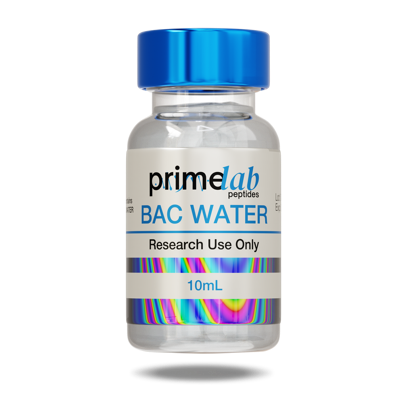
- ▪Add 2 mL slowly: draw 2 mL of bacteriostatic water and let it run down the inside wall of the vial rather than onto the powder. This yields 2.5 mg/mL.
- ▪Dissolve gently: tuftsin is water-soluble and normally clears quickly. Let it stand about 30 seconds, then swirl or roll the vial between your palms. Do not shake. Discard it if the solution stays cloudy or holds particles.
- ▪Refrigerate: store the reconstituted vial at 2–8 °C, protected from light. Do not freeze and thaw a working solution repeatedly; suppliers recommend aliquoting if longer storage is needed.
Supplies Needed
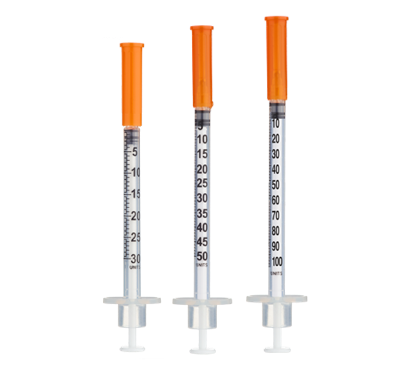
The generic reconstitution kit below is what a laboratory would use to bring a lyophilized vial into solution for measurement and storage. Listing it does not imply the peptide should be injected — tuftsin is a research reagent, not a medical product.
Protocol Overview
Tuftsin occupies an unusual position among research peptides: it is genuinely endogenous, genuinely well studied, and genuinely undeveloped. It has been in the literature since the 1970s, it has a defined receptor, a defined signalling pathway and hundreds of papers — and after fifty years it is still not a drug anywhere in the world. That combination is the honest summary of what it is.
The chemistry is simple. Four residues, Thr-Lys-Pro-Arg, molecular weight 500.6, freely water-soluble, supplied as a white lyophilized powder, usually as the trifluoroacetate salt at 95–97 % purity or better. What is not simple is the biology, because the popular description of tuftsin and the published description of tuftsin point in opposite directions.
Dosing Protocol
The table is a concentration–volume reference only for a 5 mg vial reconstituted in 2 mL (→ 2.5 mg/mL). It converts a given amount of peptide into a syringe volume for laboratory measurement. It is not a dose recommendation — the site does not recommend administering tuftsin. For scale, the entire fourteen-day mouse course discussed above was 25 micrograms, which is one hundredth of the smallest row in this table.
Storage Instructions
Lyophilized vials are stable refrigerated and should be protected from light. Phoenix Pharmaceuticals states that the lyophilized powder keeps for up to six months at 0–5 °C and recommends rehydrating just before use; after rehydration it advises +4 °C for up to five days, or −20 °C for up to three months in aliquots to avoid repeated freeze-thaw cycles. Follow the supplier’s own guidance for the vial in hand.
Degradation matters more for tuftsin than for most peptides, and for a specific reason. Aminopeptidase cleavage removes the N-terminal threonine and leaves the tripeptide Lys-Pro-Arg, which reviews describe as a competitive antagonist that binds the same receptor[9]. A partly degraded preparation is therefore not simply weaker — it can contain a molecule that blocks the one you were trying to study. That is a strong argument for buying characterized material and handling it properly.
Important Notes
The points below are the ones that matter most for anyone encountering tuftsin, and several of them are corrections to how the compound is described in consumer-facing material.
- ▪It is not a medicine: tuftsin has no FDA approval and no established dose. The durable evidence is mechanistic immunology and rodent work[1][3], not controlled human therapeutic trials.
- ▪The direction of the effect is anti-inflammatory, not stimulatory: this is the correction that matters most. The classic 1970s framing was “a peptide that stimulates phagocytosis”, and that is true in a dish. But once the receptor was identified, the mechanism turned out to be neuropilin-1 signalling through TGF-β receptor-1 and Smad3, producing an M2, anti-inflammatory polarization of microglia and macrophages and an expansion of regulatory T cells[2][3][4]. Marketing that sells tuftsin as an “immune booster” is describing the opposite of its best-characterized action.
- ▪Its receptor was unknown until 2013: the peptide was described in the 1970s, but the receptor through which it signals — neuropilin-1 — was only established forty years later[2], and a 2016 paper showed that deleting neuropilin-1 in microglia abolishes the therapeutic effect in the mouse model[4]. Any source that confidently described tuftsin’s mechanism before 2013 was describing an observation, not a pathway.
- ▪It is the parent of Selank, and that is not a compliment to tuftsin: Selank is tuftsin with Pro-Gly-Pro attached to the C-terminus[11]. The extension exists because the four-residue parent is cleaved rapidly by aminopeptidase[10]. In other words, the analogue was built precisely because the original does not survive well enough to be practical.
- ▪Its degradation product is an antagonist: losing the N-terminal threonine yields Lys-Pro-Arg, reported as a competitor for the same binding site[9]. Storage and handling therefore affect the sign of the result, not just its size.
- ▪“Tuftsin deficiency” is a real clinical observation about something else: patients who have had a splenectomy show reduced tuftsin activity alongside lower IgM and impaired opsonic function, and this is part of why they are more vulnerable to overwhelming bacterial infection[12]. That is a finding about endogenous levels in a specific surgical population. It is not evidence that injecting synthetic tuftsin corrects anything in anyone else.
- ▪The human data are thin to the point of absence: the human work that exists is largely in vitro — neutrophil phagocytosis assays[7] and Kupffer cells from surgical liver specimens[8]. A 1987 review mentions that tuftsin was “well tolerated in phase I studies in humans”[9], but no primary report of a modern controlled trial of synthetic tuftsin is retrievable. A secondhand sentence in a thirty-year-old review is not a safety dataset.
- ▪It is sold as a reagent, and the vendors say so: the two catalogue listings that carry a 5 mg vial — Phoenix Pharmaceuticals (catalogue 070-79, $115, ≥97 %) and Abbiotec (catalogue 350411, $117, >95 % HPLC, trifluoroacetate salt) — both label it research use only, and Phoenix restricts it to verified institutional research accounts for in vitro laboratory research and preclinical studies. This is not a grey-market wellness product with a research label pasted on; it is an actual laboratory reagent.
How This Works
Tuftsin is generated by proteolytic processing of immunoglobulin G. The sequence Thr-Lys-Pro-Arg lies in the CH2 domain of the IgG heavy chain, and enzymatic cleavage liberates the free tetrapeptide, which then acts on phagocytic cells[1]. Because the peptide is carried inside a highly abundant plasma protein, its availability is tied to IgG handling — which is the link back to the splenectomy observation.
The receptor is neuropilin-1. Neuropilin-1 is a single-pass transmembrane protein with an intracellular tail too short to signal by itself, so it works through co-receptors. Work published in 2013 showed that blocking tuftsin’s binding to neuropilin-1 with the inhibitor EG00229 reverses the anti-inflammatory shift it produces in microglia, and that blocking TGF-β receptor-1 does the same; tuftsin promotes Smad3 phosphorylation and reduces Akt phosphorylation[2]. The pathway is therefore neuropilin-1 acting through canonical TGF-β signalling.
Downstream, the consequence is a change of immune phenotype rather than a change of immune intensity. In the experimental autoimmune encephalomyelitis model of multiple sclerosis, tuftsin shifted microglia to an anti-inflammatory state, downregulated pro-inflammatory Th1 responses, upregulated Th2 responses and expanded regulatory T cells; T cells taken from tuftsin-treated animals and transferred into mice with established disease reversed the pathology[3]. A 2016 follow-up demonstrated that the effect requires microglial neuropilin-1: ablate it and the benefit disappears[4].
The older literature is not wrong, it is narrower. Tuftsin binds specific receptors on phagocytic cells with a Michaelis constant of 111 nM for phagocytic stimulation and a half-maximal binding concentration of 117 nM, values close enough to suggest that near-complete receptor occupancy is needed for a maximal phagocytic response[6]. Fluorescent analogues showed receptor clustering within about five minutes and internalization within five to thirty minutes[1]. Those are real observations about isolated phagocytes; they simply do not describe what happens to a whole immune system.
Lifestyle Factors
Nothing about tuftsin supports a lifestyle claim, and the sensible framing is the reverse of the usual one. If the peptide of interest is a fragment of your own IgG, then the things that support normal immunoglobulin production and normal immune regulation — sleep, nutrition adequate in protein and zinc, vaccination where indicated, and management of any chronic condition — are the parts of this picture with actual human evidence behind them.
For the one population where tuftsin genuinely comes up in clinical medicine — people who have had a splenectomy — the established answer is not a peptide. It is the standard post-splenectomy programme of vaccination and infection vigilance agreed with a physician[12]. Anyone in that situation should be talking to their clinician, not to a peptide vendor.
Potential Benefits & Side Effects
Evidence tier: preclinical. The “effects” below are documented findings about the endogenous peptide or about tuftsin in laboratory and rodent settings, listed to describe the molecule accurately — not benefits established for injecting a research vial. Tuftsin has no approved use, no validated human dose, and no modern controlled human efficacy trial.
Reported Effects
- ▪Anti-inflammatory microglial and macrophage polarization (best-characterized): tuftsin drives an M2 shift via neuropilin-1 and TGF-β receptor-1 signalling, with increased Smad3 phosphorylation[2]. This, not immune stimulation, is the effect the modern literature is built on.
- ▪Improvement of an animal multiple-sclerosis model (documented in mice): continuous infusion improved clinical signs in experimental autoimmune encephalomyelitis, expanded regulatory T cells and shifted the T-cell phenotype away from Th1[3]; the effect requires microglial neuropilin-1[4]. Combined with the remyelinating agent benztropine it improved outcomes further in two demyelination models[5].
- ▪Phagocytosis of isolated human cells (in vitro): tuftsin increased phagocytosis by human neutrophils, with the largest effect at 5 µg/mL over a 15-minute incubation[7], and increased both phagocytosis and TNF release by human Kupffer cells, maximal at 1.0 µg/mL[8]. These are cell-culture findings, not clinical outcomes.
- ▪Receptor-level characterization (documented): specific binding sites on phagocytic cells, Km 111 nM, rapid receptor clustering and internalization[6][1].
- ▪Immunoadjuvant activity in rodents (older literature): single 25 µg intravenous doses in mice stimulated macrophage effector and regulatory functions and potentiated delayed-type hypersensitivity, while some lymphocyte functions were simultaneously depressed[9] — a reminder that “immunomodulation” is not a synonym for improvement.
Common Side Effects
- ▪No human safety dataset: there is no modern controlled human safety study of injected synthetic tuftsin. A passing mention of tolerability in a 1987 review[9] is not a substitute for one, and nothing on this page should be read as reassurance.
- ▪Suppressing inflammation is not automatically good: the effect that makes tuftsin interesting in a multiple-sclerosis model — an anti-inflammatory M2 shift with expansion of regulatory T cells[3] — is the same effect that would be undesirable in someone fighting an infection or a tumour. Immune modulation cuts in both directions depending on the context.
- ▪Bidirectional effects are documented, not hypothetical: in the rodent work, macrophage functions were enhanced at times when lymphocyte proliferation, T-cell cytotoxicity and interleukin-2 and interferon-γ production were depressed[9]. The net effect on a whole organism is not predictable from the direction of any single assay.
- ▪Degradation can invert the result: the aminopeptidase product Lys-Pro-Arg competes at the same receptor[9], so poorly stored or partly degraded material may antagonize rather than mimic the intended activity.
- ▪Reagent-grade material is not pharmaceutical material: a >95 % HPLC purity specification with a trifluoroacetate counter-ion is appropriate for a cell assay. It says nothing about sterility, endotoxin content or anything else that would be required of a product intended for a person.
Injection Technique
The section below documents the generic subcutaneous reconstitution-and-handling workflow used for lyophilized research peptides. It is included for completeness of the reference and is not an endorsement of administering tuftsin to a person, for which no established dose, route, schedule or safety basis exists.
Pre-Injection Preparation
- ▪Understand there is no endorsed use: this peptide is not intended for administration to people; the steps here describe generic peptide handling, not a treatment.
- ▪Confirm the concentration: the reference volumes assume 2.5 mg/mL (5 mg in 2 mL). A different diluent volume changes every figure on this page.
- ▪Inspect: the reconstituted solution should be clear and particle-free; discard it if cloudy or discolored.
Injection Procedure
- ▪Laboratory handling only: any manipulation of a research peptide belongs in a controlled setting, not a home or self-administration context.
- ▪Measure by concentration: a research amount is the intended microgram figure converted at 2.5 mg/mL — for example 0.10 mL (10 units) for 250 mcg — used for accurate laboratory measurement, not administration.
- ▪Do not self-administer: with no established dose, no human safety data, and a published animal protocol that used continuous infusion of microgram quantities, there is no sound basis for self-injection.
Post-Injection Care
- ▪Store securely: refrigerate the reconstituted solution at 2–8 °C, protect it from light, and aliquot rather than freeze-thawing repeatedly.
- ▪Dispose responsibly: discard unused or degraded solution safely.
- ▪Seek medical advice, not peptides, for immune concerns: immune questions — and post-splenectomy care in particular — belong with a qualified clinician, not an unregulated research compound.
Recommended Source
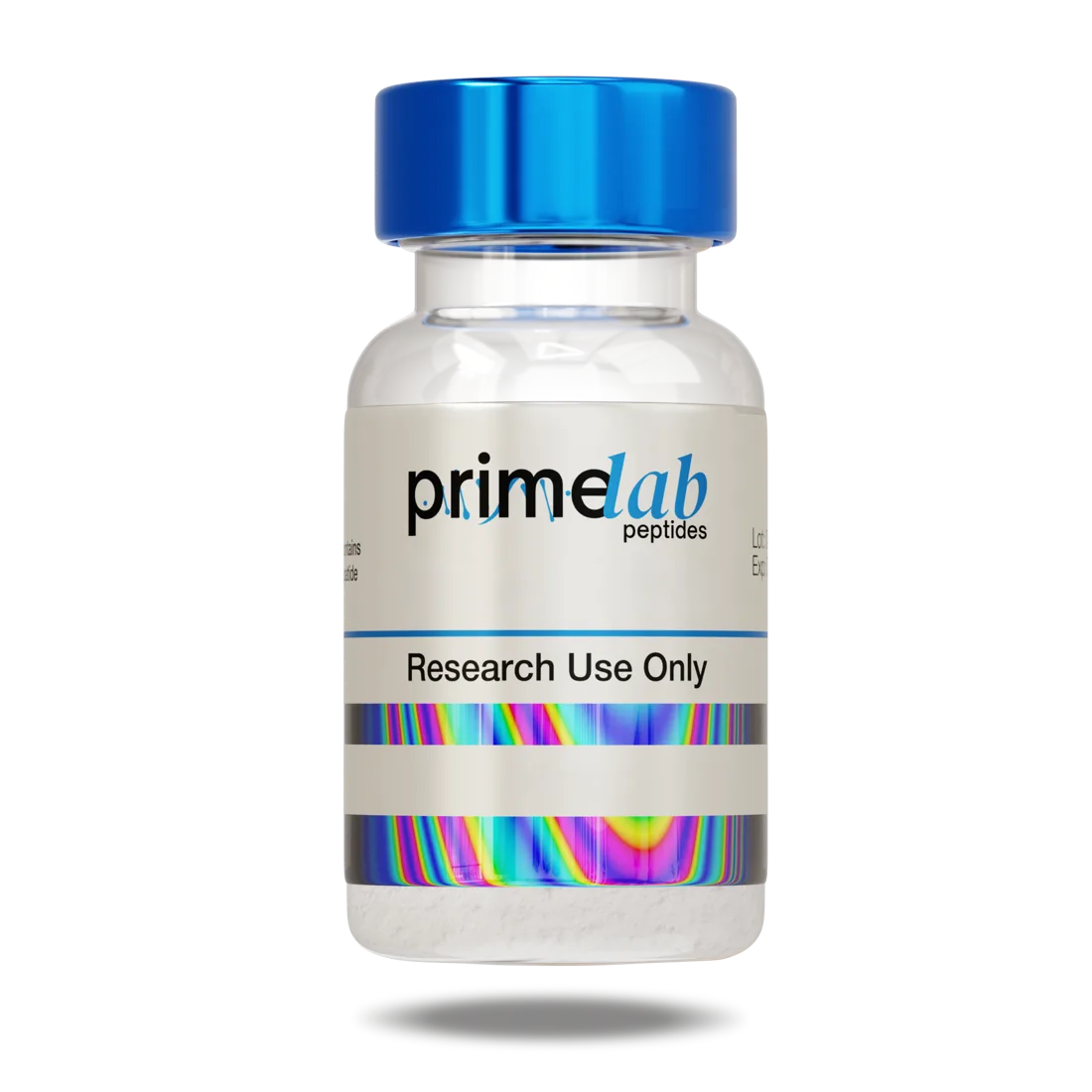
For high-purity research peptides, we point researchers to Prime Lab Peptides for Tuftsin (5 mg Vial).
Why Prime Lab Peptides?
- ▪Top-rated on Trustpilot: Independently reviewed as the highest-rated peptide lab on Trustpilot — making it the best current source in the USA.
- ▪Third-party tested: Every batch ships with a Certificate of Analysis (COA) confirming purity and composition.
- ▪Consistent quality: ISO-aligned manufacturing and handling keep product integrity reliable batch to batch.
- ▪Cold-chain integrity: Temperature-controlled shipping and storage across the whole fulfilment chain.
- ▪Research-grade purity: Fit for educational and research use that demands high-quality peptides.
Note: Product availability and specifications subject to change. Verify current product details on supplier website.
References
- 1
Critical Reviews in Biochemistry and Molecular Biology (1989) — Tuftsin: its chemistry, biology, and clinical potentialFridkin & Najjar (PMID 2667894). The canonical review: Thr-Lys-Pro-Arg resides in the Fc domain of the IgG heavy chain and is released by enzymatic processing; it acts on phagocytic cells through specific receptors isolated from rabbit peritoneal granulocytes. DOI: 10.3109/10409238909082550.
- 2
Journal of Neurochemistry (2013) — Tuftsin signals through its receptor neuropilin-1 via the TGF-β pathwayNissen, Selwood & Tsirka (PMID 24033337). Identifies the receptor after forty years: the inhibitor EG00229 prevents tuftsin binding to neuropilin-1 and reverses the anti-inflammatory M2 shift, blockade of TGF-β receptor-1 does the same, and tuftsin promotes Smad3 phosphorylation while reducing Akt phosphorylation. DOI: 10.1111/jnc.12404.
- 3
PLoS ONE (2012) — Tuftsin promotes an anti-inflammatory switch and attenuates symptoms in EAEWu, Nissen, Chen & Tsirka (PMID 22529957). The source of the animal protocol quoted on this page: 14-day osmotic pumps, 0.25 µL/hr, 100 µL total, filled with 500 µM tuftsin, in adult female C57Bl/6 mice. Reports the microglial anti-inflammatory shift, Th1 downregulation, Th2 upregulation, regulatory T-cell expansion, and reversal of established disease by adoptive transfer. DOI: 10.1371/journal.pone.0034933.
- 4
Glia (2016) — Tuftsin-driven EAE recovery requires neuropilin-1Nissen & Tsirka (PMID 26880314). Ablating neuropilin-1 in microglia blocks signalling and M2 polarization and abolishes the tuftsin-driven improvement, and reduces functional contacts with regulatory T cells — establishing that the receptor is necessary, not incidental. DOI: 10.1002/glia.22972.
- 5
Frontiers in Immunology (2018) — Tuftsin combines with remyelinating therapy in CNS demyelinating diseaseThompson, Nissen, Pretory & Tsirka (PMID 30555470). Tuftsin plus the FDA-approved remyelinating agent benztropine improved outcomes in both the EAE and cuprizone models; tuftsin supplied the anti-inflammatory shift, benztropine the repair. DOI: 10.3389/fimmu.2018.02784.
- 6
Molecular and Cellular Biochemistry (1984) — Tuftsin, a natural modulator of macrophage activityBump & Najjar (PMID 6493218). Receptor-level characterization: Michaelis constant of 111 nM for phagocytic stimulation and half-maximal binding at 117 nM, values close enough to indicate that full receptor occupancy is needed for maximal phagocytosis. DOI: 10.1007/BF00285221.
- 7
Journal of Surgical Research (1994) — Studies of human granulocyte phagocytosis stimulation by tuftsinNishioka, Wagle, Rodriguez, Maeta, Kubo & Dessens (PMID 8277776). Human neutrophil assay: the largest effect over control occurred with a 15-minute incubation at 37 °C with 5 µg/mL tuftsin and a 50:1 particle-to-cell ratio. The authors note that demonstrating tuftsin activity had itself been difficult. DOI: 10.1006/jsre.1994.1016.
- 8
Hepato-Gastroenterology (1998) — Effect of tuftsin on human Kupffer cellKubo, Roh, Oyedeji, Romsdahl & Nishioka (PMID 9951909). Kupffer cells obtained from livers of patients with colon cancer: phagocytosis and TNF release were both significantly enhanced, with the greatest effect at 1.0 µg/mL. An in-vitro human-cell study, not a clinical trial.
- 9
Cancer Detection and Prevention Supplement (1987) — Do tuftsin and bestatin constitute a biopharmacological immunoregulatory system?Mathé (PMID 3319151). Source of the older rodent numbers: a single 25 µg dose per mouse, and 10 µg once weekly for six months in aged mice. Also the source of the antagonist point — lymphocyte membrane aminopeptidase degrades tuftsin into a tripeptide that competes with it for its receptors — and of the secondhand statement that tuftsin was well tolerated in phase I human studies.
- 10
Biomaterials (2011) — Synthesis and immunomodulatory activity of [60]fullerene-tuftsin conjugatesXu, Zhu, Xiang, Li, Sun, Ma, Sun & Liu (PMID 21937103). The conjugates were built and assayed specifically for stability against leucine aminopeptidase degradation and showed complete resistance to enzymatic hydrolysis — direct evidence of how vulnerable the native tetrapeptide is. DOI: 10.1016/j.biomaterials.2011.09.022.
- 11
Pharmacological Reports (2006) — Long-term treatment with the tuftsin analogue TP-7 and anxiety-phobic statesCzabak-Garbacz, Cygan, Wolański & Kozlovsky (PMID 16963804). States the relationship between the two molecules explicitly: TP-7 (Selank) has the structure of tuftsin with three natural L-amino acids, Pro-Gly-Pro, attached. Rats, 0.3 mg/kg intraperitoneally.
- 12
Surgery (1981) — Preservation of splenic function by autotransplantation of traumatized spleen in manPatel, Williams, Shmigel & Hinshaw (PMID 7281006). Documents tuftsin deficiency as one of the characteristic post-splenectomy findings, alongside reduced IgM, properdin and T-lymphocytes and impaired opsonic function, in the context of increased risk of overwhelming bacterial infection.
Tuftsin — frequently asked questions
How do I reconstitute a 5 mg vial of Tuftsin?
Wipe the stopper with an alcohol swab, then inject your bacteriostatic water slowly down the inside wall of the vial. Let it sit and gently swirl until dissolved — never shake. Store the mixed vial in the refrigerator and draw doses with an insulin syringe. Use the calculator above to turn any dose into syringe units.
How much bacteriostatic water should I add to Tuftsin?
There is no single correct amount — more water simply spreads the same 5 mg of peptide across a larger volume, which makes small doses easier to measure accurately. 1 to 3 mL per vial is typical. Enter your chosen volume in the calculator above to see the resulting concentration and syringe units.
What do the "units" on an insulin syringe mean?
On a U-100 insulin syringe, 100 units equal 1 mL, so 1 unit equals 0.01 mL. The calculator above converts your draw volume into these units automatically so you can measure without doing the math by hand.
How should I store Tuftsin after mixing?
Keep the reconstituted vial refrigerated at roughly 2 to 8 degrees Celsius, away from light, and avoid freezing it. Reconstituted research peptides are generally used within a few weeks. Always follow the specific guidance supplied with your product.
How many doses does a 5 mg vial of Tuftsin provide?
Divide the vial strength of 5 mg by the amount you use per injection. The calculator above reports this as "doses per vial" the moment you enter a dose.
Is Tuftsin approved for human use?
No. Tuftsin is sold strictly for laboratory and research purposes and is not approved by the FDA or other regulators for human use. Everything on this page is research information, not medical advice — consult a licensed healthcare professional before any use.
New protocols & dosing updates
Reconstitution charts, new peptide protocols and safety updates — straight to your inbox. No spam, unsubscribe anytime.