
Thymogen (10 mg) Dosage Protocol
A synthetic thymic dipeptide — alpha-L-glutamyl-L-tryptophan (Glu-Trp) — developed in Russia as an immunomodulator. Note: it is the L-isomer; the differently-configured golotimod / SCV-07 (gamma-D-Glu-L-Trp) is a distinct molecule and its data are not cited here. Registered in Russia, not FDA-approved; research/educational reference only.
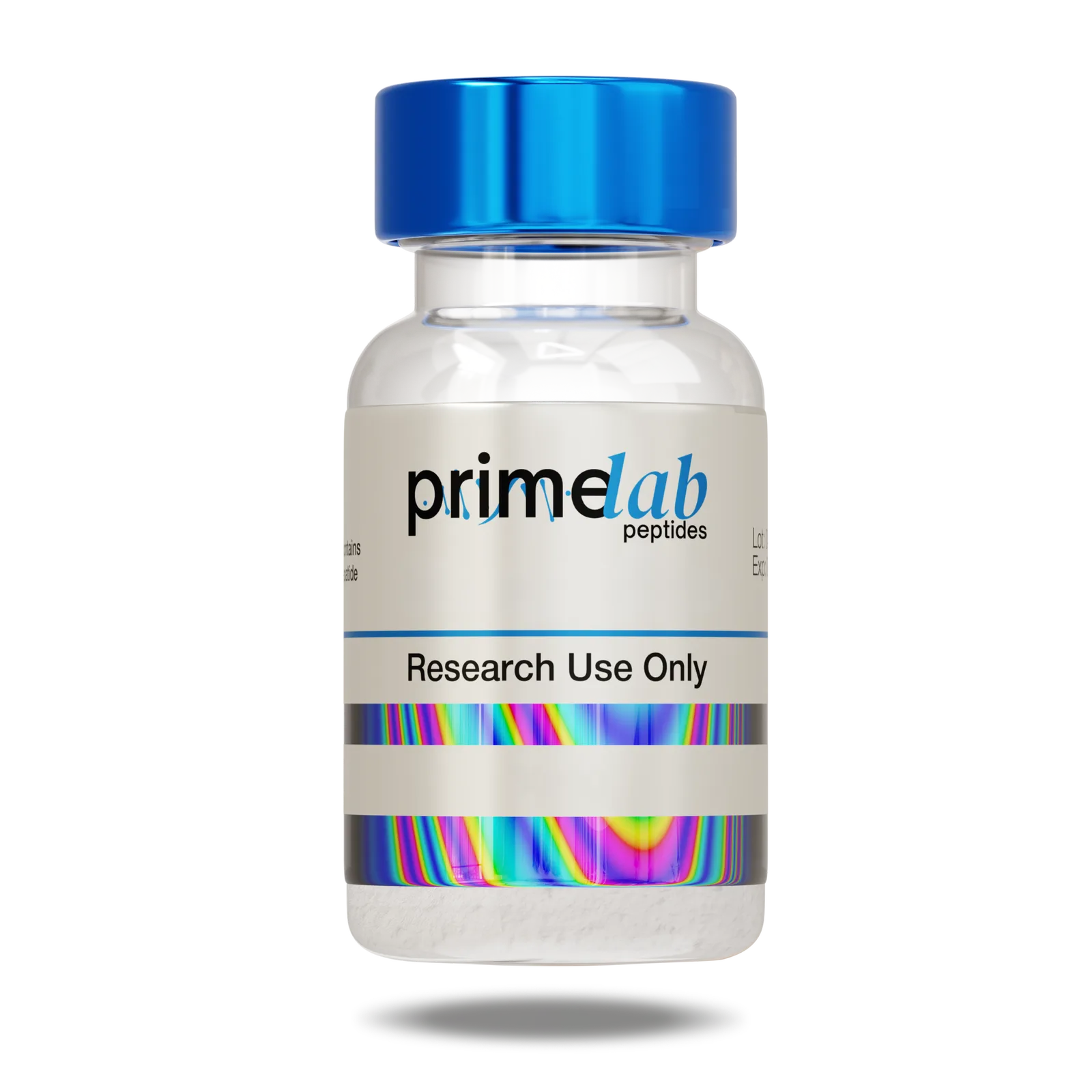
A synthetic thymic dipeptide, alpha-L-glutamyl-L-tryptophan (Glu-Trp), developed in Russia as a low-molecular-weight immunomodulator in the peptide-bioregulator tradition. It is distinct from golotimod/SCV-07 (gamma-D-Glu-L-Trp), a different stereoisomer whose separate literature is deliberately not cited on this page.
Clinically dosed in micrograms: the registered product is about 100 mcg intramuscularly once daily for a short course (3-10 days), and it is also used intranasally. A 10 mg research vial holds roughly a hundred clinical doses; in 2 mL bacteriostatic water it is 5 mg/mL, provided as reference math only.
A small, mostly Russian dipeptide literature. The L-form of Glu-Trp has been shown to stimulate regeneration of irradiated bone-marrow colony formation (its D-isomer does the opposite), and Thymogen is reported to act as an immunomodulant in animal models and Russian clinical practice. Registered in Russia, not FDA-approved, and unconfirmed by Western controlled trials.
Quickstart Highlights
Thymogen (Russian Timogen) is a synthetic thymic dipeptide — alpha-L-glutamyl-L-tryptophan (Glu-Trp) — developed in the Russian peptide-bioregulator tradition as an immunomodulator[2][3]. It is one of the shortest peptides in that family, designed as a low-molecular-weight analog of the thymic activity that preparations like Thymalin represent.
One clarification frames this whole page. Thymogen is the alpha-L form of Glu-Trp. A different, differently-configured molecule — golotimod / SCV-07, which is gamma-D-glutamyl-L-tryptophan — has its own, larger body of research, and its data are NOT cited here because it is not the same compound[1]. What follows uses only sources about Thymogen (alpha-L-Glu-Trp) and its dipeptide class. Thymogen is registered in Russia, not FDA-approved, and its evidence is largely Russian-language; this is an educational reference, not medical advice.
Pre-filled with this protocol’s recommended BAC water and documented starting dose — edit any field to run your own numbers. Reconstitution math only — not dosing advice. U-100 syringe: 100 units = 1 mL. Full reconstitution guide → · Advanced calculator →Mix & measure Thymogen · 10 mg
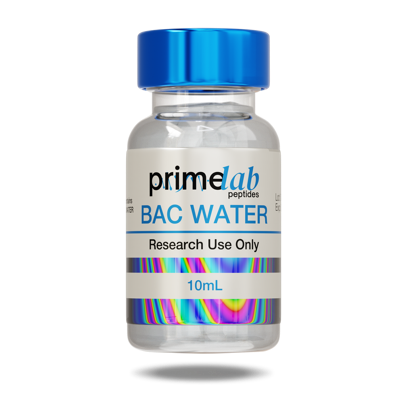
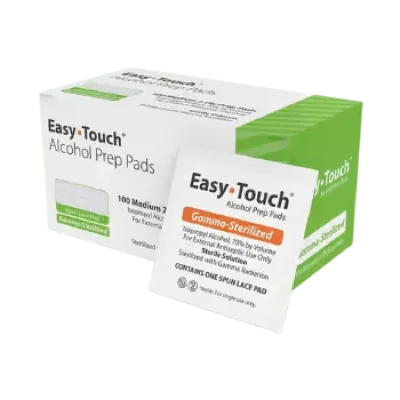
Supplies Needed
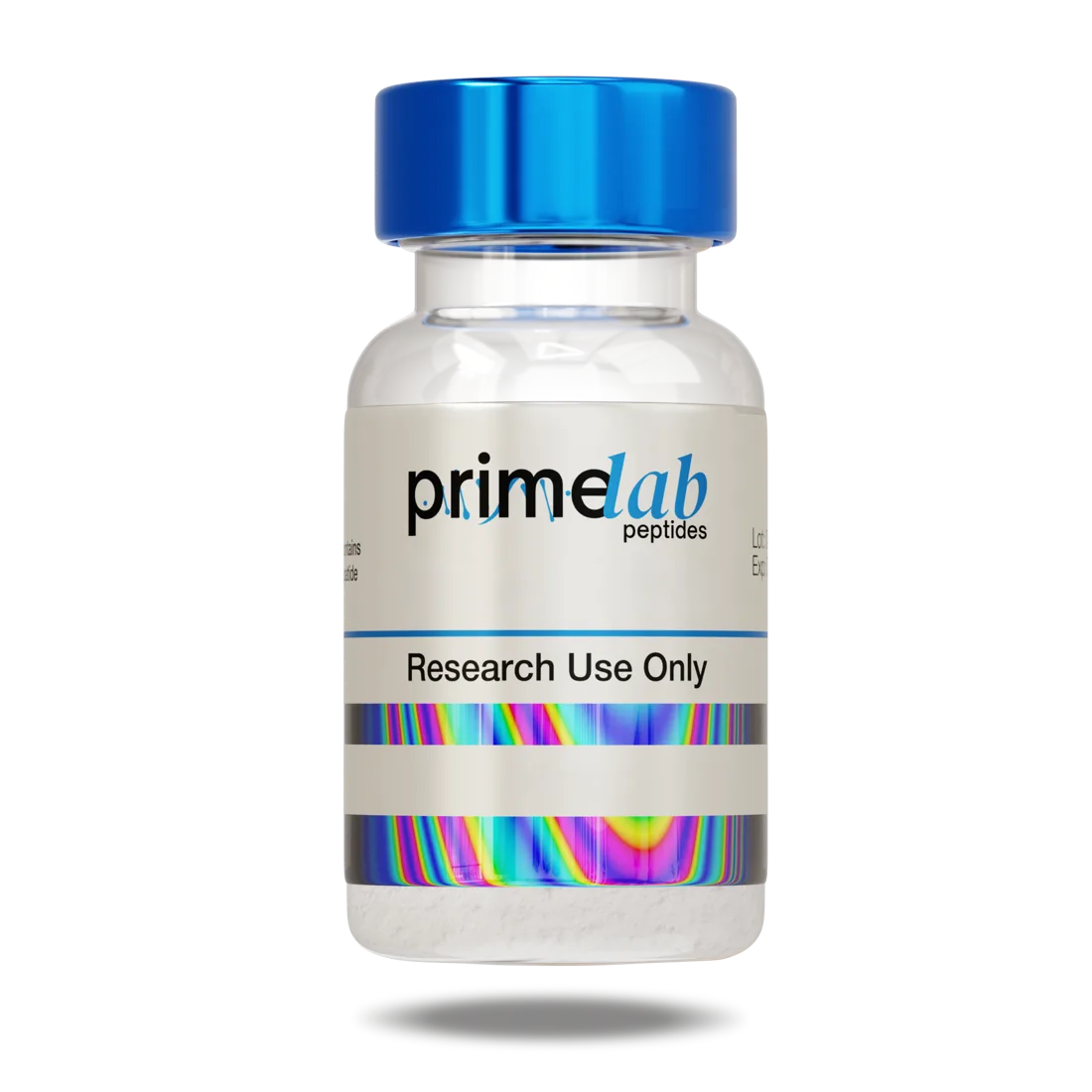
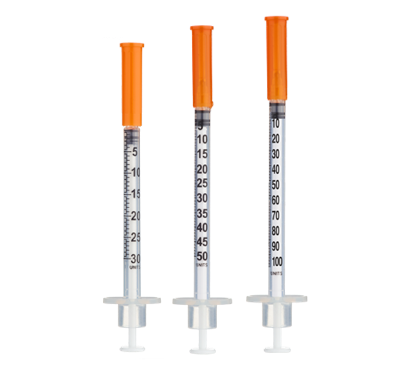
Thymogen is sold as a lyophilized research vial, so the generic reconstitution kit below applies. Note the extreme dilution required for a microgram dose — accurate, low-volume measurement matters far more here than for a milligram-dosed peptide.
Protocol Overview
Thymogen is a synthetic thymic dipeptide (alpha-L-Glu-Trp) developed in Russia as a low-molecular-weight immunomodulator, part of the same peptide-bioregulator programme that produced Thymalin and the short organ peptides[2][3]. It is registered in Russia (injectable and intranasal) and used to modulate immune function.
The overview’s honest core is twofold. First, identity: Thymogen is the L-isomer of Glu-Trp and must not be conflated with the distinct golotimod/SCV-07 (gamma-D-Glu-L-Trp), whose separate literature is not used here[1]. Second, evidence: the supporting data are small and mostly Russian — the cleanest English source is dipeptide-isomer pharmacology showing the L-form stimulates (and the D-form suppresses) haematopoietic regeneration[1]. It is not FDA-approved, and its immune claims are unconfirmed by Western controlled trials.
Dosing Protocol
Reference reconstitution volumes only (10 mg vial in 2 mL → 5 mg/mL), shown to make the microgram scale explicit. These are not a dose ladder: clinical Thymogen is ~100 mcg per injection, so a 10 mg vial is roughly a hundred clinical doses[2].
| Reference amount | Volume at 5 mg/mL | U-100 units |
|---|---|---|
| 100 mcg (clinical-equivalent)[2] | 0.02 mL | 2 units |
| 250 mcg | 0.05 mL | 5 units |
| 1 mg | 0.20 mL | 20 units |
| 10 mg — the whole vial | 2.00 mL | 200 units (≈100 clinical doses) |
Why Thymogen draws research interest
These are the directions researchers and the peptide community most often explore Thymogen for — so you know you’re in the right place. They describe what is being studied, not proven benefits, approved uses, or promised results.
Immune support
The main draw: a registered Russian immunomodulator dipeptide. Its evidence base is small and largely Russian-language.
Not golotimod (SCV-07)
Thymogen is alpha-L-Glu-Trp; golotimod is a different isomer with its own larger trial set. The two are not interchangeable.
Micrograms, not milligrams
Registered dosing is around 100 micrograms per injection — a thousandth of a 10 mg vial, which holds roughly a hundred of them.
Evidence quality
The cleanest English data is dipeptide-isomer pharmacology rather than clinical trials, and there is no FDA approval.
Evidence ranges from early laboratory work to clinical trials depending on the use — the sections below cover the actual data and sources.
A 10 mg vial in 2 mL bacteriostatic water is 5 mg/mL. Because the clinical dose is ~100 mcg, that is a tiny volume (~0.02 mL); the vial holds many clinical doses. Reference math only.
Microgram-level: about 100 mcg IM once daily for a short course (3–10 days), also used intranasally[2]. A 10 mg vial is a research size, far above one clinical dose.
Thymogen is alpha-L-Glu-Trp. The distinct gamma-D-Glu-L-Trp (golotimod/SCV-07) is a different molecule and its studies are not used here[1].
Dosing & Reconstitution Guide
Thymogen is unusual on this site because its clinical dose is in micrograms, while it is sold as a milligram research vial. The registered regimen is a short course of low-dose injections[2]. What follows is that dosing context plus reference reconstitution math — provided for transparency, not as a recommendation to self-inject an unapproved immunomodulator.
Standard / Gradual Approach
The registered Thymogen regimen is about 100 mcg intramuscularly once daily for a short course — commonly 3 to 10 days — with an intranasal form also used[2][3]. These are microgram doses of a very small peptide, consistent with the low-concentration activity described for the thymic dipeptides[4].
That is why a 10 mg vial is a research size, not a dose. Reconstituted with 2 mL of bacteriostatic water it gives 5 mg/mL, so a 100 mcg clinical-equivalent amount is only about 0.02 mL — two units on a U-100 syringe — and the vial holds roughly a hundred such amounts. The reference table below makes that arithmetic explicit precisely so the microgram scale is not lost.
The honest limit is that there is no validated Western dose for Thymogen, and the numbers describe a regional registered regimen for an unapproved (outside Russia) immunomodulator. Anyone using them should understand they are copying a low-dose Russian protocol, not a globally validated therapy — and should not confuse Thymogen’s dosing with that of the unrelated golotimod[1].
Reconstitution Steps
If a research vial is reconstituted, 2 mL of bacteriostatic water per 10 mg vial gives 5 mg/mL. Given the microgram clinical dose, this is shown only to make the scale transparent; it is not a dosing recommendation.
- ▪Sanitize: swab the vial stopper and the bacteriostatic-water stopper with fresh alcohol pads and let them air-dry.
- ▪Add 2 mL slowly: draw 2 mL of bacteriostatic water and let it run down the inside wall of the vial, giving 5 mg/mL.
- ▪Dissolve gently: let it stand about 30 seconds, then roll the vial between your palms. Do not shake. Discard if cloudy or particulate.
- ▪Refrigerate: store the reconstituted vial at 2–8 °C and never freeze it.
Storage Instructions
Lyophilized vials are stable refrigerated and should be protected from light; follow the supplier’s handling guidance for the powder, and do not freeze a vial once reconstituted.
After reconstitution with bacteriostatic water, store at 2–8 °C and use within the preservative’s window. Because the working dose is so small, take extra care that the solution stays sterile and correctly concentrated across the many doses a single vial represents.
Important Notes
These are the points most often dropped when Thymogen is marketed internationally as a thymic “immune peptide.”
- ▪It is not golotimod/SCV-07: Thymogen is alpha-L-glutamyl-L-tryptophan; golotimod/SCV-07 is the distinct gamma-D-glutamyl-L-tryptophan. Their configurations differ and so does their biology — the L- and D-forms of Glu-Trp have even been shown to have opposite effects on haematopoietic colony formation[1]. This page deliberately does not borrow golotimod’s data.
- ▪The dose is micrograms: clinical Thymogen is ~100 mcg IM daily for a short course[2]. A 10 mg research vial is roughly a hundred clinical doses; treating the vial as a single dose would be a gross overdose relative to how it is used.
- ▪The evidence is small and mostly Russian: supportive data are largely Russian-language and animal/clinical-observation level[3]; the clearest English source is dipeptide-isomer pharmacology[1]. There are no large Western randomized trials.
- ▪Registered in Russia, not FDA-approved: Thymogen is a licensed immunomodulator within Russia but has no FDA or EMA approval. Outside its home market it is an unapproved research compound.
- ▪Immunomodulators cut both ways: a compound that alters immune function is not automatically benign — the same isomer pharmacology shows a closely related peptide can suppress rather than stimulate[1]. Purity and identity of a grey-market vial are unverified on top of that.
How This Works
Thymogen belongs to the thymic peptide tradition: the idea that short peptides derived from (or modelled on) thymus activity can modulate immune function at very low concentrations, in the same programme that produced Thymalin[2][4]. As a dipeptide (Glu-Trp), it is about as small as a bioactive peptide gets, which is part of why it is dosed in micrograms.
The most concrete, English-language mechanistic data are about dipeptide stereochemistry. Work on EW (Glu-Trp) dipeptides found that the L-form stimulates regeneration of colony-forming activity in irradiated bone marrow, while the D-form suppresses the development of haematopoietic stem cells — a striking demonstration that configuration determines the biological effect[1]. Thymogen (the L-form) is described more broadly as an immunomodulant, for example restoring antibody-forming cell responses in stressed animals[3].
The honest limit is that this is small-scale, mostly Russian and animal-level evidence, and much of the human use rests on clinical observation rather than controlled trials. The mechanism — a tiny, configuration-specific immunomodulatory dipeptide — is coherent and partly demonstrated in the lab, and it is not the same as controlled human proof of benefit[3].
Lifestyle Factors
For immune health, the interventions with real evidence are the fundamentals: sleep, exercise, nutrition, vaccination where indicated, and managing chronic conditions. These support immune function far more reliably than a low-dose peptide immunomodulator.
The honest “daily habits” note is a caution: an unapproved immunomodulator is not a substitute for medical care of an infection or immune disorder, and general health basics carry evidence that a regionally registered dipeptide does not.
Potential Benefits & Side Effects
Evidence tier: registered in Russia; small, mostly Russian and animal-level data, with the cleanest English evidence being dipeptide-isomer pharmacology. The “effects” below are what that literature reports; the “considerations” are the honest counterweight, led by identity (not golotimod) and the absence of Western trials.
Reported Effects
- ▪Immunomodulation — reported: Thymogen (alpha-L-Glu-Trp) is described as an immunomodulant, for example restoring antibody-forming cell responses in stressed animals[3].
- ▪Haematopoietic regeneration — isomer-specific: the L-form of Glu-Trp stimulated regeneration of colony-forming activity in irradiated bone marrow in mice[1].
- ▪Low-concentration activity — class concept: the thymic/peptide-bioregulator programme reports immune effects at very low concentrations, consistent with microgram dosing[2][4].
- ▪What is not established: any benefit by Western controlled-trial standards. There are no large randomized trials, and the human use is clinical-observation level — and none of golotimod/SCV-07’s separate data apply to Thymogen[1].
Common Side Effects
- ▪Reported tolerability is good — from uncontrolled use: low-dose Thymogen is described as well tolerated, but Russian clinical-observation data are poor at detecting and attributing adverse effects[3].
- ▪Immune effects can go either way: the same dipeptide chemistry shows a closely related isomer can suppress rather than stimulate haematopoiesis[1] — a reminder that modulating immunity is not inherently safe.
- ▪Dosing-scale risk: because the working dose is micrograms from a milligram vial, mis-measurement is easy; accurate low-volume dosing is essential.
- ▪Unapproved status and sourcing: Thymogen is not FDA-approved, and a grey-market vial has no verified identity, potency or purity — and may be confused with the different molecule golotimod.
Injection Technique
Thymogen is registered as a low-dose intramuscular (and intranasal) immunomodulator; a research vial is far larger than one clinical dose. The generic subcutaneous/intramuscular workflow below documents how such a vial is handled; it is educational, not a recommendation to self-inject an unapproved compound.
Pre-Injection Preparation
- ▪Confirm identity first: make sure the product is Thymogen (alpha-L-Glu-Trp) and not the different molecule golotimod/SCV-07[1]; the two are frequently confused.
- ▪Confirm the concentration and scale: the reference math assumes 5 mg/mL (10 mg in 2 mL), and the clinical dose is ~100 mcg — about 0.02 mL. Get the low volume right.
- ▪Inspect: the reconstituted solution should be clear and particle-free; discard it if cloudy or discoloured.
Injection Procedure
- ▪Recognise the microgram scale: the registered dose is ~100 mcg — a very small volume from this vial; the table gives reference points, not a milligram regimen.
- ▪If handled, inject as directed for the product: registered Thymogen is intramuscular; a research preparation would be given into subcutaneous or muscle tissue slowly, not intravenously.
- ▪Rotate sites: alternate injection areas to avoid repeated trauma to one spot.
Post-Injection Care
- ▪Discard properly: keep the reconstituted vial refrigerated at 2–8 °C, never freeze it, and discard anything cloudy.
- ▪Watch for reactions: treat any injection-site reaction, rash or systemic symptom as a reason to stop and reassess, given the limited safety data.
- ▪Keep perspective: Thymogen is a small, regionally registered immunomodulator with modest, mostly Russian evidence — not a proven therapy, and not the same as golotimod.
Recommended Source
For high-purity research peptides, we point researchers to Prime Lab Peptides for Thymogen (10 mg Vial).
Why Prime Lab Peptides?
- ▪Top-rated on Trustpilot: Independently reviewed as the highest-rated peptide lab on Trustpilot — making it the best current source in the USA.
- ▪Third-party tested: Every batch ships with a Certificate of Analysis (COA) confirming purity and composition.
- ▪Consistent quality: ISO-aligned manufacturing and handling keep product integrity reliable batch to batch.
- ▪Cold-chain integrity: Temperature-controlled shipping and storage across the whole fulfilment chain.
- ▪Research-grade purity: Fit for educational and research use that demands high-quality peptides.
Note: Product availability and specifications subject to change. Verify current product details on supplier website.
References
- 1
Immunology Letters (1999) — Reciprocal effect of optical isomerism of EW-dipeptides on immune responseDeigin et al. (PMID 10217204). Directly relevant, English-language pharmacology of Glu-Trp (EW) dipeptides: the L-form stimulated regeneration of colony-forming activity in irradiated bone marrow, while the D-form suppressed haematopoietic stem-cell development — showing configuration determines the effect. Thymogen is the alpha-L form; this is not a golotimod/SCV-07 study. DOI: 10.1016/s0165-2478(98)00149-7.
- 2
Eksperimental’naya i Klinicheskaya Farmakologiya (2002) — Immune mechanisms of hepatoprotector effects of etomerzol and thymogenOkovityi & Gaivoronskaya (PMID 12227096). Describes Thymogen as an immunomodulant whose effects are mediated via the immune system (thymus): its activity depended on an intact thymus, and it stimulated antibody-forming cells in the spleen in stressed animals — animal-level immunomodulatory data for Thymogen itself.
- 3
Advances in Gerontology (2013) — Peptide bioregulators: a new class of geroprotectors (clinical studies results)Khavinson, Kuznik & Ryzhak (PMID 24003726). Review that includes Thymogen among the peptide bioregulators with long-term Russian clinical experience — illustrating that Thymogen’s human evidence base is Russian-language and from the developing programme.
- 4
Molecules (2020) — Peptides: prospects for use in the treatment of COVID-19Khavinson et al. (PMID 32987757). Review by the developing group listing short immunomodulatory peptides, including the EW (Glu-Trp) dipeptide, that act at low concentrations to normalise cytokine synthesis — class context for the thymic dipeptide’s proposed low-dose mechanism. DOI: 10.3390/molecules25194389.
Thymogen — frequently asked questions
How do I reconstitute a 10 mg vial of Thymogen?
Wipe the stopper with an alcohol swab, then inject your bacteriostatic water slowly down the inside wall of the vial. Let it sit and gently swirl until dissolved — never shake. Store the mixed vial in the refrigerator and draw doses with an insulin syringe. Use the calculator above to turn any dose into syringe units.
How much bacteriostatic water should I add to Thymogen?
There is no single correct amount — more water simply spreads the same 10 mg of peptide across a larger volume, which makes small doses easier to measure accurately. 1 to 3 mL per vial is typical. Enter your chosen volume in the calculator above to see the resulting concentration and syringe units.
What do the "units" on an insulin syringe mean?
On a U-100 insulin syringe, 100 units equal 1 mL, so 1 unit equals 0.01 mL. The calculator above converts your draw volume into these units automatically so you can measure without doing the math by hand.
How should I store Thymogen after mixing?
Keep the reconstituted vial refrigerated at roughly 2 to 8 degrees Celsius, away from light, and avoid freezing it. Reconstituted research peptides are generally used within a few weeks. Always follow the specific guidance supplied with your product.
How many doses does a 10 mg vial of Thymogen provide?
Divide the vial strength of 10 mg by the amount you use per injection. The calculator above reports this as "doses per vial" the moment you enter a dose.
Is Thymogen approved for human use?
No. Thymogen is sold strictly for laboratory and research purposes and is not approved by the FDA or other regulators for human use. Everything on this page is research information, not medical advice — consult a licensed healthcare professional before any use.
New protocols & dosing updates
Reconstitution charts, new peptide protocols and safety updates — straight to your inbox. No spam, unsubscribe anytime.