
EPO (Erythropoietin, 3000 IU) Dosage Protocol
Recombinant human erythropoietin (rHuEPO), a glycoprotein hormone that drives red-blood-cell production. It is dosed in international units (IU), and is one of the best-known and most dangerous blood-doping agents — presented here as a research reference and a safety warning.
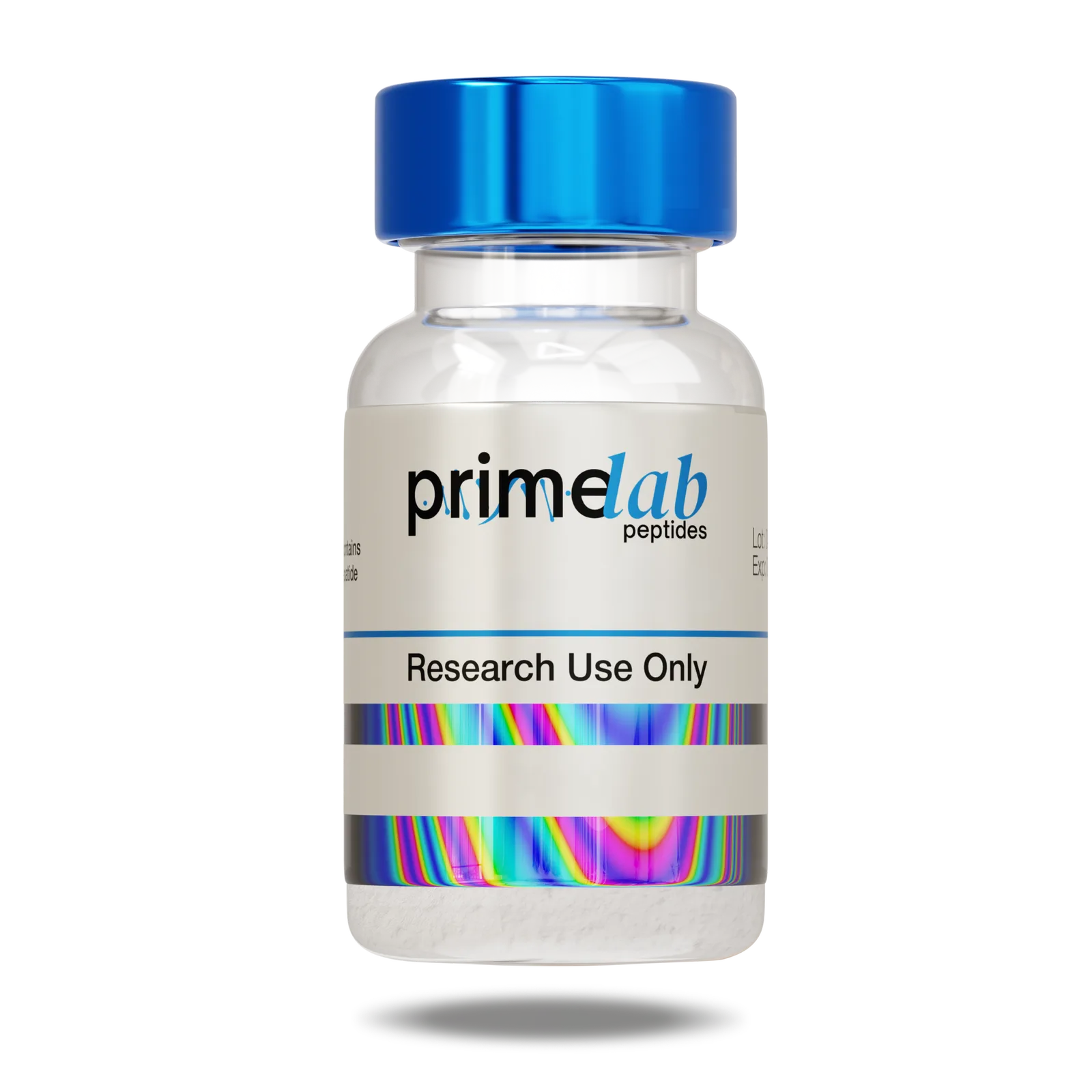
A glycoprotein hormone made by the kidney that binds the erythropoietin receptor on marrow red-cell progenitors and drives their survival and proliferation, raising red-blood-cell mass and oxygen-carrying capacity. The recombinant drug reproduces this to correct anemia.
Dosed in international units (IU), always individualized by a clinician in real medicine and titrated to the lowest hemoglobin that avoids transfusion. This reference provides no administration dose. A 3000 IU vial in 1 mL bacteriostatic water is 3000 IU/mL.
The clinical evidence is strong that pushing hemoglobin too high with erythropoiesis-stimulating agents increases stroke, hypertension and vascular thrombosis. In sport it boosts endurance but is banned and dangerous; healthy-subject studies show it activates the clotting system.
Pre-filled with this protocol’s recommended BAC water and documented starting dose — edit any field to run your own numbers. Reconstitution math only — not dosing advice. U-100 syringe: 100 units = 1 mL. Full reconstitution guide → · Advanced calculator →Mix & measure EPO · 3000 IU
Dosing & Reconstitution Guide
EPO has no self-administration dose, and this page does not provide one. In legitimate medicine it is dosed in international units by a physician, individualized to a patient and titrated to the lowest hemoglobin that avoids transfusion — precisely because higher targets are harmful[2]. The figures here are only the arithmetic of reconstitution.
Standard / Gradual Approach
In clinical use, erythropoiesis-stimulating agents are titrated against blood counts under supervision, and the entire thrust of the evidence is restraint: a large meta-analysis of 27 trials in over 10,000 patients found that targeting a higher hemoglobin significantly increased the risk of stroke (relative risk 1.51), hypertension (1.67) and vascular-access thrombosis (1.33) compared with a lower target[2]. A separate meta-analysis in dialysis patients likewise found a higher fistula-thrombosis risk at higher hemoglobin targets[3]. More is not better with EPO; it is more dangerous.
The doping context makes the hazard worse, not better. People who abuse EPO usually start with a normal blood count and drive it upward, so they move further into the danger zone than any patient would. Controlled research shows even modest amounts raise endurance — on the order of a few percent — by increasing oxygen-carrying capacity[6], but they do so by thickening the blood, and in healthy volunteers EPO has been shown to activate the coagulation system[5]. That combination is why EPO abuse has been associated with clots, strokes and sudden death.
So the honest summary of “dosing” is a warning: there is no validated non-medical dose, the medical guidance is to use as little as possible, and self-administering a red-cell-raising hormone without hematocrit monitoring is genuinely dangerous. The reconstitution reference below is for laboratory handling of the vial, not for injecting the hormone.
| Reference amount (IU) | Volume at 3000 IU/mL | U-100 units |
|---|---|---|
| 100 IU | 0.033 mL | 3 units |
| 250 IU | 0.083 mL | 8 units |
| 500 IU | 0.167 mL | 17 units |
| 1000 IU | 0.333 mL | 33 units |
Why EPO draws research interest
These are the directions researchers and the peptide community most often explore EPO for — so you know you’re in the right place. They describe what is being studied, not proven benefits, approved uses, or promised results.
Red blood cells & anemia
The approved use: recombinant EPO treats anemia of kidney disease under close medical supervision with regular blood monitoring.
Endurance & oxygen delivery
Studied for aerobic performance, around 4 to 6% in one trial — which is precisely why it is a banned doping agent.
Thrombosis & stroke risk
The core hazard: trials targeting higher hemoglobin reported significantly more stroke, hypertension and thrombosis. Thicker blood is the whole risk.
IU dosing & detection
Dosed in international units rather than milligrams, and laboratories routinely distinguish recombinant EPO from the body’s own.
Evidence ranges from early laboratory work to clinical trials depending on the use — the sections below cover the actual data and sources.
Quickstart Highlights
Erythropoietin (EPO) is a glycoprotein hormone — naturally produced by the kidney — that signals the bone marrow to make more red blood cells. The recombinant form (rHuEPO, or epoetin) is a genuine, FDA-approved medicine used to treat anemia in chronic kidney disease and certain other conditions. It is a hormone, not a small peptide, and it is dosed in international units (IU) rather than milligrams[1].
This page is an educational reference on what EPO is, how it works, and why it is dangerous outside clinical supervision. It is not medical advice and not an administration protocol. Research-grade EPO is not the approved medicinal product, and EPO’s most notorious non-medical use — blood doping in endurance sport — is prohibited and carries a serious risk of clots, stroke and death[4][5]. The information below explains the science and the hazard; it does not tell anyone how to use the hormone.
A kidney-derived glycoprotein hormone that stimulates red-blood-cell production; the recombinant version (rHuEPO/epoetin) is FDA-approved for anemia but sold here as a research reagent[1].
EPO is measured in international units (IU), not mg. A 3000 IU vial reconstituted with 1 mL bacteriostatic water is 3000 IU/mL. This is a lab-handling reference only.
Raising red-cell mass thickens the blood. In controlled trials, driving hemoglobin higher with EPO increased stroke, hypertension and thrombosis[2][3]; in healthy people it activates clotting[5]. Abuse has been linked to serious cardiovascular events.
A prohibited doping agent in sport, detectable by isoform testing and the Athlete Biological Passport[4]. Research-grade material is not the approved medicine, and there is no safe self-administration context.
Reconstitution Steps
A research EPO vial is lyophilized and must be reconstituted before its contents can be measured. Using 1 mL for a 3000 IU vial gives 3000 IU/mL. This is a laboratory-handling reference only, not preparation for administration.
- ▪Sanitize: swab the vial stopper and the bacteriostatic-water stopper with fresh alcohol pads and let them air-dry.
- ▪Add 1 mL slowly: draw 1 mL of bacteriostatic water and let it run gently down the inside wall of the vial rather than onto the powder. This yields 3000 IU/mL. EPO is a fragile glycoprotein — never jet the water directly onto it.
- ▪Dissolve gently: let it stand, then swirl or roll the vial between your palms. Do not shake — agitation denatures the protein. Discard it if the solution is cloudy or holds particles.
- ▪Refrigerate immediately: EPO must be kept at 2–8 °C, protected from light, and never frozen; it loses biological activity if it warms or freezes.
Supplies Needed
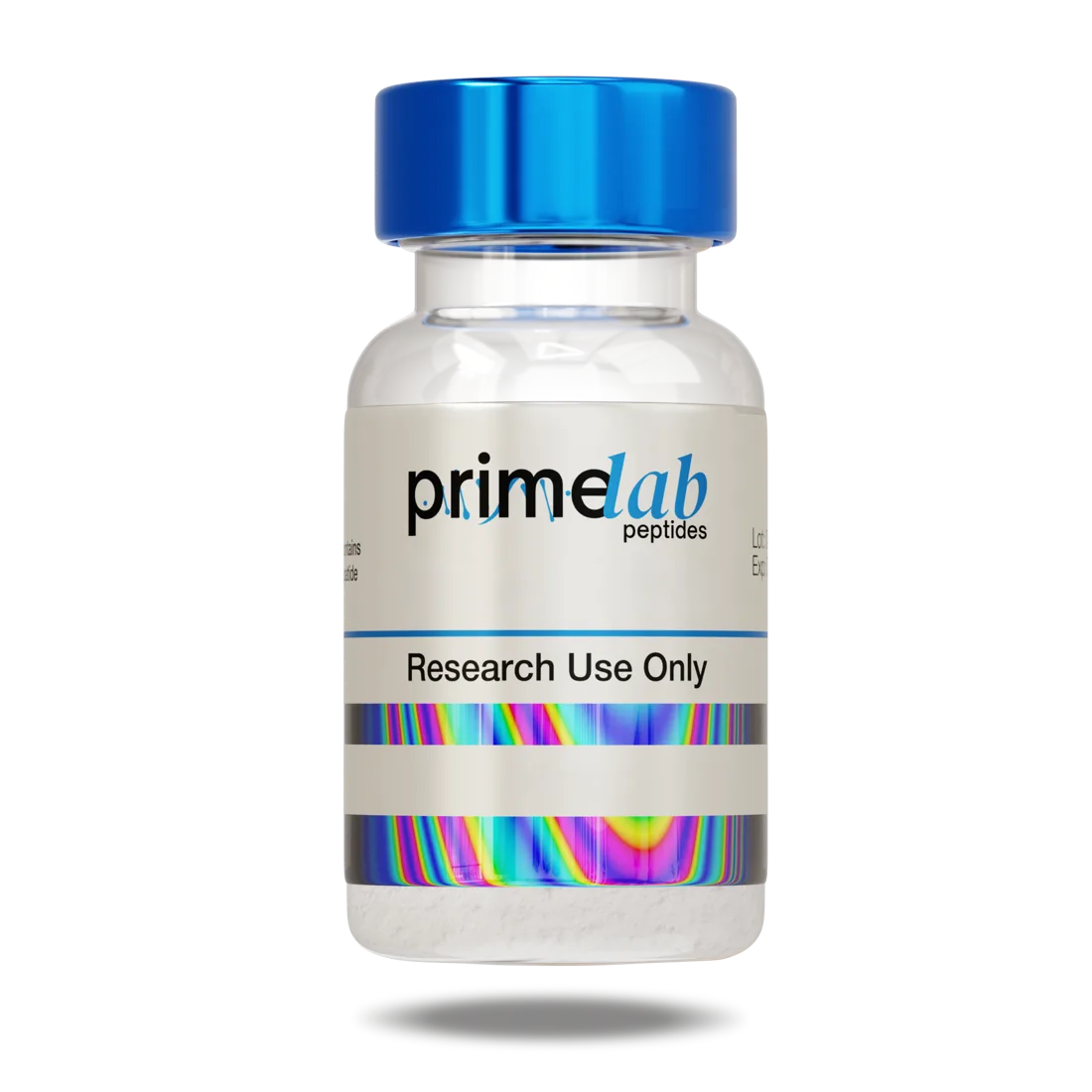
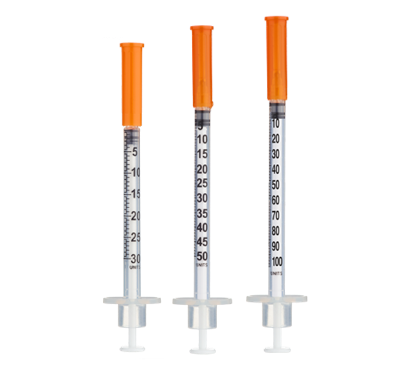
The generic reconstitution kit below is what a laboratory would use to bring a lyophilized vial into solution for measurement and cold storage. Listing it does not imply the hormone should be injected — research EPO is not the approved medicine and carries serious abuse risk.
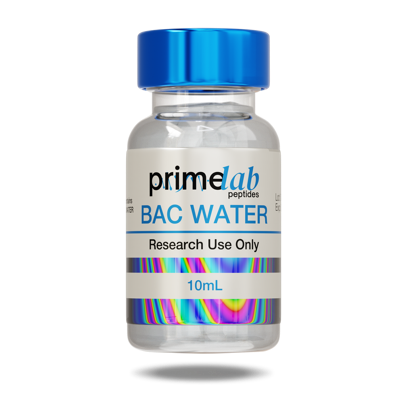
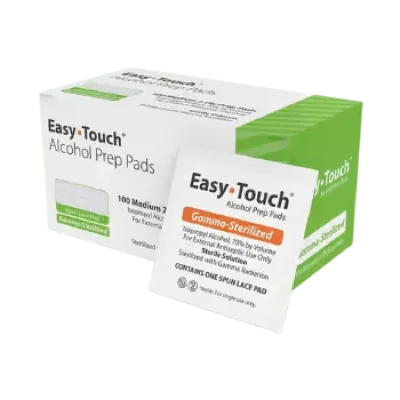
Protocol Overview
The practical picture for EPO is a cold-chain protein hormone handled in international units. Unlike the small research peptides elsewhere on this site, it is a larger glycoprotein whose activity depends on intact glycosylation, so it is measured biologically (IU) and is unusually sensitive to heat, freezing and agitation. There is no weight-based calculation and no endorsed administration schedule.
What makes EPO important to understand is the gap between its medical value and its danger when misused. As a supervised treatment for anemia it is genuinely valuable[1]. As an unsupervised performance or “wellness” injection it is one of the riskier things a person can do to their blood, because raising red-cell mass without monitoring pushes toward thrombosis[2][5]. The honest framing is medical-use-under-supervision versus a dangerous, prohibited abuse — not a protocol.
Dosing Protocol
The table is a concentration–volume reference only for a 3000 IU vial reconstituted in 1 mL (→ 3000 IU/mL). It converts a number of international units into a syringe volume for laboratory measurement. It is not a dose recommendation — EPO should only ever be dosed by a physician, and self-administration is dangerous.
Storage Instructions
EPO is cold-chain sensitive. Both the lyophilized vial and the reconstituted solution must be kept refrigerated at 2–8 °C and protected from light; the glycoprotein loses activity if it is warmed, frozen or shaken. Never freeze it.
After reconstitution, use within the short window the preservative and the protein’s stability allow, and discard any solution that turns cloudy or particulate. Because EPO is a biologically potent hormone, handle and dispose of it responsibly.
Important Notes
The points below are the ones that matter most for anyone encountering EPO, and they are safety warnings rather than instructions.
- ▪It is a hormone, not a small peptide: recombinant EPO is a ~30-kDa glycoprotein whose activity depends on its sugar chains, which is why it is measured in IU and is fragile to heat, freezing and agitation[1].
- ▪The core risk is clotting: raising hemoglobin with erythropoiesis-stimulating agents significantly increased stroke, hypertension and thrombosis in controlled trials[2][3], and EPO activates the coagulation system even in healthy volunteers[5]. This is not a theoretical concern — it is the mechanism behind EPO-linked deaths.
- ▪It is a policed doping agent: EPO is prohibited in sport and detectable by isoform analysis and the Athlete Biological Passport[4]. Abusing it is both hazardous and a sanctionable offense for tested athletes.
- ▪Research material is not the medicine: approved epoetin is a supervised prescription product with monitoring; a grey-market EPO vial has no guaranteed identity, potency, sterility or cold-chain history — an especially serious problem for an injectable protein.
- ▪Newer forms and gene doping exist: long-acting analogs, EPO mimetics, HIF stabilizers and even EPO gene doping have all been described[4][6]; none of that makes unsupervised use safer, and all of it is prohibited in sport.
- ▪Medical need means a doctor, not a vial: anemia and fatigue have many causes and require diagnosis. Self-treating with an unregulated red-cell-raising hormone is dangerous and is never an appropriate substitute for medical care.
How This Works
Erythropoietin is the body’s master regulator of red-blood-cell production. It is a glycoprotein hormone released mainly by the kidney in response to low oxygen, and it acts on red-cell progenitors in the bone marrow, binding the erythropoietin receptor to keep those progenitors alive and drive them to multiply and mature. The result is a rise in red-cell mass and therefore in the blood’s oxygen-carrying capacity[1]. Recombinant human EPO reproduces this signal and is used clinically to correct the anemia of kidney failure.
Because total hemoglobin mass is a key determinant of aerobic power, the same action that treats anemia can be abused to enhance endurance. Controlled studies show that even modest EPO regimens raise maximal oxygen uptake and endurance performance by a few percent by increasing oxygen delivery to working muscle[6]. But the benefit and the danger are inseparable: the extra red cells that carry more oxygen also make the blood more viscous.
That viscosity is the crux of the harm. Trials that pushed hemoglobin to higher targets with erythropoiesis-stimulating agents recorded significantly more strokes, hypertension and vascular thromboses[2][3], and in healthy volunteers EPO raised hematocrit alongside markers of activated coagulation[5]. A hormone that thickens the blood, given to someone whose blood count is already normal and without monitoring, moves the person toward clot formation — the well-documented mechanism behind EPO-related cardiovascular events.
Lifestyle Factors
There is no legitimate “stack” or lifestyle protocol for EPO, because its only appropriate use is supervised medical treatment of anemia. Framing it as a performance or wellness injection misrepresents a hormone whose misuse is genuinely dangerous to the cardiovascular system[2][5].
The honest context is the opposite of a routine: real anemia needs a diagnosis and a clinician; endurance and health are built on training, iron and nutrition status, sleep and recovery — not on raising one’s own hematocrit with an unregulated hormone. For anyone with genuine anemia symptoms, medical evaluation is the safe and correct path.
Potential Benefits & Side Effects
Evidence tier: an approved medicine for anemia, and a prohibited, hazardous doping agent outside that setting. The points below describe documented effects, listed to characterize the hormone accurately — the “performance” effect is inseparable from a serious thrombosis risk.
Reported Effects
- ▪Corrects anemia (medical use): as a supervised treatment, rHuEPO reliably raises red-cell mass and relieves the anemia of chronic kidney disease and related conditions[1].
- ▪Raises oxygen-carrying capacity: by increasing red-cell mass it increases maximal oxygen uptake and endurance — the basis of its abuse in sport[6].
- ▪Boosts endurance modestly in studies: controlled trials of even low-volume regimens improved endurance performance by roughly a few percent[6] — a documented effect, not an endorsement.
- ▪Inseparable from thrombosis risk: every increase in red-cell mass increases blood viscosity; higher hemoglobin targets raised stroke and thrombosis in trials[2][3], and EPO activates clotting in healthy people[5].
- ▪What is not safe: any unsupervised use to raise a normal blood count. There is no benefit that outweighs the cardiovascular risk of self-administering EPO.
Common Side Effects
- ▪Thrombosis and stroke: the defining hazard — higher hemoglobin from erythropoiesis-stimulating agents significantly increased stroke and vascular thrombosis in controlled trials[2][3].
- ▪Hypertension: EPO raises blood pressure; the relative risk of hypertension rose markedly at higher hemoglobin targets[2].
- ▪Activated coagulation: even in healthy subjects, EPO raised hematocrit alongside markers of clot formation[5].
- ▪Cardiovascular events with abuse: unmonitored hematocrit elevation, especially with dehydration during endurance exercise, has been linked to serious and fatal cardiovascular events.
- ▪Injection and product risks: as an injectable protein, EPO can cause injection-site reactions and, rarely, immune reactions; grey-market material adds risks of wrong potency, contamination and broken cold chain.
Injection Technique
The section below documents the generic subcutaneous reconstitution-and-handling workflow for completeness. It is not a recommendation to inject EPO. EPO is a potent red-cell-raising hormone with a real thrombosis risk; in legitimate use it is prescribed and monitored by a physician, and self-administration is dangerous and, in sport, prohibited.
Pre-Injection Preparation
- ▪Understand there is no endorsed self-use: EPO should be dosed only by a clinician with blood-count monitoring; the steps here describe generic protein handling, not a treatment you should perform.
- ▪Confirm the concentration: the reference volumes assume 3000 IU/mL (3000 IU in 1 mL). A different diluent volume changes every figure.
- ▪Protect the protein: keep it cold, never frozen, never shaken; inspect that the solution is clear before any laboratory measurement.
Injection Procedure
- ▪Measure by concentration: a number of IU converted at 3000 IU/mL — for example 0.033 mL (about 3 units) for 100 IU — used for accurate laboratory measurement, not administration.
- ▪Do not self-administer to raise a normal blood count: increasing hematocrit without monitoring is the exact action that drives thrombosis risk[2][5].
- ▪Medical dosing is individualized and monitored: in real use, a physician titrates EPO to the lowest hemoglobin that avoids transfusion, with regular blood tests — conditions that cannot be reproduced with a grey-market vial.
Post-Injection Care
- ▪Maintain the cold chain: refrigerate at 2–8 °C, protect from light, never freeze, and never leave EPO at room temperature.
- ▪Never chase a higher hematocrit: the danger scales with how high the blood count is pushed; there is no safe do-it-yourself target.
- ▪Seek medical care for warning signs: chest pain, shortness of breath, severe headache, leg swelling or neurological symptoms can signal a clot or stroke and require emergency attention.
Recommended Source
For high-purity research peptides, we point researchers to Prime Lab Peptides for EPO (3000 IU Vial).
Why Prime Lab Peptides?
- ▪Top-rated on Trustpilot: Independently reviewed as the highest-rated peptide lab on Trustpilot — making it the best current source in the USA.
- ▪Third-party tested: Every batch ships with a Certificate of Analysis (COA) confirming purity and composition.
- ▪Consistent quality: ISO-aligned manufacturing and handling keep product integrity reliable batch to batch.
- ▪Cold-chain integrity: Temperature-controlled shipping and storage across the whole fulfilment chain.
- ▪Research-grade purity: Fit for educational and research use that demands high-quality peptides.
Note: Product availability and specifications subject to change. Verify current product details on supplier website.
References
- 1
Frontiers of Hormone Research (2016) — ErythropoietinJelkmann (PMID 27348128). Review of erythropoiesis regulation and its manipulation: total hemoglobin mass is a determinant of aerobic power; recombinant EPO and analogs can be misused by athletes but are detectable because their glycan isoforms differ from endogenous EPO; the WADA Athlete Biological Passport monitors red-cell parameters for blood doping. DOI: 10.1159/000445174.
- 2
Annals of Internal Medicine (2010) — Meta-analysis: erythropoiesis-stimulating agents in patients with chronic kidney diseasePalmer et al. (PMID 20439566). Across 27 trials and 10,452 patients, targeting a higher hemoglobin with ESAs significantly increased the risk of stroke (RR 1.51), hypertension (RR 1.67) and vascular-access thrombosis (RR 1.33) versus a lower target. DOI: 10.7326/0003-4819-153-1-201007060-00252.
- 3
Renal Failure (2018) — Hemoglobin targets for the anemia in dialysis-dependent CKD: a meta-analysis of randomized controlled trialsYe et al. (PMID 30741617). In dialysis patients, a higher hemoglobin target carried a significantly higher risk of fistula thrombosis (RR 1.34) than a lower target, supporting the use of lower hemoglobin targets. DOI: 10.1080/0886022X.2018.1532909.
- 4
Scandinavian Journal of Medicine & Science in Sports (2022) — Contemporary blood doping: performance, mechanism, and detectionBreenfeldt Andersen et al. (PMID 36229224). Narrative review confirming that recombinant EPO (e.g. ~9 IU/kg three times weekly for 4 weeks) improves endurance performance by ~4-6% via increased oxygen-carrying capacity, and reviewing Athlete Biological Passport and emerging biomarker detection of blood doping. DOI: 10.1111/sms.14243.
- 5
Thrombosis Research (1995) — Treatment with recombinant human erythropoietin induces a moderate rise in hematocrit and thrombin antithrombin in healthy subjectsClyne, Berglund & Egberg (PMID 7495099). In healthy volunteers, rHuEPO raised hematocrit together with markers of activated coagulation (thrombin-antithrombin), directly supporting the concern that EPO abuse as a blood-doping agent raises cardiovascular/thrombotic risk. DOI: 10.1016/0049-3848(95)91520-u.
- 6
European Journal of Sport Science (2019) — Gene doping: present and futureCantelmo et al. (PMID 31787029). Review of gene doping, including erythropoietin among the targets pursued by advanced doping methods, and the current inability of anti-doping agencies to reliably detect such approaches. DOI: 10.1080/17461391.2019.1695952.
EPO — frequently asked questions
How do I reconstitute a 3000 IU vial of EPO?
Wipe the stopper with an alcohol swab, then inject your bacteriostatic water slowly down the inside wall of the vial. Let it sit and gently swirl until dissolved — never shake. Store the mixed vial in the refrigerator and draw doses with an insulin syringe. Use the calculator above to turn any dose into syringe units.
How much bacteriostatic water should I add to EPO?
There is no single correct amount — more water simply spreads the same 3000 IU of peptide across a larger volume, which makes small doses easier to measure accurately. 1 to 3 mL per vial is typical. Enter your chosen volume in the calculator above to see the resulting concentration and syringe units.
What do the "units" on an insulin syringe mean?
On a U-100 insulin syringe, 100 units equal 1 mL, so 1 unit equals 0.01 mL. The calculator above converts your draw volume into these units automatically so you can measure without doing the math by hand.
How should I store EPO after mixing?
Keep the reconstituted vial refrigerated at roughly 2 to 8 degrees Celsius, away from light, and avoid freezing it. Reconstituted research peptides are generally used within a few weeks. Always follow the specific guidance supplied with your product.
How many doses does a 3000 IU vial of EPO provide?
Divide the vial strength of 3000 IU by the amount you use per injection. The calculator above reports this as "doses per vial" the moment you enter a dose.
Is EPO approved for human use?
No. EPO is sold strictly for laboratory and research purposes and is not approved by the FDA or other regulators for human use. Everything on this page is research information, not medical advice — consult a licensed healthcare professional before any use.
New protocols & dosing updates
Reconstitution charts, new peptide protocols and safety updates — straight to your inbox. No spam, unsubscribe anytime.