
Follistatin-344 (1 mg) Dosage Protocol
Follistatin-344 is a recombinant myostatin- and activin-A-binding protein studied mainly in animal and gene-therapy research, with thin-to-absent human injectable data — a research-chemical-tier compound.
Binds and neutralizes myostatin (GDF-8), activin A, and GDF-11, releasing a brake on muscle growth in preclinical models.
No validated human protocol exists; grey-market anecdotes cite ~100 mcg-range subcutaneous amounts. Reference data only, not advice.
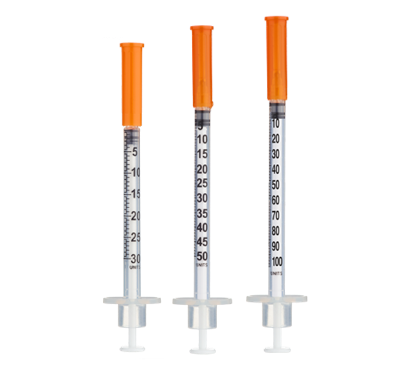
Reconstitute a 1 mg vial with ~2 mL bacteriostatic water for 0.5 mg/mL (500 mcg/mL); 100 mcg = 0.2 mL = 20 IU on a U-100 syringe.
Lyophilized powder at -20 C; reconstituted protein refrigerated 2-8 C and used within days-to-weeks. Fragile peptide/protein.
Quickstart Highlights
Follistatin-344 (FST-344) is a recombinant form of follistatin, a secreted glycoprotein that acts as a high-affinity antagonist of myostatin (GDF-8), activin A and GDF-11 — TGF-β-superfamily ligands that normally restrain skeletal-muscle growth[1]. Because neutralizing myostatin releases one of the body’s main brakes on muscle size, follistatin has been investigated primarily for muscle growth, hypertrophy and muscle-wasting conditions — but the persuasive data come from rodents and from early-phase AAV gene-therapy trials, not from injecting the protein itself[2][3].
The figures below document published preclinical literature and circulated community conventions and are provided strictly for research and educational reference — not medical advice, a treatment claim, or a recommendation to self-administer. Follistatin-344 is not an approved drug and has no validated human injectable dosing protocol.
Pre-filled with this protocol’s recommended BAC water and documented starting dose — edit any field to run your own numbers. Reconstitution math only — not dosing advice. U-100 syringe: 100 units = 1 mL. Full reconstitution guide → · Advanced calculator →Mix & measure Follistatin-344 · 1 mg
Supplies Needed
Everything a documented subcutaneous handling routine relies on. Nothing here is exotic — sterile technique, gentle mixing and accurate measurement matter far more than any single tool, and none of it substitutes for a certificate of analysis on the material itself.
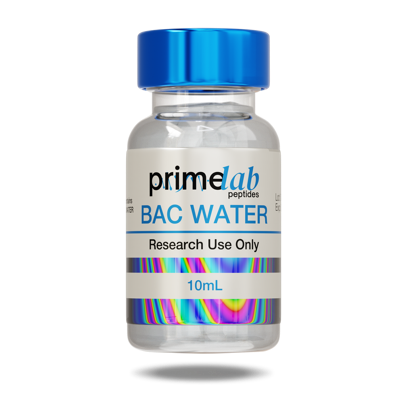
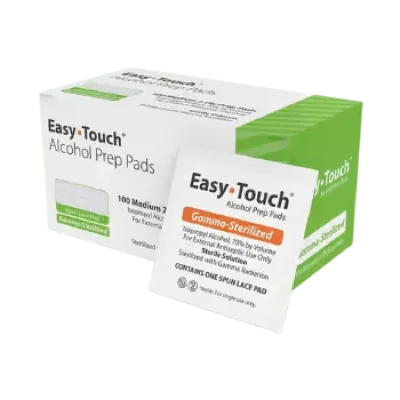
Protocol Overview
At 0.5 mg/mL a single 1 mg vial holds roughly 2 mL of usable solution — about ten 100 mcg reference administrations (2 mL ÷ 0.20 mL). A 1 mg vial does not imply a 1 mg dose; the milligram-scale figures in the surrounding literature are gene-therapy or overexpression exposures spread over months, not injectable boluses.
Because a reconstituted glycoprotein is far less stable than a small peptide, plan any research use around a short usable window (days to a couple of weeks) rather than assuming a vial keeps for a month.
Dosing Protocol
Reference figures that circulate in research and community reports, converted to U-100 units at 0.5 mg/mL. These are documented for context only — none is anchored to human dose-finding or efficacy data.
| Reference figure | Amount (reported) | Volume (U-100 units / mL) |
|---|---|---|
| Lower end reported | ~50 mcg once daily | 10 units (0.10 mL) |
| Most-cited amount | ~100 mcg once daily | 20 units (0.20 mL) |
| Higher figures cited | up to ~200 mcg once daily | 40 units (0.40 mL) |
| Cycle length in reports | 10–30-day blocks | n/a — not dose-finding data |
Why Follistatin-344 draws research interest
These are the directions researchers and the peptide community most often explore Follistatin-344 for — so you know you’re in the right place. They describe what is being studied, not proven benefits, approved uses, or promised results.
Myostatin inhibition & muscle growth
Studied in rodents and nonhuman primates for hypertrophy after follistatin overexpression or gene transfer; magnitude in humans is unestablished.
Muscular dystrophy & wasting
Investigated as an AAV gene therapy (AAV1-FS344) in early-phase Becker muscular dystrophy and inclusion body myositis trials, not as an injected protein.
Body composition & recovery
Sought by researchers and the grey market for lean-mass and recovery signals seen preclinically; human injectable evidence is thin-to-absent.
Evidence ranges from early laboratory work to clinical trials depending on the use — the sections below cover the actual data and sources.
Add 2.0 mL bacteriostatic water to one 1 mg vial → 0.5 mg/mL (500 mcg/mL).
Reports cluster at ~50–200 mcg/day (most cite ~100 mcg); no validated dose exists.
Subcutaneous, once daily in short 10–30-day blocks per reports; injected-protein bioavailability is unestablished.
Preclinical / research-chemical. Only human data are AAV gene therapy (tiny n) — not the injectable protein sold.
Dosing & Reconstitution Guide
Unlike titrated peptides, Follistatin-344 has no established dose-escalation schedule, because no human dose-finding study of the injectable protein exists. What follows documents the numbers that circulate in research and community reports so they can be read in context — not as a protocol to follow.
Standard / Gradual Approach
Because there is no validated human protocol, there is no legitimate titration to publish. Reference reports describe a flat ~100 mcg once-daily subcutaneous amount run in short blocks of 10–30 days, on the untested assumption that follistatin clears quickly — an extrapolation from sustained gene-therapy exposure rather than measured pharmacokinetics.
Reconstituted at 0.5 mg/mL, 100 mcg equals 0.20 mL (20 units on a U-100 syringe). Because activin and GDF-11 blockade has systemic consequences, “more” is not a benign lever here[7].
Reconstitution Steps
Follistatin is a comparatively large, fragile glycoprotein rather than a small stable peptide, so gentle handling and cold-chain integrity matter more than with a typical peptide.
- ▪Sanitize: Swab the vial stopper and the bacteriostatic-water vial with fresh alcohol pads and let them dry.
- ▪Add diluent slowly: Draw 2.0 mL bacteriostatic water and let it run down the inside wall of the vial — do not jet it onto the powder, since agitation shears protein.
- ▪Dissolve gently: Swirl, never shake; shaking a glycoprotein creates aggregates. Allow a minute or two to fully dissolve.
- ▪Store: Label with the date and refrigerate at 2–8 °C; the reconstituted vial holds ~0.5 mg/mL (500 mcg/mL).
Storage Instructions
Store the lyophilized vial at -20 °C away from light until reconstitution; follistatin-class proteins are sensitive to heat and freeze-thaw cycles.
After reconstitution, keep the vial refrigerated at 2–8 °C, protect it from light, avoid re-freezing, and treat the usable window as days to a couple of weeks — not the ~28 days often quoted for small peptides. Discard if the solution turns cloudy, discolored or shows visible particulates.
Important Notes
Practical points that keep handling consistent and, more importantly, keep expectations anchored to the actual evidence.
- ▪Swirl, don’t shake: Follistatin is a large glycoprotein; agitation shears it and forms aggregates that a small peptide would tolerate.
- ▪Know your isoform: “FST-344”, “FS-315” and “FS-288” are used loosely by vendors and behave differently in binding assays[5] — only independent identity and purity testing tells you what is in a given vial.
- ▪No validated dose: The reference numbers above are circulated figures, not a safe-use instruction; there is no human dose-finding data behind any of them.
- ▪Systemic ligand blockade is a real concern: Activin A and GDF-11 have roles in reproduction, endocrine (FSH) regulation and wound healing — broadly neutralizing them is exactly why gene-therapy constructs were engineered to limit systemic activin blockade in primates[3][7].
- ▪Absence of evidence ≠ safety: There is no documented adverse-event profile for repeated injection of recombinant follistatin — “no reported side effects” reflects no rigorous study, not proven safety.
How This Works
Myostatin is secreted by muscle and signals back onto muscle through activin type II receptors (ActRIIB), engaging the Smad2/3 pathway to limit muscle-fiber growth. Animals and rare humans with loss-of-function myostatin mutations show dramatic muscle overgrowth, which first put this pathway on the map[1]. Follistatin acts upstream: it forms a high-affinity complex with myostatin — and with activin A and GDF-11 — preventing them from reaching their receptors[7].
In preclinical work follistatin’s hypertrophic effect appears broader than myostatin blockade alone: some of its growth signal runs through Smad3 and mTOR pathways rather than purely through removing myostatin, and it drives a combination of satellite-cell proliferation and increased protein synthesis in existing fibers[6]. This multi-ligand action is part of why follistatin produced larger effects than selective myostatin antibodies in some animal comparisons — but it is also why off-target and endocrine effects are a legitimate concern, because activin and GDF-11 act well beyond muscle[7].
Lifestyle Factors
In the preclinical literature that defines this molecule, follistatin-driven hypertrophy was studied in the context of active muscle — the underlying satellite-cell proliferation and protein synthesis it engages depend on mechanical loading and adequate nutrition, so the pharmacology is a lever on muscle biology rather than a substitute for training[6].
This framing is descriptive of the research context, not a use recommendation: the compound has no validated human protocol, and adequate protein intake, sleep and resistance loading are the well-established, evidence-backed drivers of the muscle adaptations that follistatin is merely studied for influencing.
Potential Benefits & Side Effects
What the literature reports follistatin is studied for — with the honest caveat that almost every persuasive result comes from rodents, primates or AAV gene therapy, not from injecting recombinant protein, so none of it establishes efficacy for the product actually sold as “Follistatin-344”.
Reported Effects
- ▪Muscle mass (rodents): Transgenic and viral overexpression of follistatin markedly increased muscle mass in mice — one widely cited paper roughly quadrupled muscle mass by targeting this pathway, an effect larger than myostatin knockout alone[2].
- ▪Strength & size (primates): AAV follistatin gene delivery to monkey muscle produced durable increases in size and strength, with the construct engineered to limit systemic activin blockade[3].
- ▪Human gene therapy (tiny n): An AAV1-FS344 phase 1/2a trial in Becker muscular dystrophy and inclusion body myositis was described as generally tolerated with some functional signals — but this is one-time viral gene transfer under an FDA-regulated protocol, not protein injection[4][8].
- ▪Mechanistic hypertrophy: Follistatin is reported to drive muscle growth via satellite-cell proliferation plus Smad3/mTOR-mediated protein synthesis, partly independent of myostatin[6].
- ▪Injectable protein — no controlled evidence: Claims that a few weeks of subcutaneous injections produce a “myostatin-knockout physique” are not supported by any published human trial of the recombinant protein.
Common Side Effects
- ▪The evidence gap is the headline risk: No controlled human trial establishes that injectable recombinant Follistatin-344 is effective or safe, so there is no documented adverse-event profile for this specific use.
- ▪Systemic activin / GDF-11 blockade: Because follistatin neutralizes more than myostatin, broad blockade of ligands involved in reproduction, FSH regulation, inflammation and wound healing is a legitimate theoretical concern[7].
- ▪Grey-market purity: Research proteins sold outside a regulated chain vary in identity, purity, endotoxin load and actual mass; injecting an unpurified biologic carries infection, endotoxin and immunogenicity risks unrelated to follistatin’s pharmacology.
- ▪Unproven physique claims: The dramatic before/after imagery online reflects lifelong genetic overexpression or sustained gene expression, not a short injectable course[2][3].
- ▪Unknown long-term effects: Chronically suppressing a regulatory pathway with roles well beyond muscle has consequences that remain unstudied — which is itself the reason the human work stayed inside controlled gene-therapy protocols.
Injection Technique
For research documentation only. Subcutaneous technique mirrors insulin injection, but gentle handling of a fragile glycoprotein matters more than speed.
Pre-Injection Preparation
- ▪Wash hands; let the refrigerated vial come toward room temperature to reduce sting, without warming it aggressively.
- ▪Swab the vial stopper and the intended site; let the alcohol dry fully.
- ▪Draw your reference volume into a fresh U-100 syringe (e.g. 20 units for a 100 mcg reference amount) and tap out air bubbles gently.
Injection Procedure
- ▪Pinch a skinfold at the chosen site (abdomen, outer thigh or back of the upper arm).
- ▪Insert the needle at 45–90° and inject at a slow, steady pace.
- ▪Withdraw and apply light pressure with a clean swab — do not rub.
Post-Injection Care
- ▪Drop the used syringe straight into a puncture-proof sharps container.
- ▪Rotate sites to avoid local irritation or lipohypertrophy.
- ▪Return the vial to the refrigerator promptly and keep it out of light.
Recommended Source
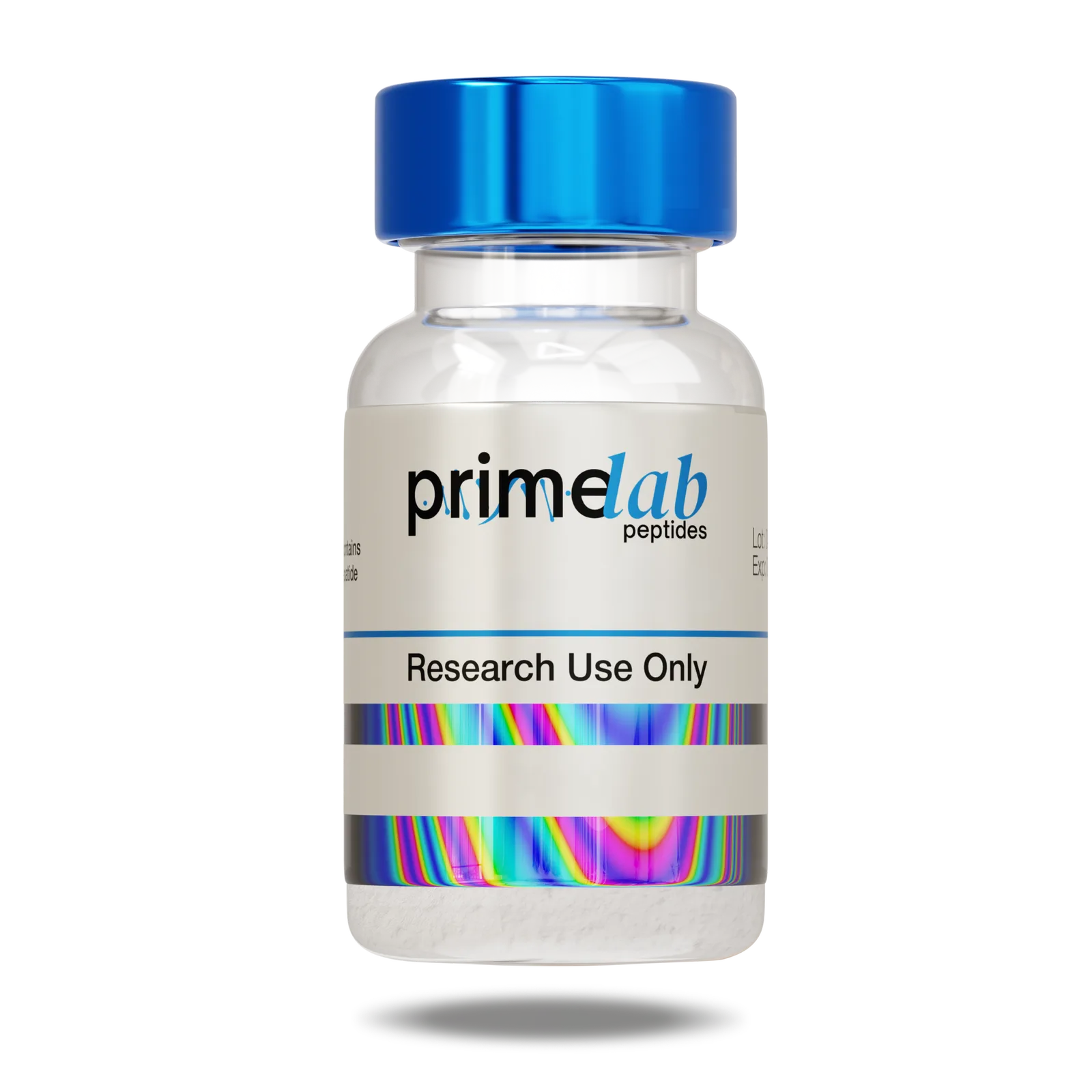
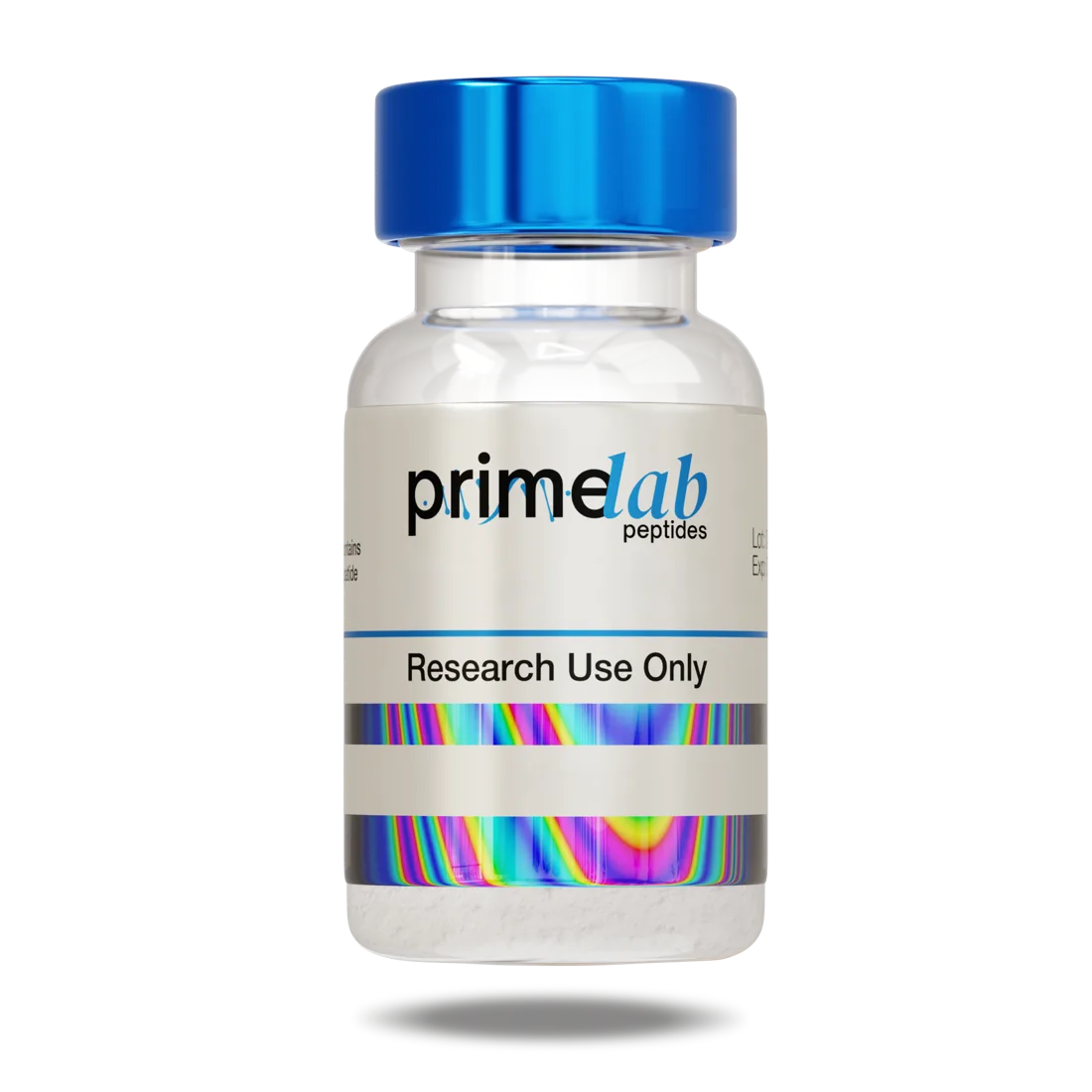
For high-purity research peptides, we point researchers to Prime Lab Peptides for Follistatin-344 (1 mg Vial).
Why Prime Lab Peptides?
- ▪Top-rated on Trustpilot: Independently reviewed as the highest-rated peptide lab on Trustpilot — making it the best current source in the USA.
- ▪Third-party tested: Every batch ships with a Certificate of Analysis (COA) confirming purity and composition.
- ▪Consistent quality: ISO-aligned manufacturing and handling keep product integrity reliable batch to batch.
- ▪Cold-chain integrity: Temperature-controlled shipping and storage across the whole fulfilment chain.
- ▪Research-grade purity: Fit for educational and research use that demands high-quality peptides.
Note: Product availability and specifications subject to change. Verify current product details on supplier website.
References
- 1
PNAS — Regulation of myostatin activity and muscle growthLee & McPherron (2001) — myostatin signaling through ActRIIB and its inhibition by follistatin and the myostatin propeptide.
- 2
PLoS One — Quadrupling muscle mass in miceLee SJ (2007) — targeting TGF-beta signaling with follistatin roughly quadrupled muscle mass in mice, larger than myostatin knockout alone.
- 3
Science Translational Medicine — Follistatin gene delivery in nonhuman primatesKota et al. (2009) — AAV follistatin gene transfer enhanced muscle growth and strength in monkeys while limiting systemic activin blockade.
- 4
Molecular Therapy — Phase 1/2a follistatin gene therapy trialMendell et al. (2015) — AAV1-FS344 injected into muscle of Becker muscular dystrophy patients; tolerability and functional signals in a very small cohort.
- 5
Endocrinology — Biological activity of follistatin isoformsSidis et al. (2006) — follistatin isoforms (FS-315 vs FS-288) differ in cell-surface binding and biological activity.
- 6
Journal of Cell Biology — Follistatin hypertrophy via Smad3 and mTORWinbanks et al. (2012) — follistatin-mediated muscle hypertrophy is regulated by Smad3 and mTOR independently of myostatin.
- 7
Endocrinology — Differential antagonism of activin, myostatin and GDF-11Schneyer et al. (2008) — wild-type and mutant follistatin differ in how they antagonize activin, myostatin and GDF-11, underscoring multi-ligand action.
- 8
ClinicalTrials.gov — Follistatin gene transfer (AAV1-FS344), NCT01519349Registry record for the AAV1-FS344 trial in Becker muscular dystrophy and sporadic inclusion body myositis.
Follistatin-344 — frequently asked questions
How do I reconstitute a 1 mg vial of Follistatin-344?
Wipe the stopper with an alcohol swab, then inject your bacteriostatic water slowly down the inside wall of the vial. Let it sit and gently swirl until dissolved — never shake. Store the mixed vial in the refrigerator and draw doses with an insulin syringe. Use the calculator above to turn any dose into syringe units.
How much bacteriostatic water should I add to Follistatin-344?
There is no single correct amount — more water simply spreads the same 1 mg of peptide across a larger volume, which makes small doses easier to measure accurately. 1 to 3 mL per vial is typical. Enter your chosen volume in the calculator above to see the resulting concentration and syringe units.
What do the "units" on an insulin syringe mean?
On a U-100 insulin syringe, 100 units equal 1 mL, so 1 unit equals 0.01 mL. The calculator above converts your draw volume into these units automatically so you can measure without doing the math by hand.
How should I store Follistatin-344 after mixing?
Keep the reconstituted vial refrigerated at roughly 2 to 8 degrees Celsius, away from light, and avoid freezing it. Reconstituted research peptides are generally used within a few weeks. Always follow the specific guidance supplied with your product.
How many doses does a 1 mg vial of Follistatin-344 provide?
Divide the vial strength of 1 mg by the amount you use per injection. The calculator above reports this as "doses per vial" the moment you enter a dose.
Is Follistatin-344 approved for human use?
No. Follistatin-344 is sold strictly for laboratory and research purposes and is not approved by the FDA or other regulators for human use. Everything on this page is research information, not medical advice — consult a licensed healthcare professional before any use.
New protocols & dosing updates
Reconstitution charts, new peptide protocols and safety updates — straight to your inbox. No spam, unsubscribe anytime.