
HGH 191AA (10IU Vial) Dosage Protocol
Recombinant human growth hormone (somatropin) — FDA-approved for GH deficiency; other uses research/educational.
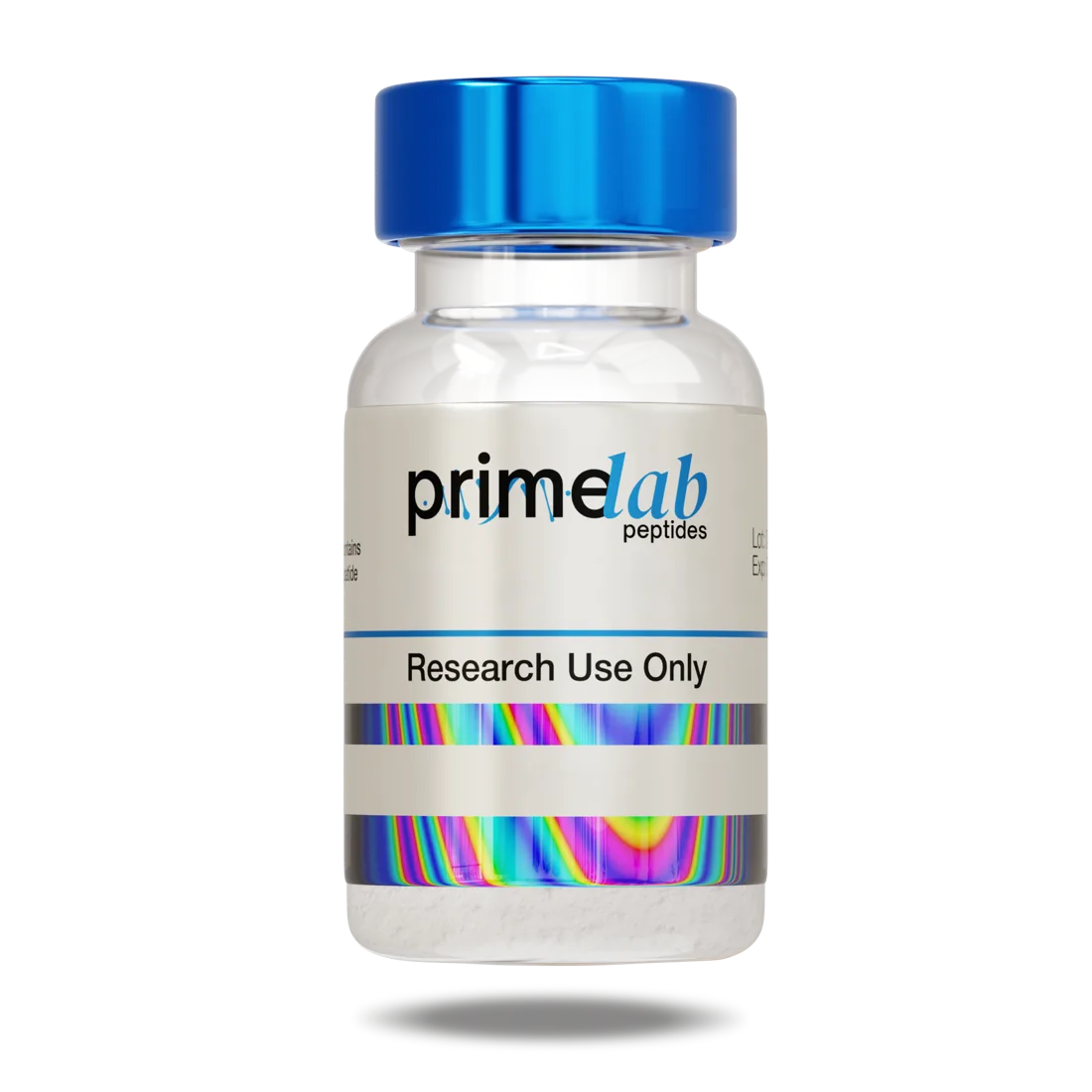
Pre-filled with this protocol’s recommended BAC water and documented starting dose — edit any field to run your own numbers. Reconstitution math only — not dosing advice. U-100 syringe: 100 units = 1 mL. Full reconstitution guide → · Advanced calculator →Mix & measure HGH 191AA · 10 IU
Dosing & Reconstitution Guide
A single practical dilution with accurate once-daily dosing, step by step
Standard / Gradual Titration (3 mL = ~1.11 mg/mL)
Reconstitute: Add 3.0 mL bacteriostatic water to one 10 IU (3.33 mg) vial → final concentration ~1.11 mg/mL (~1,111 mcg/mL).
Typical daily range: begin near 200 mcg and titrate by about 100 mcg per week; conservative replacement protocols use 150–500 mcg daily, advanced research up to 1000–2000 mcg daily.
Easy measuring: At ~1.11 mg/mL, 1 unit ≈ 11.1 mcg on a U-100 syringe (1 unit = 0.01 mL). Units = daily dose (mcg) ÷ 11.1.
Storage: Lyophilized: store at −20 °C (−4 °F); after reconstitution, refrigerate at 2–8 °C (35.6–46.4 °F) and do not freeze the mixed solution.
Why HGH 191AA draws research interest
These are the directions researchers and the peptide community most often explore HGH 191AA for — so you know you’re in the right place. They describe what is being studied, not proven benefits, approved uses, or promised results.
Body composition & fat loss
Investigated for lipolysis and lean-mass shifts; body-composition use is investigational and not an approved indication.
GH deficiency support
FDA-approved as somatropin for growth hormone deficiency in children and adults — one of its established clinical indications.
Tissue repair & recovery
Explored in research on connective-tissue repair and collagen turnover via GH and downstream IGF-1 signaling; investigational.
Longevity & aging
Researched in the biology of GH decline and aging; anti-aging use is investigational, unproven, and not an approved indication.
Evidence ranges from early laboratory work to clinical trials depending on the use — the sections below cover the actual data and sources.
Quickstart Highlights
HGH 191AA is recombinant human growth hormone (somatropin) — a 191-amino-acid protein identical to the growth hormone made by the pituitary gland[1][5]. Somatropin is FDA-approved for genuine medical indications such as growth-hormone deficiency, but use for anti-aging, bodybuilding or body-composition is off-label and not approved for those purposes. This educational page outlines a once-daily subcutaneous approach with a dilution chosen so doses land on easy-to-read insulin-syringe marks — presented for research and educational use only.
Add 3.0 mL bacteriostatic water to one 10 IU (3.33 mg) vial → ~1.11 mg/mL (~1,111 mcg/mL), a practical dilution for accurate dosing.
150–500 mcg daily in conservative replacement protocols, up to 1000–2000 mcg in advanced research; clinical GH-deficiency dosing is individualized to IGF-1.
At ~1.11 mg/mL, 1 unit ≈ 11.1 mcg on a U-100 syringe (1 unit = 0.01 mL). Roughly 1 mg somatropin ≈ 3 IU.
Lyophilized: store at −20 °C (−4 °F); once reconstituted, refrigerate at 2–8 °C (35.6–46.4 °F) and do not freeze the solution.
Important: Start with the Prep & Injection Guide — it covers the preparation and safety basics every protocol on this site assumes.
Frequency: one subcutaneous injection once daily, preferably at bedtime to mimic the body’s natural overnight GH pulse[2]. Rotate sites to avoid lipoatrophy[3]. This 8-week schedule escalates by ~100 mcg weekly. These figures come from reference protocols, not from approved human dosing.
Extended 12-Week Protocol (Optional)
Note: The 12-week extension reaches higher daily doses (1000–1300 mcg) explored in performance and metabolic research. These produce more pronounced effects but raise the chance of side effects such as insulin resistance, fluid retention and joint discomfort, and call for closer monitoring. Because a U-100 syringe holds only 100 units (1.0 mL), any daily dose above ~1000 mcg (~90 units) — e.g. Weeks 11–12 — must be split into two injections or drawn from a more concentrated reconstitution.
Reconstitution Steps
Draw 3.0 mL of bacteriostatic water into a sterile syringe.
Release it slowly down the vial’s inner wall to limit foaming.
Swirl or roll gently until fully dissolved — don’t shake, to preserve the protein structure.
Label with the date and concentration, then refrigerate at 2–8 °C (35.6–46.4 °F), shielded from light.
The 3.0 mL dilution keeps even small starting doses at 18 units or more, where U-100 syringe markings are easiest to read. Avoid freezing the reconstituted solution, since freeze–thaw can denature the protein.
Supplies Needed
Quantities below assume an 8–16 week course of once-daily injections with gradual titration.
Each 10 IU (3.33 mg) vial covers part of a week as doses rise across the titration; plan extra for the higher weeks.
- 8 weeks: ~10 vials
- 12 weeks: ~19 vials
- 16 weeks: ~32 vials
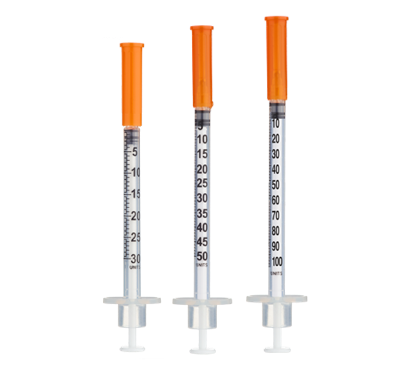
- Per injection: 1 syringe (1/day)
- 8 weeks: ~56 syringes
- 12 weeks: ~84 syringes
- 16 weeks: ~112 syringes
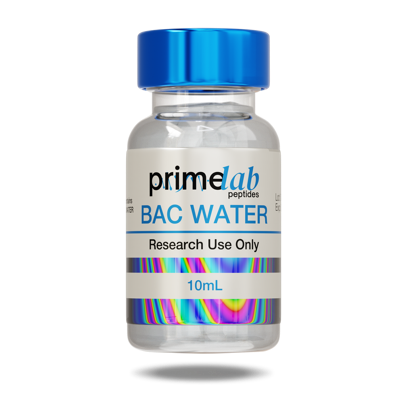
Use ~3.0 mL per vial for reconstitution.
- 8 weeks (10 vials): 30 mL → 3 bottles
- 12 weeks (19 vials): 57 mL → 6 bottles
- 16 weeks (32 vials): 96 mL → 10 bottles
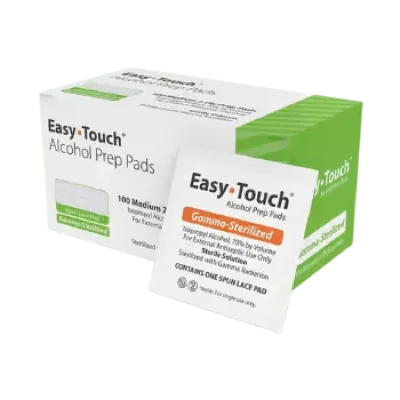
One for the vial stopper + one for the injection site each day.
- Per injection: 2 swabs
- 8 weeks: ~112 swabs → 2 boxes
- 16 weeks: ~224 swabs → 3 boxes
Protocol Overview
A concise summary of the once-daily regimen, drawn from commonly cited reference protocols.
- ▪Goal: Support lean-mass gains, reductions in adipose tissue and improved metabolic function by raising IGF-1; clinically, somatropin is used to correct growth-hormone deficiency[7][8].
- ▪Schedule: Daily subcutaneous injections for 8–12 weeks, optionally extended to ~16 weeks for advanced protocols.
- ▪Dose Range: Conservative 150–500 mcg daily; advanced 1000–2000 mcg daily. Clinical GH-deficiency dosing is individualized to IGF-1 response.
- ▪Reconstitution: 3.0 mL bacteriostatic water per 10 IU (3.33 mg) vial gives ~1.11 mg/mL for accurate unit measurements.
- ▪Storage: Keep the dry vial frozen at −20 °C (−4 °F); once mixed, refrigerate at 2–8 °C and do not freeze the solution.
Dosing Protocol
A suggested daily titration approach based on common reference doses.
- ▪Start: Begin at 200 mcg once daily and increase by ~100 mcg each week as tolerated.
- ▪Conservative target: 400–900 mcg daily by weeks 4–8[1].
- ▪Advanced target: 1000–1300 mcg daily by weeks 9–12 (performance/metabolic research)[4].
- ▪Frequency: Once per day subcutaneously, preferably at bedtime[2].
- ▪Cycle length: 8–12 weeks standard; optional extension to ~16 weeks with appropriate monitoring.
- ▪Timing: Evening or bedtime preferred; rotate injection sites systematically[3].
Storage Instructions
Correct storage is what preserves the peptide’s stability and activity.
- ▪Lyophilized: Hold the dry vial at −20 °C (−4 °F) in dry, dark conditions and limit moisture exposure[7].
- ▪Reconstituted: Refrigerate at 2–8 °C (35.6–46.4 °F); stable for several weeks when stored properly[5].
- ▪Handling: Let frozen vials reach room temperature before opening so condensation won’t form, and keep the solution clear of heat and direct light.
- ▪Freeze–thaw: Avoid repeated freeze–thaw cycles of the reconstituted solution, as freezing can denature the protein.
Important Notes
Practical points that keep daily administration safe and consistent.
- ▪Sterile technique: Use a fresh sterile U-100 insulin syringe each time and drop it straight into a puncture-proof sharps container afterward.
- ▪Site rotation: Move between abdomen, thighs and upper arms to reduce local irritation and prevent lipoatrophy[9].
- ▪Slow injection: Push the plunger slowly and pause a few seconds before withdrawing the needle to prevent backflow.
- ▪Recordkeeping: Log the daily dose, injection site and any observed effects to keep the protocol consistent and track tolerance.
- ▪Injection only: HGH must be injected — oral dosing is ineffective because the protein is broken down in the digestive tract[6].
- ▪Regulatory note: Somatropin is FDA-approved for GH deficiency and certain other indications, but anti-aging, bodybuilding and body-composition uses are off-label and not approved; GH is also a WADA-prohibited substance in sport[10].
- ▪Real risks: GH can cause insulin resistance and raised blood glucose, fluid retention and edema, joint and muscle pain, carpal tunnel symptoms and, with excess, acromegalic changes — monitoring (including IGF-1 and glucose) is advised.
How This Works
HGH 191AA is recombinant human growth hormone (somatropin) — a 191-amino-acid protein with the same sequence as the growth hormone secreted by the pituitary gland[1][5].
GH binds growth-hormone receptors and stimulates the liver and peripheral tissues to release IGF-1, the main mediator of its growth-promoting effects. Through these pathways it promotes lipolysis (fat breakdown), increases protein synthesis and supports gains in lean body mass[7][8]. Once-daily subcutaneous dosing, often at bedtime, is designed to approximate the body’s natural overnight GH pulse[2].
Approval status: somatropin is FDA-approved — under many brand names — for genuine medical indications including pediatric and adult growth-hormone deficiency, Turner syndrome, Prader-Willi syndrome and several others[5]. Use for anti-aging, bodybuilding or body-composition is off-label and not approved for those purposes; in clinical care, dosing is individualized and titrated to IGF-1 rather than fixed.
Pivotal research by Rudman and colleagues found that six months of GH in older men increased lean body mass and reduced fat mass versus placebo[7], and long-term studies in adults with GH deficiency show sustained body-composition benefits with maintenance dosing[8]. Higher doses produce stronger effects but also real risks — insulin resistance and higher blood glucose, fluid retention and edema, joint pain and, with chronic excess, acromegalic changes.
The dosing here is drawn from reference protocols for research and educational purposes only and is not medical advice; off-label GH use should only be considered under qualified medical supervision.
Lifestyle Factors
Habits that may support body-composition and metabolic goals alongside the protocol.
- ▪Nutrition: Keep protein intake adequate to give lean-mass gains the building blocks they need, and watch carbohydrate quality since GH can raise blood glucose.
- ▪Activity & rest: Pair resistance training and appropriate movement with real recovery time.
- ▪Sleep: Aim for 7–9 hours; most natural GH release occurs during deep sleep.
- ▪Monitoring: Track fasting glucose and, where possible, IGF-1, since GH influences both.
Potential Benefits & Side Effects
What the clinical literature on somatropin describes; effects and risks are dose-dependent and individual results vary.
Potential Benefits
- ▪Body composition: Increased lean body mass and reduced fat mass in controlled GH studies[7].
- ▪Metabolic effects: Enhanced lipolysis and protein synthesis via raised IGF-1[8].
- ▪Established medical use: Corrects deficiency in adults and children with diagnosed GH deficiency (an FDA-approved indication).
- ▪Note on off-label use: Anti-aging and bodybuilding benefits are not FDA-approved and weigh against real risks.
Common Side Effects
- ▪Fluid retention & joints: Edema, joint and muscle pain, and carpal-tunnel symptoms are common, especially at higher doses.
- ▪Glucose & insulin: GH can cause insulin resistance and raise blood glucose; caution in those at risk of diabetes.
- ▪With excess/long term: Acromegalic changes and other endocrine effects; medical monitoring is advised. Note GH is WADA-prohibited in sport.
Injection Technique
General subcutaneous technique, following established clinical best-practice guidance[14][15].
Pre-Injection Preparation
- ▪Wash your hands well with soap and water.
- ▪Wipe the vial stopper with an alcohol swab and let it air-dry.
- ▪Choose a site (abdomen, thigh, or upper arm) and clean it with a fresh alcohol swab, letting it dry fully[15].
- ▪Draw the intended dose, then check for air bubbles and push any out.
Injection Procedure
- ▪Pinch a skinfold at the chosen site between thumb and forefinger.
- ▪Insert the needle into the pinch at a 45–90-degree angle (use 45 degrees if the fat layer is thin)[14].
- ▪Skip aspiration for subcutaneous shots — it isn’t needed[14].
- ▪Press the plunger slowly and steadily until it’s fully down.
- ▪Wait 5–10 seconds, then pull the needle straight out to prevent leakage.
Post-Injection Care
- ▪Drop the used syringe straight into a puncture-proof sharps container — never recap a needle.
- ▪Return the reconstituted vial to the fridge right away.
- ▪Rotate the injection site each day to prevent irritation and lipoatrophy[9].
- ▪Watch the site for excess redness, swelling, or signs of infection.
Recommended Source
For high-purity research peptides, we point researchers to Prime Lab Peptides.
Why Prime Lab Peptides?
- ▪Top-rated on Trustpilot: Independently reviewed as the highest-rated peptide lab on Trustpilot — making it the best current source in the USA.
- ▪Third-party tested: Every batch ships with a Certificate of Analysis (COA) confirming purity and composition.
- ▪Consistent quality: ISO-aligned manufacturing and handling keep product integrity reliable batch to batch.
- ▪Cold-chain integrity: Temperature-controlled shipping and storage across the whole fulfilment chain.
- ▪Research-grade purity: Fit for educational and research use that demands high-quality peptides.
Note: Product availability and specifications subject to change. Verify current product details on supplier website.
References
- 1
New England Journal of MedicineRudman et al.: effects of human growth hormone on body composition in older men (lean mass, fat mass).
- 2
Journal of Clinical Endocrinology & MetabolismPhysiology of pulsatile GH secretion and rationale for once-daily, bedtime subcutaneous dosing.
- 3
NCBI BookshelfSubcutaneous injection technique and systematic site rotation to prevent lipoatrophy.
- 4
Growth Hormone & IGF Research (PubMed)Higher-dose GH in metabolic and performance research: effects and dose-dependent risks.
- 5
U.S. FDASomatropin prescribing information: approved indications (GH deficiency, Turner, Prader-Willi) and product details.
- 6
Endocrine Reviews (PubMed)Growth hormone is a protein and must be injected; oral administration is degraded in the GI tract.
- 7
New England Journal of MedicineRudman et al.: six months of GH increased lean body mass and decreased fat mass versus placebo.
- 8
Journal of Clinical Endocrinology & MetabolismLong-term GH replacement in adult GH deficiency: sustained body-composition and strength benefits.
- 9
NCBI BookshelfBest practices for subcutaneous injection: aseptic technique and site rotation.
- 10
WADA Prohibited ListGrowth hormone (somatropin) is a prohibited substance in competitive sport.
- 11
Journal of Clinical Endocrinology & MetabolismAdverse effects of GH therapy: fluid retention, arthralgia, carpal tunnel and glucose changes.
- 12
Diabetes / Metabolism (PubMed)GH-induced insulin resistance and effects on glucose metabolism.
- 13
Peptide Storage GuideBest practices for storing lyophilized peptides and proteins (temperature, humidity, light).
- 14
Centers for Disease Control and Prevention (CDC)Subcutaneous injection technique: angle, site and no-aspiration guidance.
- 15
Subcutaneous Injection Technique (Patient Education)How to administer a subcutaneous injection: clinical technique guidelines.
- 16
Prime Lab PeptidesHigh-purity research peptides — purity specifications and certificates of analysis.
HGH 191AA — frequently asked questions
What does the 191AA in HGH 191AA mean?
It refers to the amino-acid count. Somatropin, the recombinant form of human growth hormone, is a single chain of 191 amino acids, which is the same length as the hormone the pituitary makes. Older recombinant material was produced with an extra methionine at the front and was called 192AA, or met-hGH. A vial labelled 191AA is therefore stating that it is the full-length sequence with no additional residue, not that it is a different or stronger molecule. This page is a research reference and the peptide is not approved for human use.
How many units is 200 mcg of HGH 191AA on an insulin syringe?
About 18 units, which is 0.18 mL. The 10 IU vial on this page is reconstituted with 3 mL of bacteriostatic water, which gives roughly 1.11 mg/mL, or about 1,111 mcg/mL. One unit on a U-100 insulin syringe is 0.01 mL, so one unit carries about 11.1 mcg. Every figure changes if you add a different volume of water: the milligrams in the vial stay the same, only the volume you draw moves.
How many milligrams is a 10 IU vial of HGH 191AA?
About 3.33 mg. That follows directly from the reconstitution figures on this page: 3 mL of bacteriostatic water at roughly 1.11 mg/mL is about 3.33 mg of peptide in the vial. Growth hormone is conventionally labelled in international units rather than milligrams, which is why the vial says 10 IU, and the calculator on this page keeps the vial in its own unit rather than converting it.
How long is the schedule shown in the HGH 191AA tables?
Twelve weeks, stepping up by 100 mcg each week. The research tables on this page run from 200 mcg once daily in week 1, which is 18 units or 0.18 mL, to 1,300 mcg once daily in week 12, which is 117 units or 1.17 mL. Intermediate steps include 500 mcg at 45 units in week 4, 900 mcg at 81 units in week 8 and 1,000 mcg at 90 units in week 9. These are figures reported from the research literature for reference and conversion, not a recommended human protocol.
How do I reconstitute a 10 IU vial of HGH 191AA?
Wipe the stopper with an alcohol swab, then inject your bacteriostatic water slowly down the inside wall of the vial. Let it sit and gently swirl until dissolved — never shake. Store the mixed vial in the refrigerator and draw doses with an insulin syringe. Use the calculator above to turn any dose into syringe units.
How much bacteriostatic water should I add to HGH 191AA?
There is no single correct amount — more water simply spreads the same 10 IU of peptide across a larger volume, which makes small doses easier to measure accurately. 1 to 3 mL per vial is typical. Enter your chosen volume in the calculator above to see the resulting concentration and syringe units.
What do the "units" on an insulin syringe mean?
On a U-100 insulin syringe, 100 units equal 1 mL, so 1 unit equals 0.01 mL. The calculator above converts your draw volume into these units automatically so you can measure without doing the math by hand.
How should I store HGH 191AA after mixing?
Keep the reconstituted vial refrigerated at roughly 2 to 8 degrees Celsius, away from light, and avoid freezing it. Reconstituted research peptides are generally used within a few weeks. Always follow the specific guidance supplied with your product.
How many doses does a 10 IU vial of HGH 191AA provide?
Divide the vial strength of 10 IU by the amount you use per injection. The calculator above reports this as "doses per vial" the moment you enter a dose.
Is HGH 191AA approved for human use?
No. HGH 191AA is sold strictly for laboratory and research purposes and is not approved by the FDA or other regulators for human use. Everything on this page is research information, not medical advice — consult a licensed healthcare professional before any use.
New protocols & dosing updates
Reconstitution charts, new peptide protocols and safety updates — straight to your inbox. No spam, unsubscribe anytime.