
Triptorelin Acetate (2 mg) Dosage Protocol
A potent GnRH-agonist decapeptide (the drug Decapeptyl / Trelstar) that first stimulates, then shuts down, the entire reproductive hormone axis. Research-use-only reference — not medical advice and not a dosing recommendation.

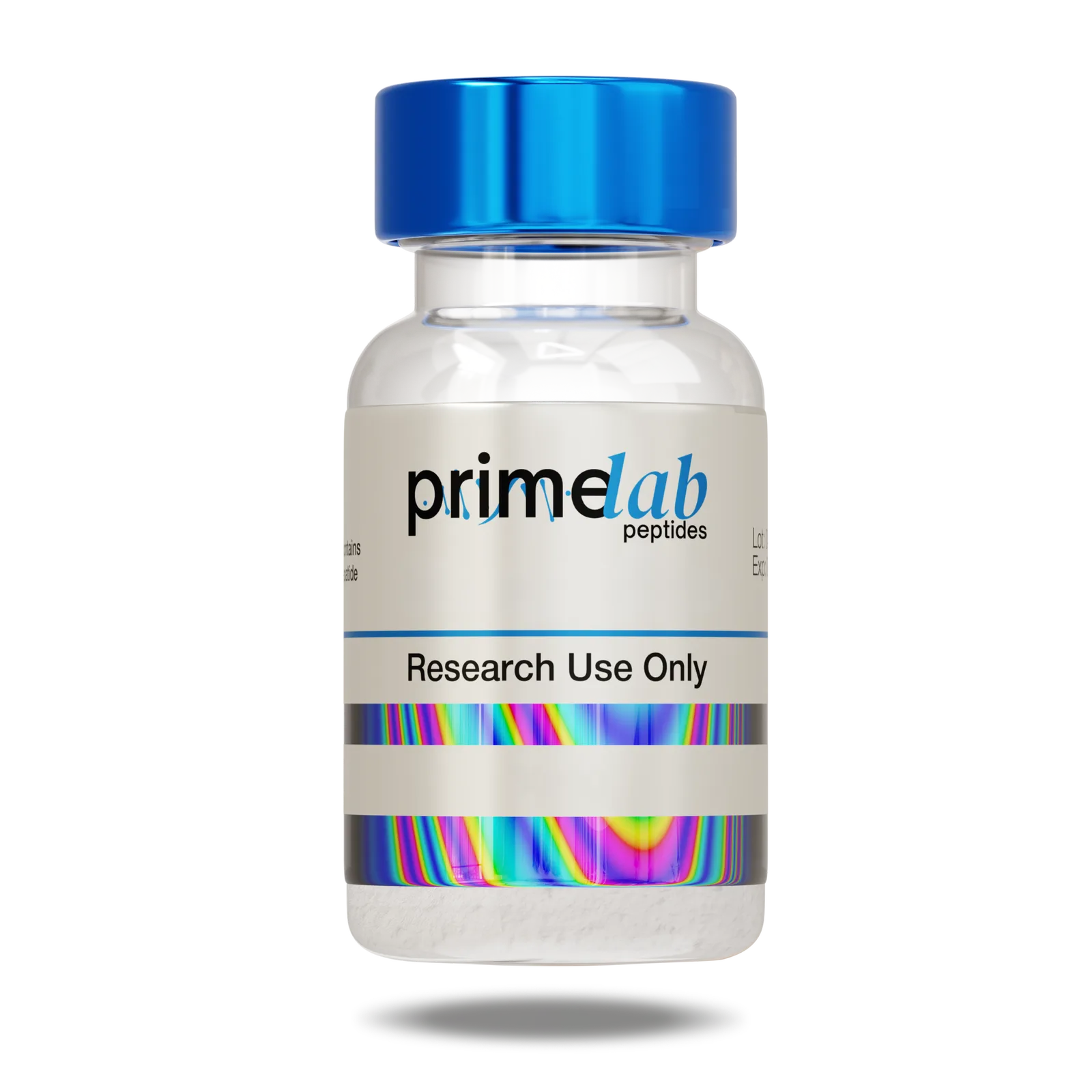
A long-acting GnRH agonist that over-stimulates the pituitary GnRH receptor. The first days bring a surge of LH, FSH and sex hormones (the "flare"); continued exposure then desensitizes and down-regulates the receptor, collapsing LH/FSH and driving testosterone or estrogen down to castrate/menopausal levels.
An approved prescription hormone (Decapeptyl, Trelstar, Diphereline) delivered as long-acting depot microspheres for prostate cancer, endometriosis, uterine fibroids and central precocious puberty. It is used to induce a controlled, reversible medical castration under specialist supervision, not as a wellness or performance peptide.
Clinical trials establish that triptorelin depots reliably suppress testosterone to castrate levels in prostate cancer, with a well-characterized early testosterone flare that can transiently worsen hormone-driven disease unless covered. The mechanism and suppression are well documented; none of that evidence supports self-administering a research vial.
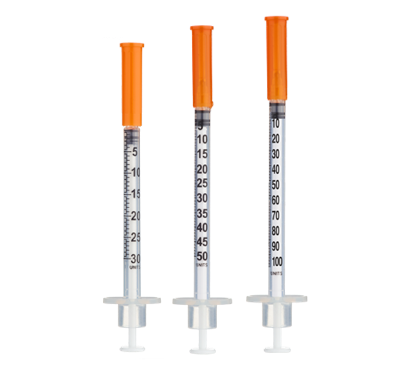
Pre-filled with this protocol’s recommended BAC water and documented starting dose — edit any field to run your own numbers. Reconstitution math only — not dosing advice. U-100 syringe: 100 units = 1 mL. Full reconstitution guide → · Advanced calculator →Mix & measure Triptorelin · 2 mg
Dosing & Reconstitution Guide
Triptorelin has well-defined clinical regimens — almost always long-acting depot injections given by a clinician[4] — but this page does not provide a self-administration protocol. What follows is the arithmetic of turning a lyophilized research vial into a known concentration, presented as laboratory-handling reference only.
Standard / Gradual Approach
The clinical reality is depot dosing: triptorelin is formulated into microspheres that release slowly, so a single intramuscular injection of, for example, 3.75 mg lasts a month, 11.25 mg lasts three months and 22.5 mg lasts six months[4]. A plain 2 mg research vial is not a depot and cannot reproduce that pharmacokinetics; the numbers here are simply concentration conversions, not a schedule.
The original immediate-release form of the drug was dosed as small daily subcutaneous injections under medical supervision (historically about 0.5 mg/day for the first week, then a lower maintenance amount) before depot formulations largely replaced it. Even that clinical regimen is a supervised medical treatment for a diagnosed condition — not a template for self-use — and it exists here only as context for why the vial is measured the way it is.
It is worth stating plainly: triptorelin is a potent prescription hormone that induces a controlled, reversible medical castration. It is used by specialists for prostate cancer, endometriosis, fibroids and precocious puberty, with monitoring of hormone levels and downstream effects such as bone density. None of that can be reproduced with a grey-market vial of uncertain identity and potency, and this reference exists to explain the science — not to endorse self-administration.
| Reference amount | Volume at 1 mg/mL | U-100 units |
|---|---|---|
| 0.1 mg | 0.10 mL | 10 units |
| 0.5 mg | 0.50 mL | 50 units |
| 1 mg | 1.00 mL | 100 units |
| 2 mg (entire vial) | 2.00 mL | 200 units |
Why Triptorelin draws research interest
These are the directions researchers and the peptide community most often explore Triptorelin for — so you know you’re in the right place. They describe what is being studied, not proven benefits, approved uses, or promised results.
Testosterone & the HPTA
The key thing to get right: triptorelin ultimately suppresses the axis rather than boosting it — sustained use produces medical castration.
Prostate cancer & endometriosis
The approved uses: hormone-driven conditions where lowering testosterone or estrogen is the goal, given as a long-acting depot injection.
The initial flare
Studied for the transient testosterone and estrogen surge in the first one to two weeks, which can briefly worsen hormone-driven disease.
Fertility & puberty
Used clinically in assisted reproduction and central precocious puberty; those are prescribed depot protocols, not something a research vial reproduces.
Evidence ranges from early laboratory work to clinical trials depending on the use — the sections below cover the actual data and sources.
Quickstart Highlights
Triptorelin is a synthetic decapeptide agonist of gonadotropin-releasing hormone (GnRH) — a modified version of the body’s own GnRH that binds the pituitary GnRH receptor far more strongly and for far longer. It is the active ingredient in the approved medicines Decapeptyl, Trelstar and Diphereline, used to switch off sex-hormone production in conditions such as prostate cancer, endometriosis and central precocious puberty[1][2].
This page is an educational reference on what triptorelin is, the unusual two-phase way it works, and what the research shows. It is not medical advice and not a protocol to self-administer the peptide. Two facts matter up front. First, triptorelin does not gently “boost” hormones — it produces an initial surge and then a deep, sustained suppression of the whole reproductive axis[2]. Second, the approved products are long-acting depot injections (monthly, 3-monthly or 6-monthly microspheres), not a simple reconstituted vial — so a 2 mg research vial is not the approved medicine.
A GnRH-agonist decapeptide (the drug Decapeptyl / Trelstar) that binds the pituitary GnRH receptor and, after an initial surge, suppresses LH, FSH and sex-hormone output[2].
Biphasic: a flare (transient rise in testosterone/estrogen) for the first ~1–2 weeks, then down-regulation to castrate-level suppression[1][2].
FDA-approved as depot triptorelin (Trelstar/Decapeptyl). A grey-market 2 mg research vial is not the approved long-acting product and is not quality-assured.
Robust human clinical data for the approved depot in prostate cancer and other indications[4]. That evidence belongs to the depot formulations under medical care, not to self-dosed research vials.
Reconstitution Steps
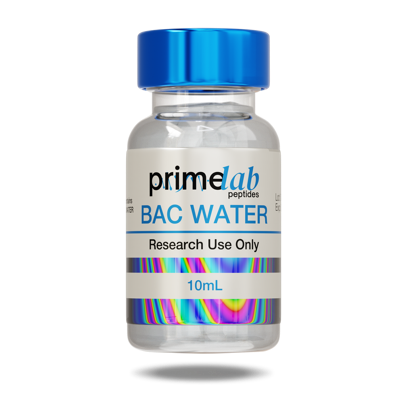
A research vial is lyophilized powder that must be reconstituted with bacteriostatic water before it can be measured accurately. Using 2 mL for a 2 mg vial gives 1 mg/mL. This is a laboratory-handling step; it is not preparation for administering the hormone, and it does not turn an immediate-release vial into the sustained-release depot used clinically.
- ▪Sanitize: swab the vial stopper and the bacteriostatic-water stopper with fresh alcohol pads and let them air-dry.
- ▪Add 2 mL slowly: draw 2 mL of bacteriostatic water and let it run down the inside wall of the vial rather than onto the powder. This yields 1 mg/mL.
- ▪Dissolve gently: let it stand about 30 seconds, then swirl or roll the vial between your palms. Do not shake. Discard it if the solution stays cloudy or holds particles.
- ▪Refrigerate: store the reconstituted vial at 2–8 °C, protected from light, and never freeze a reconstituted peptide.
Supplies Needed
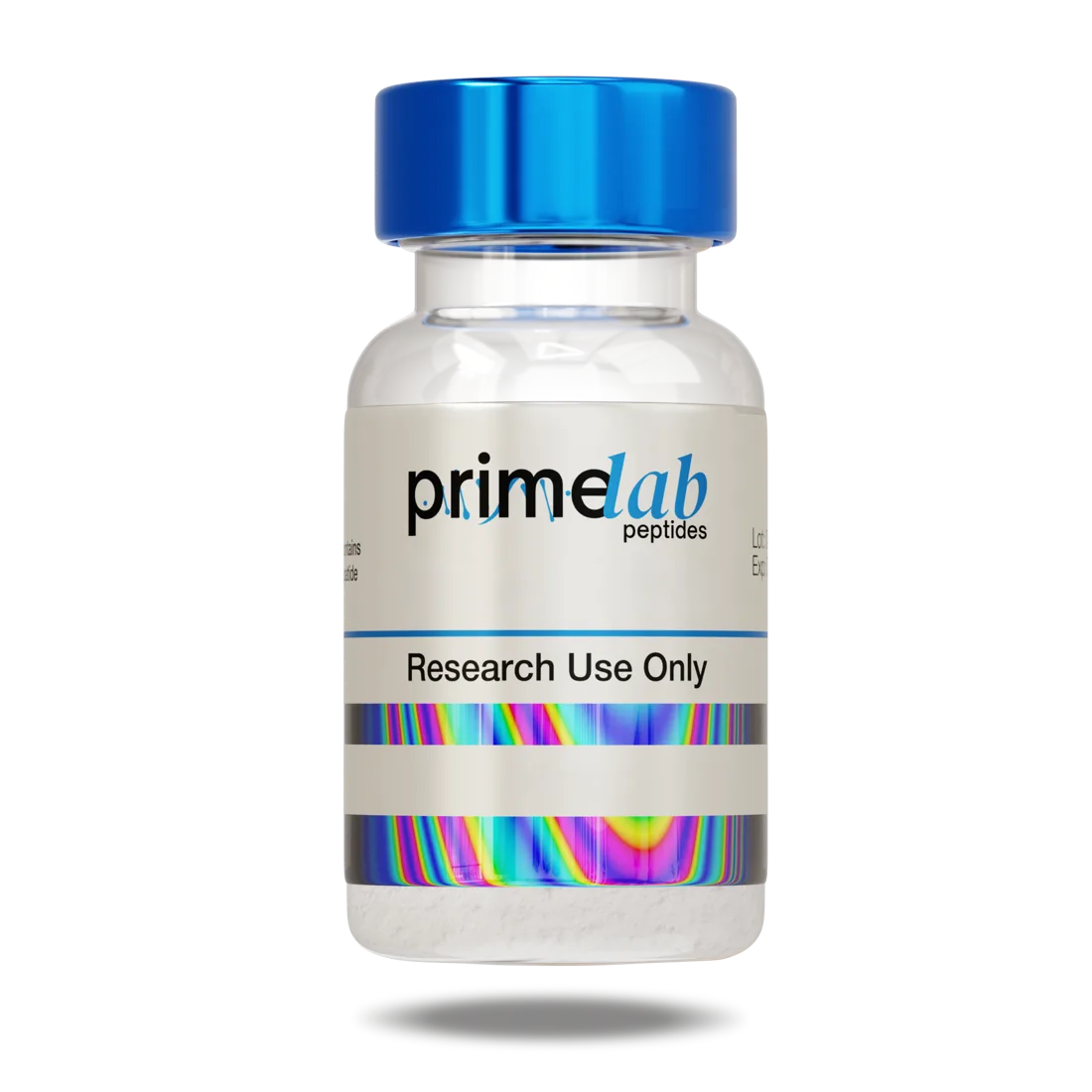
The generic reconstitution kit below is what a laboratory would use to bring a lyophilized vial into solution for measurement and storage. Listing it does not imply the hormone should be self-injected — triptorelin is a specialist prescription therapy delivered clinically as a depot, not a research vial for home use.

Protocol Overview
The practical picture for triptorelin is a potent, well-established prescription hormone whose real-world use is defined by long-acting depot injections given under specialist care[4]. There is a genuine clinical role, genuine evidence, and genuine monitoring — none of which maps onto a plain 2 mg research vial handled at home.
What makes it scientifically notable is the biphasic GnRH-agonist mechanism — an initial flare followed by receptor down-regulation and deep suppression[2] — and the precision with which the depot formulations hold testosterone at castrate levels[1][4]. That is elegant endocrine pharmacology. The honest limitation for anyone reading this outside a clinic is simple: triptorelin switches off the entire reproductive axis, and an unverified vial is the wrong way to encounter a drug that powerful.
Dosing Protocol
The table is a concentration–volume reference only for a 2 mg vial reconstituted in 2 mL (→ 1 mg/mL). It converts a given amount of peptide into a syringe volume for laboratory measurement. It is not a dose recommendation — the clinical product is a long-acting depot given by a clinician, and this site does not recommend self-administering triptorelin.
Storage Instructions
Lyophilized vials are stable refrigerated and should be protected from light; follow the supplier’s handling guidance for the unreconstituted powder. Do not freeze a vial once it has been reconstituted. The approved depot products have their own specific reconstitution and use instructions that a plain research vial does not replicate.
After reconstitution with bacteriostatic water, store at 2–8 °C, protect from light, and discard any solution that turns cloudy or particulate. Peptides are sensitive to heat and agitation, and degraded or improperly stored material has no assurance of retaining potency — an especially poor situation for a hormone with such powerful endocrine effects.
Important Notes
The points below are the ones that matter most for anyone encountering triptorelin, and several are cautions about how the peptide differs from the approved medicine.
- ▪It suppresses, it does not boost: after an initial flare, triptorelin shuts down LH, FSH and sex-hormone production, inducing a reversible medical castration[2]. Anyone imagining a testosterone or fertility “boost” has the pharmacology backwards.
- ▪The early flare can worsen disease: the transient testosterone/estrogen surge in the first ~1–2 weeks can aggravate hormone-driven conditions (for example a prostate-cancer “flare”), which is why clinicians often add antiandrogen cover[3].
- ▪The approved product is a depot, not a plain vial: clinical triptorelin is a sustained-release microsphere injection (monthly to 6-monthly)[4]. A 2 mg immediate-release research vial is not the approved medicine and behaves differently.
- ▪Whole-axis endocrine effects: sustained use causes low testosterone/estrogen with hot flushes, loss of libido and sexual function, mood effects and, over months, bone-density loss — the expected consequences of shutting down the reproductive axis.
- ▪It is a specialist prescription therapy: triptorelin is used for prostate cancer, endometriosis, fibroids and central precocious puberty under medical supervision with hormone monitoring — not as a general HPTA or wellness peptide.
- ▪Research vials are unverified: grey-market material has no guaranteed identity, potency or purity, and for a drug that induces medical castration, self-experimentation carries serious and lasting endocrine risk.
How This Works
Triptorelin is a GnRH (LHRH) agonist. Native gonadotropin-releasing hormone is secreted in pulses from the hypothalamus, and it is that pulsatile pattern that keeps the pituitary releasing LH and FSH normally. Triptorelin binds the pituitary GnRH receptor much more potently and persistently than native GnRH, replacing the natural pulses with continuous strong stimulation[2].
That continuous stimulation produces a two-phase response. In the first phase the receptor is over-activated and the pituitary releases a surge of LH and FSH, transiently raising testosterone (men) or estradiol (women) — the “flare”, typically over the first one to two weeks[2]. In the second phase the receptor desensitizes and is down-regulated, so LH and FSH collapse and sex-hormone output falls to castrate or menopausal levels and stays there while the drug is present[1]. Modeling of triptorelin’s pharmacokinetics and its effect on testosterone captures exactly this competitive-agonist-then-downregulation behavior[1].
Because the therapeutic goal is the suppression phase, the clinical formulations are long-acting depots that keep the receptor continuously occupied for months from one injection[4]. The early flare is a predictable side effect of the mechanism, not a bonus — and in prostate cancer it is actively managed with antiandrogens because a transient testosterone rise can briefly stimulate the tumor[3]. Understanding triptorelin means understanding that stimulation and suppression are two stages of the same drug action.
Lifestyle Factors
For the conditions triptorelin actually treats, the surrounding care is medical, not lifestyle-driven: hormone-level monitoring, and—because sustained sex-hormone suppression lowers bone density—attention to calcium, vitamin D, weight-bearing exercise and bone-health monitoring during longer courses. That is a supervised clinical framework, not a self-directed regimen.
Beyond that, the honest framing is restraint: triptorelin induces a profound, whole-axis endocrine change. Questions about fertility, hormones, prostate health or endometriosis belong with a qualified clinician who can diagnose, prescribe the correct depot product, and monitor its effects — not with an unregulated research vial.
Potential Benefits & Side Effects
Evidence tier: robust human clinical data for the approved depot drug. The “effects” below are documented findings for triptorelin used clinically — they describe the approved medicine and its mechanism, not benefits established for self-injecting a research vial. Triptorelin is a specialist prescription hormone used under medical supervision.
Reported Effects
- ▪Reliable testosterone suppression (human): triptorelin depots lower testosterone to castrate levels in prostate cancer; in a depot RCT both 11.25 mg and 3.75 mg formulations reached castrate testosterone (~0.3 µg/L) with marked PSA decline[4].
- ▪Well-characterized biphasic mechanism (documented): an initial gonadotropin/testosterone flare followed by receptor down-regulation and sustained suppression, captured in validated PK/PD modeling[1][2].
- ▪Broad approved uses (clinical): as a controlled, reversible sex-hormone shutdown, triptorelin is used in prostate cancer, endometriosis, uterine fibroids and central precocious puberty[2].
- ▪Flare is manageable but real (clinical): the early testosterone surge can transiently worsen hormone-driven disease, which is why antiandrogen flare cover is standard in metastatic prostate cancer[3].
- ▪What is not established: any benefit, or any safety, for self-administering an immediate-release research vial outside the approved depot products, indications, dosing and monitoring.
Common Side Effects
- ▪Sex-hormone deprivation effects: hot flushes, loss of libido, erectile dysfunction (men) or menopausal symptoms (women), fatigue and mood changes follow the intended suppression.
- ▪Disease flare: the early testosterone/estrogen surge can transiently worsen prostate-cancer symptoms (bone pain, urinary obstruction) or gynecologic symptoms without appropriate cover[3].
- ▪Bone-density loss: prolonged suppression of sex hormones reduces bone mineral density, a recognized risk of longer GnRH-agonist courses.
- ▪Metabolic and cardiovascular considerations: androgen-deprivation therapy is associated with metabolic changes; these are monitored in clinical use and unmonitored in self-use.
- ▪Injection-site and general reactions: injection-site reactions, headache and gastrointestinal upset are reported with the approved products[4].
- ▪Research-chemical risk: mislabeling, wrong potency and contamination are the usual hazards of unregulated vials, with no medical oversight of a drug that induces medical castration.
Injection Technique
The section below documents the generic subcutaneous reconstitution-and-handling workflow used across this site for completeness. It is not a recommendation to self-inject triptorelin. The approved products are long-acting depot injections administered by a clinician for diagnosed conditions, and a plain immediate-release research vial is not the approved medicine. Triptorelin should be handled only in appropriate clinical or laboratory settings.
Pre-Injection Preparation
- ▪Understand this is a suppression drug: triptorelin induces a reversible medical castration, not a hormone boost; the steps here describe generic peptide handling, not a treatment anyone should self-direct.
- ▪Confirm the concentration: the reference volumes assume 1 mg/mL (2 mg in 2 mL). A different diluent volume changes every figure — and none of them turn an immediate-release vial into a depot.
- ▪Inspect: the reconstituted solution should be clear and particle-free; discard it if cloudy or discolored.
Injection Procedure
- ▪Clinical/laboratory handling only: a whole-axis endocrine drug belongs in a supervised setting with the correct depot product, not a home self-administration context.
- ▪Measure by concentration: a research amount is the intended figure converted at 1 mg/mL — for example 0.50 mL (50 units) for 0.5 mg — used for accurate laboratory measurement, not administration.
- ▪Do not self-administer: with a biphasic flare, profound sustained suppression, and unverifiable vial potency, there is no sound basis for self-injection.
Post-Injection Care
- ▪Store securely: refrigerate the reconstituted solution at 2–8 °C, protect it from light, and never freeze it.
- ▪Dispose responsibly: discard unused or degraded solution and used sharps safely.
- ▪Seek medical care for hormonal concerns: prostate health, endometriosis, fertility and hormone questions belong with a qualified clinician who can prescribe the correct depot product and monitor it — not with an unregulated research vial.
Recommended Source
For high-purity research peptides, we point researchers to Prime Lab Peptides for Triptorelin (2 mg Vial).
Why Prime Lab Peptides?
- ▪Top-rated on Trustpilot: Independently reviewed as the highest-rated peptide lab on Trustpilot — making it the best current source in the USA.
- ▪Third-party tested: Every batch ships with a Certificate of Analysis (COA) confirming purity and composition.
- ▪Consistent quality: ISO-aligned manufacturing and handling keep product integrity reliable batch to batch.
- ▪Cold-chain integrity: Temperature-controlled shipping and storage across the whole fulfilment chain.
- ▪Research-grade purity: Fit for educational and research use that demands high-quality peptides.
Note: Product availability and specifications subject to change. Verify current product details on supplier website.
References
- 1
Journal of Pharmacology and Experimental Therapeutics (2012) — PK/PD model of the testosterone effects of triptorelin in sustained-release formulations in prostate cancerRomero, Vélez de Mendizabal, Cendrós et al. (PMID 22691297). Population PK/PD analysis in healthy men and prostate-cancer patients across five triptorelin formulations, modeling the competitive-agonist testosterone flare-up followed by receptor down-regulation, and deriving the minimum triptorelin concentration needed to keep testosterone at castrate levels (≤0.5 ng/mL). DOI: 10.1124/jpet.112.195560.
- 2
Expert Opinion on Emerging Drugs (2007) — Luteinising hormone-releasing hormone antagonists in prostate cancer therapyMsaouel, Diamanti, Tzanela & Koutsilieris (PMID 17604502). Review explaining that LHRH/GnRH agonists bind the pituitary receptor continuously and, although they initially stimulate LH release, subsequently down-regulate the receptor to suppress LH, testosterone and DHT — and that the initial surge causes the clinical “flare-up”. DOI: 10.1517/14728214.12.2.285.
- 3
Urology (2012) — Effect of baseline testosterone on the efficacy of degarelix and leuprolide: phase III studyDamber, Tammela, Iversen et al. (PMID 22748873). Phase III comparison showing that with a GnRH agonist (leuprolide) the testosterone surge and micro-surges increase with higher baseline testosterone, so patients at higher baseline are at greater risk of tumor stimulation (clinical flare) and generally need antiandrogen flare protection — class evidence for the GnRH-agonist flare. DOI: 10.1016/j.urology.2012.01.092.
- 4
Chinese Journal of Surgery (2008) — Efficacy and safety of long-acting triptorelin in metastatic prostate cancerLi, Song, Jiang et al. (PMID 19094763). Randomized multicenter trial: triptorelin 11.25 mg 3-month depot versus 3.75 mg monthly depot in 127 men with metastatic prostate cancer; both reached castrate testosterone (~0.31 and 0.26 µg/L) with comparable PSA decline and prostate-volume reduction — a triptorelin-specific depot efficacy anchor. PMID 19094763.
Triptorelin — frequently asked questions
How do I reconstitute a 2 mg vial of Triptorelin?
Wipe the stopper with an alcohol swab, then inject your bacteriostatic water slowly down the inside wall of the vial. Let it sit and gently swirl until dissolved — never shake. Store the mixed vial in the refrigerator and draw doses with an insulin syringe. Use the calculator above to turn any dose into syringe units.
How much bacteriostatic water should I add to Triptorelin?
There is no single correct amount — more water simply spreads the same 2 mg of peptide across a larger volume, which makes small doses easier to measure accurately. 1 to 3 mL per vial is typical. Enter your chosen volume in the calculator above to see the resulting concentration and syringe units.
What do the "units" on an insulin syringe mean?
On a U-100 insulin syringe, 100 units equal 1 mL, so 1 unit equals 0.01 mL. The calculator above converts your draw volume into these units automatically so you can measure without doing the math by hand.
How should I store Triptorelin after mixing?
Keep the reconstituted vial refrigerated at roughly 2 to 8 degrees Celsius, away from light, and avoid freezing it. Reconstituted research peptides are generally used within a few weeks. Always follow the specific guidance supplied with your product.
How many doses does a 2 mg vial of Triptorelin provide?
Divide the vial strength of 2 mg by the amount you use per injection. The calculator above reports this as "doses per vial" the moment you enter a dose.
Is Triptorelin approved for human use?
No. Triptorelin is sold strictly for laboratory and research purposes and is not approved by the FDA or other regulators for human use. Everything on this page is research information, not medical advice — consult a licensed healthcare professional before any use.
New protocols & dosing updates
Reconstitution charts, new peptide protocols and safety updates — straight to your inbox. No spam, unsubscribe anytime.