
N-Acetyl Epitalon Amidate (5mg Vial) Dosage Protocol
A chemically modified version of Epitalon — acetylated at one end, amidated at the other — sold as a more stable analog. No study has ever tested it, and no study has ever compared it with plain Epitalon. This page gives the reconstitution arithmetic for a 5 mg vial and states exactly how much of the sales pitch is evidence and how much is chemistry. Research and educational reference only.

The parent AEDG tetrapeptide is reported to induce telomerase activity and telomere elongation in cultured human fibroblasts, and to bind histones H1/3 and H1/6 in molecular-modelling work, which is the proposed epigenetic route. The acetyl and amide caps are added for protease resistance and are not claimed to change the target.
No validated regimen exists for the modified analog or the parent. Published rodent work used about 30-40 mcg/kg on five consecutive days per month; the market convention for plain Epitalon is 5-10 mg daily over a 10-20 day course. A 5 mg vial in 2 mL gives 2.5 mg/mL.
Not FDA-approved and not approved anywhere as a medicine. Sold for laboratory research use only. No registered clinical trial has ever studied the parent peptide, let alone this analog.
Zero indexed papers on the acetylated-amidated form. The parent has cell-culture work and rodent studies, almost all from one St Petersburg programme, with no independent Western replication of the longevity findings.
Pre-filled with this protocol’s recommended BAC water and documented starting dose — edit any field to run your own numbers. Reconstitution math only — not dosing advice. U-100 syringe: 100 units = 1 mL. Full reconstitution guide → · Advanced calculator →Mix & measure N-Acetyl Epitalon Amidate · 5 mg
Dosing & Reconstitution Guide
There is no dosing literature for N-Acetyl Epitalon Amidate. This section therefore keeps three sets of numbers visibly apart: the amounts that appear in the published animal research on the parent peptide, what those amounts become when converted to a human scale by the standard method, and the convention that circulates in the research-peptide market. They do not agree with each other, and the disagreement is the most useful thing on this page.
Standard / Gradual Approach
What the published research used. In the most-cited rodent study, female SHR mice received 1.0 mcg per mouse — roughly 30–40 mcg/kg — injected subcutaneously on five consecutive days every month from three months of age until natural death[2]. Note the shape as well as the size: intermittent monthly courses, not continuous daily use.
What that becomes at human scale. Naive milligram-per-kilogram scaling would put 40 mcg/kg at about 2.8 mg for a 70 kg person. The conversion regulators actually use for first-in-human dosing is body-surface-area based and divides a mouse dose by roughly twelve[4], which gives about 0.23 mg instead. Neither number is a recommendation; they are shown so that the gap between them is visible, because a great deal of peptide marketing depends on that gap not being noticed.
What the market does. The convention circulating for plain Epitalon, and documented on our own Epithalon 10 mg protocol page, is 5–10 mg daily across a 10–20 day course. That is above both scaled figures, and it has no published basis in either the animal work or any human study. A 5 mg vial covers exactly one day at the bottom of that convention.
What the acetylation is supposed to change. Vendors position the modified form as longer-lasting, which would in principle argue for less peptide rather than more. Since no pharmacokinetic study of this analog exists, there is no half-life, no bioavailability figure and no basis for adjusting anything up or down. The honest position is that the modification changes the label with certainty and the pharmacology only in theory.
| Reference amount | Volume at 2.5 mg/mL | U-100 units |
|---|---|---|
| 230 mcg — body-surface-area equivalent of the mouse dose, 70 kg[2][4] | 0.09 mL | 9 units |
| 500 mcg | 0.20 mL | 20 units |
| 1 mg | 0.40 mL | 40 units |
| 2.8 mg — naive mg/kg scaling of the mouse dose, 70 kg[2] | 1.12 mL | 112 units |
| 5 mg — the whole vial, one day at the 5 mg market convention | 2.00 mL | 200 units |
Why N-Acetyl Epitalon Amidate draws research interest
These are the directions researchers and the peptide community most often explore N-Acetyl Epitalon Amidate for — so you know you’re in the right place. They describe what is being studied, not proven benefits, approved uses, or promised results.
A modification nobody measured
Acetylation and amidation are real protease-blocking tricks, but no study has compared this analog with plain Epitalon.
The parent’s own paper is sober
Epitalon did not extend mean life span or reduce total tumour incidence in the mouse study most often cited for it.
Micrograms in the lab, milligrams in the market
Published rodent work used about 30-40 mcg/kg intermittently; the circulating convention is a thousand-fold heavier.
Telomerase in a dish
The telomere findings come from cultured fetal fibroblasts, not from people, and were reported by the originating group.
Evidence ranges from early laboratory work to clinical trials depending on the use — the sections below cover the actual data and sources.
Quickstart Highlights
N-Acetyl Epitalon Amidate is a modified form of Epitalon (also spelled Epithalon), the synthetic tetrapeptide Ala-Glu-Asp-Gly developed by Vladimir Khavinson’s group in St Petersburg. The parent peptide is a well-defined chemical entity: PubChem lists it as CID 219042, molecular formula C14H22N4O9, molecular weight 390.35 g/mol[1]. The modified version carries two standard peptide-chemistry changes: an acetyl group on the N-terminus and an amide in place of the C-terminal carboxylic acid, which is why vendors write it as Ac-AEDG-NH2.
Those two changes are the entire product. Both are well-understood ways of blunting the enzymes that chew peptides from their ends — aminopeptidases work from the N-terminus, carboxypeptidases from the C-terminus, and capping each end removes the handle they grip. That is a sound chemical rationale, and it is also the whole of the argument, because no published study has ever measured whether it works for this molecule. A PubMed search for “N-acetyl epitalon amidate”, “acetyl epitalon” and “Ac-AEDG-NH2” returns zero indexed articles (checked 9 August 2026), and PubChem holds no record for the modified compound at all. Everything below therefore separates two things carefully: what the Epitalon literature actually reports, and what is simply assumed about the acetylated-amidated version sold in these vials.
A 5 mg vial in 2 mL bacteriostatic water gives 2.5 mg/mL, so 1 unit = 25 mcg. 250 mcg = 10 units, 500 mcg = 20 units, 1 mg = 40 units, the whole vial = 200 units.
Zero. PubMed indexes no article naming N-acetyl epitalon amidate, and PubChem has no record for it (checked 9 August 2026).
None. ClinicalTrials.gov returns no study with epitalon, epithalon or the AEDG peptide as an intervention[3].
In its own primary source, Epitalon did not change mean life span or total tumour incidence in mice; maximum life span rose 12.3%[2].
Reconstitution Steps
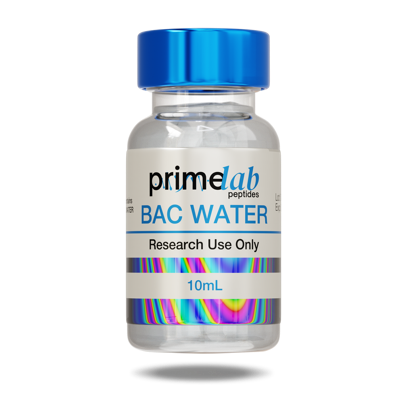
2 mL of bacteriostatic water per 5 mg vial gives 2.5 mg/mL, which makes one U-100 unit equal to a clean 25 mcg and keeps every amount in the table below measurable on an ordinary insulin syringe. Two millilitres also matches the diluent volume used on our Epithalon page, so the two pages can be compared directly — the concentration differs only because the vial is half the size.
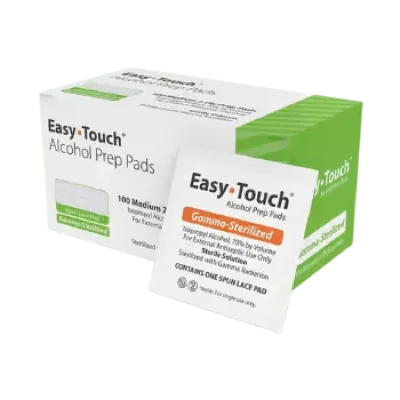
- ▪Bring both to room temperature and swab the vial stopper and the bacteriostatic-water stopper with alcohol before either is pierced.
- ▪Add the diluent slowly down the inside wall of the vial. Do not aim the stream at the lyophilized cake and do not shake — peptides are damaged by shear and foaming.
- ▪Swirl gently until the solution is completely clear, which usually takes under a minute. A cloudy or particulate solution should be discarded rather than filtered.
- ▪Label the vial with the concentration and the date. At 2 mL the concentration is 2.5 mg/mL; if a different volume was used, every figure in the table below has to be recalculated.
Supplies Needed
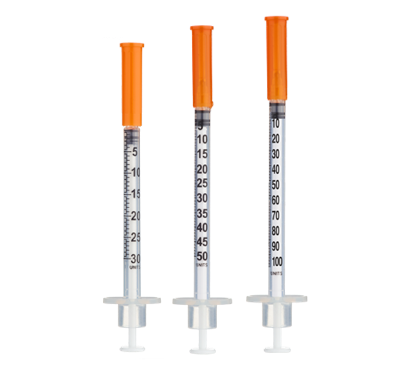
N-Acetyl Epitalon Amidate ships as a lyophilized research vial, so the standard reconstitution kit below applies. Five vendors were checked on 9 August 2026 and the 5 mg presentation is the most widely listed: Peptides Please ($110, certificate of analysis and third-party testing advertised), UK Peptides, Your Peptide Brand and BC9 all carry it, while Peptides World lists a 50 mg vial and Select Peptides a 100 mg vial at $108.99, described as “lyophilized (freeze-dried) powder” to be stored at or below 4 °C[5]. Read those listings sceptically: the Select Peptides page for this exact product carried a description discussing oxytocin when it was checked, which is a useful reminder that catalogue copy in this market is not a specification.
Protocol Overview
Epitalon is a four-amino-acid peptide, and the modified version adds two chemical caps. The parent sequence is Ala-Glu-Asp-Gly, molecular weight 390.35[1]. Acetylating the N-terminus adds a C2H2O unit (+42.04) and amidating the C-terminus swaps an oxygen for an NH (−0.98), which puts the modified molecule at C16H25N5O9, about 431.4 g/mol. That figure is arithmetic from the parent record, not a database entry — PubChem has no listing for the modified compound, so there is nothing to look it up against.
The parent has a real, if narrow, research literature. Khavinson’s group reported that adding Epitalon to telomerase-negative human fetal fibroblasts induced expression of the telomerase catalytic subunit, enzymatic activity and telomere elongation[6], and in a follow-up that treated cells passed the Hayflick limit by about ten extra divisions[7]. Later work from the same group, with Italian collaborators, reported increased neurogenic differentiation markers in human gingival mesenchymal stem cells and proposed histone binding as the mechanism[8].
None of that literature involves the acetylated-amidated form. Every paper cited on this page studied plain AEDG. Applying those findings to the modified analog assumes the caps do not change target engagement — plausible for a peptide this small, but an assumption. It is also worth noting that the telomerase and life-span findings come overwhelmingly from the group that developed the peptide, and have not been independently replicated outside that programme.
Dosing Protocol
Reconstitution arithmetic for the 5 mg vial in 2 mL, i.e. 2.5 mg/mL, so one U-100 unit is 25 mcg. The reference amounts are anchored to published or documented figures rather than invented: two of them come from scaling the rodent dose, one from the market convention, and one is simply the whole vial. None of them is a recommendation.
Storage Instructions
Before reconstitution: keep the sealed vial cold, dry and dark. One vendor states plainly that its lyophilized powder should be stored at or below 4 °C and away from UV[5], which is the usual handling for a freeze-dried peptide and is not specific to this one.
After reconstitution: refrigerate at 2–8 °C and do not freeze. Bacteriostatic water contains benzyl alcohol, which is what allows a multi-dose vial to be entered repeatedly; sterile water offers no such protection and turns the same vial into a single-use one.
A caution the stability claim does not cover: the acetyl and amide caps are argued to protect the peptide from enzymes in solution or in the body. They say nothing about heat, light, freeze-thaw cycles or contamination in a vial on a shelf, and no stability study of this analog has been published in any case. Treat it exactly as you would treat plain Epitalon.
Important Notes
These are the points that disappear when this analog is sold as an upgrade.
- ▪Zero is the number, and it is worth stating precisely. PubMed indexes no article naming N-acetyl epitalon amidate, acetyl epitalon or Ac-AEDG-NH2; ClinicalTrials.gov lists no registered study for epitalon, epithalon or the AEDG peptide in any form[3]; and PubChem has no compound record for the modified molecule. All three checks were run on 9 August 2026. This is not a case of thin evidence — it is an absence of evidence for the specific product being sold.
- ▪The most-cited life-span study is more measured than the marketing built on it. Anisimov and colleagues gave female SHR mice 1 mcg of Epitalon on five consecutive days per month from three months of age until death, in groups of 54. The paper reports that treatment did not influence food consumption, body weight or mean life span, and did not influence total spontaneous tumour incidence. What it did report was a 13.3% increase in the life span of the last 10% of survivors, a 12.3% increase in maximum life span, a 17.1% fall in bone-marrow chromosome aberrations, and a sixfold reduction in leukaemia[2]. Those are real findings. They are not the same claim as “extends life span”.
- ▪A second Anisimov-group analysis reads it as hormesis, not simple benefit. Modelling survival in HER-2/neu transgenic mice, the authors describe the results in terms of debilitation, longevity hormesis and incomplete hormesis depending on treatment and dose[9] — that is, a dose-dependent picture in which more is not reliably better.
- ▪The telomerase work is cell culture, and it is close to home. The telomere-elongation and Hayflick-limit findings come from primary human fetal fibroblasts treated in a dish[6][7], reported by the group that developed the peptide. Cell culture is where a hypothesis starts, not where a human effect is demonstrated, and nothing comparable has been published from an independent laboratory.
- ▪Telomerase induction is not automatically a benefit. Reactivating telomerase in somatic cells is the mechanism the peptide is sold on, and it is also, in a different context, a hallmark of cancer biology. The mouse data on the parent showed no increase in total tumour incidence[2], which is reassuring as far as it goes, but nothing at all is known about the modified analog, and no long-term human safety data exist for either.
- ▪Two spellings, one molecule, and a third name on the vial. “Epitalon” and “Epithalon” are the same peptide; “Epithalamin” is the older bovine pineal extract from which the tetrapeptide was derived and is not interchangeable with it. Vendors selling the modified form use N-Acetyl Epitalon Amidate, N-Acetyl Epithalon Amidate and NA-Epitalon Amidate for the same thing.
How This Works
The proposed route is epigenetic rather than receptor-mediated. Molecular-modelling work from the Khavinson group has the AEDG peptide binding preferentially to histones H1/6 and H1/3 at sites that interact with DNA, which is offered as the explanation for the changes in gene expression it reports[8]. No receptor has been identified for it, and short peptides of this kind are generally presented as gene-expression modulators rather than ligands.
The downstream readouts are differentiation and telomere markers. In human gingival mesenchymal stem cells the peptide increased Nestin, GAP43, β-tubulin III and doublecortin at both protein and mRNA level by around 1.6- to 1.8-fold[8]; a companion study in periodontal-ligament stem cells found the effect was strongest for a compound of several short peptides and for KED rather than AEDG alone[10]. In fibroblasts the readout was telomerase catalytic subunit expression, enzyme activity and telomere length[6].
The acetyl and amide caps do not appear anywhere in that mechanism. They are terminal modifications intended to slow aminopeptidase and carboxypeptidase attack. Whether they preserve the histone interaction, alter it, or make no measurable difference is unknown, because the modified peptide has never been put through any of the assays above.
Lifestyle Factors
Nothing here substitutes for the things that actually have longevity evidence. Sleep, physical activity, blood pressure, glycaemic control and not smoking have human outcome data behind them measured in decades of follow-up. A tetrapeptide with no registered trial does not compete with that list; at most it sits far behind it.
Watch what is being measured. The Epitalon literature reports biomarkers — telomere length in cultured cells, oestrous cycling, chromosome aberrations, differentiation markers. Biomarkers move for many reasons, and a peptide that shifts one has not thereby been shown to change how long or how well anyone lives.
Anything unexpected is a reason to stop. With no human safety study of the parent and none whatsoever of this analog, there is no reference range against which to judge a symptom. A reaction is a signal to stop and seek medical advice, not something to titrate around.
Potential Benefits & Side Effects
Evidence tier: preclinical for the parent peptide, non-existent for this analog. The reported effects below are what the published Epitalon literature describes, in cells and in rodents, and are listed so they can be judged against the actual study designs rather than against product copy. None of them has been demonstrated in a human trial, and none of them was measured with the acetylated-amidated form.
Reported Effects
- ▪Telomerase activity and telomere elongation — human cells in culture: adding Epitalon to telomerase-negative human fetal fibroblasts induced the telomerase catalytic subunit, enzymatic activity and telomere elongation[6]. In a follow-up, aging cultures given the peptide re-lengthened their telomeres and made about ten divisions beyond the point at which controls stopped[7].
- ▪Maximum life span and leukaemia in mice — with important negatives alongside: in SHR mice, monthly five-day courses raised the life span of the last 10% of survivors by 13.3% and the maximum life span by 12.3%, cut bone-marrow chromosome aberrations by 17.1% and reduced leukaemia sixfold — while leaving mean life span and total tumour incidence unchanged[2].
- ▪Slower age-related loss of oestrous cycling in mice: reported in both the SHR study[2] and an earlier CBA-mouse study that also described lower body temperature and slowed free-radical processes[11]. The CBA report is in Russian with an English abstract.
- ▪Neurogenic differentiation markers in human stem cells: increased Nestin, GAP43, β-tubulin III and doublecortin in gingival mesenchymal stem cells, with histone binding proposed as the mechanism[8]. In periodontal-ligament stem cells the clearest effects belonged to a peptide mixture and to KED rather than to AEDG on its own[10].
- ▪Nothing at all for the modified analog: no in-vitro assay, no animal study, no pharmacokinetics, no comparison against the parent. Every claim made for N-Acetyl Epitalon Amidate is an Epitalon claim with two chemical groups added to the name.
Common Side Effects
- ▪The safety record is an absence, not a clean bill. There is no published human safety study of Epitalon and none whatsoever of the acetylated-amidated form. The mouse work reported long-term administration without obvious harm and described it as safe[2], which is a statement about mice given micrograms intermittently, not about people injecting milligrams daily.
- ▪Telomerase induction deserves explicit caution. The selling point is reactivation of an enzyme that most somatic cells keep switched off, and that switch is one of the things cancer biology turns back on. The rodent data showed no rise in total tumour incidence[2], but a personal or family history of cancer is an obvious reason to leave an unstudied telomerase-inducing peptide alone.
- ▪Injection-site and sterility risks are the concrete ones. They come from the practice, not the molecule: contamination, poor technique and repeated entry into a multi-dose vial. These apply to every research peptide and are the most likely way this goes wrong in practice.
- ▪Product identity is unverifiable in this market. With no PubChem record and no pharmacopoeial monograph for the modified compound, there is nothing to check a certificate of analysis against. The vendor listing that described oxytocin on a page selling this peptide[5] is a small illustration of how much care the catalogue copy deserves.
- ▪No approval anywhere. Neither Epitalon nor this analog is approved as a medicine by the FDA or any comparable regulator. Material sold online is research-grade and is not manufactured, tested or labelled to pharmaceutical standards.
Injection Technique
No validated human route, dose or schedule exists for Epitalon, and none at all has been studied for the acetylated-amidated version. The workflow below documents how a lyophilized research vial of this kind is prepared and handled. It is educational, and it is not a recommendation to administer an unapproved compound.
Pre-Injection Preparation
- ▪Confirm what you have. The parent identity to check is Ala-Glu-Asp-Gly, PubChem CID 219042, C14H22N4O9, MW 390.35[1]. For the modified form there is no database record, so ask the vendor for a certificate of analysis with mass-spectrometry data showing the acetyl and amide modifications, and ask whether the labelled 5 mg is peptide or salt mass.
- ▪Confirm the concentration. Every figure on this page assumes 2.5 mg/mL (5 mg in 2 mL). A different diluent volume changes every volume and unit count in the table.
- ▪Inspect the solution. It should be completely clear and free of particles after gentle swirling; cloudiness or discoloration means it is discarded, not filtered.
Injection Procedure
- ▪Understand there is no validated amount. The published animal figure is about 30–40 mcg/kg on five days a month[2]; the market convention for the parent is 5–10 mg daily; neither has been tested in a person, and neither was measured with this analog.
- ▪Measure carefully at 2.5 mg/mL. One unit is 25 mcg, so small amounts land on readable graduations — 250 mcg is 10 units, 500 mcg is 20 units. Draw slowly and check the plunger against the marking before proceeding.
- ▪Rotate sites. Where a protocol involves repeated subcutaneous administration, alternate areas rather than returning to one spot, and re-swab the stopper on every entry.
Post-Injection Care
- ▪Store and discard properly. Keep the reconstituted vial at 2–8 °C, never freeze it, and discard anything cloudy or beyond the preservative’s useful window.
- ▪Treat any reaction as a stop signal. There is no human safety literature to reassure against, so a rash, an injection-site reaction or any breathing symptom is a reason to stop and seek medical advice.
- ▪Keep the claim in proportion. This is a chemically capped version of a peptide whose own primary source reports no change in mean life span or total tumour incidence in mice[2]. It is not an anti-aging treatment, and it has never been tested in a clinical trial.
Recommended Source
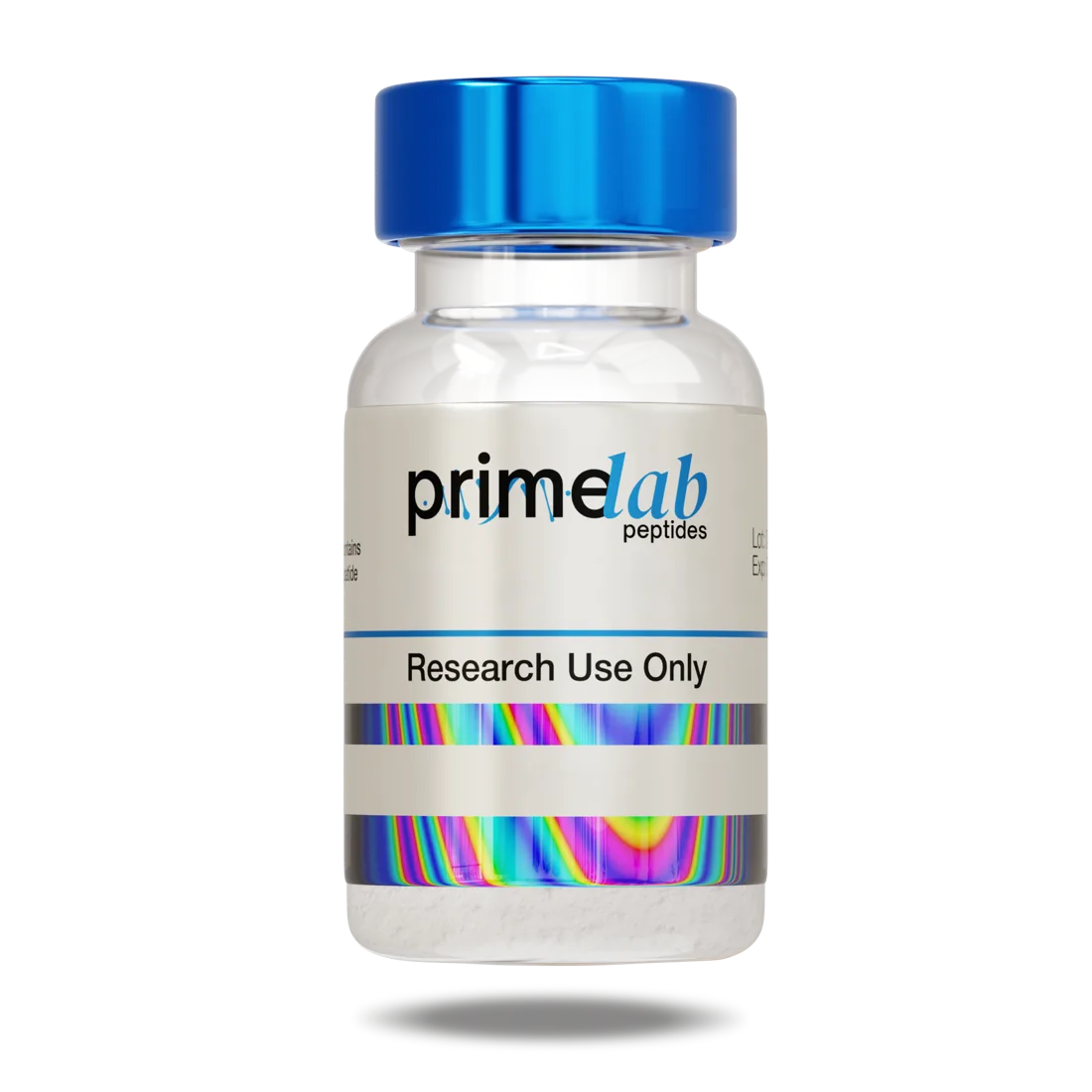
For high-purity research peptides, we point researchers to Prime Lab Peptides for N-Acetyl Epitalon Amidate (5 mg Vial).
Why Prime Lab Peptides?
- ▪Top-rated on Trustpilot: Independently reviewed as the highest-rated peptide lab on Trustpilot — making it the best current source in the USA.
- ▪Third-party tested: Every batch ships with a Certificate of Analysis (COA) confirming purity and composition.
- ▪Consistent quality: ISO-aligned manufacturing and handling keep product integrity reliable batch to batch.
- ▪Cold-chain integrity: Temperature-controlled shipping and storage across the whole fulfilment chain.
- ▪Research-grade purity: Fit for educational and research use that demands high-quality peptides.
Note: Product availability and specifications subject to change. Verify current product details on supplier website.
References
- 1
PubChem CID 219042 — Epitalon (Ala-Glu-Asp-Gly). National Center for Biotechnology Information.The chemical identity record for the parent peptide: molecular formula C14H22N4O9, molecular weight 390.35 g/mol. Used on this page as the base from which the acetylated and amidated formula is derived arithmetically. PubChem returns no record for N-acetyl epitalon amidate itself. Retrieved 9 August 2026.
- 2
Biogerontology (2003) — Effect of Epitalon on biomarkers of aging, life span and spontaneous tumor incidence in female Swiss-derived SHR miceAnisimov et al. (PMID 14501183). The central honesty anchor of this page and the study most often cited for Epitalon. Female SHR mice, 54 per group, received 1.0 mcg per mouse (about 30-40 mcg/kg) subcutaneously on five consecutive days every month from three months of age until natural death. The paper reports that treatment did not influence food consumption, body weight or mean life span, and did not influence total spontaneous tumour incidence; it did report a 13.3% increase in the life span of the last 10% of survivors, a 12.3% increase in maximum life span, a 17.1% reduction in bone-marrow chromosome aberrations, slower age-related loss of oestrous function and a sixfold reduction in leukaemia. Source of every rodent dose figure quoted here. DOI: 10.1023/a:1025114230714.
- 3
ClinicalTrials.gov — registered-study search for epitalon, epithalon and the AEDG peptide as an interventionQueried 9 August 2026 through the ClinicalTrials.gov API: zero registered studies list epitalon, epithalon or the AEDG peptide as an intervention, in any phase or status. There is therefore no registered trial of the parent peptide, and none of the acetylated-amidated analog sold in these vials.
- 4
U.S. Food and Drug Administration (2005) — Estimating the Maximum Safe Starting Dose in Initial Clinical Trials for Therapeutics in Adult Healthy VolunteersThe FDA guidance that defines the body-surface-area method for converting animal doses to human equivalents, including the conversion factors by species. It is cited here only for the arithmetic used to put the published mouse dose on a human scale, and not as any statement about this peptide, which the agency has never evaluated.
- 5
Research-supplier listings for N-Acetyl Epitalon Amidate (Peptides Please 5 mg, Select Peptides 100 mg, Peptides World 50 mg, UK Peptides, Your Peptide Brand), retrieved 9 August 2026.Independent vendor listings establishing that the compound is really sold and in which sizes. Peptides Please lists the 5 mg vial at $110 with a certificate of analysis and third-party testing advertised; Select Peptides lists a 100 mg vial at $108.99 described as “lyophilized (freeze-dried) powder” with storage “in a dry, cool, and dark place away from UV rays” and “for best preservation, store ≤ 4 °C”. None of the pages checked stated purity, molecular weight, sequence, a reconstitution volume or a research dose, and the Select Peptides page carried product copy discussing oxytocin.
- 6
Bulletin of Experimental Biology and Medicine (2003) — Epithalon peptide induces telomerase activity and telomere elongation in human somatic cellsKhavinson, Bondarev & Butyugov (PMID 12937682). Addition of the peptide to telomerase-negative human fetal fibroblast cultures induced expression of the telomerase catalytic subunit, enzymatic activity and telomere elongation. Cell culture only; reported by the group that developed the peptide, and studied as plain AEDG, not as the acetylated-amidated analog. DOI: 10.1023/a:1025493705728.
- 7
Bulletin of Experimental Biology and Medicine (2004) — Peptide promotes overcoming of the division limit in human somatic cellKhavinson et al. (PMID 15455129). Follow-up to the telomerase study. Primary pulmonary fibroblasts from a 24-week fetus lost proliferative potential at passage 34; peptide-treated cells re-lengthened their telomeres and continued to about passage 44, roughly ten extra divisions. Again cell culture, again the originating group, again the unmodified peptide. DOI: 10.1023/b:bebm.0000038164.49947.8c.
- 8
Molecules (2020) — AEDG Peptide (Epitalon) Stimulates Gene Expression and Protein Synthesis during Neurogenesis: Possible Epigenetic MechanismKhavinson et al. (PMID 32019204). Reports increased Nestin, GAP43, beta-tubulin III and doublecortin protein and a 1.6-1.8-fold rise in the corresponding mRNAs in human gingival mesenchymal stem cells, and uses molecular modelling to propose preferential binding of the peptide to histones H1/6 and H1/3 at DNA-interacting sites. The source of the epigenetic mechanism described on this page. DOI: 10.3390/molecules25030609.
- 9
Experimental Gerontology (2004) — Stressors and antistressors: how do they influence life span in HER-2/neu transgenic mice?Semenchenko, Anisimov & Yashin (PMID 15501020). A heterogeneous-mortality model applied to survival data from HER-2/neu transgenic mice treated with Epitalon or melatonin. The authors frame the outcomes in terms of debilitation, longevity hormesis and incomplete hormesis depending on treatment and dose — that is, a dose-dependent picture rather than a straightforward benefit. DOI: 10.1016/j.exger.2004.08.007.
- 10
International Journal of Immunopathology and Pharmacology (2019) — Effect of short peptides on neuronal differentiation of stem cellsCaputi et al., with Khavinson (PMID 30791821). Compares AED, KED, KE and AEDG peptides and their combination in human periodontal-ligament stem cells. Useful as a corrective: the increases in GAP43 and Nestin were attributed to the peptide compound and to KED, not to AEDG on its own — a reminder that AEDG is not always the active member of its own family. DOI: 10.1177/2058738419828613.
- 11
Rossiiskii Fiziologicheskii Zhurnal imeni I.M. Sechenova (2001) — Effect of pineal peptide on parameters of the biological age and life span in miceAnisimov, Khavinson et al. (PMID 11227856). Female CBA mice given subcutaneous Epithalon from six months of age until death. Reports no effect on body weight, food consumption, physical activity or behaviour, alongside slower age-related loss of oestrous function, lower body temperature, slowed free-radical processes, longer life span and lower spontaneous tumour incidence. Published in Russian with an English abstract, which is the limit of what can be checked from the indexed record.
N-Acetyl Epitalon Amidate — frequently asked questions
How do I reconstitute a 5 mg vial of N-Acetyl Epitalon Amidate?
Wipe the stopper with an alcohol swab, then inject your bacteriostatic water slowly down the inside wall of the vial. Let it sit and gently swirl until dissolved — never shake. Store the mixed vial in the refrigerator and draw doses with an insulin syringe. Use the calculator above to turn any dose into syringe units.
How much bacteriostatic water should I add to N-Acetyl Epitalon Amidate?
There is no single correct amount — more water simply spreads the same 5 mg of peptide across a larger volume, which makes small doses easier to measure accurately. 1 to 3 mL per vial is typical. Enter your chosen volume in the calculator above to see the resulting concentration and syringe units.
What do the "units" on an insulin syringe mean?
On a U-100 insulin syringe, 100 units equal 1 mL, so 1 unit equals 0.01 mL. The calculator above converts your draw volume into these units automatically so you can measure without doing the math by hand.
How should I store N-Acetyl Epitalon Amidate after mixing?
Keep the reconstituted vial refrigerated at roughly 2 to 8 degrees Celsius, away from light, and avoid freezing it. Reconstituted research peptides are generally used within a few weeks. Always follow the specific guidance supplied with your product.
How many doses does a 5 mg vial of N-Acetyl Epitalon Amidate provide?
Divide the vial strength of 5 mg by the amount you use per injection. The calculator above reports this as "doses per vial" the moment you enter a dose.
Is N-Acetyl Epitalon Amidate approved for human use?
No. N-Acetyl Epitalon Amidate is sold strictly for laboratory and research purposes and is not approved by the FDA or other regulators for human use. Everything on this page is research information, not medical advice — consult a licensed healthcare professional before any use.
New protocols & dosing updates
Reconstitution charts, new peptide protocols and safety updates — straight to your inbox. No spam, unsubscribe anytime.