
Humanin (5 mg) Dosage Protocol
A mitochondrial-derived peptide (and its potent HNG analog) studied for cytoprotection, metabolic health and longevity — preclinical only, not an approved drug.
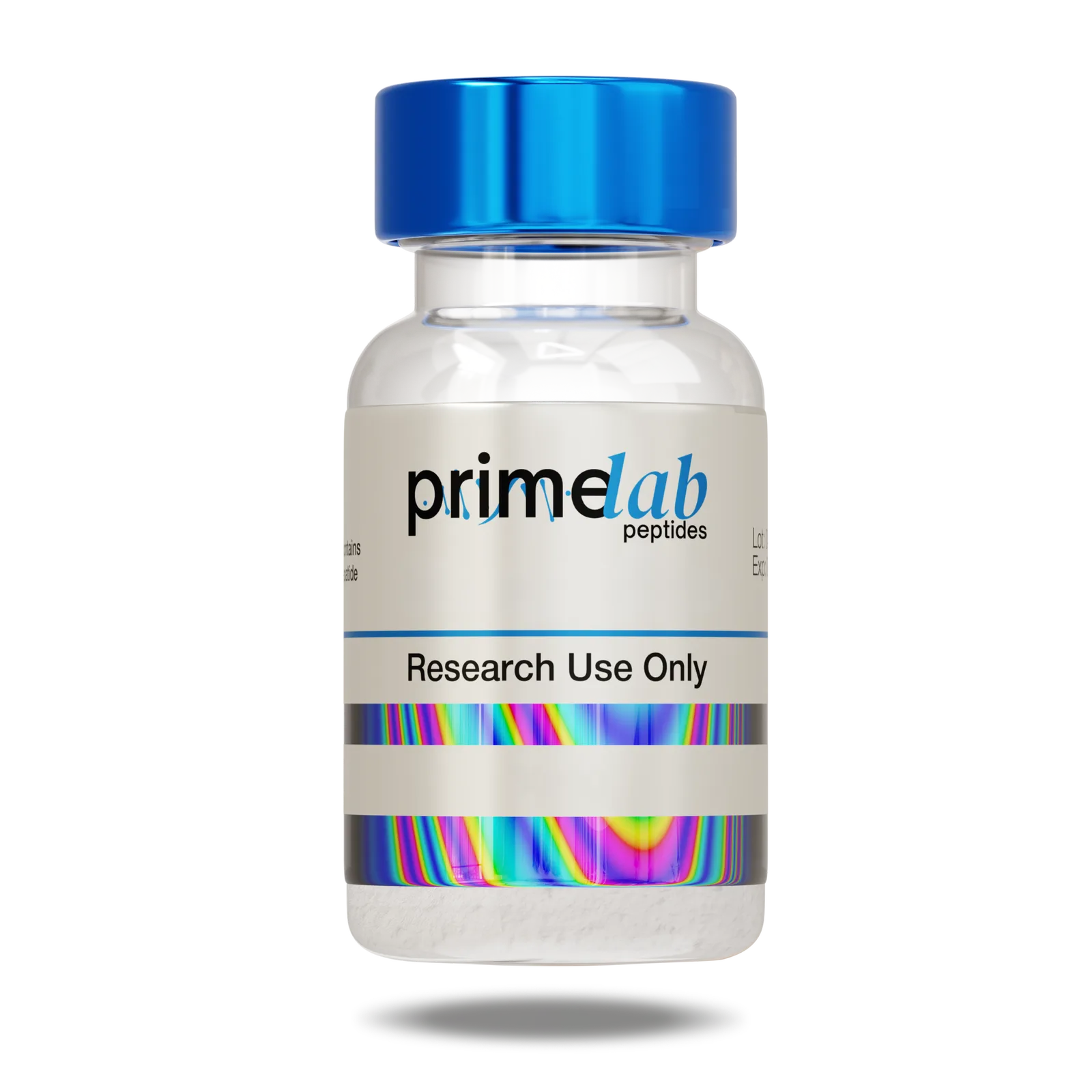
Mitochondrial-derived peptide (24 aa) signaling through GP130/STAT3/AKT/ERK to support cell survival and mitochondrial function.
No established human dose; research-community HNG conventions ~500–1000 mcg SC, 2–3× weekly in short cycles — HNG is ~1000× native potency.
Preclinical only — cell and animal data, no human trials, not FDA-approved.
Quickstart Highlights
Humanin is a mitochondrial-derived peptide (MDP) — a small 24-amino-acid peptide encoded within the mitochondrial genome, first identified for its ability to protect neurons against a wide range of Alzheimer’s-relevant insults[1]. In the research it is studied for cytoprotection, mitochondrial function, metabolic health and longevity, and it sits in the same family as MOTS-c and the SHLP peptides[5].
Most research vials are actually HNG (S14G-Humanin), a synthetic analog that a single amino-acid substitution makes roughly 1,000× more potent than native humanin — so HNG doses are far smaller than native-peptide figures, and confusing the two would mean massive overdosing[1]. Critically, the evidence is preclinical only — cell and animal models, with no established human dosing and no FDA approval. Everything below is provided strictly for research and educational reference, not medical advice.
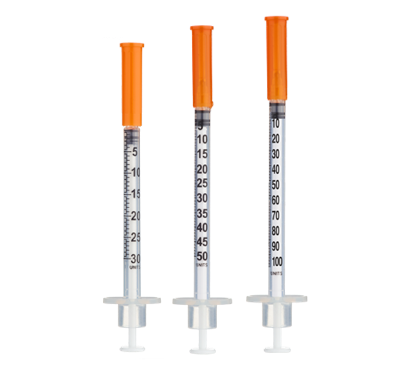
Pre-filled with this protocol’s recommended BAC water and documented starting dose — edit any field to run your own numbers. Reconstitution math only — not dosing advice. U-100 syringe: 100 units = 1 mL. Full reconstitution guide → · Advanced calculator →Mix & measure Humanin · 5 mg
Supplies Needed
Everything a documented subcutaneous research protocol relies on. At these microgram doses, accurate small-volume measurement matters more than any single tool.
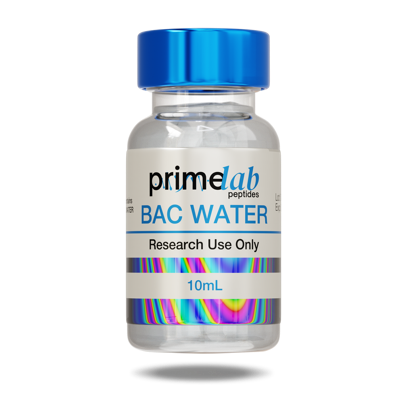
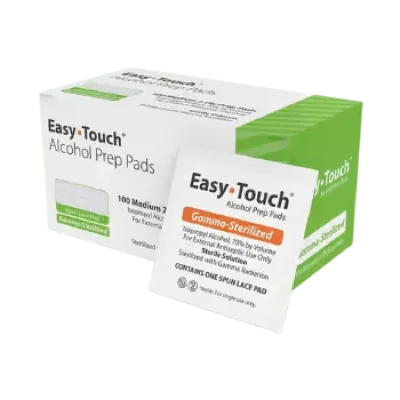
Protocol Overview
At 2.5 mg/mL a single 5 mg vial holds 2 mL of usable solution — roughly ten 500 mcg doses or five 1000 mcg doses, so one vial covers several weeks of a 2–3×-weekly cycle.
Always confirm whether a vial is native humanin or the HNG analog before calculating anything: the ~1,000× potency gap means a native-peptide dose applied to HNG would be a gross overdose.
Dosing Protocol
Research-community HNG conventions converted to U-100 units at 2.5 mg/mL. These are extrapolated from animal work, not validated human doses, and are shown for research reference only.
| Phase | HNG Dose | Volume (U-100 units / mL) |
|---|---|---|
| Conservative start | 500 mcg, 2× weekly | 20 units (0.20 mL) |
| Common range | 1000 mcg, 2–3× weekly | 40 units (0.40 mL) |
| Cycle length | 4–8 weeks, then off | — |
Why Humanin draws research interest
These are the directions researchers and the peptide community most often explore Humanin for — so you know you’re in the right place. They describe what is being studied, not proven benefits, approved uses, or promised results.
Neuroprotection
Protected neurons against amyloid-beta and other insults in preclinical models by preserving mitochondrial function — not human-proven.
Metabolic health
Improved insulin sensitivity and lowered glucose in rodent studies via centrally-mediated STAT-3 signaling.
Longevity interest
Circulating humanin declines with age and tracks with lifespan across species; twice-weekly HNG improved healthspan markers in mice.
Evidence ranges from early laboratory work to clinical trials depending on the use — the sections below cover the actual data and sources.
Add 2.0 mL bacteriostatic water to one 5 mg (HNG) vial → 2.5 mg/mL (2,500 mcg/mL).
Community HNG range 0.5–1 mg (500–1000 mcg) 2–3× weekly in 4–8 week cycles; native humanin would need far higher, potency differs ~1,000×.
Subcutaneous in research use; rotate abdomen / thigh / upper-arm sites.
Preclinical only — cell and animal data; no human trials, no established human dose, not FDA-approved.
Dosing & Reconstitution Guide
Because there are no human trials, there is no validated human dose — only animal figures and the extrapolations the research community works from. The single most important point is potency: nearly all vials sold are the HNG analog, which is roughly 1,000× stronger than native humanin.
Standard / Gradual Approach
The defining animal reference dosed the potent HNG analog at ~4 mg/kg intraperitoneally twice weekly in middle-aged mice, improving metabolic healthspan markers[6]. Research-community practice for HNG works far below any direct body-weight conversion — commonly 500–1000 mcg subcutaneously, 2–3 times per week, run in short 4–8 week cycles. Reconstituted at 2.5 mg/mL, a 500 mcg dose equals 0.20 mL (20 units on a U-100 syringe) and 1000 mcg equals 0.40 mL (40 units). These are conventions, not evidence-based human doses.
Reconstitution Steps
Reconstitution is standard for a lyophilized peptide; a modest diluent volume keeps a 5 mg vial physically sensible and makes the small microgram doses measurable.
- ▪Sanitize: Swab the vial stopper and the bacteriostatic-water vial with fresh alcohol pads and let them dry.
- ▪Add diluent slowly: Draw 2.0 mL bacteriostatic water and let it run down the inside wall of the vial — do not spray it directly onto the powder.
- ▪Dissolve gently: Swirl; do not shake. The solution should clear within a minute or two.
- ▪Store: Label with the date and refrigerate at 2–8 °C; the reconstituted vial holds ~2.5 mg/mL.
Storage Instructions
Store the lyophilized vial in the freezer or refrigerator away from light until reconstitution.
After reconstitution, keep the vial refrigerated at 2–8 °C and use within the bacteriostatic-water window (commonly cited as up to ~28 days). Discard if the solution becomes cloudy or discolored.
Important Notes
Practical points that keep small-microgram dosing consistent and honest about the evidence.
- ▪Know your peptide: HNG (S14G) is ~1,000× more potent than native humanin — verify which one a vial contains before dosing anything[1].
- ▪No human dose exists: Every figure here is extrapolated from cell and animal research; there are no human trials establishing a safe or effective human dose.
- ▪Sterile technique: Fresh U-100 syringe each time, straight into a puncture-proof sharps container afterward.
- ▪Preclinical, unknown safety: Long-term safety, drug interactions and rare risks are simply unknown for humanin in people; treat it as an experimental research tool, not a therapy.
How This Works
Humanin is encoded within the mitochondrial 16S rRNA gene and secreted as a cytoprotective signal. It acts partly through a cell-surface receptor complex involving GP130/IL6ST, activating the STAT3, AKT and ERK1/2 pathways that support cell survival — and in animals this signaling shows age-dependent effects in the hippocampus[4].
In preclinical models these pathways translate into neuroprotection against amyloid-beta toxicity by preserving mitochondrial membrane potential and blocking apoptosis[3], and into metabolic effects — centrally-mediated improvements in insulin sensitivity and lower blood glucose in rodent studies[2]. Circulating humanin declines with age in several species, which is the basis for the longevity interest — but none of this has been demonstrated as a human therapy[6].
Lifestyle Factors
The pathways humanin engages — mitochondrial resilience and insulin sensitivity — are also strongly shaped by ordinary inputs: regular exercise, sleep and a whole-food diet all independently support mitochondrial and metabolic health.
Given the preclinical-only evidence, any research use is best understood as sitting on top of, not replacing, the foundational habits that actually have human data behind them.
Potential Benefits & Side Effects
What the preclinical literature reports; none of this is human-proven, the data come from cells and animals, and outcomes in people are unknown.
Reported Effects
- ▪Neuroprotection (preclinical): HNG protected neurons from amyloid-beta and other Alzheimer’s-relevant insults in vitro by preventing mitochondrial dysfunction and apoptosis[3].
- ▪Metabolic effects (animal): Humanin and its analogs improved insulin sensitivity and lowered glucose in rodent models, including diabetic rats[2].
- ▪Healthspan signal (mice): Twice-weekly HNG improved metabolic healthspan markers and reduced inflammatory markers in middle-aged mice, and humanin levels track with longevity across species[6].
- ▪Eye/mitochondrial research: As a mitochondrial-derived peptide it is being explored for cytoprotection in age-related macular degeneration models[5].
Common Side Effects
- ▪Unknown human profile: With no human trials, the side-effect profile in people is simply not characterized — the honest headline caution.
- ▪Injection-site reactions: Local redness, soreness or swelling are the predictable effects of any subcutaneous injection.
- ▪Overdose from potency confusion: Using native-humanin figures with the HNG analog would deliver a massively excessive dose — a real, avoidable hazard.
- ▪Unverified purity: Grey-market peptide identity and purity vary; a Certificate of Analysis is the only meaningful check.
Injection Technique
Subcutaneous injection technique is identical to insulin. Accuracy matters most at these small volumes.
Pre-Injection Preparation
- ▪Wash hands; let the refrigerated vial come toward room temperature to reduce sting.
- ▪Swab the stopper and injection site; let the alcohol dry fully.
- ▪Draw your (microgram) dose into a fresh U-100 syringe and tap out air bubbles — double-check the unit mark at these small volumes.
Injection Procedure
- ▪Pinch a skinfold at the chosen site (abdomen, outer thigh or back of the upper arm).
- ▪Insert the needle at 45–90° and inject the solution at a steady, even pace.
- ▪Withdraw and apply light pressure with a clean swab — do not rub.
Post-Injection Care
- ▪Drop the used syringe straight into a puncture-proof sharps container.
- ▪Rotate sites to avoid local irritation.
- ▪Return the vial to the refrigerator promptly.
Recommended Source
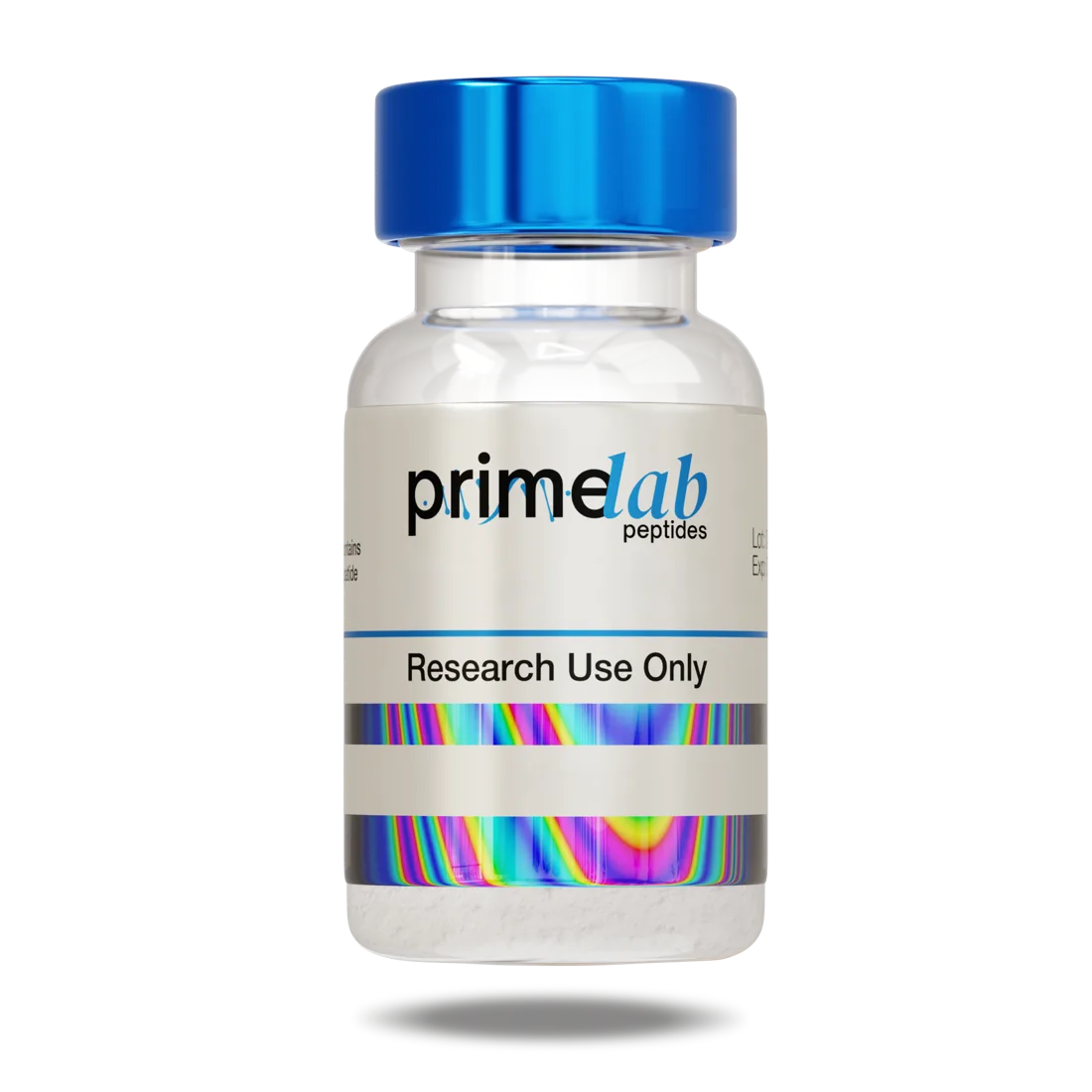
For high-purity research peptides, we point researchers to Prime Lab Peptides for Humanin (5 mg Vial).
Why Prime Lab Peptides?
- ▪Top-rated on Trustpilot: Independently reviewed as the highest-rated peptide lab on Trustpilot — making it the best current source in the USA.
- ▪Third-party tested: Every batch ships with a Certificate of Analysis (COA) confirming purity and composition.
- ▪Consistent quality: ISO-aligned manufacturing and handling keep product integrity reliable batch to batch.
- ▪Cold-chain integrity: Temperature-controlled shipping and storage across the whole fulfilment chain.
- ▪Research-grade purity: Fit for educational and research use that demands high-quality peptides.
Note: Product availability and specifications subject to change. Verify current product details on supplier website.
References
- 1
J Neurosci — Neuroprotection by the rescue factor humanin against Alzheimer’s-relevant insults (Hashimoto et al., 2001)Foundational characterization of humanin; identifies the S14G (HNG) analog as far more potent and maps the residues essential for its rescue action. PMID 11717357.
- 2
PLoS One — Humanin: a novel central regulator of peripheral insulin action (Muzumdar et al., 2009)Central and peripheral humanin (and potent analogs) improved insulin sensitivity via hypothalamic STAT-3 and lowered glucose in Zucker diabetic rats; humanin levels fall with age. PMID 19623253.
- 3
Neurochem Int — [Gly14]-Humanin protects against beta-amyloid via mitochondria (Jin et al., 2009)HNG preserved mitochondrial membrane potential, blocked cytochrome-c release and reduced apoptosis in amyloid-beta-exposed PC12 cells. PMID 19941922.
- 4
Oncotarget — Humanin activates ERK1/2, AKT and STAT3 with age-dependent signaling (Kim et al., 2016)Defines the GP130/IL6ST-linked signaling of humanin and shows an age-specific in-vivo effect in the mouse hippocampus. PMID 27384491.
- 5
Cells — Mitochondrial-Derived Peptides (MDPs) and cellular health in AMD (Nashine & Kenney, 2020)Review of humanin, HNG, MOTS-c and SHLPs as cytoprotective mitochondrial-derived peptides, including their role in age-related macular degeneration models. PMID 32365540.
- 6
Aging (Albany NY) — Humanin is a regulator of lifespan and healthspan (Yen et al., 2020)Twice-weekly HNG improved metabolic healthspan and reduced inflammation in middle-aged mice; circulating humanin declines with age and is higher in centenarians’ offspring. PMID 32575074.
Humanin — frequently asked questions
How do I reconstitute a 5 mg vial of Humanin?
Wipe the stopper with an alcohol swab, then inject your bacteriostatic water slowly down the inside wall of the vial. Let it sit and gently swirl until dissolved — never shake. Store the mixed vial in the refrigerator and draw doses with an insulin syringe. Use the calculator above to turn any dose into syringe units.
How much bacteriostatic water should I add to Humanin?
There is no single correct amount — more water simply spreads the same 5 mg of peptide across a larger volume, which makes small doses easier to measure accurately. 1 to 3 mL per vial is typical. Enter your chosen volume in the calculator above to see the resulting concentration and syringe units.
What do the "units" on an insulin syringe mean?
On a U-100 insulin syringe, 100 units equal 1 mL, so 1 unit equals 0.01 mL. The calculator above converts your draw volume into these units automatically so you can measure without doing the math by hand.
How should I store Humanin after mixing?
Keep the reconstituted vial refrigerated at roughly 2 to 8 degrees Celsius, away from light, and avoid freezing it. Reconstituted research peptides are generally used within a few weeks. Always follow the specific guidance supplied with your product.
How many doses does a 5 mg vial of Humanin provide?
Divide the vial strength of 5 mg by the amount you use per injection. The calculator above reports this as "doses per vial" the moment you enter a dose.
Is Humanin approved for human use?
No. Humanin is sold strictly for laboratory and research purposes and is not approved by the FDA or other regulators for human use. Everything on this page is research information, not medical advice — consult a licensed healthcare professional before any use.
New protocols & dosing updates
Reconstitution charts, new peptide protocols and safety updates — straight to your inbox. No spam, unsubscribe anytime.