
GHK (Copper-Free, 50 mg) Dosage Protocol
The plain human tripeptide glycyl-L-histidyl-L-lysine (Gly-His-Lys) supplied without pre-formed copper — sold by vendors as “GHK Basic,” a separate SKU from the blue GHK-Cu copper complex. This page documents the injectable/reconstitution format that research-peptide sellers market. Be clear up front: there is no human clinical trial of injectable GHK, and because GHK binds copper with an albumin-like affinity it converts to GHK-Cu once copper is present. Research and educational reference only; not a drug, not FDA-approved, not medical advice.
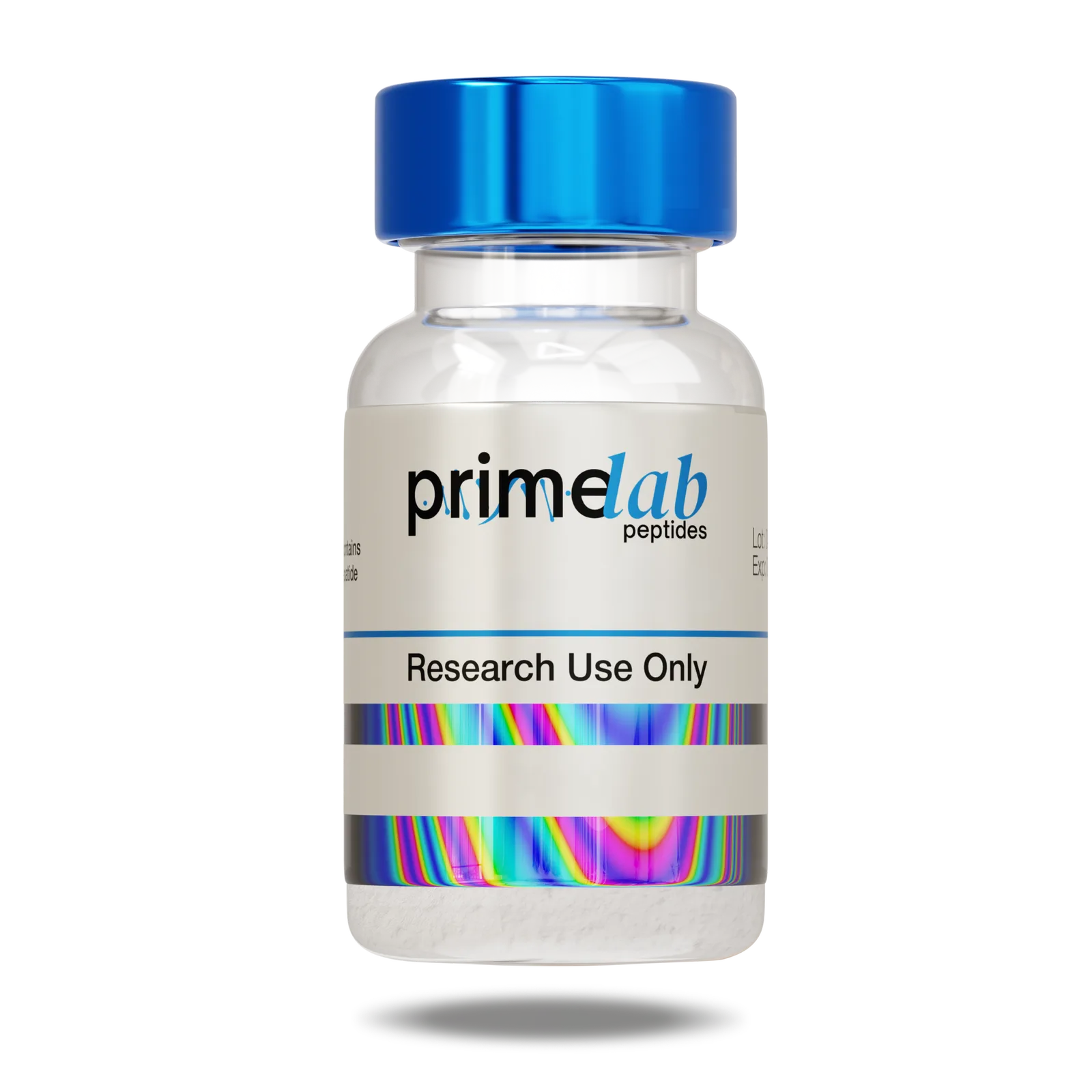
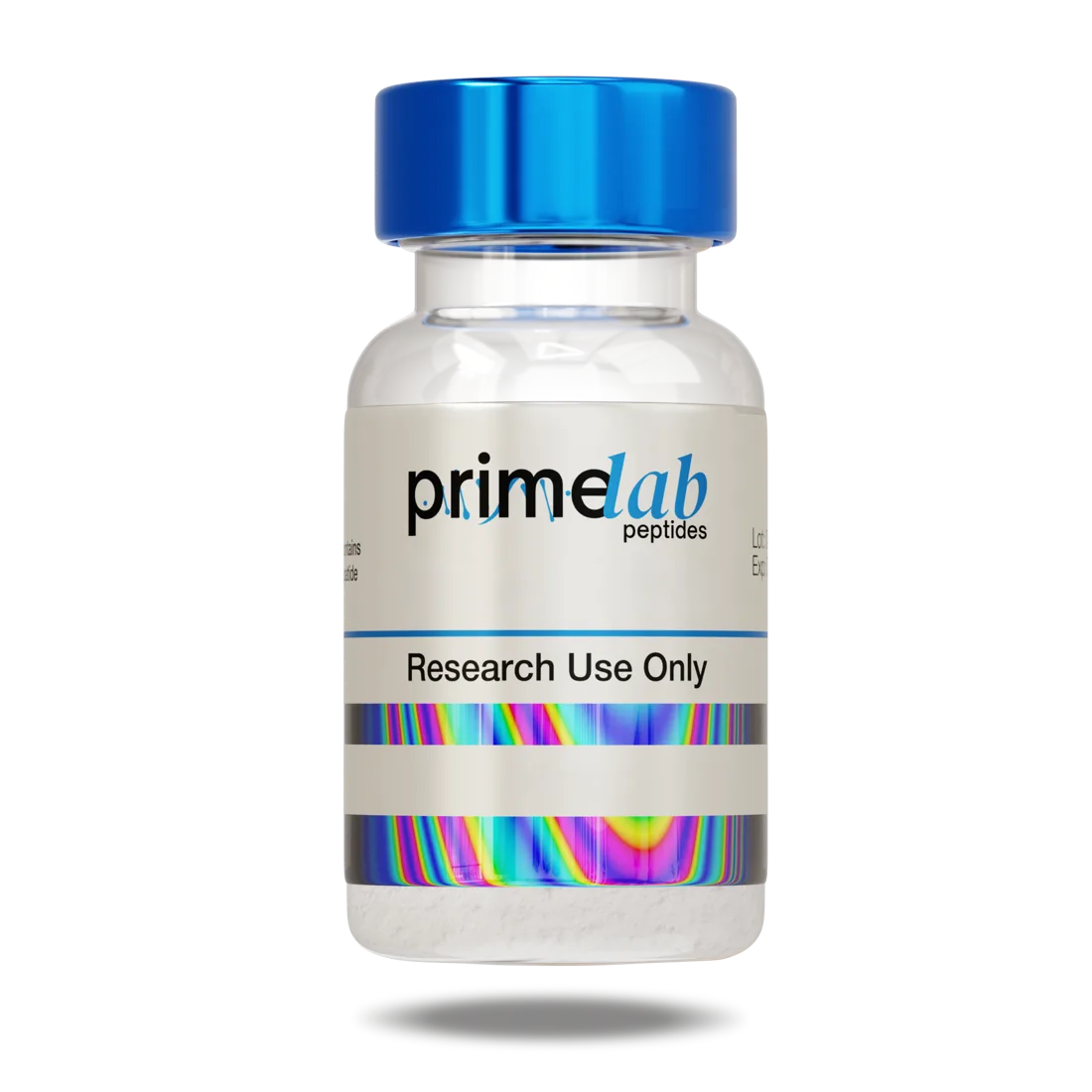
The natural human tripeptide glycyl-L-histidyl-L-lysine (Gly-His-Lys), supplied without a pre-formed copper ion and sold by vendors as "GHK Basic" — a separate product from the blue GHK-Cu copper complex. Because GHK binds copper with an albumin-like affinity, copper-free GHK converts to GHK-Cu once copper is available, so "copper-free" is a formulation choice rather than a distinct biology.
There is no clinical dose. Research-peptide vendors reconstitute a 50 mg vial in about 2 mL bacteriostatic water (25 mg/mL) and describe roughly 1-2 mg per day subcutaneously, cycled 4-8 weeks — figures that are community/vendor convention, not medical guidance. The main vendor source explicitly states that no human randomized trial has confirmed an optimal injectable schedule.
No human clinical trial of injectable GHK exists in any form, and copper-free GHK has no dedicated injectable study. The human efficacy that does exist is topical and cosmetic and used GHK-Cu (the copper complex); every injectable/systemic study is in animals — subcutaneous rat wound chambers, intra-articular rat injections where the benefit was transient, and intraperitoneal mouse models. Cosmetic/research compound, not FDA-approved.
Quickstart Highlights
GHK is the human tripeptide glycyl-L-histidyl-L-lysine (Gly-His-Lys), a three-amino-acid sequence that occurs naturally in human plasma and was first described in 1973 as an activity in human albumin that made aged tissue behave more like young tissue[1][2]. “Copper-free GHK” — marketed as GHK Basic — is simply the peptide supplied without a pre-formed copper ion, as opposed to the blue GHK-Cu complex used in most cosmetic research.
This page covers the injectable / reconstitution format some research-peptide vendors sell, and it opens with two honest limits that frame everything below. First, the chemistry: GHK binds copper (Cu²⁺) with an affinity close to the copper-transport site on albumin, so it readily picks up available copper and becomes GHK-Cu[1][2] — “copper-free” is a starting formulation, not a copper-free biology. Second, the evidence: there is no human clinical trial of injected GHK in any form, and copper-free GHK has never been studied by injection at all[3][5][7]. GHK is not a drug and not FDA-approved; this is a research reference, not a recommendation to inject anything.
Pre-filled with this protocol’s recommended BAC water and documented starting dose — edit any field to run your own numbers. Reconstitution math only — not dosing advice. U-100 syringe: 100 units = 1 mL. Full reconstitution guide → · Advanced calculator →Mix & measure GHK (Copper-Free) · 50 mg
Supplies Needed
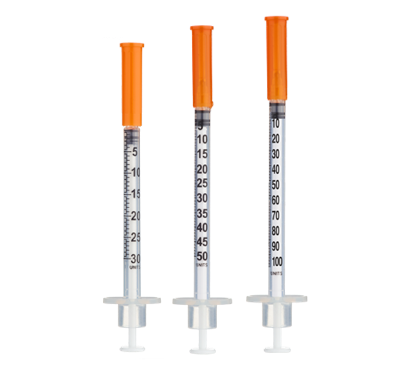
GHK Basic is sold as a lyophilized research vial, so the generic reconstitution kit below is what vendors pair with it. Note that this is documentation of the injectable format — not an endorsement of injecting a peptide whose only human evidence is topical.
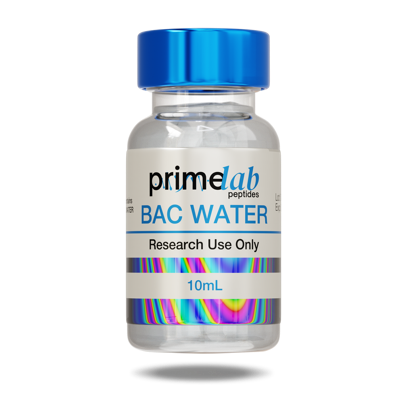
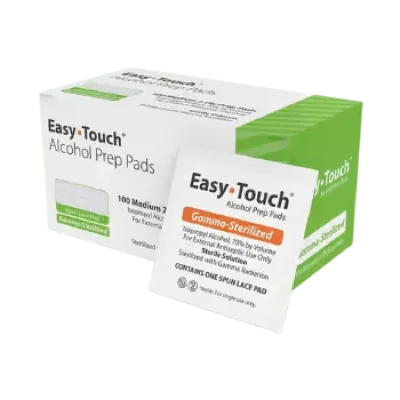
Protocol Overview
GHK is a naturally occurring human tripeptide (Gly-His-Lys), studied for decades — almost always as its copper complex GHK-Cu — for skin remodeling, wound healing and antioxidant effects[1][2]. “Copper-free GHK,” or GHK Basic, is the same peptide without a pre-formed copper ion, offered by some vendors in an injectable-style lyophilized vial.
The honest core of any overview is twofold. On chemistry: because GHK binds copper with an albumin-like affinity and readily forms GHK-Cu[1][2], the biology people attribute to “GHK” is really the biology of GHK-Cu, and the one dedicated copper-free study was in-vitro and explicitly a proxy for copper-GHK[3]. On route: the human evidence is topical/cosmetic, the injectable evidence is animal only[5][7][8], and copper-free injected GHK has no study of its own. It is not FDA-approved for anything.
Dosing Protocol
Reference reconstitution and community-dose figures only (50 mg vial in 2 mL → 25 mg/mL). The dose column reproduces the vendor convention for GHK-Cu[12]; it is not a clinically validated schedule and there is no copper-free injectable dosing literature. U-100 units assume 100 units = 1 mL.
| Community dose (research use) | Volume at 25 mg/mL | U-100 units |
|---|---|---|
| 1.0 mg — conservative[12] | 0.04 mL | 4 units |
| 1.5 mg — standard[12] | 0.06 mL | 6 units |
| 2.0 mg — higher[12] | 0.08 mL | 8 units |
| 50 mg — whole vial | 2.00 mL | 200 units (≈25–50 community doses) |
Why GHK (Copper-Free) draws research interest
These are the directions researchers and the peptide community most often explore GHK (Copper-Free) for — so you know you’re in the right place. They describe what is being studied, not proven benefits, approved uses, or promised results.
Skin & collagen
The main draw: a copper-binding tripeptide studied in skin research for collagen and repair. The human evidence is topical, not injected.
Wound healing & repair
Explored in animal wound models; targeted searches return no controlled human trial of injected GHK in any form.
Hair growth
Studied within the copper-tripeptide class for follicle stimulation — largely cell and dish work rather than human outcomes.
It does not stay copper-free
GHK binds copper about as tightly as albumin does, so in solution or on skin it becomes GHK-Cu.
Evidence ranges from early laboratory work to clinical trials depending on the use — the sections below cover the actual data and sources.
A 50 mg vial in 2 mL bacteriostatic water is 25 mg/mL. A 1 mg amount is then 0.04 mL = 4 units on a U-100 syringe. Reconstitution math shown for transparency, not as dosing advice.
Vendor blogs suggest ~1–2 mg/day subQ, cycled 4–8 weeks[12]. This is community planning, not clinical guidance — and the source says no human RCT has set an injectable schedule.
Dosing & Reconstitution Guide
Copper-free GHK has no established injectable dose. The figures below are the community/vendor convention that circulates on research-peptide blogs, reproduced here for transparency and framed honestly against the fact that no human trial supports them[12]. They are not a recommendation to self-inject an unapproved copper-binding tripeptide.
Standard / Gradual Approach
The convention that vendors publish for the copper peptide (GHK-Cu) is roughly 1–2 mg per day subcutaneously — often tiered as ~1.0 mg (conservative), 1.0–1.5 mg (standard) and 1.5–2.0 mg (higher) — cycled for about 4–8 weeks[12]. There is no separate dosing literature for copper-free injectable GHK whatsoever; these numbers are borrowed from the copper complex.
The single most important caveat is the source’s own admission: the primary vendor guide states plainly that “no human RCT has confirmed an optimal injectable schedule” and that its timelines are “anchored to community planning, not RCTs”[12]. In other words, this is a planning heuristic from sellers, not a clinically validated regimen. The real human evidence for GHK is topical and cosmetic, and it used GHK-Cu[1].
Where injected GHK-Cu has been tested — in animals — the results temper rather than support enthusiasm. Weekly intra-articular GHK-Cu injections in rats produced a benefit that was transient and lost once treatment stopped, with no difference in ultimate strength or histology[7]. Subcutaneous and intraperitoneal animal work shows biological activity[5][8], but none of it establishes a human dose, and none of it used the copper-free peptide.
Reconstitution Steps
If a 50 mg vial is reconstituted, 2 mL of bacteriostatic water gives 25 mg/mL, a concentration that fits a standard 3 mL vial and makes small draws measurable. This is shown to make the arithmetic transparent; it is not an instruction to inject.
- ▪Sanitize: swab the vial stopper and the bacteriostatic-water stopper with fresh alcohol pads and let them air-dry.
- ▪Add 2 mL slowly: draw 2 mL of bacteriostatic water and let it run down the inside wall of the vial, giving 25 mg/mL.
- ▪Dissolve gently: let it stand about 30 seconds, then roll the vial between your palms. Do not shake. Discard if cloudy or particulate.
- ▪Expect a colour shift: a “copper-free” solution can turn faintly blue-purple as GHK chelates ambient copper and forms GHK-Cu[2] — chemistry, not contamination.
- ▪Refrigerate: store the reconstituted vial at 2–8 °C, protect it from light, and never freeze it.
Storage Instructions
Lyophilized vials are stable refrigerated and should be protected from light; follow the supplier’s handling guidance for the powder, and never freeze a vial once reconstituted.
After reconstitution with bacteriostatic water, store at 2–8 °C, protect from light, and use within roughly 28 days with aseptic technique. Because GHK is hydrolytically and oxidatively labile[9], degradation is a real concern; a deepening blue-purple colour signals copper uptake (GHK-Cu formation), while cloudiness or particulates mean it should be discarded.
Important Notes
These are the points most often dropped when copper-free GHK is marketed as an injectable “research peptide.”
- ▪No human injectable evidence: there is no controlled human trial of injected GHK or GHK-Cu, and copper-free GHK has no injectable study at all[3][5][7]. The dosing that circulates online is vendor convention for the copper complex, and the source itself says no RCT has set a schedule[12].
- ▪Copper-free GHK becomes GHK-Cu: GHK binds Cu²⁺ with an affinity close to albumin’s copper site and spontaneously forms the copper complex when copper is available[1][2]. A “copper-free” injection does not deliver a copper-free biology — it delivers a peptide that then acquires copper.
- ▪The real evidence is topical and for GHK-Cu: controlled human data on GHK are cosmetic, topical, and used the copper complex[1]; the collagen, GAG and gene findings are in-vitro or animal[4][6][11]. None of it validates injecting the copper-free peptide.
- ▪Injected animal benefits can be transient: weekly intra-articular GHK-Cu in rats improved healing early but the effect was lost after treatment stopped, with no difference in final strength[7] — a caution against assuming durable benefit from injection.
- ▪Delivery is genuinely hard: GHK-Cu is highly hydrophilic (logD around −2.4) with poor skin permeation and hydrolytic/oxidative lability[9][10], which is why formulation is an active research problem — and why simple claims for any route should be treated skeptically.
- ▪Cosmetic/research compound, not an approved drug: GHK/GHK-Cu is not FDA-approved to treat wrinkles, wounds, hair loss or anything else, and the boldest claims (genome “resetting,” broad anti-aging) rest on company-affiliated review work[2][11].
How This Works
GHK’s biology begins with copper. The tripeptide has a high affinity for Cu²⁺ — comparable to the copper-transport site on human albumin — and readily forms the GHK-Cu complex, the form studied in almost all of the research[1][2]. Copper is a cofactor for enzymes central to connective tissue, so a peptide that shuttles copper has a plausible route to influencing the extracellular matrix.
In cell and animal models, GHK-Cu stimulates collagen synthesis in fibroblasts (maximal near 10⁻⁹ M)[4], increases sulfated glycosaminoglycan synthesis[6], and — when injected into subcutaneous wound chambers in rats — produces a dose-dependent increase in collagen, protein and GAG accumulation[5]. Broader company-affiliated reviews describe GHK modulating a large number of human genes toward repair[11]. The single dedicated copper-free study found copper-free GHK raised keratinocyte proliferation and integrin/p63 expression “similar to copper-GHK” in skin-equivalent models — but it was in-vitro and explicitly a proxy “to obtain the effects of copper-GHK,” with the authors stating “further study is necessary”[3].
The honest limit is translation and route. Almost all of this is in-vitro, animal or review-level, the human cosmetic evidence is topical and used GHK-Cu[1], and where GHK-Cu has been injected in animals the benefit was activity-level and sometimes transient[7][8]. So the mechanistic story of “copper-free injectable GHK” is, in the end, the story of topical GHK-Cu — because that is what copper-free GHK becomes, and that is where the data are.
Lifestyle Factors
For skin and connective-tissue health, the interventions with the strongest evidence are unglamorous and matter far more than any peptide: daily broad-spectrum sunscreen (the best-proven anti-ageing step there is), not smoking, sleep, protein-adequate nutrition and a simple, consistent routine. These carry evidence that an unapproved injectable tripeptide does not.
The honest “daily habits” note here is a caution rather than a stack: because the only real human evidence for GHK is topical GHK-Cu[1], a well-formulated topical is the evidence-based way to use this peptide chemistry — and an injectable copper-binding tripeptide with no human data is not a substitute for medical care or for the basics above.
Potential Benefits & Side Effects
Evidence tier: no human trial of injectable GHK; human efficacy is topical/cosmetic and for GHK-Cu; injectable data are animal only. The “effects” below are what the GHK-Cu literature reports (mostly in-vitro, animal or topical-cosmetic); the “considerations” are the honest counterweight, led by the absence of any injectable human evidence.
Reported Effects
- ▪Skin appearance — topical, controlled, GHK-Cu: controlled studies on aged skin report improved firmness and elasticity and reduced fine lines, photodamage and hyperpigmentation with topical GHK-Cu[1].
- ▪Matrix synthesis — in-vitro/animal, GHK-Cu: GHK-Cu stimulates collagen[4] and glycosaminoglycan[6] synthesis, and increases connective-tissue accumulation when injected into rat wound chambers[5].
- ▪Gene modulation — review-level, GHK-Cu: company-affiliated reviews describe GHK-Cu up-regulating repair and antioxidant programs across many genes[11] — interesting, but review and in-vitro, not clinical proof.
- ▪What is not established: that injected GHK (let alone copper-free) does anything in humans. There is no human injectable trial[3][7], where injected in animals the benefit was sometimes transient[7], and GHK is not approved to treat any condition.
Common Side Effects
- ▪Injectable safety is essentially unstudied in humans: with no human injectable trials, there is no reliable human safety profile for injected GHK; any injection also carries the usual risks of infection, bruising and site reactions.
- ▪Unknown potency and identity: a grey-market “GHK Basic” vial has no verified purity or identity, and copper-binding peptides can carry variable copper loads that change their behaviour[2].
- ▪Stability/degradation: GHK is hydrolytically and oxidatively labile[9], so a mishandled or aged reconstituted vial may contain degradation products; discard anything cloudy or discoloured.
- ▪Cosmetic/research status: because GHK is not an approved drug, it should not be used to self-treat any medical condition in place of appropriate care.
Injection Technique
The workflow below documents how research-peptide vendors describe handling a reconstituted GHK Basic vial. It is educational only — there is no human clinical basis for injecting copper-free GHK, and its only human evidence is topical GHK-Cu[1].
Pre-Injection Preparation
- ▪Understand there is no clinical basis: injectable GHK has no human trial[3][7]; the “dose” is vendor convention borrowed from GHK-Cu[12].
- ▪Confirm the concentration: the reference math assumes 25 mg/mL (50 mg in 2 mL), so a 1 mg amount is about 0.04 mL — 4 units on a U-100 syringe.
- ▪Inspect the solution: it should be clear to faintly blue; discard it if cloudy, particulate or heavily discoloured.
Injection Procedure
- ▪Use a U-100 insulin syringe: a 0.3 mL / 30-unit, 29–31G insulin syringe is the format vendors describe for subcutaneous administration.
- ▪Subcutaneous, with site rotation: vendor convention is a small subcutaneous injection rotating sites (abdomen, outer thigh, back of the upper arm) — not intravenous.
- ▪Keep the volume small and measured: the community dose is ~1–2 mg (about 4–8 units at 25 mg/mL)[12]; there is no validated schedule, so do not treat these numbers as clinical targets.
Post-Injection Care
- ▪Store correctly: keep the reconstituted vial refrigerated at 2–8 °C, protect it from light, never freeze it, and use within about 28 days.
- ▪Watch for reactions: treat any injection-site reaction, rash or systemic symptom as a reason to stop and reassess, given the near-absent human safety data.
- ▪Keep perspective: copper-free injectable GHK is not clinically validated; the evidence-based way to use this peptide chemistry is topical GHK-Cu[1], not an unstudied injection.
Recommended Source
For high-purity research peptides, we point researchers to Prime Lab Peptides for GHK (Copper-Free) (50 mg Vial).
Why Prime Lab Peptides?
- ▪Top-rated on Trustpilot: Independently reviewed as the highest-rated peptide lab on Trustpilot — making it the best current source in the USA.
- ▪Third-party tested: Every batch ships with a Certificate of Analysis (COA) confirming purity and composition.
- ▪Consistent quality: ISO-aligned manufacturing and handling keep product integrity reliable batch to batch.
- ▪Cold-chain integrity: Temperature-controlled shipping and storage across the whole fulfilment chain.
- ▪Research-grade purity: Fit for educational and research use that demands high-quality peptides.
Note: Product availability and specifications subject to change. Verify current product details on supplier website.
References
- 1
Journal of Biomaterials Science, Polymer Edition (2008) — The human tri-peptide GHK and tissue remodelingPickart (PMID 18644225). Review: GHK (Gly-His-Lys) has a Cu2+ affinity similar to the copper-transport site on albumin and forms GHK-Cu; the complex stimulates collagen/elastin synthesis, is anti-inflammatory and antioxidant, and improves skin appearance in controlled studies on aged skin — cosmetic/topical, with GHK-Cu as the active species. Company (Skin Biology) affiliation. DOI: 10.1163/156856208784909435.
- 2
Oxidative Medicine and Cellular Longevity (2012) — The human tripeptide GHK-Cu in prevention of oxidative stress and degenerative conditions of agingPickart, Vasquez-Soltero & Margolina (PMID 22666519). Review documenting that GHK was discovered in 1973 as an activity in human albumin, has high affinity for copper ions and easily forms GHK-Cu. Company-affiliated review; the active species discussed is the copper complex. DOI: 10.1155/2012/324832.
- 3
Journal of Peptide Science (2012) — Stem cell recovering effect of copper-free GHK in skinChoi et al. (PMID 23019153). The one dedicated copper-free GHK study: in cultured keratinocytes and skin-equivalent models, copper-free GHK increased proliferation and integrin/p63 expression “similar to copper-GHK.” In-vitro only, explicitly framed as a proxy “to obtain the effects of copper-GHK,” with the authors stating “further study is necessary.” No clinical or injectable data. DOI: 10.1002/psc.2455.
- 4
FEBS Letters (1988) — Stimulation of collagen synthesis in fibroblast cultures by the tripeptide-copper complex GHK-Cu2+Maquart et al. (PMID 3169264). The foundational in-vitro collagen-stimulation study; the effect was demonstrated for GHK-Cu (the copper complex) in human fibroblasts, maximal near 10^-9 M. This is the origin of the “GHK boosts collagen” claim, and it used the copper complex. DOI: 10.1016/0014-5793(88)80509-x.
- 5
Journal of Clinical Investigation (1993) — In vivo stimulation of connective tissue accumulation by GHK-Cu2+ in rat experimental woundsMaquart et al. (PMID 8227353). Key injectable evidence, but ANIMAL: GHK-Cu injected into subcutaneous wound chambers in rats increased collagen, protein and glycosaminoglycan accumulation dose-dependently. Uses the copper complex; injectable but not human. DOI: 10.1172/JCI116842.
- 6
Life Sciences (1992) — Stimulation of sulfated glycosaminoglycan synthesis by the tripeptide-copper complex GHK-Cu2+Wegrowski, Maquart & Borel (PMID 1522753). GHK-Cu (copper complex) stimulated sulfated GAG (dermatan/heparan sulfate) synthesis in human fibroblasts, biphasic, maximal at 10^-9 to 10^-8 M. In-vitro; the copper complex is the active species. DOI: 10.1016/0024-3205(92)90504-i.
- 7
Journal of Orthopaedic Research (2015) — GHK-Cu(II) transiently improved healing in a rat model of ACL reconstructionFu et al. (PMID 25731775). Injectable evidence, but ANIMAL and tempering: weekly intra-articular GHK-Cu injections in rats improved early graft healing, but the benefit was TRANSIENT and lost after treatment stopped, with no difference in ultimate load or histology. DOI: 10.1002/jor.22831.
- 8
Life Sciences (2019) — Protective effects of GHK-Cu in bleomycin-induced pulmonary fibrosisMa et al. (PMID 31809714). Systemic-injection evidence, but ANIMAL: intraperitoneal GHK-Cu in mice attenuated lung fibrosis via Nrf2/NF-κB/TGFβ1-Smad pathways. Injectable but a non-aesthetic indication in mice; uses the copper complex. DOI: 10.1016/j.lfs.2019.117139.
- 9
Pharmaceutical Development and Technology (2016) — Physicochemical characterization of native GHK: a preformulation study for dermal deliveryBadenhorst, Svirskis & Wu (PMID 25384620). Preformulation study: GHK-Cu is highly hydrophilic (logD −2.38 to −2.49), susceptible to hydrolytic and oxidative cleavage — explaining why delivery is a research focus and why simple topical or injectable claims are non-trivial. DOI: 10.3109/10837450.2014.979944.
- 10
Molecules (2025) — Are We Ready to Measure Skin Permeation of GHK-Cu Tripeptide Encapsulated in Liposomes?Ogórek et al. (PMID 39795193). 2025 review confirming GHK-Cu is hydrophilic with limited passive skin permeation and that liposomal-GHK-Cu transport data are sparse (“received little attention”) — undercutting strong efficacy claims for simple delivery. DOI: 10.3390/molecules30010136.
- 11
International Journal of Molecular Sciences (2018) — Regenerative and Protective Actions of the GHK-Cu Peptide in the Light of the New Gene DataPickart & Margolina (PMID 29986520). Company-affiliated review of GHK-Cu gene-modulation and tissue-repair claims across many biochemical pathways. Explicitly about GHK-Cu (the copper complex); a review, not a controlled trial. DOI: 10.3390/ijms19071987.
- 12
peptidedosingprotocols.com — GHK-Cu Peptide Dosing Guide: Skin, Hair & Safety (2026)Community/vendor protocol source (not clinical guidance). Documents the injectable convention (~1-2 mg/day subQ, 50 mg + 2 mL BAC = 25 mg/mL, refrigerate and protect from light) for GHK-Cu, and states plainly that “no human RCT has confirmed an optimal injectable schedule” — timelines are “anchored to community planning, not RCTs.” Included to document the vendor landscape, not as evidence of efficacy.
GHK (Copper-Free) — frequently asked questions
How do I reconstitute a 50 mg vial of GHK (Copper-Free)?
Wipe the stopper with an alcohol swab, then inject your bacteriostatic water slowly down the inside wall of the vial. Let it sit and gently swirl until dissolved — never shake. Store the mixed vial in the refrigerator and draw doses with an insulin syringe. Use the calculator above to turn any dose into syringe units.
How much bacteriostatic water should I add to GHK (Copper-Free)?
There is no single correct amount — more water simply spreads the same 50 mg of peptide across a larger volume, which makes small doses easier to measure accurately. 1 to 3 mL per vial is typical. Enter your chosen volume in the calculator above to see the resulting concentration and syringe units.
What do the "units" on an insulin syringe mean?
On a U-100 insulin syringe, 100 units equal 1 mL, so 1 unit equals 0.01 mL. The calculator above converts your draw volume into these units automatically so you can measure without doing the math by hand.
How should I store GHK (Copper-Free) after mixing?
Keep the reconstituted vial refrigerated at roughly 2 to 8 degrees Celsius, away from light, and avoid freezing it. Reconstituted research peptides are generally used within a few weeks. Always follow the specific guidance supplied with your product.
How many doses does a 50 mg vial of GHK (Copper-Free) provide?
Divide the vial strength of 50 mg by the amount you use per injection. The calculator above reports this as "doses per vial" the moment you enter a dose.
Is GHK (Copper-Free) approved for human use?
No. GHK (Copper-Free) is sold strictly for laboratory and research purposes and is not approved by the FDA or other regulators for human use. Everything on this page is research information, not medical advice — consult a licensed healthcare professional before any use.
New protocols & dosing updates
Reconstitution charts, new peptide protocols and safety updates — straight to your inbox. No spam, unsubscribe anytime.