
Davunetide (5 mg) Dosage Protocol
An eight-amino-acid fragment of activity-dependent neuroprotective protein (ADNP), also called NAP (NAPVSIPQ), studied as a microtubule-stabilizing, tau-directed neuroprotective peptide. Every human trial delivered it intranasally, and its pivotal phase 2/3 trial in progressive supranuclear palsy failed. Not FDA-approved; research use only.

An 8-amino-acid fragment (NAPVSIPQ) of activity-dependent neuroprotective protein (ADNP). Its proposed action is microtubule stabilization: it binds tubulin, promotes microtubule assembly, and in preclinical tau-pathology models reduces tau hyperphosphorylation and protects axonal transport.
No established injectable dose. Every human trial used the intranasal route at 5-30 mg per dose; the pivotal progressive supranuclear palsy trial used 30 mg twice daily intranasally. A 5 mg research vial in 2 mL bacteriostatic water is 2.5 mg/mL, provided for reference only.
Preclinical neuroprotection is well documented, but the pivotal phase 2/3 trial in progressive supranuclear palsy (n=313, 52 weeks) found no difference from placebo on either primary endpoint and concluded davunetide is not an effective treatment for PSP. Not FDA-approved.
Quickstart Highlights
Davunetide (also known as NAP, sequence NAPVSIPQ, and by the development codes AL-108 and AL-208) is an eight-amino-acid peptide derived from activity-dependent neuroprotective protein (ADNP), a protein essential for brain formation[1]. It was identified in the Gozes laboratory as the smallest active fragment of ADNP that protects neurons, and its proposed mechanism is microtubule stabilization: it binds tubulin, facilitates microtubule assembly, and in tau-pathology models reduces tau hyperphosphorylation and the collapse of axonal transport[1][5].
This page is an educational reference on how davunetide has been studied. It is not medical advice. Two facts frame everything below and are easy to lose in vendor copy: every human trial of davunetide used the intranasal route, not injection, and its pivotal phase 2/3 trial in progressive supranuclear palsy failed to beat placebo on either primary endpoint[4]. Davunetide is not approved by the FDA or any regulator for any use, and a research vial is not a validated therapy.
Pre-filled with this protocol’s recommended BAC water and documented starting dose — edit any field to run your own numbers. Reconstitution math only — not dosing advice. U-100 syringe: 100 units = 1 mL. Full reconstitution guide → · Advanced calculator →Mix & measure Davunetide · 5 mg
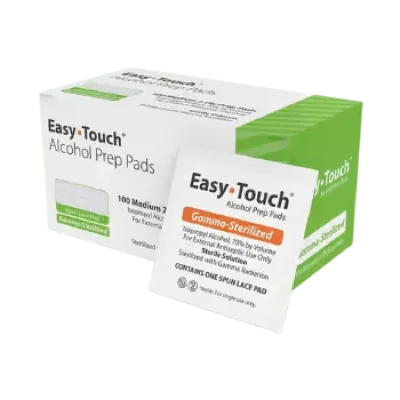
Supplies Needed
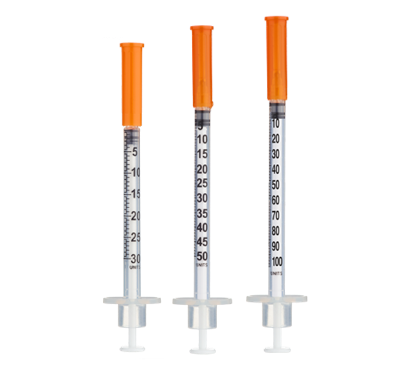
Davunetide is sold as a lyophilized research vial, so the generic reconstitution kit below applies if it is prepared. Note again that the compound’s clinical trials used an intranasal delivery, not the syringe workflow shown here.
Protocol Overview
The honest overview is unusually short: davunetide is an investigational neuroprotective peptide with a well-worked-out preclinical mechanism and a failed pivotal human trial. There is no established dose, route or schedule for a research vial, and no human data support injecting it. The material below documents what was studied and how the compound is handled, not a working protocol.
Its scientific interest is real. NAP is one of the most-studied microtubule-stabilizing peptides, and the underlying ADNP biology is central to brain development and to a recognised neurodevelopmental syndrome. But interest in the mechanism is not evidence of clinical benefit, and the largest, most rigorous test of that benefit — the progressive supranuclear palsy trial — was negative[4].
Dosing Protocol
Reference reconstitution volumes only (5 mg vial in 2 mL → 2.5 mg/mL). These are not a dose ladder: there is no validated injectable dose for davunetide, and the clinical trials delivered 30 mg twice daily intranasally — far more than one 5 mg vial holds. The rows exist to make the math transparent, not to suggest a regimen.
| Reference amount | Volume at 2.5 mg/mL | U-100 units |
|---|---|---|
| 0.5 mg | 0.20 mL | 20 units |
| 1 mg | 0.40 mL | 40 units |
| 2.5 mg | 1.00 mL | 100 units |
| 5 mg — the whole vial | 2.00 mL | 200 units |
| Clinical intranasal dose[4] | 30 mg twice daily (intranasal) — not injectable | ≈12× one 5 mg vial |
Why Davunetide draws research interest
These are the directions researchers and the peptide community most often explore Davunetide for — so you know you’re in the right place. They describe what is being studied, not proven benefits, approved uses, or promised results.
Cognition & memory
The draw is preclinical: an ADNP-derived fragment studied for neuroprotection. Its one large human trial found no benefit.
Tau & neurodegeneration
Explored for stabilising microtubules in tau-driven disease — elegant in mice, but it did not translate in people.
The failed PSP trial
The key fact: in 313 patients it moved the progressive supranuclear palsy scale exactly as much as placebo did.
Intranasal, not injected
Every human study used a nasal spray at 30 mg twice daily; the injectable vial has no efficacy basis at all.
Evidence ranges from early laboratory work to clinical trials depending on the use — the sections below cover the actual data and sources.
2 mL bacteriostatic water per 5 mg vial → 2.5 mg/mL. This is reference math only — there is no validated injectable dose, and the clinical intranasal dose (30 mg twice daily) is six times what one 5 mg vial contains.
All human dosing was intranasal: 5–15 mg in early trials[2], up to 30 mg twice daily in progressive supranuclear palsy[4]. No injectable protocol has ever been tested for efficacy.
Clinically intranasal; NAP is also brain-bioavailable after intravenous dosing in early pharmacokinetic work[1]. The subcutaneous route sold as a research vial has no efficacy data behind it.
Investigational, and its lead indication failed. The phase 2/3 PSP trial (n=313) showed no difference from placebo[4]. Not FDA-approved for any use.
Dosing & Reconstitution Guide
Unlike most compounds on this site, davunetide has no weight-based dose, no titration ladder and no validated injectable dose at all. The human dosing on record is entirely intranasal, and the strongest trial of that dosing was negative[4]. What follows is the published intranasal dosing history and reference reconstitution math — not a recommendation, and explicitly not an endorsement of injecting a compound whose only trials sprayed it into the nose.
Standard / Gradual Approach
The clinical dose history is short and specific. Early trials used low intranasal doses: a phase 1a study established tolerability of single intranasal doses up to 15 mg[1], a phase 2a study in amnestic mild cognitive impairment used intranasal AL-108 and reported a positive memory signal[2], and a schizophrenia trial tested 5 mg and 30 mg intranasally twice daily for 12 weeks[3]. The pivotal progressive supranuclear palsy trial settled on 30 mg twice daily intranasally for 52 weeks[4].
That 30 mg twice-daily figure is worth sitting with when a vendor sells a 5 mg injectable vial. The clinically studied daily amount was 60 mg — twelve times what a single 5 mg vial contains — and it was delivered through the nasal mucosa, not subcutaneously. There is no published pharmacokinetic or efficacy basis for translating that into a subcutaneous injection, and no injectable dose has ever been shown to do anything in humans.
Because the lead indication failed and development for it ended, there is no “approved” or “standard” dose to anchor to. Anyone treating the numbers below as a protocol is extrapolating well past the evidence — the honest status of davunetide is an investigational peptide with an elegant mechanism and a negative pivotal trial.
Reconstitution Steps
If a research vial is reconstituted, 2 mL of bacteriostatic water per 5 mg vial gives a clean 2.5 mg/mL. This is provided only so the reference figures are transparent; it is not a dosing recommendation.
- ▪Sanitize: swab the vial stopper and the bacteriostatic-water stopper with fresh alcohol pads and let them air-dry.
- ▪Add 2 mL slowly: draw 2 mL of bacteriostatic water and let it run down the inside wall of the vial rather than onto the powder. This gives 2.5 mg/mL.
- ▪Dissolve gently: let it stand about 30 seconds, then roll the vial between your palms. Do not shake. Discard the solution if it is cloudy or holds particles.
- ▪Refrigerate: store the reconstituted vial at 2–8 °C and never freeze it.
Storage Instructions
Lyophilized vials are stable refrigerated and should be protected from light; follow the supplier’s handling guidance for the powder, and do not freeze a vial once reconstituted.
After reconstitution with bacteriostatic water, store at 2–8 °C and use within the multi-week window the preservative supports. There is no manufacturer stability profile to defer to, since davunetide is not a marketed product, so err toward shorter storage and discard anything cloudy or discoloured.
Important Notes
The points below are the ones most often dropped when davunetide is marketed as a nootropic or neuroprotective “peptide.”
- ▪The pivotal trial failed — state it plainly: in a randomized, double-blind, phase 2/3 trial across 48 centres (n=313), davunetide 30 mg twice daily intranasally for 52 weeks produced a change in the PSP Rating Scale of 11.8 versus 11.8 for placebo (p=0.41) and no difference on the Schwab and England activities-of-daily-living scale (p=0.92). The authors concluded that “davunetide is not an effective treatment for PSP.”[4] This is the single most important fact about the compound.
- ▪A post-hoc “women responded” claim exists — treat it as a hypothesis: a 2025 review co-authored by the peptide’s discoverer states that davunetide significantly slowed progression in women in that trial[7]. That is a post-hoc subgroup observation, not the trial’s prespecified result, and it does not overturn the negative primary outcome. It is legitimately interesting and legitimately unproven.
- ▪Every human trial used the nose, not a needle: the phase 1, amnestic-MCI, schizophrenia and PSP trials all delivered davunetide intranasally[1][2][3][4]. The injectable research vial has no efficacy or pharmacokinetic data behind that route. Selling it as an injection is a market convention, not a studied protocol.
- ▪The cognitive data are mixed, not positive: the schizophrenia trial (n=63) found no significant effect on its main cognitive battery (MCCB, p=0.45), with a significant effect only on a secondary functional-capacity measure (UPSA, p=0.048)[3]. The phase 2a memory signal in amnestic MCI was early and was never confirmed in a large trial[2].
- ▪Tolerability was mostly nasal in the trials: in the PSP study the notable adverse events were nasal — epistaxis (12% vs 8%), rhinorrhoea (10% vs 5%) and nasal discomfort (10% vs <1%) — consistent with intranasal delivery[4]. Serious adverse events were balanced with placebo, but that safety picture describes the intranasal product, not injection.
- ▪A research vial is not a therapy: davunetide has no approval anywhere, its development for PSP ended after the negative trial, and no regulator has vetted any preparation of it. Identity, potency and purity of a grey-market vial are unverified, and there is no medical framework around a compound whose best evidence is a well-run negative study.
How This Works
Activity-dependent neuroprotective protein (ADNP) is essential for brain formation and is one of the more frequently mutated genes in autism spectrum disorder. NAP (NAPVSIPQ) is the short active fragment of ADNP identified by peptide-activity scanning, and in cell culture it protects neurons against a remarkably broad set of insults — beta-amyloid, oxidative stress, zinc overload and more — at very low concentrations[1].
The proposed mechanism centres on microtubules, the cytoskeletal tracks that carry cargo along axons. NAP binds tubulin and facilitates microtubule assembly; in neuronal models it shifts the tubulin tyrosination cycle, expands the dynamic microtubule network and supports neurite outgrowth[5]. Because microtubule deficiency and tau pathology travel together in diseases like Alzheimer’s and progressive supranuclear palsy, a peptide that stabilises microtubules and lowers tau hyperphosphorylation was an appealing therapeutic idea[6].
NAP is brain-bioavailable after both intranasal and intravenous administration in pharmacokinetic work, which is why it advanced clinically as an intranasal spray[1][7]. The gap the human trials exposed is the familiar one in neurodegeneration: a clean, well-supported mechanism at the bench did not produce a measurable clinical effect in the disease it was best matched to. The mechanism is genuine; the therapeutic translation, so far, is not.
Lifestyle Factors
There is no lifestyle protocol to attach to davunetide, because there is no validated therapeutic use to build one around. It is an investigational compound whose lead trial failed, not an established nootropic with a dosing routine and supporting habits.
The honest “daily habits” note here is a caution rather than a regimen: general brain-health practices — sleep, cardiovascular exercise, cognitive and social engagement — have far stronger evidence behind them for cognition and neuroprotection than any research peptide, and none of them carry the unknowns of self-administering an unapproved compound by a route that was never tested for efficacy.
Potential Benefits & Side Effects
Evidence tier: investigational, with strong preclinical data and a negative pivotal human trial. The mechanism work is real; the clinical benefit, in the disease davunetide was best designed for, was not demonstrated. Read the two columns together — the “effects” are largely preclinical or unconfirmed, and the human bottom line is a failed trial.
Reported Effects
- ▪Preclinical neuroprotection — well documented: in cell and animal models NAP protects neurons against beta-amyloid, oxidative stress, zinc toxicity and other insults at very low concentrations, via microtubule stabilization[1].
- ▪Tau and axonal transport — the mechanistic case: NAP reduces tau hyperphosphorylation and protects microtubule-dependent axonal transport in tauopathy models[5][6].
- ▪An early memory signal — unconfirmed: a phase 2a trial in amnestic mild cognitive impairment reported a positive effect on memory with intranasal AL-108, but it was small and was never replicated in a large confirmatory trial[2].
- ▪A secondary functional signal in schizophrenia — not primary: the schizophrenia trial missed its main cognitive endpoint (p=0.45) and showed a significant effect only on a secondary functional-capacity measure (p=0.048)[3].
- ▪What is not established: any clinical benefit in progressive supranuclear palsy — the pivotal trial was negative[4] — and any benefit from the injectable route sold as a research vial, for which there is no human data at all.
Common Side Effects
- ▪Nasal effects — the main trial signal: in the PSP study, epistaxis (12% vs 8%), rhinorrhoea (10% vs 5%) and nasal discomfort (10% vs <1%) were more frequent than placebo, reflecting the intranasal route[4]. This safety picture does not describe injection.
- ▪Serious events balanced with placebo: the PSP trial reported 54 serious adverse events in each arm and a comparable number of deaths (11 davunetide, 10 placebo), largely reflecting the underlying disease rather than the drug[4].
- ▪Injectable-route safety is unknown: because no trial injected davunetide, there is no characterised safety profile for the subcutaneous route a research vial implies — local tolerability, systemic exposure and immunogenicity by that route are simply undefined.
- ▪Purity and identity risk: as an unapproved grey-market peptide, a research vial has no verified potency or purity, adding the usual sourcing hazards on top of the absent efficacy data.
Injection Technique
Davunetide is sold as a lyophilized vial, but it is important to be clear that no human trial injected it — the clinical route was intranasal. The generic subcutaneous workflow below describes how such a vial is handled in principle; it is documentation, not a recommendation to inject an unapproved compound with no injectable-efficacy data.
Pre-Injection Preparation
- ▪Understand the route mismatch first: every efficacy and safety figure for davunetide comes from intranasal dosing; a subcutaneous protocol has no evidence behind it.
- ▪Confirm the concentration: the reference math assumes 2.5 mg/mL — a 5 mg vial in 2 mL. A different diluent volume changes every unit figure.
- ▪Inspect: the reconstituted solution should be clear and particle-free; discard it if cloudy or discoloured.
Injection Procedure
- ▪Recognise there is no validated dose: the table gives reconstitution reference points only, not a studied injectable regimen — the clinical dose (30 mg twice daily) was intranasal and cannot come from one 5 mg vial.
- ▪If handled, inject subcutaneously: pinch the skin, insert at the angle suited to the needle length, and deliver slowly into subcutaneous tissue — not intramuscular or intravenous.
- ▪Rotate sites: alternate injection areas to avoid repeated trauma to one spot.
Post-Injection Care
- ▪Discard properly: keep the reconstituted vial refrigerated at 2–8 °C, never freeze it, and discard anything cloudy.
- ▪Watch for local and systemic reactions: because the injectable route is uncharacterised, treat any injection-site reaction, rash or systemic symptom as a reason to stop and reassess.
- ▪Keep perspective: the strongest human evidence for davunetide is a well-run trial that found no benefit — a fact worth weighing before any self-experimentation.
Recommended Source
For high-purity research peptides, we point researchers to Prime Lab Peptides for Davunetide (5 mg Vial).
Why Prime Lab Peptides?
- ▪Top-rated on Trustpilot: Independently reviewed as the highest-rated peptide lab on Trustpilot — making it the best current source in the USA.
- ▪Third-party tested: Every batch ships with a Certificate of Analysis (COA) confirming purity and composition.
- ▪Consistent quality: ISO-aligned manufacturing and handling keep product integrity reliable batch to batch.
- ▪Cold-chain integrity: Temperature-controlled shipping and storage across the whole fulfilment chain.
- ▪Research-grade purity: Fit for educational and research use that demands high-quality peptides.
Note: Product availability and specifications subject to change. Verify current product details on supplier website.
References
- 1
CNS Drug Reviews (2005) — NAP: research and development of a peptide derived from activity-dependent neuroprotective protein (ADNP)Gozes et al. (PMID 16614735). Foundational review: NAP (NAPVSIPQ) is the active 8-amino-acid fragment of ADNP; it binds tubulin and facilitates microtubule assembly, reaches the brain after intranasal or intravenous dosing, and was tolerated at intranasal single doses up to 15 mg in phase 1a. DOI: 10.1111/j.1527-3458.2005.tb00053.x.
- 2
Current Alzheimer Research (2009) — Addressing Alzheimer’s disease tangles: from NAP to AL-108Gozes et al. (PMID 19874271). Describes AL-108, the intranasal formulation of NAP, and reports that a phase 2a trial in amnestic mild cognitive impairment showed a positive effect on memory function; an early signal that was never confirmed in a large trial. DOI: 10.2174/156720509789207895.
- 3
Schizophrenia Research (2011) — Effect of the neuroprotective peptide davunetide (AL-108) on cognition and functional capacity in schizophreniaJavitt et al. (PMID 22169248). n=63; intranasal davunetide 5 or 30 mg for 12 weeks. No significant effect on the primary cognitive battery (MCCB, p=0.45); a significant effect only on the secondary functional-capacity measure (UPSA, p=0.048). Well tolerated. DOI: 10.1016/j.schres.2011.11.001.
- 4
The Lancet Neurology (2014) — Davunetide in patients with progressive supranuclear palsy: a randomised, double-blind, placebo-controlled phase 2/3 trialBoxer et al. (PMID 24873720). The pivotal trial: n=313, 30 mg twice daily intranasally for 52 weeks, 48 centres. PSPRS change 11.8 vs 11.8 (p=0.41) and SEADL no difference (p=0.92). The authors concluded davunetide is not an effective treatment for PSP. DOI: 10.1016/S1474-4422(14)70088-2.
- 5
PLoS ONE (2012) — The ADNP-derived peptide NAP modulates the tubulin pool: implication for neurotrophic and neuroprotective activitiesOz, Ivashko-Pachima & Gozes (PMID 23272107). Mechanistic work: NAP shifts the alpha-tubulin tyrosination cycle, expands the dynamic microtubule network and supports neurite outgrowth, and reverses zinc-induced loss of tau-microtubule interaction. DOI: 10.1371/journal.pone.0051458.
- 6
Neuropeptides (2013) — Microtubule-stabilizing peptides and small molecules protecting axonal transport and brain function: focus on davunetide (NAP)Magen & Gozes (PMID 24210139). Review of how NAP and other microtubule-stabilizers protect axonal transport in tauopathy models spanning Drosophila to mammals, coupling microtubule stabilization to motor and cognitive protection. DOI: 10.1016/j.npep.2013.10.011.
- 7
Advanced Drug Delivery Reviews (2025) — Intranasal NAP (davunetide): neuroprotection and circadian rhythmicityGalushkin & Gozes (PMID 40185278). Recent review of intranasal NAP; notes the preclinical neuroprotective and circadian data and states that, in the PSP phase 2/3 trial, davunetide significantly slowed progression in women — a post-hoc subgroup observation, not the trial’s prespecified result. DOI: 10.1016/j.addr.2025.115573.
Davunetide — frequently asked questions
How do I reconstitute a 5 mg vial of Davunetide?
Wipe the stopper with an alcohol swab, then inject your bacteriostatic water slowly down the inside wall of the vial. Let it sit and gently swirl until dissolved — never shake. Store the mixed vial in the refrigerator and draw doses with an insulin syringe. Use the calculator above to turn any dose into syringe units.
How much bacteriostatic water should I add to Davunetide?
There is no single correct amount — more water simply spreads the same 5 mg of peptide across a larger volume, which makes small doses easier to measure accurately. 1 to 3 mL per vial is typical. Enter your chosen volume in the calculator above to see the resulting concentration and syringe units.
What do the "units" on an insulin syringe mean?
On a U-100 insulin syringe, 100 units equal 1 mL, so 1 unit equals 0.01 mL. The calculator above converts your draw volume into these units automatically so you can measure without doing the math by hand.
How should I store Davunetide after mixing?
Keep the reconstituted vial refrigerated at roughly 2 to 8 degrees Celsius, away from light, and avoid freezing it. Reconstituted research peptides are generally used within a few weeks. Always follow the specific guidance supplied with your product.
How many doses does a 5 mg vial of Davunetide provide?
Divide the vial strength of 5 mg by the amount you use per injection. The calculator above reports this as "doses per vial" the moment you enter a dose.
Is Davunetide approved for human use?
No. Davunetide is sold strictly for laboratory and research purposes and is not approved by the FDA or other regulators for human use. Everything on this page is research information, not medical advice — consult a licensed healthcare professional before any use.
New protocols & dosing updates
Reconstitution charts, new peptide protocols and safety updates — straight to your inbox. No spam, unsubscribe anytime.