
P21 (10 mg) Dosage Protocol
A CNTF-derived pentapeptide (Ac-DGGLG-NH2) with an adamantane group that carries it across the blood-brain barrier, studied for neurogenesis, synaptic density and memory. Every published result is from rodents dosed in their food — there has never been a human trial. Not FDA-approved.

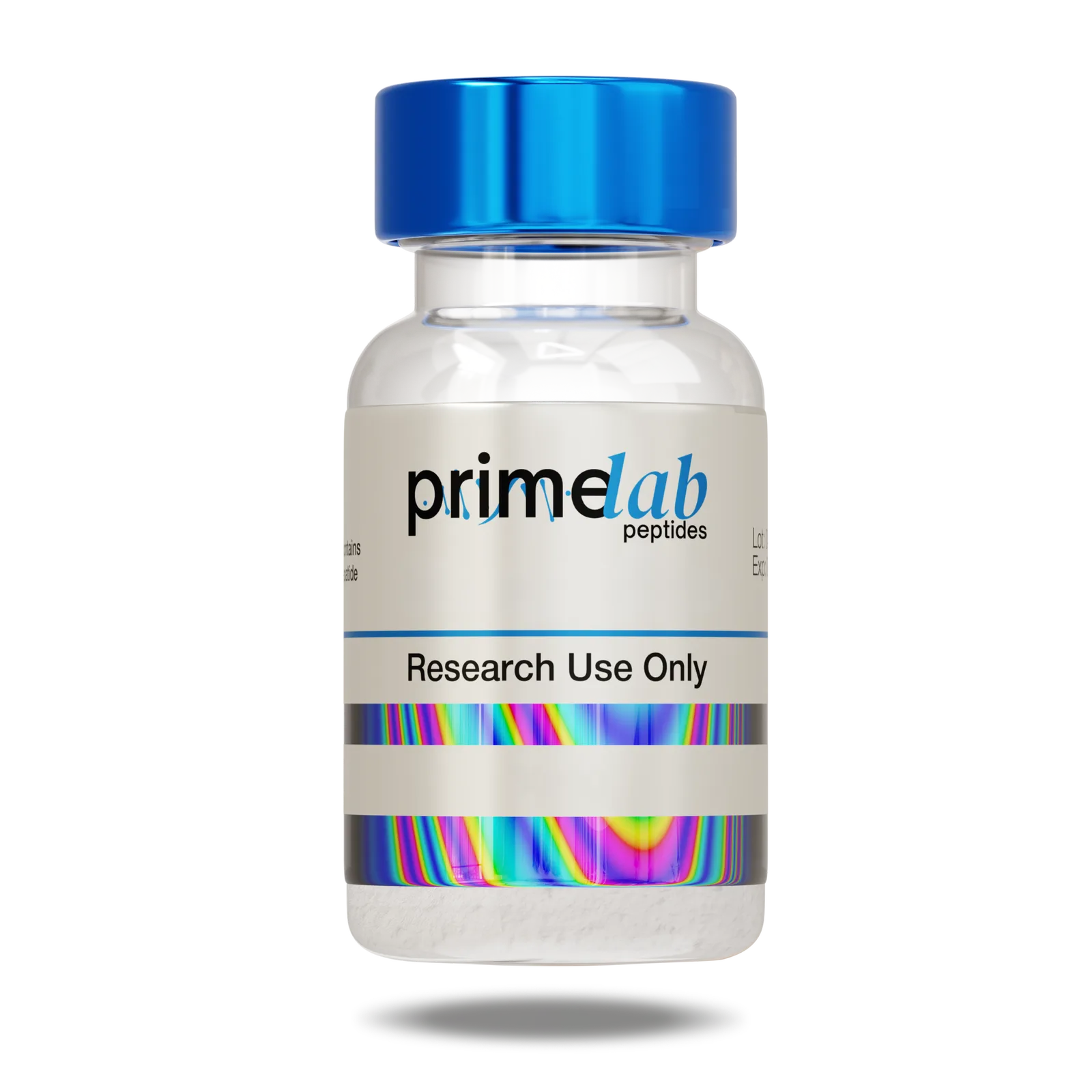
A pentapeptide built from the active tetrapeptide of ciliary neurotrophic factor (residues 148-151) plus an adamantylated glycine that makes it blood-brain-barrier permeable and protease-resistant. It raises BDNF transcription and inhibits LIF signaling, which otherwise suppresses neurogenesis.
No human dose has ever been established. Every published study fed it to mice in chow at 60 nmol/g of feed (roughly 94 mcg per mouse per day). The research-market convention of 500-1,000 mcg injected daily has no published basis.
Preclinical only, and narrow: rodent work almost entirely from one lab group with a commercial stake. Zero human trials of any phase. An independent 2024 test in a different model failed in vivo. Not FDA-approved.
Quickstart Highlights
P21 (also written P021) is a small synthetic peptide derived from ciliary neurotrophic factor (CNTF). It was built by taking the most active region of CNTF — the tetrapeptide at residues 148–151, identified by epitope mapping — and adding an adamantylated glycine at the C-terminus, giving the pentapeptide Ac-DGGLG-NH2 (molecular weight 578.3)[1]. That adamantane group is the whole design idea: it makes the molecule blood-brain-barrier permeable and resistant to the carboxypeptidases that would otherwise destroy it[1]. In the research community P21 is studied as a neurogenic and neuroplastic compound — it is investigated for hippocampal neurogenesis, dendritic and synaptic density, and memory performance in animal models of Alzheimer’s disease, Down syndrome and cognitive aging[2][3].
The evidence tier needs stating up front, because it is the single most important fact here. P21 has never been tested in a human being. There is no registered clinical trial, no human pharmacokinetic data and no human safety data — the entire published record is rodent work. It is not FDA-approved for any use. Nothing on this page is medical advice or a recommendation to dose a human; it documents what the literature and the research community actually report, for educational and research purposes only.
Pre-filled with this protocol’s recommended BAC water and documented starting dose — edit any field to run your own numbers. Reconstitution math only — not dosing advice. U-100 syringe: 100 units = 1 mL. Full reconstitution guide → · Advanced calculator →Mix & measure P21 · 10 mg
Supplies Needed
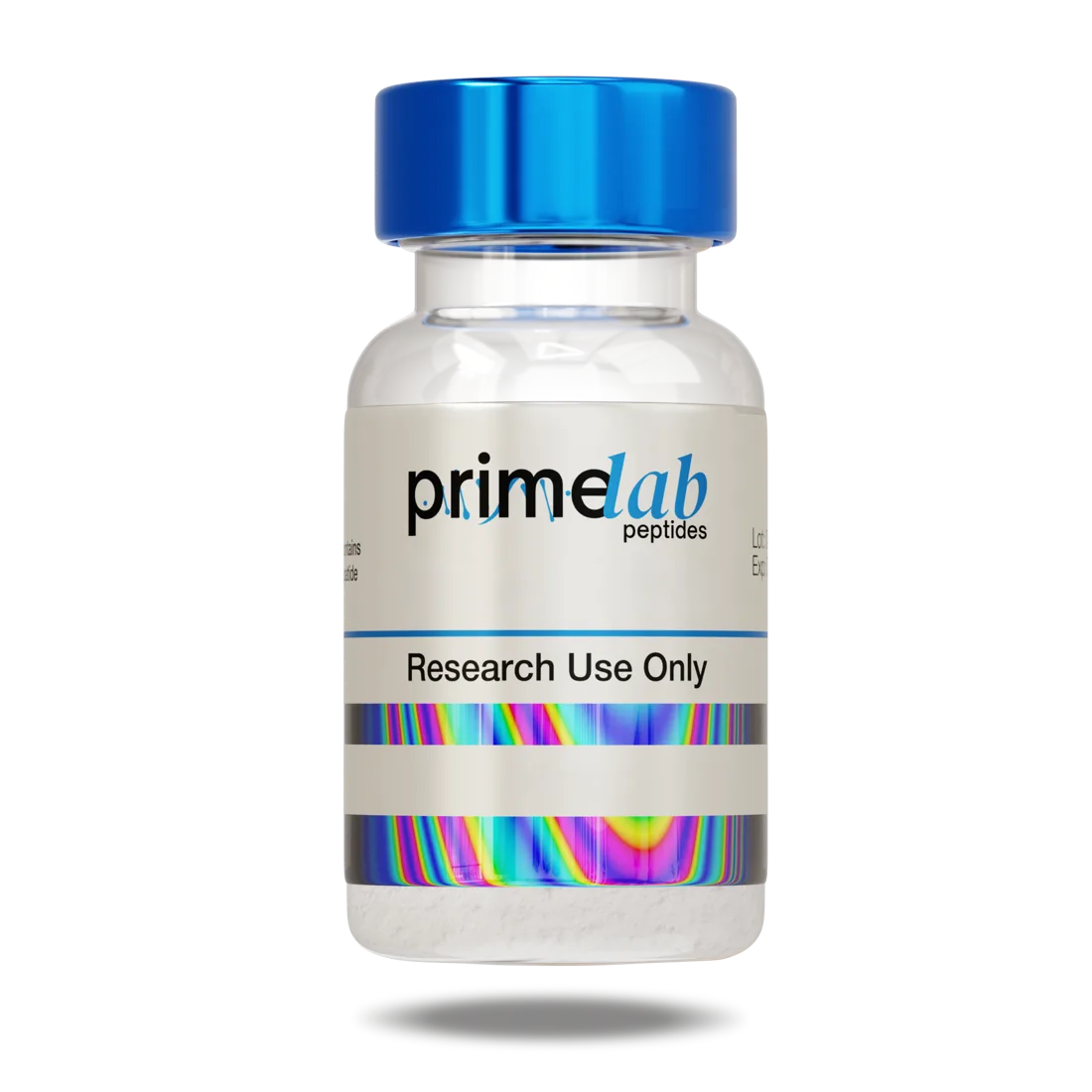
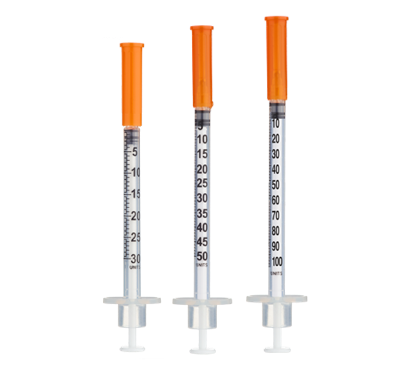
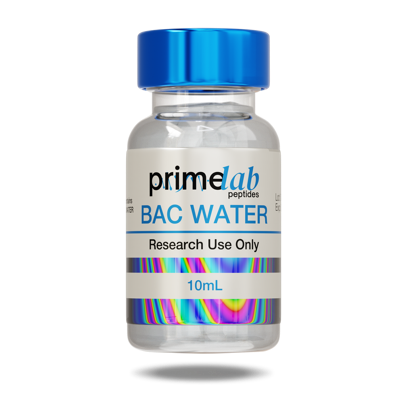
The standard items a documented injectable protocol relies on. Nothing exotic is needed for P21 — at 5,000 mcg/mL the reference doses land at readable volumes on an ordinary U-100 syringe.
Protocol Overview
At 5,000 mcg/mL a 10 mg vial holds 2 mL of usable solution: ten doses at the 1,000 mcg reference, or twenty at 500 mcg. On paper a single vial covers a 2–3 week block at the common convention, so the vial is rarely the constraint.
The real constraint is the bacteriostatic-water window — commonly cited as up to ~28 days refrigerated. A 10 mg vial at 1,000 mcg/day is comfortably consumed inside that window; at 500 mcg/day it is not, which is why some researchers reconstitute in 1 mL rather than 2 mL and accept a 10,000 mcg/mL solution (1,000 mcg = 10 units) to finish the vial sooner.
Dosing Protocol
The left column is what the published studies actually did; the rest documents the research-market convention converted to U-100 units at 5,000 mcg/mL. This is a record of conventions and study parameters, not a titration schedule and not clinical guidance.
| Phase / Source | Dose | Volume (U-100 units / mL) |
|---|---|---|
| Published rodent studies[1][2] | 60 nmol/g of feed ≈ 94 mcg/day oral (~3–4 mg/kg) | — (fed in chow, not injected) |
| Conservative start (convention) | 500 mcg, once daily | 10 units (0.10 mL) |
| Common reference (convention) | 1,000 mcg, once daily | 20 units (0.20 mL) |
| Cycle length (convention) | 4–12 weeks, then off | — |
| Human dose | None established — no human study exists | — |
Why P21 draws research interest
These are the directions researchers and the peptide community most often explore P21 for — so you know you’re in the right place. They describe what is being studied, not proven benefits, approved uses, or promised results.
Why an adamantane group
CNTF works but is undruggable — it cannot cross the blood-brain barrier and causes anorexia and cramps. P21 keeps only the active four-residue epitope and bolts on an adamantane cage, which buys BBB entry and resistance to the enzymes that would digest it. That is why the mice could simply eat it.
The route nobody mentions
The famous P21 results come from mice eating it continuously in their food for 9 to 18 months. The vials sold today are for a once-daily subcutaneous shot. No study has ever shown those two things produce the same exposure — a gap worth knowing before reading any dosing claim.
What happened when another lab tried
In 2024 an independent Italian group tested P021 in CDKL5 deficiency. It worked in cultured cells and then failed in live mice: no BDNF increase, no correction of brain structure, minimal behavioral benefit. That is the honest counterweight to a literature dominated by one group.
Evidence ranges from early laboratory work to clinical trials depending on the use — the sections below cover the actual data and sources.
Add 2.0 mL bacteriostatic water to one 10 mg vial → 5,000 mcg/mL (1,000 mcg = 20 U-100 units).
Community reference 500–1,000 mcg daily. No human dose has ever been established, and no study has validated this range[1].
Community use is subcutaneous, once daily. Note the published efficacy work dosed it orally in chow, continuously, for months[2].
Preclinical only — rodents. Zero human trials, and largely one research group. Not FDA-approved.
Dosing & Reconstitution Guide
P21 is an unusual case on this site: the compound has a genuinely interesting and reasonably deep preclinical literature, and almost none of it maps onto how the research market actually uses it. The published studies fed P21 to mice continuously in their food for 9 to 18 months. The vials people buy are lyophilized powder intended for a once-daily subcutaneous injection. Those are different routes, different exposure patterns and different timescales, and no study has bridged them.
Standard / Gradual Approach
The only dosing figure with a citation behind it is the rodent one, so it is worth stating precisely rather than hand-waving. In the long 3×Tg-AD prevention study, P021 was formulated into chow at 60 nmol per gram of feed, and the mice ate an average of ~2.7 g of feed per day[1]. At a molecular weight of 578.3, that is about 162 nmol ≈ 94 mcg of P021 per mouse per day — roughly 3–4 mg/kg/day for a 25–30 g mouse, delivered by mouth, every day, for up to 18 months. (The arithmetic is shown so you can check it; the 60 nmol/g and 2.7 g/day figures are the study’s, the conversion is ours.)
Scaling that number to a human is exactly the step this site will not take. Allometric mg/kg conversion between species is unreliable for peptides, the route is different, and there is no human pharmacokinetic study to anchor it. What circulates in the research community instead is a convention of roughly 500–1,000 mcg subcutaneously once daily, often run in 4–12 week blocks. That convention has no published basis — it is not derived from the rodent dose, it was not validated in any trial, and it should be read as “what people do”, not “what works”. Researchers who use the vial generally start at the low end of that range for the ordinary reason that there is no human safety data to justify anything else.
Reconstitution Steps
Standard lyophilized-peptide reconstitution. P21 is a very small, stable molecule — more robust than most peptides on this site — but the handling rules do not change.
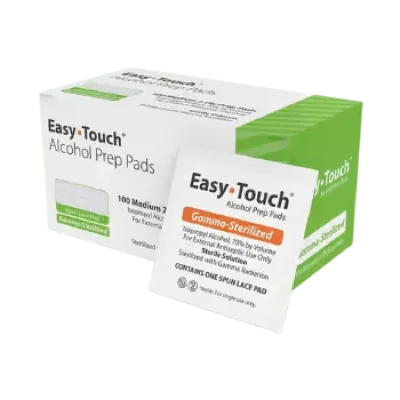
- ▪Sanitize: Swab the vial stopper and the bacteriostatic-water stopper with fresh alcohol pads and let them air-dry.
- ▪Add diluent slowly: Draw 2.0 mL bacteriostatic water and let it run down the inside wall of the vial rather than jetting it onto the powder.
- ▪Dissolve gently: Swirl until clear; do not shake. P21 is small and unusually stable, but shaking still foams and shears peptide solutions.
- ▪Store: Label with the date and refrigerate at 2–8 °C. The reconstituted vial holds 5,000 mcg/mL (5 mg/mL).
Storage Instructions
Store the lyophilized vial refrigerated or frozen and away from light until reconstitution. P21 is more chemically robust than most research peptides — the same paper that describes its design reports greater than 95% stability in artificial gastric juice over 30 minutes, near-100% stability in intestinal fluid over 2 hours, and plasma stability beyond 3 hours[1]. That resistance to digestion is precisely why the animal studies could deliver it in food.
After reconstitution, keep the vial refrigerated at 2–8 °C and use within the bacteriostatic-water window (commonly cited as up to ~28 days). Discard if the solution turns cloudy or discolored.
Important Notes
These are the points that most change how an honest reader should weigh P21 — each is a gap between the marketing story and the published record.
- ▪No human has ever been dosed: There is no registered clinical trial of P021 on ClinicalTrials.gov and no published human study of any phase. Every efficacy and safety claim you will read about P21 comes from mice and rats. The authors of the most detailed study say so themselves, concluding that “more extensive pharmacokinetic and pharmacodynamic studies will be required before its safety and efficacy in AD patients can be tested”[1].
- ▪An independent lab tried it and it did not work: Nearly all P021 work comes from one group. In 2024 an Italian group tested it in CDKL5 deficiency disorder and reported that while P021 rescued the deficits in cultured cells, chronic treatment in live Cdkl5 knockout mice failed to raise BDNF, failed to correct the neuroanatomical defects, and produced only limited behavioral benefit[6]. That is the clearest test of whether the effect travels beyond its home lab and model, and the in-vivo result was negative.
- ▪The route in the research market does not match the route in the science: The published prevention studies delivered P021 orally, continuously, in chow, for 9–18 months[2][4]. Vials are sold for once-daily subcutaneous injection. Subcutaneous administration does appear in the earlier literature[1], so the route is not unprecedented — but no study establishes that a daily injection reproduces the exposure that produced the published results.
- ▪A commercial interest exists: The compound’s originating investigator is affiliated with Phanes Biotech Inc., a company developing it[6], and P021 is patent-protected. That does not make the data wrong — the work is peer-reviewed and its limitations are openly discussed — but a literature dominated by one group with a commercial stake is a literature that has not yet been independently replicated at scale.
- ▪What the safety record does and does not say: Across roughly two years of continuous oral dosing, the mice showed no weight loss, no tumors and no signs of pain, and the authors reported no severe side effects[1]. This is genuinely reassuring for a neurotrophic compound — the parent molecule CNTF caused anorexia, severe cramps and muscle pain. But a clean rodent record is not a human safety profile, and a compound that drives cell proliferation warrants caution that mouse data cannot resolve.
How This Works
P21’s mechanism is best understood as restoring neurotrophic support rather than adding a drug effect. Full-length CNTF is neurotrophic but useless as a therapeutic: it cannot cross the blood-brain barrier, it has a short half-life, and it causes serious side effects. P21 keeps the small active epitope and bolts on an adamantane group that solves the delivery problem[1]. Once in the brain it acts through two documented routes: it increases transcription of BDNF (brain-derived neurotrophic factor), and it inhibits leukemia inhibitory factor (LIF) signaling, which otherwise suppresses neurogenesis[1].
Downstream, the BDNF increase is what the measurable effects hang on. In the triple-transgenic Alzheimer’s model, P021 raised BDNF expression and decreased GSK3β activity — the kinase that hyperphosphorylates tau — which the authors linked to reduced abnormal tau accumulation and lower soluble Aβ[2]. Treated animals showed increased pCREB and downstream activation of the PLC/PKC, MEK/ERK and PI3K/Akt cascades, alongside restored levels of synaptic proteins[5]. In the dentate gyrus, markers of proliferation (Ki-67) and of newborn immature neurons (doublecortin) were restored[1]. The important caveat is that the 2024 CDKL5 work found this BDNF step did not occur in a different knockout model[6] — so the mechanism should be read as demonstrated in specific models, not as a universal property.
Lifestyle Factors
Because P21’s proposed mechanism runs through BDNF and adult hippocampal neurogenesis, the honest observation is that the interventions with actual human evidence for those same endpoints are behavioral: aerobic exercise, sleep quality, and cognitive engagement all have far better human data for hippocampal function than any peptide discussed here. A researcher interested in the neurogenesis question is not choosing between P21 and those things.
The rodent studies also carry a design lesson that transfers. Their central finding was about timing — benefit came from starting treatment during the window of synaptic compensation, months before overt pathology[1], and the prenatal-to-early-postnatal studies pushed that window earlier still[4]. Whatever else that implies, it does not describe an acute nootropic taken for a noticeable effect this week.
Potential Benefits & Side Effects
Every item below comes from a rodent study. None has been shown in a human, and readers should mentally prefix each line with “in mice” — that is not a formality, it is the accurate reading of this literature.
Reported Effects
- ▪Hippocampal neurogenesis (mice): In 3×Tg-AD mice, P021 restored the number of doublecortin-positive newborn neurons and Ki-67-positive proliferating cells in the dentate gyrus — to levels the authors reported as exceeding those of wild-type controls[1].
- ▪Dendritic and synaptic markers (mice): Chronic treatment prevented deficits in MAP2, synaptophysin, synapsin 1, PSD-95, GluR1 and NR1 across hippocampal subfields and cortex, sustained out to 15–18 months of dosing[1].
- ▪Memory performance (mice): Treated 3×Tg-AD mice found the Morris Water Maze platform faster and retained the location better, and at 18 months still discriminated a novel object location that untreated animals failed[1].
- ▪Alzheimer’s pathology (mice): Twelve months of oral P021 reduced abnormal tau hyperphosphorylation at major neurofibrillary-pathology sites and lowered soluble Aβ, with only a non-significant trend for plaque load — consistent with reduced Aβ generation rather than clearance[2].
- ▪Down syndrome model (mice): In Ts65Dn mice, prenatal-to-early-postnatal P021 rescued developmental delay and Alzheimer’s-like memory deficits, and prevented pre-synaptic protein loss[3].
Common Side Effects
- ▪Unknown in humans — this is the honest headline. With no human study of any kind, P21 has no characterized human side-effect profile, no known interactions and no established contraindications. Absence of reported harm is not evidence of safety; it is absence of data.
- ▪Proliferation is the theoretical concern: A compound whose stated purpose is driving cell proliferation and survival invites the obvious question about unwanted growth. The reassuring datum is that ~2 years of continuous oral dosing produced no tumors in mice[1]. The limit of that datum is that a rodent lifespan study in a specific transgenic line cannot settle the question for humans.
- ▪The parent molecule was poorly tolerated: CNTF itself caused anorexia, severe cramps and muscle pain in trials — which is why the epitope approach exists. P021 showed none of these in mice[1], but the family history is a reason for caution rather than confidence.
- ▪Injection-site and sterility risks apply as always: Any self-prepared subcutaneous injection carries risks of injection-site reaction, contamination and dosing error — and unlike an approved drug, research-grade material has no regulated identity, purity or endotoxin standard behind it.
Injection Technique
General handling practice for a reconstituted research vial, documented for completeness. Its presence here is not a recommendation that a human be injected with a compound no human study has evaluated.
Pre-Injection Preparation
- ▪Inspect: Check that the solution is clear and free of particulates; discard if cloudy or discolored.
- ▪Let it settle: Take the vial out of the refrigerator a few minutes before drawing so the solution is not ice-cold.
- ▪Measure carefully: At 5,000 mcg/mL the reference doses are 10–20 units — readable, but draw at eye level and clear air bubbles before adjusting.
Injection Procedure
- ▪Swab: Clean the site with an alcohol pad and let it dry fully; injecting through wet alcohol stings and irritates.
- ▪Inject subcutaneously: Pinch the skin and enter the subcutaneous layer at 45–90° — abdomen, flank or thigh are the usual sites.
- ▪Rotate sites: Move the site each day; repeated injection in one spot is what produces lumps and local irritation.
Post-Injection Care
- ▪Dispose properly: Never recap; put the syringe straight into a sharps container.
- ▪Return to cold storage: Put the vial back at 2–8 °C promptly and keep it out of light.
- ▪Log it: Record date, dose and site — with a compound that has no human literature, your own careful records are the only data that exist.
Recommended Source
For high-purity research peptides, we point researchers to Prime Lab Peptides for P21 (10 mg Vial).
Why Prime Lab Peptides?
- ▪Top-rated on Trustpilot: Independently reviewed as the highest-rated peptide lab on Trustpilot — making it the best current source in the USA.
- ▪Third-party tested: Every batch ships with a Certificate of Analysis (COA) confirming purity and composition.
- ▪Consistent quality: ISO-aligned manufacturing and handling keep product integrity reliable batch to batch.
- ▪Cold-chain integrity: Temperature-controlled shipping and storage across the whole fulfilment chain.
- ▪Research-grade purity: Fit for educational and research use that demands high-quality peptides.
Note: Product availability and specifications subject to change. Verify current product details on supplier website.
References
- 1
Alzheimer’s Research & Therapy — Prevention of dendritic and synaptic deficits and cognitive impairment with a neurotrophic compound (Baazaoui & Iqbal, 2017)The design paper: defines P021 as the pentapeptide Ac-DGGLG-NH2 (MW 578.3) built from CNTF residues 148-151 plus adamantylated glycine, reports the 60 nmol/g feed dose, the stability and BBB data, and the 18-month neurogenesis, synaptic and cognitive results in 3xTg-AD mice.
- 2
Neurobiology of Disease — Disease modifying effect of chronic oral treatment with a neurotrophic peptidergic compound in a triple transgenic mouse model of Alzheimer’s disease (Kazim et al., 2014)Twelve months of oral P021 in 3xTg-AD mice: reduced tau hyperphosphorylation and soluble amyloid beta, increased BDNF, decreased GSK3-beta activity, and rescued cognition, neurogenesis and synaptic plasticity.
- 3
Scientific Reports — Early neurotrophic pharmacotherapy rescues developmental delay and Alzheimer’s-like memory deficits in the Ts65Dn mouse model of Down syndrome (Kazim et al., 2017)Prenatal-to-early-postnatal P021 rescued developmental delay and hippocampus-dependent memory deficits in a Down syndrome mouse model, with increased BDNF and phosphorylated CREB and decreased GSK3-beta activity.
- 4
Alzheimer’s Research & Therapy — Prenatal to early postnatal neurotrophic treatment prevents Alzheimer-like behavior and pathology in mice (Wei et al., 2020)Oral P021 given from prenatal day 8 to postnatal day 21 rescued cognitive deficits at 4 months and reduced tau and amyloid plaque burden at 22 months in 3xTg-AD mice.
- 5
Journal of Alzheimer’s Disease — Neurotrophic Treatment Initiated During Early Postnatal Development Prevents the Alzheimer-Like Behavior and Synaptic Dysfunction (Wei et al., 2021)P021 during early development prevented cognitive impairment and increased pCREB and BDNF, activating the PLC/PKC, MEK/ERK and PI3K/Akt cascades and ameliorating synaptic protein deficits in 3xTg-AD mice.
- 6
Journal of Neurodevelopmental Disorders — Effects of a ciliary neurotrophic factor (CNTF) small-molecule peptide mimetic in an in vitro and in vivo model of CDKL5 deficiency disorder (Mottolese et al., 2024)An independent group’s test: P021 restored proliferation and maturation in CDKL5-knockout cells, but chronic in-vivo treatment failed to increase BDNF, did not improve neuroanatomical defects and gave only limited behavioral benefit in Cdkl5 knockout mice. Also discloses the originator’s Phanes Biotech affiliation.
P21 — frequently asked questions
How do I reconstitute a 10 mg vial of P21?
Wipe the stopper with an alcohol swab, then inject your bacteriostatic water slowly down the inside wall of the vial. Let it sit and gently swirl until dissolved — never shake. Store the mixed vial in the refrigerator and draw doses with an insulin syringe. Use the calculator above to turn any dose into syringe units.
How much bacteriostatic water should I add to P21?
There is no single correct amount — more water simply spreads the same 10 mg of peptide across a larger volume, which makes small doses easier to measure accurately. 1 to 3 mL per vial is typical. Enter your chosen volume in the calculator above to see the resulting concentration and syringe units.
What do the "units" on an insulin syringe mean?
On a U-100 insulin syringe, 100 units equal 1 mL, so 1 unit equals 0.01 mL. The calculator above converts your draw volume into these units automatically so you can measure without doing the math by hand.
How should I store P21 after mixing?
Keep the reconstituted vial refrigerated at roughly 2 to 8 degrees Celsius, away from light, and avoid freezing it. Reconstituted research peptides are generally used within a few weeks. Always follow the specific guidance supplied with your product.
How many doses does a 10 mg vial of P21 provide?
Divide the vial strength of 10 mg by the amount you use per injection. The calculator above reports this as "doses per vial" the moment you enter a dose.
Is P21 approved for human use?
No. P21 is sold strictly for laboratory and research purposes and is not approved by the FDA or other regulators for human use. Everything on this page is research information, not medical advice — consult a licensed healthcare professional before any use.
New protocols & dosing updates
Reconstitution charts, new peptide protocols and safety updates — straight to your inbox. No spam, unsubscribe anytime.