
Cagrilintide (5mg Vial) Dosage Protocol
Cagrilintide is a long-acting amylin analog studied for appetite control and weight management. By mimicking the satiety hormone amylin, it slows gastric emptying and curbs hunger, supporting a once-weekly subcutaneous protocol with gradual dose escalation. Presented for research and educational purposes only.
Long-acting amylin analog that mimics the satiety hormone amylin to curb appetite and slow gastric emptying.
Once-weekly subcutaneous injection, escalated in phases from 0.25 mg up to ~4.5 mg.
2 mL bacteriostatic water gives 2.5 mg/mL (gradual); 1 mL gives 5 mg/mL (advanced).
Freeze lyophilized vials; refrigerate the reconstituted solution and use within 2-4 weeks.
Pre-filled with this protocol’s recommended BAC water and documented starting dose — edit any field to run your own numbers. Reconstitution math only — not dosing advice. U-100 syringe: 100 units = 1 mL. Full reconstitution guide → · Advanced calculator →Mix & measure Cagrilintide · 5 mg
Dosing & Reconstitution Guide
Two reconstitution strategies with accurate weekly dosing, step by step
Standard / Gradual Approach (2 mL = 2.5 mg/mL)
Reconstitute: Add 2.0 mL bacteriostatic water to one 5 mg vial → final concentration: 2.5 mg/mL.
Typical weekly range: 0.25–2.4 mg once weekly, titrated slowly over 16 weeks.
Easy measuring: At 2.5 mg/mL, 1 mg = 0.40 mL = 40 units on a U-100 insulin syringe.
Storage: Lyophilized: freeze at −20 °C (−4 °F); after reconstitution, refrigerate at 2–8 °C (35.6–46.4 °F) and use within 2–4 weeks.
Why Cagrilintide draws research interest
These are the directions researchers and the peptide community most often explore Cagrilintide for — so you know you’re in the right place. They describe what is being studied, not proven benefits, approved uses, or promised results.
Weight management
Studied for body-weight reduction as a long-acting amylin analog; investigational and not approved for any use.
Appetite control
Researched for satiety effects, mimicking the hormone amylin to curb food intake in preclinical and clinical study.
Slowed gastric emptying
Explored in research on how amylin analogs slow gastric emptying to prolong the feeling of fullness after eating.
Combination metabolic research
Investigated alongside semaglutide (as CagriSema) in obesity and type 2 diabetes trials; investigational only.
Evidence ranges from early laboratory work to clinical trials depending on the use — the sections below cover the actual data and sources.
Quickstart Highlights
Cagrilintide is a long-acting amylin analog studied for appetite control and weight management[1] — it imitates the satiety hormone amylin to blunt hunger and slow gastric emptying[2]. A long action profile supports a single weekly subcutaneous injection, and a stepwise dose increase helps keep tolerability high while the body adjusts[3][4]. For research and educational use only.
Two options: 2.0 mL bacteriostatic water per 5 mg vial → 2.5 mg/mL (gradual), or 1.0 mL → 5 mg/mL (advanced).
0.25–4.5 mg once weekly, raised in phases over several weeks.
At 2.5 mg/mL, 1 mg = 0.40 mL = 40 units; at 5 mg/mL, 1 mg = 0.20 mL = 20 units on a U-100 syringe.
Lyophilized: freeze at −20 °C (−4 °F); after reconstitution, refrigerate at 2–8 °C (35.6–46.4 °F) and use within 2–4 weeks.
Important: Read the Prep & Injection Guide first — it covers the preparation and safety basics that every protocol on this site assumes.
Frequency: one subcutaneous injection each week. The gentle ramp from 0.25 mg up to 2.4 mg mirrors the phase 2 dose-finding schedule that achieved meaningful weight loss while keeping nausea and other gastrointestinal effects manageable[1][4]. Holding each step for two to four weeks before advancing gives the body time to adapt.
Advanced / Aggressive Approach (1 mL = 5 mg/mL)
Reconstitute: Add 1.0 mL bacteriostatic water to one 5 mg vial → final concentration: 5 mg/mL.
Typical weekly range: 0.6–4.5 mg once weekly for those titrating to higher doses.
Easy measuring: At 5 mg/mL, 1 mg = 0.20 mL = 20 units on a U-100 insulin syringe.
Note: A 4.5 mg weekly dose draws nearly the whole vial in a single injection.
Higher concentration: mixing to 5 mg/mL keeps injection volumes small even at the top of the range — useful when titrating toward 4.5 mg, the dose linked with the largest weight reductions in early trials[4]. Because a 4.5 mg dose uses almost the entire vial, plan vial supply accordingly.
Reconstitution Steps
Pull the chosen volume of bacteriostatic water (2.0 mL for 2.5 mg/mL, or 1.0 mL for 5 mg/mL) into a sterile syringe.
Release it slowly against the vial’s inner wall to avoid foaming.
Swirl or roll gently until fully dissolved — don’t shake hard.
Note the mixing date and store at 2–8 °C (35.6–46.4 °F), shielded from light.
Both concentrations keep every weekly dose within a single U-100 syringe (≤100 units / 1.0 mL). Pick the gradual 2.5 mg/mL mix for fine, low-dose steps, or the 5 mg/mL mix for compact volumes at higher doses.
Supplies Needed
Quantities below assume an 8–16 week course of weekly injections, titrated gradually up to the maintenance dose.
A single 5 mg vial covers the early, low-dose weeks; higher doses use more.
- 8 weeks (0.25→1.0 mg/wk): ~1 vial
- 12 weeks (gradual to 1.7 mg/wk): ~2 vials
- 16 weeks (gradual to 2.4–4.5 mg/wk): ~3 vials
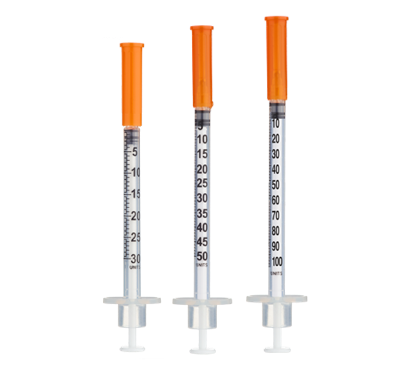
- Per week: 1 syringe (once-weekly dosing)
- 12 weeks: 12 syringes
- 24 weeks: 24 syringes
- 48 weeks: 48 syringes
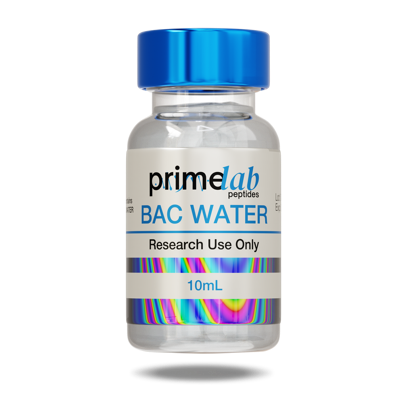
Use 2.0 mL (gradual) or 1.0 mL (advanced) per vial for reconstitution.
- 8 weeks (1 vial): 1–2 mL → 1 × 10 mL bottle
- 12 weeks (2 vials): 2–4 mL → 1 × 10 mL bottle
- 16 weeks (3 vials): 3–6 mL → 1 × 10 mL bottle
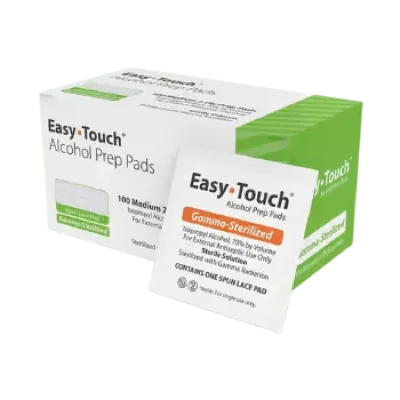
One for the vial stopper + one for the injection site each week.
- Per week: 2 swabs
- 12 weeks: 24 swabs → 1 × 100-count box
- 24 weeks: 48 swabs → 1 × 100-count box
- 48 weeks: 96 swabs → 1 × 100-count box
Protocol Overview
The once-weekly regimen at a glance, drawn from published dose-finding research.
- ▪Goal: Support appetite regulation and weight management by mimicking amylin’s satiety signalling[1][3].
- ▪Schedule: One subcutaneous injection a week across an 8–16 week course, with the dose raised in phases.
- ▪Dose Range: From 0.25 mg up to about 4.5 mg weekly in advanced protocols, increased gradually[1].
- ▪Reconstitution: 2.0 mL water per 5 mg vial gives 2.5 mg/mL for fine low-dose steps; 1.0 mL gives 5 mg/mL for compact higher doses.
- ▪Storage: Keep the dry vial frozen at −20 °C (−4 °F); once mixed, refrigerate at 2–8 °C (35.6–46.4 °F) and use within 2–4 weeks.
Dosing Protocol
A suggested once-weekly approach, with either a gradual or a more aggressive escalation.
- ▪Start: Begin at 0.25 mg (gradual) or 0.6 mg (advanced) weekly to settle tolerability[1][4].
- ▪Escalation: Step the dose up every few weeks — e.g. 0.25 → 0.5 → 1.0 → 1.7 → 2.4 mg on the gradual track[1].
- ▪Maximum: Up to roughly 4.5 mg weekly in advanced protocols, the dose tied to the greatest weight loss in early trials[4].
- ▪Frequency: Once a week, subcutaneous — holding the same day and time each week aids consistency.
- ▪Cycle Length: Typically 8–16 weeks; extend as needed for ongoing management.
- ▪Timing: Any steady weekly schedule works; change the injection site with each dose.
Storage Instructions
Correct storage is what preserves the peptide’s stability and potency.
- ▪Lyophilized: Hold at −20 °C (−4 °F) or colder for long-term keeping; shield from moisture and light[11][12].
- ▪Reconstituted: Chill at 2–8 °C (35.6–46.4 °F) as soon as it’s mixed and use within 2–4 weeks to keep stability and potency[11].
- ▪Handling: Let frozen vials warm to room temperature before opening so condensation won’t form; keep the mixed solution clear of heat and direct sun.
- ▪Aliquoting: To store beyond 4 weeks, divide the unused portion into aliquots and freeze; steer clear of repeated freeze–thaw cycles, which cause degradation[12].
Important Notes
Practical points that keep weekly administration safe and consistent.
- ▪Weekly consistency: Lock in one day and time for the weekly injection and keep to it for the whole protocol.
- ▪Gradual titration is essential: Starting low (around 0.25 mg weekly) and stepping up slowly markedly lowers the odds of early gastrointestinal effects[4].
- ▪Syringe use: Use a fresh sterile U-100 insulin syringe each time and drop it straight into a puncture-proof sharps container afterward[14].
- ▪Injection site rotation: Move sites week to week (abdomen, thighs, upper arms), keeping each shot at least 1 inch from the last to limit irritation and prevent lipohypertrophy[15].
- ▪Large volumes: When a dose needs more than 1.0 mL (>100 units), divide it across sites or draw from more than one reconstituted vial.
- ▪Side-effect monitoring: Mild nausea or stomach upset is normal while escalating; if it becomes notable, hold the current dose longer before stepping up.
How This Works
Cagrilintide is a long-acting amylin analog. Amylin is a peptide hormone the pancreas co-secretes with insulin; it signals fullness, slows the rate at which the stomach empties, and helps reduce how much food is eaten[7][8]. By imitating that hormone, Cagrilintide engages amylin (and related calcitonin) receptors to curb appetite and support weight management[2][9].
Activating these amylin pathways promotes satiety and delays gastric emptying, which together lower calorie intake; the effect may also complement insulin in steadying blood glucose[7]. Slower gastric emptying is part of why fullness lasts longer between meals.
Its long action profile supports a single weekly subcutaneous dose, holding steady exposure between injections and making once-weekly administration practical[3].
In a phase 2 dose-finding trial, once-weekly Cagrilintide produced clinically meaningful weight loss — about 10.8% at the 4.5 mg dose over 26 weeks — with gastrointestinal effects the most common adverse events[1].
Cagrilintide is also studied in combination with semaglutide (the investigational pairing known as “CagriSema”), where trials have reported substantial weight reductions beyond either agent alone[5][6]. It is an investigational compound presented here for research and educational purposes only and is not approved for general human use.
Lifestyle Factors
Habits that work alongside the protocol to protect results and ease the transition.
- ▪Nutrition: Eat a balanced, protein-forward diet (1.0–1.2 g/kg body weight) to hold on to lean mass while losing weight[10].
- ▪Hydration: Keep fluids up, particularly while titrating, when GI effects peak.
- ▪Physical activity: Pair resistance training (2–3×/week) with moderate cardio to aid metabolic adaptation and protect muscle.
- ▪Sleep & stress: Aim for 7–9 hours of solid sleep and manage stress to support hormonal balance and stay on track.
- ▪Meal timing: Smaller, more frequent meals help some people handle GI effects during early titration.
Potential Benefits & Side Effects
What dose-finding and combination trials have reported; individual results vary.
Potential Benefits
- ▪Appetite regulation: Stronger, longer-lasting satiety that helps reduce calorie intake[7][8].
- ▪Weight loss: About 10.8% body-weight reduction at 4.5 mg over 26 weeks in phase 2[1].
- ▪Metabolic support: May complement insulin activity and help stabilize blood glucose[7][9].
- ▪Convenient dosing: A single weekly subcutaneous dose is easier to keep up than daily regimens[3].
Common Side Effects
- ▪Gastrointestinal effects: Nausea, stomach upset, and related GI symptoms are the most common; usually mild-to-moderate and easing over time[1].
- ▪Slow titration helps: Starting low and stepping up gradually reduces early GI events[1].
- ▪Injection site reactions: Mild redness, swelling, or soreness can show up; rotating sites keeps it minimal.
- ▪Other: Occasional dizziness or headache have been reported; consult a professional if concerns arise.
Injection Technique
Subcutaneous injection technique, following established clinical practice and CDC guidance[13][14].
Pre-Injection Preparation
- ▪Wash your hands well with soap and water[14].
- ▪Wipe the vial stopper with an alcohol swab and let it air-dry.
- ▪Pick a site (abdomen, thigh, or upper arm) and wipe it with a fresh alcohol swab, letting it dry fully[13].
- ▪Carefully draw the intended dose, then check for air bubbles and push any out.
Injection Procedure
- ▪Pinch about a 1-inch fold of skin between thumb and forefinger[15].
- ▪Insert the needle into the pinch at a 90-degree angle (45 degrees if the fat layer is thin)[13][14].
- ▪Skip aspiration for subcutaneous shots — it isn’t needed and can add discomfort[13].
- ▪Press the plunger slowly and steadily until it’s fully down.
- ▪Pull the needle straight out and, if needed, press lightly with clean gauze.
Post-Injection Care
- ▪Drop the used syringe straight into a puncture-proof sharps container — never recap a needle[14].
- ▪Put the reconstituted vial back in the fridge right away.
- ▪Shift the site each week (at least 1 inch over) to prevent lipohypertrophy[15].
- ▪Watch the site for excess redness, swelling, or signs of infection.
Recommended Source
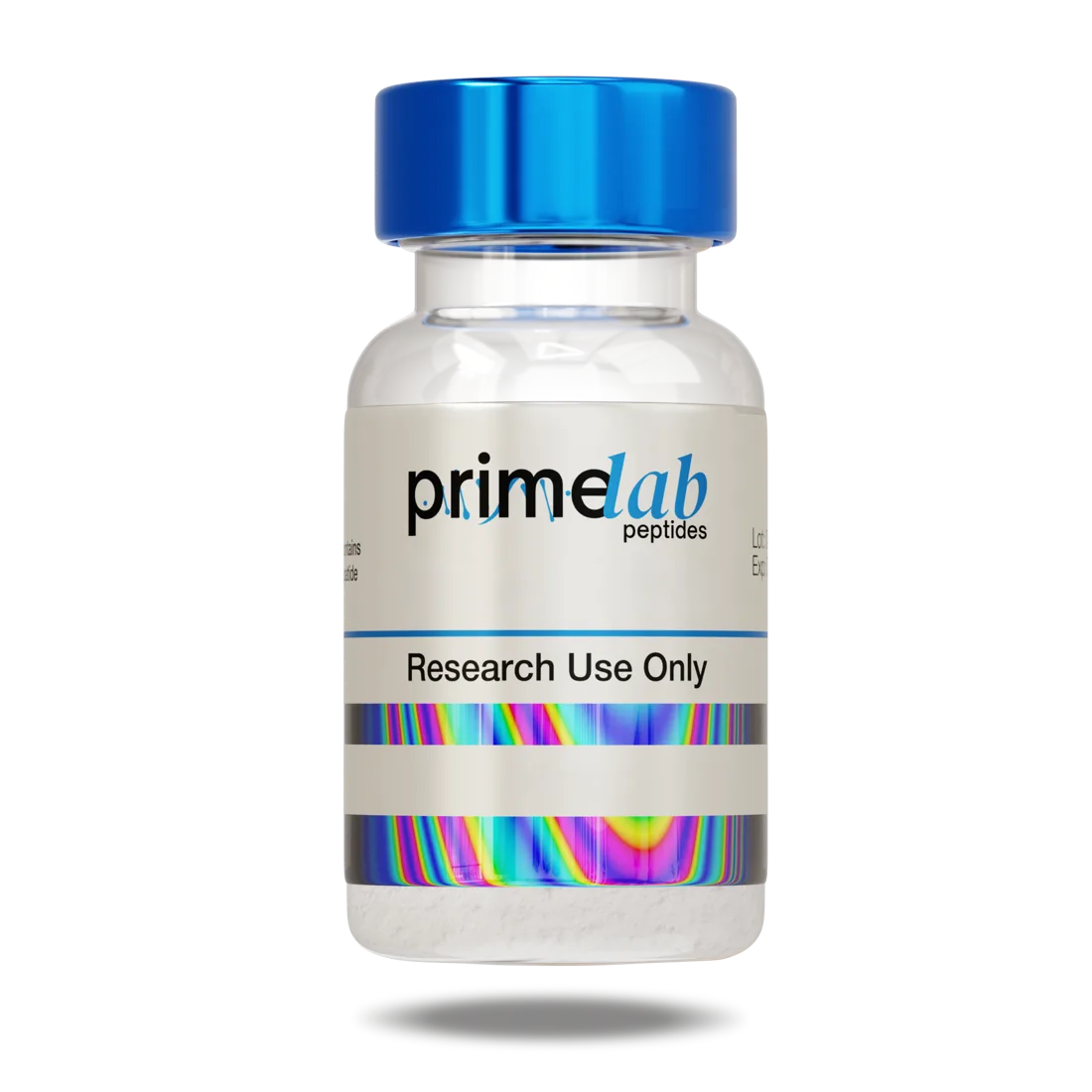
For high-purity research peptides, we point researchers to Prime Lab Peptides.
Why Prime Lab Peptides?
- ▪Top-rated on Trustpilot: Independently reviewed as the highest-rated peptide lab on Trustpilot — making it the best current source in the USA.
- ▪Third-party tested: Every batch ships with a Certificate of Analysis (COA) confirming purity and composition.
- ▪Consistent quality: ISO-aligned manufacturing and handling keep product integrity reliable batch to batch.
- ▪Cold-chain integrity: Temperature-controlled shipping and storage across the whole fulfilment chain.
- ▪Research-grade purity: Fit for educational and research use that demands high-quality peptides.
Note: Product availability and specifications subject to change. Verify current product details on supplier website.
References
-
1
The Lancet (2021)Once-weekly cagrilintide for weight management: phase 2 dose-finding trial (Lau et al.) — ~10.8% weight loss at 4.5 mg over 26 weeks
-
2
New England Journal of Medicine (2025)REDEFINE 1: co-administered cagrilintide and semaglutide in adults with overweight or obesity
-
3
Clinical Pharmacokinetics (PMC, 2024)Clinical pharmacokinetics of cagrilintide and long-acting amylin analogues (dosing and half-life)
-
4
Journal of Medicinal Chemistry (2021)Discovery and development of cagrilintide, a long-acting amylin analogue
-
5
The Lancet (2021)Cagrilintide plus semaglutide phase 1b trial: safety, tolerability and pharmacokinetics (Enebo et al.)
-
6
New England Journal of Medicine (2025)REDEFINE 2: cagrilintide–semaglutide in adults with overweight or obesity and type 2 diabetes
-
7
Brain Research Reviews (2005)Pancreatic amylin as a centrally acting satiating hormone (mechanism of appetite control)
- 8
-
9
Int J Mol Sci (2024)Amylin, an important neuroendocrine hormone in metabolic and weight regulation
-
10
Journal of Cachexia, Sarcopenia and Muscle (PMC)Protein requirements during weight loss: preserving lean mass
-
11
GenScriptPeptide storage and handling guidelines (lyophilized and reconstituted peptides)
-
12
BachemHandling and storage guidelines for peptides (stability and freeze–thaw cycles)
-
13
Centers for Disease Control and Prevention (CDC)Vaccine administration: subcutaneous injection technique, angle and site guidance
-
14
NCBI BookshelfInjection administration best practices (aseptic technique and sharps disposal)
-
15
Pharmacologic Considerations of the Subcutaneous Route (PMC)Subcutaneous injection technique and site rotation to prevent lipohypertrophy
-
16
Prime Lab PeptidesResearch peptide supplier (quality documentation and certificates of analysis)
Cagrilintide — frequently asked questions
What is the Cagrilintide 5mg dosage chart?
With 2 mL of bacteriostatic water a 5 mg vial gives 2.5 mg per mL. The gradual weekly schedule documented on this page then runs 0.25 mg (10 units) in weeks 1 to 2, 0.5 mg (20 units) in weeks 3 to 4, 1.0 mg (40 units) in weeks 5 to 8, 1.7 mg (68 units) in weeks 9 to 12 and 2.4 mg (96 units) in weeks 13 to 16. These figures are reconstitution math describing reported research handling, not dosing advice - cagrilintide is investigational and not approved for human use.
How many units is one Cagrilintide dose on a U-100 syringe?
It depends on how much bacteriostatic water was added. At 2 mL per 5 mg vial the concentration is 2.5 mg per mL, so one U-100 unit (0.01 mL) holds 0.025 mg: 0.25 mg is 10 units and 2.4 mg is 96 units. At 1 mL per vial the concentration is 5 mg per mL, so one unit holds 0.05 mg: 0.6 mg is 12 units and 2.4 mg is 48 units. The same milligram dose is therefore a different number of units on each mix, which is why the water volume must be recorded.
How do I reconstitute a 5 mg vial of Cagrilintide?
Wipe the stopper with an alcohol swab, then inject your bacteriostatic water slowly down the inside wall of the vial. Let it sit and gently swirl until dissolved — never shake. Store the mixed vial in the refrigerator and draw doses with an insulin syringe. Use the calculator above to turn any dose into syringe units.
How much bacteriostatic water should I add to Cagrilintide?
There is no single correct amount — more water simply spreads the same 5 mg of peptide across a larger volume, which makes small doses easier to measure accurately. 1 to 3 mL per vial is typical. Enter your chosen volume in the calculator above to see the resulting concentration and syringe units.
What do the "units" on an insulin syringe mean?
On a U-100 insulin syringe, 100 units equal 1 mL, so 1 unit equals 0.01 mL. The calculator above converts your draw volume into these units automatically so you can measure without doing the math by hand.
How should I store Cagrilintide after mixing?
Keep the reconstituted vial refrigerated at roughly 2 to 8 degrees Celsius, away from light, and avoid freezing it. Reconstituted research peptides are generally used within a few weeks. Always follow the specific guidance supplied with your product.
How many doses does a 5 mg vial of Cagrilintide provide?
Divide the vial strength of 5 mg by the amount you use per injection. The calculator above reports this as "doses per vial" the moment you enter a dose.
Is Cagrilintide approved for human use?
No. Cagrilintide is sold strictly for laboratory and research purposes and is not approved by the FDA or other regulators for human use. Everything on this page is research information, not medical advice — consult a licensed healthcare professional before any use.
New protocols & dosing updates
Reconstitution charts, new peptide protocols and safety updates — straight to your inbox. No spam, unsubscribe anytime.