
ACE-031 (1 mg) Dosage Protocol
A soluble activin receptor type IIB (ActRIIB) Fc-fusion protein that traps myostatin and related muscle-limiting factors. Its clinical development was halted for safety. Research-use-only — this page is an educational reference and a caution, not a dosing recommendation.
A soluble ActRIIB-Fc decoy that traps myostatin (GDF-8) and related activin-family ligands, blocking the normal negative regulation of muscle mass. Because it captures multiple ligands — not myostatin alone — its effects are broader than selective myostatin inhibition, which is thought to underlie its off-target actions.
A discontinued investigational biologic, not a drug. It is not approved for human use and has no established dose. Its Duchenne muscular dystrophy trial was stopped early because participants developed nosebleeds and telangiectasias. Grey-market "ACE-031" vials are unverified and disconnected from any approved product.
A single subcutaneous dose increased lean and thigh-muscle mass in healthy postmenopausal women in a phase 1 study. In boys with Duchenne muscular dystrophy, only non-significant trends were seen before the study was halted for safety. Muscle biology is promising; this particular molecule was abandoned.
Pre-filled with this protocol’s recommended BAC water and documented starting dose — edit any field to run your own numbers. Reconstitution math only — not dosing advice. U-100 syringe: 100 units = 1 mL. Full reconstitution guide → · Advanced calculator →Mix & measure ACE-031 · 1 mg
Dosing & Reconstitution Guide
ACE-031 has no established dose for humans, and this page does not supply one. What the literature contains are experimental amounts used in clinical trials that were subsequently halted — reported here as scientific fact, not as instructions. The reconstitution figures below are simply the arithmetic of turning a lyophilized vial into a known concentration for laboratory handling.
Standard / Gradual Approach
In the published human work, ACE-031 was administered subcutaneously at milligram-per-kilogram doses. The first-in-human study gave 48 healthy postmenopausal women a single dose ranging from 0.02 to 3 mg/kg, with a long elimination half-life of about 10–15 days; the 3 mg/kg group showed a statistically significant +3.3% total lean mass and +5.1% thigh-muscle volume at day 29[1]. In the Duchenne trial the biologic was dosed every 2–4 weeks[4]. A 3 mg/kg dose for a 70 kg adult is roughly 210 mg — orders of magnitude beyond what a 1 mg research vial contains, which is one more reason the vial market bears no relationship to the studied regimen.
Those studied amounts do not translate into a self-administration protocol, and no such protocol has ever been validated. More to the point, the reason the program stopped was not dose-finding—it was safety. In ambulatory boys with Duchenne muscular dystrophy, ACE-031 was associated with epistaxis (nosebleeds) and telangiectasias (dilated small blood vessels), and the study was discontinued after the second dosing regimen because of these non-muscle adverse effects[4]. Only non-significant trends toward preserved walking distance, higher lean mass and bone density were seen.
It is worth stating plainly: ACE-031 is a biologic that its own developer stopped for safety. The reconstitution figures that follow are a laboratory concentration reference for handling a vial, not an endorsement of use. There is no safe research dose established for a person, because the compound was never shown to be safe in the population that most needed it.
| Reference amount | Volume at 1 mg/mL | U-100 units |
|---|---|---|
| 100 mcg | 0.10 mL | 10 units |
| 200 mcg | 0.20 mL | 20 units |
| 500 mcg | 0.50 mL | 50 units |
| 1 mg | 1.00 mL | 100 units |
Why ACE-031 draws research interest
These are the directions researchers and the peptide community most often explore ACE-031 for — so you know you’re in the right place. They describe what is being studied, not proven benefits, approved uses, or promised results.
Muscle mass & myostatin
The main draw: a decoy receptor that traps myostatin and related ligands, the pathway behind “double-muscled” animals.
Duchenne muscular dystrophy
Its key trial: in boys with DMD it was stopped early for safety, showing only non-significant trends before that.
Lean mass in humans
A first-in-human study in 48 postmenopausal women reported about 3% more lean mass after a single dose. One dose, one study.
Safety halt & bleeding
The honest headline: nosebleeds and dilated skin vessels ended its development. Trapping activins does more than build muscle.
Evidence ranges from early laboratory work to clinical trials depending on the use — the sections below cover the actual data and sources.
Quickstart Highlights
ACE-031 (research name ramatercept) is not a small peptide at all — it is a large fusion protein built from the extracellular, ligand-binding domain of the activin receptor type IIB (ActRIIB) fused to an antibody IgG1-Fc region[3]. It works as a soluble decoy receptor: released into the circulation, it mops up myostatin (GDF-8) and several related TGF-β-family proteins before they can reach the real receptors on muscle, releasing the brake those factors normally keep on muscle growth[2].
This page is an educational reference on what ACE-031 is, what its trials actually showed, and how a lyophilized research vial is reconstituted. It is not medical advice and not a protocol to administer the compound. The most important fact belongs at the top: ACE-031’s clinical program in Duchenne muscular dystrophy was stopped early for safety — participants developed nosebleeds (epistaxis) and dilated small blood vessels (telangiectasias), off-target effects that led the sponsor to discontinue the study[4]. ACE-031 is not FDA-approved, was never brought to market, and is documented here with that safety history front and center.
A soluble ActRIIB–IgG1-Fc fusion protein (ramatercept) that binds myostatin and related ligands, acting as a decoy receptor to promote muscle growth[2][3]. A large biologic, not a short peptide.
1 mL bacteriostatic water per 1 mg vial → 1 mg/mL. This is a lab-handling reference only; the site provides no dose for administration.
Not FDA-approved. Its Duchenne muscular dystrophy trial was stopped early for safety (epistaxis, telangiectasias) and the program was discontinued[4].
Reconstitution Steps
A research vial is lyophilized powder that must be reconstituted with bacteriostatic water before it can be measured accurately. Using 1 mL for a 1 mg vial gives 1 mg/mL. This is a laboratory-handling step; it is not preparation for administering the compound.
- ▪Sanitize: swab the vial stopper and the bacteriostatic-water stopper with fresh alcohol pads and let them air-dry.
- ▪Add 1 mL slowly: draw 1 mL of bacteriostatic water and let it run down the inside wall of the vial rather than onto the powder. This yields 1 mg/mL. Fusion proteins are delicate — add the diluent gently.
- ▪Dissolve gently: let it stand, then swirl or roll the vial between your palms. Do not shake (shaking can denature a large protein). Discard it if the solution stays cloudy or holds particles.
- ▪Refrigerate: store the reconstituted vial at 2–8 °C, protected from light, and never freeze a reconstituted protein.
Supplies Needed
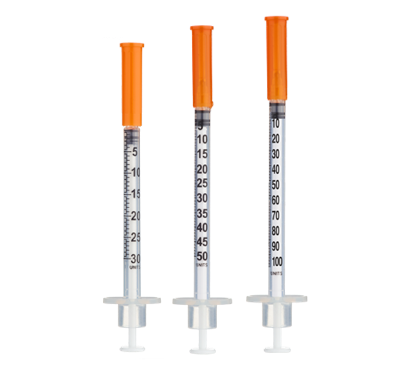
The generic reconstitution kit below is what a laboratory would use to bring a lyophilized vial into solution for measurement and storage. Listing it does not imply the compound should be injected — ACE-031 is a discontinued research biologic, not a medical product.
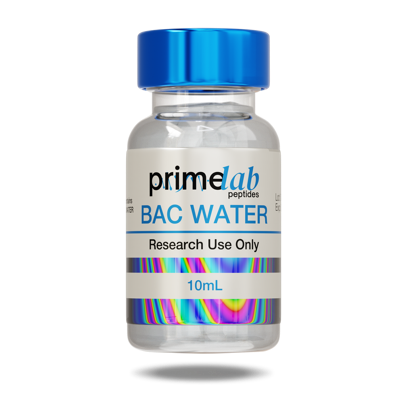
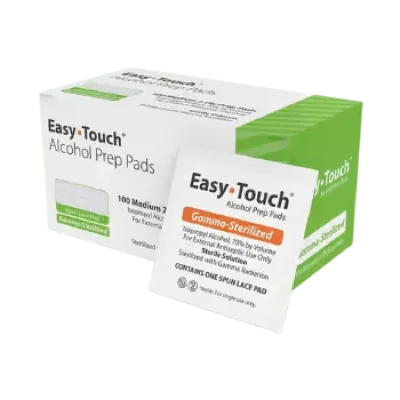
Protocol Overview
The practical picture for ACE-031 is narrow and cautionary: it is a discontinued study biologic. In the laboratory it is reconstituted to a known concentration; in the clinic it reached early trials and was then stopped. There is no approved schedule, no endorsed administration, and no validated dose — only the trial literature, the safety signal that ended it, and the arithmetic of reconstitution.
What makes it scientifically notable is the myostatin/ActRIIB biology it was built on[5][2] and the clean demonstration that trapping these ligands increases muscle mass, even after a single dose in humans[1]. The honest limitation is decisive: the broad ligand blockade that drove those gains is also the most likely source of the bleeding-type side effects that halted the program[4]. Promising pathway, abandoned molecule.
Dosing Protocol
The table is a concentration–volume reference only for a 1 mg vial reconstituted in 1 mL (→ 1 mg/mL). It converts a given amount into a syringe volume for laboratory measurement. It is not a dose recommendation — the site does not recommend administering ACE-031, a compound whose trials were halted for safety.
Storage Instructions
Lyophilized vials are stable refrigerated and should be protected from light; follow the supplier’s handling guidance for the unreconstituted powder. Do not freeze a vial once it has been reconstituted — freeze-thaw cycles damage large fusion proteins.
After reconstitution with bacteriostatic water, store at 2–8 °C and use within the multi-week window the preservative supports. Discard any vial whose contents turn cloudy or particulate; aggregation is a common failure mode for Fc-fusion proteins and a reconstituted biologic of uncertain integrity has no assurance of retaining its structure.
Important Notes
The points below are the ones that matter most for anyone encountering ACE-031, and they are cautionary rather than instructional.
- ▪Its trials were halted for safety: the Duchenne muscular dystrophy study was stopped early after participants developed epistaxis and telangiectasias, and the program was discontinued[4]. This is the defining fact about the compound.
- ▪It is not a medicine: ACE-031 has no FDA approval and no established dose. The human data are limited to early-phase trials, one of which was terminated for adverse effects[1][4].
- ▪It is a large biologic, not a peptide: ACE-031 is an ActRIIB-Fc fusion protein[3]. Its size and structure make identity, purity and correct folding far harder to verify in a grey-market vial than for a short peptide, and it is fragile to heat, shaking and freeze-thaw.
- ▪A 1 mg vial is a fraction of a studied dose: trial doses were milligram-per-kilogram (tens of milligrams for an adult)[1]. The vial market is disconnected from the regimen that generated the published data — another reason those results cannot be transferred to it.
- ▪Broad ligand blockade carries systemic risk: by trapping activin-family ligands beyond myostatin, ACE-031 can affect tissues outside muscle, including blood vessels — the presumed basis of its bleeding-type side effects[4].
- ▪Research vials are unverified: grey-market ACE-031 has no guaranteed identity, potency, purity or structural integrity, and no medical oversight. An unverified injectable biologic that its developer abandoned for safety is a serious hazard.
How This Works
To understand ACE-031 you first have to understand myostatin (GDF-8). Identified in 1997, myostatin is a TGF-β-family protein made by skeletal muscle that acts as a negative regulator of muscle mass: mice with the gene knocked out are markedly larger, with individual muscles weighing two to three times normal from a combination of more and bigger fibers[5]. Myostatin, in other words, is a built-in brake on muscle growth — and releasing that brake is the therapeutic idea behind an entire class of experimental compounds.
ACE-031 releases the brake with a decoy-receptor strategy. Myostatin and related ligands normally signal through the activin receptor type IIB (ActRIIB) on the muscle-cell surface. ACE-031 is the ActRIIB ligand-binding domain fused to an IgG1-Fc tail, producing a soluble protein that circulates and binds those ligands before they reach the real receptor[3]. Critically, ActRIIB binds not only myostatin but several related activin-family proteins, so ACE-031 is a broad trap rather than a myostatin-selective one. In mice, a single course increased body weight by ~16% and individual muscle weights by 26–46%, with fiber growth across both fiber types — explicitly a larger, broader effect than selective myostatin inhibition[2].
In humans, that biology translated—briefly. A single subcutaneous dose in healthy postmenopausal women produced a statistically significant increase in lean and thigh-muscle mass at the highest dose, with a two-week half-life[1]. But the same breadth that made ACE-031 potent also reached tissues where activin-family signaling matters, notably the vasculature. In the Duchenne muscular dystrophy trial, the emergence of nosebleeds and telangiectasias — effects outside muscle — led to the study being halted after the second dosing regimen[4]. The mechanism that delivered the muscle gain is inseparable from the mechanism that ended the program.
Lifestyle Factors
There is no legitimate “stacking” or training context to build around ACE-031, because it is a discontinued investigational biologic, not a supplement or an approved therapy. Framing it as a bodybuilding tool ignores the reason it is not on the market: its own trials were stopped for bleeding-related side effects[4].
The responsible context is the opposite of a protocol: understand the myostatin biology, respect the safety history, and recognize that the muscle-limiting pathway can be studied without reaching for a molecule its developer abandoned. For muscle-wasting or dystrophic conditions, supervised, evidence-based medical care—not an unregulated Fc-fusion protein of unknown integrity—is the only appropriate route.
Potential Benefits & Side Effects
Evidence tier: early-phase human trials (one halted) and animal work. The “effects” below are documented findings, listed to describe the compound accurately — not benefits to be sought. ACE-031 has no approved use, no validated dose, and a safety history that ended its development.
Reported Effects
- ▪Increased muscle mass (mice): a single course increased body weight ~16% and muscle wet weights 26–46%, with fiber growth independent of fiber type[2].
- ▪Measurable muscle gain after one human dose: in healthy postmenopausal women, 3 mg/kg produced +3.3% total lean mass and +5.1% thigh-muscle volume at day 29, with signals of improved bone and fat metabolism[1].
- ▪Trends only in Duchenne, then stopped: in DMD boys, non-significant trends toward preserved 6-minute-walk distance, higher lean mass and bone density, and lower fat mass were seen before the study was halted[4].
- ▪The decisive finding — a safety signal: epistaxis and telangiectasias led the sponsor to discontinue the program[4]. This is the outcome that actually determined the compound’s fate.
- ▪What is not established: any safe, effective, approved use in humans; any long-term safety; or any basis for a self-administration dose.
Common Side Effects
- ▪Bleeding-type effects (the program-ending signal): epistaxis (nosebleeds) and telangiectasias (dilated small vessels) were observed in the DMD trial and caused it to be stopped[4].
- ▪Off-target activin-family effects: because it traps ligands beyond myostatin, ACE-031 can affect non-muscle tissues, including vasculature — the presumed basis of the bleeding effects.
- ▪Unknown long-term safety: no compound in this program completed the trials needed to characterize long-term risk; development was terminated early.
- ▪Biologic-specific hazards: as a large Fc-fusion protein it can aggregate or misfold if mishandled, and could in principle provoke immune responses — risks compounded by unverified grey-market material.
- ▪Unverified identity and purity: research-vial “ACE-031” carries the usual research-chemical hazards of mislabeling and contamination, magnified because a folded fusion protein is hard to authenticate.
Injection Technique
The section below documents the generic subcutaneous reconstitution-and-handling workflow used across this site for completeness. It is not a recommendation to inject ACE-031 — the compound is a discontinued research biologic whose trials were halted for safety, with no approved use and no validated dose. It should be handled only in appropriate laboratory settings.
Pre-Injection Preparation
- ▪Understand there is no endorsed use: this compound is not intended for administration to people; the steps here describe generic protein handling, not a treatment, and its program was stopped for safety.
- ▪Confirm the concentration: the reference volumes assume 1 mg/mL (1 mg in 1 mL). A different diluent volume changes every figure.
- ▪Inspect: the reconstituted solution should be clear and particle-free; discard it if cloudy, hazy or discolored (aggregation is common in fusion proteins).
Injection Procedure
- ▪Laboratory handling only: any manipulation of a discontinued research biologic belongs in a controlled setting, not a home or self-administration context.
- ▪Measure by concentration: a research amount is the intended microgram figure converted at 1 mg/mL — for example 0.20 mL (20 units) for 200 mcg — used for accurate laboratory measurement, not administration.
- ▪Do not self-administer: a biologic whose own trials were halted for bleeding side effects has no sound basis for self-injection at any amount.
Post-Injection Care
- ▪Store securely: refrigerate the reconstituted solution at 2–8 °C, protect it from light, and never freeze it.
- ▪Dispose responsibly: discard unused or degraded solution safely.
- ▪Seek medical care for muscle-wasting conditions: dystrophic and muscle-wasting disorders require specialist medical management, not an abandoned investigational biologic of unverified quality.
Recommended Source
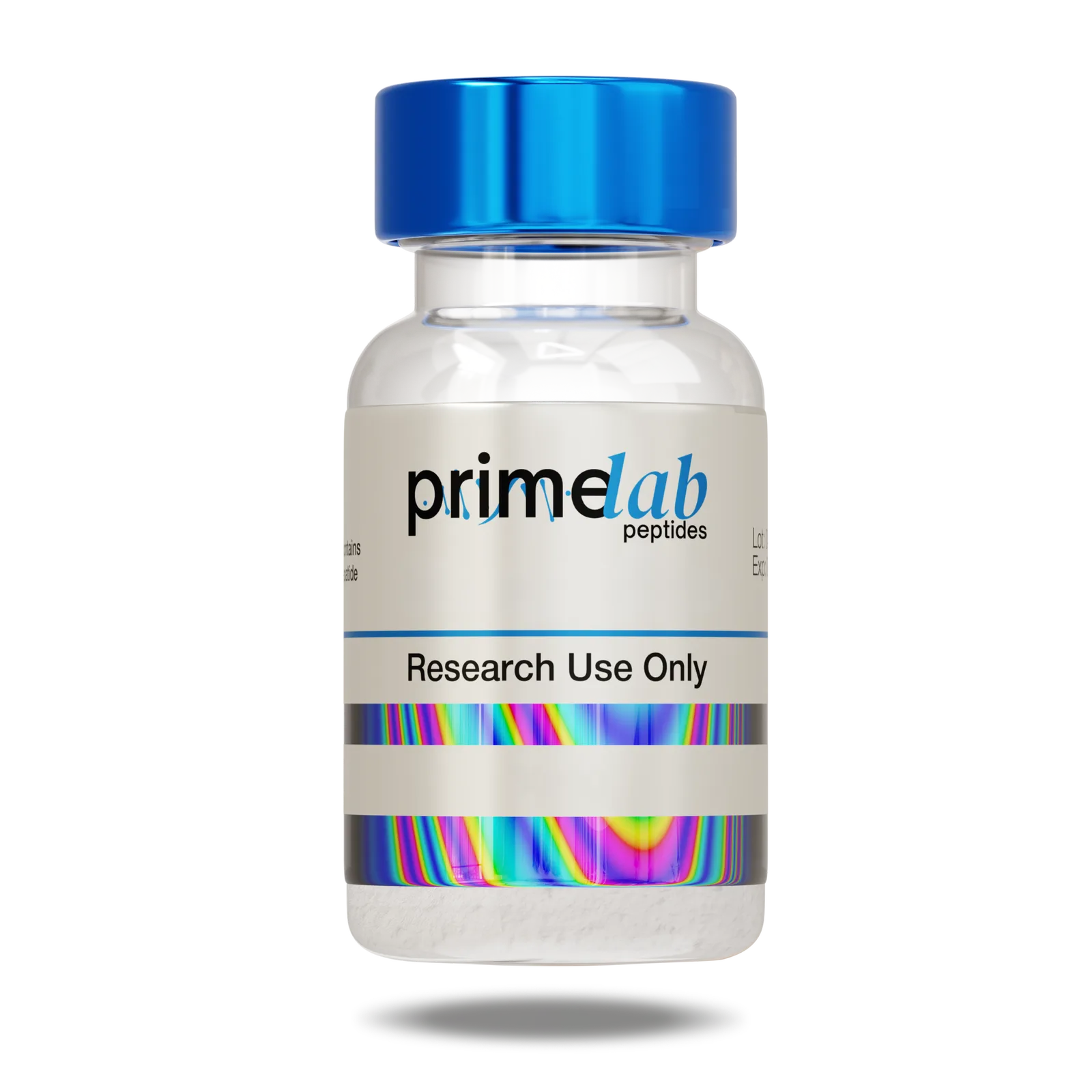
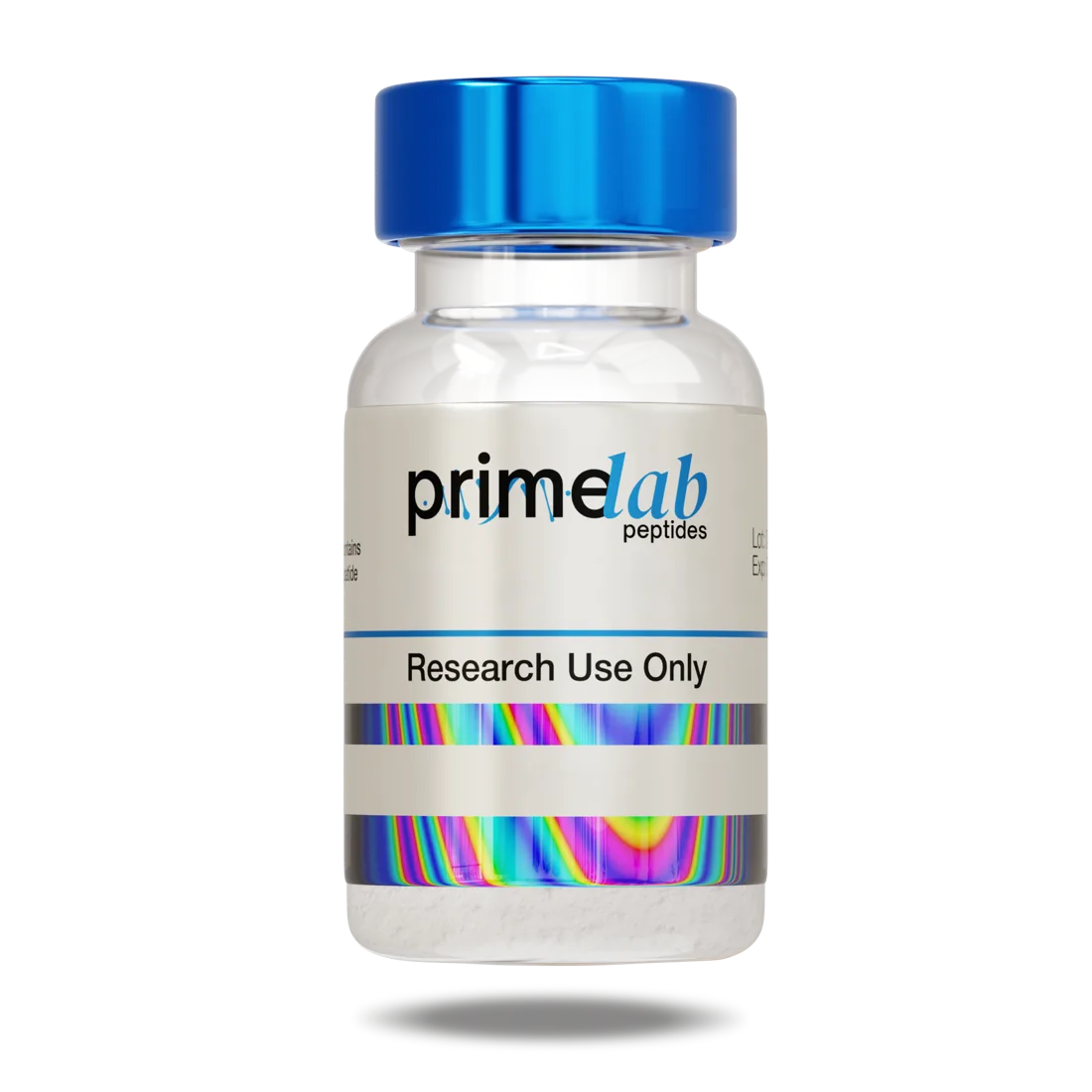
For high-purity research peptides, we point researchers to Prime Lab Peptides for ACE-031 (1 mg Vial).
Why Prime Lab Peptides?
- ▪Top-rated on Trustpilot: Independently reviewed as the highest-rated peptide lab on Trustpilot — making it the best current source in the USA.
- ▪Third-party tested: Every batch ships with a Certificate of Analysis (COA) confirming purity and composition.
- ▪Consistent quality: ISO-aligned manufacturing and handling keep product integrity reliable batch to batch.
- ▪Cold-chain integrity: Temperature-controlled shipping and storage across the whole fulfilment chain.
- ▪Research-grade purity: Fit for educational and research use that demands high-quality peptides.
Note: Product availability and specifications subject to change. Verify current product details on supplier website.
References
- 1
Nature (1997) — Regulation of skeletal muscle mass in mice by a new TGF-beta superfamily memberMcPherron, Lawler & Lee (PMID 9139826). Identified GDF-8 (myostatin) and showed that knockout mice have a large, widespread increase in skeletal muscle mass from hyperplasia and hypertrophy — establishing myostatin as a negative regulator of muscle and the rationale for myostatin-pathway drugs. DOI: 10.1038/387083a0.
- 2
Journal of Applied Physiology (2010) — Administration of a soluble activin type IIB receptor promotes skeletal muscle growth independent of fiber typeCadena, Tomkinson, Monnell, Spaits, Kumar, Underwood, Pearsall & Lachey (PMID 20466801). ACE-031 (soluble ActRIIB) increased mouse body weight ~16% and muscle wet weights 26–46% over 28 days, with fiber growth in both fiber types — a broader effect than selective myostatin inhibition. DOI: 10.1152/japplphysiol.00866.2009.
- 3
Muscle & Nerve (2013) — A single ascending-dose study of muscle regulator ACE-031 in healthy volunteersAttie, Borgstein, Yang, Condon, Wilson, Pearsall, Kumar, Willins, Seehra & Sherman (PMID 23169607). In 48 healthy postmenopausal women, a single SC dose (0.02–3 mg/kg) was generally well tolerated (injection-site erythema), had a 10–15-day half-life, and at 3 mg/kg significantly increased total lean mass (+3.3%) and thigh-muscle volume (+5.1%). DOI: 10.1002/mus.23539.
- 4
Muscle & Nerve (2017) — Myostatin inhibitor ACE-031 treatment of ambulatory boys with Duchenne muscular dystrophy: results of a randomized, placebo-controlled clinical trialCampbell, McMillan, Mah, Tarnopolsky, Selby, McClure, Wilson, Sherman, Escolar & Attie (PMID 27462804). A double-blind RCT of subcutaneous ACE-031 in DMD boys was stopped after the second dosing regimen due to potential safety concerns of epistaxis and telangiectasias; only non-significant trends in 6-minute-walk distance, lean mass and bone density were observed. DOI: 10.1002/mus.25268.
ACE-031 — frequently asked questions
How do I reconstitute a 1 mg vial of ACE-031?
Wipe the stopper with an alcohol swab, then inject your bacteriostatic water slowly down the inside wall of the vial. Let it sit and gently swirl until dissolved — never shake. Store the mixed vial in the refrigerator and draw doses with an insulin syringe. Use the calculator above to turn any dose into syringe units.
How much bacteriostatic water should I add to ACE-031?
There is no single correct amount — more water simply spreads the same 1 mg of peptide across a larger volume, which makes small doses easier to measure accurately. 1 to 3 mL per vial is typical. Enter your chosen volume in the calculator above to see the resulting concentration and syringe units.
What do the "units" on an insulin syringe mean?
On a U-100 insulin syringe, 100 units equal 1 mL, so 1 unit equals 0.01 mL. The calculator above converts your draw volume into these units automatically so you can measure without doing the math by hand.
How should I store ACE-031 after mixing?
Keep the reconstituted vial refrigerated at roughly 2 to 8 degrees Celsius, away from light, and avoid freezing it. Reconstituted research peptides are generally used within a few weeks. Always follow the specific guidance supplied with your product.
How many doses does a 1 mg vial of ACE-031 provide?
Divide the vial strength of 1 mg by the amount you use per injection. The calculator above reports this as "doses per vial" the moment you enter a dose.
Is ACE-031 approved for human use?
No. ACE-031 is sold strictly for laboratory and research purposes and is not approved by the FDA or other regulators for human use. Everything on this page is research information, not medical advice — consult a licensed healthcare professional before any use.
New protocols & dosing updates
Reconstitution charts, new peptide protocols and safety updates — straight to your inbox. No spam, unsubscribe anytime.