
IGF-1 DES (1 mg) Dosage Protocol
A truncated, highly potent IGF-1 analog (des(1-3)IGF-1) studied for localized muscle hypertrophy — preclinical only, not an FDA-approved drug.
Truncated IGF-1 missing the N-terminal tripeptide; binds IGF-binding proteins poorly, so it is ~10x more potent than IGF-1 in vitro with a very short half-life.
Micrograms, not milligrams: research conventions cite 20-50 mcg once daily SC, often near a trained muscle, in short 4-6 week cycles.
Preclinical only — cell and animal data, no human muscle-growth trials, not FDA-approved.
Quickstart Highlights
IGF-1 DES — formally des(1–3)IGF-I — is a naturally-occurring truncated form of insulin-like growth factor 1 that is missing the first three amino acids (Gly-Pro-Glu) from its N-terminus[1]. Losing the glutamate at position 3 sharply reduces its binding to IGF-binding proteins, which is why in cell culture it is reported to be roughly ten times more potent than intact IGF-1 at driving cell proliferation and hypertrophy[1]. In the bodybuilding and research-peptide community it is studied for localized muscle hypertrophy and is treated as the shorter-acting sibling to IGF-1 LR3.
The evidence base for IGF-1 DES is preclinical — isolated tissue, cell-culture and rodent studies — and there are no human trials of the grey-market peptide for muscle growth. It is not an FDA-approved drug (the only approved recombinant IGF-1, mecasermin, is indicated for severe primary IGF-1 deficiency in children, not athletic use). The figures below reflect research conventions and are provided strictly for research and educational reference — not medical advice.
Pre-filled with this protocol’s recommended BAC water and documented starting dose — edit any field to run your own numbers. Reconstitution math only — not dosing advice. U-100 syringe: 100 units = 1 mL. Full reconstitution guide → · Advanced calculator →Mix & measure IGF-1 DES · 1 mg
Supplies Needed
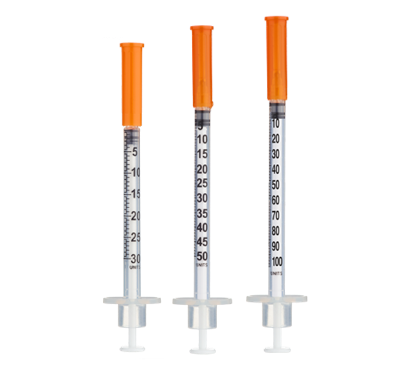
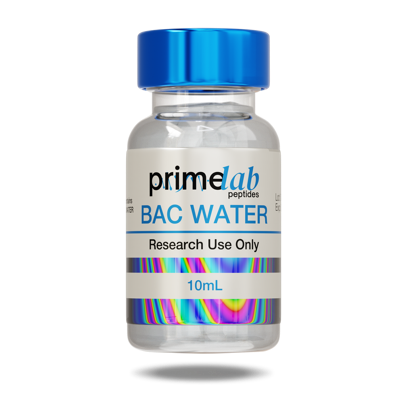
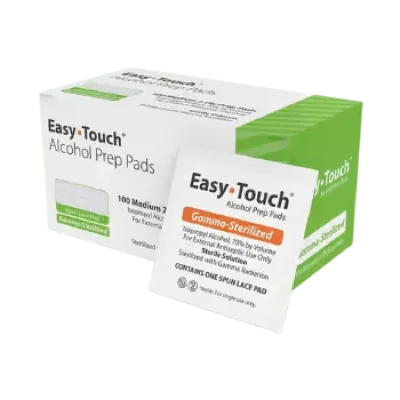
Everything a documented injectable protocol relies on. Nothing here is exotic — sterile technique and accurate microgram measurement matter far more than any single tool.
Protocol Overview
At 500 mcg/mL a single 1 mg vial holds 2 mL of usable solution — twenty 100 mcg-equivalents, or (at a typical 30 mcg daily dose) roughly a month of research use from one vial. Because doses are so small, an accurate U-100 insulin syringe is the single most important tool for measurement.
IGF-1 DES is generally run in short cycles rather than continuously; a common pattern is 4–6 weeks on followed by an equal break, so one or two vials cover a cycle depending on the daily dose chosen.
Dosing Protocol
A reference range converted to U-100 units at 500 mcg/mL. This is a common research convention, not a titration schedule and not clinical guidance.
| Phase | Daily Dose | Volume (U-100 units / mL) |
|---|---|---|
| Conservative | 20 mcg once daily | 4 units (0.04 mL) |
| Common research range | 40 mcg once daily | 8 units (0.08 mL) |
| Upper reference | 50 mcg once daily | 10 units (0.10 mL) |
| Cycle length | 4–6 weeks, then break | Not run continuously |
Why IGF-1 DES draws research interest
These are the directions researchers and the peptide community most often explore IGF-1 DES for — so you know you’re in the right place. They describe what is being studied, not proven benefits, approved uses, or promised results.
Localized hypertrophy
Studied for site-specific muscle growth from near-muscle injection, extrapolated from its high local potency — not confirmed in controlled human studies.
High local potency
Reported ~10-fold more potent than intact IGF-1 in cell culture because it escapes IGF-binding-protein sequestration.
Repair signaling
Activates the IGF-1 receptor's Akt-driven protein-synthesis and satellite-cell pathways associated with muscle growth and repair.
Evidence ranges from early laboratory work to clinical trials depending on the use — the sections below cover the actual data and sources.
Add 2.0 mL bacteriostatic water to one 1 mg vial → 500 mcg/mL (5 mcg per U-100 unit).
Reference research convention 20–50 mcg once daily; conservative work often stays near 20–40 mcg.
Subcutaneous, once daily, frequently post-workout and near the trained muscle given the very short half-life.
Preclinical / research-chemical — cell and animal data only, no human muscle-growth trials, not FDA-approved.
Dosing & Reconstitution Guide
IGF-1 DES is dosed in micrograms, not milligrams, and its defining feature is a very short half-life — on the order of 20–30 minutes because it binds IGF-binding proteins poorly and is cleared quickly[1]. That short window is the entire rationale for the site-specific, post-workout timing used in the research community.
Standard / Gradual Approach
Rather than a slow escalation, the reference approach is a modest fixed dose within a short cycle: many research protocols cite 20 to 50 mcg once daily, sometimes split near the muscle groups trained that session, run for 4 to 6 weeks before a break[2]. Reconstituted at 500 mcg/mL, a 20 mcg dose equals 4 units (0.04 mL) on a U-100 syringe and a 50 mcg dose equals 10 units (0.10 mL). Because the peptide clears within roughly half an hour, higher or more frequent dosing is not obviously more effective and simply raises the metabolic and hypoglycemia risk.
Reconstitution Steps
Reconstitution is standard for a lyophilized peptide. A 2 mL diluent volume keeps a 1 mg vial easy to measure at microgram doses and physically sensible.
- ▪Sanitize: Swab the vial stopper and the bacteriostatic-water vial with fresh alcohol pads and let them dry.
- ▪Add diluent slowly: Draw 2.0 mL bacteriostatic water and let it run down the inside wall of the vial — do not spray it directly onto the powder.
- ▪Dissolve gently: Swirl; do not shake. The solution should clear within a minute or two.
- ▪Store: Label with the date and refrigerate at 2–8 °C; the reconstituted vial holds ~500 mcg/mL.
Storage Instructions
Store the lyophilized vial in the freezer or refrigerator away from light until reconstitution.
After reconstitution, keep the vial refrigerated at 2–8 °C and use within the bacteriostatic-water window (commonly cited as up to ~28 days). Discard if the solution becomes cloudy or discolored.
Important Notes
Practical points that keep a microgram-dosed injectable protocol consistent and honest about what the compound is.
- ▪Very short half-life: IGF-1 DES is cleared within roughly 20–30 minutes, which is why the research rationale is local, near-workout use rather than systemic, sustained exposure[1].
- ▪Hypoglycemia risk: Like all IGF-1 forms it can lower blood glucose; the approved IGF-1 mecasermin carries a documented hypoglycemia warning, so eating around dosing and never combining carelessly with insulin are genuine safety points[4].
- ▪Site-specific claims are largely anecdotal: The idea that IGF-1 DES adds muscle only where injected is popular but rests on extrapolation from local-infusion animal work, not controlled human data.
- ▪Growth-signaling caution: IGF-1 is a broad proliferative signal; theoretical concerns about promoting the growth of existing abnormal tissue mean this is not a casual compound. Anyone with a personal or family cancer history should treat that as a hard stop.
- ▪Unverified purity: Grey-market IGF-1 DES is a fragile protein easily degraded or mislabeled; without a Certificate of Analysis, identity and potency cannot be assumed.
How This Works
IGF-1 DES is a naturally-shortened variant of IGF-1: removing the N-terminal Gly-Pro-Glu tripeptide (and specifically the glutamate at position 3) greatly weakens its affinity for the IGF-binding proteins that normally sequester circulating IGF-1[1]. Because less of it is bound and held in reserve, more is free to engage the IGF-1 receptor locally, which is the basis for its reported ~10-fold greater in-vitro potency at stimulating cell proliferation and hypertrophy.
Once at the IGF-1 receptor it triggers the same downstream anabolic cascade as IGF-1 — PI3K/Akt and MAPK signaling that promotes protein synthesis and satellite-cell activity — but its poor binding-protein affinity also means rapid clearance[3]. In animal studies the same properties produced selective anabolic effects in tissues such as the gut when infused[2]; the leap from that to targeted human muscle growth remains unproven.
Lifestyle Factors
Because IGF-1 DES amplifies an anabolic signal rather than creating one, whatever muscle-protein synthesis it could support still depends on the fundamentals — adequate protein intake, progressive resistance training and sleep. Without a genuine training and nutrition stimulus there is little for the signal to act on.
Given the hypoglycemia potential, research users generally time doses around food and monitor how they feel; anyone using it alongside other glucose-lowering agents needs to be especially careful, and standard health screening is assumed rather than optional.
Potential Benefits & Side Effects
What the preclinical literature reports; this is cell and animal evidence, not a supervised human therapy, and individual outcomes are unknown because controlled human muscle-growth studies do not exist.
Reported Effects
- ▪High local potency: Reported to be roughly ten-fold more potent than intact IGF-1 at stimulating cell proliferation and hypertrophy in culture, due to reduced binding-protein sequestration[1].
- ▪Selective anabolic action in tissue: In rodent models, IGF-1 analogs that bind binding-proteins poorly (including des(1–3)IGF-I) produced selective growth effects in gut and other tissues[2].
- ▪Satellite-cell and repair signaling: IGF-1 receptor activation drives the Akt-mediated protein-synthesis and satellite-cell pathways associated with muscle growth and repair — the theoretical basis for the muscle interest[3].
- ▪Studied for localized hypertrophy: The community interest is site-specific muscle growth from near-muscle injection — a plausible extrapolation from the pharmacology that has not been confirmed in controlled human studies.
Common Side Effects
- ▪Hypoglycemia: The most predictable acute effect — lowered blood glucose, potentially with shakiness, sweating or lightheadedness, especially if dosed fasted or with insulin[4].
- ▪Injection-site reactions: Local redness, soreness or swelling are common to any subcutaneous injection.
- ▪Proliferative concern: As a potent growth signal, IGF-1 activity raises theoretical concern about promoting growth of pre-existing abnormal cells — a genuine reason for caution, not a casual muscle aid.
- ▪Unknown long-term safety: There is no human safety database for the grey-market peptide; effects of repeated cycles are simply not characterized.
Injection Technique
Subcutaneous injection technique is standard. Accurate microgram measurement and site rotation matter more than speed.
Pre-Injection Preparation
- ▪Wash hands; let the refrigerated vial come toward room temperature to reduce sting.
- ▪Swab the stopper and injection site; let the alcohol dry fully.
- ▪Draw your microgram dose into a fresh U-100 syringe and tap out air bubbles — double-check the unit mark given how small the volume is.
Injection Procedure
- ▪Pinch a skinfold (abdomen, or subcutaneous tissue over the trained muscle) and insert at 45–90°.
- ▪Inject the small volume at a steady, even pace.
- ▪Withdraw and apply light pressure with a clean swab — do not rub.
Post-Injection Care
- ▪Drop the used syringe straight into a puncture-proof sharps container.
- ▪Have a normal meal or carbohydrate source available in case of a glucose dip, particularly early in a cycle.
- ▪Rotate sites day to day and return the vial to the refrigerator promptly.
Recommended Source
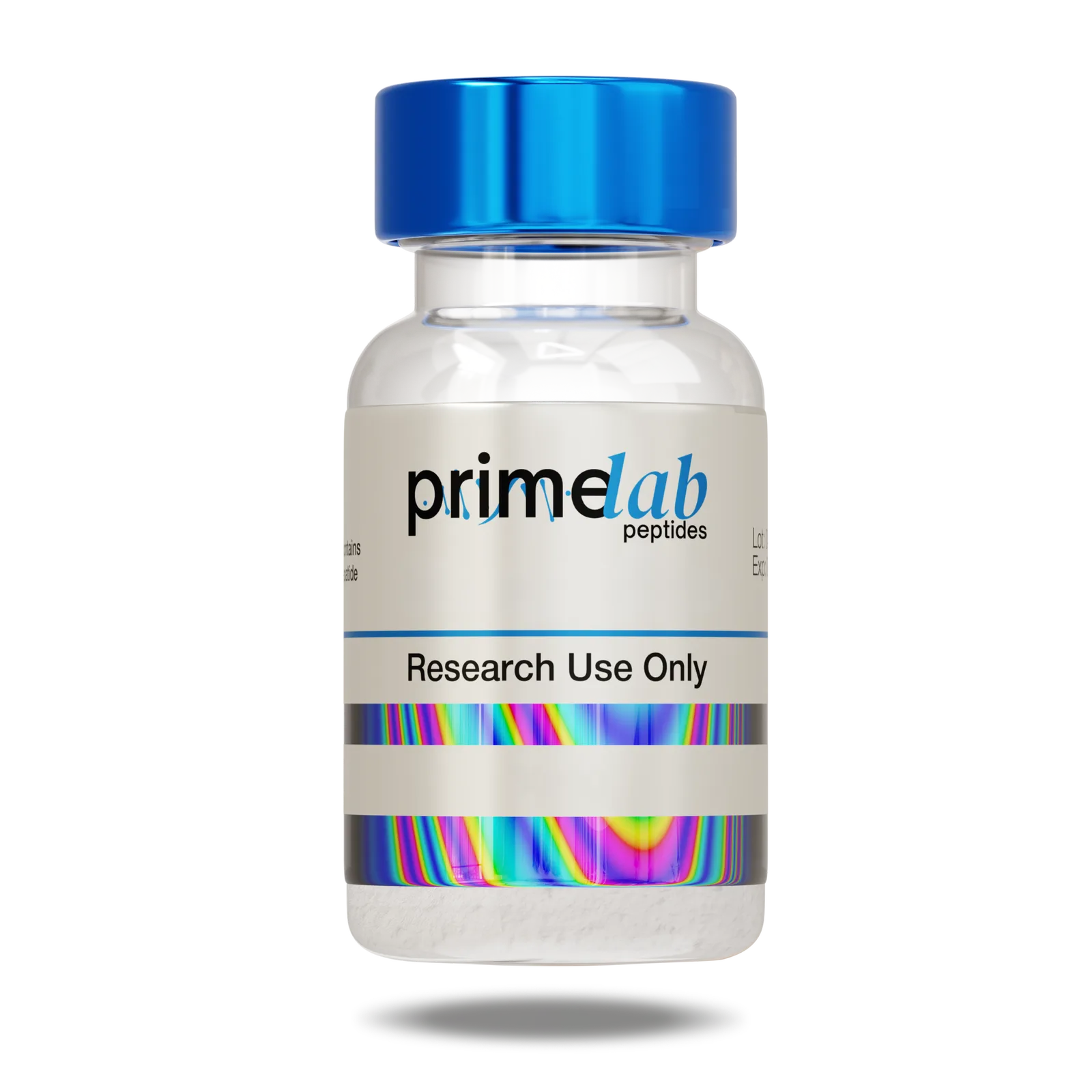
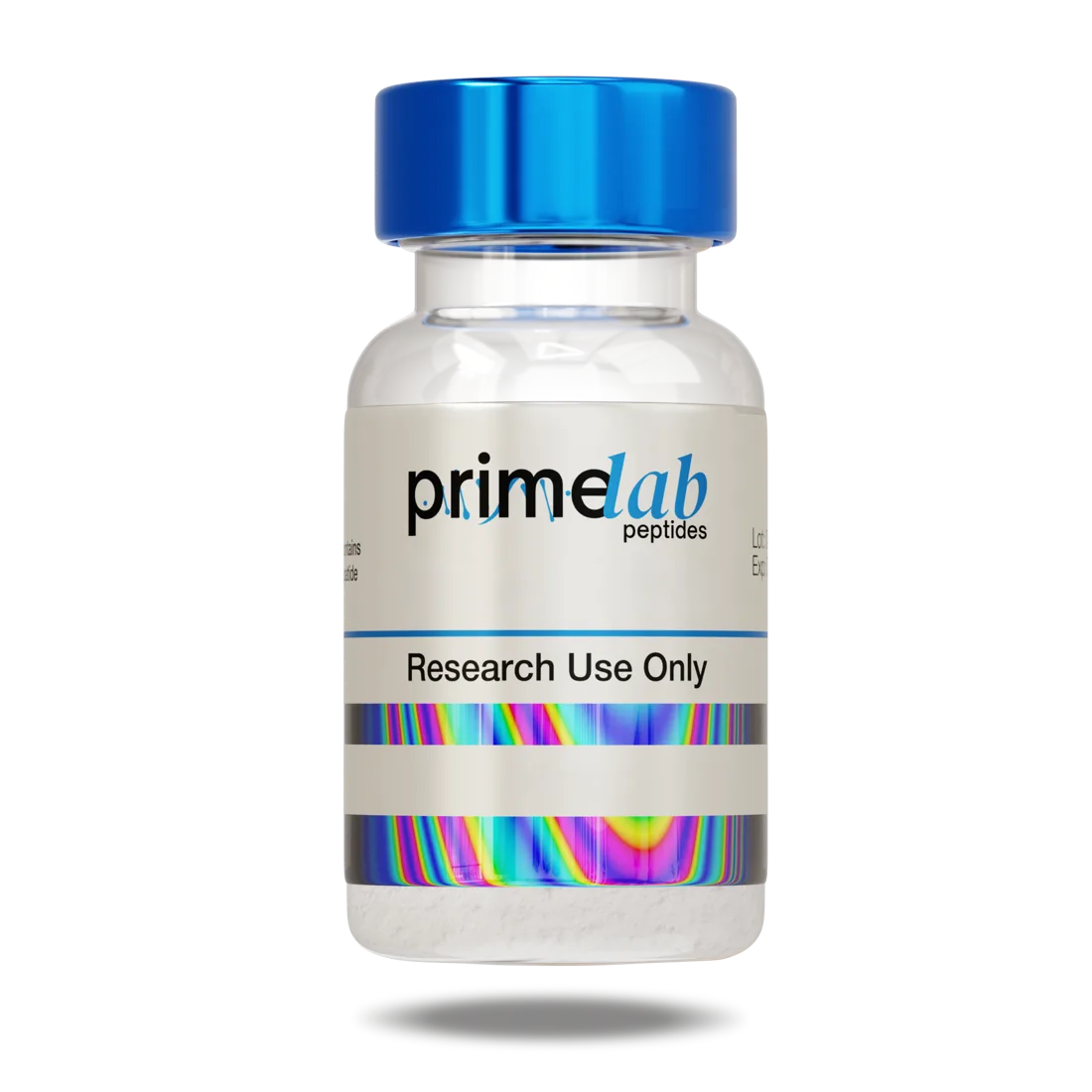
For high-purity research peptides, we point researchers to Prime Lab Peptides for IGF-1 DES (1 mg Vial).
Why Prime Lab Peptides?
- ▪Top-rated on Trustpilot: Independently reviewed as the highest-rated peptide lab on Trustpilot — making it the best current source in the USA.
- ▪Third-party tested: Every batch ships with a Certificate of Analysis (COA) confirming purity and composition.
- ▪Consistent quality: ISO-aligned manufacturing and handling keep product integrity reliable batch to batch.
- ▪Cold-chain integrity: Temperature-controlled shipping and storage across the whole fulfilment chain.
- ▪Research-grade purity: Fit for educational and research use that demands high-quality peptides.
Note: Product availability and specifications subject to change. Verify current product details on supplier website.
References
- 1
Int J Biochem Cell Biol — Des(1-3)IGF-I: a truncated form of insulin-like growth factor-I (Ballard et al., 1996)Review describing des(1-3)IGF-I: the N-terminal Gly-Pro-Glu is absent, it binds IGF-binding proteins poorly, and it is generally ~10-fold more potent than IGF-I at stimulating cell hypertrophy and proliferation. PMID 8930132.
- 2
Growth Factors — Treatment with IGF-I peptides improves function of the remnant gut following small bowel resection in rats (Lemmey et al., 1994)Rodent study comparing IGF-I with the binding-protein-resistant analogs LR3IGF-I and des(1-3)IGF-I, showing selective anabolic/absorptive effects on gut tissue. PMID 7803042.
- 3
Am J Physiol Regul Integr Comp Physiol — Characterization of pituitary IGF-I receptors (Fruchtman et al., 2002)Demonstrates des(1-3)IGF-I binds the IGF-I receptor with high affinity but IGF-binding proteins weakly, and is more potent than IGF-I in a receptor-mediated readout — illustrating the binding-protein mechanism. PMID 12121860.
- 4
DailyMed — INCRELEX (mecasermin, rhIGF-1) Prescribing InformationLabel for the only FDA-approved recombinant IGF-1, indicated for severe primary IGF-1 deficiency; documents hypoglycemia as a key risk of IGF-1 administration and advises dosing around meals. Used here as the honest safety and regulatory anchor.
IGF-1 DES — frequently asked questions
How do I reconstitute a 1 mg vial of IGF-1 DES?
Wipe the stopper with an alcohol swab, then inject your bacteriostatic water slowly down the inside wall of the vial. Let it sit and gently swirl until dissolved — never shake. Store the mixed vial in the refrigerator and draw doses with an insulin syringe. Use the calculator above to turn any dose into syringe units.
How much bacteriostatic water should I add to IGF-1 DES?
There is no single correct amount — more water simply spreads the same 1 mg of peptide across a larger volume, which makes small doses easier to measure accurately. 1 to 3 mL per vial is typical. Enter your chosen volume in the calculator above to see the resulting concentration and syringe units.
What do the "units" on an insulin syringe mean?
On a U-100 insulin syringe, 100 units equal 1 mL, so 1 unit equals 0.01 mL. The calculator above converts your draw volume into these units automatically so you can measure without doing the math by hand.
How should I store IGF-1 DES after mixing?
Keep the reconstituted vial refrigerated at roughly 2 to 8 degrees Celsius, away from light, and avoid freezing it. Reconstituted research peptides are generally used within a few weeks. Always follow the specific guidance supplied with your product.
How many doses does a 1 mg vial of IGF-1 DES provide?
Divide the vial strength of 1 mg by the amount you use per injection. The calculator above reports this as "doses per vial" the moment you enter a dose.
Is IGF-1 DES approved for human use?
No. IGF-1 DES is sold strictly for laboratory and research purposes and is not approved by the FDA or other regulators for human use. Everything on this page is research information, not medical advice — consult a licensed healthcare professional before any use.
New protocols & dosing updates
Reconstitution charts, new peptide protocols and safety updates — straight to your inbox. No spam, unsubscribe anytime.