
Noopept (20 mg) Dosage Protocol
An orally active proline–glycine dipeptide derivative (N-phenylacetyl-L-prolylglycine ethyl ester, GVS-111, omberacetam) sold as 10–20 mg capsules. It is a prodrug: the parent molecule was undetectable in rat brain after dosing, and its metabolite cyclo-prolylglycine is what rises. A prescription nootropic in Russia; the FDA treats it as an unapproved new drug, not a dietary ingredient.
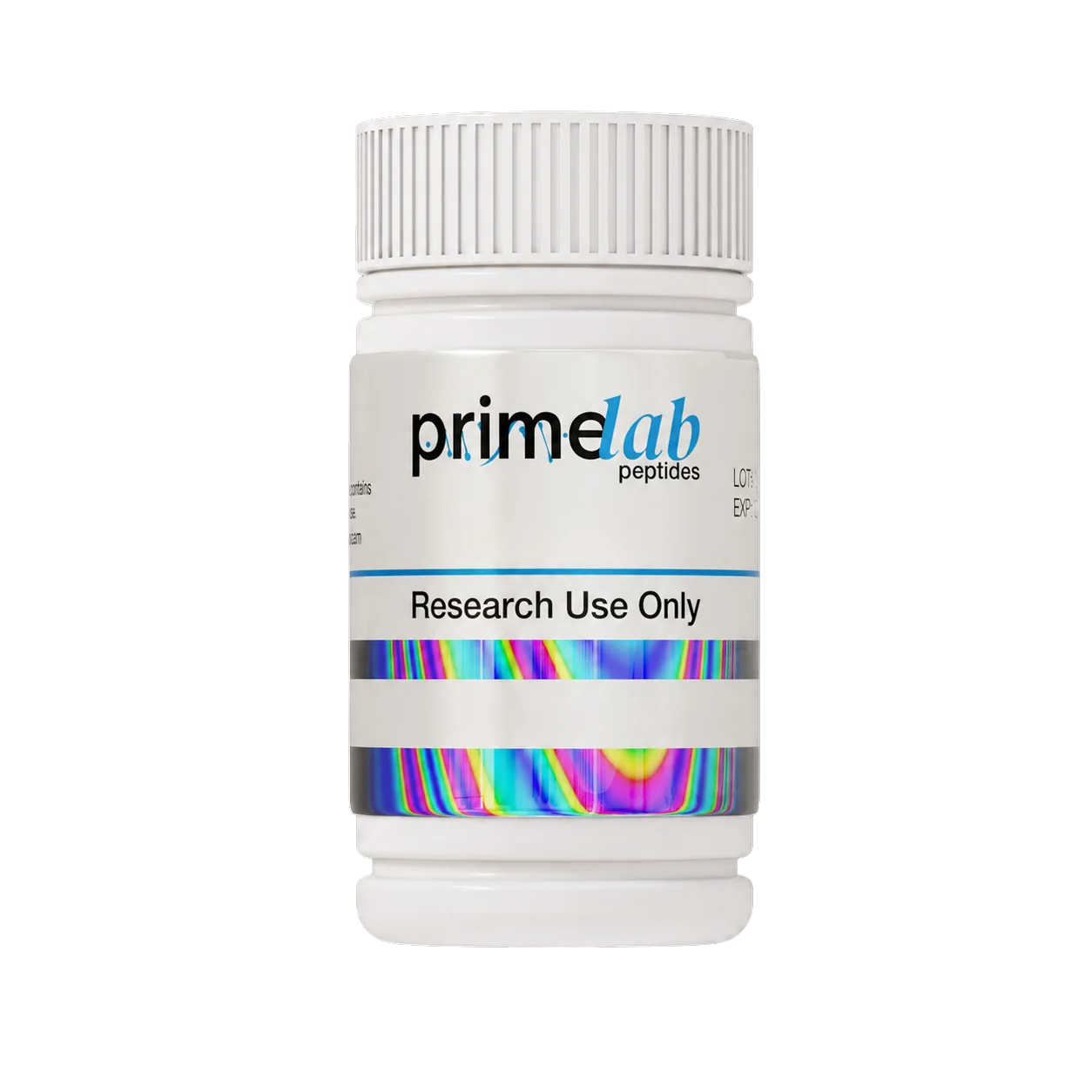
N-phenylacetyl-L-prolylglycine ethyl ester (omberacetam, GVS-111): a proline-glycine dipeptide, phenylacetylated and ethyl-esterified, designed in Moscow as a dipeptide analog of piracetam. Peptide-derived, orally active, sold as 10 mg and 20 mg capsules. It is a prodrug for the endogenous cyclic dipeptide cyclo-prolylglycine.
The one published clinical amount is 20 mg per day, conventionally split 10 mg twice daily, taken for two months in an open study of 60 stroke patients. There is no reconstitution, no injection and no calculator. Nothing larger or longer has been studied in humans.
Large preclinical literature, almost all from the originating institute; two small Russian-language clinical reports, both open-label; zero registered trials on ClinicalTrials.gov as of 3 August 2026. No randomised, double-blind, placebo-controlled trial exists, and no study has been done in healthy people.
A prescription nootropic in Russia. In the United States the FDA has stated in warning letters that Noopept is not a dietary ingredient and is an unapproved new drug that is not generally recognised as safe and effective. Research use only.
Quickstart Highlights
Noopept (INN omberacetam, development code GVS-111) is N-phenylacetyl-L-prolylglycine ethyl ester — a proline–glycine dipeptide whose nitrogen carries a phenylacetyl group and whose glycine has been turned into an ethyl ester[2]. It was designed at the Zakusov Institute of Pharmacology in Moscow as a dipeptide analog of piracetam, and it is sold today as an oral capsule or tablet, commonly 10 mg or 20 mg. There is no vial, no bacteriostatic water and no reconstitution step on this page.
Two things have to be said before any number. First, the classification: Noopept is a peptide-derived small molecule, not a therapeutic peptide — and it is a prodrug. When it was looked for directly, the parent compound was below the limit of detection in rat brain one hour after dosing, while its metabolite cyclo-prolylglycine rose 2.5-fold[1]. Second, the evidence: the pharmacology literature is large but almost entirely from the originating institute, the human record is two small Russian-language studies, and ClinicalTrials.gov returns zero registered trials for Noopept or omberacetam (checked 3 August 2026). This page is a research-use-only reference, not medical advice.
Supplies Needed
Noopept needs no reconstitution kit. The only item is the oral product itself — and, because it is sold as a research chemical rather than an approved medicine, the one thing worth insisting on is a batch certificate of analysis that actually names N-phenylacetyl-L-prolylglycine ethyl ester.
Protocol Overview
Noopept sits in the same shelf as our other cognition-directed research compounds — Semax, Selank, Cortexin, Cerebrolysin, P21 — but it differs from all of them in one practical way: it is orally active and swallowed, where those are injected or given intranasally. That convenience is also why it is the most heavily marketed compound in the category, and why the gap between what is claimed and what was measured is unusually wide.
The molecule was characterised properly only recently. A 2024 pharmaceutical-analysis paper set out to describe its solid-state and physicochemical properties and opened by noting that “despite the significant amount of works devoted to the pharmacodynamics of Noopept, very little is known about its structural and physicochemical properties”[2]. For a substance sold in capsules worldwide for two decades, that is a fair summary of how thin the pharmaceutical file is.
Dosing Protocol
The table below is a reference summary, not a dose recommendation: it lists what the published studies used, what regulatory status the compound holds, and what is simply absent from the record.
| Parameter | What the record shows | Notes |
|---|---|---|
| Format | 10 mg or 20 mg oral capsule / tablet | No vial, no reconstitution, no calculator |
| Studied daily amount | 20 mg/day × 2 months[3] | Open-label, 60 stroke patients, Russian-language |
| Conventional split | 10 mg twice daily | Dosing habit of the registered product, not a separate trial |
| Second human report | EEG study in mild cognitive impairment[4] | Russian-language; EEG endpoints, not cognition scores |
| Registered trials | 0 on ClinicalTrials.gov | Verified 3 August 2026 — no phase 1, 2 or 3 anywhere |
| Regulatory status | Unapproved new drug in the US[10] | Prescription nootropic in Russia; not FDA-approved |
| What acts in brain | Cyclo-prolylglycine, not Noopept[1] | Parent compound below detection limit 1 h post-dose in rat |
Why Noopept draws research interest
These are the directions researchers and the peptide community most often explore Noopept for — so you know you’re in the right place. They describe what is being studied, not proven benefits, approved uses, or promised results.
Memory & cognitive impairment
The only clinical signal is an open-label improvement in MMSE scores in stroke patients given 20 mg daily for two months.
Oral nootropic dosing
It is swallowed rather than injected, which is why dosing questions dominate searches and why unit size matters more than usual.
Neurotrophic factor signalling
Rodent work shows hippocampal NGF and BDNF expression rising after dosing, though cortical expression fell acutely.
Piracetam potency comparison
The famous thousand-fold claim compares milligrams, not results; no head-to-head efficacy trial has ever been run.
Evidence ranges from early laboratory work to clinical trials depending on the use — the sections below cover the actual data and sources.
An oral capsule or tablet, commonly 10 mg or 20 mg. No vial, no bacteriostatic water, no syringe — nothing on this page is reconstituted.
The one published clinical figure is 20 mg daily for 2 months[3], from an open-label study in 60 stroke patients. It is not an FDA-cleared regimen.
The parent molecule was undetectable in rat brain 1 h after dosing; only cyclo-prolylglycine rose[1]. What acts centrally is largely the metabolite, not Noopept itself.
A prescription nootropic in Russia. The FDA has stated in warning letters that Noopept is not a dietary ingredient and is an unapproved new drug[10].
Oral Dosing Guide
Because Noopept is swallowed, the “dosing chart” below is not a reconstitution table — there is nothing to dilute. It records what the published literature actually used, and where the widely repeated numbers come from, so that the research figure and the marketing figure are not confused with each other.
Standard / Gradual Approach
The only clinical amount in the peer-indexed record is 20 mg per day. Amelin and colleagues gave Noopept 20 mg daily for two months to stroke patients and reported improved MMSE scores and verbal association tests versus controls, with the global efficacy assessment described as “mild improvement”[3]. The study was open and prospective — not randomised, not blinded, not placebo-controlled — and published in Russian. A second Russian clinical report used Noopept in mild cognitive impairment of post-traumatic and vascular origin and measured EEG changes (alpha and beta power up, delta down), describing the profile as non-specific activation with an anxiolytic component[4].
The Russian convention splits that amount into 10 mg twice daily. That split is a dosing habit carried by the registered product, not a separately validated schedule; the study endpoint was the daily total. It is worth noticing that a single 20 mg capsule — the most commonly sold research unit — therefore delivers the entire studied daily amount in one swallow, which is a meaningful difference from a 10 mg unit.
The “1000× more potent than piracetam” line is about milligrams, not about outcomes. Piracetam is given in gram quantities and Noopept in tens of milligrams, so the ratio is a statement about mass, not about how much better anything works — and no head-to-head efficacy trial supports the stronger reading. The one clean potency comparison found in the literature is a laboratory assay, not a clinical one: Noopept altered HIF-1 DNA-binding activity at 10 µM in a reporter-cell system in which piracetam at 1 mM did nothing measurable[5]. That is a 100-fold difference in one in-vitro readout, and it says nothing about cognition in a person.
How long anyone should take it is genuinely unknown. The published human exposure is two months[3]. Chronic-dosing data exist only in rats (28 days), where the neurotrophin effect did not show tolerance[6]. Nothing in the indexed literature establishes a safe or useful duration in humans beyond what was studied.
Storage Instructions
Noopept is supplied as a dry solid — capsules, tablets or bulk powder — and the sensible handling is the same as any small-molecule research chemical: keep it dry, sealed, away from light, at room temperature, and out of reach of children and anyone who might mistake it for a supplement. There is no cold chain and no reconstituted shelf-life to track, because nothing is dissolved.
The 2024 solid-state study screened the compound for polymorphism and resolved its crystal structure[2] — useful context, because the physical form of a solid affects how it dissolves, and grey-market powder repackaged into capsules carries no guarantee of the form or purity that any published work used.
Important Notes
The honest reading of Noopept turns on five points. Each one is a reason the compound is more uncertain than its marketing suggests, and none of them is a reason to dismiss the underlying chemistry.
- ▪It is a dipeptide derivative, not a peptide drug — and not a racetam either. It is grouped with the racetams by convention and shared claims, but its structure is quite different from piracetam[2]. Calling it “a peptide” overstates the case in one direction and calling it “a racetam” overstates it in another.
- ▪It is a prodrug, and this is not a technicality. One hour after 5 mg/kg in rats, GVS-111 itself could not be detected in brain; of the three possible metabolites only cyclo-prolylglycine increased, 2.5-fold, and its formation was reproduced in vitro with plasma and brain enzymes[1]. The authors concluded the parent is a prodrug for an endogenous cyclic dipeptide. Every claim about “Noopept in the brain” is really a claim about that metabolite.
- ▪The human evidence is two small, open, Russian-language studies — and zero registered trials. The stroke study was open and prospective in 60 patients[3]; the second measured EEG in mild cognitive impairment[4]. ClinicalTrials.gov returns no registered study of Noopept or omberacetam at all (checked 3 August 2026). There is no randomised, double-blind, placebo-controlled trial in the indexed literature.
- ▪The literature is close to single-source. The prodrug work, the neurotrophin work, the cell-model work and the mechanism proposal all come from the Zakusov Institute group that originated the compound[1][5][6][7]. The clearest independent contribution is from a Swedish laboratory, and it is about amyloid aggregation in a cell line, not cognition[8]. Corroboration by the same group is not replication.
- ▪The FDA position is explicit, and it is not neutral. In warning letters to nootropic retailers the agency stated that Noopept is not a dietary ingredient, does not qualify for the dietary-supplement exception to the drug definition, and is not generally recognised as safe and effective — making it an unapproved new drug that may not lawfully be introduced into US commerce[10]. Products sold as “research chemical” are labelled that way because of this, not despite it.
- ▪Even the friendly findings carry a caveat inside them. The often-quoted “Noopept raises NGF and BDNF” result is real, but in the same experiment expression in the cerebral cortex was below control after a single dose, with only a slight increase after 28 days[6]. The effect was regionally specific, not a global neurotrophin boost.
How This Works
The proposed primary mechanism is not a receptor at all. In a panel of reporter constructs covering CREB, NFAT, NF-κB, p53, STAT1, GAS, VDR, HSF1 and HIF-1, Noopept at 10 µM increased the DNA-binding activity of HIF-1 only, and did so further under chemically induced HIF-1 stabilisation; docking placed the molecule and its L-metabolite in the active site of prolyl hydroxylase 2, the enzyme that marks HIF-1α for destruction[5]. Piracetam at 1 mM moved none of the nine factors in the same system. The authors proposed this “HIF-positive” effect as the primary mechanism, which would make the compound an adaptive-response modulator rather than a stimulant.
Downstream of that, the best-documented cellular signature is neurotrophic. In rat hippocampus, NGF and BDNF mRNA rose after acute administration and the effect strengthened rather than tolerated over 28 days of treatment — while cortical expression behaved differently, dropping below control acutely[6]. Chronic dosing also lowered stress-activated kinase signalling in hippocampus in the same programme of work.
There is a genuine electrophysiological effect, and it is inhibitory rather than excitatory. In rat hippocampal slices, Noopept increased the firing rate of GABAergic interneurons in stratum radiatum and the frequency of spontaneous inhibitory currents onto CA1 pyramidal cells; both effects were abolished by the α7 nicotinic antagonists α-bungarotoxin and methyllycaconitine, implicating α7 nicotinic receptors on interneurons as a site of action[9]. A compound that increases inhibition onto pyramidal cells is not doing what “cognitive stimulant” implies.
In disease-model cell work, pre-treatment with 10 µM Noopept protected PC12 cells against amyloid-β25-35: better viability, fewer apoptotic cells, lower reactive-oxygen and calcium load, higher mitochondrial membrane potential and less tau phosphorylation at Ser396[7]. Separately, and from an independent Swedish group, Noopept did not bind a specific site on α-synuclein but hydrophobically pushed toxic oligomers into larger fibrillar aggregates, which rescued neuroblastoma cells from oligomer toxicity[8]. Both are cell-culture results at micromolar concentrations; neither is evidence of a clinical effect in a person.
Lifestyle Factors
Nothing about this compound substitutes for the inputs that actually move cognition in humans: sleep duration and regularity, aerobic fitness, blood-pressure and glucose control, hearing correction, and treatment of depression where it is present. Those have controlled evidence behind them; Noopept does not.
The published human work was done in people with an existing neurological problem — stroke, post-traumatic or vascular cognitive impairment[3][4]. There is no study at all in healthy people seeking better focus or memory, which is the population that buys it. Extrapolating a modest, open-label signal in impaired patients to enhancement in healthy adults is the single largest leap in the Noopept literature.
Anyone reading this alongside prescription medication should note that no interaction studies exist. The compound has documented central effects on inhibitory transmission[9] and, in diabetic rats, altered glycaemia and pain sensitivity[11] — enough to make casual combination with CNS-active or glucose-lowering drugs a genuinely uncharacterised risk rather than a theoretical one.
Potential Benefits & Side Effects
What follows separates what was measured from what is claimed. Almost every entry on the left is preclinical or open-label, and the entries on the right are mostly absences rather than documented harms — which is itself the finding.
Reported Effects
- ▪Cognitive scores in impaired patients — open-label: 20 mg/day for two months improved MMSE and verbal association tests versus controls in 60 stroke patients, with global efficacy rated as mild improvement[3].
- ▪EEG activation with an anxiolytic profile — clinical, Russian: increased alpha and beta power and reduced delta power in mild cognitive impairment of post-traumatic and vascular origin[4].
- ▪Neurotrophin expression — rat: NGF and BDNF mRNA increased in hippocampus after acute dosing, with the effect potentiated rather than tolerated over 28 days[6] — but cortical expression fell below control acutely.
- ▪Protection in an Alzheimer cell model — in vitro: 10 µM pre-treatment reduced amyloid-β-induced apoptosis, oxidative stress, calcium overload and tau phosphorylation at Ser396 in PC12 cells[7].
- ▪Amyloid-oligomer rescue — in vitro, independent group: sequestration of toxic α-synuclein oligomers into larger fibrils rescued SH-SY5Y cells from oligomer cytotoxicity[8].
- ▪A defined molecular mechanism — in vitro: selective enhancement of HIF-1 DNA-binding activity where piracetam at 100× the concentration did nothing[5].
Common Side Effects
- ▪No controlled safety data exist. The stroke study reported a high level of safety[3], but an open, non-randomised design is poor at detecting and attributing adverse effects, and it is the only human safety observation of any size in the indexed record.
- ▪Zero registered trials means zero systematic adverse-event collection. ClinicalTrials.gov holds no study of Noopept or omberacetam (checked 3 August 2026), so there is no trial-grade adverse-event table anywhere for this compound.
- ▪It increases inhibitory transmission in hippocampus. The α7-nicotinic-dependent boost to interneuron firing and inhibitory currents onto CA1 pyramidal cells[9] is a real central effect, and effects on alertness, sedation or mood in a person have never been characterised in a controlled setting.
- ▪Product identity is not guaranteed. Because it is sold as a research chemical rather than an approved medicine, the FDA neither reviews nor verifies what is in the capsule[10]; the recent solid-state characterisation exists precisely because so little was formally documented[2].
- ▪No interaction data. Nothing in the record describes how it behaves alongside prescription CNS medication, anticoagulants or glucose-lowering drugs, and effects on glycaemia have been reported in rodents[11].
Oral Administration
Noopept is swallowed, so there is no injection technique and no sterile procedure to describe. What follows is generic handling for an oral research solid, written for laboratory reference. It is not an instruction to consume the material, which is not approved for human use in the United States[10].
Before You Dose
- ▪Confirm identity on paper. A certificate of analysis should name N-phenylacetyl-L-prolylglycine ethyl ester (CAS 157115-85-0), not simply “Noopept” or “nootropic blend”.
- ▪Check the unit size before anything else. A 20 mg capsule holds the entire daily amount used in the published study[3]; a 10 mg capsule holds half of it. The two are not interchangeable by count.
- ▪Record the batch. Solid form and purity affect dissolution[2], and repackaged bulk powder carries no guarantee of either.
- ▪Note the regulatory status in your records. In the United States this is an unapproved new drug, not a supplement[10].
How To Take
- ▪Oral route only. The published human work is oral[3][4]; sublingual and intranasal formats circulating in the grey market have no human data behind them.
- ▪The studied schedule was a daily total of 20 mg for two months[3], conventionally divided into two 10 mg administrations. Nothing longer or larger has been studied in people.
- ▪Do not scale by the piracetam comparison. The potency ratio describes milligrams, not effect[5], and cannot be used to infer an equivalent dose of anything.
- ▪No reconstitution, no calculator. There is nothing to dilute, so unit-based syringe maths does not apply to this compound.
After Dosing
- ▪Expect no measurable acute marker. The parent compound was undetectable in brain an hour after dosing in rats[1], so there is no simple readout that tracks exposure.
- ▪Treat any perceived effect as uncontrolled observation. Every human observation in the record comes from open, unblinded studies[3][4].
- ▪Store the remainder dry and sealed, away from light and out of reach of anyone who might take it for a supplement.
- ▪Do not combine casually with CNS-active or glucose-lowering medication — no interaction study exists, and central[9] and metabolic[11] effects are both documented in animals.
Recommended Source
For high-purity Noopept (20 mg oral), we point researchers to Prime Lab Peptides.
Why Prime Lab Peptides?
- ▪Top-rated on Trustpilot: Independently reviewed as the highest-rated peptide lab on Trustpilot — making it the best current source in the USA.
- ▪Third-party tested: Every batch ships with a Certificate of Analysis (COA) confirming purity and composition.
- ▪Consistent quality: ISO-aligned manufacturing and handling keep product integrity reliable batch to batch.
- ▪Cold-chain integrity: Temperature-controlled shipping and storage across the whole fulfilment chain.
- ▪Research-grade purity: Fit for educational and research use that demands high-quality peptides.
Note: Product availability and specifications subject to change. Verify current product details on supplier website.
References
- 1
Eur J Drug Metab Pharmacokinet (1997) — GVS-111 is a prodrug for cyclo-prolylglycineGudasheva et al. (PMID 9358206). One hour after 5 mg/kg i.p. in rats, GVS-111 itself was not found in brain up to the HPLC limit of detection; of the three candidate metabolites only cyclo-prolylglycine increased, 2.5-fold, and its formation from GVS-111 was reproduced in vitro with plasma and brain enzymes. The authors concluded the compound is a prodrug converting to a cyclopeptide identical to the endogenous one. The foundational honesty anchor for this page.
- 2
J Pharm Biomed Anal (2024) — physicochemical and structural analysis of NoopeptAraj et al. (PMID 39298839). Solid-state characterisation by TGA/DSC, NMR, SEM, single-crystal and powder X-ray diffraction, plus a polymorphism screen and DFT computation. States that Noopept belongs to the nootropic family and is grouped with the racetams although its structure is quite different from piracetam, and that despite extensive pharmacodynamic work very little was known about its structural and physicochemical properties.
- 3
Zh Nevrol Psikhiatr (2011) — Noopept 20 mg/day in stroke patients (open study)Amelin, Iliukhina & Shmonin (PMID 22500312). Open prospective study, 60 patients with stroke followed 12 months. MMSE and lateral/categorical association scores improved significantly after 2 months versus controls; global efficacy assessment was mild improvement in the treated group and unchanged in controls; safety described as high. Russian-language, not randomised and not blinded — the source of the widely quoted 20 mg daily figure.
- 4
Zh Nevrol Psikhiatr (2008) — clinical and EEG characteristics in mild cognitive impairmentBochkarev et al. (PMID 19008801). Clinical EEG study in patients with asthenic and cognitive disturbances of post-traumatic and vascular origin. Noopept increased alpha and beta rhythm power and reduced delta power, a pattern the authors read as non-specific activation with an anxiolytic effect; changes were clearest in cerebrovascular disease and less typical after traumatic brain lesion. Russian-language.
- 5
Acta Naturae (2016) — selective HIF-1 effect proposed as the primary mechanismVakhitova et al. (PMID 27099787). In HEK293 cells transfected with luciferase reporters for CREB, NFAT, NF-kappaB, p53, STAT1, GAS, VDR, HSF1 and HIF-1, Noopept at 10 microM increased DNA-binding activity of HIF-1 only, concentration-dependently and additively under CoCl2-induced HIF-1 stabilisation; docking placed the L-isomer and its L-metabolite in the active site of prolyl hydroxylase 2. Piracetam at 1 mM affected none of the factors.
- 6
Bull Exp Biol Med (2008) — NGF and BDNF expression in rat hippocampusOstrovskaya et al. (PMID 19240853). Northern blot analysis after single and 28-day administration. Hippocampal NGF and BDNF mRNA increased after acute dosing and chronic treatment potentiated rather than tolerated the effect; in cerebral cortex, expression was below control after a single dose with only a slight BDNF increase after chronic dosing. The regional split is why this result should not be read as a global neurotrophin boost.
- 7
J Biomed Sci (2014) — protection against amyloid-beta in a PC12 cell modelOstrovskaya et al. (PMID 25096780). Noopept 10 microM added 72 h before amyloid-beta 25-35 (5 microM, 24 h) improved PC12 viability, reduced early and late apoptosis, lowered intracellular reactive oxygen species and calcium, raised mitochondrial membrane potential, attenuated tau phosphorylation at Ser396 and restored neurite outgrowth. In vitro only.
- 8
J Mol Biol (2011) — independent work on alpha-synuclein amyloid cytotoxicityJia et al., Umea University, Sweden (PMID 21986202). Heteronuclear 2D NMR showed Noopept does not bind a sterically specific site on alpha-synuclein; instead, hydrophobic interaction with toxic oligomers drove their rapid sequestration into larger fibrillar aggregates, rescuing SH-SY5Y cells from oligomer cytotoxicity. Cited here as the clearest contribution from a group unconnected to the originating institute.
- 9
Neurosci Lett (2022) — alpha7 nicotinic receptors on interneurons as a site of actionKondratenko et al. (PMID 36195298). In rat hippocampal slices Noopept at 5 microM increased action-potential firing of GABAergic interneurons in stratum radiatum and the frequency of spontaneous inhibitory currents in CA1 pyramidal cells; both effects were almost completely abolished by alpha-bungarotoxin (6 nM) and methyllycaconitine (20 nM), implicating alpha7 nicotinic acetylcholine receptors.
- 10
FDA Warning Letter (2019) — Noopept is not a dietary ingredientUS Food and Drug Administration, warning letter to Peak Nootropics LLC (aka Advanced Nootropics), reference 557887, 5 February 2019. The agency states that Noopept is not a dietary supplement or conventional food, does not qualify for the exception to the drug definition, is not generally recognised as safe and effective for its referenced uses, and is therefore a new drug that may not be introduced into interstate commerce without approval. A comparable letter was issued to Pure Nootropics LLC the same day.
- 11
Bull Exp Biol Med (2013) — metabolic effects in streptozotocin-diabetic ratsOstrovskaya et al. (PMID 23484194). In rats given the diabetogenic toxin streptozotocin, Noopept alleviated hyperglycaemia and weight loss and normalised enhanced pain sensitivity, with the strongest effect when given before the toxin. Cited here only to show that the compound has documented effects outside the brain in animals, which is why casual combination with glucose-lowering medication is an uncharacterised risk rather than a theoretical one.
How to take Noopept
- 1Confirm the capsule strength and your target dose from the schedule on this page (each capsule is a fixed strength).
- 2Take the required number of Noopept capsules by mouth once daily, swallowed whole with water, with or without food.
- 3Keep the daily dose consistent and follow any documented gradual 4-week escalation steps.
- 4Store the capsules sealed at room temperature, dry and away from light — no mixing or refrigeration needed.
Noopept — frequently asked questions
How is Noopept taken?
Noopept is taken by mouth as one or more capsules once daily, swallowed whole with or without food. There is no mixing, reconstitution, or injection — it is an oral small-molecule compound, not an injectable peptide.
Do I need bacteriostatic water or syringes for Noopept?
No. Because Noopept is an oral capsule, none of the injectable-peptide supplies (bacteriostatic water, insulin syringes, alcohol swabs) apply — you simply take the capsule(s) by mouth.
How many capsules make up each dose?
Each capsule is a fixed strength, so a target dose is reached by taking the matching number of capsules at that strength. The dosing table on this page lists the reference dose for each step of a documented research schedule — match your capsule strength to it rather than assuming a fixed number.
How should I store Noopept?
Keep the capsules in their original sealed container at controlled room temperature, dry and away from heat, light and moisture, and follow the specific storage guidance supplied with your product. No refrigeration or reconstitution is required.
How does Noopept differ from injectable peptide protocols?
The main practical difference is the route of administration: Noopept is swallowed as a capsule, so there is no reconstitution, bacteriostatic water, or sterile injection technique involved. Its specific mechanism of action and the research behind it are described in the "How This Works" section on this page.
Is the research-grade Noopept sold here approved for human use?
No. Research-grade Noopept is supplied strictly for laboratory and research purposes and is not an approved medicine for human use — regardless of whether an approved pharmaceutical product containing this ingredient exists. Everything here is research information, not medical advice; consult a licensed healthcare professional and the approved product labeling before any use.
New protocols & dosing updates
Reconstitution charts, new peptide protocols and safety updates — straight to your inbox. No spam, unsubscribe anytime.