
Eloralintide (10 mg) Dosage Protocol
A once-weekly, selective amylin receptor agonist (LY3841136) from Eli Lilly, in Phase 3 trials for obesity. It is investigational — not FDA-approved — and research-grade vials sold online are not the trial product.
A once-weekly selective amylin receptor agonist. In human cell assays it activates the amylin 1 receptor (AMY1R) about 12-fold more potently than the calcitonin receptor and 11-fold more than AMY3R. It is an amylin analog joined to a C20 fatty-diacid chain that binds albumin to extend its half-life for weekly dosing.
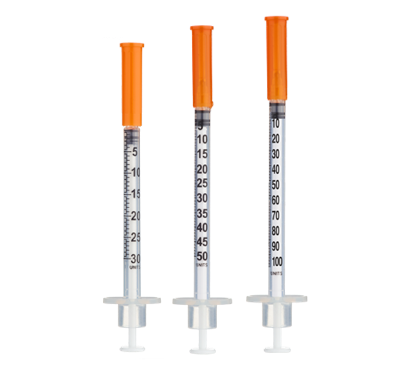
Once weekly subcutaneously. The Phase 2 trial used fixed weekly targets of 1, 3, 6 or 9 mg, plus slow-titration arms. A 10 mg vial in 1 mL bacteriostatic water is 10 mg/mL, so 1 mg = 0.1 mL (10 units), 6 mg = 0.6 mL (60 units) and 9 mg = 0.9 mL (90 units).
In the 48-week Phase 2 trial (n=263), mean weight change was about -9%, -12%, -18% and -20% at 1, 3, 6 and 9 mg versus -0.4% on placebo. Phase 3 began in 2026. Not FDA-approved; all data to date are from Lilly-sponsored trials.
Quickstart Highlights
Eloralintide (development code LY3841136), from Eli Lilly, is a long-acting, selective amylin receptor agonist being developed for chronic weight management with once-weekly subcutaneous dosing. It is an amylin analog conjugated to a C20 fatty-diacid chain that binds albumin reversibly and stretches its half-life enough for weekly injection, and in cell assays it preferentially activates the human amylin 1 receptor (AMY1R) — about 12-fold over the calcitonin receptor and 11-fold over AMY3R[2]. That selectivity is what distinguishes it from non-selective dual amylin/calcitonin agonists such as cagrilintide.
This page is an educational reference on how eloralintide has been dosed in its published clinical trials. It is not medical advice. Eloralintide is investigational: as of mid-2026 it has completed Phase 1 and a 48-week Phase 2 trial and has entered a Phase 3 program (ENLIGHTEN), but it is not approved by the FDA or any regulator, and a research-grade vial bought online is not the quality-controlled product used in those trials.
Pre-filled with this protocol’s recommended BAC water and documented starting dose — edit any field to run your own numbers. Reconstitution math only — not dosing advice. U-100 syringe: 100 units = 1 mL. Full reconstitution guide → · Advanced calculator →Mix & measure Eloralintide · 10 mg
Supplies Needed
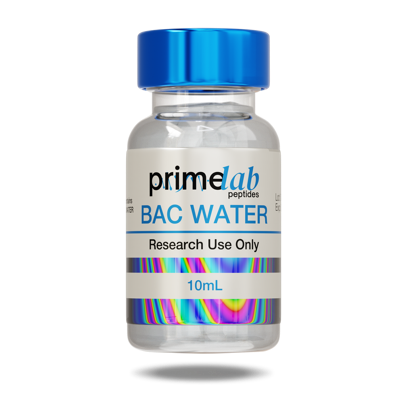
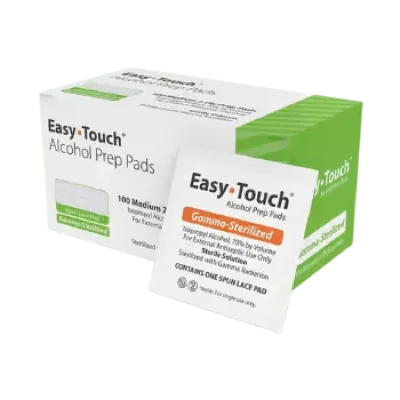
Eloralintide is a subcutaneous injectable, so the generic reconstitution kit below applies. Note that this is an investigational compound — the trial product is a defined, quality-controlled formulation; a research vial is not, and none of this replaces medical supervision.
Protocol Overview
The practical picture is a single weekly subcutaneous injection of a small volume — between 10 and 90 units of a 10 mg/mL solution, depending on the weekly target. There is no daily schedule, no meal timing and no weight-based calculation; the dose is a fixed weekly milligram amount, and in the best-tolerated trial arms it was stepped up over the first weeks.
What sets eloralintide apart on paper is its selectivity for the amylin 1 receptor rather than a proven clinical edge. Its discovery work showed it favours AMY1R over the calcitonin receptor, and in rats it caused less conditioned taste avoidance than cagrilintide[2]. Whether that translates into better human tolerability or greater weight loss than other amylin analogs (petrelintide, cagrilintide) or the incretin drugs is not yet established — no head-to-head trial has been published.
Dosing Protocol
Reference volumes at the reconstitution used here (10 mg vial in 1 mL → 10 mg/mL). The dose column lists the fixed weekly targets used in the Phase 2 trial; a real protocol titrates up to one of them. These reproduce studied doses and are not a recommendation to self-administer.
| Weekly Dose (Phase 2 trial target) | Volume at 10 mg/mL | U-100 units |
|---|---|---|
| 1 mg — lowest studied[1] | 0.10 mL | 10 units |
| 3 mg[1] | 0.30 mL | 30 units |
| 6 mg[1] | 0.60 mL | 60 units |
| 9 mg — highest studied[1] | 0.90 mL | 90 units |
Why Eloralintide draws research interest
These are the directions researchers and the peptide community most often explore Eloralintide for — so you know you’re in the right place. They describe what is being studied, not proven benefits, approved uses, or promised results.
Weight & obesity
The main draw: a phase 2 trial reported up to about 20% weight loss at 48 weeks in its highest-dose arm.
Amylin receptor selectivity
Studied as a selective amylin 1 receptor agonist, unlike cagrilintide, with a tolerability hypothesis still being tested.
Appetite & nausea
Nausea reached 64% in one dose arm, so the gentler-than-GLP-1 framing is a hypothesis rather than an established result.
Still investigational
In phase 3 (ENLIGHTEN) but approved nowhere as of mid-2026; a grey-market vial is not the trial product.
Evidence ranges from early laboratory work to clinical trials depending on the use — the sections below cover the actual data and sources.
1 mL bacteriostatic water per 10 mg vial → 10 mg/mL. At that concentration 1 mg = 10 units (0.1 mL), 6 mg = 60 units (0.6 mL) and 9 mg = 90 units (0.9 mL) — the whole studied range fits one U-100 syringe.
Phase 2 tested fixed weekly targets of 1, 3, 6 and 9 mg, plus slow-titration arms (3→9 and 6→9 mg)[1]. Higher doses drove more weight loss but more nausea; gradual up-titration blunted the gastrointestinal effects.
Subcutaneous, once weekly, any day, with or without food, rotating sites. The albumin-binding C20 diacid is what supports once-weekly dosing[2].
Investigational — Phase 1 complete, a 48-week Phase 2 published in The Lancet[1], now in Phase 3 (ENLIGHTEN). Not FDA-approved. No validated self-injection dosing exists outside trials.
Dosing & Reconstitution Guide
Eloralintide is one of the compounds on this site with public human dosing from a completed trial — but that dosing comes from a Lilly-sponsored Phase 2 weight-management study, not an approved label, and the research-grade vial you can buy is not the trial product[1]. Dosing is weight-independent, once weekly, and, in the arms that tolerated best, titrated upward to limit the amylin-class nausea.
Standard / Gradual Approach
The 48-week Phase 2 trial (NCT06230523) randomly assigned 263 adults with obesity or overweight to placebo or eloralintide at fixed weekly targets of 1 mg, 3 mg, 6 mg or 9 mg, or to two slow-escalation arms (3→9 mg and 6→9 mg)[1]. The pattern was the familiar one for appetite-acting peptides: higher weekly doses produced more weight loss but more nausea and fatigue, and starting low and stepping up over several weeks made the higher targets more tolerable. In the earlier 12-week Phase 1 multiple-ascending-dose study, weekly dosing without escalation still produced 2.6% to 11.3% weight loss but at the cost of more early gastrointestinal effects[3].
At a reconstitution of 10 mg in 1 mL (10 mg/mL), every studied dose fits a single U-100 insulin syringe: 1 mg is 10 units, 3 mg is 30 units, 6 mg is 60 units and 9 mg is 90 units. This concentration is deliberately higher than the 5 mg/mL used for lower-dose amylin analogs like cagrilintide, precisely because eloralintide’s weekly targets run up to 9 mg — at 5 mg/mL a 9 mg dose would be 1.8 mL, more than a 1 mL syringe holds.
There is no established dose above 9 mg/week in the published trials, and no validated self-injection protocol of any kind — every number here is a trial target, not a recommendation. Because eloralintide is investigational, there is also no approved titration schedule, no defined maintenance dose, and no long-term human safety database beyond the trial windows.
Reconstitution Steps
A research vial is lyophilized powder that must be reconstituted with bacteriostatic water. Using 1 mL for a 10 mg vial gives a clean 10 mg/mL, which keeps the whole 1–9 mg weekly range inside a 1 mL syringe and makes the unit arithmetic simple.
- ▪Sanitize: swab the vial stopper and the bacteriostatic-water stopper with fresh alcohol pads and let them air-dry.
- ▪Add 1 mL slowly: draw 1 mL of bacteriostatic water and let it run down the inside wall of the vial rather than jetting it onto the powder. This yields 10 mg/mL.
- ▪Dissolve gently: let it stand about 30 seconds, then swirl or roll the vial between your palms. Do not shake — shaking foams and can shear peptide in solution. Discard it if the solution is cloudy or holds particles.
- ▪Refrigerate: store the reconstituted vial at 2–8 °C and use within the multi-week window bacteriostatic water supports; never freeze a reconstituted peptide.
Storage Instructions
Lyophilized vials are stable refrigerated and should be protected from light; follow the supplier’s handling guidance for the unreconstituted powder. Do not freeze a vial once it has been reconstituted.
After reconstitution with bacteriostatic water, store at 2–8 °C and use within the multi-week window the preservative supports. A research vial reconstituted this way is not the same preparation the trial product’s stability data describe, so err toward shorter storage and discard anything cloudy or discoloured.
Important Notes
The points below are the ones most often lost when eloralintide is discussed as if it were an already-available weight-loss shot.
- ▪It is investigational, not approved: eloralintide has completed Phase 1 and a 48-week Phase 2 and entered Phase 3 (the ENLIGHTEN program) in 2026, but it has no FDA or other approval[1][4]. A research-grade vial is not the manufactured, quality-controlled trial product — identity, fill and purity are unverified.
- ▪The weight-loss numbers are real, peer-reviewed and dose-dependent: in the Phase 2 trial (n=263), mean bodyweight change at 48 weeks was about −9%, −12%, −18% and −20% at 1, 3, 6 and 9 mg versus −0.4% on placebo, and the curves had not clearly plateaued[1]. An independent network meta-analysis ranked high-dose eloralintide among the most effective amylin-based agents (about −18% versus placebo)[5].
- ▪Nausea is the dose-limiter, as with the whole amylin class: in Phase 2, nausea and fatigue rose with dose (nausea reached about 64% in the 6 mg arm), but participants who were up-titrated slowly had rates closer to placebo[1]. The class caution is the same as for GLP-1 drugs: escalate slowly, and stop for persistent severe symptoms.
- ▪No head-to-head against incretins or other amylin analogs: eloralintide has only been compared with placebo in its efficacy trials[1][6]. Any claim that it beats semaglutide, tirzepatide, cagrilintide or petrelintide on weight or tolerability is an extrapolation, not a trial result.
- ▪Long-term safety is undefined: the longest published exposure is 48 weeks in a selected trial population. Cardiovascular outcomes, effects in pregnancy, interactions and durability beyond a year are all still being studied in Phase 3 — they are not known.
- ▪A research vial is not the trial injection: the trial product is a defined formulation given under medical supervision with monitored titration. A grey-market vial has none of that — no verified potency, no matched device, and no oversight of the dose escalation or side effects.
How This Works
Amylin is a hormone co-secreted with insulin from pancreatic beta-cells after eating; it slows gastric emptying, suppresses glucagon, and promotes satiety through central pathways, complementing the appetite effects of GLP-1. The first amylin drug, pramlintide, proved the concept but needed frequent dosing and had modest effect[6]. Eloralintide is a long-acting amylin analog built to survive far longer than the native hormone and to hit the amylin receptor selectively[2].
The distinctive part is the receptor selectivity. In human cell assays, eloralintide activates the amylin 1 receptor (AMY1R) roughly 12-fold more potently than the calcitonin receptor and 11-fold more than AMY3R[2]. In diet-induced obese rats it dose-dependently reduced food intake and body weight, driven mainly by fat-mass loss, and it produced less conditioned taste avoidance than cagrilintide — the preclinical basis for the hope that a selective agonist may be better tolerated[2].
The long action comes from the fatty-acid chemistry: a C20 fatty-diacid chain binds circulating albumin and slows clearance, giving a pharmacokinetic profile that supports once-weekly subcutaneous dosing[2]. In the human Phase 1 and Phase 2 trials this translated into dose-proportional exposure and dose-dependent weight loss, with the amylin-typical gastrointestinal effects appearing mainly during initiation and up-titration[1][3].
Lifestyle Factors
Eloralintide, like every appetite-acting weight agent, is being studied as an adjunct to diet and activity rather than a substitute for them. In the trials it was given alongside lifestyle guidance; the satiety it produces is the lever, but the durable outcome depends on the eating and movement patterns built around it[1].
Because amylin agonists slow gastric emptying and blunt appetite, the practical daily reality is smaller portions and earlier fullness — which makes protein intake and hydration worth deliberate attention, since reduced overall intake can otherwise erode both. Rapid weight loss on any potent anorectic also raises the standing question of lean-mass preservation, for which resistance training and adequate protein are the established countermeasures. None of this is specific research on eloralintide; it is the generic, well-established context for the drug class.
Potential Benefits & Side Effects
Evidence tier: investigational, with positive Phase 1 and Phase 2 data — genuinely promising, and genuinely early. Everything below was measured in Lilly-sponsored trials in adults with obesity or overweight; none of it has been confirmed in Phase 3 or compared head-to-head with an approved drug.
Reported Effects
- ▪Weight loss — the headline Phase 2 result: over 48 weeks, mean bodyweight change was about −9% (1 mg), −12% (3 mg), −18% (6 mg) and −20% (9 mg) versus −0.4% on placebo, and the curves had not clearly plateaued[1].
- ▪Early proof of concept: in the 12-week Phase 1 multiple-ascending-dose study, weight change ranged from −2.6% to −11.3% across dose groups, with minimal gastrointestinal adverse events at the doses tested[3].
- ▪Consistent across analyses: an independent network meta-analysis of amylin-based agents placed high-dose eloralintide near the top of the class for weight reduction (about −18% versus placebo), behind only high-dose amycretin and comparable to high-dose CagriSema[5].
- ▪Selectivity rationale: preclinically it favours AMY1R and caused less taste avoidance than cagrilintide, the basis for testing whether selective amylin agonism is better tolerated[2].
- ▪What is not established: any superiority over incretin drugs or other amylin analogs, any cardiovascular-outcome benefit, durability beyond 48 weeks, and any efficacy or safety data outside the trial populations.
Common Side Effects
- ▪Gastrointestinal — the dominant signal: nausea was the most common adverse event and rose with dose (about 11% at 1 mg up to 64% in the 6 mg arm), largely mild-to-moderate[1].
- ▪Fatigue: also dose-dependent, reaching roughly 43% in the 9 mg arm versus about 12% on placebo[1].
- ▪Titration matters: arms that escalated slowly (3→9 and 6→9 mg) had gastrointestinal rates closer to placebo than the arms started directly at a high dose — the studied schedules escalated specifically to keep tolerability manageable[1].
- ▪Class considerations: amylin analogs share the general appetite-drug cautions; because eloralintide is investigational, rarer or longer-term risks are simply not yet characterised[4].
- ▪Population caveat: the safety database is limited to Phase 1/2 trial participants over up to 48 weeks. Tolerability in pregnancy, in combination with other agents, or over years is not defined.
Injection Technique
Eloralintide is given by subcutaneous injection once weekly in its trials. The steps below are the generic subcutaneous workflow used across this site; they describe how the compound is handled, not a recommendation to self-treat with an investigational drug.
Pre-Injection Preparation
- ▪Confirm the concentration: every volume here assumes 10 mg/mL — a 10 mg vial in 1 mL. A different diluent volume changes every unit figure.
- ▪Inspect: the reconstituted solution should be clear and particle-free; discard it if cloudy or discoloured.
- ▪Rotate the site: alternate among the abdomen (away from the navel) and the thighs to avoid repeated injection into one area.
Injection Procedure
- ▪Draw the weekly volume: the fixed milligram target for that week, converted at 10 mg/mL — for example 0.6 mL (60 units) for 6 mg.
- ▪Inject subcutaneously: pinch the skin, insert at the angle suited to the needle length, and deliver slowly into subcutaneous tissue — not intramuscular or intravenous.
- ▪Keep the weekly rhythm: the same day each week keeps exposure even; timing relative to meals does not matter for a weekly agent.
Post-Injection Care
- ▪Escalate slowly: the best-tolerated trial arms stepped the dose up over weeks rather than starting high — rushing the titration is what turns tolerable nausea into vomiting and dropout[1].
- ▪Watch for persistent GI symptoms: ongoing severe nausea, vomiting or abdominal pain warrants stopping and seeking medical care, especially with an unapproved compound and no oversight.
- ▪Store the vial properly between doses: refrigerate the reconstituted solution at 2–8 °C, never freeze it, and discard it if it turns cloudy.
Recommended Source
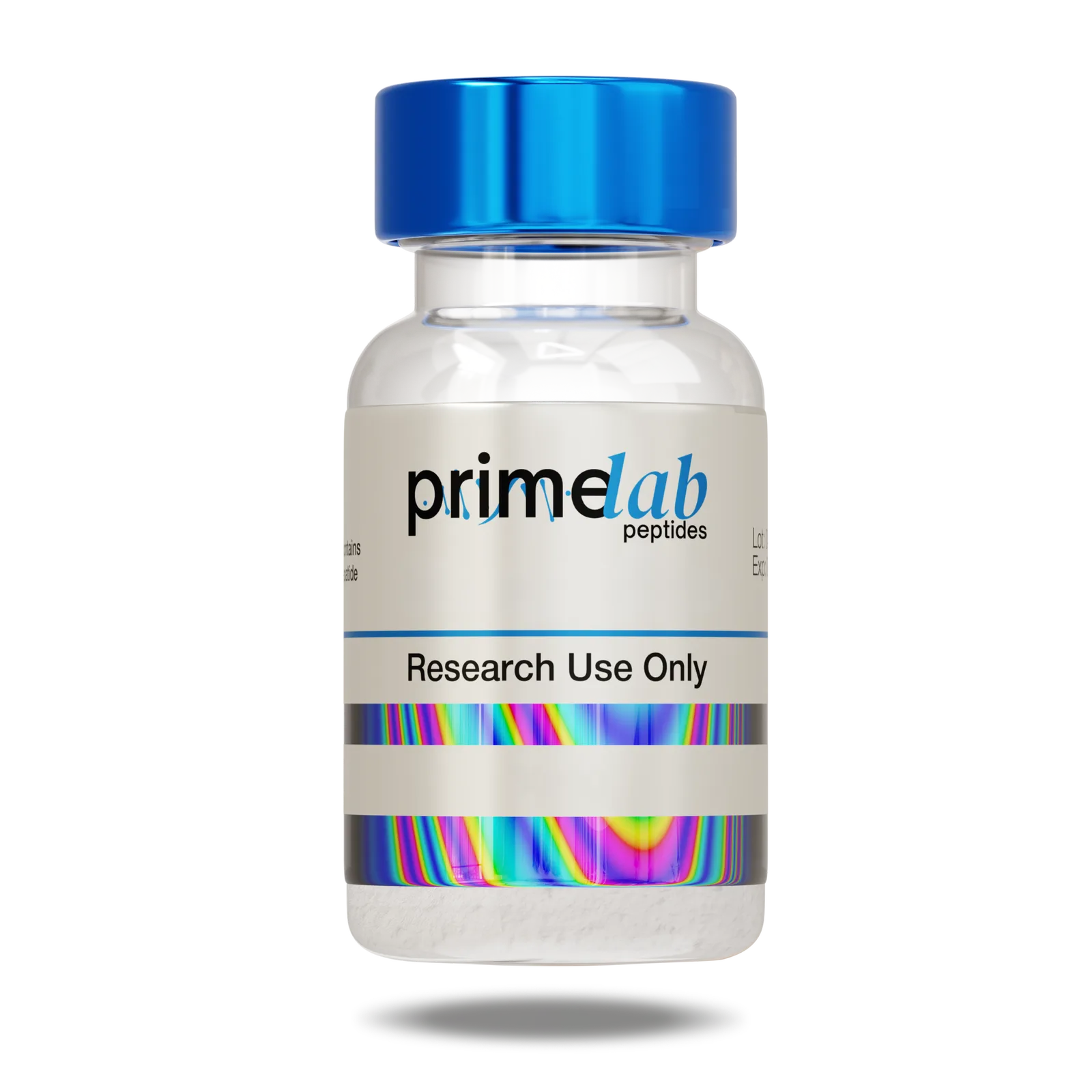
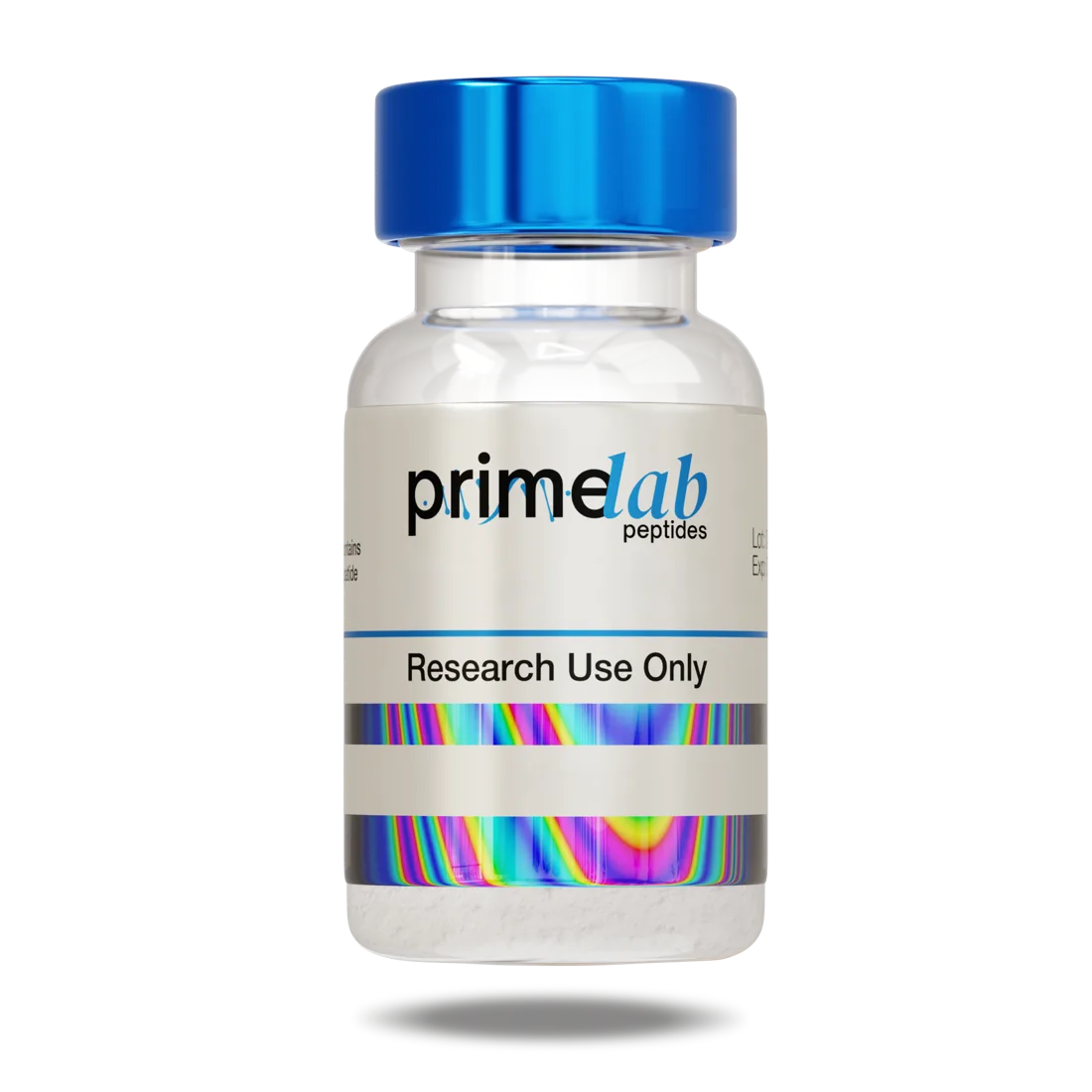
For high-purity research peptides, we point researchers to Prime Lab Peptides for Eloralintide (10 mg Vial).
Why Prime Lab Peptides?
- ▪Top-rated on Trustpilot: Independently reviewed as the highest-rated peptide lab on Trustpilot — making it the best current source in the USA.
- ▪Third-party tested: Every batch ships with a Certificate of Analysis (COA) confirming purity and composition.
- ▪Consistent quality: ISO-aligned manufacturing and handling keep product integrity reliable batch to batch.
- ▪Cold-chain integrity: Temperature-controlled shipping and storage across the whole fulfilment chain.
- ▪Research-grade purity: Fit for educational and research use that demands high-quality peptides.
Note: Product availability and specifications subject to change. Verify current product details on supplier website.
References
- 1
The Lancet (2025) — Eloralintide, a selective amylin receptor agonist for the treatment of obesity: a 48-week phase 2, multicentre, double-blind, randomised, placebo-controlled trialBillings et al. (PMID 41207310). n=263; once-weekly 1/3/6/9 mg or 3-9/6-9 mg titration for 48 weeks (NCT06230523). Mean bodyweight change -9/-12/-18/-20% versus -0.4% placebo; nausea and fatigue dose-dependent, blunted by slow titration. DOI: 10.1016/S0140-6736(25)02155-5.
- 2
Molecular Metabolism (2025) — Eloralintide (LY3841136), a novel amylin receptor agonist for the treatment of obesity: From discovery to clinical proof of conceptBriere et al. (PMID 41109426, PMC12640043). In vitro AMY1R selectivity (12-fold over CTR, 11-fold over AMY3R); less conditioned taste avoidance than cagrilintide in rats; fat-mass-driven weight loss in obese rats; single-ascending-dose phase 1 (NCT05295940). DOI: 10.1016/j.molmet.2025.102271.
- 3
Diabetes, Obesity & Metabolism (2026) — Eloralintide, a selective, long-acting amylin receptor agonist for treatment of obesity: Phase 1 proof of conceptBhattachar et al. (PMID 41559929). 12-week phase 1 multiple-ascending-dose study, 100 participants; dose-proportional PK; least-squares mean weight reduction 2.6% to 11.3% at week 12 with infrequent gastrointestinal events. DOI: 10.1111/dom.70439.
- 4
Peptides (2026) — Long-acting amylin-related peptides as therapies for obesity and type 2 diabetesBailey, Flatt & Conlon (PMID 41747885). Review of second-generation amylin analogues (cagrilintide, eloralintide, petrelintide, MET-233i, AZD6234) and unimolecular co-agonists; places eloralintide among the strong-efficacy monotherapies advancing in clinical development. DOI: 10.1016/j.peptides.2026.171480.
- 5
Endocrinology, Diabetes & Metabolism (2026) — Novel Amylin-Based Therapies for Weight Management in Adults With Overweight or Obesity Without Diabetes: A Network Meta-AnalysisKamrul-Hasan et al. (PMID 42175595, PMC13240113). Frequentist network meta-analysis of 6 trials (N=4642). High-dose eloralintide ranked second overall (mean difference about -18.0% versus placebo), behind high-dose amycretin and comparable to high-dose CagriSema. DOI: 10.1002/edm2.70247.
- 6
Diabetes, Obesity & Metabolism (2026) — Amylin Analogs: The Next Major Class of Weight Loss TherapyAlhazmi & le Roux (PMID 42452898). Narrative review of amylin physiology and the amylin-analog pipeline (pramlintide, cagrilintide, eloralintide, petrelintide, and combinations), framing eloralintide within the emerging selective amylin agonist class. DOI: 10.1111/dom.71074.
Eloralintide — frequently asked questions
How do I reconstitute a 10 mg vial of Eloralintide?
Wipe the stopper with an alcohol swab, then inject your bacteriostatic water slowly down the inside wall of the vial. Let it sit and gently swirl until dissolved — never shake. Store the mixed vial in the refrigerator and draw doses with an insulin syringe. Use the calculator above to turn any dose into syringe units.
How much bacteriostatic water should I add to Eloralintide?
There is no single correct amount — more water simply spreads the same 10 mg of peptide across a larger volume, which makes small doses easier to measure accurately. 1 to 3 mL per vial is typical. Enter your chosen volume in the calculator above to see the resulting concentration and syringe units.
What do the "units" on an insulin syringe mean?
On a U-100 insulin syringe, 100 units equal 1 mL, so 1 unit equals 0.01 mL. The calculator above converts your draw volume into these units automatically so you can measure without doing the math by hand.
How should I store Eloralintide after mixing?
Keep the reconstituted vial refrigerated at roughly 2 to 8 degrees Celsius, away from light, and avoid freezing it. Reconstituted research peptides are generally used within a few weeks. Always follow the specific guidance supplied with your product.
How many doses does a 10 mg vial of Eloralintide provide?
Divide the vial strength of 10 mg by the amount you use per injection. The calculator above reports this as "doses per vial" the moment you enter a dose.
Is Eloralintide approved for human use?
No. Eloralintide is sold strictly for laboratory and research purposes and is not approved by the FDA or other regulators for human use. Everything on this page is research information, not medical advice — consult a licensed healthcare professional before any use.
New protocols & dosing updates
Reconstitution charts, new peptide protocols and safety updates — straight to your inbox. No spam, unsubscribe anytime.