
Pramlintide (5 mg Vial) Dosage Protocol
Pramlintide is a synthetic analog of the pancreatic hormone amylin and an FDA-approved adjunct to insulin (marketed as Symlin), dosed in micrograms and studied in research settings for glycemic and body-weight endpoints.
Synthetic analog of amylin, a beta-cell hormone co-secreted with insulin; slows gastric emptying, blunts glucagon, and signals satiety.
Documented in MICROGRAMS (e.g., 60-120 mcg pre-meal in labeled use), not milligrams; small volumes drawn from a reconstituted vial.
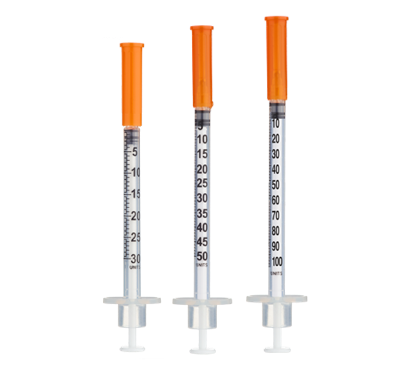
A 5 mg vial + 2.5 mL bacteriostatic water yields 2000 mcg/mL; 60 mcg = 0.03 mL (3 units on a U-100 syringe).
Lyophilized vial refrigerated 2-8C; once reconstituted, keep cold, protect from light, and discard per stability limits.
Quickstart Highlights
Pramlintide is a synthetic amylin analog — a 37-amino-acid peptide modeled on human amylin (islet amyloid polypeptide), the hormone the pancreatic beta cell co-secretes with insulin at every meal[6]. In the published literature it is studied for post-meal glycemic control, appetite suppression and body-weight reduction, and it is the active molecule in the FDA-approved medicine Symlin, cleared in 2005 as an adjunct to mealtime insulin[1].
The figures below reflect the approved label and published trial conventions and are provided strictly for research and educational reference — not medical advice or a recommendation to self-administer. Pramlintide is dosed in micrograms alongside insulin and carries a boxed warning for severe hypoglycemia.
Pre-filled with this protocol’s recommended BAC water and documented starting dose — edit any field to run your own numbers. Reconstitution math only — not dosing advice. U-100 syringe: 100 units = 1 mL. Full reconstitution guide → · Advanced calculator →Mix & measure Pramlintide · 5 mg
Supplies Needed
Everything a documented subcutaneous protocol relies on. Nothing here is exotic — sterile technique and, above all, accurate microgram-scale measurement matter far more than any single tool.
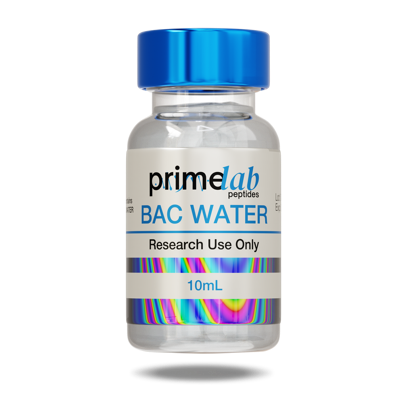
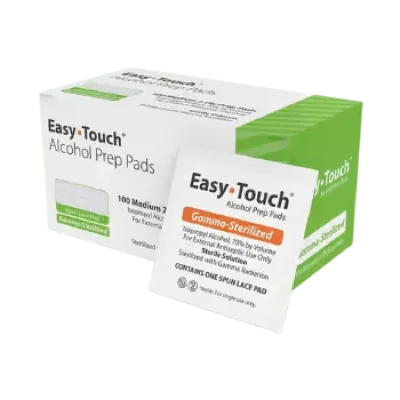
Protocol Overview
At 2 mg/mL a single 5 mg vial holds roughly 2.5 mL (5,000 mcg) of usable solution. Because pramlintide is dosed before each major meal, a day of dosing draws several increments — e.g. 60 mcg × three meals is 180 mcg (0.09 mL) per day, so the vial’s microgram content lasts weeks on paper.
In practice the reconstituted stability window, not the peptide quantity, sets how long a vial is usable, and the dose changes during titration — so recalculate your syringe volume at each step rather than reusing a fixed mark.
Dosing Protocol
Reference microgram doses from the Symlin label, converted to U-100 units at 2 mg/mL (20 mcg per unit). Note the 15 mcg increment falls below the reliable resolution of most insulin syringes — one reason the commercial product uses a calibrated pen.
| Setting / Step | Dose (per major meal) | Volume (U-100 units / mL) |
|---|---|---|
| Type 1 — start | 15 mcg | ~0.75 units (0.0075 mL) |
| Type 1 — target | 30–60 mcg | 1.5–3 units (0.015–0.03 mL) |
| Type 2 — start | 60 mcg | 3 units (0.03 mL) |
| Type 2 — target | 120 mcg | 6 units (0.06 mL) |
| Obesity research | up to 240 mcg (2–3×/day, varied by study) | up to 12 units (0.12 mL) |
Why Pramlintide draws research interest
These are the directions researchers and the peptide community most often explore Pramlintide for — so you know you’re in the right place. They describe what is being studied, not proven benefits, approved uses, or promised results.
Post-meal glucose control
Studied as an insulin adjunct for lowering post-prandial glucose excursions in type 1 and type 2 diabetes (FDA-approved indication).
Body-weight endpoints
Investigated in phase 2 obesity trials for modest weight reduction independent of diabetes status.
Amylin + incretin combinations
Increasingly investigated as a research adjunct alongside GLP-1 agents, echoing the long-acting amylin analog cagrilintide.
Appetite and satiety signaling
Studied as a centrally acting satiety hormone that reduces energy intake in controlled feeding studies.
Evidence ranges from early laboratory work to clinical trials depending on the use — the sections below cover the actual data and sources.
Add 2.5 mL bacteriostatic water to one 5 mg vial → 2 mg/mL (2,000 mcg/mL ≈ 20 mcg per U-100 unit).
15 → 120 mcg before each major meal (micrograms, not mg), titrated in 15 mcg steps as tolerated.
Subcutaneous, immediately before each major meal (2–3×/day); inject at a separate site from insulin — never the same syringe.
Approved-drug molecule (Symlin); year-long RCT dataset in type 1 & type 2 diabetes, but research-vial use is off-label / research-only.
Dosing & Reconstitution Guide
Pramlintide is titrated slowly because gastrointestinal tolerability — nausea — is the dose-limiting factor, not peak effect. Unlike most injectable peptides it is dosed in micrograms and given before each major meal rather than once daily.
Standard / Gradual Approach
The Symlin label steps the dose up only after nausea resolves — at least three days between increases — starting at 15 mcg per meal in type 1 diabetes and titrating in 15 mcg increments toward 30–60 mcg, or starting at 60 mcg and moving to 120 mcg in type 2 diabetes[1].
A defining, non-negotiable feature of the label is that mealtime (rapid-acting) insulin is reduced by 50% when pramlintide is initiated, specifically to limit hypoglycemia[1]. Reconstituted at 2 mg/mL, a 60 mcg dose equals 0.03 mL (3 units on a U-100 syringe).
Reconstitution Steps
Reconstitution is straightforward, but because doses are microgram-scale, measurement precision matters far more here than for milligram-dosed peptides.
- ▪Sanitize: Swab the vial stopper and the bacteriostatic-water vial with fresh alcohol pads and let them dry.
- ▪Add diluent slowly: Draw 2.5 mL bacteriostatic water and let it run down the inside wall of the vial — do not spray it directly onto the powder.
- ▪Dissolve gently: Swirl; do not shake. The solution should clear within a minute or two, giving 2 mg/mL (2,000 mcg/mL).
- ▪Store: Label with the date and refrigerate at 2–8 °C, protected from light; pramlintide is formulated at an acidic pH and must never share a syringe with insulin[1].
Storage Instructions
Store the lyophilized vial refrigerated at 2–8 °C (or frozen), away from light, until reconstitution.
After reconstitution, keep the vial cold at 2–8 °C and protected from light, and discard within the product’s stated stability window (the commercial pen carries a defined in-use limit at refrigerated and room temperatures). Discard if the solution becomes cloudy or discolored, and never mix pramlintide with insulin in the same syringe[1].
Important Notes
Practical points that keep microgram-scale administration consistent and reduce avoidable harm.
- ▪Micrograms, not milligrams: A single labeled dose is 15–120 mcg — roughly one-thousandth of the milligram doses used for many injectable peptides, so a small volumetric error becomes a large percentage error.
- ▪Titrate, don’t rush: Nausea is the dose-limiting effect and is dose-related; the label waits until it resolves (at least three days) before each 15 mcg step[1].
- ▪Separate injection, separate site: Pramlintide is acidic and chemically incompatible with insulin in one syringe; the label specifies separate injections[1].
- ▪Boxed warning — severe hypoglycemia: Used with insulin, pramlintide can cause severe hypoglycemia, greatest within three hours of a dose; the label mandates a 50% cut in mealtime insulin at initiation and close glucose monitoring[1] — a documented reason this molecule is prescription-controlled clinically.
How This Works
Pramlintide acts on the amylin receptor, formed when the calcitonin receptor associates with receptor-activity-modifying proteins (RAMPs) and concentrated in the hindbrain area postrema and nucleus tractus solitarius, regions that sense circulating hormones directly. Through these actions it slows gastric emptying (flattening the post-meal glucose rise), restores the meal-time suppression of glucagon that is lost in diabetes, and enhances satiety to reduce food intake[6][8].
Native human amylin is unusable as a drug because it aggregates into insoluble fibrils; pramlintide substitutes three proline residues (positions 25, 28 and 29) to prevent aggregation while preserving activity[2]. These effects are physiologically distinct from insulin (which drives cellular glucose uptake) and from GLP-1 agonists (which act on a different incretin receptor) — the rationale is to “replace” the missing second beta-cell hormone rather than add more insulin. It is short-acting, which is why it must be dosed at every meal.
Lifestyle Factors
In the trials that define this molecule, pramlintide was studied as an adjunct — to mealtime insulin in diabetes and to a reduced-calorie diet in obesity research — so the pharmacology supports, rather than replaces, glucose management and behavior change[7].
Smaller, slower meals reduce the nausea that comes with delayed gastric emptying, and frequent glucose monitoring during initiation and titration is the documented way to catch the early hypoglycemia risk before it becomes severe.
Potential Benefits & Side Effects
What the controlled human literature describes for the approved and investigational uses; research-vial use is not equivalent to a prescribed, supervised course, and the effect sizes below are honestly modest.
Reported Effects
- ▪Glycemic control: As an adjunct to insulin, pramlintide produced a modest HbA1c reduction (on the order of a few tenths of a percentage point) versus placebo over 52 weeks in both type 1 and type 2 diabetes[3][4].
- ▪Weight benefit: Trials reported weight loss rather than the weight gain that usually accompanies intensified insulin therapy — a distinguishing feature of the amylin mechanism[4].
- ▪Appetite & satiety: In non-diabetic obesity, a phase 2 dose-escalation study reported progressive, dose-related body-weight reduction, consistent with central amylin satiety signaling[5].
- ▪Post-meal glucose: By slowing gastric emptying and suppressing glucagon, it lowers post-prandial glucose excursions independently of insulin dose[6].
- ▪Class relevance: Pramlintide validated amylin agonism as a metabolic target; long-acting analogs (cagrilintide) paired with GLP-1 agents are the modern extension of this line of research[7].
Common Side Effects
- ▪Severe hypoglycemia (boxed warning): The headline risk, arising from the combination with insulin and greatest within three hours of a dose; it can impair the ability to drive or operate machinery[1].
- ▪Nausea: The most common side effect — generally mild-to-moderate, dose-related and diminishing over the first weeks; the reason for slow titration[3][5].
- ▪Other GI effects: Anorexia and vomiting were also reported across the diabetes and obesity trials[8].
- ▪Modest effect size: The glycemic and weight benefits are real but incremental — far smaller than modern GLP-1 or dual/triple incretin agents — and the obesity indication was never brought to approval.
- ▪Practical burden: Multiple daily meal-timed injections, separate from insulin, at microgram precision make it demanding to use — the very drawbacks long-acting amylin analogs were designed to overcome.
Injection Technique
Subcutaneous injection technique is identical to insulin, but timing (before each meal) and a separate site from insulin are essential.
Pre-Injection Preparation
- ▪Wash hands; let the refrigerated vial come toward room temperature to reduce sting, and confirm the solution is clear.
- ▪Swab the stopper and injection site; let the alcohol dry fully.
- ▪Draw your current microgram dose into a fresh U-100 syringe and tap out air bubbles — double-check the tiny volume against the dose table.
Injection Procedure
- ▪Pinch a skinfold at a site separate from where insulin is injected (abdomen or outer thigh).
- ▪Insert the needle at 45–90° and inject the solution at a steady, even pace, immediately before the meal.
- ▪Withdraw and apply light pressure with a clean swab — do not rub.
Post-Injection Care
- ▪Drop the used syringe straight into a puncture-proof sharps container.
- ▪Monitor glucose closely in the hours after dosing, given the early hypoglycemia window.
- ▪Rotate sites and return the vial to the refrigerator promptly, protected from light.
Recommended Source
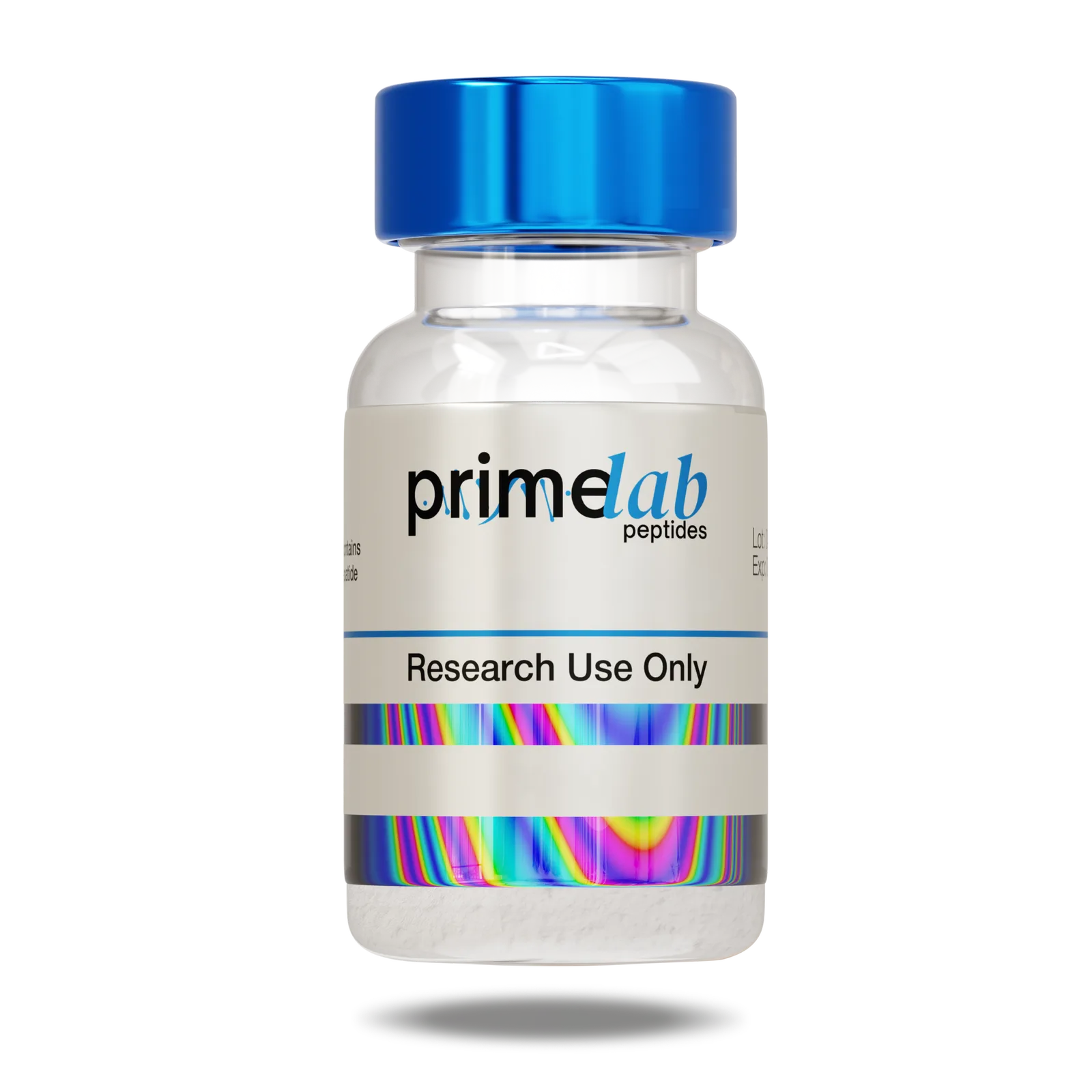
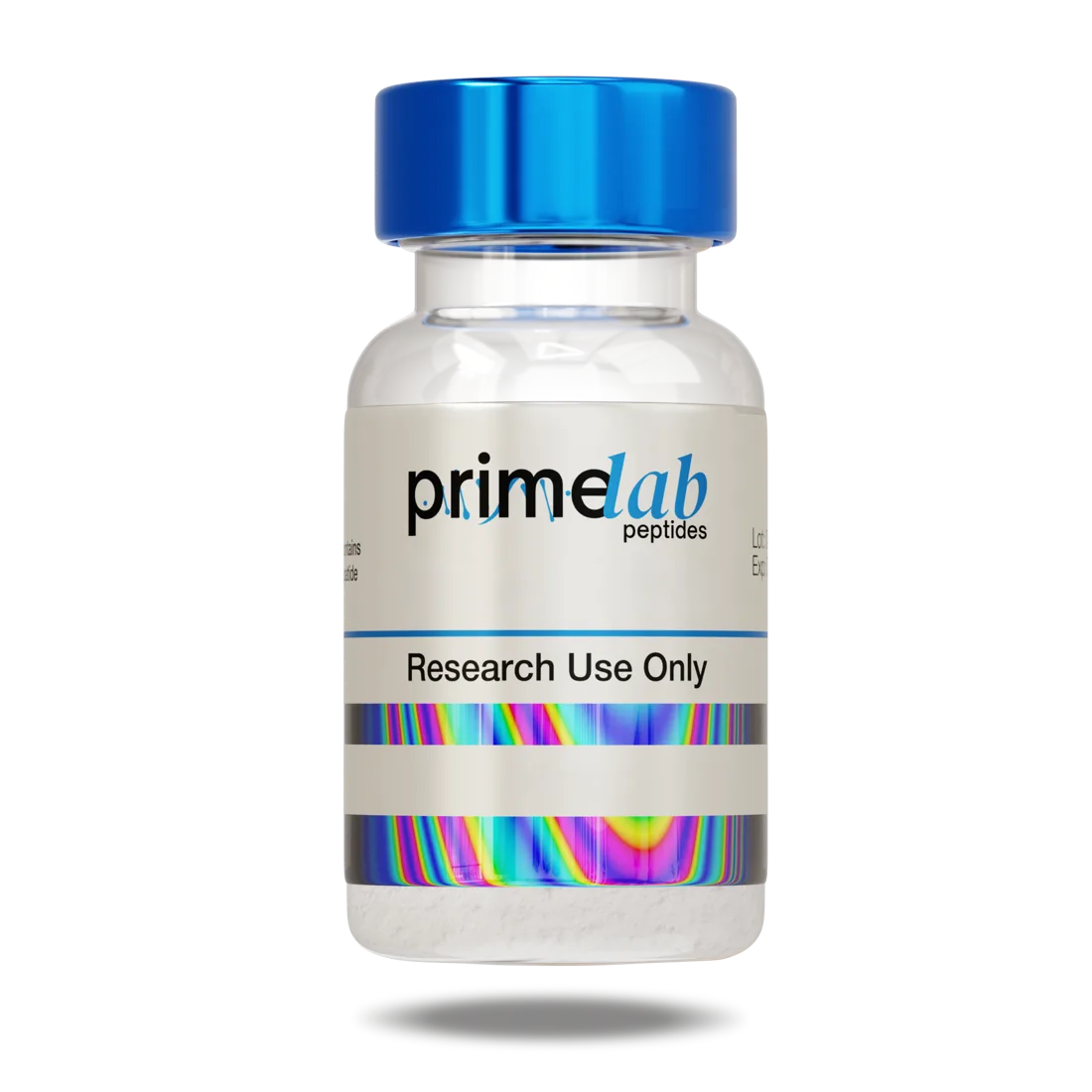
For high-purity research peptides, we point researchers to Prime Lab Peptides for Pramlintide (5 mg Vial).
Why Prime Lab Peptides?
- ▪Top-rated on Trustpilot: Independently reviewed as the highest-rated peptide lab on Trustpilot — making it the best current source in the USA.
- ▪Third-party tested: Every batch ships with a Certificate of Analysis (COA) confirming purity and composition.
- ▪Consistent quality: ISO-aligned manufacturing and handling keep product integrity reliable batch to batch.
- ▪Cold-chain integrity: Temperature-controlled shipping and storage across the whole fulfilment chain.
- ▪Research-grade purity: Fit for educational and research use that demands high-quality peptides.
Note: Product availability and specifications subject to change. Verify current product details on supplier website.
References
- 1
SYMLIN (pramlintide acetate) FDA Prescribing InformationOfficial U.S. label: boxed warning for severe hypoglycemia, microgram dosing by diabetes type, 50% mealtime-insulin reduction at initiation, and separate-injection instruction.
- 2
Clinical Therapeutics (PubMed) — Ryan, Jobe & Martin 2005Review of pramlintide in type 1 and type 2 diabetes, including the proline substitutions that make the amylin analog soluble and injectable.
- 3
Diabetes Care (PubMed) — Whitehouse et al. 200252-week randomized controlled trial of pramlintide as an adjunct to insulin in type 1 diabetes; reduced HbA1c with weight benefit.
- 4
Diabetes Care (PubMed) — Hollander et al. 20031-year randomized controlled trial in insulin-treated type 2 diabetes; improved long-term glycemic and weight control versus placebo.
- 5
J Clin Endocrinol Metab (PubMed) — Aronne et al. 2007Phase 2, placebo-controlled dose-escalation study of pramlintide in non-diabetic obesity; progressive, dose-related body-weight reduction.
- 6
Pharmacological Reviews — Hay, Chen, Lutz, Parkes & Roth 2015Comprehensive review of amylin pharmacology and physiology: amylin/RAMP receptors, hindbrain action, gastric emptying, glucagon suppression and satiety.
- 7
The Lancet (PubMed) — Enebo et al. 2021Phase 1b trial of the long-acting amylin analog cagrilintide co-administered with semaglutide 2.4 mg for weight management — the modern amylin-plus-incretin direction.
- 8
LiverTox: Pramlintide (NIDDK / NCBI Bookshelf)Clinical and research summary of pramlintide’s mechanism, indications and adverse effects.
Pramlintide — frequently asked questions
How do I reconstitute a 5 mg vial of Pramlintide?
Wipe the stopper with an alcohol swab, then inject your bacteriostatic water slowly down the inside wall of the vial. Let it sit and gently swirl until dissolved — never shake. Store the mixed vial in the refrigerator and draw doses with an insulin syringe. Use the calculator above to turn any dose into syringe units.
How much bacteriostatic water should I add to Pramlintide?
There is no single correct amount — more water simply spreads the same 5 mg of peptide across a larger volume, which makes small doses easier to measure accurately. 1 to 3 mL per vial is typical. Enter your chosen volume in the calculator above to see the resulting concentration and syringe units.
What do the "units" on an insulin syringe mean?
On a U-100 insulin syringe, 100 units equal 1 mL, so 1 unit equals 0.01 mL. The calculator above converts your draw volume into these units automatically so you can measure without doing the math by hand.
How should I store Pramlintide after mixing?
Keep the reconstituted vial refrigerated at roughly 2 to 8 degrees Celsius, away from light, and avoid freezing it. Reconstituted research peptides are generally used within a few weeks. Always follow the specific guidance supplied with your product.
How many doses does a 5 mg vial of Pramlintide provide?
Divide the vial strength of 5 mg by the amount you use per injection. The calculator above reports this as "doses per vial" the moment you enter a dose.
Is Pramlintide approved for human use?
No. Pramlintide is sold strictly for laboratory and research purposes and is not approved by the FDA or other regulators for human use. Everything on this page is research information, not medical advice — consult a licensed healthcare professional before any use.
New protocols & dosing updates
Reconstitution charts, new peptide protocols and safety updates — straight to your inbox. No spam, unsubscribe anytime.