
Dulaglutide (5 mg) Dosage Protocol
The once-weekly GLP-1 receptor agonist marketed as Trulicity — but structurally a large GLP-1–IgG4-Fc fusion protein, not a small peptide. This is a research reference; the approved product is a ready-to-use pen, not a reconstitutable vial.

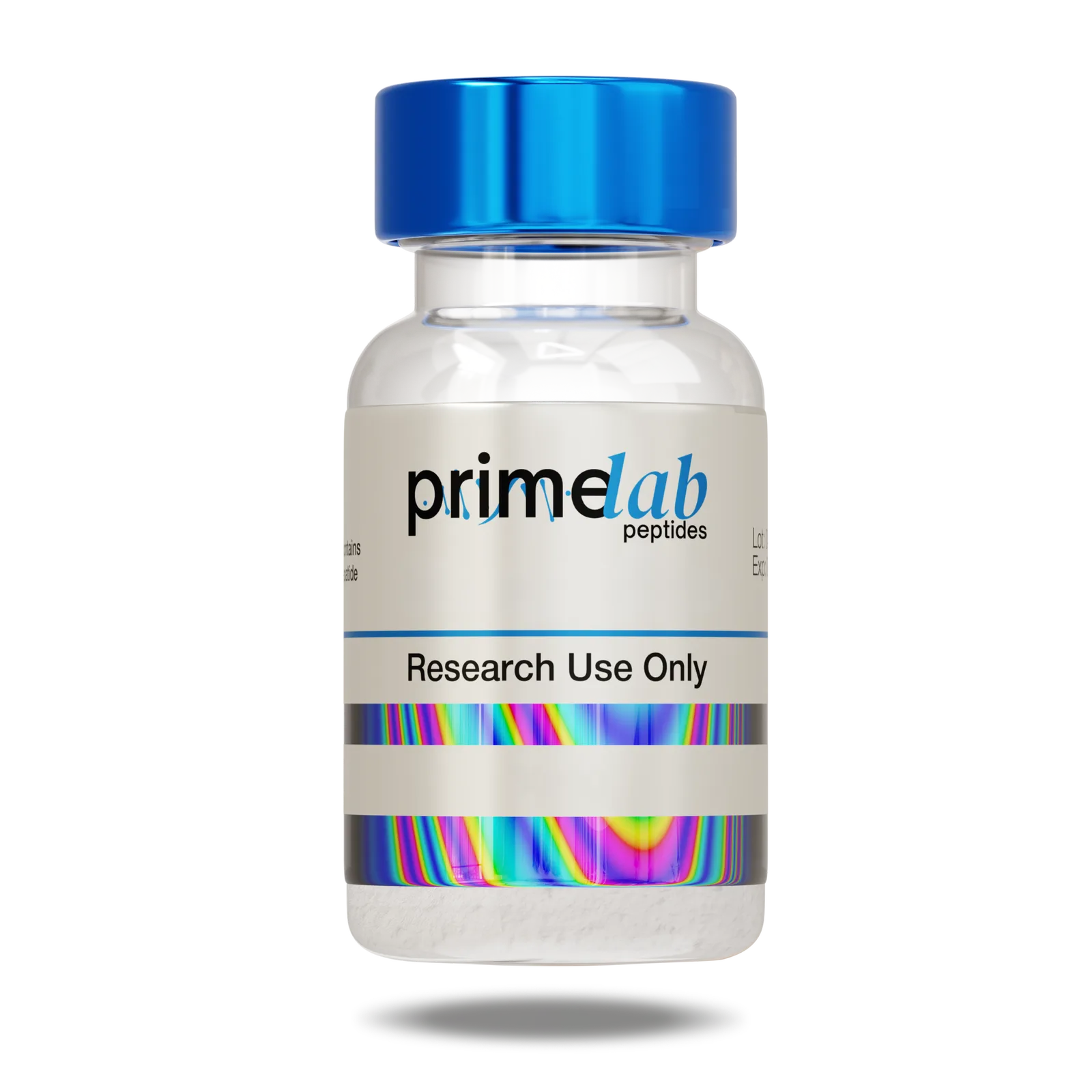
A GLP-1 receptor agonist assembled as a fusion protein: two DPP-4-resistant human GLP-1(7-37) analog chains linked to a human IgG4 Fc fragment. It enhances glucose-dependent insulin secretion, suppresses glucagon, slows gastric emptying and reduces appetite; the Fc scaffold gives a ~5-day half-life and once-weekly dosing.
FDA-approved as Trulicity for type 2 diabetes (2014) and for reducing major cardiovascular events in adults with type 2 diabetes. It carries a boxed warning for thyroid C-cell tumors and is contraindicated in people with a personal/family history of medullary thyroid carcinoma or MEN 2. The approved product is a pre-filled pen, not a research vial.
Supported by the large AWARD clinical program and the 9,901-patient REWIND cardiovascular outcomes trial. It is an established, effective glucose-lowering agent with modest weight loss — weaker on weight than semaglutide or tirzepatide, a point worth keeping honest.
Pre-filled with this protocol’s recommended BAC water and documented starting dose — edit any field to run your own numbers. Reconstitution math only — not dosing advice. U-100 syringe: 100 units = 1 mL. Full reconstitution guide → · Advanced calculator →Mix & measure Dulaglutide · 5 mg
Dosing & Reconstitution Guide
The dulaglutide amounts that are actually validated are the ones in the approved once-weekly pen: 0.75 mg and 1.5 mg, with 3.0 mg and 4.5 mg maintenance options added after the AWARD-11 trial[5]. Those figures are reported here as clinical fact. The reconstitution math that follows simply converts a lyophilized research vial into a known concentration for laboratory handling — it is not a treatment plan, and a reconstituted vial is not the approved medicine.
Standard / Gradual Approach
In the clinical program, dulaglutide is started at 0.75 mg or 1.5 mg once weekly and, if further glucose lowering is needed, stepped up at four-week intervals to 3.0 mg and then 4.5 mg[5]. Because the Fc scaffold gives it a roughly five-day half-life[1], it is taken on the same day each week, with or without food, and does not require the daily timing that shorter-acting GLP-1 agents do.
The gradual titration is not arbitrary — it is how the gastrointestinal side effects (nausea, diarrhea, vomiting) that define the GLP-1 class are kept tolerable. In the AWARD-6 head-to-head study, nausea occurred in about one in five patients on dulaglutide, comparable to daily liraglutide[2]; in the long REWIND trial, gastrointestinal complaints were reported by 47% of the dulaglutide group versus 34% on placebo[3]. Escalating slowly blunts those effects.
It is worth stating plainly that dulaglutide is a glucose-lowering diabetes medicine first. Its weight effect is real but modest — in AWARD-11 the higher 4.5 mg dose produced about 4.7 kg of weight loss at 36 weeks, versus 3.1 kg at 1.5 mg[5] — and it is weaker on weight than semaglutide or the dual-agonist tirzepatide. Framing it primarily as a weight-loss peptide would overstate what the data show.
| Reference amount | Volume at 5 mg/mL | U-100 units |
|---|---|---|
| 0.75 mg | 0.15 mL | 15 units |
| 1.5 mg | 0.30 mL | 30 units |
| 3.0 mg | 0.60 mL | 60 units |
| 4.5 mg | 0.90 mL | 90 units |
Why Dulaglutide draws research interest
These are the directions researchers and the peptide community most often explore Dulaglutide for — so you know you’re in the right place. They describe what is being studied, not proven benefits, approved uses, or promised results.
Blood sugar & type 2 diabetes
The approved use: Trulicity is FDA-approved for type 2 diabetes, given as a once-weekly ready-to-use pen, never a reconstituted vial.
Weight & appetite
Real but modest — roughly 3 to 5 kg over 36 weeks, well behind semaglutide and tirzepatide. Do not expect their numbers.
Cardiovascular & kidney outcomes
The REWIND trial in nearly 10,000 people reported fewer major cardiovascular and kidney events over five years — a hard, approved outcome.
Fc-fusion design
Studied as a GLP-1 fused to an IgG4 antibody tail for weekly dosing — far harder to synthesize and verify than a short peptide.
Evidence ranges from early laboratory work to clinical trials depending on the use — the sections below cover the actual data and sources.
Quickstart Highlights
Dulaglutide is a long-acting glucagon-like peptide-1 (GLP-1) receptor agonist, marketed by Eli Lilly as Trulicity and approved by the FDA in 2014 for the treatment of type 2 diabetes. What makes it unusual among the compounds catalogued here is its size and architecture: it is not a small peptide but a large (≈59.7 kDa) fusion protein — two modified human GLP-1 analog chains each covalently joined through a short linker to a fragment of a human immunoglobulin G4 (IgG4) Fc region[1]. That antibody-derived Fc tail is what stretches its half-life to roughly five days and makes once-weekly injection possible.
This page is an educational reference on what dulaglutide is, the real clinical evidence behind it, and the arithmetic of reconstituting a research vial. It is not medical advice. An important honesty point comes first: dulaglutide is FDA-approved, so unlike most research peptides it has robust human trial data — but the approved product is a ready-to-use, pre-filled pen solution kept refrigerated, never a lyophilized powder you reconstitute. A grey-market “dulaglutide vial” is therefore not the approved medicine, and because dulaglutide is a large glycosylated antibody-Fc fusion protein — far harder to synthesize and verify than a short peptide — its identity and potency should be treated with heavy skepticism.
A GLP-1 receptor agonist built as a GLP-1–IgG4-Fc fusion protein[1]. The GLP-1 portion is modified for DPP-4 resistance and receptor selectivity; the Fc portion extends its action to once-weekly.
1 mL bacteriostatic water per 5 mg vial → 5 mg/mL. A lab-handling reference only. The genuine approved product ships as a ready-to-use pen and is not reconstituted.
FDA-approved as Trulicity (2014) for type 2 diabetes and for cardiovascular risk reduction[3]. Carries a boxed warning for thyroid C-cell tumors (rodent finding). Research-grade vials are not the approved drug.
Reconstitution Steps
A research vial is lyophilized powder that must be reconstituted with bacteriostatic water before it can be measured. Using 1 mL for a 5 mg vial gives 5 mg/mL, which keeps every clinical-range amount inside a single U-100 syringe. This is a laboratory-handling step and does not turn a research vial into the approved pen.
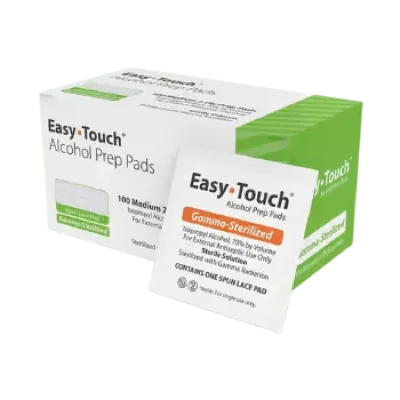
- ▪Sanitize: swab the vial stopper and the bacteriostatic-water stopper with fresh alcohol pads and let them air-dry.
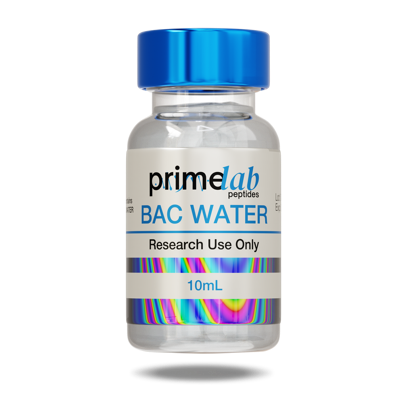
- ▪Add 1 mL slowly: draw 1 mL of bacteriostatic water and let it run down the inside wall of the vial rather than onto the powder. This yields 5 mg/mL.
- ▪Dissolve gently: let it stand about 30 seconds, then swirl or roll the vial between your palms. Do not shake — a protein this large foams and can denature. Discard it if the solution stays cloudy or holds particles.
- ▪Refrigerate: store the reconstituted vial at 2–8 °C, protected from light, and never freeze a reconstituted protein.
Supplies Needed
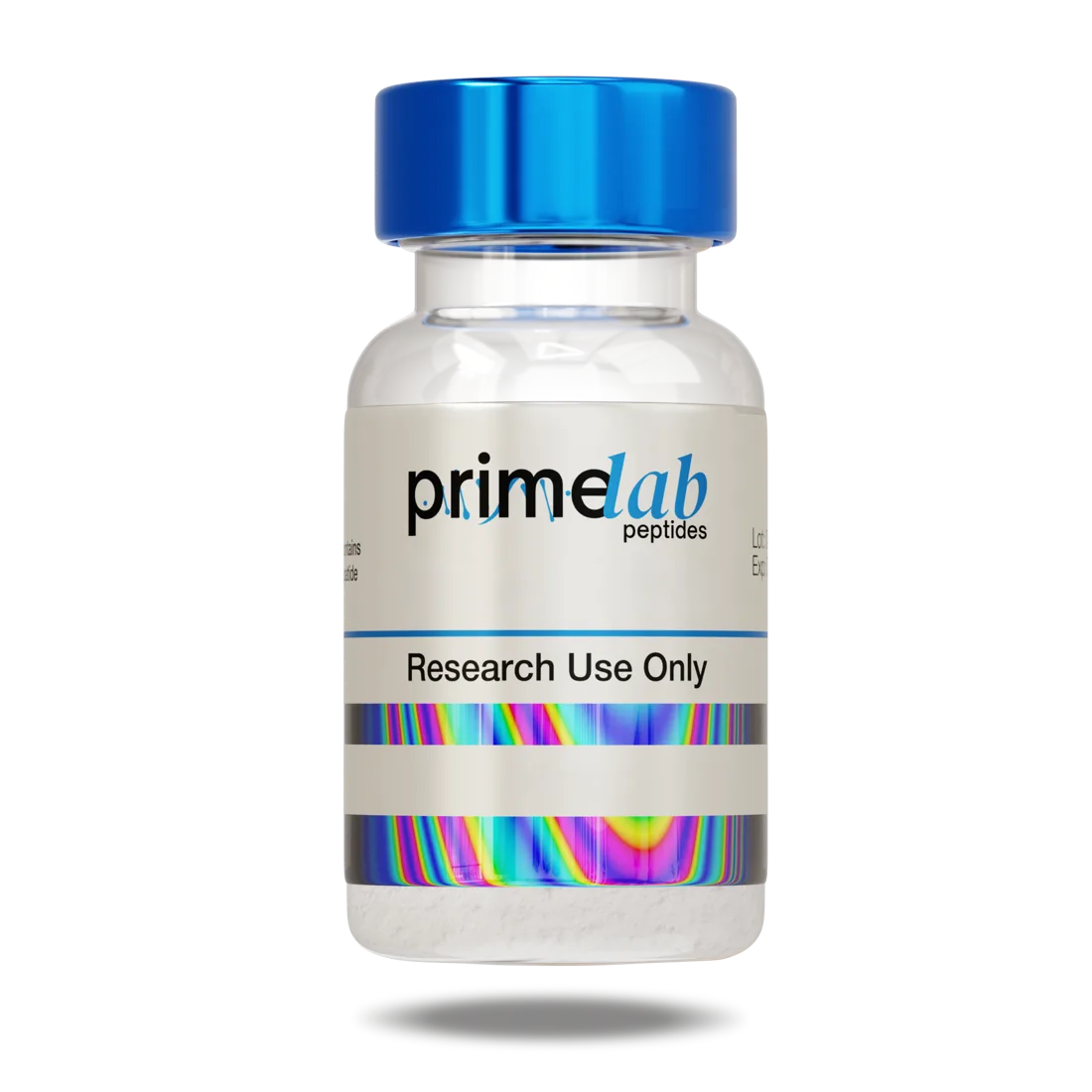
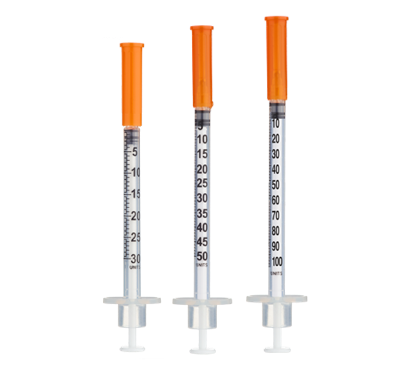
The generic reconstitution kit below is what a laboratory would use to bring a lyophilized vial into solution for measurement and storage. It is listed for completeness; the genuine approved dulaglutide product does not require any of it, because it ships as a ready-to-use pen.
Protocol Overview
The clinical picture for dulaglutide is unusually well-defined for a compound in this catalogue, because it is an approved medicine with a large trial base. It is a once-weekly subcutaneous GLP-1 receptor agonist that lowers HbA1c by roughly 1.4 percentage points at 1.5 mg[2], reduces major cardiovascular events in people with type 2 diabetes[3], and produces modest, dose-dependent weight loss[5].
What sets it apart structurally is the IgG4-Fc fusion design[1]. That is genuinely elegant protein engineering — but it is also the honest reason a research vial is a poor substitute for the real product. A short peptide can be synthesized and checked with reasonable confidence; a 59.7 kDa glycosylated fusion protein cannot. The reconstitution figures on this page describe handling, not a therapy, and no part of this reference endorses self-administration.
Dosing Protocol
The table is a concentration–volume reference only for a 5 mg vial reconstituted in 1 mL (→ 5 mg/mL). It converts a clinical-range amount of peptide into a syringe volume for laboratory measurement. It is not a dose recommendation, and a reconstituted research vial is not the FDA-approved product.
Storage Instructions
The approved product is stored refrigerated at 2–8 °C and protected from light; a lyophilized research vial should be handled the same way per the supplier’s guidance and not frozen once reconstituted.
After reconstitution with bacteriostatic water, store at 2–8 °C and use within the multi-week window the preservative supports. Because dulaglutide is a large protein, avoid shaking, repeated temperature swings and freezing, all of which can aggregate or denature it. Discard any vial whose contents turn cloudy or particulate.
Important Notes
The points below are the ones that matter most for anyone reading about dulaglutide as a research compound.
- ▪It is approved — as a pen, not a vial: Trulicity is a ready-to-use, refrigerated, pre-filled pen. A lyophilized “dulaglutide” vial for reconstitution is not the approved product, and its identity as an intact fusion protein is not guaranteed.
- ▪It is a large fusion protein: at ≈59.7 kDa with an IgG4-Fc scaffold[1], dulaglutide is far more complex than a short peptide. Correct folding and glycosylation are essential to activity and cannot be confirmed by eye — grey-market purity claims deserve heavy skepticism.
- ▪Boxed warning — thyroid C-cell tumors: like other GLP-1 receptor agonists, dulaglutide caused thyroid C-cell tumors in rodents and carries a boxed warning; it is contraindicated in people with a personal or family history of medullary thyroid carcinoma or multiple endocrine neoplasia syndrome type 2.
- ▪Real but class-typical risks: gastrointestinal effects are common[3], and the label flags pancreatitis, gallbladder disease, and hypoglycemia when combined with insulin or sulfonylureas. These are managed with medical supervision that a self-sourced vial does not provide.
- ▪Modest on weight: the weight effect is genuine but smaller than semaglutide or tirzepatide[5]. Dulaglutide is a glucose-lowering diabetes drug first; treating it as a headline weight-loss compound misrepresents the evidence.
- ▪Research vials are unverified: an unregulated biologic of unknown potency, folding and sterility is a real hazard independent of any intended use. This page is educational and does not encourage acquisition or self-administration.
How This Works
Dulaglutide works through the GLP-1 receptor, the same target as the incretin hormone GLP-1. Activating that receptor on pancreatic beta cells enhances glucose-dependent insulin secretion — insulin is released when blood glucose is high and much less when it is normal, which is why GLP-1 agonists carry a low intrinsic hypoglycemia risk. It also suppresses glucagon, slows gastric emptying and acts centrally to reduce appetite, the combination responsible for both glucose lowering and modest weight loss.
The engineering is what makes it once-weekly. Native GLP-1 is cleaved within minutes by dipeptidyl peptidase-4 (DPP-4) and cleared renally. Dulaglutide’s GLP-1 sequence carries substitutions (including an Ala8→Gly change) that block DPP-4, and the peptide is fused to a human IgG4 Fc fragment[1]. The Fc tail is too large for rapid renal clearance and recycles through the neonatal Fc receptor, extending the half-life from minutes to about five days in humans (the fusion protein showed 1.5–2 day half-lives in rats and monkeys, with active drug persisting beyond six days)[1].
Those pharmacologic effects translate into measured clinical outcomes. In head-to-head testing, once-weekly dulaglutide 1.5 mg lowered HbA1c by -1.42%, non-inferior to daily liraglutide 1.8 mg[2]. In the REWIND outcomes trial, it reduced the composite of cardiovascular death, non-fatal myocardial infarction and non-fatal stroke by a hazard ratio of 0.88 (95% CI 0.79–0.99)[3], and an exploratory analysis found fewer kidney events, driven mainly by less new macroalbuminuria[4].
Lifestyle Factors
In the trials that define dulaglutide, it was always used alongside diet, exercise and other diabetes care, not as a standalone lever. Its glucose-lowering and modest weight effects are additive to lifestyle, and the GLP-1 mechanism — slowed gastric emptying and reduced appetite — naturally interacts with meal size and composition. Smaller, less fatty meals tend to reduce the nausea that can accompany the first weeks of any GLP-1 agent.
The responsible framing is the same one the evidence supports: dulaglutide is an approved diabetes medicine that belongs under medical supervision, where its boxed warning, contraindications and drug interactions can be managed. Nothing about its once-weekly convenience changes the fact that a self-sourced, unverified fusion-protein vial removes exactly the oversight that made the real product safe and effective in trials.
Potential Benefits & Side Effects
Evidence tier: robust human clinical data (FDA-approved). The effects below are documented findings from large randomized trials of the approved product, listed to describe the compound accurately — not as an endorsement to self-administer an unverified research vial.
Reported Effects
- ▪Glycemic control: once-weekly dulaglutide 1.5 mg lowered HbA1c by about 1.4 percentage points, non-inferior to daily liraglutide[2].
- ▪Cardiovascular risk reduction: in REWIND (9,901 patients, median 5.4 years) it reduced major adverse cardiovascular events (HR 0.88, 95% CI 0.79–0.99)[3].
- ▪Renal benefit (exploratory): a follow-on REWIND analysis found fewer composite kidney events (HR 0.85), driven mainly by less new macroalbuminuria[4].
- ▪Modest weight loss: dose-dependent, about 3.1 kg at 1.5 mg and 4.7 kg at 4.5 mg over 36 weeks — real but smaller than semaglutide or tirzepatide[5].
- ▪What is not established: any safety or efficacy for an unverified reconstituted research vial, which is not the product any of these trials studied.
Common Side Effects
- ▪Gastrointestinal effects: nausea, diarrhea and vomiting are the most common, reported by roughly 47% of dulaglutide users over long follow-up versus 34% on placebo[3].
- ▪Thyroid C-cell tumors (boxed warning): a rodent finding that prompts a boxed warning and contraindication in medullary thyroid carcinoma or MEN 2.
- ▪Pancreatitis and gallbladder disease: flagged on the label; discontinue if pancreatitis is suspected.
- ▪Hypoglycemia in combination: low on its own, but the risk rises when combined with insulin or sulfonylureas.
- ▪Unknown research-vial risks: an unverified fusion-protein vial adds hazards of mislabeling, misfolding, degradation and non-sterility that the approved pen does not carry.
Injection Technique
The section below documents the generic subcutaneous reconstitution-and-handling workflow used across this site for completeness. It is not a recommendation to self-administer a research vial of dulaglutide. The approved product is a supervised prescription medicine delivered by a pre-filled pen; a reconstituted grey-market vial is not that product.
Pre-Injection Preparation
- ▪Understand this is not the approved product: the steps here describe generic peptide handling, not use of the prescription pen, and carry none of its regulatory oversight.
- ▪Confirm the concentration: the reference volumes assume 5 mg/mL (5 mg in 1 mL). A different diluent volume changes every figure.
- ▪Inspect: the reconstituted solution should be clear and particle-free; a large protein that has aggregated may look cloudy — discard it if so.
Injection Procedure
- ▪Medical supervision belongs here: dulaglutide is a prescription drug with a boxed warning and defined contraindications; appropriate use is under a clinician, not self-directed from an unverified vial.
- ▪Measure by concentration: a reference amount is the intended milligram figure converted at 5 mg/mL — for example 0.30 mL (30 units) for 1.5 mg — used for accurate laboratory measurement, not administration.
- ▪Rotate sites conceptually: the approved pen is injected subcutaneously in the abdomen, thigh or upper arm with site rotation; this is described for accuracy, not as guidance to inject an unverified product.
Post-Injection Care
- ▪Store securely: refrigerate the reconstituted solution at 2–8 °C, protect it from light, and never freeze it.
- ▪Dispose responsibly: discard unused or degraded solution and used sharps safely in an appropriate container.
- ▪Seek medical care for adverse effects: persistent severe abdominal pain (possible pancreatitis), signs of an allergic reaction, or a neck mass/hoarseness warrant prompt medical attention.
Recommended Source
For high-purity research peptides, we point researchers to Prime Lab Peptides for Dulaglutide (5 mg Vial).
Why Prime Lab Peptides?
- ▪Top-rated on Trustpilot: Independently reviewed as the highest-rated peptide lab on Trustpilot — making it the best current source in the USA.
- ▪Third-party tested: Every batch ships with a Certificate of Analysis (COA) confirming purity and composition.
- ▪Consistent quality: ISO-aligned manufacturing and handling keep product integrity reliable batch to batch.
- ▪Cold-chain integrity: Temperature-controlled shipping and storage across the whole fulfilment chain.
- ▪Research-grade purity: Fit for educational and research use that demands high-quality peptides.
Note: Product availability and specifications subject to change. Verify current product details on supplier website.
References
- 1
Diabetes/Metabolism Research and Reviews (2010) — Engineering and characterization of the long-acting glucagon-like peptide-1 analogue LY2189265, an Fc fusion proteinGlaesner, Vick, Millican et al. (PMID 20503261). The molecular-design paper for dulaglutide (LY2189265): a GLP-1 IgG4 Fc fusion protein that retains full receptor activity, resists DPP-4, and shows a 1.5–2 day half-life in rats and monkeys with activity persisting beyond 6 days — the basis for once-weekly dosing. DOI: 10.1002/dmrr.1080.
- 2
The Lancet (2014) — Once-weekly dulaglutide versus once-daily liraglutide in metformin-treated patients with type 2 diabetes (AWARD-6)Dungan, Povedano, Forst et al. (PMID 25018121). Phase 3 head-to-head trial (n=599): dulaglutide 1.5 mg weekly lowered HbA1c by -1.42% versus -1.36% for daily liraglutide 1.8 mg, meeting non-inferiority, with a similar gastrointestinal side-effect profile. DOI: 10.1016/S0140-6736(14)60976-4.
- 3
The Lancet (2019) — Dulaglutide and cardiovascular outcomes in type 2 diabetes (REWIND): a double-blind, randomised placebo-controlled trialGerstein, Colhoun, Dagenais et al. (PMID 31189511). In 9,901 patients over a median 5.4 years, weekly dulaglutide 1.5 mg reduced the composite of cardiovascular death, non-fatal MI and non-fatal stroke (HR 0.88, 95% CI 0.79–0.99, p=0.026); all-cause mortality did not differ (HR 0.90, p=0.067), and 47% vs 34% reported gastrointestinal adverse events. DOI: 10.1016/S0140-6736(19)31149-3.
- 4
The Lancet (2019) — Dulaglutide and renal outcomes in type 2 diabetes: an exploratory analysis of the REWIND trialGerstein, Colhoun, Dagenais et al. (PMID 31189509). Exploratory REWIND analysis: the composite renal outcome occurred less often with dulaglutide (HR 0.85, 95% CI 0.77–0.93, p=0.0004), driven mainly by reduced new macroalbuminuria (HR 0.77). DOI: 10.1016/S0140-6736(19)31150-X.
- 5
Diabetes, Obesity and Metabolism (2021) — Effect of dulaglutide 3.0 and 4.5 mg on weight in patients with type 2 diabetes: exploratory analyses of AWARD-11Bonora, Frias, Tinahones et al. (PMID 34189841). In the AWARD-11 trial (n=1,842), higher weekly doses gave incremental weight loss at 36 weeks: -3.1 kg (1.5 mg), -4.0 kg (3.0 mg, p=0.001) and -4.7 kg (4.5 mg, p<0.001) — confirming a modest, dose-dependent effect. DOI: 10.1111/dom.14465.
Dulaglutide — frequently asked questions
How do I reconstitute a 5 mg vial of Dulaglutide?
Wipe the stopper with an alcohol swab, then inject your bacteriostatic water slowly down the inside wall of the vial. Let it sit and gently swirl until dissolved — never shake. Store the mixed vial in the refrigerator and draw doses with an insulin syringe. Use the calculator above to turn any dose into syringe units.
How much bacteriostatic water should I add to Dulaglutide?
There is no single correct amount — more water simply spreads the same 5 mg of peptide across a larger volume, which makes small doses easier to measure accurately. 1 to 3 mL per vial is typical. Enter your chosen volume in the calculator above to see the resulting concentration and syringe units.
What do the "units" on an insulin syringe mean?
On a U-100 insulin syringe, 100 units equal 1 mL, so 1 unit equals 0.01 mL. The calculator above converts your draw volume into these units automatically so you can measure without doing the math by hand.
How should I store Dulaglutide after mixing?
Keep the reconstituted vial refrigerated at roughly 2 to 8 degrees Celsius, away from light, and avoid freezing it. Reconstituted research peptides are generally used within a few weeks. Always follow the specific guidance supplied with your product.
How many doses does a 5 mg vial of Dulaglutide provide?
Divide the vial strength of 5 mg by the amount you use per injection. The calculator above reports this as "doses per vial" the moment you enter a dose.
Is Dulaglutide approved for human use?
No. Dulaglutide is sold strictly for laboratory and research purposes and is not approved by the FDA or other regulators for human use. Everything on this page is research information, not medical advice — consult a licensed healthcare professional before any use.
New protocols & dosing updates
Reconstitution charts, new peptide protocols and safety updates — straight to your inbox. No spam, unsubscribe anytime.