
Liraglutide (10 mg) Dosage Protocol
Liraglutide is a once-daily GLP-1 receptor agonist that is FDA-approved as Victoza (type 2 diabetes) and Saxenda (chronic weight management); this page is a research-use reference to the doses documented in those trials.

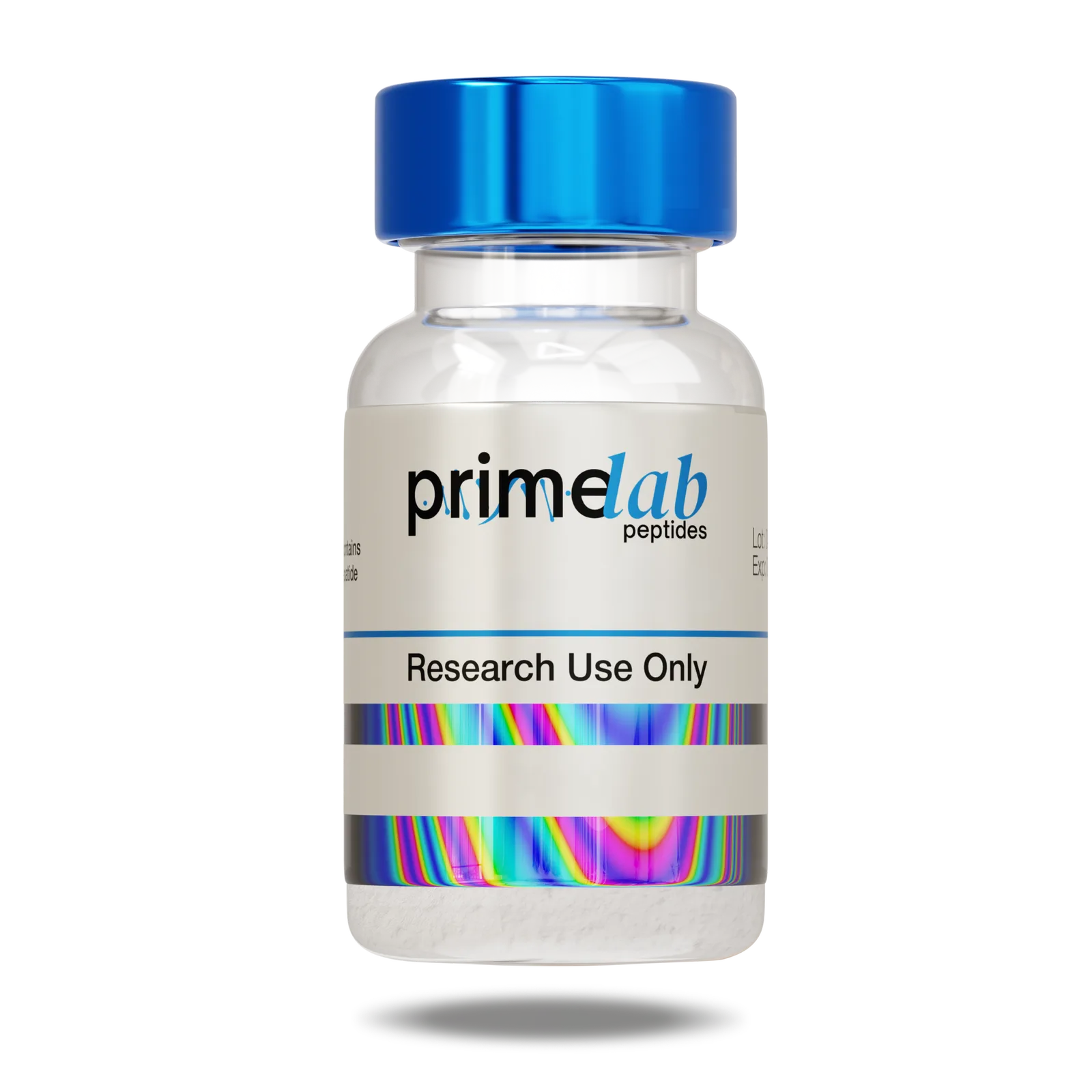
GLP-1 receptor agonist; enhances glucose-dependent insulin release, slows gastric emptying, and acts on hypothalamic appetite centers.
Documented as a once-daily subcutaneous dose escalated stepwise: 0.6-1.8 mg/day (Victoza) or up to 3.0 mg/day (Saxenda).
A 10 mg research vial reconstituted with 2 mL bacteriostatic water yields 5 mg/mL; commercial pens are supplied at 6 mg/mL, pre-mixed.
Unopened vials refrigerated at 2-8 C; protect from light and freezing. After reconstitution, keep cold and use within the documented in-use window.
Quickstart Highlights
Liraglutide is a GLP-1 receptor agonist — an acylated analog of human glucagon-like peptide-1 engineered with a fatty-acid chain that binds albumin and extends its half-life to roughly 13 hours, allowing once-daily subcutaneous dosing[1]. In the published literature it is studied for appetite regulation, glycemic control and body-weight reduction, and it is the active molecule in the approved medicines Victoza and Saxenda[2].
The figures below reflect published research and label conventions and are provided strictly for research and educational reference — not medical advice or a recommendation to self-administer.
Pre-filled with this protocol’s recommended BAC water and documented starting dose — edit any field to run your own numbers. Reconstitution math only — not dosing advice. U-100 syringe: 100 units = 1 mL. Full reconstitution guide → · Advanced calculator →Mix & measure Liraglutide · 10 mg
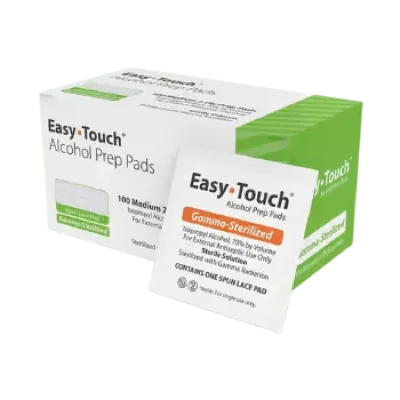
Supplies Needed
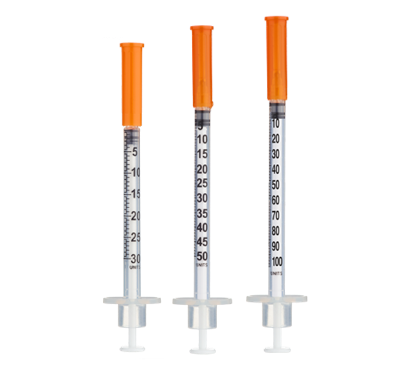
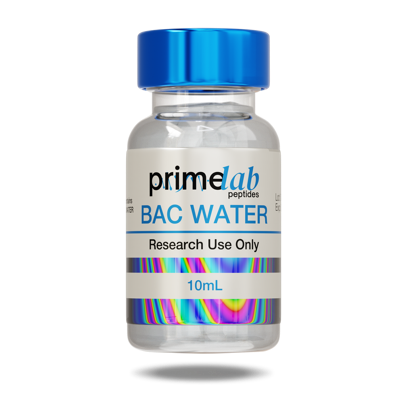
Everything a documented subcutaneous protocol relies on. Nothing here is exotic — sterile technique and accurate measurement matter far more than any single tool.
Protocol Overview
At 5 mg/mL a single 10 mg vial holds roughly 2 mL of usable solution. A full 0.6 → 3.0 mg titration month draws down the vial progressively, so plan supply around your target maintenance dose.
Because the dose changes weekly during titration, recalculate your syringe volume at each step rather than reusing a fixed mark.
Dosing Protocol
A suggested weekly titration based on the Saxenda reference schedule, converted to U-100 units at 5 mg/mL.
| Phase / Week(s) | Daily Dose | Volume (U-100 units / mL) |
|---|---|---|
| Week 1 | 0.6 mg (1× daily) | 12 units (0.12 mL) |
| Week 2 | 1.2 mg (1× daily) | 24 units (0.24 mL) |
| Week 3 | 1.8 mg (1× daily) | 36 units (0.36 mL) |
| Week 4 | 2.4 mg (1× daily) | 48 units (0.48 mL) |
| Week 5+ | 3.0 mg (1× daily) | 60 units (0.60 mL) |
Why Liraglutide draws research interest
These are the directions researchers and the peptide community most often explore Liraglutide for — so you know you’re in the right place. They describe what is being studied, not proven benefits, approved uses, or promised results.
Weight management
Investigated in the SCALE program at 3.0 mg/day for body-weight reduction; FDA-approved as Saxenda for chronic weight management.
Glycemic control
Studied across the LEAD program at 1.2-1.8 mg/day for HbA1c and fasting glucose in type 2 diabetes; FDA-approved as Victoza.
Appetite & satiety
Examined for its effects on hunger, satiety signaling, and gastric emptying via central and peripheral GLP-1 pathways.
Cardiovascular outcomes
Evaluated in the LEADER outcomes trial for major adverse cardiovascular events in high-risk type 2 diabetes.
Evidence ranges from early laboratory work to clinical trials depending on the use — the sections below cover the actual data and sources.
Add 2.0 mL bacteriostatic water to one 10 mg vial → 5 mg/mL (5,000 mcg/mL).
0.6 → 3.0 mg once daily, titrated up ~weekly to limit GI effects.
Subcutaneous, once daily at a consistent time; rotate abdomen / thigh / upper-arm sites.
Approved-drug molecule (Victoza/Saxenda); large RCT dataset, but research-vial use is off-label / research-only.
Dosing & Reconstitution Guide
Liraglutide is titrated slowly because gastrointestinal tolerability — not peak effect — is the limiting factor. Reference regimens step the dose up about once a week so the gut adapts.
Standard / Gradual Approach
A widely referenced titration mirrors the Saxenda label: start low and increase by ~0.6 mg weekly, holding at any step if side effects are pronounced. Reconstituted at 5 mg/mL, each 0.6 mg increment equals 0.12 mL (12 units on a U-100 syringe).
Reconstitution Steps
Reconstitution is straightforward and identical to other lyophilized peptides.
- ▪Sanitize: Swab the vial stopper and the bacteriostatic-water vial with fresh alcohol pads and let them dry.
- ▪Add diluent slowly: Draw 2.0 mL bacteriostatic water and let it run down the inside wall of the vial — do not spray it directly onto the powder.
- ▪Dissolve gently: Swirl; do not shake. The solution should clear within a minute or two.
- ▪Store: Label with the date and refrigerate at 2–8 °C; the reconstituted vial holds ~5 mg/mL.
Storage Instructions
Store the lyophilized vial in the freezer or refrigerator away from light until reconstitution.
After reconstitution, keep the vial refrigerated at 2–8 °C and use within the bacteriostatic-water window (commonly cited as up to ~28 days). Discard if the solution becomes cloudy or discolored.
Important Notes
Practical points that keep daily administration consistent and reduce avoidable side effects.
- ▪Titrate, don’t rush: Nausea, fullness and constipation are dose-related and usually ease with time — holding a step longer is preferable to pushing through.
- ▪One dose a day: Liraglutide is once-daily; doubling up after a missed dose is not part of any reference protocol.
- ▪Sterile technique: Fresh U-100 syringe each time, straight into a puncture-proof sharps container afterward.
- ▪Not for everyone in the literature: GLP-1 agonists carry documented contraindications (personal/family history of medullary thyroid carcinoma or MEN 2, and caution with pancreatitis history)[3] — a reason this molecule is prescription-controlled clinically.
How This Works
Liraglutide binds the GLP-1 receptor, an incretin receptor expressed in the pancreas, gut and brain. Activation enhances glucose-dependent insulin secretion, suppresses glucagon, slows gastric emptying and signals satiety in hypothalamic appetite centers[1].
The fatty-acid (palmitoyl) modification is what separates it from native GLP-1: by binding albumin it resists rapid DPP-4 degradation and renal clearance, turning a molecule with a ~2-minute half-life into one dosed once daily[4].
Lifestyle Factors
In the clinical trials that define this molecule, liraglutide was studied alongside a reduced-calorie diet and increased physical activity — the pharmacology supports behavior change rather than replacing it[5].
Adequate hydration and protein intake are commonly discussed for managing appetite suppression and preserving lean mass; smaller, slower meals reduce the nausea that comes with delayed gastric emptying.
Potential Benefits & Side Effects
What the controlled human literature describes for the approved indications; research-vial use is not equivalent to a prescribed, supervised course, and individual results vary.
Reported Effects
- ▪Weight reduction: In the SCALE program, liraglutide 3.0 mg produced clinically meaningful weight loss versus placebo alongside lifestyle intervention[5].
- ▪Glycemic control: At 1.8 mg it lowers HbA1c and fasting glucose in type-2 diabetes (Victoza indication)[2].
- ▪Appetite & satiety: Reduced hunger and earlier fullness are consistently reported, consistent with central GLP-1 signaling.
- ▪Cardiovascular data: The LEADER trial reported reduced major adverse cardiovascular events in high-risk T2D patients[6].
Common Side Effects
- ▪Gastrointestinal: Nausea, vomiting, diarrhea and constipation are the most common and are dose- and titration-related.
- ▪Gallbladder: Increased risk of gallstones/cholelithiasis is documented with GLP-1 weight-loss dosing.
- ▪Pancreatitis (rare): Acute pancreatitis has been reported; persistent severe abdominal pain warrants stopping.
- ▪Boxed contraindication: Thyroid C-cell tumors in rodents underlie the MTC/MEN-2 contraindication — a documented reason for clinical screening.
Injection Technique
Subcutaneous injection technique is identical to insulin. Accuracy and rotation matter more than speed.
Pre-Injection Preparation
- ▪Wash hands; let the refrigerated vial come toward room temperature to reduce sting.
- ▪Swab the stopper and injection site; let the alcohol dry fully.
- ▪Draw your current titration volume into a fresh U-100 syringe and tap out air bubbles.
Injection Procedure
- ▪Pinch a skinfold at the chosen site (abdomen, outer thigh or back of the upper arm).
- ▪Insert the needle at 45–90° and inject the solution at a steady, even pace.
- ▪Withdraw and apply light pressure with a clean swab — do not rub.
Post-Injection Care
- ▪Drop the used syringe straight into a puncture-proof sharps container.
- ▪Rotate sites day to day to avoid local irritation or lipohypertrophy.
- ▪Return the vial to the refrigerator promptly.
Recommended Source
For high-purity research peptides, we point researchers to Prime Lab Peptides for Liraglutide (10 mg Vial).
Why Prime Lab Peptides?
- ▪Top-rated on Trustpilot: Independently reviewed as the highest-rated peptide lab on Trustpilot — making it the best current source in the USA.
- ▪Third-party tested: Every batch ships with a Certificate of Analysis (COA) confirming purity and composition.
- ▪Consistent quality: ISO-aligned manufacturing and handling keep product integrity reliable batch to batch.
- ▪Cold-chain integrity: Temperature-controlled shipping and storage across the whole fulfilment chain.
- ▪Research-grade purity: Fit for educational and research use that demands high-quality peptides.
Note: Product availability and specifications subject to change. Verify current product details on supplier website.
References
- 1
Drug Design, Development and Therapy (PMC)Knudsen & Lau — the discovery and mechanism of the GLP-1 receptor agonists, including liraglutide’s albumin-binding fatty-acid design.
- 2
Victoza (liraglutide) FDA Prescribing InformationOfficial label for the 1.8 mg type-2-diabetes indication, mechanism and safety.
- 3
Saxenda (liraglutide 3 mg) FDA Prescribing InformationLabel for the weight-management indication, including titration schedule and contraindications.
- 4
Journal of Medicinal Chemistry (PubMed)Structure-activity work describing liraglutide’s C16 fatty-acid acylation and prolonged half-life.
- 5
New England Journal of Medicine — SCALE ObesityPi-Sunyer et al. — randomized trial of liraglutide 3.0 mg for weight management with lifestyle intervention.
- 6
New England Journal of Medicine — LEADERMarso et al. — cardiovascular outcomes with liraglutide in type-2 diabetes.
Liraglutide — frequently asked questions
How do I reconstitute a 10 mg vial of Liraglutide?
Wipe the stopper with an alcohol swab, then inject your bacteriostatic water slowly down the inside wall of the vial. Let it sit and gently swirl until dissolved — never shake. Store the mixed vial in the refrigerator and draw doses with an insulin syringe. Use the calculator above to turn any dose into syringe units.
How much bacteriostatic water should I add to Liraglutide?
There is no single correct amount — more water simply spreads the same 10 mg of peptide across a larger volume, which makes small doses easier to measure accurately. 1 to 3 mL per vial is typical. Enter your chosen volume in the calculator above to see the resulting concentration and syringe units.
What do the "units" on an insulin syringe mean?
On a U-100 insulin syringe, 100 units equal 1 mL, so 1 unit equals 0.01 mL. The calculator above converts your draw volume into these units automatically so you can measure without doing the math by hand.
How should I store Liraglutide after mixing?
Keep the reconstituted vial refrigerated at roughly 2 to 8 degrees Celsius, away from light, and avoid freezing it. Reconstituted research peptides are generally used within a few weeks. Always follow the specific guidance supplied with your product.
How many doses does a 10 mg vial of Liraglutide provide?
Divide the vial strength of 10 mg by the amount you use per injection. The calculator above reports this as "doses per vial" the moment you enter a dose.
Is Liraglutide approved for human use?
No. Liraglutide is sold strictly for laboratory and research purposes and is not approved by the FDA or other regulators for human use. Everything on this page is research information, not medical advice — consult a licensed healthcare professional before any use.
New protocols & dosing updates
Reconstitution charts, new peptide protocols and safety updates — straight to your inbox. No spam, unsubscribe anytime.