
Dermorphin (5 mg) Dosage Protocol
A potent mu-opioid heptapeptide from frog skin, studied in animal analgesia and pharmacology. It is a laboratory research reagent only — not approved for, and not intended for, human or veterinary administration.
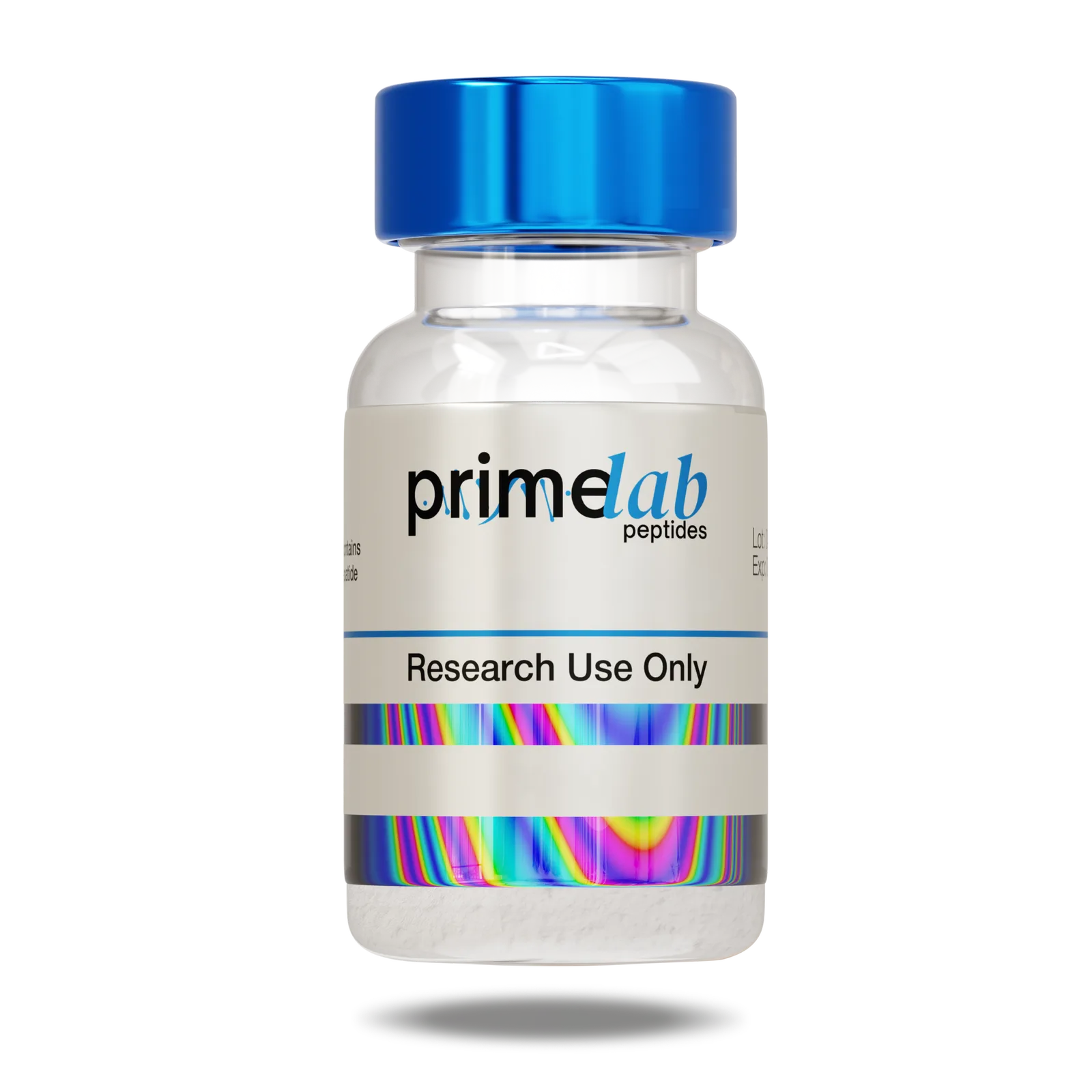
A frog-skin heptapeptide (Tyr-D-Ala-Phe-Gly-Tyr-Pro-Ser-NH2) that is a highly selective, high-affinity agonist at the mu-opioid receptor. Its unusual D-alanine residue resists breakdown and underlies a potency several times that of morphine in animal antinociception assays.
A laboratory research reagent, not a drug. It is not approved for human or veterinary use, has no established dose, and is prohibited in sport. Its most notable real-world appearance is as an illegally administered analgesic ("nerve blocker") in horse racing, which anti-doping laboratories now test for.
Effects are characterized in animal models: potent antinociception, catalepsy at higher amounts, and dose-dependent respiratory and blood-pressure changes typical of a mu-opioid. There are no controlled human therapeutic trials and no approved indication.
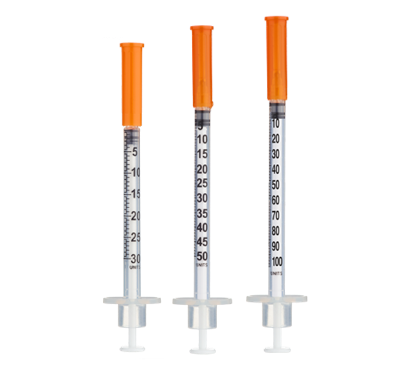
Pre-filled with this protocol’s recommended BAC water and documented starting dose — edit any field to run your own numbers. Reconstitution math only — not dosing advice. U-100 syringe: 100 units = 1 mL. Full reconstitution guide → · Advanced calculator →Mix & measure Dermorphin · 5 mg
Dosing & Reconstitution Guide
Dermorphin has no established dose for humans or animals, and this page does not supply one. What the literature contains are experimental amounts used in animal research to probe opioid pharmacology — they are reported here as scientific fact, not as instructions. The reconstitution figures that follow are simply the arithmetic of turning a lyophilized vial into a known concentration for laboratory handling.
Standard / Gradual Approach
In the published animal work, dermorphin and its analogs were given in very small amounts by routes appropriate to a laboratory model: nanomole quantities injected directly into the lateral brain ventricle of rats, or on the order of micromoles per kilogram subcutaneously[3][5]. Those amounts were chosen to measure antinociception, catalepsy and respiratory effects in controlled experiments — they do not translate into a human or veterinary regimen, and no such regimen has ever been validated.
Because dermorphin is a potent mu-opioid agonist, the same properties that make it interesting pharmacologically — high receptor affinity, resistance to breakdown, central penetration — are exactly what make casual administration dangerous. Opioid effects such as respiratory depression are dose-related and were observed in the animal studies at higher amounts[5]. There is no “safe research dose” for a person or an animal, because the compound was never developed as a medicine.
It is worth stating plainly: the only widely reported in vivo human-adjacent use of dermorphin is its illicit injection into racehorses, where it is a prohibited doping agent[6]. That is an abuse of the compound, not a model to imitate. This reference exists to explain the science and to be honest about the risks, not to enable administration.
| Reference amount | Volume at 2.5 mg/mL | U-100 units |
|---|---|---|
| 100 mcg | 0.04 mL | 4 units |
| 250 mcg | 0.10 mL | 10 units |
| 500 mcg | 0.20 mL | 20 units |
| 1 mg | 0.40 mL | 40 units |
Why Dermorphin draws research interest
These are the directions researchers and the peptide community most often explore Dermorphin for — so you know you’re in the right place. They describe what is being studied, not proven benefits, approved uses, or promised results.
Pain & analgesia
The research draw: an extremely potent mu-opioid heptapeptide from frog skin, studied in rodent analgesia models only.
Mu-opioid receptor biology
Studied for how a D-alanine at position 2 resists enzyme breakdown — rare in an animal peptide, and central to its potency.
Opioid risks
Potency cuts both ways: respiratory depression, tolerance and dependence are documented opioid liabilities here, not theoretical ones.
Horse-racing doping
Its one real-world appearance: injected illicitly into racehorses to mask pain. A classified doping agent with validated urine tests.
Evidence ranges from early laboratory work to clinical trials depending on the use — the sections below cover the actual data and sources.
Quickstart Highlights
Dermorphin is a naturally occurring opioid heptapeptide — sequence H-Tyr-D-Ala-Phe-Gly-Tyr-Pro-Ser-NH2 — first isolated in 1981 from the skin of the South American frog Phyllomedusa sauvagei[1]. It is one of the very few animal peptides to contain a D-amino acid (D-alanine at position 2), an unusual feature that is generated post-translationally by enzymatic conversion of an L-alanine encoded in the gene[2]. That single D-residue is what makes the peptide resistant to peptidases and gives it its remarkable potency at the mu-opioid receptor.
This page is an educational reference on what dermorphin is, how it behaves in the research literature, and how a research vial is reconstituted. It is not medical advice and not a protocol to administer the compound to any organism. Dermorphin is not approved by the FDA or any regulator for human or veterinary use; the only human-relevant context in which it appears is as a prohibited doping agent, and its use in racehorses is an illegal abuse, documented here as a warning rather than a practice to follow[6].
A mu-opioid receptor agonist heptapeptide from Phyllomedusa frog skin[1]. In rodents it is a far more potent analgesic than morphine, and it can cross the blood-brain barrier to act centrally[4].
2 mL bacteriostatic water per 5 mg vial → 2.5 mg/mL. This is a lab-handling reference only; the site provides no dose for administration to humans or animals.
Not FDA-approved for any use. Classified as a doping agent in equine racing and prohibited in sport[6]. There is no legitimate self-administration context.
Reconstitution Steps
A research vial is lyophilized powder that must be reconstituted with bacteriostatic water before it can be measured accurately. Using 2 mL for a 5 mg vial gives 2.5 mg/mL. This is a laboratory-handling step; it is not preparation for administering the compound to a person or an animal.
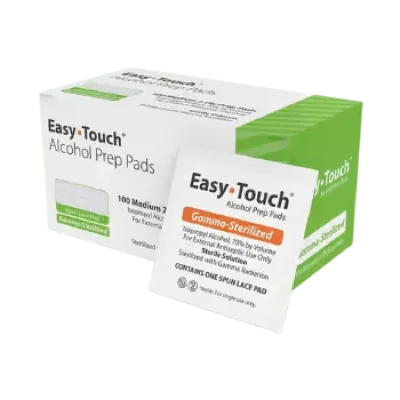
- ▪Sanitize: swab the vial stopper and the bacteriostatic-water stopper with fresh alcohol pads and let them air-dry.
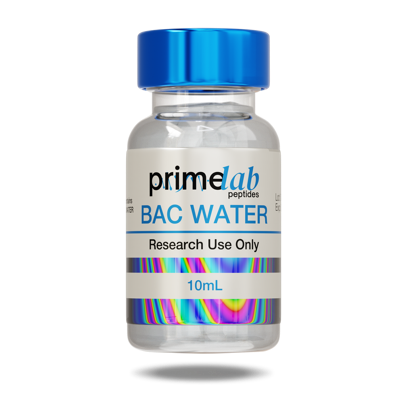
- ▪Add 2 mL slowly: draw 2 mL of bacteriostatic water and let it run down the inside wall of the vial rather than onto the powder. This yields 2.5 mg/mL.
- ▪Dissolve gently: let it stand about 30 seconds, then swirl or roll the vial between your palms. Do not shake. Discard it if the solution stays cloudy or holds particles.
- ▪Refrigerate: store the reconstituted vial at 2–8 °C, protected from light, and never freeze a reconstituted peptide.
Supplies Needed
The generic reconstitution kit below is what a laboratory would use to bring a lyophilized vial into solution for measurement and storage. Listing it does not imply the compound should be injected into any organism — dermorphin is a research reagent, not a medical product.
Protocol Overview
The practical picture for dermorphin is narrow and honest: it is a study compound. In the laboratory it is reconstituted to a known concentration and used, in animal models, to interrogate the mu-opioid system. There is no weight-based human calculation, no approved schedule, and no endorsed administration — only the pharmacology literature and the arithmetic of reconstitution.
What makes it scientifically notable is the combination of an unusual D-amino-acid structure with high mu-opioid selectivity and potency[1][2]. That is genuinely interesting chemistry. The honest limitation is that none of it has been developed into a safe, approved therapy, and the compound’s only real-world human-adjacent use is a prohibited one.
Dosing Protocol
The table is a concentration–volume reference only for a 5 mg vial reconstituted in 2 mL (→ 2.5 mg/mL). It converts a given amount of peptide into a syringe volume for laboratory measurement. It is not a dose recommendation — the site does not recommend administering dermorphin to any human or animal.
Storage Instructions
Lyophilized vials are stable refrigerated and should be protected from light; follow the supplier’s handling guidance for the unreconstituted powder. Do not freeze a vial once it has been reconstituted.
After reconstitution with bacteriostatic water, store at 2–8 °C and use within the multi-week window the preservative supports. Discard any vial whose contents turn cloudy or particulate. Because this is a controlled-interest opioid research compound, store it securely and dispose of it responsibly.
Important Notes
The points below are the ones that matter most for anyone encountering dermorphin, and they are cautionary rather than instructional.
- ▪It is not a medicine: dermorphin has no FDA or veterinary approval and no established dose. Everything known about its effects comes from animal pharmacology[3][4][5], not from controlled human therapeutic trials.
- ▪It is a potent opioid: as a high-affinity mu-opioid agonist it carries the full opioid risk profile — respiratory depression, sedation, tolerance and dependence — and its potency means those risks are not trivial[5]. A small amount is not a small effect.
- ▪Its real-world use is doping: the compound is best known for being illegally injected into racehorses as a pain-masking agent, for which it is a classified doping substance with validated forensic detection[6]. That is an abuse to be aware of, not a protocol.
- ▪The structure is the story: the D-alanine that makes dermorphin peptidase-resistant is a genuine biochemical curiosity[2], but resistance to breakdown also means a longer-acting opioid effect — another reason casual handling is inappropriate.
- ▪Research vials are unverified: grey-market dermorphin has no guaranteed identity, potency or purity and no medical oversight. An unverified opioid peptide of unknown concentration is a serious hazard, independent of any intended use.
- ▪Legal and safety note: possessing or administering an unapproved opioid can carry legal consequences and real danger. This page is educational; it does not encourage acquisition or use.
How This Works
Dermorphin acts at the mu-opioid receptor, the same receptor family targeted by morphine and other clinical opioids. Binding studies show it is highly selective for mu sites, with evidence for high- and low-affinity mu subtypes that separate its analgesic and cataleptic actions[3]. Functionally it behaves as a potent agonist: in isolated tissue preparations it strongly inhibits electrically evoked contractions, and in intact rodents it produces marked antinociception[3].
The molecular twist is the D-alanine at position 2. Native mammalian peptidases are built to cleave L-amino-acid bonds, so the D-residue makes dermorphin resistant to rapid degradation — and the frog builds it by a novel post-translational reaction that converts an L-alanine, encoded normally in the gene, into its D-isomer[2]. This stability, combined with tight mu-receptor binding, is why a seven-residue peptide can be several times more potent than morphine in animal assays[4].
Its physiological effects follow opioid pharmacology. In awake rats, analgesic amounts of a dermorphin analog stimulated respiration through central mu1 receptors, while higher, cataleptic amounts depressed breathing and blunted the response to carbon dioxide; the peptide also lowered blood pressure[5]. In other words, the effects are dose-dependent and include the classic opioid hazard of respiratory depression — a key reason it is unsuitable for uncontrolled use.
Lifestyle Factors
There is no lifestyle or “stacking” context for dermorphin, because there is no legitimate use case to build one around. It is not a wellness compound, a nootropic or a recovery aid; it is a potent opioid research reagent. Any framing that pairs it with a routine or a goal would misrepresent what it is.
The responsible context is the opposite of a protocol: understand the pharmacology, respect the opioid risk, and recognize that the compound’s only real-world human-adjacent history is illicit doping[6]. For pain or any medical need, an approved, supervised medication is the only appropriate route — not an unregulated frog-derived opioid of unknown purity.
Potential Benefits & Side Effects
Evidence tier: animal pharmacology only. The “effects” below are documented findings from research models, listed to describe the compound accurately — not benefits to be sought. The compound has no approved use and real opioid risks.
Reported Effects
- ▪Potent antinociception (animals): in rodents dermorphin produces strong, mu-opioid-mediated analgesia, at amounts well below the morphine equivalent[3][4].
- ▪Central penetration: some members of the dermorphin family can cross the blood-brain barrier and act centrally after peripheral administration in animal models[4].
- ▪Reduced tolerance in animal studies: chronic dosing studies reported that certain dermorphins produced less tolerance and dependence than morphine in rodents — a pharmacology observation, not a safety guarantee[4].
- ▪Characteristic opioid liabilities: catalepsy, respiratory depression at higher amounts, and hypotension were all observed in animal work — the reasons the compound is hazardous, not benefits[5].
- ▪What is not established: any safe, effective, approved use in humans or animals. There is no therapeutic indication and no validated dose.
Common Side Effects
- ▪Respiratory depression: the defining danger of any potent mu-opioid; observed dose-dependently in animal studies and potentially life-threatening[5].
- ▪Sedation and catalepsy: higher amounts produced profound immobility (catalepsy) in rodents[3].
- ▪Dependence and tolerance: as a mu-opioid agonist it carries the intrinsic risk of tolerance, physical dependence and withdrawal.
- ▪Cardiovascular effects: blood-pressure lowering was documented in awake rats[5].
- ▪Unknown human safety and purity risk: there is no human safety dataset, and grey-market vials carry the usual research-chemical hazards of mislabeling, wrong potency and contamination — magnified because the compound is a potent opioid.
Injection Technique
The section below documents the generic subcutaneous reconstitution-and-handling workflow used across this site for completeness. It is not a recommendation to inject dermorphin into any human or animal — the compound is a research reagent with no approved use, a potent-opioid risk profile, and a history of illicit administration. It should be handled only in appropriate laboratory settings.
Pre-Injection Preparation
- ▪Understand there is no endorsed use: this compound is not intended for administration to people or animals; the steps here describe generic peptide handling, not a treatment.
- ▪Confirm the concentration: the reference volumes assume 2.5 mg/mL (5 mg in 2 mL). A different diluent volume changes every figure.
- ▪Inspect: the reconstituted solution should be clear and particle-free; discard it if cloudy or discolored.
Injection Procedure
- ▪Laboratory handling only: any manipulation of an opioid research reagent belongs in a controlled setting with appropriate authorization — not a home or self-administration context.
- ▪Measure by concentration: a research amount is the intended microgram figure converted at 2.5 mg/mL — for example 0.10 mL (10 units) for 250 mcg — used for accurate laboratory measurement, not administration.
- ▪Do not self-administer: because it is a potent mu-opioid with real respiratory-depression risk, there is no safe self-injection use of this compound.
Post-Injection Care
- ▪Store securely: refrigerate the reconstituted solution at 2–8 °C, protect it from light, keep it out of reach of others, and never freeze it.
- ▪Dispose responsibly: discard unused or degraded solution safely, as befits a controlled-interest opioid research compound.
- ▪Seek emergency care for any human exposure: opioid exposure can cause life-threatening respiratory depression; naloxone reverses mu-opioid effects and emergency medical help should be sought immediately for any accidental human exposure.
Recommended Source
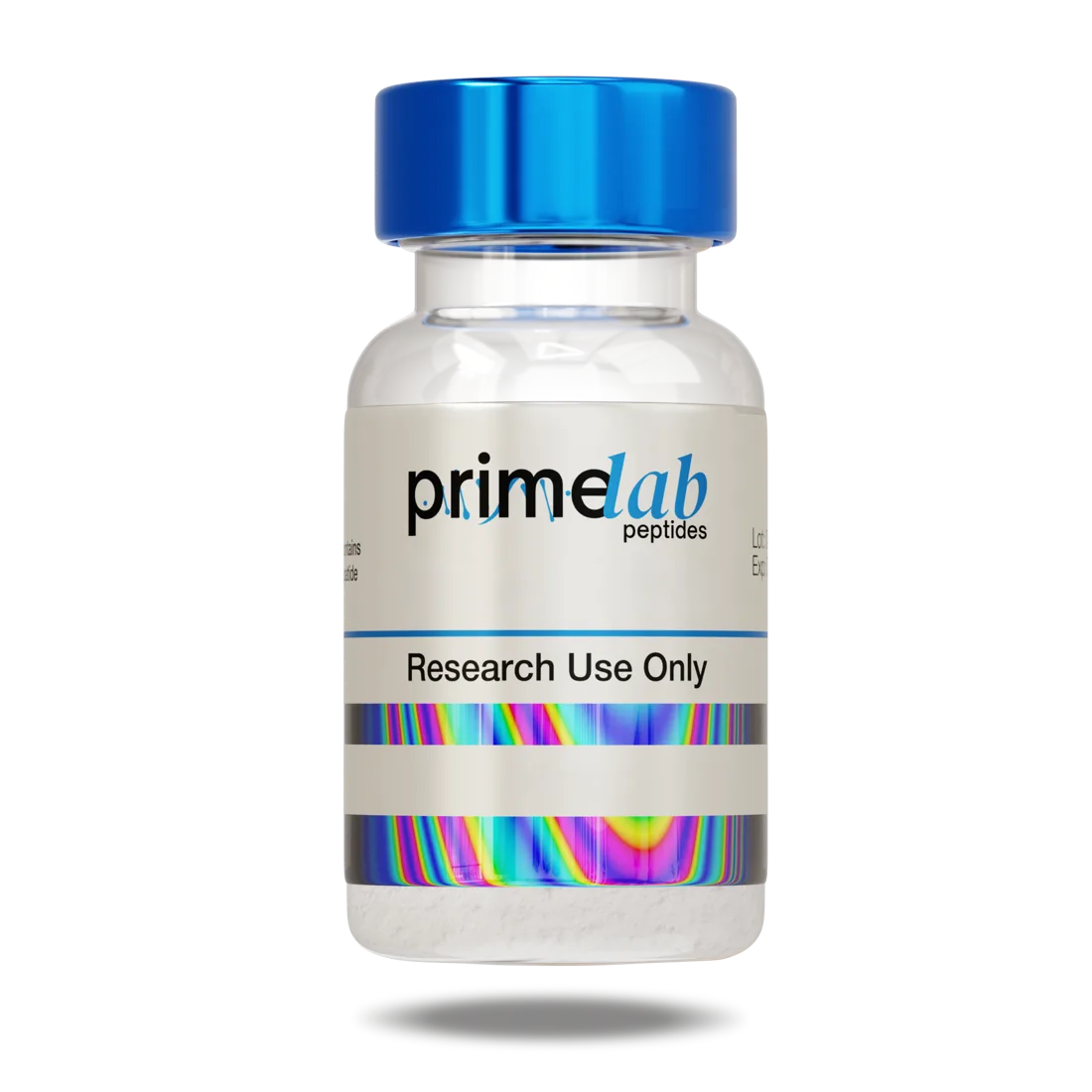
For high-purity research peptides, we point researchers to Prime Lab Peptides for Dermorphin (5 mg Vial).
Why Prime Lab Peptides?
- ▪Top-rated on Trustpilot: Independently reviewed as the highest-rated peptide lab on Trustpilot — making it the best current source in the USA.
- ▪Third-party tested: Every batch ships with a Certificate of Analysis (COA) confirming purity and composition.
- ▪Consistent quality: ISO-aligned manufacturing and handling keep product integrity reliable batch to batch.
- ▪Cold-chain integrity: Temperature-controlled shipping and storage across the whole fulfilment chain.
- ▪Research-grade purity: Fit for educational and research use that demands high-quality peptides.
Note: Product availability and specifications subject to change. Verify current product details on supplier website.
References
- 1
International Journal of Peptide and Protein Research (1981) — Amino acid composition and sequence of dermorphin, a novel opiate-like peptide from the skin of Phyllomedusa sauvageiMontecucchi, de Castiglione, Piani, Gozzini & Erspamer (PMID 7287299). Original isolation of dermorphin from frog skin and determination of the sequence H-Tyr-D-Ala-Phe-Gly-Tyr-Pro-Ser-NH2, notable as a vertebrate peptide containing a D-amino acid residue. DOI: 10.1111/j.1399-3011.1981.tb01993.x.
- 2
Science (1987) — D-alanine in the frog skin peptide dermorphin is derived from L-alanine in the precursorRichter, Egger & Kreil (PMID 3659910). cDNA cloning showed the dermorphin precursor encodes an L-alanine codon at the position where D-alanine appears in the mature peptide, revealing a post-translational L-to-D conversion. DOI: 10.1126/science.3659910.
- 3
PNAS (1992) — Dermorphin-related peptides activate two mu opioid receptor subtypes that modulate antinociception and catalepsy in the ratNegri, Erspamer, Severini, Potenza, Melchiorri & Erspamer (PMID 1353890). Binding and functional studies show high mu-opioid selectivity with high- and low-affinity subtypes; the high-affinity ligand is a potent analgesic while the low-affinity ligand produces catalepsy in rats. DOI: 10.1073/pnas.89.15.7203.
- 4
General Pharmacology (1996) — The dermorphin peptide familyMelchiorri & Negri (PMID 8981054). Review of the dermorphin family: selective mu-opioid agonists, potent analgesics in rodents and primates, some able to cross the blood-brain barrier after peripheral dosing, with reports of less tolerance/dependence than morphine in animal studies. DOI: 10.1016/0306-3623(95)02149-3.
- 5
British Journal of Pharmacology (1998) — Respiratory and cardiovascular effects of the mu-opioid receptor agonist [Lys7]dermorphin in awake ratsNegri, Lattanzi, Tabacco & Melchiorri (PMID 9641552). Analgesic amounts stimulated respiration via central mu1 receptors, cataleptic amounts depressed breathing and blunted the CO2 response, and the peptide lowered blood pressure — documenting the dose-dependent opioid effects including respiratory depression. DOI: 10.1038/sj.bjp.0701823.
- 6
Bioanalysis (2013) — Detection and quantification of dermorphin and selected analogs in equine urineRichards, Cawley & Raftery (PMID 24320126). States that dermorphin is classified as a doping agent in equine racing and validates a sensitive nano-UHPLC-MS/MS method to detect it and six analogs in horse urine — the forensic response to its illicit use as a performance-masking analgesic. DOI: 10.4155/bio.13.281.
Dermorphin — frequently asked questions
How do I reconstitute a 5 mg vial of Dermorphin?
Wipe the stopper with an alcohol swab, then inject your bacteriostatic water slowly down the inside wall of the vial. Let it sit and gently swirl until dissolved — never shake. Store the mixed vial in the refrigerator and draw doses with an insulin syringe. Use the calculator above to turn any dose into syringe units.
How much bacteriostatic water should I add to Dermorphin?
There is no single correct amount — more water simply spreads the same 5 mg of peptide across a larger volume, which makes small doses easier to measure accurately. 1 to 3 mL per vial is typical. Enter your chosen volume in the calculator above to see the resulting concentration and syringe units.
What do the "units" on an insulin syringe mean?
On a U-100 insulin syringe, 100 units equal 1 mL, so 1 unit equals 0.01 mL. The calculator above converts your draw volume into these units automatically so you can measure without doing the math by hand.
How should I store Dermorphin after mixing?
Keep the reconstituted vial refrigerated at roughly 2 to 8 degrees Celsius, away from light, and avoid freezing it. Reconstituted research peptides are generally used within a few weeks. Always follow the specific guidance supplied with your product.
How many doses does a 5 mg vial of Dermorphin provide?
Divide the vial strength of 5 mg by the amount you use per injection. The calculator above reports this as "doses per vial" the moment you enter a dose.
Is Dermorphin approved for human use?
No. Dermorphin is sold strictly for laboratory and research purposes and is not approved by the FDA or other regulators for human use. Everything on this page is research information, not medical advice — consult a licensed healthcare professional before any use.
New protocols & dosing updates
Reconstitution charts, new peptide protocols and safety updates — straight to your inbox. No spam, unsubscribe anytime.