
Bronchogen (20mg Vial) Dosage Protocol
Khavinson bronchial short-peptide bioregulator, the tetrapeptide Ala-Glu-Asp-Leu (AEDL) — animal and cell-culture evidence only, no human trial, not approved anywhere. Research/educational reference.
Pre-filled with this protocol’s recommended BAC water and documented starting dose — edit any field to run your own numbers. Reconstitution math only — not dosing advice. U-100 syringe: 100 units = 1 mL. Full reconstitution guide → · Advanced calculator →Mix & measure Bronchogen · 20 mg
Dosing & Reconstitution Guide
This section is unusual because there is nothing to convert into a human protocol. Bronchogen has no approved indication, no registered trial and no published human regimen, so what follows describes the quantities that actually appear in the literature, then gives transparent reconstitution math for the 20 mg vial that vendors sell.
Standard / Gradual Approach
The published quantities are laboratory concentrations, not doses. Organotypic culture work on lung explants from young and old rats reported an effective peptide concentration of about 0.05 ng/mL[4]. Cell-culture and DNA work operates in molar ratios and picomolar-to-nanomolar ranges[5][6][7]. The COPD study administered a course of about one month in rats[1][2], at rat scale, with the paper focused on tissue and lavage outcomes rather than on establishing a transferable dose.
Vendors nonetheless sell a 20 mg lyophilized vial, which is the format this page documents. Reconstituted with 3 mL of bacteriostatic water it gives 6.67 mg/mL — the same convention used across the other 20 mg bioregulator vials on this site. A 200 mcg reference amount is then about 0.03 mL, or 3 units on a U-100 insulin syringe, and the vial holds roughly a hundred such amounts.
Two honest caveats sit on top of that arithmetic. First, a reference amount is not a validated dose — no study supports 200 mcg, or any other number, as the right quantity for a person. Second, three units is a poor volume to measure: at 6.67 mg/mL, small errors in drawing up translate into large proportional errors in the amount delivered. Both are reasons the table below is framed as reconstitution reference math and nothing more.
| Reference amount | Volume at 6.67 mg/mL | U-100 units |
|---|---|---|
| 100 mcg | 0.015 mL | 1.5 units |
| 200 mcg | 0.03 mL | 3 units |
| 500 mcg | 0.075 mL | 7.5 units |
| 1 mg | 0.15 mL | 15 units |
| 20 mg — the whole vial | 3.00 mL | 300 units (≈100 reference amounts) |
Why Bronchogen draws research interest
These are the directions researchers and the peptide community most often explore Bronchogen for — so you know you’re in the right place. They describe what is being studied, not proven benefits, approved uses, or promised results.
Lung & airway health
The main draw: assigned to bronchial epithelium in the Khavinson programme. Preclinical only, no human trial, not approved anywhere.
COPD & airway remodelling
Studied in a single rat model of nitrogen-dioxide-induced COPD reporting reversed remodelling; one species, one group, never tested in people.
Healthy aging
Explored as a geroprotector: it raised differentiation factors more strongly in aged bronchial cell cultures than in young ones.
Gene expression & epigenetics
Investigated for sequence-preferential DNA binding in vitro; the same peptide is also active in tobacco cultures, which undercuts tissue specificity.
Evidence ranges from early laboratory work to clinical trials depending on the use — the sections below cover the actual data and sources.
Quickstart Highlights
Bronchogen is a synthetic tetrapeptide, Ala-Glu-Asp-Leu (AEDL), from the Russian short-peptide bioregulator programme associated with Vladimir Khavinson and the St Petersburg Institute of Bioregulation and Gerontology[3][9]. Within that programme each short peptide is assigned a target tissue, and Bronchogen’s assigned tissue is the bronchial epithelium — the lining of the airways[1][3].
The honest framing of this page is straightforward. Bronchogen’s entire published record is preclinical: a rat model of chronic obstructive pulmonary disease, human and rat cell and organ cultures, and DNA-binding biophysics[1][2][3][4][5][6]. A search of ClinicalTrials.gov returns no registered clinical trial of Bronchogen (checked July 2026), it is not FDA-approved, and nearly all of the work comes from one research programme rather than independent replication. It is sold as a research chemical, and everything below is an educational reference — not medical advice, and not a recommendation to inject an unapproved compound.
A 20 mg vial in 3 mL bacteriostatic water gives 6.67 mg/mL. Reference math only — at that concentration a 200 mcg reference amount is about 0.03 mL (3 units), a volume a U-100 syringe measures poorly.
None established. No clinical trial of Bronchogen is registered on ClinicalTrials.gov (July 2026)[1]. Published quantities are culture concentrations and rat courses, not human doses.
Bronchogen is the tetrapeptide AEDL. Our Chonluten page covers a different, shorter tripeptide also assigned to bronchial epithelium[8] — same tissue, different molecule.
Reconstitution Steps
If a research vial is reconstituted, 3 mL of bacteriostatic water per 20 mg vial gives 6.67 mg/mL, matching the convention used for the other 20 mg bioregulator vials documented here. This is shown to make the scale transparent, not as a dosing recommendation.
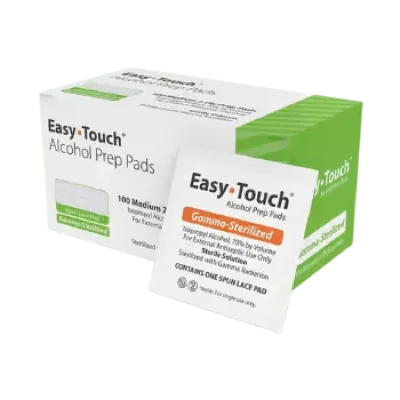
- ▪Sanitize: swab the vial stopper and the bacteriostatic-water stopper with fresh alcohol pads and let both air-dry.
- ▪Check what you actually have: Bronchogen is defined by its sequence — Ala-Glu-Asp-Leu. Without a certificate of analysis, vial contents and purity are unverified[6].
- ▪Add 3 mL slowly: draw 3 mL of bacteriostatic water and let it run down the inside wall of the vial, giving 6.67 mg/mL.
- ▪Dissolve gently: let it stand about 30 seconds, then roll the vial between your palms. Do not shake. Discard if cloudy or particulate.
- ▪Refrigerate: store the reconstituted vial at 2–8 °C and never freeze it.
Supplies Needed
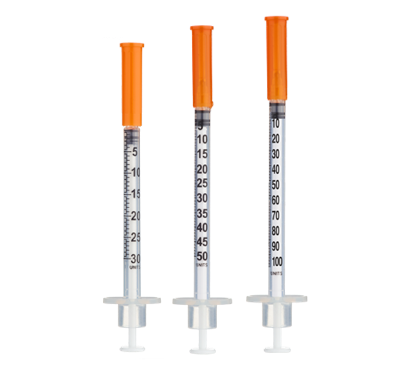
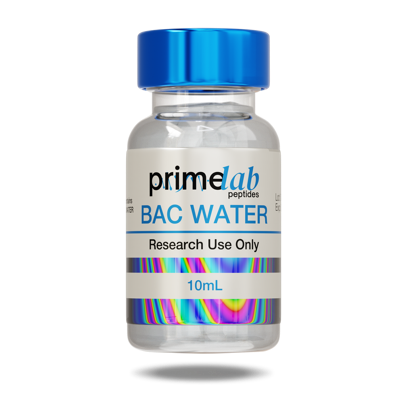
Bronchogen is supplied as a lyophilized research vial, so the generic reconstitution kit below applies. Note that the reference volumes here are very small, so accurate low-volume measurement matters more than it would for a milligram-dosed peptide.
Protocol Overview
Bronchogen belongs to the short-peptide bioregulator tradition: a Russian research programme, running since the 1970s, that first prepared peptide extracts from animal organs and then designed short synthetic peptides intended to reproduce each organ’s activity[9]. Bronchogen is the bronchial member of that synthetic set, a tetrapeptide Ala-Glu-Asp-Leu assigned to airway epithelium, alongside siblings such as Pancragen for pancreas and Vesugen for vascular tissue[3].
The claim the programme makes for these peptides is tissue specificity at very low concentrations. In human cell culture, Bronchogen increased expression of the differentiation-associated factors CXCL12 and Hoxa3 in bronchial epithelial cells — and the effect was more pronounced in late-passage, aged cultures, which the authors read as the basis of a geroprotective action[3]. In organotypic culture, lung explants from young and old rats responded to Bronchogen but not to the peptides assigned to other organs[4].
The honest limit is the evidence tier. Everything above is in vitro or in animals; the strongest in-vivo work is a single rat COPD model[1][2]; and the peptide has no registered clinical trial and no regulatory approval in any jurisdiction we could verify. The broader human record for peptide bioregulators as a class is largely Russian-language and uncontrolled[9]. Bronchogen should be read as an interesting preclinical compound, not as a therapy.
Dosing Protocol
Reference reconstitution volumes only (20 mg vial in 3 mL → 6.67 mg/mL). These are not a dose ladder — no human dose for Bronchogen has ever been established[1]. They are shown so the scale of a 20 mg research vial against the quantities in the literature is explicit.
Storage Instructions
Lyophilized vials are stable refrigerated and should be kept dry and protected from light; follow the supplier’s handling guidance for the powder, and do not freeze a vial once it has been reconstituted.
After reconstitution with bacteriostatic water, store at 2–8 °C and use within the preservative’s window. Because the reference volumes are so small, a single vial represents a large number of withdrawals — sterility and consistent concentration matter across all of them.
Important Notes
These are the points most often lost when Bronchogen is marketed as a “lung peptide” for respiratory support.
- ▪No human data at all: a ClinicalTrials.gov search returns no registered trial of Bronchogen (July 2026), and no published human study of the peptide was found. The evidence is a rat COPD model[1][2], cell and organ cultures[3][4], and DNA biophysics[5][6].
- ▪No established dose, route or course: the quantities in the literature are culture concentrations such as 0.05 ng/mL[4] and a rat treatment course[1]. Any human regimen circulating online is extrapolation, not a published protocol.
- ▪It is not Chonluten: Chonluten is a shorter tripeptide also assigned to bronchial epithelium and studied for anti-inflammatory effects in monocyte cultures[8]. Same tissue label, different molecule, different data — they are not interchangeable.
- ▪Two sequence spellings exist in the literature: most papers and all vendor listings give Ala-Glu-Asp-Leu (AEDL)[3][5][7], while one paper from the same collaboration titles the peptide Ala-Asp-Glu-Leu[6]. For a molecule whose only claimed specificity is its sequence, that ambiguity matters.
- ▪The evidence is close to single-source: almost every study shares authors or institutions with the originating programme[9]. Independent replication of the lung findings is essentially absent.
- ▪The same peptide is active in plants: Bronchogen altered gene expression and growth in tobacco callus cultures at 10⁻¹⁰ M[7]. That is a useful reality check on how tissue-specific the proposed mechanism really is.
How This Works
The programme’s proposed mechanism is epigenetic rather than receptor-mediated: short peptides are said to enter cells and nuclei and interact with DNA in a sequence-selective way, shifting the expression of genes that govern tissue differentiation[5][9]. Fluorescently labelled Khavinson peptides were observed in the cytoplasm, nucleus and nucleolus of HeLa cells, and in that work Bronchogen bound preferentially to CTG-containing deoxyribooligonucleotides, while related peptides preferred CAG-containing ones[5].
Calorimetry supports a physical interaction with DNA. Differential scanning microcalorimetry found that Bronchogen acts as a DNA-stabilising agent, raising the melting temperature of calf-thymus and mouse-liver DNA by about 3.1 °C within a narrow range of peptide-to-base-pair ratios, with binding described as strong and non-specific for AT or GC content[6]. In human bronchial epithelial cells, Bronchogen increased expression of the differentiation factors CXCL12 and Hoxa3, most strongly in aged cultures[3].
The honest reading is that this mechanism is plausible in the dish and unproven in a body. Nucleus penetration, sequence-preferential binding and DNA stabilisation are laboratory measurements; none of them demonstrates that injecting a tetrapeptide changes airway biology in a person. The tobacco-callus result — the same peptide modulating plant developmental genes at picomolar concentrations[7] — is a reminder that a general nucleic-acid interaction can look tissue-specific when only one tissue is tested.
Lifestyle Factors
For airway and lung health, the interventions with genuine evidence are unglamorous and well established: not smoking (and stopping if you do), avoiding air-pollution and occupational exposures, vaccination where indicated, physical activity and pulmonary rehabilitation, and proper treatment of asthma or COPD. Those change outcomes; a research peptide has never been shown to.
The honest “daily habits” note here is a warning rather than a tip. Breathlessness, chronic cough and declining exercise tolerance are reasons to see a clinician and get spirometry, not reasons to self-experiment with an unapproved compound — delaying real evaluation of a lung problem is its own risk.
Potential Benefits & Side Effects
Evidence tier: preclinical only — one rat COPD model, cell and organ cultures, and DNA-binding biophysics, with no human trial and no approval. The “effects” below are what that literature reports, in the systems where it reports them; the “considerations” are the honest counterweight.
Reported Effects
- ▪Airway remodelling — reversed in a rat COPD model: after a month of treatment in rats made emphysematous by 60 days of intermittent nitrogen-dioxide exposure, the authors reported regression of goblet-cell hyperplasia, squamous metaplasia, lymphocytic infiltration and emphysema, with ciliated cells restored[1].
- ▪Local immune and inflammatory markers — in the same model: secretory IgA and surfactant protein B rose in bronchoalveolar lavage fluid while neutrophilic inflammation and pro-inflammatory cytokines and enzymes normalised[1][2].
- ▪Differentiation factors — in human cell culture: CXCL12 and Hoxa3 expression increased in bronchial epithelial cells, more so in aged (late-passage) cultures[3].
- ▪Tissue-selective stimulation — in organ culture: lung explants from young and old rats responded at about 0.05 ng/mL, while peptides assigned to other organs stimulated their own tissues[4].
- ▪What is not established: any benefit in a human being. There is no clinical trial, no human dose and no approval, and no independent group has replicated the lung findings[9].
Common Side Effects
- ▪The safety data are essentially absent: the published work reports tissue and culture outcomes, not systematic human safety monitoring. “No reported side effects” for a compound nobody has formally studied in people is an absence of data, not a safety record.
- ▪A DNA-interacting mechanism deserves caution, not comfort: the proposed action is binding nuclear DNA and shifting gene expression[5][6]. Whatever one makes of the evidence, that is not an inherently benign mechanism, and its long-term consequences have never been studied in humans.
- ▪Measurement risk: reference volumes from a 20 mg vial at 6.67 mg/mL are a few units on an insulin syringe, where small drawing-up errors are proportionally large.
- ▪Unverified sourcing: Bronchogen is sold as a research chemical. Identity, purity and sterility of a grey-market vial are unverified, and the sequence itself appears two different ways in the literature[6] — so “AEDL on the label” is not confirmation of what is inside.
- ▪Substituting it for real respiratory care is the biggest risk: COPD and asthma have treatments that demonstrably change outcomes; an unapproved peptide does not.
Injection Technique
No human route, dose or schedule has been established for Bronchogen, and the animal work used a research protocol rather than a clinical one. The generic handling workflow below documents how such a lyophilized research vial is prepared and handled; it is educational, and not a recommendation to administer an unapproved compound to a person or animal.
Pre-Injection Preparation
- ▪Confirm identity: Bronchogen is Ala-Glu-Asp-Leu (AEDL); it is not Chonluten, the shorter bronchial tripeptide covered separately[8]. Ask for a certificate of analysis.
- ▪Confirm the concentration: the reference math assumes 6.67 mg/mL (20 mg in 3 mL). Recompute if a different volume of diluent was used.
- ▪Inspect: the reconstituted solution should be clear and particle-free; discard it if cloudy or discoloured.
Injection Procedure
- ▪Understand there is no validated dose: the table gives reconstitution reference points, not a regimen — no published study establishes a human amount for this peptide[1].
- ▪If handled, use small, accurate volumes: a few units on a U-100 syringe is the working scale, so draw slowly and check the plunger against the graduation before proceeding.
- ▪Rotate sites: where a research protocol involves repeated administration, alternate areas to avoid repeated trauma to one spot.
Post-Injection Care
- ▪Store and discard properly: keep the reconstituted vial at 2–8 °C, never freeze it, and discard anything cloudy or past the preservative’s window.
- ▪Treat any reaction as a stop signal: with no human safety data, an injection-site reaction, rash or systemic symptom is a reason to stop and seek medical advice, not to continue.
- ▪Keep perspective: Bronchogen is a preclinical research peptide with one animal model and no human evidence — it is not a treatment for any respiratory condition.
Recommended Source
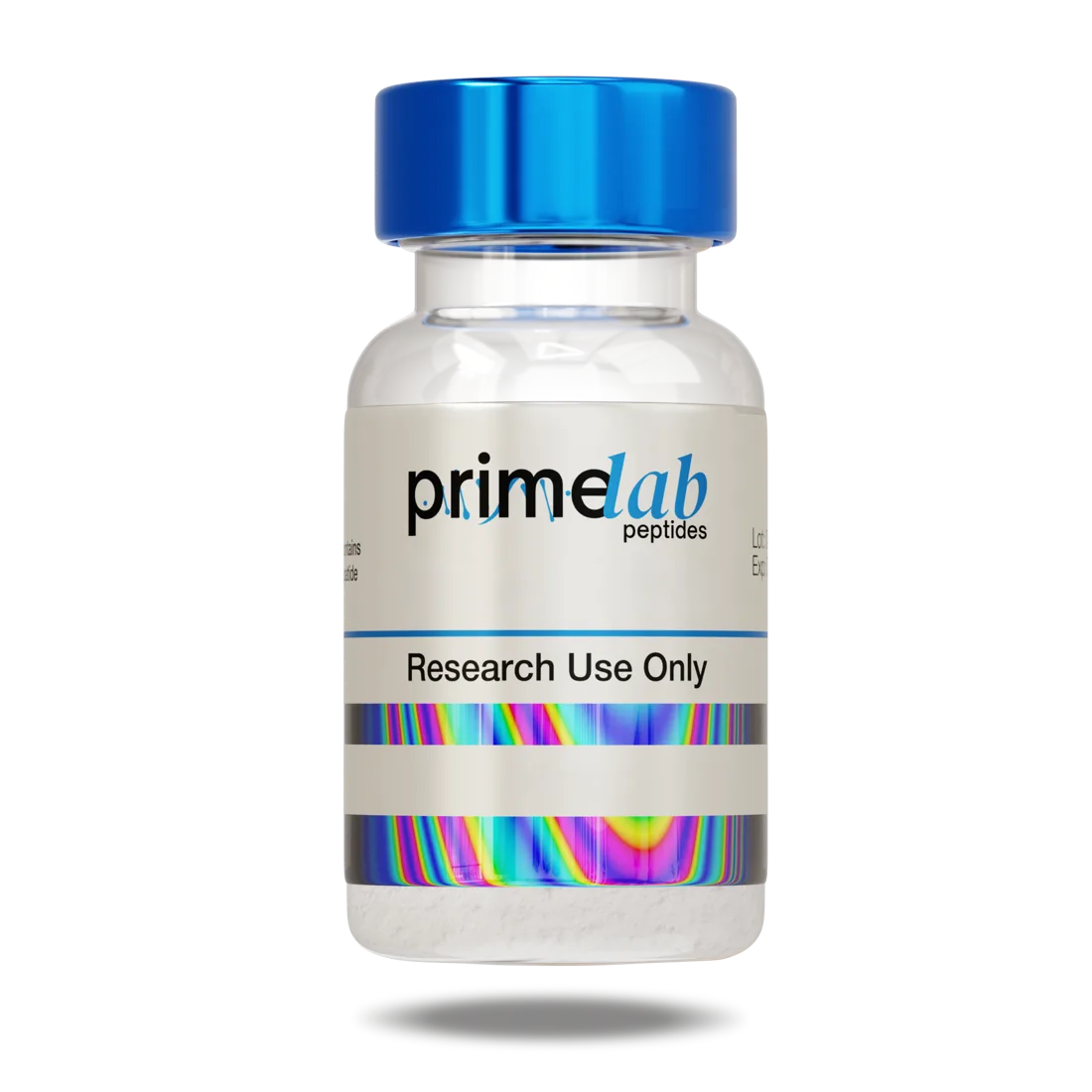
For high-purity research peptides, we point researchers to Prime Lab Peptides for Bronchogen (20 mg Vial).
Why Prime Lab Peptides?
- ▪Top-rated on Trustpilot: Independently reviewed as the highest-rated peptide lab on Trustpilot — making it the best current source in the USA.
- ▪Third-party tested: Every batch ships with a Certificate of Analysis (COA) confirming purity and composition.
- ▪Consistent quality: ISO-aligned manufacturing and handling keep product integrity reliable batch to batch.
- ▪Cold-chain integrity: Temperature-controlled shipping and storage across the whole fulfilment chain.
- ▪Research-grade purity: Fit for educational and research use that demands high-quality peptides.
Note: Product availability and specifications subject to change. Verify current product details on supplier website.
References
- 1
Bulletin of Experimental Biology and Medicine (2015) — Modulating effect of peptide therapy on the morphofunctional state of bronchial epithelium in rats with obstructive lung pathologyKuzubova et al. (PMID 26468022). The single most relevant in-vivo study: COPD was modelled in rats by 60-day intermittent NO2 exposure, and one month of tetrapeptide Bronchogen was reported to eliminate remodelling of bronchial epithelium and lung tissue (goblet-cell hyperplasia, squamous metaplasia, lymphocytic infiltration, emphysema), restore ciliated cells, raise secretory IgA and normalise cell composition and pro-inflammatory cytokines in the bronchoalveolar space. English-language; animal model only. DOI: 10.1007/s10517-015-3047-x.
- 2
Rossiiskii Fiziologicheskii Zhurnal imeni I.M. Sechenova (2017) — Anti-inflammatory and regenerative effect of peptide therapy in a model of obstructive lung pathologyTitova et al. (PMID 30199201). Companion Russian-language report from the same NO2 rat COPD model: bronchoalveolar lavage cell composition, cytokine-enzyme profile, secretory IgA and surfactant protein B after a course of Bronchogen, with decreased neutrophilic inflammation and restored bronchial epithelial structure and function. Same group and model as reference 1, so it corroborates rather than independently replicates.
- 3
Bulletin of Experimental Biology and Medicine (2012) — Peptides tissue-specifically stimulate cell differentiation during their agingKhavinson et al. (PMID 22808515). Source for the sequence and the tissue-specificity claim: bronchogen (Ala-Glu-Asp-Leu) stimulated expression of the differentiation factors CXCL12 and Hoxa3 in human bronchial epithelial cell cultures, pancragen (Lys-Glu-Asp-Trp) did so in pancreatic cells and vesugen (Lys-Glu-Asp) in fibroblasts, with effects more pronounced in aged (late-passage) cultures. In-vitro only. DOI: 10.1007/s10517-012-1664-1.
- 4
Advances in Gerontology / Uspekhi Gerontologii (2006) — Tissue-specific effect of synthetic peptide bioregulators in organotypic tissue culture in young and old ratsZakutskii et al. (PMID 17152728). Organotypic culture of heart, lung, prostate and pancreas explants from 3-week-old and 18-month-old rats: cardiogen, bronchogen, prostamax and pancragen each stimulated their assigned tissue at an effective concentration of 0.05 ng/mL relative to controls. This is the source of the sub-nanogram concentration cited on this page, and it is culture work, not dosing.
- 5
Biochemistry (Moscow) (2011) — Penetration of short fluorescence-labeled peptides into the nucleus in HeLa cells and specific interaction with deoxyribooligonucleotides and DNAFedoreyeva et al. (PMID 22117547). Mechanistic basis for the epigenetic claim: labelled short peptides were detected in cytoplasm, nucleus and nucleolus of HeLa cells, and fluorescence-quenching constants indicated sequence-preferential binding — epitalon, testagen and pinealon favouring CAG-containing sequences and bronchogen (Ala-Glu-Asp-Leu) favouring CTG-containing ones. In-vitro biophysics. DOI: 10.1134/S0006297911110022.
- 6
Bulletin of Experimental Biology and Medicine (2011) — Effect of the peptide bronchogen on DNA thermostabilityMonaselidze et al. (PMID 21240358). Differential scanning microcalorimetry showing bronchogen acts as a DNA-stabilising agent, raising the melting temperature of calf-thymus and mouse-liver DNA by 3.1 degrees C within a narrow peptide-to-base-pair ratio range, with binding described as strong and occasional and not AT- or GC-specific. Note this paper titles the peptide Ala-Asp-Glu-Leu, whereas the other work and all vendor listings give Ala-Glu-Asp-Leu — the sequence-notation inconsistency flagged on this page. DOI: 10.1007/s10517-011-1146-x.
- 7
Biochemistry (Moscow) (2017) — Short exogenous peptides regulate expression of CLE, KNOX1 and GRF family genes in Nicotiana tabacumFedoreyeva et al. (PMID 28371610). Included as a caveat rather than as support: epitalon, bronchogen (Ala-Glu-Asp-Leu) and vilon at 10 to the minus 10 M significantly influenced growth, differentiation and developmental gene expression in tobacco callus cultures. The same peptide being active in a plant argues for a general low-concentration nucleic-acid interaction rather than a lung-specific pharmacology. DOI: 10.1134/S0006297917040149.
- 8
International Journal of Molecular Sciences (2022) — Peptides regulating proliferative activity and inflammatory pathways in the monocyte/macrophage THP-1 cell lineAvolio et al. (PMID 35408963). Used here to distinguish Bronchogen from Chonluten: this study describes Chonluten as a tripeptide derived from bronchial epithelial cells and reports that it inhibited LPS-stimulated TNF production in THP-1 monocytes, with the tested Khavinson peptides reducing TNF and IL-6 expression and monocyte adhesion to activated endothelium. Different molecule, different data set from Bronchogen. DOI: 10.3390/ijms23073607.
- 9
Neuroendocrinology Letters (2002) — Peptides and AgeingKhavinson (PMID 12374906). Programme-level review describing how organ peptide extracts were developed and how short synthetic peptides with tissue-specific activity were subsequently designed, and setting out the peptide theory of ageing that frames the whole bioregulator family. Cited as context for the research programme and its single-source character, not as evidence for Bronchogen specifically.
Bronchogen — frequently asked questions
How do I reconstitute a 20 mg vial of Bronchogen?
Wipe the stopper with an alcohol swab, then inject your bacteriostatic water slowly down the inside wall of the vial. Let it sit and gently swirl until dissolved — never shake. Store the mixed vial in the refrigerator and draw doses with an insulin syringe. Use the calculator above to turn any dose into syringe units.
How much bacteriostatic water should I add to Bronchogen?
There is no single correct amount — more water simply spreads the same 20 mg of peptide across a larger volume, which makes small doses easier to measure accurately. 1 to 3 mL per vial is typical. Enter your chosen volume in the calculator above to see the resulting concentration and syringe units.
What do the "units" on an insulin syringe mean?
On a U-100 insulin syringe, 100 units equal 1 mL, so 1 unit equals 0.01 mL. The calculator above converts your draw volume into these units automatically so you can measure without doing the math by hand.
How should I store Bronchogen after mixing?
Keep the reconstituted vial refrigerated at roughly 2 to 8 degrees Celsius, away from light, and avoid freezing it. Reconstituted research peptides are generally used within a few weeks. Always follow the specific guidance supplied with your product.
How many doses does a 20 mg vial of Bronchogen provide?
Divide the vial strength of 20 mg by the amount you use per injection. The calculator above reports this as "doses per vial" the moment you enter a dose.
Is Bronchogen approved for human use?
No. Bronchogen is sold strictly for laboratory and research purposes and is not approved by the FDA or other regulators for human use. Everything on this page is research information, not medical advice — consult a licensed healthcare professional before any use.
New protocols & dosing updates
Reconstitution charts, new peptide protocols and safety updates — straight to your inbox. No spam, unsubscribe anytime.