
Adipotide (5 mg) Dosage Protocol
A proapoptotic homing peptide (CKGGRAKDC-GG-D(KLAKLAK)2, also called FTPP) designed to kill the blood vessels that feed white fat. Studied only in animals, it caused reversible kidney (proximal-tubule) dysfunction in every monkey species tested, and no human efficacy or safety results have been published. Not FDA-approved; presented here as a cautionary reference, not a protocol.
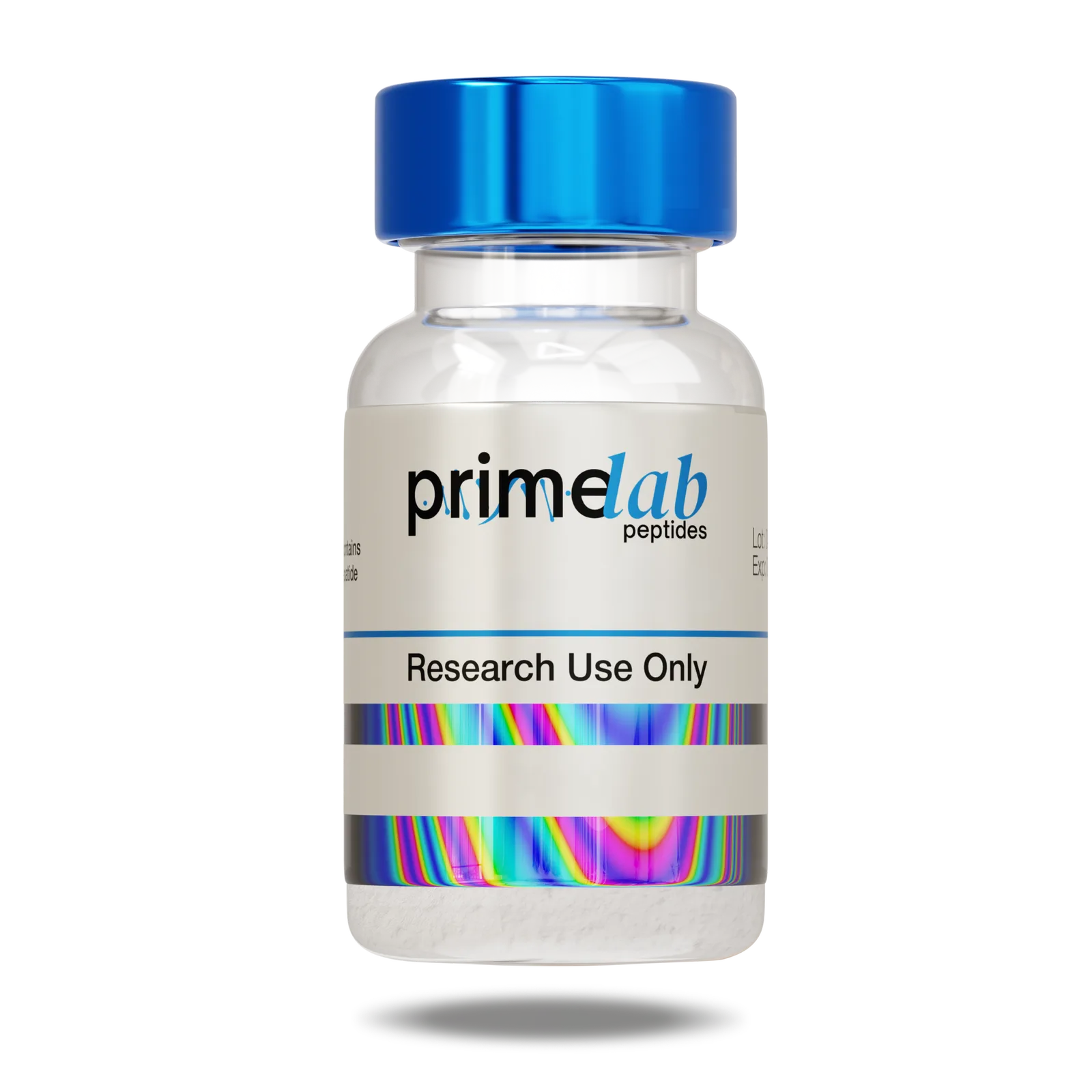
A two-part peptide: a homing motif (CKGGRAKDC) that binds prohibitin on the blood vessels of white fat, fused to a proapoptotic D-amino-acid segment (KLAKLAK)2 that disrupts mitochondria and triggers apoptosis. Killing the fat-tissue vasculature is meant to cause the fat to be resorbed.
No established human dose. Every efficacy study used weight-based dosing in animals (mice ~0.4-3 mg/kg/day; species-specific short daily cycles in monkeys). A 5 mg vial in 2 mL bacteriostatic water is 2.5 mg/mL, shown only as reference math, not a recommendation.
Preclinical only. Rapid fat loss in obese mice and monkeys, but the primate study found dose-dependent, reversible kidney (proximal-tubule) dysfunction in all three species tested, and an independent comment argued weight loss may reflect appetite suppression. No published human efficacy or safety data. Not FDA-approved.
Quickstart Highlights
Adipotide (also called FTPP, for “fat-targeted proapoptotic peptide,” and written by its sequence CKGGRAKDC-GG-(D)(KLAKLAK)₂) is an experimental proapoptotic peptide built to destroy the blood supply of white fat. It joins a homing motif (CKGGRAKDC), which binds the protein prohibitin on the surface of fat-tissue blood vessels, to a mitochondria-disrupting segment made of D-amino acids that triggers cell death once it is delivered[1]. The idea is elegant: starve fat by killing the vessels that feed it, and the fat is resorbed.
This page exists because people search for an adipotide “dose” — but the honest answer is that adipotide has never been shown to be safe or effective in humans, and its animal record includes a real toxicity signal. It caused reversible kidney (proximal-tubule) dysfunction in every monkey species tested[2], it has no established human dose, and it is not approved by the FDA or any regulator. Treat what follows as a cautionary reference on how the compound was studied — not as a protocol, and not as encouragement to use it.
Pre-filled with this protocol’s recommended BAC water and documented starting dose — edit any field to run your own numbers. Reconstitution math only — not dosing advice. U-100 syringe: 100 units = 1 mL. Full reconstitution guide → · Advanced calculator →Mix & measure Adipotide · 5 mg
Supplies Needed
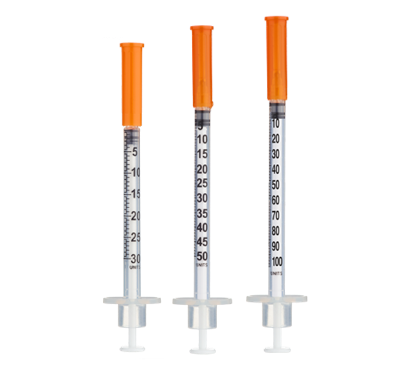
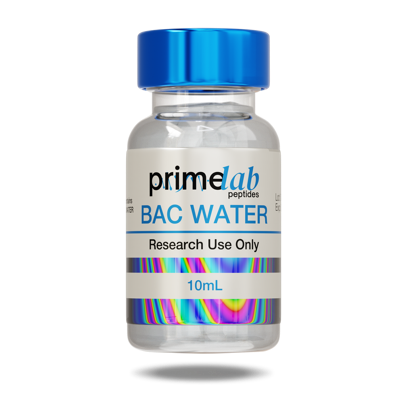
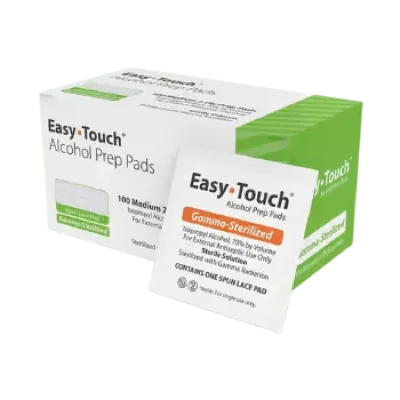
Adipotide is sold as a lyophilized research vial, so the generic reconstitution kit below is what a laboratory preparation would use. Listing the supplies is not an endorsement of self-administration — the compound has a documented primate kidney-toxicity signal and no human safety data.
Protocol Overview
The honest overview is short. Adipotide is a preclinical, proapoptotic fat-vasculature peptide with striking short-term fat-loss data in mice and monkeys and a real toxicity problem — dose-dependent kidney dysfunction in primates[2]. There is no established human dose, route or schedule, and no published human efficacy or safety trial. The material below documents what was studied and how such a vial is handled, not a working protocol.
Its scientific interest is genuine: targeting the blood supply of fat rather than fat cells directly was a novel idea, and prohibitin turned out to be a usable vascular address for white adipose tissue[1]. But a clever mechanism in animals is not evidence of human benefit, and the primate data that made adipotide famous are the same data that flagged its kidneys risk. The compound never advanced into validated human use.
Dosing Protocol
Reference reconstitution volumes only (5 mg vial in 2 mL → 2.5 mg/mL), shown for transparency. These are not a dose ladder: adipotide has no validated human dose, its efficacy doses were weight-based and animal-only, and the effective primate doses caused kidney dysfunction[2]. The last row exists to underline that the studied doses were per-kilogram, not per-vial.
| Reference amount | Volume at 2.5 mg/mL | U-100 units |
|---|---|---|
| 0.5 mg | 0.20 mL | 20 units |
| 1 mg | 0.40 mL | 40 units |
| 2.5 mg | 1.00 mL | 100 units |
| 5 mg — the whole vial | 2.00 mL | 200 units |
| Studied animal dosing[2] | Weight-based (mg/kg), animal-only — not a human dose | Caused reversible kidney dysfunction in monkeys |
Why Adipotide draws research interest
These are the directions researchers and the peptide community most often explore Adipotide for — so you know you’re in the right place. They describe what is being studied, not proven benefits, approved uses, or promised results.
Fat loss & obesity
The draw: rapid weight loss in obese monkeys by targeting the blood supply of fat tissue. Never completed in humans.
Kidney toxicity
The headline the marketing omits: at effective doses it caused dose-dependent renal proximal-tubule damage in primates.
Insulin sensitivity
Improved alongside the weight loss in the monkey study — but inseparable from the renal findings in those same animals.
A contested mechanism
A published commentary argued the weight loss may come from suppressed food intake rather than destroying fat vasculature.
Evidence ranges from early laboratory work to clinical trials depending on the use — the sections below cover the actual data and sources.
A 5 mg research vial in 2 mL bacteriostatic water is 2.5 mg/mL. This is reference math only. There is no validated human dose to fill a syringe to, and the animal doses were set per kilogram of body weight, not per vial.
Entirely weight-based and animal-only: roughly 0.4–3 mg/kg/day in mice[1] and titrated, species-specific doses in monkeys given in short daily cycles[2]. No human efficacy dose exists.
Subcutaneous or intraperitoneal in animals[1][2]. A research vial implies subcutaneous injection, but no human route, dose or schedule has been validated.
Preclinical only, with a real toxicity signal. Reversible renal proximal-tubule dysfunction in monkeys[2]; no published human efficacy or safety trial. Not FDA-approved.
Dosing & Reconstitution Guide
Adipotide has no human dose, no titration ladder and no validated schedule. The only efficacy data are from animals, dosed by body weight in short daily cycles, and the most-cited of those studies also documented kidney toxicity[2]. What follows is the published animal-dosing context plus reference reconstitution math — provided for transparency, and explicitly not a recommendation to inject a preclinical compound that damaged primate kidneys.
Standard / Gradual Approach
The animal record is specific. In the original mouse work, the proapoptotic peptide was given systemically to obese mice and produced rapid resorption of white fat and normalization of metabolism[1]. In the primate study, obese monkeys received adipotide in short daily cycles (on the order of a week or two) at experimentally optimised, species-specific milligram-per-kilogram doses, with MRI and DXA confirming a marked drop in white adipose tissue[2]. A separate mouse study reported that glucose tolerance improved rapidly and largely independent of the weight change[3].
None of that translates into a human protocol. The doses were per kilogram of body weight, not per vial; they were chosen in animals; and at the doses that worked in monkeys, renal proximal-tubule function changed in a dose-dependent way[2]. There is no published human pharmacokinetic study, no established human dose, and no completed human efficacy or safety trial to anchor to.
So the honest status is blunt: adipotide is a preclinical fat-loss peptide with a kidney-toxicity signal and no human validation. Anyone treating the reference numbers below as a “protocol” is inventing a regimen for a compound whose safety was never established in people — which is exactly why this page is written as a caution rather than a how-to.
Reconstitution Steps
If a research vial is reconstituted at all, 2 mL of bacteriostatic water per 5 mg vial gives 2.5 mg/mL. This is shown only so the reference figures are transparent; it is not a dosing recommendation, and there is no validated human amount to draw up.
- ▪Sanitize: swab the vial stopper and the bacteriostatic-water stopper with fresh alcohol pads and let them air-dry.
- ▪Add 2 mL slowly: draw 2 mL of bacteriostatic water and let it run down the inside wall of the vial rather than onto the powder, giving 2.5 mg/mL.
- ▪Dissolve gently: let it stand about 30 seconds, then roll the vial between your palms. Do not shake. Discard the solution if it is cloudy or holds particles.
- ▪Refrigerate: store the reconstituted vial at 2–8 °C and never freeze it.
Storage Instructions
Lyophilized vials are stable refrigerated and should be protected from light; follow the supplier’s handling guidance for the powder, and do not freeze a vial once reconstituted.
After reconstitution with bacteriostatic water, store at 2–8 °C and use within the multi-week window the preservative supports. There is no manufacturer stability profile to defer to, because adipotide is not a marketed product — another reminder that this is an experimental compound, not a validated therapy.
Important Notes
These are the points most often dropped when adipotide is marketed as an aggressive fat-loss “peptide.” Read them before anything else on this page.
- ▪Kidney toxicity is the defining safety fact: in obese monkeys of three species, the doses that produced weight loss also produced dose-dependent changes in renal proximal-tubule function[2]. The authors described the renal changes as reversible in that study, but a fat-loss compound whose effective dose stresses the kidneys is not a casual tool — it is the single most important reason to avoid self-use.
- ▪No human safety data exist: adipotide has no completed, peer-reviewed human efficacy or safety trial published. Everything known about its effects and its risks comes from animals. Identity, potency and purity of a grey-market vial are unverified on top of that, compounding an already unquantified risk.
- ▪The mechanism itself is disputed: a published commentary on the monkey study argued the weight loss might reflect a direct effect on food intake (appetite suppression) rather than the advertised fat-vessel apoptosis[4]. When the reason a drug “works” is contested by experts, the case for cautious self-experimentation collapses entirely.
- ▪No validated human dose: the animal doses were set per kilogram of body weight in controlled studies, not per vial. Any milligram figure circulating online is an extrapolation, not a studied human amount, and there is no pharmacokinetic basis for translating a mouse or monkey mg/kg dose into a human injection.
- ▪It is a peptidomimetic bioconjugate, not a gentle “research peptide”: the (KLAKLAK)₂ segment is a membrane-disrupting, proapoptotic sequence built from D-amino acids[1][5]. Its whole design is to kill cells. That is not comparable to the signalling peptides most of this catalogue covers, and it deserves a different level of respect.
- ▪Not approved anywhere: adipotide is not authorised by the FDA or any regulator, is not a medicine, and has no medical framework around its use. The honest recommendation for a compound with primate kidney toxicity and zero human data is to treat it as something to read about, not to inject.
How This Works
The design starts from a targeting problem: how do you hit fat without hitting everything else? The answer in the original work was in vivo phage display, which surfaced a short peptide (CKGGRAKDC) that homes specifically to the blood vessels of white adipose tissue. That motif was shown to bind prohibitin, a membrane protein that turned out to be a usable vascular “address” for white fat[1].
Fusing that homing motif to a proapoptotic segment — the D-amino-acid sequence (KLAKLAK)₂, which is harmless outside cells but disrupts mitochondrial membranes once internalised — creates a peptide that concentrates on fat-tissue vasculature and then triggers apoptosis of those endothelial cells[1][5]. Killing the vessels starves the surrounding adipose tissue, which is resorbed. In mice this reversed obesity and normalized metabolism[1]; in monkeys it drove rapid weight loss with imaging-confirmed loss of white fat[2].
Two caveats sit on top of that tidy story. First, the same primate study that proved the fat loss also showed the kidneys take a dose-dependent hit — the proximal tubule reabsorbs filtered peptides, so a circulating proapoptotic peptide plausibly concentrates there[2]. Second, an independent commentary argued the weight change might be partly an appetite effect, not pure vascular ablation[4]. The mechanism is scientifically interesting and still not fully settled — which, for a cell-killing peptide, is a reason for caution, not enthusiasm.
Lifestyle Factors
There is no lifestyle protocol to attach to adipotide, because there is no validated human use to build one around. It is a preclinical compound with a toxicity signal, not an established fat-loss tool with a supporting routine.
The honest “daily habits” note here is a redirection: the fat-loss interventions with real human evidence — a sustained calorie deficit, resistance training, sleep, and, where clinically appropriate and medically supervised, approved medications — carry none of the unknowns of a proapoptotic peptide that damaged monkey kidneys and was never tested in people.
Potential Benefits & Side Effects
Evidence tier: preclinical only, with a documented primate kidney-toxicity signal. The “effects” below are animal findings, and the “side effects” are led by a real organ-toxicity result, not a vague caution. Read the two columns together and weigh them against the complete absence of human data.
Reported Effects
- ▪Rapid fat loss in animals — the core finding: obese mice reversed obesity and obese monkeys lost weight rapidly, with imaging confirming a marked reduction in white adipose tissue[1][2].
- ▪Improved insulin sensitivity — in monkeys and mice: the primate study reported improved insulin resistance alongside the fat loss[2], and a mouse study found glucose tolerance improved rapidly and largely independent of weight change[3].
- ▪A novel, targetable mechanism — but contested: prohibitin proved to be a real vascular marker of white fat[1], though whether the weight loss is purely vascular or partly appetite-driven is disputed[4].
- ▪What is not established: any benefit in humans. There is no published human efficacy trial, so every “benefit” above is an animal result that may or may not translate, at a dose that may or may not be tolerable in people.
Common Side Effects
- ▪Kidney (renal proximal-tubule) dysfunction — the key signal: at the effective doses in monkeys, all three species showed dose-dependent changes in renal proximal-tubule function[2]. Described as reversible in that study, it remains the reason adipotide is treated as genuinely hazardous.
- ▪It is a cell-killing peptide by design: the (KLAKLAK)₂ warhead disrupts mitochondrial membranes to induce apoptosis[5]. Off-target delivery, mis-dosing or impurity in a grey-market preparation could plausibly harm tissues beyond fat.
- ▪Human safety is simply unknown: with no completed human trial, there is no characterised human side-effect profile — injection-site reactions, systemic effects, immunogenicity and organ effects at any human dose are all undefined.
- ▪Sourcing risk on top of biological risk: as an unapproved grey-market peptide, a vial has no verified potency or purity, layering identity and contamination hazards onto an already dangerous pharmacology.
Injection Technique
Adipotide is sold as a lyophilized vial, but it must be said plainly: no human trial has ever injected it, and the compound damaged primate kidneys at effective doses. The generic subcutaneous workflow below describes how such a vial is handled in principle; it is documentation, not a recommendation to inject a preclinical, kidney-toxic peptide with no human safety data.
Pre-Injection Preparation
- ▪Understand the risk first: every efficacy figure comes from animals, and the effective monkey doses caused kidney dysfunction[2]. There is no validated human dose behind any injection.
- ▪Confirm the concentration: the reference math assumes 2.5 mg/mL — a 5 mg vial in 2 mL. A different diluent volume changes every unit figure, but no unit figure here is a validated human dose.
- ▪Inspect: a reconstituted solution should be clear and particle-free; discard it if cloudy or discoloured. Purity of a grey-market vial cannot be assumed.
Injection Procedure
- ▪Recognise there is no validated dose: the table gives reconstitution reference points only, not a studied human regimen. The efficacy doses were per-kilogram animal doses that stressed the kidneys.
- ▪If handled at all, inject subcutaneously: pinch the skin, insert at the angle suited to the needle length, and deliver slowly into subcutaneous tissue — not intramuscular or intravenous.
- ▪Rotate sites: alternate injection areas to avoid repeated trauma to one spot — though the deeper point stands that this compound has no business being self-injected.
Post-Injection Care
- ▪Discard properly: keep any reconstituted vial refrigerated at 2–8 °C, never freeze it, and discard anything cloudy.
- ▪Kidney symptoms are a stop signal: given the primate renal findings, any change in urination, swelling, flank discomfort or general malaise is a reason to stop immediately and seek medical care.
- ▪Keep perspective: the strongest evidence about adipotide is that it damaged monkey kidneys and was never tested in people — a fact that should settle the question before any self-experimentation begins.
Recommended Source
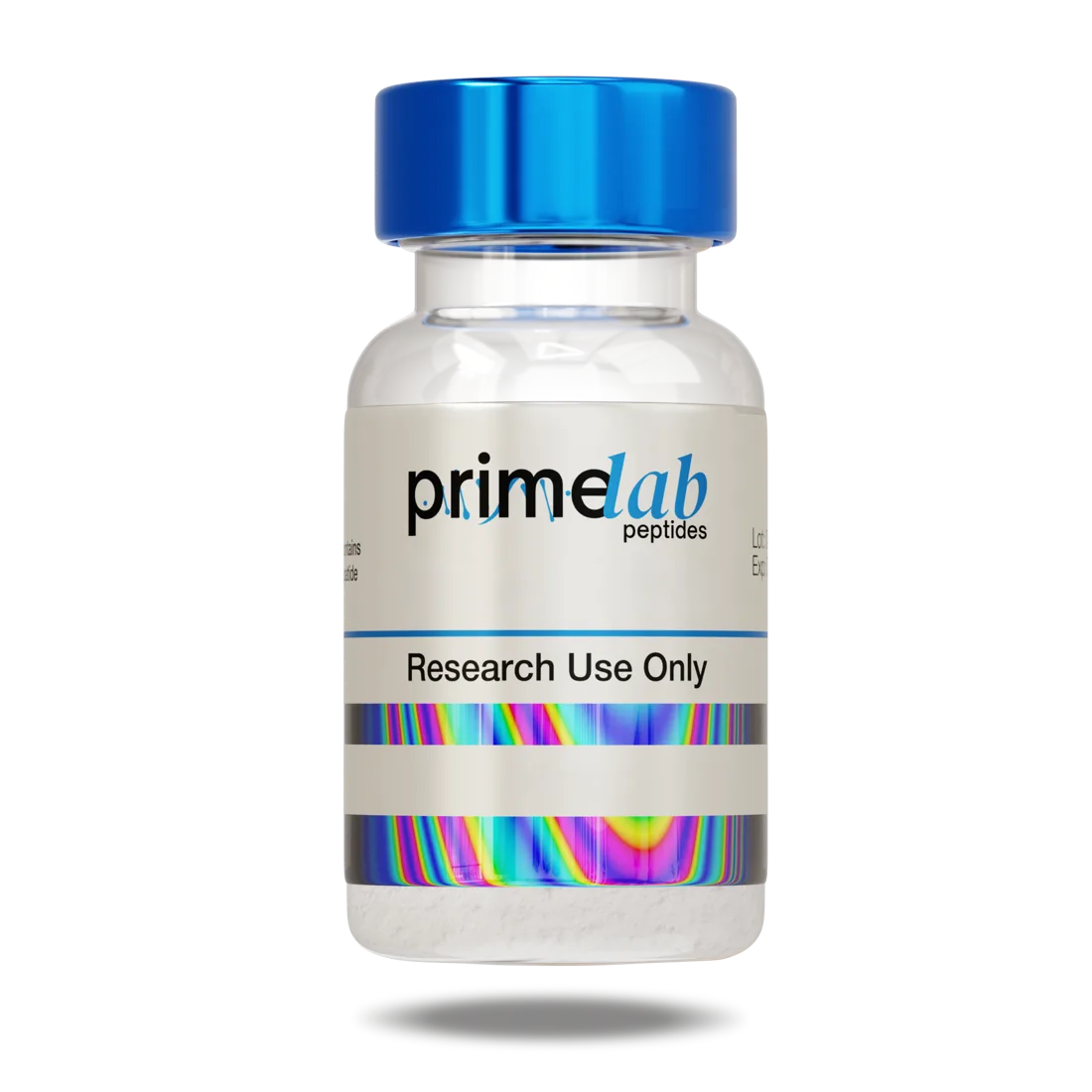
For high-purity research peptides, we point researchers to Prime Lab Peptides for Adipotide (5 mg Vial).
Why Prime Lab Peptides?
- ▪Top-rated on Trustpilot: Independently reviewed as the highest-rated peptide lab on Trustpilot — making it the best current source in the USA.
- ▪Third-party tested: Every batch ships with a Certificate of Analysis (COA) confirming purity and composition.
- ▪Consistent quality: ISO-aligned manufacturing and handling keep product integrity reliable batch to batch.
- ▪Cold-chain integrity: Temperature-controlled shipping and storage across the whole fulfilment chain.
- ▪Research-grade purity: Fit for educational and research use that demands high-quality peptides.
Note: Product availability and specifications subject to change. Verify current product details on supplier website.
References
- 1
Nature Medicine (2004) — Reversal of obesity by targeted ablation of adipose tissueKolonin, Saha, Chan, Pasqualini & Arap (PMID 15133506). The origin study: in vivo phage display isolated the CKGGRAKDC homing motif, which binds prohibitin on white-fat vasculature; fusing it to a proapoptotic peptide ablated white fat and reversed obesity in mice. DOI: 10.1038/nm1048.
- 2
Science Translational Medicine (2011) — A peptidomimetic targeting white fat causes weight loss and improved insulin resistance in obese monkeysBarnhart et al. (PMID 22072637). Names the compound adipotide (CKGGRAKDC-GG-(D)(KLAKLAK)2); obese monkeys of three species lost weight and improved insulin resistance, but at the optimal doses showed predictable, reversible changes in renal proximal-tubule function. DOI: 10.1126/scitranslmed.3002621.
- 3
Diabetes (2012) — Rapid and weight-independent improvement of glucose tolerance induced by a peptide designed to elicit apoptosis in adipose tissue endotheliumKim et al. (PMID 22733798). In obese mice, the proapoptotic peptide improved glucose tolerance rapidly and largely independent of weight and food intake, with changes in serum insulin, triglycerides and fatty-acid metabolism. DOI: 10.2337/db11-1579.
- 4
Science Translational Medicine (2012) — Comment on the obese-monkey adipotide studyCriscione (PMID 22539771). A published critique arguing the weight loss in the monkey study may instead reflect a direct effect of adipotide on food consumption (appetite), rather than apoptosis of adipose-tissue blood vessels — evidence the mechanism is contested. DOI: 10.1126/scitranslmed.3003760.
- 5
Journal of Controlled Release (2013) — A comparative study between nanoparticle-targeted therapeutics and bioconjugates as obesity medicationHossen et al. (PMID 23871959). Describes adipotide as a bioconjugate of the prohibitin-homing peptide and the proapoptotic (D)(KLAKLAK)2 segment, and compares it with a nanoparticle-delivered version in diet-induced obese mice. DOI: 10.1016/j.jconrel.2013.07.013.
Adipotide — frequently asked questions
How do I reconstitute a 5 mg vial of Adipotide?
Wipe the stopper with an alcohol swab, then inject your bacteriostatic water slowly down the inside wall of the vial. Let it sit and gently swirl until dissolved — never shake. Store the mixed vial in the refrigerator and draw doses with an insulin syringe. Use the calculator above to turn any dose into syringe units.
How much bacteriostatic water should I add to Adipotide?
There is no single correct amount — more water simply spreads the same 5 mg of peptide across a larger volume, which makes small doses easier to measure accurately. 1 to 3 mL per vial is typical. Enter your chosen volume in the calculator above to see the resulting concentration and syringe units.
What do the "units" on an insulin syringe mean?
On a U-100 insulin syringe, 100 units equal 1 mL, so 1 unit equals 0.01 mL. The calculator above converts your draw volume into these units automatically so you can measure without doing the math by hand.
How should I store Adipotide after mixing?
Keep the reconstituted vial refrigerated at roughly 2 to 8 degrees Celsius, away from light, and avoid freezing it. Reconstituted research peptides are generally used within a few weeks. Always follow the specific guidance supplied with your product.
How many doses does a 5 mg vial of Adipotide provide?
Divide the vial strength of 5 mg by the amount you use per injection. The calculator above reports this as "doses per vial" the moment you enter a dose.
Is Adipotide approved for human use?
No. Adipotide is sold strictly for laboratory and research purposes and is not approved by the FDA or other regulators for human use. Everything on this page is research information, not medical advice — consult a licensed healthcare professional before any use.
New protocols & dosing updates
Reconstitution charts, new peptide protocols and safety updates — straight to your inbox. No spam, unsubscribe anytime.