
Lipo-C (10 mL Vial) Dosage Protocol
Lipo-C is a compounded methionine-inositol-choline (MIC) plus B12 lipotropic injection, not a peptide, and the evidence for standalone fat loss is weak.

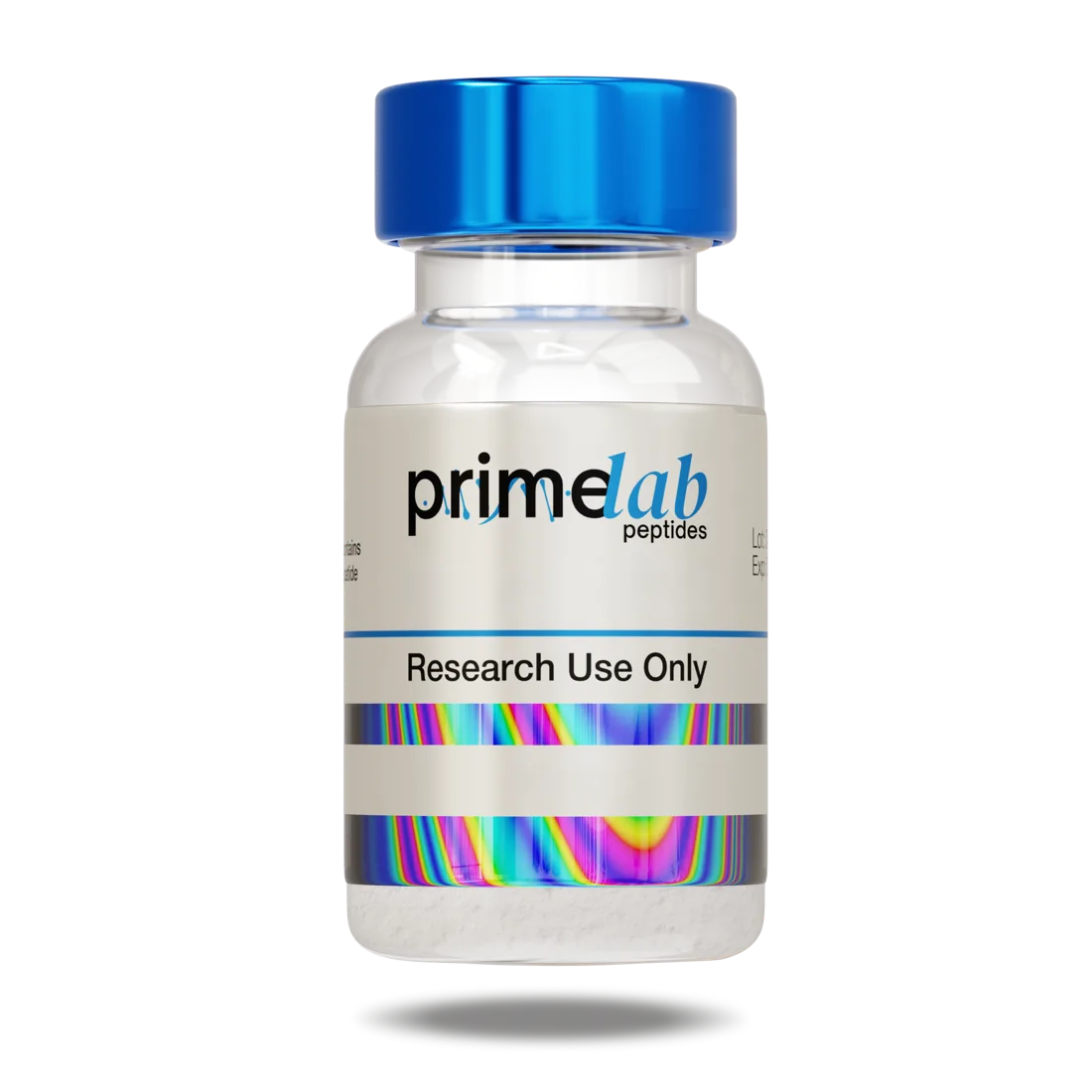
A blend of lipotropic agents (methionine, inositol, choline) plus vitamin B12 that participate in hepatic fat and one-carbon metabolism; it is a nutrient combination, not a receptor-targeted drug.
Clinic and compounding references describe roughly 0.5-1 mL per intramuscular injection, often once or twice weekly. No controlled trial establishes a dose for the blend itself.
Ships pre-mixed as a sterile aqueous solution; no reconstitution powder is added. A representative fill is about 125 mg/mL total MIC plus ~1000 mcg/mL B12 in a 10 mL vial.
Compounded vials are typically kept refrigerated (2-8 C), protected from light because B12 is light-sensitive, and discarded per the compounder's beyond-use date.
Quickstart Highlights
Lipo-C is a compounded lipotropic injection — not a peptide — built around the “MIC” trio of methionine, inositol and choline, almost always with added cyanocobalamin (vitamin B12) and sometimes L-carnitine[1]. In clinics and the wider literature it is studied and marketed for fat metabolism and weight support, because each nutrient has a documented role in how the liver processes and exports fat; the honest caveat is that the direct evidence for standalone fat loss from the finished blend is weak and mostly uncontrolled.
These figures reflect compounding-pharmacy monographs and clinic conventions and are provided strictly for research and educational reference — Lipo-C is not FDA-approved for weight loss, and nothing here is medical advice or a recommendation to self-administer.
Pre-filled with this protocol’s recommended BAC water and documented starting dose — edit any field to run your own numbers. Reconstitution math only — not dosing advice. U-100 syringe: 100 units = 1 mL. Full reconstitution guide → · Advanced calculator →Mix & measure Lipo-C · 1250 mg
Supplies Needed
Everything a documented Lipo-C protocol relies on. Because the vial is pre-mixed, no bacteriostatic water is involved — sterile technique, accurate volume measurement and light-protected storage matter most.
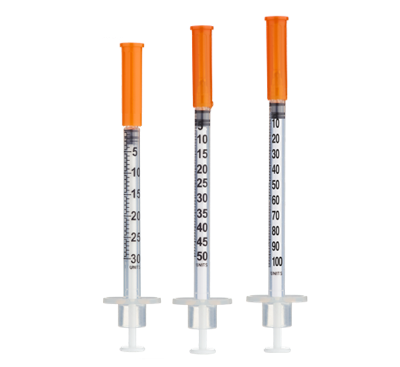
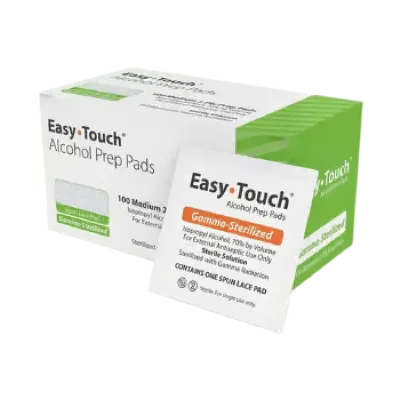
Protocol Overview
At the representative concentration a 10 mL vial holds roughly 1250 mg of combined MIC plus ~10,000 mcg of B12. Drawn at 1 mL per shot that is about ten doses per vial; at 0.5 mL twice weekly it stretches further — so a single vial commonly covers several weeks of a once/twice-weekly program.
Because the concentration is fixed, plan supply by draw volume rather than by any titration curve, and always cross-check the per-mL figures printed on your specific vial — compounded formulas vary substantially from pharmacy to pharmacy.
Dosing Protocol
A per-draw reference for the representative ~125 mg/mL MIC + ~1000 mcg/mL B12 vial, converted to U-100 syringe marks. These illustrate the concentration math for the on-page calculator — they are not a dosing instruction or a trial-validated regimen.
| Draw Volume | Approx. Delivered (MIC + B12) | U-100 Syringe Mark |
|---|---|---|
| 0.25 mL | ~31 mg MIC + ~250 mcg B12 | 25 units |
| 0.5 mL | ~63 mg MIC + ~500 mcg B12 | 50 units |
| 0.75 mL | ~94 mg MIC + ~750 mcg B12 | 75 units |
| 1.0 mL | ~125 mg MIC + ~1000 mcg B12 | 100 units (full barrel) |
Why Lipo-C draws research interest
These are the directions researchers and the peptide community most often explore Lipo-C for — so you know you’re in the right place. They describe what is being studied, not proven benefits, approved uses, or promised results.
Fat metabolism & body composition
Investigated as a med-spa adjunct for fat metabolism support; standalone weight-loss evidence for the blend is weak and largely uncontrolled.
Hepatic lipid handling
Studied at the ingredient level (choline, methionine) for liver-lipid export and fatty-liver models, mostly preclinical and nutrient-deficiency focused.
Energy & B12 status
Sought for perceived energy support via the B12 component; a benefit is documented only when B12 status is actually low.
One-carbon metabolism
Examined as a source of methyl donors (methionine, choline) in one-carbon and homocysteine pathways at the individual-nutrient level.
Evidence ranges from early laboratory work to clinical trials depending on the use — the sections below cover the actual data and sources.
Pre-mixed sterile liquid — no bacteriostatic water; you draw and inject an existing solution, not a powder.
~0.5 → 1 mL per shot, commonly once or twice weekly; cadence is program-driven, not trial-derived.
Intramuscular (or subcutaneous per the compounder’s label); rotate sites and follow the specific vial instructions.
Weak — compounded nutrient blend; ingredient-level plausibility only, no controlled trials of the MIC+B12 injection for fat loss.
Dosing & Reconstitution Guide
Because Lipo-C is a fixed-concentration liquid rather than a titrated drug, “dosing” means choosing a draw volume from a vial whose per-mL content is set by the pharmacy. There is no established minimum effective dose — no dose-finding trial of the blend exists — so the volumes below reflect convention, not efficacy data.
Standard / Gradual Approach
A representative reference vial is compounded at roughly methionine 25 mg/mL + inositol 50 mg/mL + choline 50 mg/mL (≈125 mg/mL combined MIC) with ~1000 mcg/mL B12, though ratios such as 25/25/25 are equally common[1]. On that basis a 1 mL draw delivers about 125 mg combined MIC and ~1000 mcg B12, and a 0.5 mL draw delivers half of each. Unlike a titrated peptide, the “schedule” here is a fixed weekly or twice-weekly volume anchored to a diet-and-activity program rather than a stepped ramp.
Reconstitution Steps
There is no reconstitution in the usual sense — Lipo-C is supplied as a finished sterile solution, so this step is really just drawing and measuring an existing liquid.
- ▪Do not add diluent: Never add bacteriostatic water or any diluent unless the compounder’s label explicitly instructs it — the vial already contains its full, fixed concentration.
- ▪Inspect: Expect a clear pink-to-red solution (the B12 gives the color). Discard if it is cloudy, unexpectedly discolored, or contains particulates.
- ▪Sanitize & draw: Swab the stopper, let it dry, and draw your reference volume (e.g. 0.5–1 mL) by the marks on the syringe barrel — content is expressed per mL, so the draw volume defines the delivered amount.
- ▪Store between uses: Return the multi-dose vial to refrigeration, protected from light, and honor the pharmacy’s beyond-use date.
Storage Instructions
Keep the pre-mixed vial refrigerated at 2–8 °C and protected from light — cyanocobalamin degrades on light exposure, which is why vials are often kept boxed[2].
Compounded multi-dose vials carry a pharmacy-assigned beyond-use date that is shorter and more preservative-dependent than a commercial drug’s. Discard at that date, or sooner if the solution turns cloudy, discolors beyond its normal pink-to-red, or shows particulates.
Important Notes
Practical points that keep administration consistent and keep the framing honest.
- ▪It is a liquid, not a powder: Do not reconstitute — the vial is ready to draw, and adding water would dilute a fixed, label-defined concentration.
- ▪Read the actual vial label: MIC ratios, B12 strength, preservative and route (IM vs SubQ) are compounder-specific, so your per-mL content may differ substantially from the representative figures here.
- ▪B12’s ‘energy’ reputation is conditional: The marketed energy boost is documented only in people who are B12-deficient; in replete individuals extra B12 is largely excreted and does not enhance energy or performance[2].
- ▪Compounding quality is not FDA-verified: Compounded products are not reviewed for potency, sterility or purity before dispensing, so provenance from a reputable 503A/503B pharmacy materially affects the safety profile[8].
- ▪No proven upside to offset even mild risk: When benefit is uncertain, small and infrequent risks matter more — Lipo-C should not displace interventions with strong outcome data (diet, activity, and, where indicated, approved pharmacotherapy).
How This Works
The honest way to describe the “mechanism” of a mixture is ingredient by ingredient. Choline is an essential nutrient needed to package and export very-low-density lipoprotein (VLDL) from the liver and to supply the methyl donor betaine; methionine feeds S-adenosylmethionine (SAM), the body’s main methyl donor; inositol is a second-messenger precursor in insulin signaling; carnitine, when included, shuttles long-chain fatty acids into mitochondria for beta-oxidation[1][3].
The most defensible statement is narrow: severe deficiency of methionine and choline impairs hepatic fat export and causes steatosis — the classic methionine-choline-deficient (MCD) diet reliably induces fibrosing steatohepatitis in rodents[4][5]. But that shows what happens when you remove these nutrients; it does not show that adding them beyond adequacy pulls fat out of an already-nourished body. Reading the biochemistry as if it were a trial result is the single most common way this product is oversold.
Lifestyle Factors
Lipotropic injections are almost always given inside a calorie-restricted, higher-protein, exercise-supported program, so any weight change observed is difficult to attribute to the shot rather than to the diet and follow-up — the realistic role Lipo-C plays is behavioral and adjunctive.
A weekly clinic visit anchors accountability, the B12 corrects any genuine deficiency, and the nutrient load is unlikely to harm at typical volumes. Those are legitimate, if modest, reasons a supervised program might include it — and they are very different from the marketed promise of an injection that “melts fat.”
Potential Benefits & Side Effects
What the literature actually supports is ingredient-level biochemistry plus uncontrolled clinical use — not controlled human trials of the finished injection for fat loss. Treat standalone fat-loss claims as unproven.
Reported Effects
- ▪Fat metabolism (the search intent): Choline is required for hepatic VLDL export and its deficiency causes fatty liver, which is why lipotropics are studied for fat handling — but repletion reverses deficiency-related steatosis and does not establish fat loss in choline-replete people[1][4].
- ▪Insulin-signaling interest (inositol): Oral myo-inositol has mixed RCT-level data for insulin-resistance markers in PCOS — but those trials use grams orally, not the small injected amounts in MIC, and are not weight-loss trials[6].
- ▪Modest weight signal (carnitine): A meta-analysis of oral/IV carnitine found a small average weight reduction (~1.3 kg) that shrank over time — modest, time-limited, and not specific to the injected MIC context[7].
- ▪Deficiency correction (B12): The B12 component reliably corrects deficiency-related fatigue and anemia, but has no documented energy or weight effect when B12 status is already normal[2].
Common Side Effects
- ▪Local injection reactions: Pain, warmth, redness, itching or a transient flush at the site are the most commonly reported effects, consistent with any intramuscular injection.
- ▪Choline-related: High choline intake can cause a fishy body odor, sweating, gastrointestinal upset and, at very high doses, low blood pressure — dose-dependent and more relevant to oral loading than to small injected volumes[1].
- ▪Allergy & excipients: Compounded blends may contain preservatives (e.g. benzyl alcohol) or other excipients that can provoke sensitivity; the exact list is compounder-specific.
- ▪Population cautions: Pregnancy, lactation, kidney or liver impairment and B12-pathway disorders each change the calculus for individual ingredients and warrant qualified oversight.
- ▪Unverified potency/sterility: Because compounded products are not FDA-reviewed before dispensing, product-to-product variability and, in poorly controlled facilities, contamination are genuine concerns[8].
Injection Technique
Administration is a standard intramuscular (or subcutaneous) injection of a ready liquid. Accuracy of volume and site rotation matter more than speed.
Pre-Injection Preparation
- ▪Wash hands; inspect the vial for the expected clear pink-to-red appearance and let a refrigerated vial come toward room temperature to reduce sting.
- ▪Swab the stopper and the chosen injection site with alcohol and let it dry fully.
- ▪Draw your reference volume (e.g. 0.5–1 mL) into a fresh syringe and tap out air bubbles — do not add any diluent.
Injection Procedure
- ▪Select the route on your vial’s label: intramuscular sites (deltoid, ventrogluteal, vastus lateralis) or subcutaneous fat, as instructed.
- ▪Insert the needle at the appropriate angle for the route and inject the solution at a steady, even pace.
- ▪Withdraw and apply light pressure with a clean swab — do not rub.
Post-Injection Care
- ▪Drop the used syringe straight into a puncture-proof sharps container.
- ▪Rotate sites shot to shot to avoid local irritation.
- ▪Return the vial to light-protected refrigeration promptly and note the beyond-use date.
Recommended Source
For high-purity research peptides, we point researchers to Prime Lab Peptides for Lipo-C (10 mL Vial).
Why Prime Lab Peptides?
- ▪Top-rated on Trustpilot: Independently reviewed as the highest-rated peptide lab on Trustpilot — making it the best current source in the USA.
- ▪Third-party tested: Every batch ships with a Certificate of Analysis (COA) confirming purity and composition.
- ▪Consistent quality: ISO-aligned manufacturing and handling keep product integrity reliable batch to batch.
- ▪Cold-chain integrity: Temperature-controlled shipping and storage across the whole fulfilment chain.
- ▪Research-grade purity: Fit for educational and research use that demands high-quality peptides.
Note: Product availability and specifications subject to change. Verify current product details on supplier website.
References
- 1
NIH Office of Dietary Supplements — CholineFact sheet for health professionals: choline’s role in VLDL export and hepatic fat metabolism, deficiency-related steatosis, and high-intake side effects such as fishy odor and hypotension.
- 2
NIH Office of Dietary Supplements — Vitamin B12Fact sheet for health professionals: B12 as a one-carbon cofactor, light sensitivity, and the conditional (deficiency-only) basis for its ‘energy’ reputation.
- 3
NIH Office of Dietary Supplements — CarnitineFact sheet for health professionals: carnitine’s role shuttling long-chain fatty acids into mitochondria for beta-oxidation.
- 4
Zeisel SH, da Costa KA — Choline: an essential nutrient for public health (Nutr Rev, 2009)Review establishing that choline deficiency causes hepatic fat accumulation and liver injury, and that repletion reverses deficiency-related steatosis.
- 5
Rinella ME, Green RM — MCD dietary model does not exhibit insulin resistance (J Hepatol, 2004)The methionine-choline-deficient diet induces fibrosing steatohepatitis in rodents, illustrating that removing these nutrients impairs hepatic fat export.
- 6
Unfer V, et al. — Myo-inositol effects in PCOS: meta-analysis of RCTs (Int J Endocrinol, 2016)Mixed randomized-trial support for oral myo-inositol on insulin-resistance markers in PCOS, at gram-level oral doses rather than injected MIC amounts.
- 7
Pooyandjoo M, et al. — Effect of (L-)carnitine on weight loss: meta-analysis of RCTs (Obes Rev, 2016)Meta-analysis of nine trials finding a small average weight reduction (~1.3 kg) with carnitine that diminished over time.
- 8
U.S. FDA — Compounding and the FDA: Questions and AnswersExplains that compounded drugs are not FDA-reviewed for safety, effectiveness or quality before dispensing, and the 503A/503B framework.
Lipo-C — frequently asked questions
How do I reconstitute a 1250 mg vial of Lipo-C?
Wipe the stopper with an alcohol swab, then inject your bacteriostatic water slowly down the inside wall of the vial. Let it sit and gently swirl until dissolved — never shake. Store the mixed vial in the refrigerator and draw doses with an insulin syringe. Use the calculator above to turn any dose into syringe units.
How much bacteriostatic water should I add to Lipo-C?
There is no single correct amount — more water simply spreads the same 1250 mg of peptide across a larger volume, which makes small doses easier to measure accurately. 1 to 3 mL per vial is typical. Enter your chosen volume in the calculator above to see the resulting concentration and syringe units.
What do the "units" on an insulin syringe mean?
On a U-100 insulin syringe, 100 units equal 1 mL, so 1 unit equals 0.01 mL. The calculator above converts your draw volume into these units automatically so you can measure without doing the math by hand.
How should I store Lipo-C after mixing?
Keep the reconstituted vial refrigerated at roughly 2 to 8 degrees Celsius, away from light, and avoid freezing it. Reconstituted research peptides are generally used within a few weeks. Always follow the specific guidance supplied with your product.
How many doses does a 1250 mg vial of Lipo-C provide?
Divide the vial strength of 1250 mg by the amount you use per injection. The calculator above reports this as "doses per vial" the moment you enter a dose.
Is Lipo-C approved for human use?
No. Lipo-C is sold strictly for laboratory and research purposes and is not approved by the FDA or other regulators for human use. Everything on this page is research information, not medical advice — consult a licensed healthcare professional before any use.
New protocols & dosing updates
Reconstitution charts, new peptide protocols and safety updates — straight to your inbox. No spam, unsubscribe anytime.