
Pentadeca Arginate / PDA (10mg Vial) Dosage Protocol
Pentadeca Arginate (PDA) is the BPC-157 peptide — the same 15-amino-acid sequence GEPPPGKPADDAGLV — supplied as an arginate salt instead of an acetate salt. No study of the arginate form itself has ever been published. Research/educational reference, not medical advice.
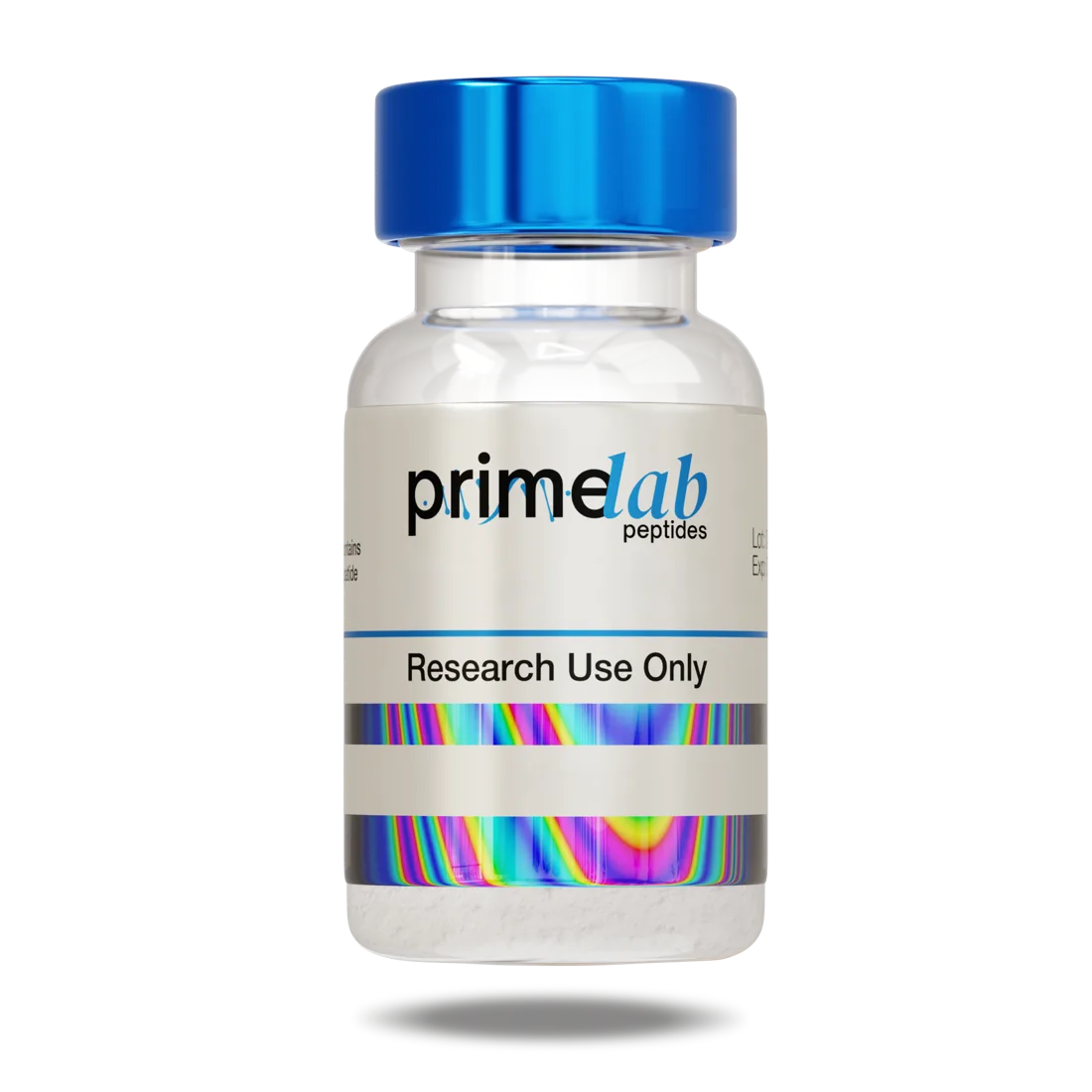
The pentadecapeptide BPC-157 sequence, presented as an arginate salt. Preclinical work attributes its effects to a broad cytoprotective action involving angiogenesis and the VEGF and nitric-oxide pathways rather than a single identified receptor. Human efficacy is unproven.
No validated human regimen exists. Circulating practice mirrors BPC-157 at roughly 250-500 mcg daily by subcutaneous injection; rodent studies used microgram- and nanogram-per-kilogram regimens. A 10 mg vial in 3 mL gives 3.33 mg/mL.
Not FDA-approved and sold for research use only. In July 2026 an FDA advisory committee recommended BPC-157 for the 503A bulks list by 8-6-1, while FDA review staff concluded the criteria weighed against inclusion. A recommendation is not an approval.
Extensive rodent literature, largely from a single Croatian research programme, plus three uncontrolled human pilots totalling under 30 subjects. No study of the arginate form itself has been published. The first randomised Phase 2 trial began recruiting in 2026.
Pre-filled with this protocol’s recommended BAC water and documented starting dose — edit any field to run your own numbers. Reconstitution math only — not dosing advice. U-100 syringe: 100 units = 1 mL. Full reconstitution guide → · Advanced calculator →Mix & measure Pentadeca Arginate / PDA · 10 mg
Dosing & Reconstitution Guide
There is no dosing literature for Pentadeca Arginate, so this section documents two separate things honestly: the quantities that actually appear in the BPC-157 research, and the reconstitution math for the 10 mg vial that vendors sell under the PDA name. They are not the same thing, and neither is a recommendation.
Standard / Gradual Approach
The published animal quantities are per-kilogram and very small. The rat studies that produced the tendon, ligament and muscle results used 10 mcg/kg and 10 ng/kg regimens, given intraperitoneally, in drinking water, or topically at the injury[3][4]. Scaled naively to a 70 kg person, 10 mcg/kg would be 700 mcg — which is the same order of magnitude as the amounts people actually use, but naive milligram-per-kilogram scaling between species is not a valid way to set a human dose, and no study has done the work properly.
The human picture is thinner than the marketing suggests. A 2026 biopharmaceutical review found the entire clinical record to be fewer than 30 subjects across three uncontrolled pilot studies, none of which used a standardised pharmaceutical preparation, alongside a preliminary two-subject pharmacokinetic observation[2]. The commonly quoted 250–500 mcg daily subcutaneous range is community and clinic convention, not a validated regimen.
A pharmacokinetic oddity sits underneath all of this and is worth knowing before designing any schedule. Formal preclinical work in two species confirms a plasma half-life under 30 minutes with linear kinetics and intramuscular bioavailability of roughly 14–51 % depending on species, yet the reported biological effects last hours to days[2]. That disconnect means nobody can currently say whether daily, twice-daily or intermittent administration is the right shape — the pharmacology to answer it has not been done.
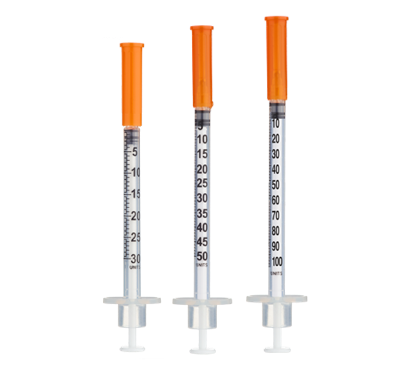
Finally, the arithmetic for the vial. 10 mg in 3 mL is 3.33 mg/mL, so one unit on a U-100 insulin syringe carries about 33 mcg. That puts a 250 mcg amount at 7.5 units and 500 mcg at 15 units — measurable, unlike the sub-unit volumes some research vials force. This is deliberately the same 3 mL convention used on our BPC-157 10 mg page, so the two are directly comparable.
| Reference amount | Volume at 3.33 mg/mL | U-100 units |
|---|---|---|
| 250 mcg | 0.075 mL | 7.5 units |
| 300 mcg | 0.09 mL | 9 units |
| 500 mcg | 0.15 mL | 15 units |
| 750 mcg | 0.225 mL | 22.5 units |
| 10 mg — the whole vial | 3.00 mL | 300 units (≈33 doses of 300 mcg) |
Why Pentadeca Arginate / PDA draws research interest
These are the directions researchers and the peptide community most often explore Pentadeca Arginate / PDA for — so you know you’re in the right place. They describe what is being studied, not proven benefits, approved uses, or promised results.
PDA vs BPC-157
The question almost everyone arrives with: it is the same peptide in a different salt, with no head-to-head study.
Tendon & ligament repair
Rat studies report healing of transected tendon, ligament and muscle, including junctions that otherwise fail to heal.
Gut & stomach lining
The peptide comes from gastric juice and is studied for gut protection; human data are three small uncontrolled pilots.
Stability & absorption claims
The “more stable, better absorbed” pitch for the arginate salt has no published measurement behind it.
Evidence ranges from early laboratory work to clinical trials depending on the use — the sections below cover the actual data and sources.
Quickstart Highlights
Pentadeca Arginate, sold as PDA, is a commercial name for BPC-157 supplied as an arginate salt. The peptide itself is unchanged: the same fifteen amino acids, GEPPPGKPADDAGLV, molecular weight about 1419, first described as a fragment of a protein found in human gastric juice[1]. What differs is the counterion — the small charged partner that a peptide is crystallised with — arginine rather than the acetate used for most research-grade BPC-157.
That distinction is the whole page. A PubMed search for “pentadeca arginate” or “BPC-157 arginate” returns zero indexed papers (checked July 2026), so every claim made for PDA is borrowed from the BPC-157 literature — which is itself almost entirely rodent work from one research programme[3][4][5]. A 2026 pharmaceutical review put the position bluntly: after three decades there is no approved formulation, no validated dosing regimen and no completed Phase II trial, and the entire published human record amounts to fewer than 30 subjects across three uncontrolled pilot studies[2]. Everything below is an educational reference for a research compound, not a recommendation to use one.
A 10 mg vial in 3 mL bacteriostatic water gives 3.33 mg/mL: 250 mcg = 7.5 units, 300 mcg = 9 units, 500 mcg = 15 units. The vial holds about 33 doses of 300 mcg.
PDA is BPC-157’s sequence in a different salt[1]. Zero papers on the arginate form are indexed in PubMed (July 2026), and no trial has compared it to acetate.
Fewer than 30 subjects across three uncontrolled pilot studies, none using a standardised preparation[2]. The first randomised placebo-controlled Phase 2 is still recruiting[8].
Not approved anywhere. An FDA advisory committee voted 8–6–1 in July 2026 to recommend BPC-157 for the 503A bulks list[10] — a non-binding recommendation, not an approval.
Reconstitution Steps
3 mL of bacteriostatic water per 10 mg vial gives 3.33 mg/mL, matching the convention used for BPC-157 10 mg elsewhere on this site so the numbers line up between the two pages. This is reconstitution arithmetic shown for transparency, not a dosing recommendation.
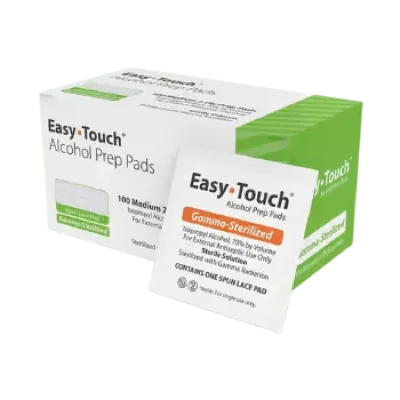
- ▪Sanitize: swab the vial stopper and the bacteriostatic-water stopper with fresh alcohol pads and let both air-dry.
- ▪Know what the label means: vendors do not state whether “10 mg” is peptide content or total salt mass. If it is salt mass, an arginate carrying several arginine counterions would contain meaningfully less peptide than 10 mg — ask the supplier and check the certificate of analysis.
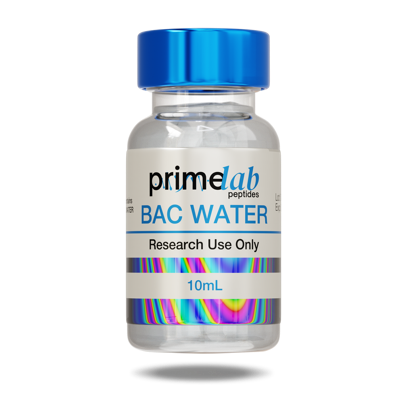
- ▪Add 3 mL slowly: draw 3 mL of bacteriostatic water and let it run down the inside wall of the vial, giving 3.33 mg/mL.
- ▪Dissolve gently: let it stand about 30 seconds, then roll the vial between your palms. Do not shake. Discard if cloudy or particulate.
- ▪Refrigerate: store the reconstituted vial at 2–8 °C and never freeze it.
Supplies Needed
PDA is supplied as a lyophilized research vial, so the standard reconstitution kit below applies. Nothing about the arginate salt changes the handling: it is prepared, stored and measured exactly like any other BPC-157 vial.
Protocol Overview
BPC-157 — “body protection compound” — is a synthetic fifteen-amino-acid fragment of a protein identified in human gastric juice, with the sequence GEPPPGKPADDAGLV and a molecular weight near 1419[1]. It was developed in the 1990s at the University of Zagreb around the idea of cytoprotection: a general protective and healing response rather than a single receptor target[6]. An unusual property drove much of the interest — the peptide is reported to be stable in human gastric juice rather than being digested, which is what made oral routes worth studying at all[1][6].
Pentadeca Arginate is that same peptide in a different salt form. Peptides are routinely isolated as salts, most often acetate or trifluoroacetate; an arginate pairs the acidic peptide with arginine instead. The commercial argument is that this makes the compound more stable or better absorbed. That argument has no published evidence supporting it: there is no indexed study of the arginate form, no comparison against the acetate salt, and the 2026 review of BPC-157’s pharmaceutical development records that no pharmaceutical-grade formulation of any kind has been developed or validated, with no BCS classification, permeability characterisation or excipient-compatibility work[2].
The name became popular for a regulatory rather than a scientific reason. As BPC-157 came under compounding restrictions in the United States, clinics and telehealth sellers adopted “Pentadeca Arginate” as a distinct-sounding product. It is worth being clear that this changes the label, not the pharmacology — and that a name change does not create a separate regulatory status, since the arginate form has never been evaluated or approved either[10].
Dosing Protocol
Reconstitution math for the 10 mg vial in 3 mL (3.33 mg/mL, so one U-100 unit ≈ 33 mcg). The 250–500 mcg band reflects the BPC-157 community convention, not a validated regimen — no controlled trial has established a human dose for this peptide in either salt form[2].
Storage Instructions
Lyophilized vials are kept refrigerated, dry and out of the light; follow the supplier’s handling guidance for the powder and do not freeze a vial once it has been reconstituted. Nothing published establishes that the arginate salt is more robust in storage than the acetate — that claim is untested, so treat both the same way.
After reconstitution with bacteriostatic water, store at 2–8 °C and use within the preservative’s window. At 3.33 mg/mL a 10 mg vial covers roughly thirty withdrawals, so sterility and consistent technique matter across the whole vial, not just the first dose.
Important Notes
These are the points that get lost when PDA is marketed as a next-generation upgrade to BPC-157.
- ▪Zero published studies of PDA itself: a PubMed search for “pentadeca arginate” or “BPC-157 arginate” returns no indexed papers (July 2026). Every efficacy claim made for it is BPC-157 data wearing a new name.
- ▪“More stable and more bioavailable” is an unmeasured claim: no study compares the arginate to the acetate salt, and the 2026 pharmaceutical review found no validated formulation, no BCS classification and no permeability data for BPC-157 in any form[2]. Salt chemistry makes the claim plausible; it does not make it demonstrated.
- ▪The human evidence is very thin: fewer than 30 subjects across three uncontrolled pilot studies, none using a standardised preparation[2]. The first randomised, double-blind, placebo-controlled Phase 2 trial — 120 participants with MRI-confirmed hamstring strain — only began recruiting in February 2026 and is not due to report before 2027[8]. An earlier Phase 1 pharmacokinetic study finished in 2016 and its results were never posted[9].
- ▪Nearly all the preclinical work shares one origin: the tendon, ligament, muscle, gut and vascular literature comes overwhelmingly from the same Zagreb-based programme and its collaborators[3][4][5][6][7]. That is a large and internally consistent body of work, but it is corroboration within one group rather than independent replication.
- ▪A recommendation is not an approval: on 23–24 July 2026 the FDA’s Pharmacy Compounding Advisory Committee voted 8–6–1 to recommend BPC-157 for the 503A bulks list, while the agency’s own review staff concluded that the evaluation criteria weigh against inclusion[10]. The vote is advisory and non-binding, changes nothing about research-grade material sold online, and is not an FDA finding of safety or efficacy.
- ▪Is the label peptide mass or salt mass? No vendor we checked states this. An arginate salt of a peptide with three acidic residues could carry enough arginine to account for a quarter of the labelled weight — which would mean a “10 mg” vial holds appreciably less peptide, and every volume in the table above delivers less than it appears to. The arginine itself is pharmacologically irrelevant at these amounts (a few milligrams, against the gram-scale doses used in arginine research), but the accounting is not.
- ▪Sourcing is unverified: PDA is sold as a research chemical. Identity, purity, sterility and actual peptide content of a grey-market vial are unconfirmed without a certificate of analysis, and the arginate form has no pharmacopoeial monograph against which anything could be checked.
How This Works
BPC-157 has no identified receptor. The originating programme frames it instead as a cytoprotective mediator: a peptide native to the gastrointestinal tract that organises a general protective and healing response, described as acting through angiogenesis and the VEGF and nitric-oxide pathways rather than through a single molecular target[6]. Related work reports effects on the nitric-oxide system, on somatosensory neurons, and on immediate-early genes such as Fos, c-Jun and Egr-1[7].
In the injury models this translates into an unusually broad claim: the same peptide is reported to heal transected muscle, tendon and ligament, and to restore junctions — myotendinous, osteotendinous, muscle-to-bone — that do not heal spontaneously in rats[3][4]. A 2026 review contrasts this with conventional growth factors, which generally need a carrier or scaffold and often fail at those junctions[5]. Nothing in the salt form changes any of this: the arginate delivers the same molecule.
The honest limit is that the mechanism is described rather than resolved, and it does not currently fit its own pharmacokinetics. A compound cleared from plasma in under half an hour producing effects that persist for days is a genuine unexplained gap, and the 2026 review names it as one of the principal barriers to developing the peptide as a drug[2].
Lifestyle Factors
For soft-tissue injury the interventions with real evidence are the unglamorous ones: progressive loading and rehabilitation under a physiotherapist, adequate protein intake, sleep, and enough time under tension for tendon to remodel. Tendon adapts slowly and to mechanical load; no injection substitutes for that, and the rat studies that make PDA attractive all involved a surgically defined lesion and a fixed protocol rather than an athlete cutting rehab short.
The honest note here is about sequencing. Pain that persists, a joint that gives way, or a tendon that has not improved over weeks is a reason for imaging and a proper diagnosis — not a reason to reach for an unapproved compound. Treating a research peptide as an alternative to assessment is the most common way this goes wrong.
Potential Benefits & Side Effects
Evidence tier: preclinical for the peptide, non-existent for the arginate salt. The “reported effects” below are what the BPC-157 animal literature describes; the “considerations” are the honest counterweight. No result here was generated with a product labelled Pentadeca Arginate.
Reported Effects
- ▪Tendon, ligament and muscle healing — in rats: transected tendon, ligament and muscle recovered on macroscopic, microscopic, biomechanical and functional assessment, with microgram- and nanogram-per-kilogram regimens given systemically or topically[3][5].
- ▪Junction repair — in rats: myotendinous junctions and quadriceps muscle-to-bone detachments that showed definitive healing failure in controls reattached with treatment, with walking pattern and leg contracture normalising[3][4].
- ▪Gastrointestinal protection — the original line of work: the peptide is native to gastric juice, reported stable there, and was studied for ulcer and inflammatory-bowel indications under the development codes PL-10 and PL-14736[1].
- ▪Vascular and cytoprotective effects — in animal models: reviews report recruitment of collateral circulation after major vessel occlusion and protection against ischemia-reperfusion injury, framed within the cytoprotection concept[6].
- ▪What is not established: any of the above in a person, and anything at all about the arginate salt specifically. There is no approved indication, no validated dose and no completed Phase II trial[2].
Common Side Effects
- ▪“No side effects” is mostly an absence of data: the safety statement usually quoted — that a lethal dose was never reached — comes from the originating programme’s own reviews[7], not from independent controlled safety studies. Fewer than 30 people have been studied in the published record[2].
- ▪Reported adverse events do exist: the FDA’s July 2026 briefing material for BPC-157 cites adverse-event reports including injection-site reactions and dyspnea leading to an emergency-department visit[10]. Rare, but not nothing.
- ▪An angiogenic mechanism deserves care: the proposed action involves promoting new blood-vessel growth[6]. Long-term consequences of repeatedly stimulating angiogenesis in a person have not been studied, and anyone with a history of cancer has an obvious reason for caution.
- ▪Product identity is the practical risk: without a certificate of analysis a PDA vial has unverified identity, purity and peptide content, and the labelled milligrams may include counterion mass. It also has no pharmacopoeial monograph to be checked against.
- ▪Competitive-sport status: BPC-157 is not a permitted substance in tested sport and the arginate salt is the same molecule — renaming it does not change how a doping-control laboratory would classify it.
Injection Technique
No validated human route, dose or schedule exists for BPC-157 in any salt form, and none at all has been studied for the arginate. The workflow below documents how a lyophilized research vial of this kind is prepared and handled; it is educational, and not a recommendation to administer an unapproved compound.
Pre-Injection Preparation
- ▪Confirm what you have: PDA should be the BPC-157 sequence GEPPPGKPADDAGLV as an arginate salt[1]. Ask for a certificate of analysis, and ask whether the labelled 10 mg is peptide or salt mass.
- ▪Confirm the concentration: the table assumes 3.33 mg/mL (10 mg in 3 mL). Recompute every volume if a different amount of diluent was used.
- ▪Inspect: the reconstituted solution should be clear and free of particles; discard it if cloudy or discoloured.
Injection Procedure
- ▪Understand there is no validated dose: the 250–500 mcg band is community convention carried over from BPC-157, not a regimen any controlled trial has established[2].
- ▪Measure carefully at 3.33 mg/mL: one unit is about 33 mcg, so a 250 mcg amount is 7.5 units — draw slowly and check the plunger against the graduation before proceeding.
- ▪Rotate sites: where a protocol involves repeated subcutaneous administration, alternate areas rather than using one spot repeatedly.
Post-Injection Care
- ▪Store and discard properly: keep the reconstituted vial at 2–8 °C, never freeze it, and discard anything cloudy or past the preservative’s window.
- ▪Treat any reaction as a stop signal: with a human record of fewer than 30 studied subjects, an injection-site reaction, rash or breathing symptom is a reason to stop and seek medical advice[2][10].
- ▪Keep perspective: PDA is BPC-157 under another name, and BPC-157 is an investigational compound whose first randomised trial is still enrolling[8]. It is not an approved treatment for any injury.
Recommended Source
For high-purity research peptides, we point researchers to Prime Lab Peptides for Pentadeca Arginate / PDA (10 mg Vial).
Why Prime Lab Peptides?
- ▪Top-rated on Trustpilot: Independently reviewed as the highest-rated peptide lab on Trustpilot — making it the best current source in the USA.
- ▪Third-party tested: Every batch ships with a Certificate of Analysis (COA) confirming purity and composition.
- ▪Consistent quality: ISO-aligned manufacturing and handling keep product integrity reliable batch to batch.
- ▪Cold-chain integrity: Temperature-controlled shipping and storage across the whole fulfilment chain.
- ▪Research-grade purity: Fit for educational and research use that demands high-quality peptides.
Note: Product availability and specifications subject to change. Verify current product details on supplier website.
References
- 1
Inflammopharmacology (2006) — Stable gastric pentadecapeptide BPC 157 in trials for inflammatory bowel disease (PL-10, PLD-116, PL 14736, Pliva, Croatia)Sikiric et al. (PMID 17186181). The identity reference for this page: it gives the sequence GEPPPGKPADDAGLV and molecular weight 1419, describes the peptide as a stable fragment native to gastric juice, and records the development codes under which it entered inflammatory-bowel-disease trials. Also the source of the unusual gastric-juice stability that made oral routes worth studying. DOI: 10.1007/s10787-006-1531-7.
- 2
Pharmaceutics (2026) — BPC-157 as an Investigational Peptide Therapeutic: Biopharmaceutical Challenges, Formulation Strategies, and Translational Development BarriersMateescu et al. (PMID 42198317). The most important honesty anchor here, and a review written from a drug-development rather than an advocacy perspective. It reports that after three decades there is no approved formulation, no validated dosing regimen and no completed Phase II trial; that available clinical data derive from fewer than 30 subjects across three uncontrolled pilot studies, none using a standardised preparation; and that a preclinical ADME study in two species confirms a plasma half-life under 30 minutes with intramuscular bioavailability of 14-51 %, against biological effects lasting hours to days. It also records the absence of BCS classification, permeability characterisation and excipient-compatibility work — the basis for saying the arginate stability claim is unmeasured. DOI: 10.3390/pharmaceutics18050625.
- 3
Biomedicines (2021) — Stable Gastric Pentadecapeptide BPC 157 as a Therapy for the Disable Myotendinous Junctions in RatsJapjec et al. (PMID 34829776). Rat study in which the quadriceps tendon was dissected from the muscle, a defect the authors report does not heal spontaneously. BPC 157 at 10 mcg/kg and 10 ng/kg, given intraperitoneally or in drinking water, produced macroscopic, microscopic, biomechanical and functional recovery at 7 to 42 days. Source of the microgram- and nanogram-per-kilogram figures cited on this page; animal model only. DOI: 10.3390/biomedicines9111547.
- 4
Pharmaceutics (2025) — Stable Gastric Pentadecapeptide BPC 157 as Therapy After Surgical Detachment of the Quadriceps Muscle for Muscle-to-Bone Reattachment in RatsMatek et al. (PMID 39861766). Rat study of complete and partial quadriceps detachment from bone, with per-oral BPC 157 at 10 mcg/kg and 10 ng/kg per day. Controls showed definitive healing failure with impaired walking and permanent knee flexure; treated animals reattached, with the muscle-bone gap closing on ultrasound and contracture resolving. Assessed macroscopically, microscopically, by ultrasound and MRI, and functionally over 90 days. DOI: 10.3390/pharmaceutics17010119.
- 5
Pharmaceuticals (2026) — Tendon, Ligament, and Muscle Injury and Junction Therapy Perspectives with Growth Factors and Stable Gastric Pentadecapeptide BPC 157: A ReviewMatek et al. (PMID 41754849). Review comparing BPC 157 with conventional growth factors (PDGF, TGF-beta1, IGF-1, FGF, VEGF, BMPs) in tendon, ligament and muscle injury. Its central claim is that growth factors delivered with carriers improve tendon and ligament healing but show limited or no efficacy at junctions, whereas BPC 157 acts without a carrier across all of them. Useful for what the literature asserts — and, as a paper from the originating programme, also an illustration of how concentrated the evidence base is. DOI: 10.3390/ph19020309.
- 6
World Journal of Gastroenterology (2022) — Cytoprotective gastric pentadecapeptide BPC 157 resolves major vessel occlusion disturbances, ischemia-reperfusion injury following Pringle maneuver, and Budd-Chiari syndromeSikiric et al. (PMID 35125818). Programme-level review setting out the cytoprotection framework: no single receptor target, effects attributed to angiogenesis and control of the VEGF and nitric-oxide pathways, recruitment of collateral circulation after vessel occlusion, and stability in human gastric juice. Cited here for the proposed mechanism and the vascular claims, both of which are animal-model based. DOI: 10.3748/wjg.v28.i1.23.
- 7
Current Pharmaceutical Design (2017) — Stress in Gastrointestinal Tract and Stable Gastric Pentadecapeptide BPC 157. Finally, do we have a Solution?Sikiric et al. (PMID 28228068). Broad review from the originating group covering the gastrointestinal, nitric-oxide-system and gene-expression effects (Fos, c-Jun, Egr-1) attributed to the peptide, and the source of the frequently repeated safety statement that a lethal dose was not achieved. Cited on this page both for the mechanism breadth and as the origin of a safety claim that has never been independently verified in controlled human studies. DOI: 10.2174/1381612823666170220163219.
- 8
ClinicalTrials.gov NCT07437547 — Randomized, Double-Blind, Placebo-Controlled Phase 2 Trial of Pentadecapeptide BPC 157 for Acute Grade II Hamstring StrainSponsor Hudson Biotech; 120 participants with MRI-confirmed grade II hamstring strain; start February 2026, primary completion expected February 2027; status recruiting as of July 2026. This is the first randomised, placebo-controlled trial of the peptide, and it is the reason to describe BPC-157 as investigational rather than proven: the controlled evidence does not exist yet. Note that the trial studies BPC 157, not the arginate salt.
- 9
ClinicalTrials.gov NCT02637284 — Phase I Pilot Study in Healthy Volunteers to Assess the Safety and Pharmacokinetics of PCO-02 (BPC-157)Sponsor PharmaCotherapia d.o.o.; 42 healthy volunteers; ran October 2015 to February 2016; record status listed as unknown and no results posted as of July 2026. Included because it is the clearest illustration of the gap in the record: the one registered human pharmacokinetic study of this peptide finished a decade ago and its data were never published.
- 10
U.S. FDA — Pharmacy Compounding Advisory Committee meeting, 23-24 July 2026 (503A bulk drug substances, including BPC-157)The regulatory reference. The committee voted 8-6-1 to recommend BPC-157 (free base and acetate) for inclusion on the 503A bulks list, while the FDA briefing document prepared for the meeting concluded that a balancing of the evaluation criteria weighs against inclusion, described the substance as not well characterised from a physicochemical perspective, and cited adverse-event reports including injection-site reaction and dyspnea with an emergency-department visit. An advisory recommendation is non-binding, is not a finding of safety or efficacy, and does not apply to research-grade material sold online. The briefing document is at fda.gov/media/193343/download.
Pentadeca Arginate / PDA — frequently asked questions
How do I reconstitute a 10 mg vial of Pentadeca Arginate / PDA?
Wipe the stopper with an alcohol swab, then inject your bacteriostatic water slowly down the inside wall of the vial. Let it sit and gently swirl until dissolved — never shake. Store the mixed vial in the refrigerator and draw doses with an insulin syringe. Use the calculator above to turn any dose into syringe units.
How much bacteriostatic water should I add to Pentadeca Arginate / PDA?
There is no single correct amount — more water simply spreads the same 10 mg of peptide across a larger volume, which makes small doses easier to measure accurately. 1 to 3 mL per vial is typical. Enter your chosen volume in the calculator above to see the resulting concentration and syringe units.
What do the "units" on an insulin syringe mean?
On a U-100 insulin syringe, 100 units equal 1 mL, so 1 unit equals 0.01 mL. The calculator above converts your draw volume into these units automatically so you can measure without doing the math by hand.
How should I store Pentadeca Arginate / PDA after mixing?
Keep the reconstituted vial refrigerated at roughly 2 to 8 degrees Celsius, away from light, and avoid freezing it. Reconstituted research peptides are generally used within a few weeks. Always follow the specific guidance supplied with your product.
How many doses does a 10 mg vial of Pentadeca Arginate / PDA provide?
Divide the vial strength of 10 mg by the amount you use per injection. The calculator above reports this as "doses per vial" the moment you enter a dose.
Is Pentadeca Arginate / PDA approved for human use?
No. Pentadeca Arginate / PDA is sold strictly for laboratory and research purposes and is not approved by the FDA or other regulators for human use. Everything on this page is research information, not medical advice — consult a licensed healthcare professional before any use.
New protocols & dosing updates
Reconstitution charts, new peptide protocols and safety updates — straight to your inbox. No spam, unsubscribe anytime.