
HGH Fragment 176-191 (5 mg) Dosage Protocol
A 16-amino-acid C-terminal fragment of human growth hormone studied for its lipolytic (fat-releasing) effects. It is not FDA-approved, its human evidence belongs to a modified analog (AOD-9604), and it is sold for research use only.

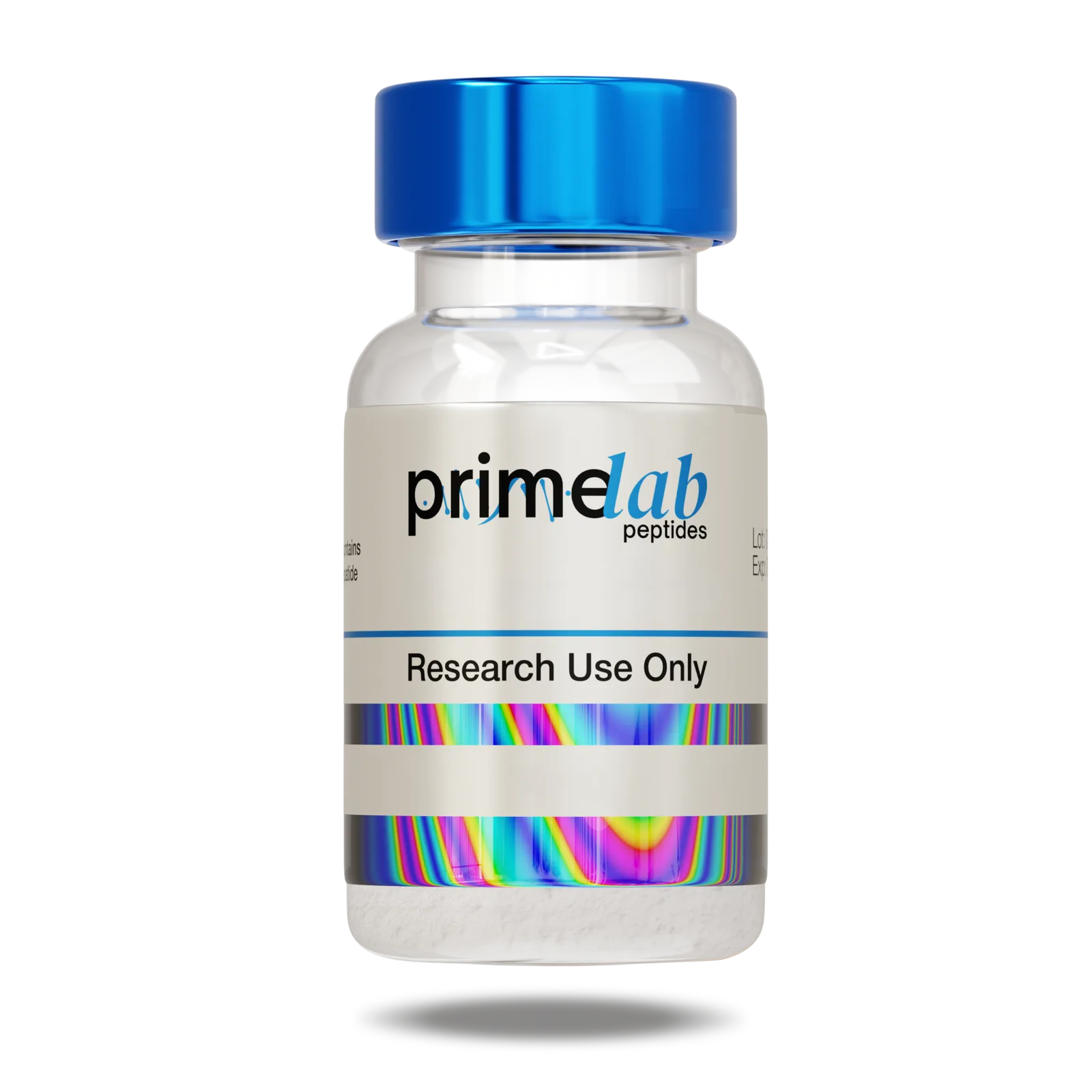
A 16-amino-acid fragment of the C-terminus of human growth hormone. In isolated fat tissue and rodents it stimulates hormone-sensitive lipase and inhibits acetyl-CoA carboxylase, mimicking growth hormone lipolysis, but without raising blood glucose or causing the insulin resistance seen with the whole hormone.
No validated human dose exists. Research and grey-market protocols use roughly 250-500 mcg subcutaneously once or twice daily, often fasted. A 5 mg vial in 2 mL bacteriostatic water is 2.5 mg/mL, so 300 mcg = 0.12 mL (12 units) and 500 mcg = 0.20 mL (20 units).
Fat-loss evidence is preclinical (rodent) for the fragment. The human-tested molecule is a modified analog, AOD-9604, whose Phase 2b obesity trial did not separate from placebo; it was never FDA-approved. Fragment 176-191 is research-use-only and is banned by the World Anti-Doping Agency.
Quickstart Highlights
HGH Fragment 176-191 (often written “Frag 176-191”) is a synthetic 16-amino-acid peptide corresponding to the carboxyl-terminal region of human growth hormone (hGH). Growth hormone’s fat-releasing activity was traced to this C-terminal domain, and the isolated fragment was found to stimulate lipolysis in fat tissue while — unlike whole hGH — not raising blood glucose or driving the growth (IGF-1) and insulin-resistance effects of the full hormone[1]. That selective lipolytic profile is the entire rationale behind its use as a research “fat-loss” peptide.
This page is an educational reference on how Fragment 176-191 is handled and dosed in research settings. It is not medical advice. The fragment is not approved by the FDA for any use; crucially, almost all of the human clinical work in this area was done on a modified analog, AOD-9604 (the same C-terminal fragment with an extra tyrosine added), and even that program did not succeed — so claims made for the injectable fragment rest largely on animal data[3].
Pre-filled with this protocol’s recommended BAC water and documented starting dose — edit any field to run your own numbers. Reconstitution math only — not dosing advice. U-100 syringe: 100 units = 1 mL. Full reconstitution guide → · Advanced calculator →Mix & measure HGH Fragment 176-191 · 5 mg
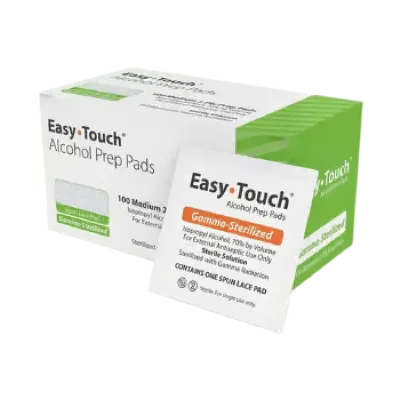
Supplies Needed
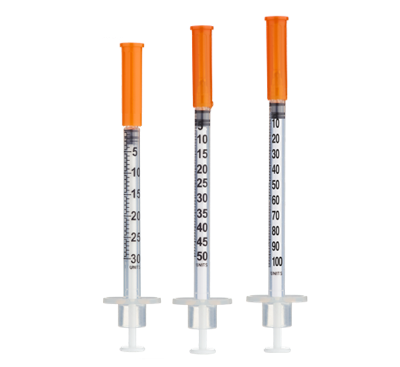
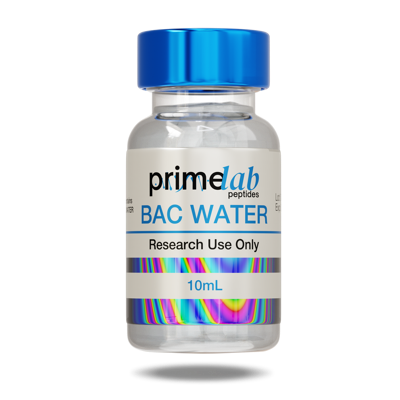
Fragment 176-191 is a subcutaneous injectable in research form, so the generic reconstitution kit below applies. Nothing here is a medical product or a substitute for medical supervision.
Protocol Overview
The practical picture is a small subcutaneous injection — on the order of 10 to 20 units of a 2.5 mg/mL solution — taken fasted, once or twice a day in the protocols that use it. There is no weight-based calculation and no approved schedule; the whole approach is a research convention rather than a validated regimen.
What makes the fragment interesting on paper is the separation of growth hormone’s fat-releasing action from its other effects. Whole hGH promotes lipolysis but also raises blood glucose and IGF-1 and can induce insulin resistance; the isolated C-terminal fragment reproduced the lipolysis in animals without the glucose and insulin-resistance effects[1][2]. The honest limitation is that this elegant preclinical story never translated into a demonstrated human fat-loss effect — the analog that reached large human trials did not beat placebo[3].
Dosing Protocol
Reference volumes at the reconstitution used here (5 mg vial in 2 mL → 2.5 mg/mL). The dose column lists common research conventions, not validated clinical doses; there is no established human dosing for the injectable fragment.
| Research Dose (convention) | Volume at 2.5 mg/mL | U-100 units |
|---|---|---|
| 250 mcg[1] | 0.10 mL | 10 units |
| 300 mcg | 0.12 mL | 12 units |
| 400 mcg | 0.16 mL | 16 units |
| 500 mcg — upper end of the convention[1] | 0.20 mL | 20 units |
Why HGH Fragment 176-191 draws research interest
These are the directions researchers and the peptide community most often explore HGH Fragment 176-191 for — so you know you’re in the right place. They describe what is being studied, not proven benefits, approved uses, or promised results.
Not the same molecule as AOD-9604
The clinical trials people cite for “the fragment” were run on AOD-9604 — the C-terminal fragment (residues 177-191) with an extra tyrosine added at one end for stability. Fragment 176-191 is the parent fragment without that modification. They are related but not identical, and the human data belong to the analog, not the peptide sold in these vials.
The fat-loss promise is mostly a rodent story
In isolated fat cells and obese rats the fragment and its analog clearly stimulate lipolysis and reduce fat without the diabetogenic effects of whole growth hormone. That is a genuine and interesting preclinical finding — but it is not the same as a demonstrated, meaningful fat-loss effect from subcutaneous self-injection in humans, which has not been shown.
The one real human program did not work
AOD-9604’s 24-week, 534-patient Phase 2b obesity trial failed to beat placebo on weight loss; the developer did not pursue Phase 3 and it was never approved as an obesity drug. That negative result is the most important context for anyone weighing the injectable fragment.
Evidence ranges from early laboratory work to clinical trials depending on the use — the sections below cover the actual data and sources.
2 mL bacteriostatic water per 5 mg vial → 2.5 mg/mL. At that concentration 250 mcg = 10 units (0.10 mL), 300 mcg = 12 units (0.12 mL) and 500 mcg = 20 units (0.20 mL). Add water gently — the fragment can clump if handled roughly.
Research protocols commonly use 250–500 mcg subcutaneously, once or twice daily, frequently on an empty stomach[1]. These are conventions from vendor and user reports, not validated clinical doses.
Subcutaneous, typically fasted (mornings and/or pre-exercise), because eating raises insulin and blunts lipolysis. The peptide is short-acting, which is why multiple daily doses are common in these protocols.
Dosing & Reconstitution Guide
Unlike an approved medicine, Fragment 176-191 has no established human dosing. The figures below are the conventions repeated across research suppliers and user protocols, converted into injection volumes — they are not clinically validated, and the human trials that do exist studied the modified analog AOD-9604, not this fragment[3].
Standard / Gradual Approach
The typical research convention is a subcutaneous dose of roughly 250–500 mcg, given once or twice daily, often fasted — in the morning and/or before exercise[1]. The fasting logic is pharmacological: eating raises insulin, and insulin is anti-lipolytic, so the same lipolytic stimulus does less when circulating insulin is high. Because the fragment is short-acting, protocols that use it tend to split the daily amount into two doses rather than one.
At a reconstitution of 5 mg in 2 mL (2.5 mg/mL), these amounts are small and easy to measure: 250 mcg is 10 units, 300 mcg is 12 units, and 500 mcg is 20 units on a U-100 syringe. A single 5 mg vial therefore covers a large number of research doses. There is no evidence-based “maximum,” because there is no dose-finding trial for the injectable fragment in humans; going higher simply increases exposure to an unstudied compound.
It is worth stating plainly what is missing: there is no published pharmacokinetic or efficacy trial of subcutaneous Fragment 176-191 in humans. The clinical experience that gets quoted belongs to AOD-9604, which was studied orally in obesity trials, and even that program did not demonstrate meaningful weight loss over placebo[3]. So these doses are research conventions layered on top of animal data, not a validated protocol.
Reconstitution Steps
A research vial is lyophilized powder that must be reconstituted with bacteriostatic water. Using 2 mL for a 5 mg vial gives 2.5 mg/mL, which keeps the small research doses easy to draw. Add the water slowly — this fragment is known to clump or gel if the diluent is jetted onto the powder or the vial is shaken.
- ▪Sanitize: swab the vial stopper and the bacteriostatic-water stopper with fresh alcohol pads and let them air-dry.
- ▪Add 2 mL slowly: draw 2 mL of bacteriostatic water and let it run down the inside wall of the vial rather than onto the powder. This yields 2.5 mg/mL and reduces clumping.
- ▪Dissolve gently: let it stand about 30 seconds, then swirl or roll the vial between your palms. Do not shake. Discard it if the solution stays cloudy, gelled or holds particles.
- ▪Refrigerate: store the reconstituted vial at 2–8 °C and use within the multi-week window bacteriostatic water supports; never freeze a reconstituted peptide.
Storage Instructions
Lyophilized vials are stable refrigerated and should be protected from light; follow the supplier’s handling guidance for the unreconstituted powder. Do not freeze a vial once it has been reconstituted.
After reconstitution with bacteriostatic water, store at 2–8 °C and use within the multi-week window the preservative supports. Because the fragment can gel if mishandled, discard any vial whose contents turn cloudy, stringy or particulate rather than trying to inject it.
Important Notes
The points below are the ones most often glossed over when Fragment 176-191 is marketed as a targeted fat-loss shot.
- ▪It is the parent fragment, not AOD-9604: AOD-9604 is the same C-terminal region (residues 177-191) with an added N-terminal tyrosine[4]. Fragment 176-191 is the unmodified parent. The clinical trials, safety data and mechanism papers people quote for “the fragment” are largely AOD-9604 papers — a related but distinct molecule.
- ▪The human program failed: AOD-9604’s 24-week, 534-patient Phase 2b obesity trial did not separate from placebo on weight loss, the developer did not run Phase 3, and it was never approved for obesity or any indication[3]. That is the single most important honesty point about this compound.
- ▪Fat-loss evidence is preclinical: the clear lipolysis-without-diabetogenicity findings come from isolated fat tissue and obese rodents[1][2]. Extrapolating those to meaningful human fat loss from self-injection is not supported by any published trial of the injectable fragment.
- ▪It is banned in sport: Fragment 176-191 / AOD-9604 is prohibited by the World Anti-Doping Agency, and validated tests exist to detect it in urine and serum[4][5]. Athletes subject to testing should treat it as a positive-test risk.
- ▪Not a growth-hormone substitute: the fragment was specifically designed to lack the growth-promoting IGF-1 axis effects of hGH[1]. It will not build muscle or produce the systemic effects of growth hormone, and marketing that implies otherwise is inaccurate.
- ▪Research vials are unverified: grey-market Fragment 176-191 has no guaranteed identity, potency or purity, no medical oversight, and no established human protocol — the dosing conventions above are not a clinical regimen.
How This Works
Growth hormone has two broadly separable actions: it promotes growth (largely through IGF-1) and it promotes lipolysis, the breakdown of stored fat. Research in the 1990s mapped the fat-releasing activity to the carboxyl-terminal region of the hGH molecule, and a synthetic domain spanning residues 177-191 reproduced key parts of that action in isolated fat tissue[1].
In those studies the fragment stimulated hormone-sensitive lipase (which releases fatty acids from stored triglyceride) and inhibited acetyl-CoA carboxylase (a control point for fat synthesis), mimicking the lipolytic effect of intact growth hormone. Chronic treatment of obese Zucker rats reduced weight gain and shrank fat-cell size — and, importantly, did not induce the insulin resistance or glucose intolerance that whole hGH causes[1]. Follow-up work in obese mice linked the effect partly to increased expression of the beta-3 adrenergic receptor, the main lipolytic receptor in fat cells[2].
The modified analog AOD-9604 — the 177-191 fragment plus an N-terminal tyrosine for stability — was advanced into human obesity trials on the strength of this preclinical package[4]. But the translation stalled: the analog’s Phase 2b trial did not demonstrate weight loss beyond placebo, and development for obesity was discontinued[3]. So the mechanism is real and well-characterised in animals, while the human efficacy the marketing implies was never established for either the analog or the parent fragment.
Lifestyle Factors
Because the fragment’s only plausible action is to nudge lipolysis, any research use sits downstream of the basics that actually determine fat balance: an energy deficit, adequate protein, sleep and activity. Lipolysis releases fatty acids, but if they are not then oxidised (used for energy), they are simply re-esterified back into fat — which is why the fasted, pre-exercise timing convention exists in these protocols.
Nothing about this peptide changes the fundamentals of body composition, and no lifestyle pairing has been validated for it specifically. The generic, evidence-based context is the same as for any fat-loss effort: a sustained calorie deficit and resistance training preserve lean mass and drive the outcome, with or without an experimental peptide layered on top.
Potential Benefits & Side Effects
Evidence tier: preclinical for the fragment, and a failed clinical program for its analog. The lipolytic findings below are genuine but come from cells and rodents; the human weight-loss claim is exactly what did not hold up when the analog was tested in people.
Reported Effects
- ▪Lipolysis in animal models: in isolated fat tissue and obese rodents, the fragment and its analog stimulated hormone-sensitive lipase and reduced fat mass and fat-cell size[1][2].
- ▪No diabetogenic effect (in animals): unlike whole hGH, the fragment did not raise blood glucose or induce insulin resistance in the rodent studies — the feature that made it attractive as a fat-loss candidate[1].
- ▪What the human trials showed: the modified analog AOD-9604, tested orally in obesity, did not produce weight loss significantly beyond placebo in its Phase 2b trial, and was not approved[3].
- ▪Not a growth or muscle agent: it was designed to lack the IGF-1/growth effects of hGH, so it should not be expected to build muscle or mimic growth hormone systemically[1].
- ▪What is not established: any meaningful fat loss, body-recomposition or metabolic benefit from subcutaneous self-injection of Fragment 176-191 in humans — there is no trial to support it.
Common Side Effects
- ▪Injection-site reactions: as with any subcutaneous peptide, redness, itching or transient swelling at the site are the most commonly reported effects in research use.
- ▪Limited human safety data: the injectable fragment has no dedicated human safety trial; the tolerability information that exists comes from AOD-9604 studies, where the analog was generally well tolerated in the doses tested[3].
- ▪Unknown long-term effects: because there is no long-term human data on the injectable fragment, chronic-use safety is simply uncharacterised.
- ▪Purity and identity risk: grey-market vials can vary widely in content; an unverified “fragment” product carries the usual research-chemical risks of mislabelling and contamination.
- ▪Anti-doping risk: it is a prohibited substance in sport and detectable, so for tested athletes the practical “side effect” is a sanction[4][5].
Injection Technique
Fragment 176-191 is given by subcutaneous injection in research protocols. The steps below are the generic subcutaneous workflow used across this site; they describe how the compound is handled, not a recommendation to self-treat with a non-approved peptide.
Pre-Injection Preparation
- ▪Confirm the concentration: every volume here assumes 2.5 mg/mL — a 5 mg vial in 2 mL. A different diluent volume changes every unit figure.
- ▪Inspect: the reconstituted solution should be clear and particle-free; discard it if cloudy, gelled or discoloured.
- ▪Rotate the site: alternate among the abdomen (away from the navel) and the thighs to avoid repeated injection into one area.
Injection Procedure
- ▪Draw the research volume: the intended microgram amount converted at 2.5 mg/mL — for example 0.12 mL (12 units) for 300 mcg.
- ▪Inject subcutaneously: pinch the skin, insert at the angle suited to the needle length, and deliver slowly into subcutaneous tissue — not intramuscular or intravenous.
- ▪Timing convention: protocols that use it favour a fasted state (morning and/or pre-exercise), since higher insulin blunts lipolysis.
Post-Injection Care
- ▪Do not eat immediately after, in these protocols: the fasted-timing rationale is that food-driven insulin opposes the lipolytic stimulus — though this is a mechanistic convention, not a proven outcome.
- ▪Watch the injection site: persistent redness, pain or swelling warrants stopping; seek medical care for any systemic reaction.
- ▪Store the vial properly between doses: refrigerate the reconstituted solution at 2–8 °C, never freeze it, and discard it if it turns cloudy or gelled.
Recommended Source
For high-purity research peptides, we point researchers to Prime Lab Peptides for HGH Fragment 176-191 (5 mg Vial).
Why Prime Lab Peptides?
- ▪Top-rated on Trustpilot: Independently reviewed as the highest-rated peptide lab on Trustpilot — making it the best current source in the USA.
- ▪Third-party tested: Every batch ships with a Certificate of Analysis (COA) confirming purity and composition.
- ▪Consistent quality: ISO-aligned manufacturing and handling keep product integrity reliable batch to batch.
- ▪Cold-chain integrity: Temperature-controlled shipping and storage across the whole fulfilment chain.
- ▪Research-grade purity: Fit for educational and research use that demands high-quality peptides.
Note: Product availability and specifications subject to change. Verify current product details on supplier website.
References
- 1
Journal of Molecular Endocrinology (2000) — Molecular and cellular actions of a structural domain of human growth hormone (AOD9401) on lipid metabolism in Zucker fatty ratsNg et al. (PMID 11116208). The lipolytic C-terminal domain of hGH (residues 177-191) stimulated hormone-sensitive lipase and inhibited acetyl-CoA carboxylase in fat tissue, reduced weight gain and fat-cell size in obese Zucker rats, and unlike intact hGH did not induce insulin resistance or glucose intolerance. DOI: 10.1677/jme.0.0250287.
- 2
Endocrinology (2001) — The effects of human GH and its lipolytic fragment (AOD9604) on lipid metabolism following chronic treatment in obese mice and beta3-AR knock-out miceHeffernan et al. (PMID 11713213). hGH and AOD9604 reduced body weight and fat in obese mice over 14 days and raised beta-3 adrenergic receptor expression; the weight effect was lost in beta3-AR knock-out mice, implicating that lipolytic receptor pathway. DOI: 10.1210/endo.142.12.8522.
- 3
Current Opinion in Investigational Drugs (2004) — AOD-9604 (Metabolic)Wilding (PMID 15134286). Contemporary review of Metabolic Pharmaceuticals’ development of AOD-9604 as an oral anti-obesity agent, with phase IIa trials underway by 2002. (The later 24-week, 534-patient phase 2b obesity trial did not separate from placebo on weight loss, and the obesity program was not advanced to phase 3 or approval.)
- 4
Drug Testing and Analysis (2014) — Detection and in vitro metabolism of AOD9604Cox et al. (PMID 25208511). Defines AOD9604 as the C-terminal fragment of hGH, amino acids 177-191, with an additional tyrosine at the N-terminus; notes it is WADA-banned and was identified in confiscated vials, and validates a urine detection method. DOI: 10.1002/dta.1715.
- 5
Drug Testing and Analysis (2013) — AOD-9604 does not influence the WADA hGH isoform immunoassayOrlovius et al. (PMID 24124033). Confirms AOD-9604 / the hGH C-terminal fragment is a prohibited substance in sport and characterises its behaviour relative to the growth-hormone isoform test. DOI: 10.1002/dta.1557.
HGH Fragment 176-191 — frequently asked questions
How do I reconstitute a 5 mg vial of HGH Fragment 176-191?
Wipe the stopper with an alcohol swab, then inject your bacteriostatic water slowly down the inside wall of the vial. Let it sit and gently swirl until dissolved — never shake. Store the mixed vial in the refrigerator and draw doses with an insulin syringe. Use the calculator above to turn any dose into syringe units.
How much bacteriostatic water should I add to HGH Fragment 176-191?
There is no single correct amount — more water simply spreads the same 5 mg of peptide across a larger volume, which makes small doses easier to measure accurately. 1 to 3 mL per vial is typical. Enter your chosen volume in the calculator above to see the resulting concentration and syringe units.
What do the "units" on an insulin syringe mean?
On a U-100 insulin syringe, 100 units equal 1 mL, so 1 unit equals 0.01 mL. The calculator above converts your draw volume into these units automatically so you can measure without doing the math by hand.
How should I store HGH Fragment 176-191 after mixing?
Keep the reconstituted vial refrigerated at roughly 2 to 8 degrees Celsius, away from light, and avoid freezing it. Reconstituted research peptides are generally used within a few weeks. Always follow the specific guidance supplied with your product.
How many doses does a 5 mg vial of HGH Fragment 176-191 provide?
Divide the vial strength of 5 mg by the amount you use per injection. The calculator above reports this as "doses per vial" the moment you enter a dose.
Is HGH Fragment 176-191 approved for human use?
No. HGH Fragment 176-191 is sold strictly for laboratory and research purposes and is not approved by the FDA or other regulators for human use. Everything on this page is research information, not medical advice — consult a licensed healthcare professional before any use.
New protocols & dosing updates
Reconstitution charts, new peptide protocols and safety updates — straight to your inbox. No spam, unsubscribe anytime.