
Hexarelin (5 mg) Dosage Protocol
Hexarelin (Examorelin) is a potent synthetic growth hormone secretagogue peptide studied in human and animal research; it remains a research-use-only compound with no approved therapeutic indication.

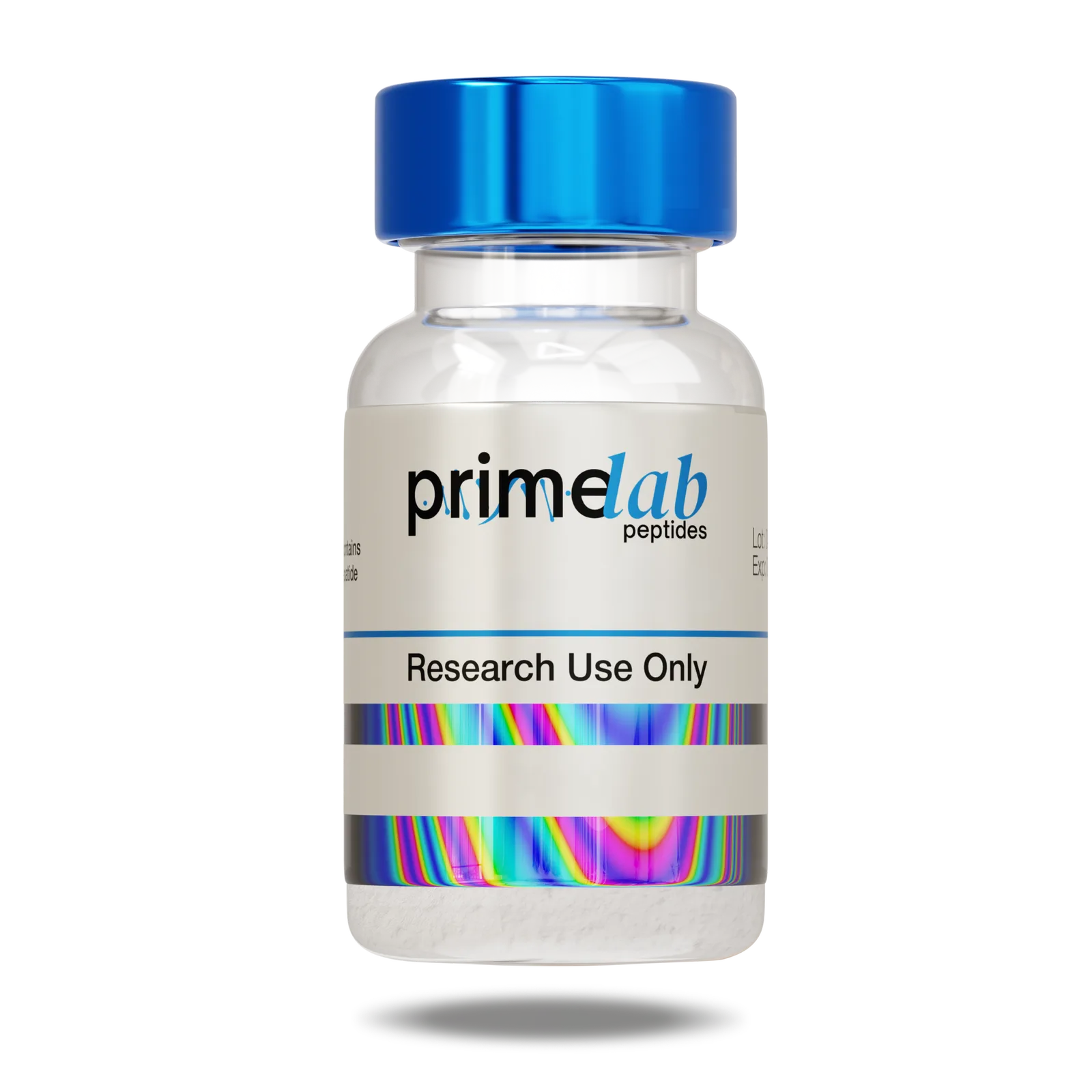
Synthetic hexapeptide agonist of the GH-secretagogue receptor (GHS-R1a) that triggers pulsatile pituitary GH release; also binds CD36 in cardiovascular tissue.
Human studies used roughly 1–2 mcg/kg IV and ~1.5 mcg/kg SC (about 100 mcg for a 70 kg subject). Reference data only, not a use recommendation.
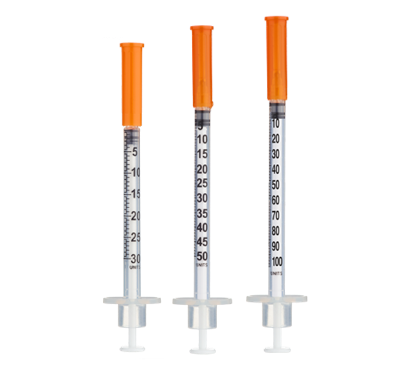
A 5 mg vial reconstituted with 2 mL bacteriostatic water yields 2.5 mg/mL (2500 mcg/mL); 100 mcg = 0.04 mL, or 4 units on a U-100 insulin syringe.
Lyophilized powder stored cold and dark; once reconstituted, refrigerate at 2–8 °C, protect from light, and use within a limited window per peptide-handling literature.
Quickstart Highlights
Hexarelin (developmental name Examorelin) is a synthetic hexapeptide growth hormone secretagogue of the growth hormone–releasing peptide (GHRP) family that acts as an agonist at the ghrelin / growth hormone secretagogue receptor (GHS-R1a) on pituitary somatotrophs, provoking a pulse of growth-hormone release[1]. In the published literature it is studied primarily as a probe of the GH axis — for acute GH release, GH dose–response, and downstream questions about body composition and cardiac tissue — and it is described as one of the most potent peptidyl secretagogues of its generation[1][5].
Hexarelin is a research-use-only compound with no approved human or veterinary indication; the figures below reflect doses reported in published studies and are provided strictly for research and educational reference — not medical advice or a recommendation to self-administer.
Pre-filled with this protocol’s recommended BAC water and documented starting dose — edit any field to run your own numbers. Reconstitution math only — not dosing advice. U-100 syringe: 100 units = 1 mL. Full reconstitution guide → · Advanced calculator →Mix & measure Hexarelin · 5 mg
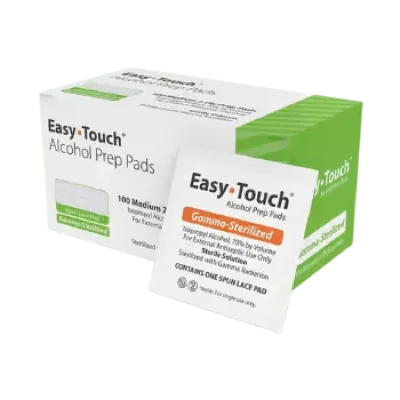
Supplies Needed
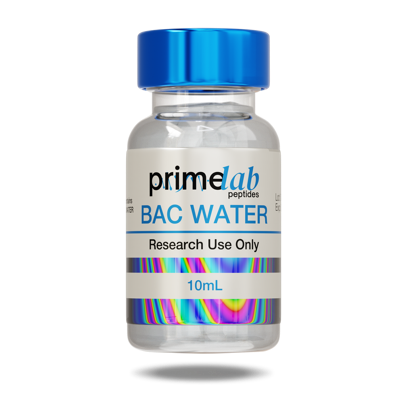
Everything a documented subcutaneous research protocol relies on. Nothing here is exotic — sterile technique and accurate measurement matter far more than any single tool.
Protocol Overview
At 2.5 mg/mL a single 5 mg vial holds roughly 2 mL of usable solution — about fifty 100 mcg reference amounts, or fewer if larger per-dose amounts are used.
Because hexarelin desensitizes with continued exposure, the research record describes short courses rather than open-ended use; recalculate your syringe volume whenever the reference amount changes rather than reusing a fixed mark.
Dosing Protocol
Representative reference amounts from the human literature, converted to U-100 units at 2.5 mg/mL. These describe what investigators administered under controlled conditions — not a protocol to follow.
| Reference regimen | Per-dose amount | Volume (U-100 units / mL) |
|---|---|---|
| Low reference (per dose) | 50 mcg | 2 units (0.02 mL) |
| ~Saturating single dose (~1.5 mcg/kg, 70 kg) | 100 mcg | 4 units (0.04 mL) |
| Upper single dose reported | 150 mcg | 6 units (0.06 mL) |
| 1× daily total | 100 mcg | 4 units (0.04 mL) |
| 2× daily (16-week SC study pattern) | ~100 mcg × 2 = 200 mcg | 4 units (0.04 mL) per dose |
| 3× daily total | ~100 mcg × 3 = 300 mcg | 4 units (0.04 mL) per dose |
Why Hexarelin draws research interest
These are the directions researchers and the peptide community most often explore Hexarelin for — so you know you’re in the right place. They describe what is being studied, not proven benefits, approved uses, or promised results.
GH secretagogue pharmacology
Investigated as one of the most potent early GHRP-class peptides for provoking pituitary growth-hormone release in human endocrine research.
Receptor desensitization
Studied as a model compound for how repeated GHS-R1a stimulation attenuates the growth-hormone response over time.
Cardiovascular signaling
Investigated in preclinical models for GH-independent effects mediated through the CD36 scavenger receptor in cardiac tissue.
Neuroendocrine axis interaction
Studied for its concurrent influence on ACTH, cortisol and prolactin alongside growth-hormone output.
Evidence ranges from early laboratory work to clinical trials depending on the use — the sections below cover the actual data and sources.
Add 2.0 mL bacteriostatic water to one 5 mg vial → 2.5 mg/mL (2,500 mcg/mL).
~100 mcg per dose (about 1.5 mcg/kg), reported 1–3× daily; GH response saturates near ~1 mcg/kg.
Subcutaneous in most studies (intravenous for GH testing); the GH effect attenuates with repeated dosing.
Research-chemical / investigational — real peer-reviewed human pharmacology data, but short-term and mechanistic, with no approved indication.
Dosing & Reconstitution Guide
Hexarelin was not titrated upward the way tolerability-limited drugs are; instead the primary literature reports fixed weight-based amounts given by injection. The doses below are reference data extracted from those studies — expressed per kilogram in the originals and shown here converted to a 70 kg reference subject.
Standard / Gradual Approach
Human dose–response work placed the near-maximal (saturating) GH response around ~1 mcg/kg intravenously (ED50 ~0.48 mcg/kg), with little additional GH above that point while off-target cortisol and prolactin release increased[5]. For a 70 kg reference subject, ~1.5 mcg/kg is roughly 100 mcg, which is why “about 100 mcg” recurs as a representative single research amount. Reconstituted at 2.5 mg/mL, 100 mcg equals 0.04 mL — 4 units on a U-100 syringe.
Reconstitution Steps
Reconstitution is identical to other lyophilized peptides; the arithmetic is simply vial mass divided by diluent volume.
- ▪Sanitize: Swab the vial stopper and the bacteriostatic-water vial with fresh alcohol pads and let them dry.
- ▪Add diluent slowly: Draw 2.0 mL bacteriostatic water and let it run down the inside wall of the vial — do not jet it directly onto the powder.
- ▪Dissolve gently: Swirl, do not shake, and avoid foaming; the solution should clear within a minute or two to ~2.5 mg/mL.
- ▪Store: Label with the date and refrigerate at 2–8 °C, protected from light.
Storage Instructions
Store the lyophilized vial cold and dark — hexarelin is light- and heat-sensitive — until reconstitution.
After reconstitution, keep the vial refrigerated at 2–8 °C, protected from light, and use within the bacteriostatic-water window (commonly cited as up to ~28 days). Discard if the solution becomes cloudy or discolored.
Important Notes
Practical points that keep measurement consistent and reflect the specific limitations flagged in the literature for this peptide.
- ▪Desensitization is the key caveat: in a 16-week human study, twice-daily subcutaneous hexarelin produced a GH response that fell progressively (area under the GH curve ~19 → ~10.5 µg/L·h), so “more, for longer” does not sustain the effect[3].
- ▪Not GH-selective: hexarelin also raises ACTH/cortisol and prolactin, more so at higher doses — a documented reason later research favored cleaner secretagogues such as ipamorelin[5].
- ▪Timing: GH secretagogues are typically studied away from meals, since food and elevated somatostatin can blunt the GH pulse.
- ▪Sterile technique: fresh U-100 syringe each time, straight into a puncture-proof sharps container afterward.
- ▪Prohibited in sport & unapproved: growth hormone secretagogues including GHRPs are banned by the World Anti-Doping Agency, and hexarelin is not an approved drug or dietary supplement anywhere.
How This Works
Hexarelin binds the growth hormone secretagogue receptor type 1a (GHS-R1a) on somatotroph cells of the anterior pituitary — the same receptor later identified as the endogenous target of the hormone ghrelin[4]. Activation triggers a phospholipase-C / inositol-trisphosphate cascade that mobilizes intracellular calcium and releases stored growth hormone. Because this route is distinct from the cAMP pathway used by growth hormone–releasing hormone (GHRH), the two act synergistically: combined, they produce a larger GH pulse than either agent alone, a synergy repeatedly demonstrated in human studies[1][5].
Hexarelin is among the most potent peptidyl secretagogues of its era — an intravenous 1 mcg/kg dose released roughly twice the GH of an equivalent GHRH dose[1]. It is not GH-selective, however: it concurrently stimulates ACTH, cortisol and prolactin, and this off-axis activity grows at higher doses[5]. A separate preclinical line of work links hexarelin to the scavenger receptor CD36 in cardiac and vascular tissue, through which it showed GH-independent cardioprotective effects in animal models — findings that remain preclinical and have not become an approved therapy[6].
Lifestyle Factors
In the studies that define this molecule, GH secretagogues were examined around the body’s own GH rhythm — pulses that are largest during deep sleep and are blunted by high circulating glucose or somatostatin. That physiology is why timing away from meals and attention to sleep are recurring themes in the secretagogue literature[1].
Because growth hormone is counter-regulatory to insulin, the class as a whole has been noted to affect glucose handling and water balance; any signaling probe supports, rather than replaces, the diet, training and recovery that actually drive body composition.
Potential Benefits & Side Effects
What the controlled human literature actually reports is short-term and hormonal, not long-term clinical outcomes; the items below are framed as research findings, and none establishes a durable benefit in body composition, performance or disease.
Reported Effects
- ▪Acute GH release: hexarelin reliably raised serum GH across intravenous, subcutaneous, intranasal and (at very high doses) oral routes in healthy volunteers[1].
- ▪Dose–response & potency: GH output rose with dose up to a saturating point near ~1 mcg/kg IV (ED50 ~0.48 mcg/kg), above which more peptide added little GH[2][5].
- ▪Synergy with GHRH: combined GHRP + GHRH administration produced a larger GH pulse than either agent given alone[1].
- ▪Cardiac effects (preclinical): in rodent models hexarelin protected cardiac tissue from ischemia–reperfusion injury independently of GH, via CD36 — animal data only, not shown in humans[6].
- ▪Body composition / performance: frequently searched for, but there are no controlled human outcome trials establishing muscle gain, fat loss or anti-aging effects — those claims extrapolate from short-term hormone measurements[3].
Common Side Effects
- ▪Receptor desensitization (tachyphylaxis): the GH response declines with continued dosing — documented over 16 weeks in humans and within minutes in vitro[3][7].
- ▪Cortisol & prolactin elevation: hexarelin is not GH-selective and raises ACTH/cortisol and prolactin, increasingly so at higher doses[5].
- ▪Metabolic & fluid effects: the GHRP class is associated with transient effects on appetite, water retention and glucose/insulin sensitivity, since GH opposes insulin.
- ▪No long-term safety data: no long-duration safety trials were conducted, so “no reported harm” in a handful of short studies is not the same as being shown to be safe.
Injection Technique
Subcutaneous injection technique mirrors insulin dosing; accuracy and site rotation matter more than speed. (Intravenous administration in the original studies was a clinical procedure, not a self-care step.)
Pre-Injection Preparation
- ▪Wash hands; let the refrigerated vial come toward room temperature to reduce sting.
- ▪Swab the stopper and the injection site; let the alcohol dry fully.
- ▪Draw your reference volume into a fresh U-100 syringe and tap out air bubbles.
Injection Procedure
- ▪Pinch a skinfold at the chosen site (abdomen, outer thigh or back of the upper arm).
- ▪Insert the needle at 45–90° and inject the solution at a steady, even pace.
- ▪Withdraw and apply light pressure with a clean swab — do not rub.
Post-Injection Care
- ▪Drop the used syringe straight into a puncture-proof sharps container.
- ▪Rotate sites to avoid local irritation or lipohypertrophy.
- ▪Return the vial to the refrigerator promptly, protected from light.
Recommended Source
For high-purity research peptides, we point researchers to Prime Lab Peptides for Hexarelin (5 mg Vial).
Why Prime Lab Peptides?
- ▪Top-rated on Trustpilot: Independently reviewed as the highest-rated peptide lab on Trustpilot — making it the best current source in the USA.
- ▪Third-party tested: Every batch ships with a Certificate of Analysis (COA) confirming purity and composition.
- ▪Consistent quality: ISO-aligned manufacturing and handling keep product integrity reliable batch to batch.
- ▪Cold-chain integrity: Temperature-controlled shipping and storage across the whole fulfilment chain.
- ▪Research-grade purity: Fit for educational and research use that demands high-quality peptides.
Note: Product availability and specifications subject to change. Verify current product details on supplier website.
References
- 1
J Clin Endocrinol Metab (1994) — Ghigo et al. (PubMed)GH-releasing activity of hexarelin after intravenous, subcutaneous, intranasal and oral administration in man; 1 mcg/kg IV released ~2x the GH of GHRH.
- 2
Eur J Clin Pharmacol (1994) — Imbimbo et al. (Springer)Dose-response study of the GH-releasing activity of hexarelin in humans, characterizing the saturating dose.
- 3
J Clin Endocrinol Metab (1998) — Rahim, O’Neill & Shalet (PubMed)GH status during 16 weeks of twice-daily subcutaneous hexarelin; GH area-under-curve fell ~19 to ~10.5 ug/L/h, documenting desensitization.
- 4
Science (1996) — Howard et al. (PubMed)Cloning of the pituitary/hypothalamic growth hormone secretagogue receptor (GHS-R1a) that mediates GHRP action.
- 5
J Clin Endocrinol Metab (1996) — Massoud, Hindmarsh & Brook (PubMed)Hexarelin-induced growth hormone, cortisol and prolactin release: dose-response study showing a GH plateau near 1 mcg/kg and concurrent cortisol/prolactin rise.
- 6
Endocrinology (1999) — Locatelli et al. (PubMed)Growth hormone-independent cardioprotective effects of hexarelin in the rat, including in hypophysectomized animals — preclinical evidence only.
- 7
J Endocrinol Invest (2003) — Orkin et al. (PubMed)Rapid desensitisation of the growth hormone secretagogue (ghrelin) receptor to hexarelin in vitro, corroborating the clinical tachyphylaxis finding.
Hexarelin — frequently asked questions
How do I reconstitute a 5 mg vial of Hexarelin?
Wipe the stopper with an alcohol swab, then inject your bacteriostatic water slowly down the inside wall of the vial. Let it sit and gently swirl until dissolved — never shake. Store the mixed vial in the refrigerator and draw doses with an insulin syringe. Use the calculator above to turn any dose into syringe units.
How much bacteriostatic water should I add to Hexarelin?
There is no single correct amount — more water simply spreads the same 5 mg of peptide across a larger volume, which makes small doses easier to measure accurately. 1 to 3 mL per vial is typical. Enter your chosen volume in the calculator above to see the resulting concentration and syringe units.
What do the "units" on an insulin syringe mean?
On a U-100 insulin syringe, 100 units equal 1 mL, so 1 unit equals 0.01 mL. The calculator above converts your draw volume into these units automatically so you can measure without doing the math by hand.
How should I store Hexarelin after mixing?
Keep the reconstituted vial refrigerated at roughly 2 to 8 degrees Celsius, away from light, and avoid freezing it. Reconstituted research peptides are generally used within a few weeks. Always follow the specific guidance supplied with your product.
How many doses does a 5 mg vial of Hexarelin provide?
Divide the vial strength of 5 mg by the amount you use per injection. The calculator above reports this as "doses per vial" the moment you enter a dose.
Is Hexarelin approved for human use?
No. Hexarelin is sold strictly for laboratory and research purposes and is not approved by the FDA or other regulators for human use. Everything on this page is research information, not medical advice — consult a licensed healthcare professional before any use.
New protocols & dosing updates
Reconstitution charts, new peptide protocols and safety updates — straight to your inbox. No spam, unsubscribe anytime.