
B7-33 (10 mg) Dosage Protocol
A single-chain peptide built from the B-chain of human relaxin-2 that activates the relaxin receptor RXFP1 with a deliberately biased signal. Preclinical only — no human trial has ever tested it. Research-use-only educational reference, not a dosing recommendation.
B7-33 binds RXFP1, the receptor for human relaxin-2, but activates it in a biased way: it preferentially triggers pERK1/2 signalling rather than the strong cAMP response of the native hormone. In fibroblasts this drives expression of MMP-2, a collagen-degrading enzyme, which is the proposed basis of its anti-scarring action. The design goal was to keep relaxin's anti-fibrotic effect while avoiding the cAMP-driven signalling linked to unwanted proliferative effects.
A preclinical research peptide with no approval, no human trial, and no established dose. It is sold only as a research-use-only lyophilized reagent. Its parent hormone reached phase 3 as serelaxin and failed both primary endpoints in a 6,545-patient trial, which is important context for how far this pathway is from a proven therapy.
All efficacy data are from animals and cells: reduced fibrosis in rodent heart and lung models, smaller infarct size after simulated heart attack in mice, and reduced fibrotic encapsulation around implants. Against that, its measured serum half-life in vitro is roughly six minutes, and later work found its affinity and potency are poor in cells that overexpress RXFP1 — the biology is genuinely interesting, the drug-likeness is not established.
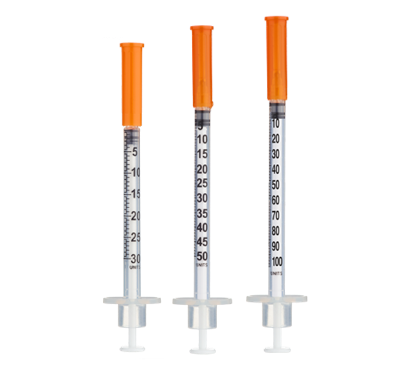
Pre-filled with this protocol’s recommended BAC water and documented starting dose — edit any field to run your own numbers. Reconstitution math only — not dosing advice. U-100 syringe: 100 units = 1 mL. Full reconstitution guide → · Advanced calculator →Mix & measure B7-33 · 10 mg
Dosing & Reconstitution Guide
B7-33 has no established dose for humans, and this page does not supply one. There is no human pharmacokinetic study, no clinical trial, and no regulatory guidance of any kind — the published record consists of cell experiments and rodent studies. The reconstitution figures below are simply the arithmetic of turning a lyophilized vial into a known concentration for laboratory measurement.
Standard / Gradual Approach
In the published work, B7-33 has been studied in animals and cell culture only. The original 2016 report evaluated it in three preclinical rodent models of heart and lung disease, where it prevented or reversed organ fibrosis and dysfunction with potency similar to native H2 relaxin[1]. A later mouse study of myocardial ischaemia-reperfusion injury reported reduced infarct size (22.0% versus 45.3% of the area at risk) and preserved fractional shortening at 24 hours and 7 days, with the in vitro cardiomyocyte work run at 50–100 nmol/L[3]. These are animal and cell concentrations reported as scientific fact; they do not convert into a human protocol.
The pharmacokinetic reality is the decisive point. A 2023 structure-activity study from the peptide’s own originating group measured B7-33’s in vitro half-life in serum at about 6 minutes, and set out specifically to fix it — fatty-acid conjugation with an appropriate spacer extended it to roughly 60 minutes[4]. A separate 2025 study had to conjugate B7-33 to biodegradable nanoparticles to achieve prolonged activity at all[7]. A peptide that clears from serum in minutes cannot sustain a receptor effect on any injection schedule a person could plausibly follow, which is why the literature keeps engineering around it rather than dosing it directly.
There is one further caveat worth stating, because it complicates the simple story. Follow-up work by the same laboratory found that B7-33 shows poor affinity and potency at RXFP1 in HEK cells engineered to overexpress the receptor, and matches native relaxin only in fibroblasts that express RXFP1 natively[5]. That is an unusual and not fully explained profile. It means the peptide’s activity is context-dependent in ways that are still being worked out — further reason why extrapolating an injection amount from animal experiments would be unfounded.
| Reference amount | Volume at 5 mg/mL | U-100 units |
|---|---|---|
| 250 mcg | 0.05 mL | 5 units |
| 500 mcg | 0.10 mL | 10 units |
| 1 mg | 0.20 mL | 20 units |
| 2 mg | 0.40 mL | 40 units |
Why B7-33 draws research interest
These are the directions researchers and the peptide community most often explore B7-33 for — so you know you’re in the right place. They describe what is being studied, not proven benefits, approved uses, or promised results.
Fibrosis & scar tissue
The main draw: a relaxin-derived peptide studied for limiting collagen scarring. Anti-fibrotic, which is not the same thing as wound healing.
Heart & cardiac repair
Explored in mouse ischemia-reperfusion models reporting smaller infarcts; preclinical only, and the parent hormone failed a 6,545-patient trial.
Tissue remodeling
Investigated for reducing fibrotic capsule formation around implants in animal work. There are no human studies of B7-33 at all.
RXFP1 biased signalling
Studied as the first functionally selective RXFP1 agonist, favouring pERK over cAMP; its measured half-life in vitro is about six minutes.
Evidence ranges from early laboratory work to clinical trials depending on the use — the sections below cover the actual data and sources.
Quickstart Highlights
B7-33 is a laboratory-designed peptide derived from the B-chain of human relaxin-2 (H2 relaxin), the pregnancy hormone responsible for much of the cardiovascular and connective-tissue remodelling of pregnancy. Native H2 relaxin is a two-chain, three-disulfide, insulin-like molecule — expensive to make and unstable in serum. In 2016 a group at the Florey Institute and Monash University showed that most of that architecture could be discarded: a single, linear, disulfide-free chain taken from the B-chain (residues B7–B33, hence the name) still bound and activated relaxin family peptide receptor 1 (RXFP1)[1].
What made B7-33 scientifically interesting was not simply that it was smaller, but that it signalled differently. In cells that express RXFP1 naturally, B7-33 preferentially drove the pERK1/2 pathway rather than the strong cAMP response that native relaxin produces — making it the first reported functionally selective (biased) agonist of this receptor[1]. This page is an educational reference on what B7-33 is, what the animal data actually show, and how a lyophilized research vial is reconstituted. It is not medical advice and not a protocol for administration. B7-33 has never been tested in a human being, is not approved anywhere, and — as detailed below — has a serum half-life measured in minutes[4].
A single-chain, disulfide-free peptide derived from the B-chain of human relaxin-2, and the first reported biased agonist of the RXFP1 receptor — favouring pERK1/2 over cAMP signalling[1].
2 mL bacteriostatic water per 10 mg vial → 5 mg/mL. A laboratory-handling reference only; this site provides no dose for administration.
Not approved anywhere, and never tested in humans. Even its parent hormone, recombinant relaxin-2 (serelaxin), failed its definitive phase 3 trial in 6,545 patients and was never approved[2].
Reconstitution Steps
A research vial is lyophilized powder that must be reconstituted with bacteriostatic water before it can be measured accurately. Using 2 mL for a 10 mg vial gives 5 mg/mL. This is a laboratory-handling step; it is not preparation for administering the compound.
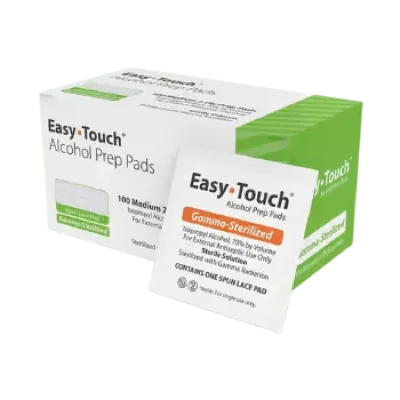
- ▪Sanitize: swab the vial stopper and the bacteriostatic-water stopper with fresh alcohol pads and let them air-dry.
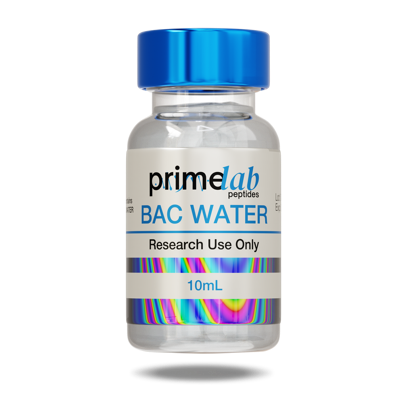
- ▪Add 2 mL slowly: draw 2 mL of bacteriostatic water and let it run down the inside wall of the vial rather than directly onto the powder. This yields 5 mg/mL.
- ▪Dissolve gently: let the vial stand, then swirl or roll it between your palms. Do not shake. Discard it if the solution stays cloudy or holds visible particles.
- ▪Refrigerate: store the reconstituted vial at 2–8 °C, protected from light, and do not freeze it once reconstituted.
Supplies Needed
The generic reconstitution kit below is what a laboratory would use to bring a lyophilized vial into solution for measurement and storage. Listing it does not imply the compound should be injected — B7-33 is a preclinical research peptide with no human data, not a medical product.
Protocol Overview
The practical picture for B7-33 is narrow: it is a preclinical research peptide. In the laboratory it is reconstituted to a known concentration and used in cell and animal experiments. It has no approved use, no validated dose, and no human evidence — only the animal literature, the pharmacokinetic problem that literature keeps trying to solve, and the arithmetic of reconstitution.
What makes it scientifically notable is the biased-agonist design[1]: the demonstration that a complex two-chain hormone can be reduced to a single linear peptide that still activates its receptor, and does so through a preferred signalling arm. The honest limitation is equally clear — a ~6-minute serum half-life[4], zero human studies, and a parent hormone whose own definitive phase 3 trial failed[2]. Interesting pharmacology; unproven medicine.
Dosing Protocol
The table is a concentration–volume reference only for a 10 mg vial reconstituted in 2 mL (→ 5 mg/mL). It converts a given amount into a syringe volume for laboratory measurement. It is not a dose recommendation — no human dose for B7-33 exists, because the peptide has never been studied in people.
Storage Instructions
Lyophilized vials are stable refrigerated and should be protected from light; follow the supplier’s handling guidance for the unreconstituted powder. B7-33 is a linear peptide with no disulfide bonds, which makes it simpler to synthesise than native relaxin but does not make it robust in solution.
After reconstitution with bacteriostatic water, store at 2–8 °C, protect from light, and do not freeze. Discard any vial whose contents turn cloudy, hazy or particulate. Note that stability in a refrigerated vial is a different question from stability in blood — the measured serum half-life of roughly six minutes[4] reflects rapid enzymatic clearance, not shelf-life.
Important Notes
The points below are the ones that matter most for anyone encountering B7-33, and they are cautionary rather than instructional.
- ▪There is no human data at all: B7-33 has never been administered to a person in a published study. Every efficacy claim traces back to rodents or cultured cells[1][3]. No dose, no safety profile, no pharmacokinetics in humans exist.
- ▪Its serum half-life is about six minutes: measured in vitro by the group that designed it[4]. This single fact undermines the concept of an injection-based protocol more than any other, and it is why subsequent work focused on lipidation[4] and nanoparticle conjugation[7] rather than on dosing the bare peptide.
- ▪The parent hormone failed in phase 3: serelaxin (recombinant relaxin-2) missed both primary endpoints in RELAX-AHF-2 — cardiovascular death at 180 days (HR 0.98, p=0.77) and worsening heart failure at day 5 (HR 0.89, p=0.19) — in 6,545 patients, and was never approved[2]. The pathway has already been tested at scale and disappointed.
- ▪Its receptor pharmacology is context-dependent: B7-33 shows poor affinity and potency in HEK cells overexpressing RXFP1, matching relaxin only in fibroblasts with native receptor expression[5]. This is an unusual profile and is still being characterised.
- ▪It is not a repair peptide in the usual sense: the studied effect is anti-fibrotic — limiting or reversing excess scar tissue — not accelerating wound closure or building tissue. Conflating the two misreads what the data show.
- ▪Research vials are unverified: grey-market B7-33 carries the usual research-chemical hazards of uncertain identity, purity and content, with no medical oversight and no clinical precedent to fall back on.
How This Works
The starting point is human relaxin-2 (H2 relaxin), a peptide hormone with vasodilatory, kidney-protective and anti-fibrotic effects that rise in pregnancy. Its structure is insulin-like: two chains (A and B) held together by three disulfide bonds. That architecture makes the hormone difficult and costly to synthesise and unstable in human serum, which has been a persistent barrier to developing it as a drug[1][6].
B7-33 is the minimalist answer. It is a single, linear chain corresponding to the B7–B33 region of the H2 relaxin B-chain, with no disulfide bonds at all. Despite discarding the A-chain and the entire disulfide framework, it still binds RXFP1, the G-protein-coupled receptor through which relaxin acts[1][6]. The signalling, however, is deliberately different: in cells expressing RXFP1 endogenously, B7-33 preferentially activates pERK1/2 over cAMP, making it the first described functionally selective agonist of this receptor. Mechanistically, the original work attributed its anti-fibrotic action to signalling through RXFP1–angiotensin II type 2 receptor heterodimers, driving pERK1/2 and the collagen-degrading enzyme MMP-2[1].
Why bias the signal at all? Because relaxin’s strong cAMP arm has been linked to proliferative, tumour-promoting effects that would be unacceptable in a chronic anti-fibrotic therapy. In the 2016 study, B7-33 reversed fibrosis in three rodent models of heart and lung disease with potency comparable to relaxin, while — unlike relaxin — not promoting prostate tumour growth in the model tested[1]. Subsequent animal work reported reduced infarct size and preserved cardiac function after ischaemia-reperfusion injury in mice[3], and, in a 2025 study, greater anti-fibrotic efficacy than the ACE inhibitor perindopril in mice with established cardiomyopathy — though only once the peptide was conjugated to nanoparticles to keep it in circulation[7]. That caveat is the mechanism story in miniature: the receptor pharmacology works; getting the molecule to stay around long enough to use it is the unsolved problem.
Lifestyle Factors
There is no legitimate “stacking” or training context to build around B7-33. It is a preclinical research peptide with no human data, not a supplement, a recovery aid or an approved therapy. It is also not a tissue-repair or muscle-building compound — the biology it engages is anti-fibrotic, which means limiting the deposition of excess scar collagen, a different process from healing a wound or growing tissue.
The responsible context is the opposite of a protocol: understand the relaxin/RXFP1 biology, note that it is genuinely elegant pharmacology, and recognise that a peptide with a six-minute serum half-life[4] and zero human studies is a laboratory tool, not a treatment. Fibrotic disease — cardiac, pulmonary, hepatic or renal — requires specialist medical management, not an unregulated research peptide.
Potential Benefits & Side Effects
Evidence tier: preclinical only — animal models and cell culture. The “effects” below are documented experimental findings, listed to describe the compound accurately, not benefits to be sought. B7-33 has no approved use, no validated dose, and has never been tested in a human being.
Reported Effects
- ▪Reversed organ fibrosis in rodents: in three preclinical models of heart and lung disease, B7-33 prevented or reversed fibrosis and organ dysfunction with potency similar to native H2 relaxin[1].
- ▪Reduced infarct size in mice: after ischaemia-reperfusion injury, infarct size fell to 22.0% versus 45.3% in vehicle-treated animals (p=0.02), with fractional shortening better preserved at 24 hours and 7 days[3].
- ▪Less fibrotic encapsulation around implants: a polymer coating releasing B7-33 reduced capsule thickness around subcutaneously implanted material by 49.2% over six weeks in mice[6].
- ▪Outperformed an ACE inhibitor — but only as a nanoparticle conjugate: orally delivered SPION-B7-33 showed greater anti-fibrotic efficacy than perindopril in mice with established cardiomyopathy[7]. The delivery vehicle was essential to the result.
- ▪No tumour promotion in the model tested: unlike native relaxin, B7-33 did not promote prostate tumour growth in the original study[1] — the specific liability the biased design was intended to avoid.
- ▪What is not established: any effect in humans, any safe dose, any pharmacokinetic profile in people, any long-term safety, or any approved indication.
Common Side Effects
- ▪Unknown safety profile in humans: with no clinical trial of any phase, B7-33’s adverse-effect profile in people is entirely uncharacterised. Absence of reported side effects reflects absence of human studies, not safety.
- ▪Class effects of relaxin-pathway activation: relaxin is a vasodilator, and in trials serelaxin infusion was associated with blood-pressure lowering. Any RXFP1 agonist could plausibly share haemodynamic effects, though this has never been tested for B7-33.
- ▪Extremely rapid clearance: a ~6-minute serum half-life[4] means exposure is fleeting and unpredictable, which makes any attempt to reason about effect or risk from an administered amount unreliable.
- ▪Context-dependent receptor activity: poor potency in overexpressing cells versus native-expressing fibroblasts[5] indicates the pharmacology is incompletely understood — an additional source of unpredictability.
- ▪Unverified identity and purity: research-vial B7-33 carries the standard research-chemical risks of mislabelling, incorrect sequence and contamination, with no clinical reference product to compare against.
Injection Technique
The section below documents the generic subcutaneous reconstitution-and-handling workflow used across this site for completeness. It is not a recommendation to inject B7-33 — the compound is a preclinical research peptide that has never been given to a human, has no approved use and no validated dose, and should be handled only in appropriate laboratory settings.
Pre-Injection Preparation
- ▪Understand there is no endorsed use: this compound is not intended for administration to people; the steps here describe generic peptide handling, not a treatment. No human study of B7-33 exists.
- ▪Confirm the concentration: the reference volumes assume 5 mg/mL (10 mg in 2 mL). A different diluent volume changes every figure in the table.
- ▪Inspect: the reconstituted solution should be clear and particle-free; discard it if cloudy, hazy or discoloured.
Injection Procedure
- ▪Laboratory handling only: any manipulation of a preclinical research peptide belongs in a controlled setting, not a home or self-administration context.
- ▪Measure by concentration: a research amount is the intended microgram figure converted at 5 mg/mL — for example 0.10 mL (10 units) for 500 mcg — used for accurate laboratory measurement, not administration.
- ▪Do not self-administer: a peptide with no human data, no established dose and a serum half-life of minutes has no sound basis for self-injection at any amount.
Post-Injection Care
- ▪Store securely: refrigerate the reconstituted solution at 2–8 °C, protect it from light, and do not freeze it.
- ▪Dispose responsibly: discard unused or degraded solution safely.
- ▪Seek medical care for fibrotic disease: cardiac, pulmonary, hepatic and renal fibrosis are serious conditions requiring specialist management, not an unregulated research peptide with no clinical evidence.
Recommended Source
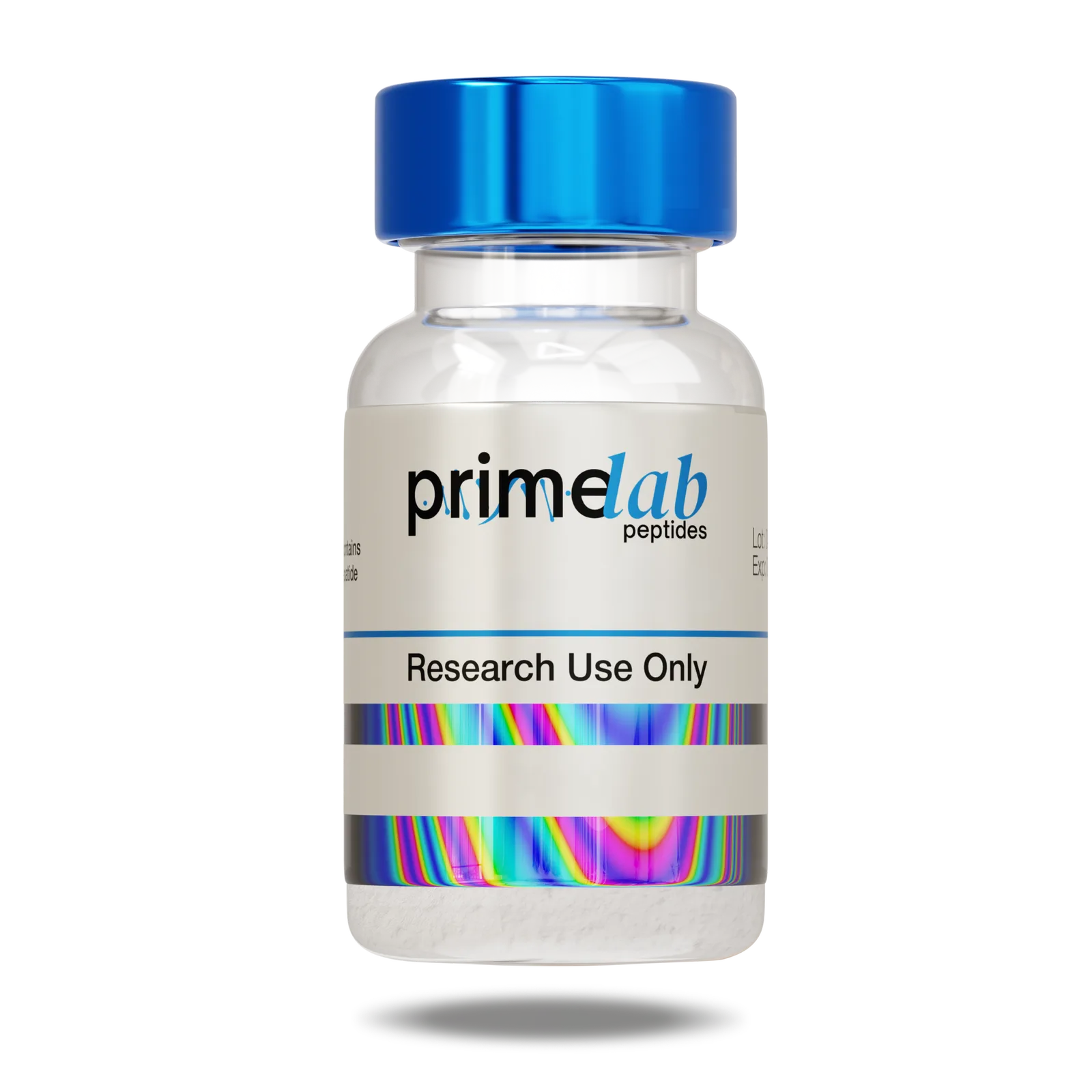
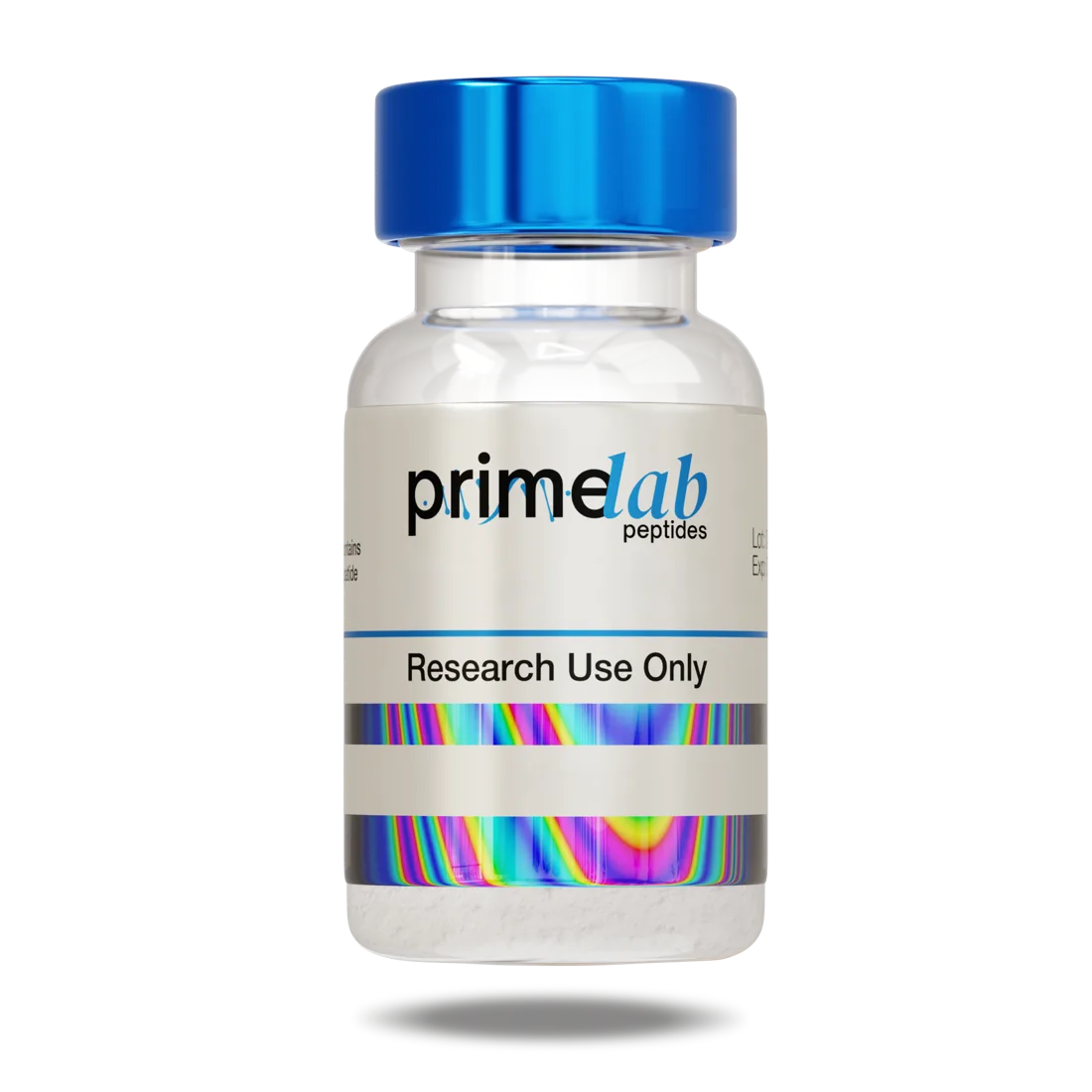
For high-purity research peptides, we point researchers to Prime Lab Peptides for B7-33 (10 mg Vial).
Why Prime Lab Peptides?
- ▪Top-rated on Trustpilot: Independently reviewed as the highest-rated peptide lab on Trustpilot — making it the best current source in the USA.
- ▪Third-party tested: Every batch ships with a Certificate of Analysis (COA) confirming purity and composition.
- ▪Consistent quality: ISO-aligned manufacturing and handling keep product integrity reliable batch to batch.
- ▪Cold-chain integrity: Temperature-controlled shipping and storage across the whole fulfilment chain.
- ▪Research-grade purity: Fit for educational and research use that demands high-quality peptides.
Note: Product availability and specifications subject to change. Verify current product details on supplier website.
References
- 1
Chemical Science (2016) — A single-chain derivative of the relaxin hormone is a functionally selective agonist of the G protein-coupled receptor, RXFP1Hossain, Kocan, Yao, Royce, Nair, Siwek, Patil, Harrison, Rosengren, Selemidis, Summers, Wade, Bathgate & Samuel (PMID 30155023). The originating paper: designed B7-33, a B-chain-only analogue of H2 relaxin that binds RXFP1 and preferentially activates pERK1/2 over cAMP in cells natively expressing the receptor — the first functionally selective RXFP1 agonist. It prevented or reversed fibrosis and organ dysfunction in three preclinical rodent models of heart and lung disease via RXFP1–AT2 receptor heterodimers, pERK1/2 and MMP-2, and, unlike relaxin, did not promote prostate tumour growth. DOI: 10.1039/c5sc04754d.
- 2
New England Journal of Medicine (2019) — Effects of Serelaxin in Patients with Acute Heart Failure (RELAX-AHF-2)Metra, Teerlink, Cotter, Davison, Felker, Filippatos, Greenberg, Pang, Ponikowski, Voors et al. (PMID 31433919). The definitive phase 3 trial of serelaxin, recombinant human relaxin-2 — the parent hormone of B7-33. In 6,545 patients, serelaxin missed both primary endpoints: cardiovascular death at 180 days (8.7% vs 8.9%; HR 0.98, 95% CI 0.83–1.15, p=0.77) and worsening heart failure at day 5 (6.9% vs 7.7%; HR 0.89, 95% CI 0.75–1.07, p=0.19). Serelaxin was not approved. DOI: 10.1056/NEJMoa1801291.
- 3
Journal of the American Heart Association (2020) — B7-33, a functionally selective relaxin receptor 1 agonist, attenuates myocardial infarction-related adverse cardiac remodeling in miceDevarakonda, Mauro, Guzman, Hovsepian, Cain, Das, Praveen, Hossain & Salloum (PMID 32295457). In mice subjected to ischaemia-reperfusion injury, B7-33 reduced infarct size (21.99% vs 45.32%, p=0.02) and preserved fractional shortening at 24 hours and 7 days. In isolated cardiomyocytes, 50–100 nmol/L improved survival and reduced the ER-stress marker GRP78 in an ERK1/2-dependent manner. Animal and cell data only. DOI: 10.1161/JAHA.119.015748.
- 4
International Journal of Molecular Sciences (2023) — A lipidated single-B-chain derivative of relaxin exhibits improved in vitro serum stability without altering activityPraveen, Wang, Handley, Wu, Samuel, Bathgate & Hossain (PMID 37047588). Reports that B7-33 has a short circulation time in serum in vitro — a half-life of roughly 6 minutes — and that fatty-acid conjugation with an appropriate spacer length extends it to about 60 minutes. The key pharmacokinetic limitation of the unmodified peptide. DOI: 10.3390/ijms24076616.
- 5
International Journal of Molecular Sciences (2023) — Further developments towards a minimal potent derivative of human relaxin-2Handley, Praveen, Tailhades, Wu, Bathgate & Hossain (PMID 37628851). Documents that B7-33 displays poor affinity and potency in HEK cells overexpressing RXFP1 while showing potency equivalent to H2 relaxin in fibroblasts natively expressing the receptor, and describes attempts to improve the scaffold through Aib substitution and hydrocarbon stapling. DOI: 10.3390/ijms241612670.
- 6
ACS Applied Materials & Interfaces (2019) — Coatings releasing the relaxin peptide analogue B7-33 reduce fibrotic encapsulationWelch, Mukherjee, Hossain, Praveen, Werkmeister, Wade, Bathgate, Winkler & Thissen (PMID 31713411). A PLGA coating releasing B7-33 reduced fibrotic capsule thickness around subcutaneously implanted polypropylene in mice by 49.2% over six weeks, with in vitro assays confirming the released peptide retained RXFP1 activity. DOI: 10.1021/acsami.9b17859.
- 7
Journal of Biomedical Science (2025) — Immune cell uptake of glycinated nanoparticles conjugated to anti-fibrotic peptides enables their prolonged activity and oral administrationSomanader-Livera, Wei, Wang, Li, Ferens, Salimova, Selomulya, Hossain, Samuel & Chakraborty (PMID 41382190). Relaxin and B7-33 were conjugated to glycine-functionalised biodegradable iron-oxide nanoparticles; orally administered SPION-B7-33 (25 ng/day every 72 h) showed greater anti-fibrotic efficacy than the ACE inhibitor perindopril in mice with established cardiomyopathy. Illustrates that a delivery system was required to obtain prolonged activity. DOI: 10.1186/s12929-025-01198-8.
B7-33 — frequently asked questions
How do I reconstitute a 10 mg vial of B7-33?
Wipe the stopper with an alcohol swab, then inject your bacteriostatic water slowly down the inside wall of the vial. Let it sit and gently swirl until dissolved — never shake. Store the mixed vial in the refrigerator and draw doses with an insulin syringe. Use the calculator above to turn any dose into syringe units.
How much bacteriostatic water should I add to B7-33?
There is no single correct amount — more water simply spreads the same 10 mg of peptide across a larger volume, which makes small doses easier to measure accurately. 1 to 3 mL per vial is typical. Enter your chosen volume in the calculator above to see the resulting concentration and syringe units.
What do the "units" on an insulin syringe mean?
On a U-100 insulin syringe, 100 units equal 1 mL, so 1 unit equals 0.01 mL. The calculator above converts your draw volume into these units automatically so you can measure without doing the math by hand.
How should I store B7-33 after mixing?
Keep the reconstituted vial refrigerated at roughly 2 to 8 degrees Celsius, away from light, and avoid freezing it. Reconstituted research peptides are generally used within a few weeks. Always follow the specific guidance supplied with your product.
How many doses does a 10 mg vial of B7-33 provide?
Divide the vial strength of 10 mg by the amount you use per injection. The calculator above reports this as "doses per vial" the moment you enter a dose.
Is B7-33 approved for human use?
No. B7-33 is sold strictly for laboratory and research purposes and is not approved by the FDA or other regulators for human use. Everything on this page is research information, not medical advice — consult a licensed healthcare professional before any use.
New protocols & dosing updates
Reconstitution charts, new peptide protocols and safety updates — straight to your inbox. No spam, unsubscribe anytime.