
Wolverine Stack (BPC-157 + TB-500) Dosage Protocol
"Wolverine stack" is the community nickname for a combined BPC-157 + TB-500 research blend — a research-chemical combination with only preclinical, single-peptide evidence and no clinical validation of the pairing.
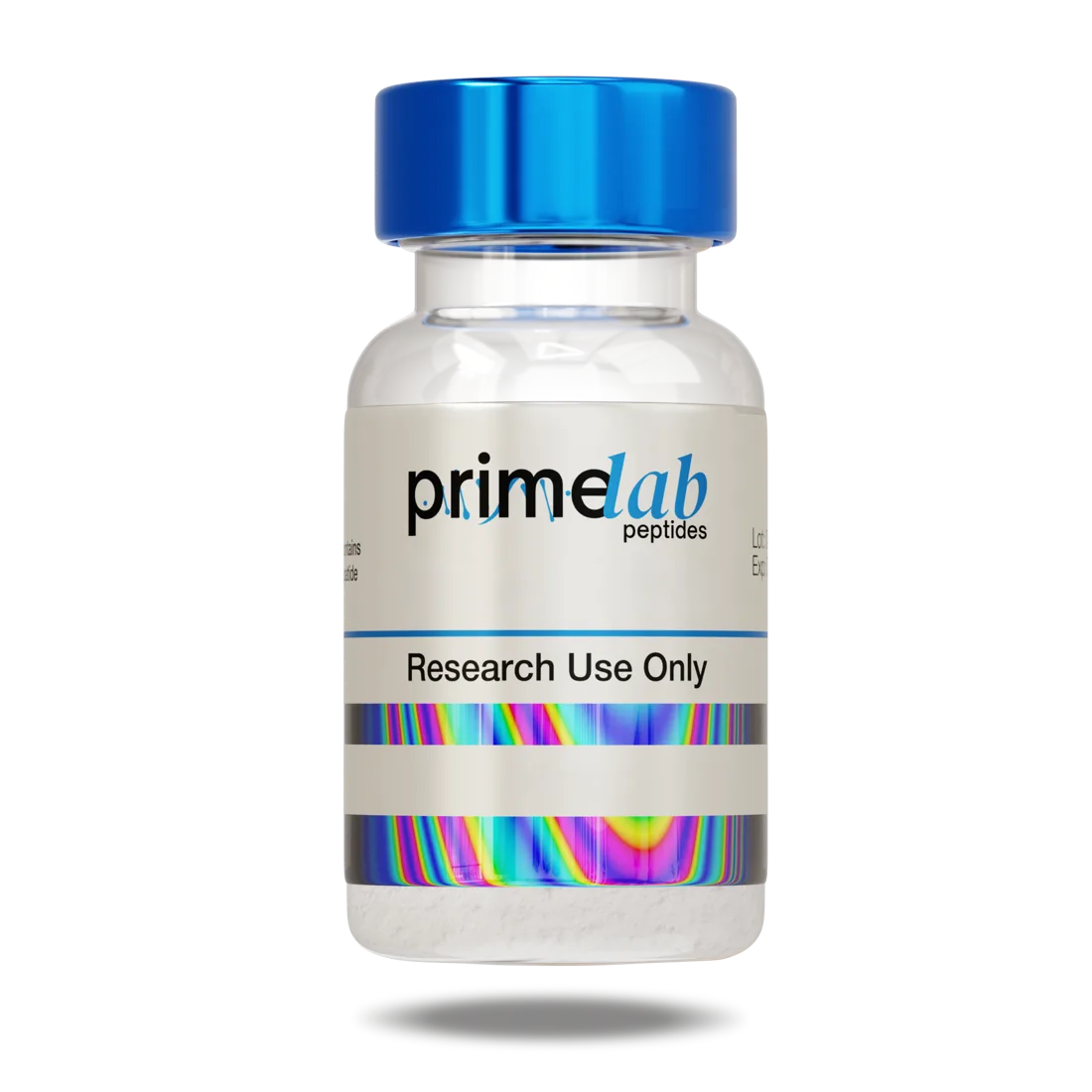
Two peptides studied separately: BPC-157 for cytoprotection/angiogenesis, TB-500 for actin regulation and cell migration in tissue repair models.
No validated blend dose. Preclinical single-peptide work reports BPC-157 near 10 mcg/kg and TB-500 in mg-range weekly loading; human data are absent.
A 20 mg blend (10 + 10) with 2 mL bacteriostatic water yields 10 mg/mL total (5 mg/mL each peptide).
Lyophilized powder is kept cold and dark; once reconstituted, refrigerated at 2–8 °C and used within weeks per peptide-handling literature.
Quickstart Highlights
The “Wolverine stack” is the community nickname for a combined BPC-157 + TB-500 research blend — two synthetic repair peptides paired because both are discussed around accelerated tissue healing (a nod to the comic-book character’s regeneration). BPC-157 is a stable synthetic pentadecapeptide investigated in animal models for gastrointestinal protection and tendon, ligament, muscle and bone healing[1][3], while TB-500 is a synthetic fragment related to thymosin β4 studied for cell migration, angiogenesis and wound closure[4][5]. In short, the pairing is studied for recovery and soft-tissue repair — but only as separate molecules, and only at a preclinical (mostly rodent) tier.
The BPC-157 + TB-500 recovery blend is commonly searched simply as the “Wolverine peptide” — the same stack under its popular nickname.
“Wolverine stack” is not an approved drug or a validated formulation, and the specific combination has never been tested in a controlled human trial. The figures below reproduce documented single-peptide research and vendor reference values strictly for research and educational reference — not medical advice, a therapeutic claim, or a recommendation to self-administer.
Fixed ratio: BPC-157 10 mg : TB-500 10 mg — a 1:1 blend. Every withdrawal keeps that ratio, so the components cannot be dosed independently.
Pre-filled with this protocol’s recommended BAC water and documented starting dose — edit any field to run your own numbers. Reconstitution math only — not dosing advice. U-100 syringe: 100 units = 1 mL. Full reconstitution guide → · Advanced calculator →Mix & measure Wolverine stack · 20 mg
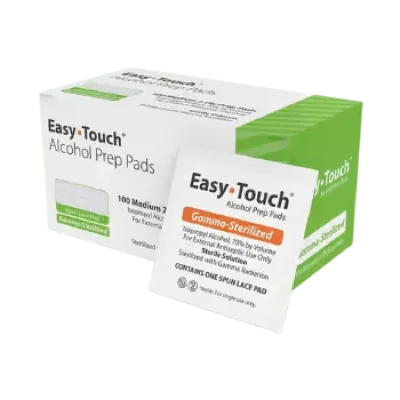
Supplies Needed
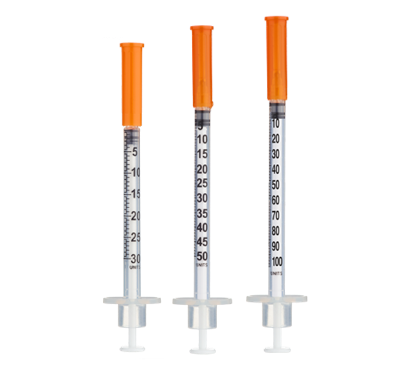
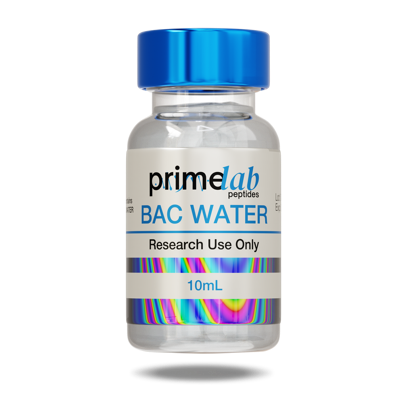
Everything a documented subcutaneous handling protocol relies on. Nothing here is exotic — sterile technique and accurate measurement matter far more than any single tool, and none of it makes an unvalidated combination validated.
Protocol Overview
At 2 mL a 20 mg blend vial holds ~2 mL of usable solution carrying 10 mg of each peptide (5 mg/mL each). At a reference 250 mcg-of-each dose that is roughly 40 doses per vial; at 500 mcg of each, about 20 doses — before accounting for the storage window, which usually limits use before the volume runs out.
Because a blend fixes the BPC-157:TB-500 proportion at the point of manufacture, you cannot change the ratio — every draw delivers both peptides together. A research design needing different proportions would require separate single-peptide vials rather than one blend.
Dosing Protocol
Commonly cited reference figures for the 20 mg blend at 2 mL (5 mg/mL of each peptide), converted to U-100 units. These are documented conventions, not validated or trial-derived doses.
| Phase / Week(s) | Daily Dose (each peptide) | Volume (U-100 units / mL) |
|---|---|---|
| Loading (Weeks 1–4) | ~500 mcg BPC-157 + ~500 mcg TB-500 | 10 units (0.10 mL) |
| Maintenance (Weeks 5–8) | ~250 mcg BPC-157 + ~250 mcg TB-500 | 5 units (0.05 mL) |
| Lower reference | ~250 mcg of each, fewer days per week | 5 units (0.05 mL) |
| Per-unit reference | 1 unit = 50 mcg of each peptide | 1 unit (0.01 mL) |
Why Wolverine stack draws research interest
These are the directions researchers and the peptide community most often explore Wolverine stack for — so you know you’re in the right place. They describe what is being studied, not proven benefits, approved uses, or promised results.
Tendon & soft-tissue repair
The blend's nickname comes from rodent studies where BPC-157 and TB-500 were each investigated for tendon, ligament and muscle healing — preclinical only.
Gastrointestinal & gut lining
BPC-157 has been investigated in animal models for gut mucosal protection and fistula healing; this is research-chemical evidence, not clinical proof.
Angiogenesis & wound closure
TB-500 (thymosin β4 fragment) is studied for cell migration and new-vessel formation in wound-healing assays and animal injury models.
Evidence ranges from early laboratory work to clinical trials depending on the use — the sections below cover the actual data and sources.
Add 2.0 mL bacteriostatic water to one 20 mg blend vial → 10 mg/mL total (5 mg/mL BPC-157 + 5 mg/mL TB-500).
~250 → 500 mcg of each peptide per dose (community convention) — no trial-derived or validated blend dose exists.
Subcutaneous; a fixed 1:1 ratio is delivered per draw, so the two peptides cannot be dosed independently.
Preclinical research chemicals (rodent data for each peptide); the combination has zero dedicated human, safety or efficacy data.
Dosing & Reconstitution Guide
Because the combination has never been studied in a controlled design, there is no dose-finding data for the blend. What follows are the reference conventions people quote online — extrapolated from single-peptide animal work and vendor labelling — presented so you understand what the numbers actually refer to, not as a protocol to follow.
Standard / Gradual Approach
A commonly circulated convention borrows a “loading then maintenance” pattern from other repair peptides: a higher first phase (often cited near 500 mcg of each peptide) for several weeks, then a lower maintenance phase (near 250 mcg of each). Reconstituted at 5 mg/mL per peptide, 250 mcg of each equals 0.05 mL (5 units on a U-100 syringe) and 500 mcg equals 0.10 mL (10 units). This schedule is convention, not evidence — an animal mcg/kg value cannot be converted directly into a human dose without formal allometric and clinical work[3].
Reconstitution Steps
Reconstitution of a blend is identical to a single peptide — the only difference is that one volume carries two peptides at a fixed ratio.
- ▪Sanitize: Swab the blend-vial stopper and the bacteriostatic-water vial with fresh alcohol pads and let them dry.
- ▪Add diluent slowly: Draw 2.0 mL bacteriostatic water and let it run down the inside wall of the vial — never spray it directly onto the lyophilized cake.
- ▪Dissolve gently: Swirl, do not shake; the solution should clear within a minute or two. Both peptides are now at 5 mg/mL.
- ▪Store: Label with the date and refrigerate at 2–8 °C; every draw delivers a fixed 1:1 BPC-157:TB-500 ratio.
Storage Instructions
Keep the lyophilized blend cold and protected from light until reconstitution; peptide-handling references consistently flag heat and freeze–thaw cycling as the main degradation culprits.
After reconstitution, refrigerate at 2–8 °C and use over a matter of weeks rather than months. These are general laboratory-handling conventions, not clinical stability guarantees for this specific combination; discard if the solution becomes cloudy or discolored.
Important Notes
Practical handling points — and the honest caveats the “Wolverine” branding tends to gloss over.
- ▪The blend fixes the ratio: You dose both peptides at once in whatever proportion the vial was made to — there is no way to titrate one independently of the other.
- ▪Recalculate, don’t reuse a mark: If you change the reference dose or use a different bacteriostatic-water volume, recompute the unit count rather than reusing a fixed syringe mark.
- ▪Sterile technique: Fresh U-100 syringe each time, straight into a puncture-proof sharps container afterward.
- ▪No validated safety profile: Neither peptide has completed human trials, and the combination has no human safety data at all; research-chemical purity and sterility also vary between suppliers[7].
- ▪Regulatory & anti-doping reality: Neither is an approved drug — BPC-157 has been under FDA 503A compounding review over safety and characterization concerns[7], and both appear on the WADA Prohibited List, so any competing athlete risks sanctions[8].
How This Works
In the preclinical literature the two peptides act on different but overlapping parts of the repair process. BPC-157 has been reported in animal models to promote angiogenesis, up-regulate growth-factor and receptor expression in tendon fibroblasts, and exert cytoprotective effects on the gut and other tissues — with proposed involvement of the nitric-oxide system and the VEGFR2–Akt–eNOS pathway[2][3]. TB-500 corresponds to the actin-binding region of thymosin β4, an actin-sequestering peptide described as supporting cell migration, reducing inflammation and encouraging new-vessel formation in wound-healing assays[4][5].
On paper, one peptide favouring angiogenesis and cytoprotection while the other favours cell migration and actin dynamics looks complementary — which is why researchers find the pairing interesting. But no study has co-administered BPC-157 and TB-500 in a controlled design and measured a combined outcome, so any “synergy” is an untested hypothesis. It is also worth noting that “TB-500” is a synthetic fragment, not identical to the full thymosin β4 protein (formulated as RGN-259) that has reached early clinical testing[6]; most “human data for TB-500” actually refers to that related-but-distinct molecule.
Lifestyle Factors
In the repair-biology literature these peptides are studied as adjuncts to — not replacements for — the fundamentals of recovery: progressive loading, adequate protein, sleep and managed training volume are what the tissue-healing evidence base is actually built around.
Because none of the combination claims are validated in people, the most defensible “stack” for recovery remains the unglamorous one: rehabilitation, nutrition and time. Any research handling of the peptides sits on top of that, not in place of it.
Potential Benefits & Side Effects
What the preclinical literature describes for each peptide separately — kept honest by evidence tier. None of this is a proven human benefit, and none of it has been demonstrated for the BPC-157 + TB-500 combination.
Reported Effects
- ▪Tendon, ligament & muscle repair (BPC-157): Multiple rodent studies report accelerated soft-tissue and musculoskeletal healing, and a 2019 review summarised this evidence while explicitly noting the absence of human data[3].
- ▪Gastrointestinal protection (BPC-157): Cytoprotective and ulcer-healing effects across the GI tract are the peptide’s original and best-characterised preclinical focus[1].
- ▪Angiogenesis & wound closure (TB-500 / thymosin β4): Thymosin β4 accelerated re-epithelialisation and increased vessel counts in animal wound models[5], with cell-migration and anti-inflammatory activity described mechanistically[4].
- ▪Early clinical signals for the parent protein: Full thymosin β4 (not the TB-500 fragment) has been evaluated in early-phase trials for corneal and dermal repair[6] — a related molecule, not the research-chemical fragment.
- ▪The combination itself: Sought out for “recovery” in community use, but with no controlled data — the search intent is real; the validated evidence for the pairing is not.
Common Side Effects
- ▪Unknown human profile: Because human trials were never completed, adverse-event rates, immunogenicity and long-term risks for either peptide are simply uncharacterised.
- ▪Combination risk is entirely unmapped: Interaction effects of co-administering the two are unstudied; “no reported side effects” reflects a lack of studies, not a clean safety record.
- ▪Angiogenesis cuts both ways: The pro-angiogenic, pro-migration mechanisms that make these peptides interesting for repair are the same processes that are undesirable in the presence of malignancy — an unresolved theoretical concern and a genuine reason for caution.
- ▪Product-quality variability: Research-chemical vials are not made to pharmaceutical standards, so purity, sterility and actual peptide content can vary between suppliers[7].
- ▪Regulatory / anti-doping exposure: Neither peptide is approved for human use, and both are on the WADA Prohibited List[8].
Injection Technique
Subcutaneous technique for a blend is identical to any single peptide — accuracy and site rotation matter more than speed. Described for research context only.
Pre-Injection Preparation
- ▪Wash hands; let the refrigerated vial come toward room temperature to reduce sting.
- ▪Swab the stopper and injection site; let the alcohol dry fully.
- ▪Draw your current reference volume into a fresh U-100 syringe and tap out air bubbles — remember every draw carries both peptides.
Injection Procedure
- ▪Pinch a skinfold at the chosen site (abdomen, outer thigh or back of the upper arm).
- ▪Insert the needle at 45–90° and inject the solution at a steady, even pace.
- ▪Withdraw and apply light pressure with a clean swab — do not rub.
Post-Injection Care
- ▪Drop the used syringe straight into a puncture-proof sharps container.
- ▪Rotate sites day to day to avoid local irritation.
- ▪Return the vial to the refrigerator promptly.
Recommended Source
For high-purity research peptides, we point researchers to Prime Lab Peptides for Wolverine Stack (20 mg Blend Vial).
Why Prime Lab Peptides?
- ▪Top-rated on Trustpilot: Independently reviewed as the highest-rated peptide lab on Trustpilot — making it the best current source in the USA.
- ▪Third-party tested: Every batch ships with a Certificate of Analysis (COA) confirming purity and composition.
- ▪Consistent quality: ISO-aligned manufacturing and handling keep product integrity reliable batch to batch.
- ▪Cold-chain integrity: Temperature-controlled shipping and storage across the whole fulfilment chain.
- ▪Research-grade purity: Fit for educational and research use that demands high-quality peptides.
Note: Product availability and specifications subject to change. Verify current product details on supplier website.
References
- 1
Current Pharmaceutical Design (PubMed)Sikirić P, et al. — ‘Stable gastric pentadecapeptide BPC 157: novel therapy in gastrointestinal tract,’ reviewing BPC-157’s preclinical healing effects across the GI tract and soft tissue.
- 2
Journal of Applied PhysiologyChang CH, et al. — BPC 157 promotes tendon healing via tendon outgrowth, fibroblast survival and cell migration in rodent and in-vitro models.
- 3
Cell and Tissue Research (PubMed)Gwyer D, Wragg NM, Wilson SL — review of BPC-157 in musculoskeletal soft-tissue healing, noting promising rodent data and the explicit lack of human trials.
- 4
Trends in Molecular Medicine (PubMed)Goldstein AL, Hannappel E, Kleinman HK — thymosin β4 as an actin-sequestering protein that moonlights to repair injured tissues.
- 5
Journal of Investigative Dermatology (PubMed)Malinda KM, et al. — thymosin β4 accelerates wound healing, boosting re-epithelialisation and vessel counts in a rat full-thickness model.
- 6
Annals of the New York Academy of Sciences (PubMed)Crockford D, et al. — thymosin β4 structure, function and the early clinical programme for the full protein (distinct from the TB-500 fragment).
- 7
U.S. FDA — Bulk Drug Substances Used in Compounding (Section 503A)FDA compounding-review resource covering BPC-157’s safety and characterization status; neither BPC-157 nor TB-500 is an approved drug.
- 8
World Anti-Doping Agency — Prohibited ListBPC-157 (S0 non-approved substances) and TB-500 / thymosin β4 are prohibited in sport at all times.
Wolverine stack — frequently asked questions
How do I reconstitute a 20 mg vial of Wolverine stack?
Wipe the stopper with an alcohol swab, then inject your bacteriostatic water slowly down the inside wall of the vial. Let it sit and gently swirl until dissolved — never shake. Store the mixed vial in the refrigerator and draw doses with an insulin syringe. Use the calculator above to turn any dose into syringe units.
How much bacteriostatic water should I add to Wolverine stack?
There is no single correct amount — more water simply spreads the same 20 mg of peptide across a larger volume, which makes small doses easier to measure accurately. 1 to 3 mL per vial is typical. Enter your chosen volume in the calculator above to see the resulting concentration and syringe units.
What do the "units" on an insulin syringe mean?
On a U-100 insulin syringe, 100 units equal 1 mL, so 1 unit equals 0.01 mL. The calculator above converts your draw volume into these units automatically so you can measure without doing the math by hand.
How should I store Wolverine stack after mixing?
Keep the reconstituted vial refrigerated at roughly 2 to 8 degrees Celsius, away from light, and avoid freezing it. Reconstituted research peptides are generally used within a few weeks. Always follow the specific guidance supplied with your product.
How many doses does a 20 mg vial of Wolverine stack provide?
Divide the vial strength of 20 mg by the amount you use per injection. The calculator above reports this as "doses per vial" the moment you enter a dose.
Is Wolverine stack approved for human use?
No. Wolverine stack is sold strictly for laboratory and research purposes and is not approved by the FDA or other regulators for human use. Everything on this page is research information, not medical advice — consult a licensed healthcare professional before any use.
New protocols & dosing updates
Reconstitution charts, new peptide protocols and safety updates — straight to your inbox. No spam, unsubscribe anytime.