
CagriSema (Cagrilintide + Semaglutide) Dosage Protocol
CagriSema is an investigational once-weekly fixed-dose combination of the amylin analog cagrilintide and the GLP-1 receptor agonist semaglutide; it is not an approved medicine and this page is a research-use-only dosing reference.
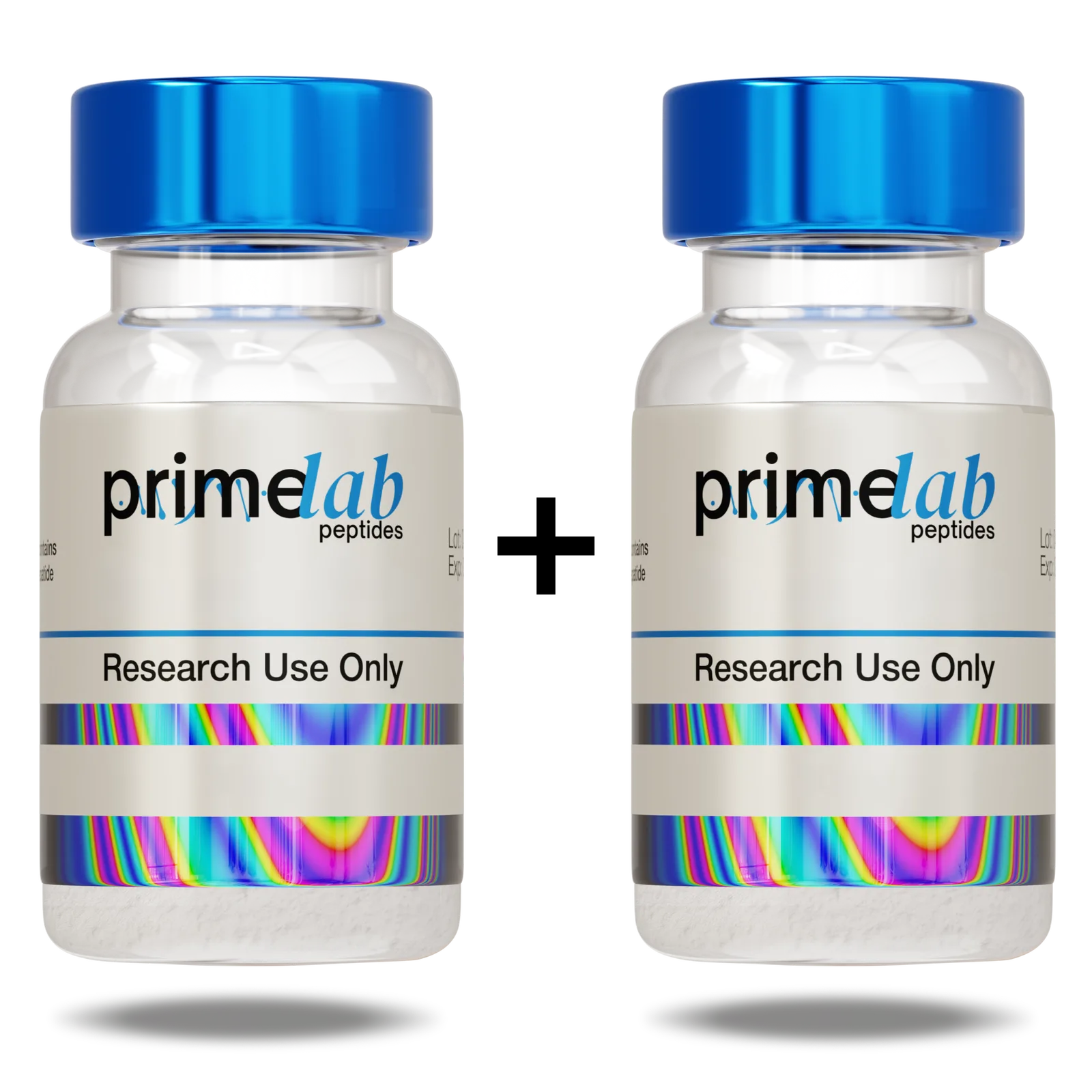
Dual pathway: cagrilintide is a long-acting amylin analog, semaglutide is a GLP-1 receptor agonist, both studied for appetite and glycemic signaling.
In trials both components are titrated weekly in parallel toward 2.4 mg + 2.4 mg once weekly over roughly 16 weeks.
A 5 mg / 5 mg (10 mg total) combo vial with 1 mL bacteriostatic water yields about 5 mg of each per mL.
Lyophilized vial cool and dark; after reconstitution refrigerate at 2-8 C and use within the documented short window.
Quickstart Highlights
CagriSema is an investigational once-weekly, fixed-dose combination of two metabolic peptides in a single subcutaneous injection — cagrilintide, a long-acting analog of the pancreatic hormone amylin, and semaglutide, a GLP-1 receptor agonist. It is co-formulated by Novo Nordisk and was evaluated in the phase 3 REDEFINE program[1][6]. In the published literature the combination is investigated for body-weight reduction and glycemic control, on the hypothesis that engaging the amylin and GLP-1 pathways together influences appetite and energy balance more than either agent does alone[3].
The figures below reflect what was reported in the REDEFINE trial program and are provided strictly for research and educational reference — CagriSema is not an approved medicine anywhere, and nothing here is medical advice or a recommendation to combine, dose, or self-administer these compounds.
Fixed ratio: Cagrilintide 5 mg : Semaglutide 5 mg — a 1:1 blend. Every withdrawal keeps that ratio, so the components cannot be dosed independently.
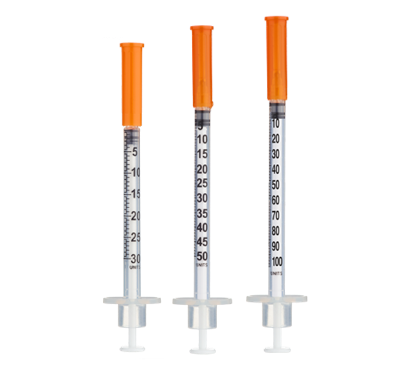
Pre-filled with this protocol’s recommended BAC water and documented starting dose — edit any field to run your own numbers. Reconstitution math only — not dosing advice. U-100 syringe: 100 units = 1 mL. Full reconstitution guide → · Advanced calculator →Mix & measure CagriSema · 10 mg
Supplies Needed
Everything a documented once-weekly subcutaneous protocol relies on. Nothing here is exotic — sterile technique and accurate measurement matter far more than any single tool, and a fixed combination cannot be titrated component-by-component.
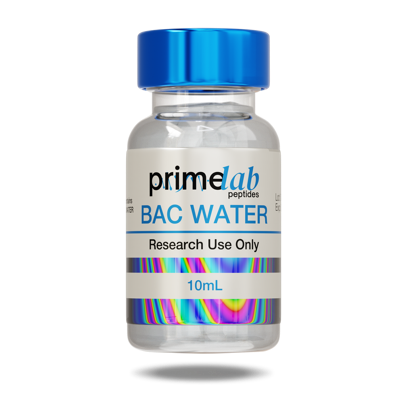
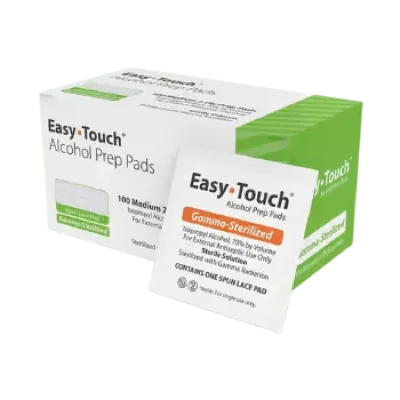
Protocol Overview
At 10 mg/mL total a single 10 mg combo vial (5 mg + 5 mg) holds roughly 1 mL of usable solution. A full-target weekly dose of 2.4 mg + 2.4 mg draws 0.48 mL, so one vial covers only about two maintenance doses — plan supply around the target weekly amount.
Because the dose changes every four weeks during escalation, recalculate your syringe volume at each step rather than reusing a fixed mark, and remember that both peptides move together — you cannot advance one without the other.
Dosing Protocol
The parallel escalation used in the REDEFINE trials, converted to U-100 units at 10 mg/mL total (5 mg/mL of each component). Doses are per week, not per day.
| Escalation Phase | Weekly Dose (Cagri + Sema) | Volume (U-100 units / mL) |
|---|---|---|
| Weeks 1–4 | 0.25 mg + 0.25 mg (1×/week) | 5 units (0.05 mL) |
| Weeks 5–8 | 0.5 mg + 0.5 mg (1×/week) | 10 units (0.10 mL) |
| Weeks 9–12 | 1.0 mg + 1.0 mg (1×/week) | 20 units (0.20 mL) |
| Weeks 13–16 | 1.7 mg + 1.7 mg (1×/week) | 34 units (0.34 mL) |
| Week 17 onward | 2.4 mg + 2.4 mg (1×/week) | 48 units (0.48 mL) |
Why CagriSema draws research interest
These are the directions researchers and the peptide community most often explore CagriSema for — so you know you’re in the right place. They describe what is being studied, not proven benefits, approved uses, or promised results.
Studied for body-weight reduction
Investigated in the phase 3 REDEFINE program for change in body weight in adults with obesity, with and without type 2 diabetes.
Investigated for glycemic parameters
Examined for effects on HbA1c and glucose handling as an investigational combination in people with type 2 diabetes.
Explored for combined amylin + GLP-1 signaling
Researchers study whether pairing an amylin analog with a GLP-1 agonist adds to appetite-pathway effects beyond either component alone.
Compared against single-agent incretins
Used in research as a benchmark against semaglutide, tirzepatide and retatrutide in the investigational obesity-pharmacology landscape.
Evidence ranges from early laboratory work to clinical trials depending on the use — the sections below cover the actual data and sources.
Add 1.0 mL bacteriostatic water to a 10 mg combo vial (5 mg + 5 mg) → 10 mg/mL total (5 mg/mL of each component).
0.25+0.25 → 2.4+2.4 mg once weekly, both peptides stepped up in parallel to limit GI effects.
Subcutaneous, once weekly on the same day each week; rotate abdomen / thigh / upper-arm sites.
Investigational (phase 3) — REDEFINE dataset with an FDA filing under review; not approved, research-only.
Dosing & Reconstitution Guide
CagriSema is titrated slowly because gastrointestinal tolerability — not peak effect — is the limiting factor, and it stacks two appetite-signaling peptides that each act on gut motility. In the REDEFINE trials both components step up together about once a month so the gut adapts.
Standard / Gradual Approach
The escalation used in REDEFINE mirrors the standard semaglutide ladder, applied to both peptides at once: start at 0.25 mg of each per week and roughly double the step every four weeks toward a 2.4 mg + 2.4 mg weekly target[1]. In the trials not every participant advanced to the full 2.4 mg of each component, and dose flexibility was built into the design — the target is reached gradually and not universally, so this is reference data describing the trial schedule, not a fixed prescription.
Reconstitution Steps
Reconstitution follows the same arithmetic as any lyophilized peptide, but a combination vial holds two active peptides, so every draw contains both in whatever ratio the vial actually holds.
- ▪Sanitize: Swab the combo-vial stopper and the bacteriostatic-water vial with fresh alcohol pads and let them dry.
- ▪Add diluent slowly: Draw 1.0 mL bacteriostatic water and let it run down the inside wall of the vial — do not spray it directly onto the powder.
- ▪Dissolve gently: Swirl; do not shake. The solution should clear within a minute or two, yielding ~10 mg/mL total (5 mg/mL of each component).
- ▪Store: Label with the date and refrigerate at 2–8 °C, protected from light; both peptides scale together with every volume change.
Storage Instructions
Store the lyophilized combo vial in the freezer or refrigerator, away from light, until reconstitution.
After reconstitution, keep the vial refrigerated at 2–8 °C, protected from light, and use within the bacteriostatic-water window (commonly cited as up to ~28 days). Discard if the solution becomes cloudy or discolored.
Important Notes
Practical points that keep once-weekly administration consistent and reflect the honest limits of a combination that stacks two potent metabolic peptides.
- ▪Titrate, don’t rush: Nausea, vomiting, diarrhea and constipation are dose-related and amplified by combining an amylin analog with a GLP-1 agonist — the four-week steps exist for exactly this reason[1].
- ▪One dose a week: CagriSema in the trials is once-weekly, not daily; doubling up after a missed dose is not part of any reference schedule.
- ▪Fixed ratio, no independent titration: Both peptides scale together with every volume change — you cannot advance semaglutide without advancing cagrilintide.
- ▪Not an approved product: GLP-1 agonists carry documented class cautions — thyroid C-cell tumors seen in rodents (human relevance uncertain), pancreatitis signals, and gallbladder events[5] — and the combination itself has not been reviewed or cleared by any regulator.
- ▪Research material is not the trial product: Independently sourced combo vials do not guarantee the ratio, purity, or sterility of the manufactured co-formulation, so the trial schedule cannot be mapped cleanly onto them.
How This Works
CagriSema engages two hormone systems that both influence food intake and glucose regulation through different receptors. The semaglutide arm activates the GLP-1 receptor — an incretin receptor expressed in the pancreas, gut and brain — enhancing glucose-dependent insulin secretion, slowing gastric emptying and signaling satiety in hypothalamic appetite centers; in its approved obesity indication semaglutide 2.4 mg once weekly produced roughly 15% mean weight loss over 68 weeks in STEP 1[5].
The cagrilintide arm is an acylated, long-acting analog of amylin — a peptide co-secreted with insulin by pancreatic beta cells — associated with slowed gastric emptying, suppressed post-meal glucagon, and satiety via distinct hindbrain pathways[7]. As a single agent in phase 2 dose-finding, cagrilintide produced dose-dependent weight loss of roughly 10–11% at the highest dose over 26 weeks[4]. The combination hypothesis is that amylin and GLP-1 signaling are complementary rather than redundant; an early phase 1b study reported that co-administration was feasible and that each component’s pharmacokinetics were not meaningfully altered by the other, which motivated the phase 3 program[3].
Lifestyle Factors
In the REDEFINE trials CagriSema was studied alongside a reduced-calorie diet and increased physical activity — the pharmacology is designed to support behavior change, not replace it[1].
Adequate hydration and protein intake are commonly discussed for managing strong appetite suppression and preserving lean mass; smaller, slower meals reduce the nausea that comes with delayed gastric emptying from two agents at once.
Potential Benefits & Side Effects
What the controlled REDEFINE trials reported for the investigational combination; late-stage trial data are far more than a typical research peptide has, but the product is unapproved and cross-trial percentages are orientation, not a ranking.
Reported Effects
- ▪Weight reduction (no diabetes): In REDEFINE 1, CagriSema 2.4 mg + 2.4 mg produced roughly 22.7% mean weight loss at 68 weeks (trial-product estimand), though this fell short of the ~25% Novo Nordisk had guided toward[1].
- ▪Weight reduction with type 2 diabetes: In REDEFINE 2 the combination produced about 15.7% mean weight loss versus placebo over 68 weeks in adults with T2D[2].
- ▪Appetite & satiety: Reduced hunger and earlier fullness are reported, consistent with combined amylin and central GLP-1 signaling[3].
- ▪Glycemic and metabolic markers: Trial disclosures describe improvements in glycemic control and cardiometabolic measures alongside weight loss, with cardiovascular outcomes still under study in REDEFINE 3[8].
- ▪Context vs. the field: CagriSema’s ~22.7% sits within the same band as tirzepatide (~21%, already approved) and investigational retatrutide (~24%); its differentiator is mechanistic (amylin + GLP-1), not a decisive efficiency advantage.
Common Side Effects
- ▪Gastrointestinal (additive): Nausea, vomiting, diarrhea, constipation and reduced appetite are the most common events and are amplified by stacking two agents that act on gut motility — the dominant adverse-event category in REDEFINE[1][2].
- ▪Gallbladder: Increased risk of gallstones/cholelithiasis is documented with GLP-1 weight-loss dosing and is part of the class picture.
- ▪Pancreatitis (rare): Acute pancreatitis has been reported with GLP-1 agonists; persistent severe abdominal pain is a documented stopping signal.
- ▪Thyroid C-cell warning: Rodent C-cell tumor findings underlie the labeled MTC/MEN-2 caution for approved GLP-1 drugs (human relevance uncertain), and it carries over to the semaglutide arm.
- ▪Below-projection efficacy: REDEFINE 1’s ~22.7% missed the higher figure Novo Nordisk had signaled, tempering “best-in-class” framing — an honest data point, not an adverse event.
Injection Technique
Subcutaneous injection technique is identical to insulin. Because this is a once-weekly combination, accuracy, rotation and a consistent dosing day matter more than speed.
Pre-Injection Preparation
- ▪Wash hands; let the refrigerated vial come toward room temperature to reduce sting.
- ▪Swab the stopper and injection site; let the alcohol dry fully.
- ▪Draw your current titration volume into a fresh U-100 syringe and tap out air bubbles — remember both peptides are in every draw.
Injection Procedure
- ▪Pinch a skinfold at the chosen site (abdomen, outer thigh or back of the upper arm).
- ▪Insert the needle at 45–90° and inject the solution at a steady, even pace.
- ▪Withdraw and apply light pressure with a clean swab — do not rub.
Post-Injection Care
- ▪Drop the used syringe straight into a puncture-proof sharps container.
- ▪Rotate sites week to week to avoid local irritation or lipohypertrophy.
- ▪Return the vial to the refrigerator promptly, protected from light.
Recommended Source
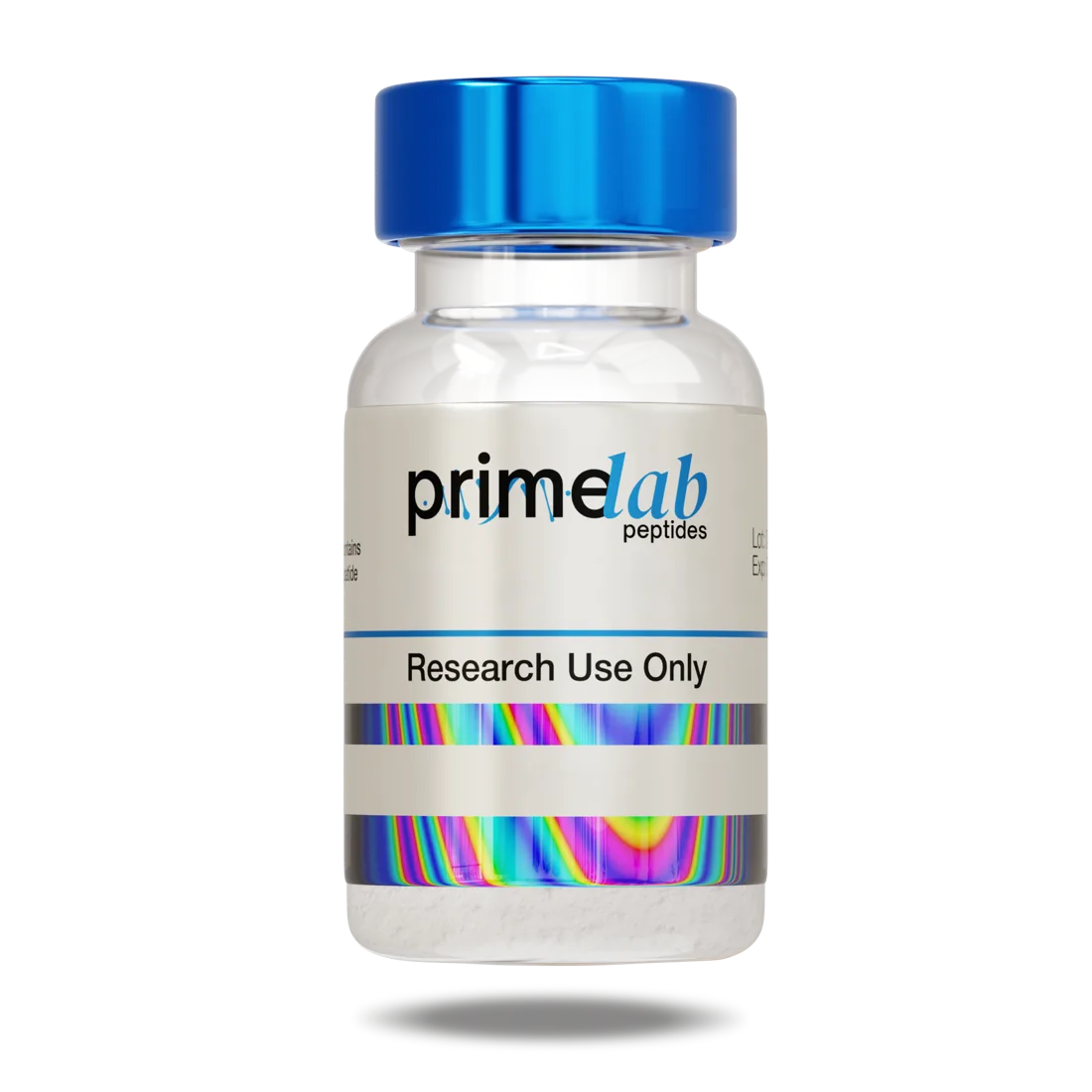
For high-purity research peptides, we point researchers to Prime Lab Peptides for CagriSema (Combo Vial).
Why Prime Lab Peptides?
- ▪Top-rated on Trustpilot: Independently reviewed as the highest-rated peptide lab on Trustpilot — making it the best current source in the USA.
- ▪Third-party tested: Every batch ships with a Certificate of Analysis (COA) confirming purity and composition.
- ▪Consistent quality: ISO-aligned manufacturing and handling keep product integrity reliable batch to batch.
- ▪Cold-chain integrity: Temperature-controlled shipping and storage across the whole fulfilment chain.
- ▪Research-grade purity: Fit for educational and research use that demands high-quality peptides.
Note: Product availability and specifications subject to change. Verify current product details on supplier website.
References
- 1
New England Journal of Medicine — REDEFINE 1Garvey WT et al. — coadministered cagrilintide and semaglutide in adults with overweight or obesity (phase 3, ~22.7% weight change at 68 weeks).
- 2
New England Journal of Medicine — REDEFINE 2Davies M et al. — cagrilintide–semaglutide in adults with overweight or obesity and type 2 diabetes (~15.7% weight change at 68 weeks).
- 3
The Lancet — Phase 1b combination trialEnebo LB et al. — safety, tolerability and pharmacokinetics of cagrilintide co-administered with semaglutide 2.4 mg for weight management.
- 4
The Lancet — Cagrilintide phase 2 dose-findingLau DCW et al. — once-weekly cagrilintide monotherapy for weight management (~10–11% at the highest dose over 26 weeks).
- 5
New England Journal of Medicine — STEP 1Wilding JPH et al. — once-weekly semaglutide 2.4 mg in adults with overweight or obesity (~15% mean weight loss).
- 6
ClinicalTrials.gov — REDEFINE 1 (NCT05567796)Registry record for the pivotal phase 3 CagriSema weight-management trial in adults without type 2 diabetes.
- 7
Pharmacological Reviews — Amylin pharmacologyHay DL et al. — amylin physiology, pharmacology and clinical potential, background for the cagrilintide arm.
- 8
ClinicalTrials.gov — REDEFINE 3 (NCT05669755)Ongoing cardiovascular-outcomes (MACE) trial of CagriSema in obesity with established cardiovascular disease.
CagriSema — frequently asked questions
How do I reconstitute a 10 mg vial of CagriSema?
Wipe the stopper with an alcohol swab, then inject your bacteriostatic water slowly down the inside wall of the vial. Let it sit and gently swirl until dissolved — never shake. Store the mixed vial in the refrigerator and draw doses with an insulin syringe. Use the calculator above to turn any dose into syringe units.
How much bacteriostatic water should I add to CagriSema?
There is no single correct amount — more water simply spreads the same 10 mg of peptide across a larger volume, which makes small doses easier to measure accurately. 1 to 3 mL per vial is typical. Enter your chosen volume in the calculator above to see the resulting concentration and syringe units.
What do the "units" on an insulin syringe mean?
On a U-100 insulin syringe, 100 units equal 1 mL, so 1 unit equals 0.01 mL. The calculator above converts your draw volume into these units automatically so you can measure without doing the math by hand.
How should I store CagriSema after mixing?
Keep the reconstituted vial refrigerated at roughly 2 to 8 degrees Celsius, away from light, and avoid freezing it. Reconstituted research peptides are generally used within a few weeks. Always follow the specific guidance supplied with your product.
How many doses does a 10 mg vial of CagriSema provide?
Divide the vial strength of 10 mg by the amount you use per injection. The calculator above reports this as "doses per vial" the moment you enter a dose.
Is CagriSema approved for human use?
No. CagriSema is sold strictly for laboratory and research purposes and is not approved by the FDA or other regulators for human use. Everything on this page is research information, not medical advice — consult a licensed healthcare professional before any use.
New protocols & dosing updates
Reconstitution charts, new peptide protocols and safety updates — straight to your inbox. No spam, unsubscribe anytime.