

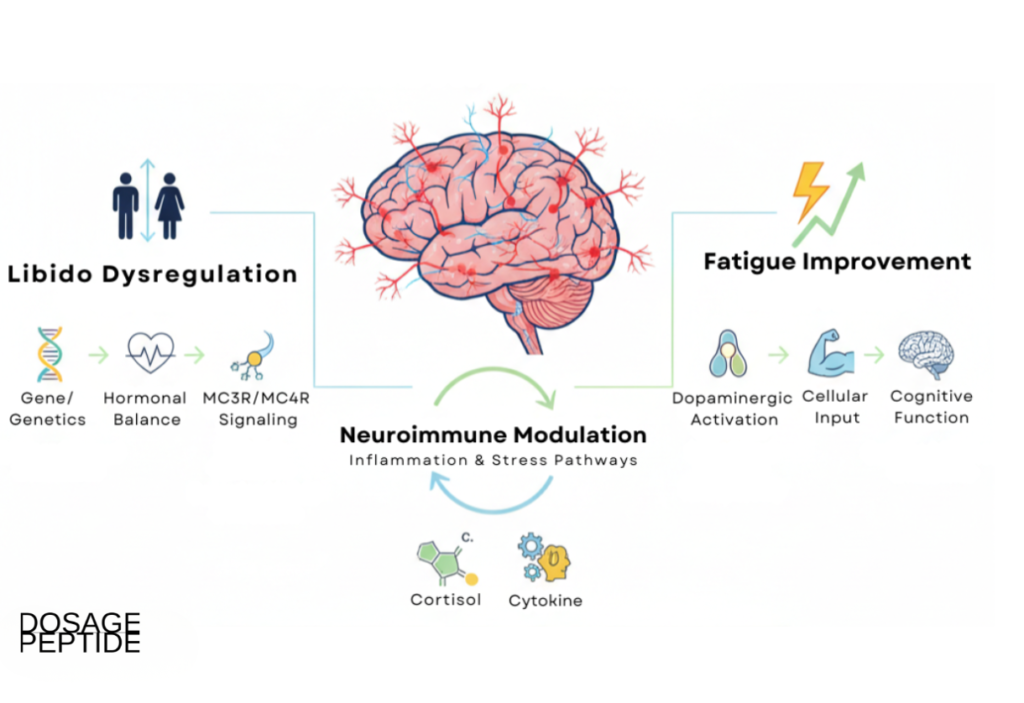
Can PT-141 Scientifically Improve Fatigue and Libido Dysregulation in Chronic Illnesses?
PT-141 may influence fatigue and libido dysregulation in chronic illnesses by targeting melanocortin receptors involved in sexual arousal and central energy signaling. Moreover, scientific studies primarily explore its mechanisms within neuroendocrine pathways rather than confirmed clinical outcomes in chronic disease groups. Therefore, ongoing research aims to determine whether the observed biological effects can be translated […]
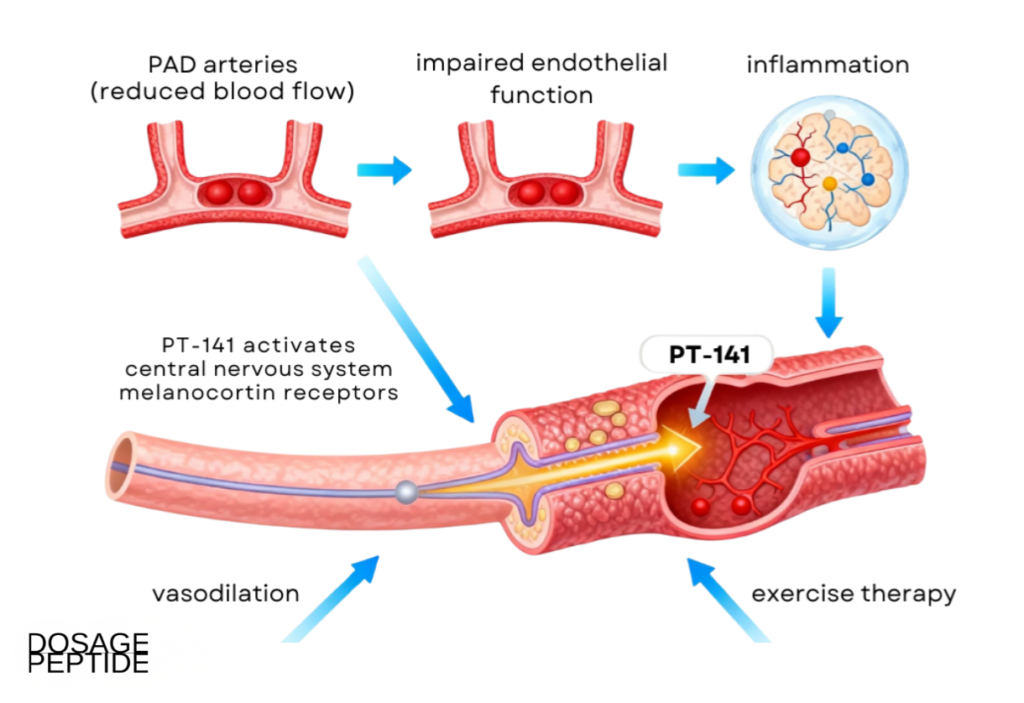
Can PT-141 Enhance Blood Flow in Peripheral Artery Disease (PAD)?
As reported in a Yale University study[1], peripheral artery disease (PAD) affects over 230 million adults worldwide, causing arterial blockages that restrict blood flow to the limbs. Interestingly, PT-141 (bremelanotide), a drug originally developed for sexual dysfunction, may enhance circulation by activating melanocortin receptors, potentially improving endothelial and neurovascular function in PAD patients. Ongoing investigations […]
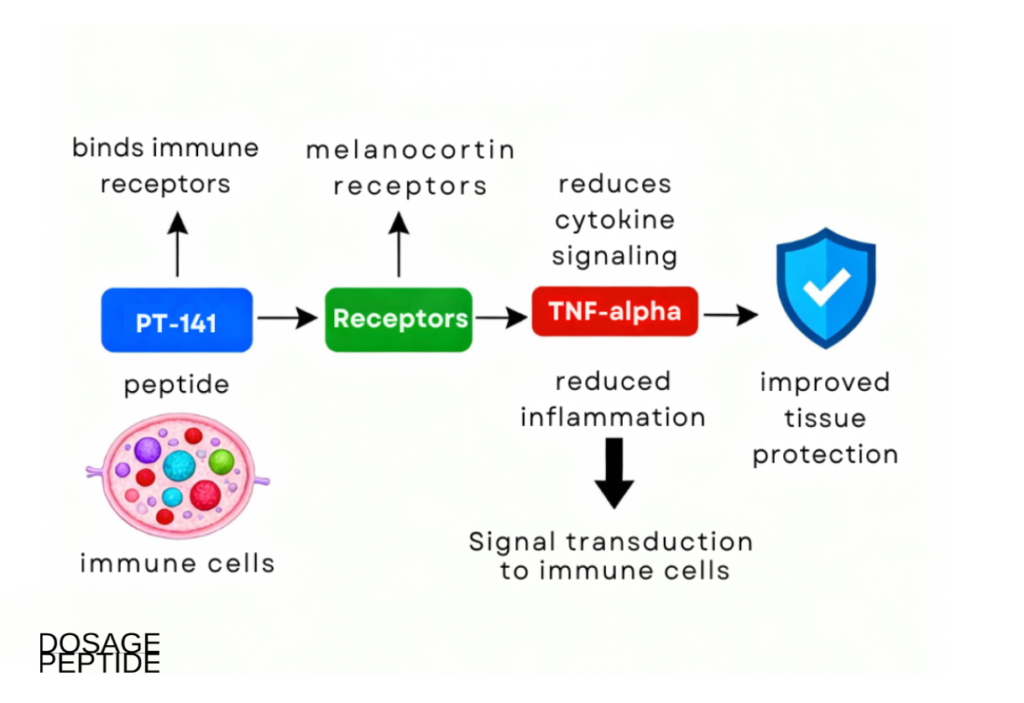
Can PT-141 Modulate Inflammatory Responses in Autoimmune Disorders?
Autoimmune disorders affect up to 8% of the global population[1], causing relentless inflammation that damages healthy tissues. Interestingly, Bremelanotide (PT-141) may help modulate this response. Developed initially for sexual dysfunction, PT-141 acts as a melanocortin receptor agonist. Moreover, studies have shown that melanocortins can regulate the activity of immune cells and cytokine release. Although no […]