

Quickstart Highlights
Survodutide (BI 456906) is a dual glucagon/GLP‑1 receptor agonist investigated for obesity and related metabolic conditions. Clinical trials used once‑weekly subcutaneous injections with dose‑dependent weight loss during a 20‑week escalation and maintenance thereafter[1]. Gastrointestinal effects (nausea/diarrhea) were the most common adverse events and can be mitigated with slower escalation strategies[3], with overall safety acceptable in studied populations[1][12].
- Reconstitute: Add 2.0 mL bacteriostatic water → ~5.00 mg/mL (~5000 mcg/mL). (2.0 mL chosen to keep higher weekly doses ≤1.0 mL per injection.)
- Typical weekly range: 600–4800 mcg once weekly with gradual titration anchored to clinical trial ranges[1][3].
- Insulin‑syringe math: At ~5.00 mg/mL, 1 unit = 0.01 mL ≈ 50 mcg on a U‑100 insulin syringe.
- Storage: Lyophilized: freeze at −20 °C (−4 °F). After reconstitution: refrigerate at 2–8 °C (35.6–46.4 °F); protect from light; avoid repeated freeze–thaw cycles.

 Important: Before viewing any protocol, please consult our Prep & Injection Guide for essential preparation and safety instructions.
Dosing & Reconstitution Guide
Educational guide for reconstitution and weekly dosing (subcutaneous, once weekly per clinical literature[1][3]).
Standard / Gradual Approach (2.0 mL = ~5.00 mg/mL)
| Week | Daily Dose (mcg) | Units (per injection) (mL) |
|---|---|---|
| Weeks 1–4 | 600 mcg | 12 units (0.12 mL) |
| Weeks 5–8 | 1200 mcg | 24 units (0.24 mL) |
| Weeks 9–12 | 1800 mcg | 36 units (0.36 mL) |
| Weeks 13–16 | 2400 mcg | 48 units (0.48 mL) |
| Weeks 17–20 (optional escalation) | 3600 mcg | 72 units (0.72 mL) |
| Weeks 21–24 (optional escalation) | 4800 mcg | 96 units (0.96 mL) |
Frequency: Inject once weekly subcutaneously. The column labeled “Daily Dose” reflects the per‑injection (weekly) dose because this regimen is weekly, not daily. Clinical trials escalated weekly doses over ~20 weeks before maintenance; slower escalations may reduce GI adverse events[1][3].
Reconstitution Steps
- Draw 2.0 mL bacteriostatic water with a sterile syringe.
- Inject slowly down the vial wall; avoid foaming.
- Gently swirl/roll until dissolved (do not shake).
- Label and refrigerate at 2–8 °C (35.6–46.4 °F), protected from light.
Supplies Needed
Plan based on an 8–16 week once‑weekly titration anchored to clinical trial dosing ranges[1].
- Peptide Vials (Survodutide, 10 mg each):
- 8 weeks (0.6→1.2 mg): total ≈ 7.2 mg → 1 vial
- 12 weeks (adds 1.8 mg phase): total ≈ 14.4 mg → 2 vials
- 16 weeks (adds 2.4 mg phase): total ≈ 24.0 mg → 3 vials
- Insulin Syringes (U‑100):
- Per week: 1 syringe (1 injection/week)
- 8 weeks: 8 syringes
- 12 weeks: 12 syringes
- 16 weeks: 16 syringes
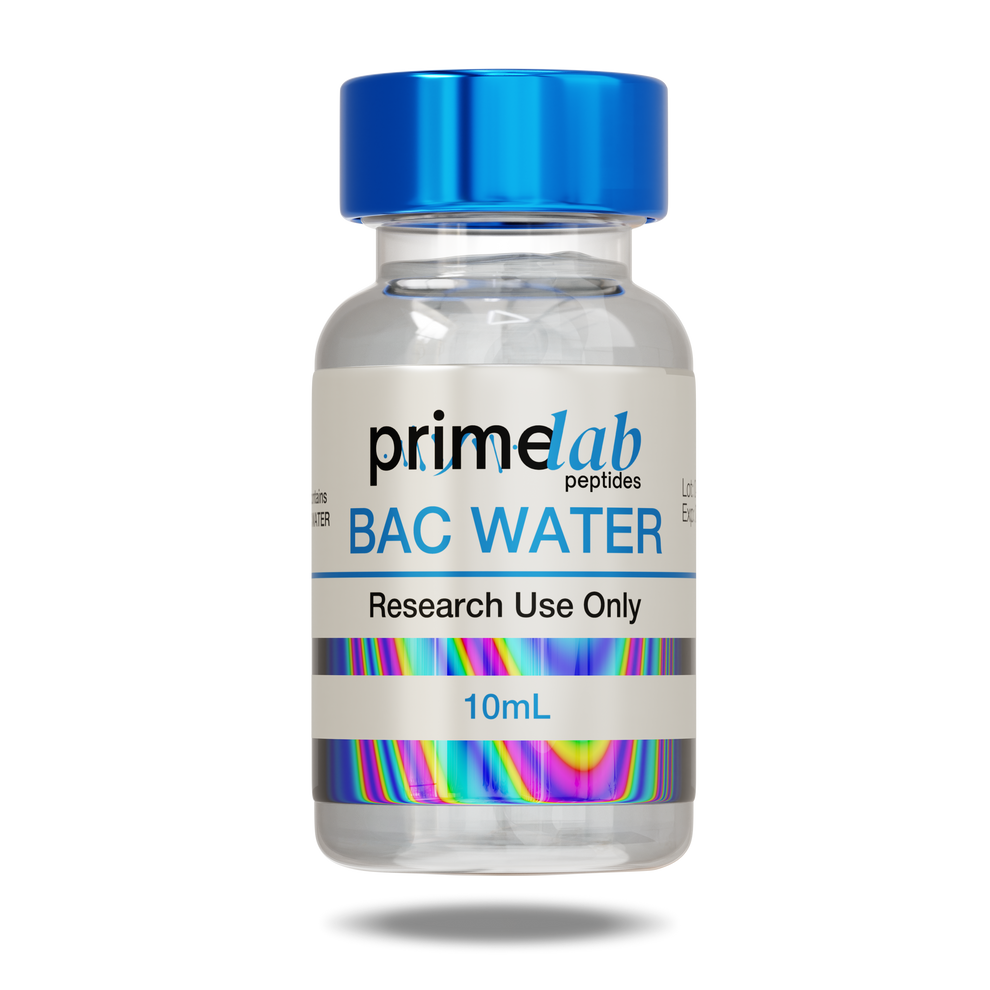
- Bacteriostatic Water (10 mL bottles): Use ~2.0 mL per vial.
- 8 weeks (1 vial): 2.0 mL → 1 × 10 mL bottle
- 12 weeks (2 vials): 4.0 mL → 1 × 10 mL bottle
- 16 weeks (3 vials): 6.0 mL → 1 × 10 mL bottle
- Alcohol Swabs: One for the vial stopper + one for the injection site per dose.
- Per week: 2 swabs
- 8 weeks: 16 swabs → recommend 1 × 100‑count box
- 12 weeks: 24 swabs → recommend 1 × 100‑count box
- 16 weeks: 32 swabs → recommend 1 × 100‑count box
" /></div>)


Protocol Overview
Concise summary of the once‑weekly regimen.
- Goal: Support clinically meaningful weight reduction and metabolic improvements over time[1][3].
- Schedule: Weekly subcutaneous injections for 8–12 weeks (optional extension to 16–24 weeks depending on tolerance and goals)[1].
- Dose Range: 600–4800 mcg weekly (0.6–4.8 mg), escalating as tolerated within trial‑tested ranges[1][3].
- Reconstitution: 2.0 mL per 10 mg vial (~5.00 mg/mL) to keep higher weekly doses ≤1.0 mL.
- Storage: Lyophilized frozen; reconstituted refrigerated; avoid freeze–thaw cycles.
Dosing Protocol
Suggested once‑weekly titration approach informed by clinical studies.
- Start: 600 mcg once weekly.
- Titrate: Increase by ~600 mcg every 4 weeks as tolerated (e.g., 0.6 → 1.2 → 1.8 → 2.4 mg; optional 3.6 → 4.8 mg) in line with dose ranges and escalation concepts used in trials[1][3].
- Frequency: Once per week (subcutaneous).
- Timing: Use a consistent weekly day/time; rotate injection sites.
- Note: Slower escalations can mitigate GI adverse events such as nausea and diarrhea[3].
Storage Instructions
Proper storage preserves peptide stability.
- Lyophilized: Store at −20 °C (−4 °F) in dry, dark conditions.
- Reconstituted: Refrigerate at 2–8 °C (35.6–46.4 °F); protect from light; avoid repeated freeze–thaw.
- Allow vials to reach room temperature before opening to reduce condensation.
Important Notes
Practical considerations for consistency and safety.
- Use new sterile U‑100 insulin syringes; dispose in a sharps container.
- Clean the vial stopper and skin with alcohol; allow to dry.
- Pinch a skinfold; insert the needle at 45–90° into subcutaneous tissue; do not aspirate; inject slowly[4][5].
- Rotate injection sites (abdomen, thighs, upper arms) to minimize local irritation/lipohypertrophy[6].
- Document dose and site each week to maintain consistency.
How This Works
Survodutide activates GLP‑1 and glucagon receptors, supporting appetite control and increased energy expenditure. Preclinical work shows dual‑receptor engagement with weight‑lowering effects and a design enabling once‑weekly dosing[11]. Phase 2 trials in obesity used once‑weekly subcutaneous dosing with dose‑dependent weight loss[1], while studies in diabetes and liver disease further characterize efficacy and safety[3][12].
Lifestyle Factors
Complementary strategies for best outcomes.
- Adopt a balanced, calorie‑appropriate diet emphasizing protein and whole foods.
- Combine resistance and aerobic training to reinforce metabolic adaptations.
- Prioritize sleep and stress management to support adherence.
Potential Benefits & Side Effects
Findings from clinical trials.
- Benefits: Dose‑dependent weight reduction in individuals with overweight/obesity; glycemic improvements in type 2 diabetes cohorts[1][3].
- Common side effects: GI symptoms (nausea, diarrhea, vomiting); typically mitigated by slower titration[3].
- Overall tolerability: Acceptable in studied populations with monitoring and appropriate escalation[1][12].
Injection Technique
- Clean the vial stopper and skin with alcohol; allow to dry.
- Pinch a skinfold; insert the needle at 45–90° into subcutaneous tissue; no aspiration[4][5].
- Inject slowly and steadily; wait a few seconds before withdrawing.
- Rotate sites (abdomen, thighs, upper arms) systematically to avoid local reactions[6].
Recommended Source
We recommend Prime Lab Peptides for Survodutide (10 mg).
Why Prime Lab Peptides?
- High‑purity lots with third‑party testing and batch COAs.
- Consistent documentation and careful handling.
- Reliable fulfillment with appropriate packaging.
Important Note
This content is intended for therapeutic educational purposes only and does not constitute medical advice, diagnosis, or treatment.
References
-
Lancet Diabetes & Endocrinology (PubMed)
— Phase 2 dose‑finding RCT in obesity: once‑weekly subcutaneous survodutide (0.6–4.8 mg), 20‑week escalation + maintenance. -
Proc (Baylor Univ Medical Center) (PubMed)
— Systematic review/meta‑analysis of survodutide RCTs: weight loss, glycemic effects, safety. -
Diabetologia (PMC)
— Dose‑response RCT in type 2 diabetes: weekly vs twice‑weekly arms; slower escalation mitigated GI AEs; body‑weight and HbA1c effects. -
CDC
— Vaccine administration: subcutaneous route (angle/site; no aspiration). -
CDC (PDF)
— Subcutaneous injection technique diagram and guidance. -
NCBI Bookshelf
— Best practices for injection preparation and administration. -
Pharmaceutics Review (PMC)
— Pharmacologic considerations of the subcutaneous route. -
Obesity Phase 3 Programs (PMC)
— Rationale & design of two randomized Phase 3 trials of survodutide in obesity (SYNCHRONIZE‑1 and ‑2). -
ClinicalTrials.gov
— NCT04667377: Once‑weekly subcutaneous survodutide in adults with overweight/obesity (no diabetes). -
ClinicalTrials.gov
— NCT04153929: Survodutide dose‑response in type 2 diabetes (weekly and twice‑weekly arms). -
Molecular Metabolism (PMC)
— Discovery & preclinical pharmacology of BI 456906 (dual GCGR/GLP‑1R agonist; once‑weekly design; energy expenditure + reduced intake). -
New England Journal of Medicine (PubMed)
— Survodutide in MASH with fibrosis: once‑weekly subcutaneous dosing; efficacy and safety outcomes. -
Prime Lab Peptides
— Survodutide (10 mg) product page (supplier). -
Diabetes, Obesity & Metabolism (PubMed)
— Phase I randomized study in Japanese men with overweight/obesity: safety and weight outcomes with survodutide.