

Quickstart Highlights
Semax 5mg dosage protocol is commonly used to support cognitive function, neuroprotection, and potential stroke recovery through subcutaneous injections.
- Typical starting dose between 0.5 mg – 1 mg per day
- Flexible injection frequency; daily or every-other-day subcutaneous use is common
- Higher “advanced” doses up to 6 mg daily observed in post-stroke protocols
- Reconstitute to a practical concentration for accurate dosing
- Store lyophilized in the freezer; reconstituted in the refrigerator

 Important: Before viewing any protocol, please consult our Prep & Injection Guide for essential preparation and safety instructions.
Dosing & Reconstitution Guide
Educational guide for reconstitution and weekly dosing
Standard / Gradual Approach (3 mL = ~1.67 mg/mL)
| Weeks | Daily Dosage (mg) | Units (per injection) |
|---|---|---|
| Weeks 1–4 | 0.5 mg once daily | ~30 units |
| Weeks 5–8 | 1 mg once daily | ~60 units |
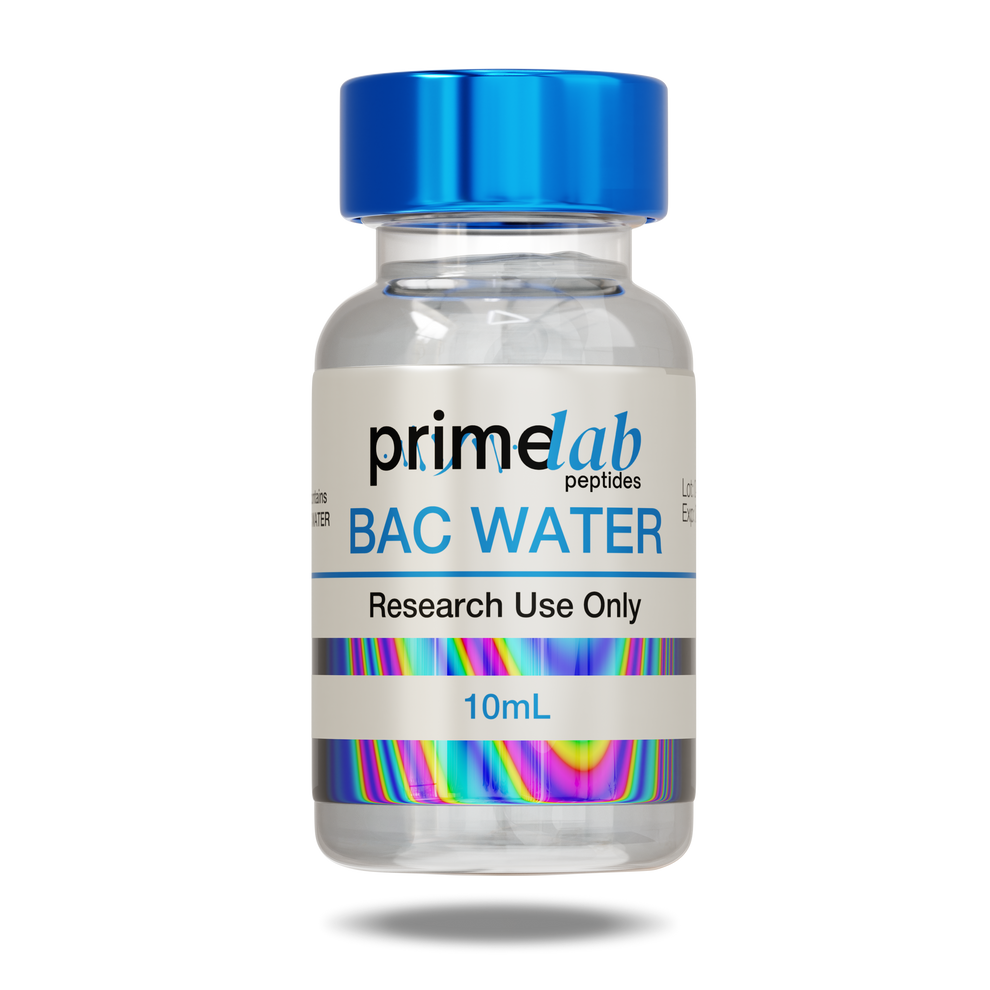
This approach is popular for general cognitive support or mild neuroprotection. Reconstitute with 3 mL of bacteriostatic water to create a solution of about 1.67 mg/mL (≈16.7 mcg per unit).
Reconstitution Steps
- Draw 3.0 mL of bacteriostatic water into a sterile syringe.
- Inject the water slowly along the vial wall to reduce foaming.
- Gently swirl—avoid vigorous shaking.
- Store the reconstituted solution at 2–8 °C (refrigerator), protected from light.
Advanced / Aggressive Approach (1 mL = 5 mg/mL)
| Days | Daily Dosage (mg) | Units (per injection) |
|---|---|---|
| Days 1–10 | 6 mg once daily | ~120 units |
This higher-dose protocol is sometimes referenced in post-stroke settings. Reconstitute with 1 mL to create a 5 mg/mL solution (≈50 mcg per unit).
Note: 6 mg requires more than one 5mg vial or multiple injections. 120 units also exceeds most 100-unit syringes; plan accordingly.
- Draw 1.0 mL of bacteriostatic water into a sterile syringe.
- Inject slowly to minimize foam or bubbles.
- Gently swirl the vial—no vigorous shaking.
- Store the reconstituted solution at 2–8 °C (refrigerator), protected from light.
Supplies Needed
Ensure you have these on hand for your chosen cycle length.
- Peptide Vials:
• 4 wks (standard @ 0.5 mg/day) ≈ 3 vials
• 8 wks (progressing to 1 mg/day) ≈ 9 vials
• Advanced (10-day course @ 6 mg/day) ≈ 12 vials
(Adjust based on total mg needed) - Insulin Syringes:
• 4 wks ≈ 28 syringes (if daily)
• 8 wks ≈ 56 syringes
• 10-day advanced course ≈ 10+ syringes (plus extras) - Bacteriostatic Water: 1× 30 mL
- Alcohol Swabs: 1 box
" /></div>)


Protocol Overview
A concise summary of daily or short-course options for Semax.
- Goal: Enhance cognitive function, neuroprotection, or aid stroke recovery
- Schedule: Daily or every-other-day subcutaneous injections; short “intensive” courses also used
- Dose Range: 0.5 mg to 6 mg daily, depending on protocol
- Reconstitution: Use 3 mL for standard or 1 mL for advanced dosing accuracy
- Storage: Keep lyophilized vials frozen; refrigerate after reconstitution
Dosing Protocol
Suggested subcutaneous injection approaches for neurocognitive or rehabilitative benefits.
- Daily Dose (Standard): 0.5–1 mg once daily
- Frequency: Daily or every-other-day, subcutaneous
- Short-Course (Stroke/Advanced): Up to 6 mg daily for 10 days
- Cycle Length: 4–8 weeks for general use; shorter, more intense cycles for stroke
- Timing: Morning injections are common; spacing out advanced doses if needed
Storage Instructions
Proper storage ensures peptide integrity.
- Lyophilized: Freeze until mixing (−20°C)
- Reconstituted: Refrigerate at 2–8°C
- Avoid repeated freeze-thaw cycles
Important Notes
Practical tips to enhance safety and efficacy.
- Always use new, sterile insulin syringes & rotate injection sites.
- Maintain consistency with daily or short-course injections, based on your protocol.
- Observe for adverse reactions; consult a professional if concerns arise.
- Track progress throughout the protocol, adjusting dosage as recommended.
How This Works
Semax is a synthetic heptapeptide derived from adrenocorticotropic hormone (ACTH), known for its neurotropic and neuroprotective properties.
- Neurological Support: May elevate brain-derived neurotrophic factor (BDNF) levels
- Cognitive Enhancement: Frequently used to improve focus and mental clarity
- Promotes neuronal plasticity and may aid in recovery from certain neurological injuries
Lifestyle Factors
Complementary strategies for maximum neurocognitive benefit.
- Adopt a balanced diet rich in antioxidants and essential nutrients
- Engage in regular mental stimulation and exercise
- Manage stress and prioritize sufficient, high-quality sleep
Potential Benefits & Side Effects
Most users report improved cognition, though individual responses vary.
- May support enhanced memory retention and learning
- Neuroprotective effects could aid in stroke recovery protocols
- Possible mild side effects include headache, restlessness, or slight blood pressure fluctuations
- Rarely, injection-site irritation or allergic reactions could occur
Injection Technique
Simple guidelines for safe daily injections.
- Clean vial rubber stopper & injection site with alcohol swabs
- Insert needle at a 45–90° angle into subcutaneous tissue
- Inject slowly & rotate sites (abdomen, thigh, etc.)
Recommended Source
We recommend Prime Lab Peptides for high-purity Semax.
Why Prime Lab Peptides?
- Verifies ≥99% purity through independent lab testing
- Trusted by researchers seeking reliable results
- Follows rigorous manufacturing standards for consistent quality
Important Note
This guide is for educational purposes only. Always consult a qualified healthcare provider before starting or modifying any therapy.
References
-
PubMed
– Study on Semax in stroke treatment -
Journal of Restorative Medicine
– Improving biological age with Semax -
PubMed
– Semax neuroprotective research article -
PMC
– Semax related data (PMC3987924) -
PubMed
– Stroke rehabilitation study (29798983) -
Tocris
– Reconstitution calculator resource -
AlzDiscovery
– Cognitive Vitality guide for Semax -
ACS Publications
– Semax article in ACS Chemical Neuroscience