

Quickstart Highlights
PT‑141 (bremelanotide) is a melanocortin receptor agonist that acts centrally—predominantly via MC4R—to influence sexual desire pathways[7][8]. The FDA‑approved subcutaneous regimen for HSDD is a single 1.75 mg injection as needed (PRN), administered at least 45 minutes before anticipated sexual activity; do not exceed one dose per 24 hours or eight doses per month[1]. The table below presents practical per‑administration measurements using a clear insulin‑syringe dilution.
- Reconstitute: Add 3.0 mL bacteriostatic water → ~3.33 mg/mL concentration.
- Per‑administration range (for titration): 500–1,750 mcg (0.5–1.75 mg), with 1.75 mg as the standard PRN dose in trials and labeling[1][2].
- Easy measuring: At 3.33 mg/mL, 1 unit = 0.01 mL ≈ 33.3 mcg on a U‑100 insulin syringe.
- Storage (general biologic handling): Lyophilized materials are commonly kept cold for long‑term stability (≤ −20 °C (≤ −4 °F))[13]; reconstituted peptide solutions are commonly held refrigerated short‑term at 2–8 °C (35.6–46.4 °F)[14]. Avoid repeated freeze–thaw.

 Important: Before viewing any protocol, please consult our Prep & Injection Guide for essential preparation and safety instructions.
Dosing & Reconstitution Guide
Route: Subcutaneous (abdomen or thigh). Frequency: PRN only — 1 dose ≥45 minutes before activity; max 1/24 h and ≤8/month[1]. Volume tolerance: SC injections of up to ~3.0 mL are generally well‑tolerated in the abdomen[5][6].
Per‑Administration Approach (3.0 mL = ~3.33 mg/mL)
| Week | Daily Dose (mcg) | Units (per injection) (mL) |
|---|---|---|
| Test Dose (first 1–2 uses) | 500 mcg (0.50 mg) | 15 units (0.15 mL) |
| Titrate if needed | 1,000 mcg (1.00 mg) | 30 units (0.30 mL) |
| Typical effective range | 1,500 mcg (1.50 mg) | 45 units (0.45 mL) |
| Standard PRN dose | 1,750 mcg (1.75 mg) | 52.5 units (0.53 mL) |
Important: Table shows per‑administration doses (not daily therapy). Do not exceed one dose within 24 hours or more than eight doses per month; reassess benefit after ~8 weeks of use per labeling[1].
Reconstitution Steps
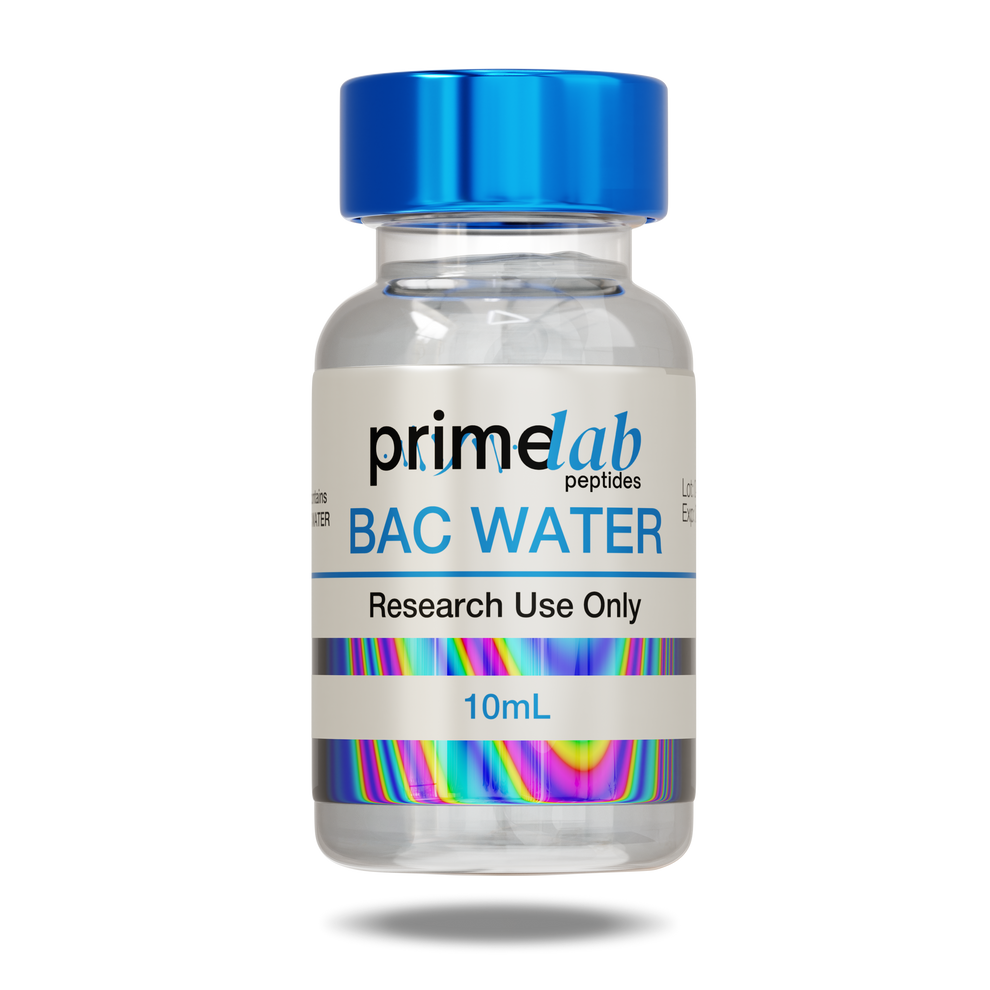
- Using sterile technique, draw 3.0 mL bacteriostatic water.
- Inject slowly down the vial wall; avoid foaming.
- Gently swirl/roll until dissolved (do not shake).
- Label and refrigerate at 2–8 °C (35.6–46.4 °F); protect from light[14].
Supplies Needed
Plan based on PRN use (≤8 doses/month) with a 1.75 mg standard dose[1]. At this dilution, each 10 mg vial provides 5 full doses (0.525 mL per dose × 5 = 2.625 mL used; a sixth would exceed 3.0 mL).
- Peptide Vials (PT‑141, 10 mg each):
- 8 weeks (~16 doses): 4 vials
- 12 weeks (~24 doses): 5 vials
- 16 weeks (~32 doses): 7 vials
Note: Counts round up to ensure full‑volume doses at 1.75 mg each.
- Insulin Syringes (U‑100):
- Per dose: 1 syringe (single‑use)
- 8 weeks: 16 syringes
- 12 weeks: 24 syringes
- 16 weeks: 32 syringes
- Bacteriostatic Water (10 mL bottles): Use ~3.0 mL per vial for reconstitution.
- 4 vials: 12 mL total → 2 × 10 mL bottles
- 5 vials: 15 mL total → 2 × 10 mL bottles
- 7 vials: 21 mL total → 3 × 10 mL bottles
- Alcohol Swabs: One for the vial stopper + one for the injection site per dose.
- 8 weeks: 32 swabs
- 12 weeks: 48 swabs
- 16 weeks: 64 swabs
" /></div>)


Protocol Overview
Concise summary of PRN subcutaneous use.
- Goal: Improve sexual desire and reduce related distress in premenopausal women with HSDD, as shown in two Phase 3 RECONNECT trials[2].
- Schedule: PRN subcutaneous dosing—1.75 mg at least 45 minutes before anticipated activity; limit 1 dose per 24 h and ≤8/month; reassess after ~8 weeks[1].
- Per‑administration Range: 0.5–1.75 mg depending on response/tolerability, with 1.75 mg as the standard labeled dose[1].
- Reconstitution: 3.0 mL per 10 mg vial (~3.33 mg/mL) for straightforward unit measurements.
- Storage: Lyophilized cold (≤ −20 °C / ≤ −4 °F) and reconstituted refrigerated at 2–8 °C (35.6–46.4 °F) per general biologic stability practices[13][14].
Dosing Protocol
Guidance for practical, safe use with clarity on limits.
- Start & Titrate: Consider a conservative trial (e.g., 0.5–1.0 mg) and titrate toward 1.75 mg PRN based on effect and tolerability[1].
- Do not exceed: 1 dose per 24 h or more than 8 doses per month (higher frequency increased focal hyperpigmentation in studies)[1].
- Timing: Inject ~45–60 minutes before anticipated activity; some individuals may adjust timing based on personal response[1].
Storage Instructions
General handling principles for peptide materials.
Important Notes
Practical considerations for consistent technique and safety.
- Use new sterile insulin syringes and dispose of sharps appropriately; follow aseptic preparation[3].
- Rotate injection sites (abdomen, thighs, upper arms) to reduce local reactions and maintain absorption[3][11].
- Insert at 45–90° into subcutaneous tissue; do not aspirate for SC injections[3][4][10].
- Common adverse effects include nausea, flushing, headache, and transient blood‑pressure increases; consider cardiovascular risk and labeled precautions[1].
How This Works
Bremelanotide activates central melanocortin receptors—especially MC4R—in hypothalamic circuits linked to sexual desire and autonomic arousal[7][8]. Two Phase 3 trials demonstrated improvements in validated desire/distress measures versus placebo with PRN 1.75 mg SC dosing[2]. Exploratory metabolic work also suggests MC4R agonism can reduce caloric intake and modestly affect weight in obese adults under intensive dosing schedules[9]. SC delivery is widely used for biologics and supports practical at‑home administration with volumes ≤~3 mL when appropriately sited[5][6].
Lifestyle Factors
Complementary strategies for best outcomes.
- Communicate timing and expectations clearly with partners to align use with anticipated activity.
- Support overall well‑being (sleep, stress, exercise) to improve adherence and perceived benefit.
Potential Benefits & Side Effects
- Improves sexual desire and reduces related distress in premenopausal women with HSDD (Phase 3 evidence)[2].
- Mechanistic and early human data indicate appetite‑suppressive effects via MC4R activation (magnitude varies by regimen)[8][9].
- Common AEs: nausea, flushing, headache, injection‑site reactions; transient increases in blood pressure and reduction in heart rate are described in labeling[1].
- Exceeding labeled frequency (e.g., daily use) increased risk of focal hyperpigmentation in studies—adhere to PRN limits[1].
Injection Technique
Evidence‑based points from public‑health and clinical sources.
Recommended Source
We recommend Prime Lab Peptides for high‑purity PT‑141 (10 mg).
Why Prime Lab Peptides?
- High‑purity lots with batch COAs and consistent handling.
- Reliable fulfillment and documentation.
Product ID: PT-141 10 mg
Important Note
This content is intended for therapeutic educational purposes only and does not constitute medical advice, diagnosis, or treatment.
References
-
FDA Prescribing Information (2019)
— Vyleesi (bremelanotide) label: PRN 1.75 mg SC, timing, monthly limit, precautions. -
Obstetrics & Gynecology (2019)
— Two Phase 3 RECONNECT trials of bremelanotide 1.75 mg SC PRN for HSDD. -
CDC — Vaccine Administration (2024)
— Subcutaneous technique overview (angle, site selection, needle guidance). -
CDC — Subcutaneous Injection Guide (2024, PDF)
— 45° insertion, no aspiration for SC injections (diagram & steps). -
Usach et al., Adv Ther (2019)
— Subcutaneous injection review: typical and upper‑range volumes; pain considerations. -
Badkar et al., AAPS/Pharmaceutics Review (2021)
— High‑dose/volume SC delivery; practical upper volumes near ~3 mL. -
Sharma et al., Front Neurosci (2019)
— MC4R pathway mechanisms and therapeutic targeting relevant to desire/arousal. -
Fansa et al., Int J Obes (2024)
— MC4R pathway in appetite/energy balance; central melanocortin signaling overview. -
Spana et al., Diabetes Obes Metab (2022)
— Phase 1: Bremelanotide reduced caloric intake and body weight under intensive dosing. -
MedlinePlus (NIH)
— Patient instructions for subcutaneous injections (angle, site rotation, hygiene). -
Hirsch, Diabetes Ther (2019)
— Injection technique factors; systematic site rotation to avoid lipohypertrophy. -
Prime Lab Peptides
— PT‑141 (10 mg) product page (supplier details). -
NIBSC (UK)
— Peptide handling: dry/lyophilized peptides best preserved cold; long‑term at about −20 °C. -
Cheng et al., AAPS Open (2024)
— Lyophilized protein drug products; reconstituted liquid stability commonly assessed at 2–8 °C.