

Quickstart Highlights
Human Menopausal Gonadotropin (HMG) is a purified gonadotropin preparation containing equal amounts of follicle-stimulating hormone (FSH) and luteinizing hormone (LH) activity[1][2]. In males, HMG is used alongside hCG to stimulate spermatogenesis in cases of hypogonadotropic hypogonadism or infertility[3][4]. This educational protocol presents a thrice-weekly subcutaneous approach for male fertility support.
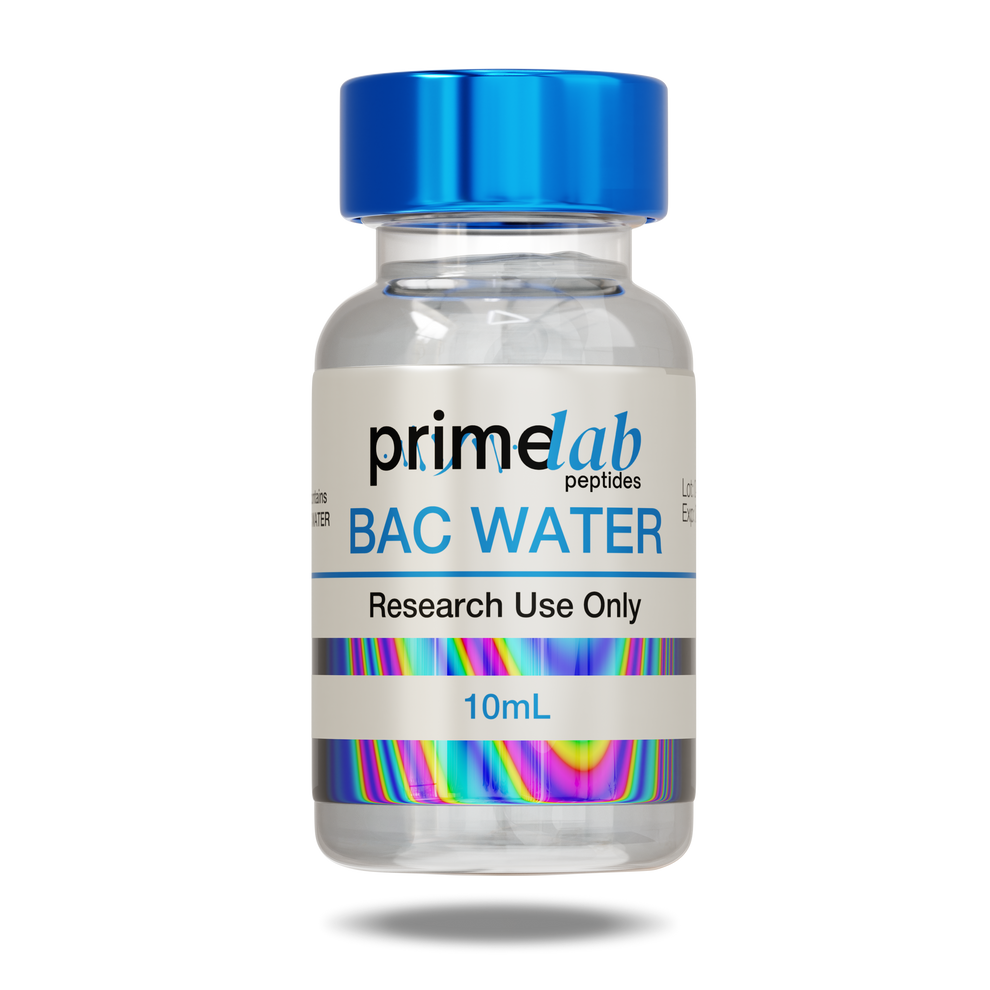
- Reconstitute: Add 3.0 mL bacteriostatic water → 25 IU/mL concentration.
- Typical protocol: 75 IU three times weekly for 12–16 weeks, usually combined with hCG therapy.
- Volume consideration: Each 75 IU dose = 3.0 mL, requiring a 3 mL syringe or multiple 1 mL injections.
- Storage: Lyophilized: refrigerate at 2–8 °C (35.6–46.4 °F); after reconstitution, use promptly or refrigerate and use within a few days.

 Important: Before viewing any protocol, please consult our Prep & Injection Guide for essential preparation and safety instructions.
Dosing & Reconstitution Guide
Educational guide for reconstitution and daily dosing
Male Fertility Protocol (3 mL = 25 IU/mL)
| Week/Phase | Dose per Injection | Volume per Injection |
|---|---|---|
| Weeks 1–12 | 75 IU (0.15 mg) | 3.0 mL (300 units) |
| Weeks 13–16 (optional extension) | 75 IU (0.15 mg) | 3.0 mL (300 units) |
Frequency: Inject three times per week subcutaneously (for example, Monday, Wednesday, and Friday)[3][4]. HMG therapy is typically combined with hCG injections to maximize testosterone production and spermatogenesis[5][6].
Important Volume Note: Each full 75 IU dose requires 3.0 mL, which exceeds standard 1 mL insulin syringe capacity. Options include:
- Use a 3 mL syringe (preferred for single injection)
- Split dose into three 1 mL injections at different sites (1 mL = 25 IU each)
- Consider smaller reconstitution volume (1 mL) per manufacturer guidance for reduced injection volume[8]
Reconstitution Steps
- Draw 3.0 mL bacteriostatic water with a sterile 3 mL syringe.
- Inject slowly down the vial wall to avoid foaming.
- Gently swirl or roll the vial until fully dissolved (do not shake).
- Label with date and time; refrigerate at 2–8 °C (35.6–46.4 °F), protected from light.
- For optimal potency, use reconstituted solution promptly or within a few days[9].
Supplies Needed
Plan based on a 12–16 week male fertility protocol with thrice-weekly administration.
- Peptide Vials (HMG, 75 IU / 0.15 mg each):
- 12 weeks ≈ 36 vials (3 per week × 12 weeks)
- 16 weeks ≈ 48 vials (3 per week × 16 weeks)
- Syringes (3 mL):
- Per week: 3 syringes (one per injection)
- 12 weeks: 36 syringes
- 16 weeks: 48 syringes
Note: If using 1 mL insulin syringes, multiply counts by 3 for split-dose administration.
- Bacteriostatic Water (30 mL bottles): Use 3.0 mL per vial for reconstitution.
- 12 weeks (36 vials): 108 mL → 4 × 30 mL bottles
- 16 weeks (48 vials): 144 mL → 5 × 30 mL bottles
- Alcohol Swabs: One for the vial stopper + one for each injection site.
- Per week: 6 swabs (2 per injection day)
- 12 weeks: 72 swabs → recommend 1 × 100-count box
- 16 weeks: 96 swabs → recommend 1 × 100-count box
" /></div>)


Protocol Overview
Concise summary of the thrice-weekly male fertility regimen.
- Goal: Stimulate spermatogenesis in males with hypogonadotropic hypogonadism or infertility[3][4].
- Schedule: Subcutaneous injections three times weekly for minimum 12 weeks (extend to 16 weeks if needed)[7].
- Dose: 75 IU (0.15 mg) per injection, typically combined with hCG therapy[5][6].
- Reconstitution: 3.0 mL per 75 IU vial (25 IU/mL) for calculation convenience.
- Storage: Lyophilized refrigerated; reconstituted solution used promptly or within days when refrigerated.
Dosing Protocol
Standard male fertility support approach.
- Dose: 75 IU three times per week (e.g., Monday, Wednesday, Friday).
- Combination Therapy: Usually administered alongside hCG (2–3 times weekly) to support testosterone and maximize spermatogenesis[5][6].
- Cycle Length: Minimum 12 weeks; may extend to 16 weeks based on response[7].
- Route: Subcutaneous injection into fatty tissue (abdomen, thigh, or upper arm)[8].
- Timing: Maintain consistent injection days; rotate sites with each injection.
Storage Instructions
Proper storage maintains HMG stability and potency.
- Lyophilized (unopened): Store at 2–8 °C (35.6–46.4 °F) away from light; stable at controlled room temperature up to 25 °C (77 °F)[9].
- Reconstituted: Refrigerate at 2–8 °C (35.6–46.4 °F); for best potency use promptly (official guidance recommends immediate use with plain diluent)[9].
- With bacteriostatic water, reconstituted solution may be refrigerated and used within a few days.
- Protect from light at all times; discard any unused solution if not used within recommended timeframe.
Important Notes
Practical considerations for safe and effective administration.
- HMG therapy typically requires concurrent hCG administration for optimal results in males[5][6].
- Use new sterile syringes for each injection; dispose in a sharps container[10].
- Rotate injection sites (abdomen, thighs, upper arms) at least 1 inch apart to prevent lipohypertrophy or irritation[11].
- The 3.0 mL injection volume may require splitting into multiple smaller injections or using larger-capacity syringes.
- Monitor semen parameters and hormone levels throughout therapy to assess response.
- Clinical response typically requires at least 12 weeks; spermatogenesis may take 3–6 months to fully develop[7].
How This Works
HMG provides both FSH and LH activity in a 1:1 ratio, derived from purified human menopausal urine[1][2]. In males with hypogonadotropic hypogonadism, FSH stimulation is essential for spermatogenesis (sperm production)[3]. When hCG alone fails to induce adequate sperm production, adding HMG provides the necessary FSH activity to support testicular function and fertility[5][6]. Clinical studies demonstrate that HMG combined with hCG significantly improves sperm parameters including motility, morphology, and concentration, with enhanced pregnancy rates in treated couples[7][12].
Potential Benefits & Side Effects
Observations from clinical fertility literature.
Potential Benefits:
- Stimulates spermatogenesis in men with hypogonadotropic hypogonadism or secondary infertility[3][4].
- Improves sperm motility, morphology, and concentration when combined with hCG therapy[7][12].
- Significantly increases pregnancy rates in couples undergoing fertility treatment[7].
- Supports normal testicular function and hormone production[5][6].
Potential Side Effects:
- Injection site reactions (redness, swelling, mild pain)[8].
- Headache, fatigue, or mood changes (uncommon).
- Gynecomastia (breast tissue development) due to hormonal stimulation.
- Overstimulation effects if dosing is excessive (rare in males with proper monitoring).
- Allergic reactions (rare); discontinue if hypersensitivity occurs.
Lifestyle Factors
Complementary strategies to support fertility outcomes.
- Maintain healthy body weight and balanced nutrition rich in antioxidants (zinc, selenium, vitamin C, vitamin E).
- Avoid excessive heat exposure to testes (hot tubs, saunas, tight clothing).
- Limit alcohol consumption and avoid tobacco and recreational drugs.
- Manage stress through adequate sleep, exercise, and relaxation techniques.
- Regular moderate exercise supports hormonal balance (avoid excessive endurance training).
- Consider coenzyme Q10, L-carnitine, or other evidence-based supplements after consultation.
Injection Technique
- Wash hands thoroughly and gather supplies on a clean surface.
- Clean the vial stopper with an alcohol swab and allow to dry.
- Draw up the prescribed dose using a sterile syringe (3 mL capacity for full 75 IU dose).
- Select an injection site with adequate subcutaneous fat (lower abdomen at least 2 inches from navel, outer thigh, or upper arm).
- Clean the injection site with a fresh alcohol swab; let dry completely.
- Pinch about an inch of skin to create a fold of subcutaneous tissue.
- Insert needle at a 90° angle (or 45° if very little subcutaneous fat) into the tissue[10][11].
- Release the pinch and slowly inject the medication over several seconds.
- Withdraw the needle smoothly and apply gentle pressure with sterile gauze (do not rub the site).
- Dispose of used syringe immediately in a sharps container[10].
- Rotate injection sites with each administration, maintaining at least 1 inch spacing from previous sites[11].
For Split-Dose Administration: If using 1 mL insulin syringes, divide the 3 mL total into three separate 1 mL injections at different sites (each containing 25 IU). Complete all three injections during the same administration session.
Recommended Source
We recommend Prime Lab Peptides for high-purity HMG (75 IU / 0.15 mg).
Why Prime Lab Peptides?
- High-purity, third-party-tested products with batch Certificates of Analysis (COAs).
- Consistent quality control and ISO-aligned handling procedures.
- Reliable cold-chain shipping to maintain peptide integrity.
- Comprehensive documentation and customer support.
Important Note
This content is intended for therapeutic educational purposes only and does not constitute medical advice, diagnosis, or treatment. HMG therapy should only be undertaken under the supervision of a qualified healthcare provider with appropriate monitoring of hormone levels and semen parameters. For research use only. Not intended for human consumption.
References
-
Metrovan Urology – hMG (Menotropin) Overview
— hMG composition: 1:1 blend of FSH and LH derived from postmenopausal urine; standard preparations provide 75 IU FSH + 75 IU LH per vial -
Menopur® (Menotropins) Product Monograph
— Human menopausal gonadotropin for subcutaneous administration; each vial contains 75 IU FSH + 75 IU LH activity -
ASRM Practice Committee 2020 – Gonadotropin Use for Ovulation Induction
— Clinical guidance on gonadotropin therapy; low-dose protocols (37.5–75 IU) with careful monitoring -
ASRM Patient Fact Sheet – Medications for Inducing Ovulation
— Typical gonadotropin protocols: 75–150 IU injected daily for approximately 7–12 days; course may extend if ovaries respond slowly -
Metrovan Urology – Hormones and Male Infertility Treatment
— In hypogonadal men, hMG added at 75–150 IU three times weekly if hCG alone insufficient for spermatogenesis -
Metrovan Urology – Combined hCG and hMG Therapy
— hCG given 2–3 times weekly stimulates testosterone; hMG provides FSH activity to stimulate sperm production when FSH deficient -
International Journal of Reproductive BioMedicine (Iran JRM, 2014)
— Randomized trial: HMG 75 IU subcutaneously three times weekly for 3 months significantly improved sperm motility and morphology; pregnancy rate 57% vs. control -
Menopur® Monograph – Administration and Reconstitution
— Subcutaneous administration for follicular stimulation; each 75 IU vial typically reconstituted in 1 mL diluent for 75 IU/mL concentration -
Menopur® Monograph – Stability and Storage
— Lyophilized menotropin stable at room temperature (15–25 °C) away from light; reconstituted solution should be used immediately to ensure potency and sterility -
MedlinePlus – Subcutaneous Injection Instructions
— Use short, thin needle for SC injections; insert at 90° angle into pinched fatty tissue (45° if limited subcutaneous fat); do not reuse needles -
MedlinePlus – Injection Site Rotation
— Maintain skin health by alternating injection sites at least one inch apart; avoid areas with irritation, scars, or bruises -
Reproductive Medicine and Biology (2018) – Gonadotropin Therapy for Male Infertility
— Review of hCG and hMG combination therapy for hypogonadotropic hypogonadism; FSH supplementation critical for spermatogenesis when hCG monotherapy inadequate -
Prime Lab Peptides
— HMG 75 IU product page with quality documentation and batch testing information