

Quickstart Highlights
Epitalon (also known as Epithalon) is a synthetic tetrapeptide (Ala-Glu-Asp-Gly) developed from the naturally occurring pineal peptide epithalamin[1]. Research indicates it may support telomerase activation, circadian rhythm regulation, and anti-aging pathways[2][3]. Clinical studies employ short intermittent cycles (10–20 days) repeated 1–2 times annually[4], though extended titration protocols are also explored for research purposes.
- Reconstitute: Add 2.0 mL bacteriostatic water → 5 mg/mL concentration (10 mg total).
- Typical daily range: 5–10 mg once daily (subcutaneous injection).
- Easy measuring: At 5 mg/mL, 1 unit = 0.01 mL = 50 mcg on a U-100 insulin syringe.
- Storage: Lyophilized: freeze at −20 °C (−4 °F); reconstituted: refrigerate at 2–8 °C (35.6–46.4 °F); avoid freeze–thaw cycles[9][10].

 Important: Before viewing any protocol, please consult our Prep & Injection Guide for essential preparation and safety instructions.
Dosing & Reconstitution Guide
Educational guide for reconstitution and daily dosing
Standard Cyclic Protocol (2 mL = 5 mg/mL)
Literature-Based Approach: Clinical studies typically use 10–20 consecutive days of daily injections at 5–10 mg/day, followed by a break of several months (6–12 months), then repeat the cycle 1–2 times per year[4][5]. This intermittent approach appears optimal for maintaining biological benefits without continuous exposure.
| Cycle Day | Daily Dose (mg) | Units (per injection) (mL) |
|---|---|---|
| Days 1–5 | 5 mg (5000 mcg) | 100 units (1.00 mL) |
| Days 6–10 | 5 mg (5000 mcg) | 100 units (1.00 mL) |
| Days 11–20 (optional extension) | 5–10 mg (5000–10000 mcg) | 100–200 units (1.00–2.00 mL)* |
*Note: Doses above 5 mg require drawing from multiple reconstituted vials or splitting into two injections. For 10 mg dosing, consider reconstituting two vials and drawing 100 units from each.
Frequency: Inject once daily subcutaneously during the active cycle. After completing 10–20 days, take a break of 6–12 months before repeating.
Extended Titration Protocol (Optional for Research)
Some research protocols explore gradual dose escalation over 16 weeks to observe tolerance and effects. This approach starts at low doses and increases incrementally:
| Week | Daily Dose (mcg) | Units (per injection) (mL) |
|---|---|---|
| Week 1 | 500 mcg | 10 units (0.10 mL) |
| Week 2 | 1000 mcg | 20 units (0.20 mL) |
| Week 3 | 1500 mcg | 30 units (0.30 mL) |
| Week 4 | 2000 mcg | 40 units (0.40 mL) |
| Week 5 | 2500 mcg | 50 units (0.50 mL) |
| Week 6 | 3000 mcg | 60 units (0.60 mL) |
| Week 7 | 3500 mcg | 70 units (0.70 mL) |
| Week 8 | 4000 mcg | 80 units (0.80 mL) |
| Week 9 | 4500 mcg | 90 units (0.90 mL) |
| Weeks 10–16 | 5000 mcg | 100 units (1.00 mL) |
For ≤10-unit (≤0.10 mL) administrations (Week 1), consider 30- or 50-unit insulin syringes for improved readability.
Reconstitution Steps
- Draw 2.0 mL bacteriostatic water with a sterile syringe.
- Inject slowly down the vial wall to avoid foaming.
- Gently swirl or roll until fully dissolved (do not shake vigorously).
- Label with reconstitution date and refrigerate at 2–8 °C (35.6–46.4 °F), protected from light.
- Use within 2–4 weeks of reconstitution for optimal potency[9].
Supplies Needed
Plan based on either a 10–20 day cyclic protocol (literature-based) or an 8–16 week extended titration protocol for research purposes.
For Standard 10–20 Day Cycle
- Peptide Vials (Epitalon, 10 mg each):
- 10-day cycle at 5 mg/day: 5 vials (50 mg total)
- 20-day cycle at 5 mg/day: 10 vials (100 mg total)
- 20-day cycle at 10 mg/day: 20 vials (200 mg total)
- Insulin Syringes (U-100):
- 10-day cycle: 10 syringes
- 20-day cycle: 20 syringes
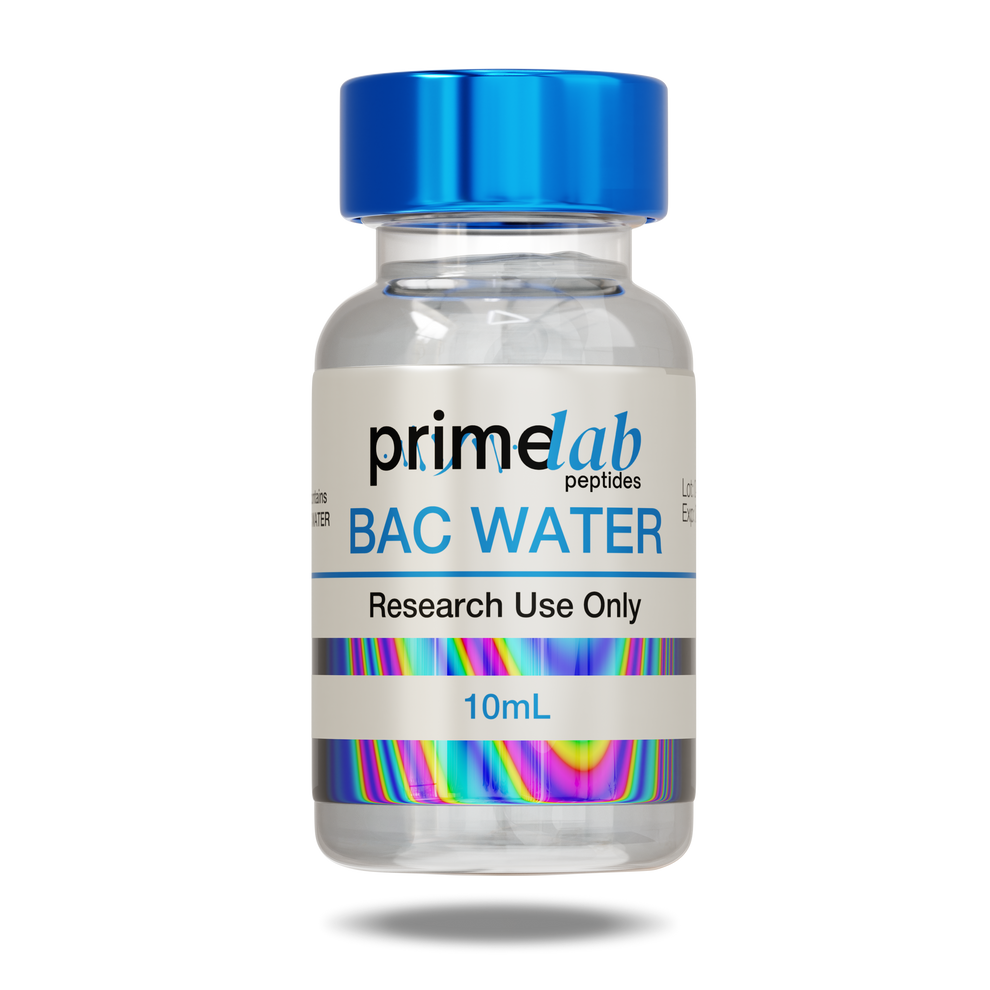
- Bacteriostatic Water (10 mL bottles): Use 2.0 mL per vial.
- 5 vials: 10 mL → 1 × 10 mL bottle
- 10 vials: 20 mL → 2 × 10 mL bottles
- 20 vials: 40 mL → 4 × 10 mL bottles
For Extended 8–16 Week Titration Protocol
- Peptide Vials (Epitalon, 10 mg each):
- 8 weeks: 13 vials (126 mg total)
- 12 weeks: 27 vials (263 mg total)
- 16 weeks: 41 vials (403 mg total)
- Insulin Syringes (U-100):
- Per week: 7 syringes (1/day)
- 8 weeks: 56 syringes
- 12 weeks: 84 syringes
- 16 weeks: 112 syringes
- Bacteriostatic Water (10 mL bottles): Use 2.0 mL per vial.
- 8 weeks (13 vials): 26 mL → 3 × 10 mL bottles
- 12 weeks (27 vials): 54 mL → 6 × 10 mL bottles
- 16 weeks (41 vials): 82 mL → 9 × 10 mL bottles
- Alcohol Swabs: Two per day (vial stopper + injection site).
- 8 weeks: 112 swabs → 2 × 100-count boxes
- 12 weeks: 168 swabs → 2 × 100-count boxes
- 16 weeks: 224 swabs → 3 × 100-count boxes
" /></div>)


Protocol Overview
Epitalon is studied for potential anti-aging and longevity effects through telomerase activation and circadian regulation.
- Goal: Support cellular health, telomere maintenance, and circadian rhythm regulation[2][3].
- Standard Schedule: 10–20 day cycles of daily subcutaneous injections, repeated 1–2 times per year with 6–12 month breaks between cycles[4][5].
- Alternative Schedule: Extended titration protocols (8–16 weeks) for gradual dose escalation research.
- Dose Range: 5–10 mg daily during active cycles or titration phases.
- Reconstitution: 2.0 mL per 10 mg vial (5 mg/mL) for practical dosing volumes.
- Storage: Lyophilized frozen at −20 °C (−4 °F); reconstituted refrigerated at 2–8 °C (35.6–46.4 °F); avoid repeated freeze–thaw cycles[9].
Dosing Protocol
Choose between cyclic or titration approaches based on research objectives.
- Cyclic Approach (Literature-Based): 5–10 mg daily for 10–20 consecutive days, then break for 6–12 months before repeating[4].
- Titration Approach (Research): Start at 500–1000 mcg daily and gradually increase by 500 mcg weekly until reaching 5 mg/day by Week 10.
- Frequency: Once daily (subcutaneous injection).
- Timing: Any consistent time of day; some research suggests evening administration may align with natural pineal peptide rhythms[1].
- Site Rotation: Rotate injection sites systematically to minimize local irritation.
Storage Instructions
Proper storage is critical for maintaining peptide stability and biological activity.
- Lyophilized (Unreconstituted): Store at −20 °C (−4 °F) or colder in dry, dark conditions; minimize moisture exposure. Can be kept refrigerated at 2–8 °C (35.6–46.4 °F) for shorter-term storage[9][10].
- Reconstituted Solution: Refrigerate at 2–8 °C (35.6–46.4 °F) immediately after mixing. Use bacteriostatic water to inhibit microbial growth. Reconstituted solution remains stable for approximately 2–4 weeks under refrigeration[9].
- Handling: Allow vials to reach room temperature before opening to prevent condensation. Avoid repeated freeze–thaw cycles of reconstituted solution[10].
- Light Protection: Store in original packaging or wrap in foil to protect from light degradation.
Important Notes
Practical considerations for safe and consistent research administration.
- Always use new sterile insulin syringes for each injection; dispose properly in a sharps container.
- Rotate injection sites systematically (abdomen, thighs, upper arms) to minimize local tissue reactions and lipohypertrophy.
- Inject slowly and steadily; pause briefly before withdrawing the needle to ensure complete delivery.
- Document daily dose, injection site, and any observations to maintain research consistency.
- The cyclic approach (short courses with long breaks) is better supported by human studies than continuous long-term use[4][5].
- Monitor reconstituted solution for any cloudiness or particulate matter; discard if contamination is suspected.
How This Works
Epitalon is a bioactive tetrapeptide (Ala-Glu-Asp-Gly) derived from epithalamin, a naturally occurring peptide complex from the pineal gland[1]. Research suggests several mechanisms of action:
- Telomerase Activation: Studies indicate Epitalon may stimulate telomerase activity, potentially supporting telomere maintenance and cellular longevity[2][6].
- Circadian Regulation: May help normalize melatonin secretion and circadian rhythms, particularly in aging populations where pineal function declines[3].
- Gene Expression: Research shows Epitalon can influence expression of genes involved in neurogenesis and cellular metabolism[7].
- Intermittent Exposure: The cyclic dosing pattern appears important – short courses may “reset” biological pathways without inducing tolerance or requiring continuous exposure[5].
Human clinical studies spanning up to 12 years have explored cyclic Epitalon administration (typically 10-day courses every 6 months) with observations of improved cardiovascular markers, circadian function, and survival outcomes in elderly populations[4][5].
Potential Benefits & Side Effects
Observations from preclinical and clinical research literature.
Potential Benefits (Research Observations)
- May support telomere maintenance and cellular longevity through telomerase activation[2][6].
- Possible improvements in circadian rhythm regulation and melatonin secretion patterns[3].
- Observations of improved cardiovascular markers in long-term clinical studies of elderly subjects[4].
- May influence gene expression related to neurogenesis and cellular metabolism[7].
- Generally well-tolerated with a favorable safety profile in human studies[4][5].
Potential Side Effects
- Injection-site reactions (mild redness, itching, or tenderness) are the most commonly reported effects.
- Clinical studies report minimal adverse effects at standard dosing ranges (5–10 mg/day for 10–20 days)[4].
- Effects of doses exceeding 10 mg/day or continuous long-term use beyond recommended cycles are not well-studied.
- Individual responses may vary; document any unusual observations during research use.
Lifestyle Factors
Complementary strategies that may support research outcomes and overall health during Epitalon protocols.
- Sleep Hygiene: Maintain consistent sleep schedules and optimize sleep environment, as Epitalon may influence circadian rhythms and melatonin production[3].
- Stress Management: Chronic stress can impact telomere length; consider stress-reduction practices alongside peptide research.
- Nutrition: Adequate protein intake and micronutrient status (especially antioxidants) may support cellular health and longevity pathways.
- Physical Activity: Regular exercise has independent benefits for telomere maintenance and healthy aging.
- Avoid Toxins: Minimize exposure to oxidative stressors (smoking, excessive alcohol, environmental toxins) that may counteract longevity-promoting effects.
Injection Technique
Preparation
- Wash hands thoroughly with soap and water.
- Clean the vial stopper with an alcohol swab and allow to dry completely.
- Draw the prescribed dose using a sterile insulin syringe; expel any air bubbles by gently tapping the syringe.
- Clean the injection site with a fresh alcohol swab and allow skin to dry (wet alcohol can sting).
Injection Process
- Pinch a fold of skin at the injection site (abdomen, thigh, or upper arm).
- Insert the needle at a 45–90° angle into the subcutaneous tissue[11]. For shorter needles (e.g., 4–6 mm insulin needles), 90° is appropriate; for longer needles, 45° may be preferred.
- Do not aspirate for subcutaneous injections[11].
- Depress the plunger slowly and steadily to inject the solution.
- Pause for 2–3 seconds after full depression to ensure complete delivery.
- Withdraw the needle at the same angle of insertion and apply gentle pressure with a clean swab if needed.
- Dispose of the used syringe immediately in a sharps container.
Site Rotation
- Rotate systematically between different areas to prevent lipohypertrophy (tissue buildup)[13].
- Common sites: abdomen (avoiding 2-inch radius around navel), outer thighs, upper outer arms.
- Keep a rotation log if administering daily for extended periods.
- Avoid areas with scars, moles, or irritated skin.
Recommended Source
We recommend Prime Lab Peptides for high-purity Epitalon (10 mg) with third-party testing and batch documentation.
Why Prime Lab Peptides?
- High-purity Epitalon with third-party Certificates of Analysis (COA) for each batch.
- Consistent, quality-controlled manufacturing with ISO-aligned handling procedures.
- Reliable cold-chain shipping to maintain peptide integrity during transport.
- Transparent batch documentation and product specifications.
- Research-grade peptides intended for laboratory and educational use only.
Important Note
This content is intended for therapeutic educational purposes only and does not constitute medical advice, diagnosis, or treatment. Epitalon is sold for research purposes only and is not approved for human consumption. Consult qualified healthcare professionals before beginning any new health protocol.
References
Alzheimer’s Drug Discovery Foundation
— Epithalamin/Epithalon: Cognitive Vitality Summary (comprehensive review of mechanisms and research)
Journal of Restorative Medicine (2024)
— Improving Biological Age, Telomere Length, and Cognition: A Case Report (clinical case demonstrating telomerase activation)