

Quickstart Highlights
Cartalax (Ala‑Glu‑Asp; “AED”) is described in the scholarly literature as an ultrashort, cartilage‑associated peptide motif that can influence fibroblast activity and extracellular‑matrix regulation in vitro.[1][2][3] Ultrashort peptides are known to utilize peptide transporters (e.g., POT/LAT families) and demonstrate cell‑penetrating and gene‑expression effects in model systems.[4][3] This educational framework presents a once‑daily subcutaneous measurement schedule using a practical dilution for clear insulin‑syringe readings (see evidence notes and technique references below).
- Reconstitute: Add 3.0 mL bacteriostatic water per 20 mg vial → ~6.67 mg/mL concentration.
- Example daily range (measurement framework): 2,000–5,000 mcg once daily (gradual titration for syringe readability; see volume tolerability notes[7][8]).
- Easy measuring: At 6.67 mg/mL, 1 unit = 0.01 mL ≈ 66.7 mcg on a U‑100 insulin syringe.
- Handling: Use aseptic technique and follow recognized subcutaneous administration guidance (angle, site, no aspiration).[5][6][9][10]

 Important: Before viewing any protocol, please consult our Prep & Injection Guide for essential preparation and safety instructions.
Dosing & Reconstitution Guide
Educational guide for reconstitution and daily dosing
Standard / Gradual Approach (3.0 mL = ~6.67 mg/mL)
Route & Frequency: Subcutaneous, once daily (SC technique per CDC/WHO/NCBI resources). Designed to keep per‑injection volume ≤~0.75 mL, within typical SC comfort/tolerability parameters noted in pharmacologic reviews.[5][7][8]
| Week | Daily Dose (mcg) | Units (per injection) (mL) |
|---|---|---|
| Weeks 1–2 | 2,000 mcg (2.00 mg) | 30 units (0.30 mL) |
| Weeks 3–4 | 3,000 mcg (3.00 mg) | 45 units (0.45 mL) |
| Weeks 5–6 | 4,000 mcg (4.00 mg) | 60 units (0.60 mL) |
| Weeks 7–12 | 5,000 mcg (5.00 mg) | 75 units (0.75 mL) |
Reconstitution Steps
- Using aseptic technique, draw 3.0 mL bacteriostatic water with a sterile syringe.
- Insert the needle through the stopper and let the diluent run slowly down the vial wall; avoid foaming.
- Gently swirl/roll until fully dissolved (do not shake). Maintain sterility per best‑practice guidance.[6][10]
- Label the vial and handle with standard precautions; avoid repeated freeze–thaw and protect from light exposure when practical.[10]
Supplies Needed
Planning assumptions use the once‑daily schedule above.
- Peptide Vials (Cartalax, 20 mg each):
- 8 weeks ≈ 10 vials
- 12 weeks ≈ 17 vials
- 16 weeks ≈ 24 vials
- Insulin Syringes (U‑100):
- Per week: 7 syringes (1/day)
- 8 weeks: 56 syringes
- 12 weeks: 84 syringes
- 16 weeks: 112 syringes
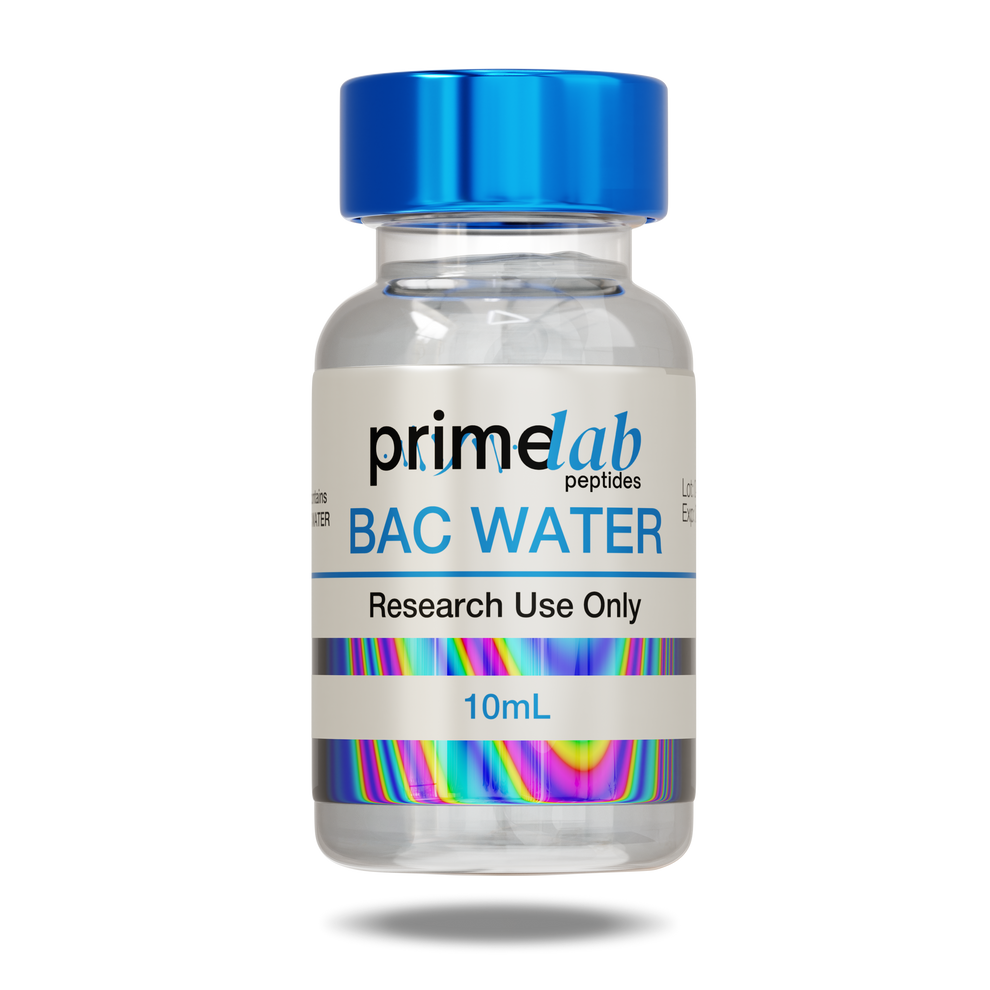
- Bacteriostatic Water (10 mL bottles): Use ~3.0 mL per vial for reconstitution.
- 8 weeks (10 vials): 30 mL → 3 × 10 mL bottles
- 12 weeks (17 vials): 51 mL → 6 × 10 mL bottles
- 16 weeks (24 vials): 72 mL → 8 × 10 mL bottles
- Alcohol Swabs: One for the vial stopper + one for the injection site each day.
- Per week: 14 swabs (2/day)
- 8 weeks: 112 swabs
- 12 weeks: 168 swabs
- 16 weeks: 224 swabs
" /></div>)


Protocol Overview
Concise summary of the once‑daily SC measurement framework.
Concise summary of the once‑daily regimen.
- Goal: Provide clear syringe math while reflecting literature that AED/Cartalax‑related motifs can modulate fibroblast activity and matrix‑related signaling in models.[1][2][3]
- Schedule: Daily subcutaneous measurements for 8–12 weeks (optional extension to 16 weeks) with gradual titration.
- Dose Range (framework): 2–5 mg daily with stepwise increases to maintain comfortable SC volumes.[7][8]
- Reconstitution: 3.0 mL per 20 mg vial (~6.67 mg/mL) for straightforward unit conversions.
Dosing Protocol
Suggested stepwise increases for syringe readability; follow recognized SC administration technique.
- Start: 2.0–3.0 mg daily; increase by ~0.5–1.0 mg every 1–2 weeks as needed for unit clarity.
- Target: 4.0–5.0 mg daily by Weeks 5–12 (≤0.75 mL per SC site at this dilution).
- Frequency: Once per day (subcutaneous).
- Timing: Use a consistent daily time; rotate sites.
- Evidence note: Route/volume guidance references focus on safe SC technique and tolerability; specific Cartalax RCT posology is limited in the published record.[5][7][8]
Handling & Storage Notes
- Maintain sterility; use new needles/syringes and properly disinfect stoppers and skin.[6][10]
- Protect from light where practical and minimize repeated temperature cycling; avoid repeated freeze–thaw of solutions.[10]
- Follow institutional and local guidance for storage, labeling, and beyond‑use practices where applicable.
Important Notes
How This Works
Peer‑reviewed studies and reviews report that ultrashort peptides—including AED—can modulate the expression of genes and proteins linked to matrix turnover and cellular stress responses in fibroblast and cartilage‑related contexts, supporting ECM maintenance hypotheses.[1][2][3] Transporter‑mediated uptake (e.g., proton‑coupled oligopeptide transporters) has been described for ultrashort peptides, offering a mechanistic basis for cellular access.[4]
Potential Benefits & Side Effects
- In vitro reports associate AED‑related activity with increased collagen I expression and activation of SIRT‑family pathways in fibroblasts (model systems).[2][3]
- Cartilage‑focused peptide reviews outline multiple short‑peptide motifs under study for chondrogenesis and osteochondral repair strategies (context for research rationale).[1][11]
- General SC administration may cause transient local effects (redness, itch, tenderness); technique and volume management can reduce discomfort.[5][7]
Lifestyle Factors
Complementary strategies for research protocols.
- Maintain consistent timing of daily injections to establish stable plasma levels.
- Document any observable effects or changes systematically throughout the research period.
- Ensure proper cold‑chain maintenance for all peptide storage to preserve potency.
- Consider splitting into sterile aliquots if extended use periods require multiple vial openings.
Injection Technique
- Clean the vial stopper and skin with alcohol; allow to dry (asepsis and safe handling best practices).[6][10]
- Pinch a skinfold; insert at ~45° into subcutaneous tissue; no aspiration is required for SC injections.[5][9]
- Prefer ≤~1 mL per SC site when feasible; avoid large single‑site volumes to minimize pain/leakage (pharmacologic and clinical technique reviews).[7][8]
- Rotate sites (abdomen, thighs, upper arms) to reduce local irritation.[5][6]
Recommended Source
We recommend Prime Lab Peptides for high‑purity Cartalax (20 mg).
Why Prime Lab Peptides?
- High‑purity, third‑party‑tested lots with batch documentation.
- Consistent, ISO‑aligned handling and documentation.
- Reliable fulfillment with careful packaging.
Important Note
This content is intended for therapeutic educational purposes only and does not constitute medical advice, diagnosis, or treatment.
References
International Journal of Molecular Sciences (PMC)
— Peptide regulation of chondrogenic stem cell differentiation; includes AED (Ala‑Glu‑Asp) among cartilage‑related motifs.