

Quickstart Highlights
Cagrilintide 5mg dosage protocol is investigated primarily for weight management and metabolic control via once-weekly subcutaneous injections.
- Escalating doses from 0.25 mg to 2.4 mg or higher, once weekly
- Gradual vs. rapid (advanced) titration options to manage tolerance
- Reconstitute to achieve practical injection volumes (≥10 units)
- Store lyophilized in the freezer; reconstituted in the refrigerator

 Important: Before viewing any protocol, please consult our Prep & Injection Guide for essential preparation and safety instructions.
Dosing & Reconstitution Guide
Educational guide for reconstitution and daily dosing
Standard / Gradual Approach (2 mL = 2.5 mg/mL)
| Week(s) | Weekly Dose (mg) | Approx. Units |
|---|---|---|
| Weeks 1–2 | 0.25 mg | 10 units |
| Weeks 3–4 | 0.5 mg | 20 units |
| Weeks 5–8 | 1.0 mg | 40 units |
| Weeks 9–12 | 1.7 mg | 68 units |
| Weeks 13–16 | 2.4 mg | 96 units |
Ideal for individuals titrating slowly up to ~2.4 mg per week. Reconstitute with 2 mL of bacteriostatic water to create a 2.5 mg/mL solution.
Reconstitution steps:
- Draw 2.0 mL of bacteriostatic water into a sterile syringe.
- Inject the water slowly along the vial wall to reduce foam.
- Gently swirl—avoid vigorous shaking.
- Store the reconstituted solution at 2–8 °C (refrigerator), protected from light.
Advanced / Aggressive Approach (1 mL = 5 mg/mL)
| Week(s) | Weekly Dose (mg) | Approx. Units |
|---|---|---|
| Weeks 1–4 | 0.6 mg | 12 units |
| Weeks 5–8 | 1.2 mg | 24 units |
| Weeks 9–12 | 2.4 mg | 48 units |
| Weeks 13–16 (Optional) | 4.5 mg | 90 units |
Recommended for higher weekly doses (2.4–4.5 mg). Reconstitute with 1 mL to create a 5 mg/mL solution. Larger single doses (e.g., 4.5 mg) approach the entire vial in one injection.
- Draw 1.0 mL of bacteriostatic water into a sterile syringe.
- Slowly inject the water to minimize foam.
- Gently roll/swirl the vial—no vigorous shaking.
- Store the reconstituted solution at 2–8 °C (refrigerator), protected from light.
Supplies Needed
Ensure you have these on hand for an 8–16 week cycle.
- Peptide Vials:
• 8 wks ≈ 1 vial
• 12 wks ≈ 2 vials
• 16 wks ≈ 3 vials
(More if planning higher doses) - Insulin Syringes:
• 8 wks ≈ 8
• 12 wks ≈ 12
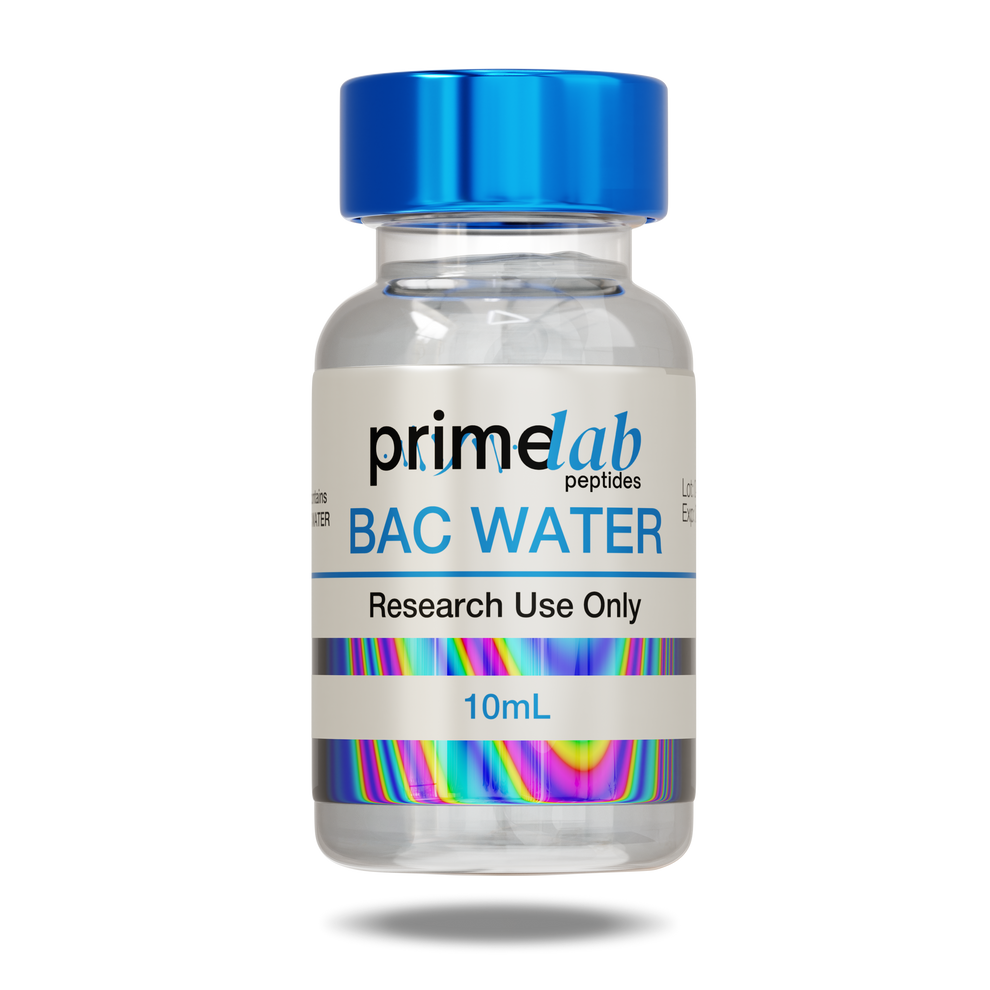
• 16 wks ≈ 16 - Bacteriostatic Water: 1× 30ml
- Alcohol Swabs: 1 box
" /></div>)


Protocol Overview
A concise summary of this once-weekly regimen.
- Goal: Support weight management and metabolic control
- Schedule: Weekly subcutaneous injections for 8–16 weeks or longer
- Dose Range: From 0.25 mg up to 4.5 mg weekly in advanced cases
- Reconstitution: Either 1 mL or 2 mL, depending on desired dosing increments
- Storage: Keep lyophilized vials frozen; refrigerate after reconstitution
Dosing Protocol
Suggested once-weekly injection approach, with either a gradual or more aggressive escalation.
- Weekly Dose: Start at 0.25 mg–0.6 mg; increase in phases
- Frequency: Inject once per week subcutaneously
- Cycle Length: 8–16 weeks, extend as needed for ongoing management
- Maximum Dose: Up to ~4.5 mg weekly in advanced protocols
- Timing: Any time of day; consistency is key
Storage Instructions
Proper storage ensures peptide integrity.
- Lyophilized: Freeze until mixing (−20°C)
- Reconstituted: Refrigerate at 2–8°C
- Use within 30 days of reconstitution
- Avoid repeated freeze-thaw cycles
Important Notes
Practical tips to enhance safety and efficacy.
- Always use new, sterile insulin syringes & rotate injection sites.
- Consistency with weekly injections is key to stable outcomes.
- Observe for adverse reactions; consult a professional if concerns arise.
- Track progress throughout the protocol, adjusting dose as recommended.
How This Works
Cagrilintide is a long-acting amylin analogue that helps regulate appetite and metabolism.
- Hormone Pathways: Activates amylin and calcitonin receptors for satiety
- Metabolic Support: May complement insulin activity and stabilize blood glucose
- Delays gastric emptying, promoting prolonged fullness
Potential Benefits & Side Effects
Most users observe appetite regulation and some weight improvement, though results vary.
- Promotes feeling of satiety and helps reduce caloric intake
- Supports healthier metabolic function
- Possible mild side effects include nausea, GI upset, or dizziness
- Rare injection-site irritation or headaches
Lifestyle Factors
Complementary strategies for maximum benefit.
- Adopt a balanced, protein-rich diet to support overall metabolic health
- Incorporate regular physical activity and proper recovery
- Manage stress levels and aim for sufficient sleep
Injection Technique
Simple guidelines for safe daily injections.
- Clean vial rubber stopper & injection site with alcohol swabs
- Insert needle at a 45–90° angle into subcutaneous tissue
- Inject slowly & rotate sites (abdomen, thigh, etc.)
Recommended Source
We recommend Prime Lab Peptides for high-purity BPC-157 + TB-500 blend.
Why Prime Lab Peptides?
- Verifies ≥99% purity through independent lab testing
- Trusted by researchers seeking reliable results
- Follows rigorous manufacturing standards for consistent quality
Important Note
This guide is for educational purposes only. Always consult a qualified healthcare provider before starting or modifying any therapy.
References
References
-
The Lancet (2021)
— Once‑weekly cagrilintide for weight management: phase 2 dose‑finding trial (Lau et al.) -
Int J Mol Sci (2024)
— Amylin, another important neuroendocrine hormone for treatment of diabesity -
PMC (2022)
— Mediators of amylin action in metabolic control -
The Lancet (2021)
— Cagrilintide phase 2 trial: 10.8% weight loss at 4.5 mg dose over 26 weeks -
N Engl J Med (2025)
— REDEFINE 1: Coadministered cagrilintide and semaglutide in adults with overweight or obesity -
The Lancet (2021)
— Cagrilintide + semaglutide phase 1b trial: safety, tolerability, pharmacokinetics (Enebo et al.) -
J Med Chem (2021)
— Development of cagrilintide: a long‑acting amylin analogue -
Brain Res Rev (2005)
— Pancreatic amylin as a centrally acting satiating hormone -
PMC (2006)
— Pancreatic signals controlling food intake: insulin, glucagon, and amylin -
PMC (2016)
— Amylin‑mediated control of glycemia, energy balance, and cognition -
PMC (2024)
— Clinical pharmacokinetics of semaglutide: systematic review (includes cagrilintide PK data) -
N Engl J Med (2025)
— REDEFINE 2: Cagrilintide–semaglutide in adults with overweight/obesity and type 2 diabetes -
CDC
— Vaccine administration: subcutaneous injection technique and site guidance -
CDC (PDF)
— You Call the Shots: subcutaneous injection diagram and best practices -
PMC (2019)
— Subcutaneous drug delivery: pharmacologic considerations and techniques -
American College of Cardiology (2025)
— REDEFINE 1 and REDEFINE 2 journal scan summary -
The Lancet (2023)
— Efficacy and safety of CagriSema in type 2 diabetes: phase 2 trial (Frias et al.) -
PMC (2024)
— Efficacy and safety of cagrilintide and CagriSema: systematic review and meta‑analysis -
Prime Lab Peptides
— Cagrilintide (5 mg) product page (quality and batch documentation)