

Quickstart Highlights
Ara-290 (also known as cibinetide) is a non-erythropoietic peptide derived from erythropoietin that engages the Innate Repair Receptor (IRR). Clinical studies commonly use once‑daily subcutaneous injections.
- Documented daily dose in human trials: 4 mg (subcutaneous)
- Dose-ranging studies have evaluated 1 mg, 4 mg, and 8 mg daily for 28 days
- Some ophthalmic trials used 4 mg daily for up to 12 weeks
- Reconstitute to a practical concentration for clear insulin‑syringe measurements
- Store lyophilized at freezer temperatures; refrigerate after reconstitution

 Important: Before viewing any protocol, please consult our Prep & Injection Guide for essential preparation and safety instructions.
Dosing & Reconstitution Guide
Educational guide for reconstitution and daily dosing
Standard / Gradual Approach (2 mL = 8 mg/mL)
| Week | Daily Dosage | Units (per injection) with mL |
|---|---|---|
| Weeks 1–4 | 4 mg once daily (SC) | 50 units (0.50 mL) |
| Weeks 5–12 (Optional extension) | 4 mg once daily (SC) | 50 units (0.50 mL) |
Reconstitution: Add 2.0 mL bacteriostatic water to the 16 mg vial to yield an 8 mg/mL solution. This keeps per‑injection volume practical (≥10 units) and aligns with commonly reported 4 mg daily dosing.
Reconstitution steps:
- Draw 2.0 mL bacteriostatic water using aseptic technique.
- Inject slowly down the vial wall; allow powder to dissolve.
- Gently swirl—avoid vigorous shaking.
- Refrigerate at 2–8 °C after mixing; protect from light.
Frequency clarification: The table above reflects 1× daily subcutaneous injections.
Advanced / Aggressive Approach (2 mL = 8 mg/mL)
| Week | Daily Dosage | Units (per injection) with mL |
|---|---|---|
| Weeks 1–4 | 8 mg once daily (SC) | 100 units (1.00 mL) |
This higher-dose daily regimen reflects the upper arm studied in a randomized dose‑ranging trial (1 mg, 4 mg, 8 mg for 28 days). Using 2.0 mL reconstitution keeps the 8 mg dose at 1.0 mL per injection (100 units), which fits a standard 1 mL insulin syringe.
- Draw 2.0 mL bacteriostatic water and reconstitute as above.
- Confirm final concentration (8 mg/mL) before dosing calculations.
- If using syringes <1 mL, split the dose into two injections.
Frequency clarification: The table above reflects 1× daily subcutaneous injections.
Supplies Needed
Estimate vials and supplies based on your selected approach.
- Peptide Vials (16 mg each):
• Standard (4 mg/day) — 4 wks ≈ 7 vials (4×28=112 mg); 8 wks ≈ 14 vials; 12 wks ≈ 21 vials
• Advanced (8 mg/day) — 4 wks ≈ 14 vials (8×28=224 mg) - Insulin Syringes: ~1 per injection (e.g., 4 wks daily ≈ 28 syringes)
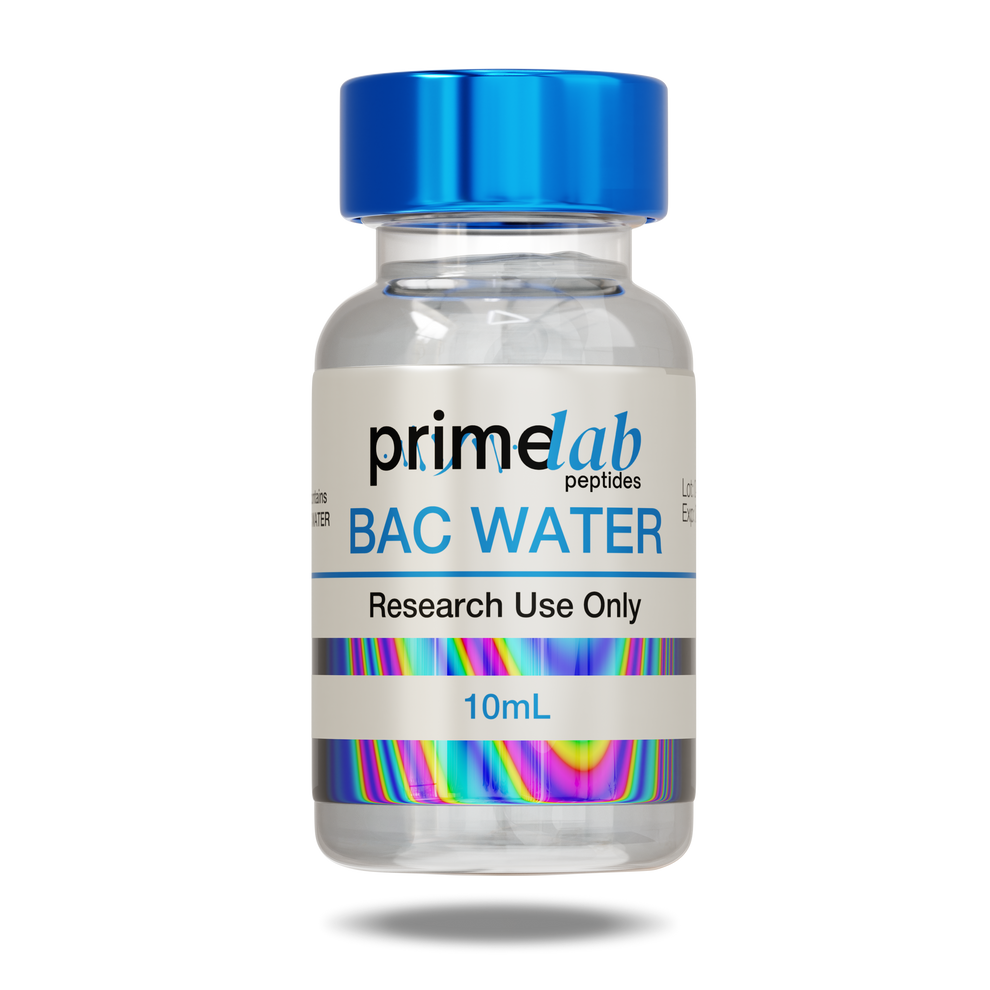
- Bacteriostatic Water: 1× 30 mL (reconstitute each vial with 2.0 mL)
- Alcohol Swabs: 1 box
" /></div>)


Protocol Overview
Evidence-based daily subcutaneous regimens documented across multiple human trials.
- Goal: Support small‑fiber nerve integrity and modulate inflammatory signaling
- Schedule: Once‑daily subcutaneous injections
- Dose Range: 4 mg/day is most commonly reported; dose‑ranging studies include 1 mg and 8 mg/day
- Duration: 4 weeks in neuropathy trials; up to 12 weeks in ophthalmic studies
- Reconstitution: 2.0 mL per 16 mg vial → 8 mg/mL for straightforward unit calculations
- Storage: Lyophilized at freezer temperatures; refrigerate reconstituted solution
Dosing Protocol
Use a consistent daily schedule and track response and tolerability.
- Standard Daily Dose: 4 mg subcutaneous, 1× per day
- High‑Dose Option: 8 mg subcutaneous, 1× per day for 28 days (dose‑ranging arm)
- Timing: Choose a time of day you can maintain consistently
- Measurement: At 8 mg/mL, 4 mg = 0.50 mL (50 units); 8 mg = 1.00 mL (100 units)
Storage Instructions
Proper storage supports peptide integrity.
- Lyophilized: Store frozen (around −20 °C) and protect from light.
- Reconstituted: Keep at 2–8 °C; avoid repeated freeze–thaw cycles; consider aliquoting.
- Handling: Use sterile technique; discard if solution becomes cloudy or discolored.
Important Notes
Practical considerations to support accurate, consistent administration.
- Use new, sterile insulin syringes for each injection and rotate sites (abdomen, thigh, upper arm).
- Confirm concentration and units before each draw; log doses and any symptoms.
- If your syringe volume is less than the required dose (e.g., 1.0 mL for 8 mg), split into two injections.
- This guide is educational and not a substitute for individualized clinical guidance.
How This Works
Ara-290 is an 11‑amino‑acid, non‑erythropoietic peptide derived from erythropoietin’s helix‑B region. It binds the Innate Repair Receptor (a heteromer of EPO‑R and CD131), triggering cytoprotective and anti‑inflammatory pathways without stimulating red blood cell production. Human trials have reported improvements in small‑fiber neuropathy symptom scales and objective measures of small‑fiber integrity, with dose‑ranging studies exploring 1–8 mg daily. Some studies also explored metabolic and ophthalmic endpoints.
- IRR activation: Shifts tissue milieu from pro‑inflammatory to pro‑repair signaling.
- Small‑fiber support: Associated with increases in corneal nerve fiber metrics and symptom improvements.
- Non‑hematopoietic: Designed to avoid erythropoiesis seen with full‑length EPO.
Potential Benefits & Side Effects
Reported findings from clinical and preclinical research.
- Improvements in neuropathic symptom scores and functional measures in small‑fiber neuropathy cohorts
- Objective increases in small‑fiber metrics (e.g., corneal nerve fiber parameters) in some studies
- Generally well‑tolerated in trials; common events were mild and transient
- Possible mild effects: local injection‑site irritation, headache, transient fatigue
Lifestyle Factors
Complementary strategies often emphasized in neuropathy research and general wellness literature.
- Emphasize nutrient‑dense eating patterns and adequate hydration.
- Incorporate regular low‑impact physical activity and prioritize sleep.
- Manage stress through structured routines and recovery practices.
Injection Technique
General subcutaneous technique guidance.
- Clean the vial stopper and skin with alcohol swabs; allow to dry.
- Pinch subcutaneous tissue and insert the needle at 45–90°.
- Inject slowly; withdraw the needle and apply gentle pressure.
- Dispose of sharps in a designated sharps container.
Recommended Source
We recommend Prime Lab Peptides for high‑quality Ara-290 (16mg).
Why Prime Lab Peptides?
- Independent laboratory testing and rigorous quality controls
- Lot‑level documentation upon request
- Consistent manufacturing practices to support reliable results
Important Note
This guide is for educational purposes only. It is intended for therapeutic educational purposes and is not medical advice.
References
Molecular Medicine
— ARA‑290 improves metabolic control and neuropathic symptoms in type 2 diabetes (clinical trial; daily SC dosing described)
Molecular Medicine
Investigative Ophthalmology & Visual Science
Molecular Medicine
Molecular Medicine
PAIN Reports
Peptides (Elsevier)
PLOS ONE
Frontiers in Pharmacology
References
-
IUPHAR/BPS Guide to Pharmacology
— Cibinetide (ARA-290) ligand profile: structure, receptor binding, and pharmacology -
Molecular Medicine (2008)
— Brines & Cerami: Discovery and development of the innate repair receptor and its non-erythropoietic ligands -
Molecular Medicine (2014)
— Brines M. et al.: ARA 290 improves metabolic control and neuropathic symptoms in patients with type 2 diabetes -
Molecular Medicine (2013)
— Dahan A. et al.: ARA 290 improves symptoms in sarcoidosis-associated small nerve fiber loss and increases corneal nerve fiber density -
ClinicalTrials.gov (NCT02039687)
— Phase 2 study of ARA 290 on corneal nerve fiber density in sarcoidosis (1 mg vs 4 mg vs 8 mg daily SC for 28 days) -
NCBI Bookshelf
— Stability and storage considerations for lyophilized peptide formulations -
USP General Chapters
— Pharmaceutical compounding with bacteriostatic water: stability and beyond-use dating -
Cleveland Clinic
— Subcutaneous injections: where and how to administer at home -
Pain Reports (2017)
— Davis T. et al.: Targeting the innate repair receptor to treat neuropathy (review of ARA-290 mechanisms) -
Investigative Ophthalmology & Visual Science (2016)
— Cibinetide improves corneal nerve fiber abundance in patients with sarcoidosis-associated small fiber neuropathy -
Peptides Journal (2016)
— Zhang W. et al.: ARA 290 relieves pathophysiological pain by targeting TRPV1 channel -
Johns Hopkins Arthritis Center
— How to give a subcutaneous injection: patient guide -
CDC
— Vaccine administration: subcutaneous route (angle, site, and technique guidance) -
PMC Subcutaneous Drug Delivery Review
— Pharmacologic considerations of the subcutaneous injection route -
Prime Lab Peptides
— Ara-290 (16 mg) product page (quality and batch documentation)