

Quickstart Highlights
5-Amino-1MQ is a small-molecule inhibitor of nicotinamide N-methyltransferase (NNMT) studied for its metabolic effects in preclinical models[1][2]. By blocking NNMT, it preserves cellular NAD⁺ levels and shifts metabolism in adipose tissue toward increased energy expenditure and reduced fat storage[1][3]. This educational protocol presents a once-daily subcutaneous approach with gradual titration based on research in diet-induced obese mice.
- Reconstitute: Add 3.0 mL bacteriostatic water → ~3.33 mg/mL concentration.
- Typical daily range: 150–600 mcg once daily (gradual titration over 8 weeks).
- Easy measuring: At 3.33 mg/mL, 1 unit = 0.01 mL ≈ 33.3 mcg on a U-100 insulin syringe.
- Storage: Lyophilized: freeze at −20 °C (−4 °F); after reconstitution, refrigerate at 2–8 °C (35.6–46.4 °F); avoid freeze–thaw cycles.

 Important: Before viewing any protocol, please consult our Prep & Injection Guide for essential preparation and safety instructions.
Dosing & Reconstitution Guide
Educational guide for reconstitution and daily dosing
Standard / Gradual Approach (3 mL = ~3.33 mg/mL)
| Week | Daily Dose (mcg) | Units (per injection) (mL) |
|---|---|---|
| Weeks 1–2 | 150 mcg | 4.5 units (0.045 mL) |
| Weeks 3–4 | 300 mcg | 9.0 units (0.090 mL) |
| Weeks 5–8 | 600 mcg | 18 units (0.18 mL) |
Frequency: Inject once daily subcutaneously. A conservative once-daily regimen is presented, since sustained daily NNMT inhibition has shown efficacy in animal studies[1][4]. This stepwise titration allows monitoring of tolerance while gradually reaching effective dosing levels observed in preclinical research[1][4]. For ≤10-unit (≤0.10 mL) administrations, consider 30- or 50-unit insulin syringes for improved readability.
Reconstitution Steps
- Draw 3.0 mL bacteriostatic water with a sterile syringe.
- Inject slowly down the vial wall; avoid foaming.
- Gently swirl/roll until dissolved (do not shake).
- Label and refrigerate at 2–8 °C (35.6–46.4 °F), protected from light.
Supplies Needed
Plan based on an 8–16 week daily protocol with gradual titration.
- Peptide Vials (5-Amino-1MQ, 10 mg each):
- 8 weeks ≈ 3 vials
- 12 weeks ≈ 4 vials
- 16 weeks ≈ 6 vials
- Insulin Syringes (U-100):
- Per week: 7 syringes (1/day)
- 8 weeks: 56 syringes
- 12 weeks: 84 syringes
- 16 weeks: 112 syringes
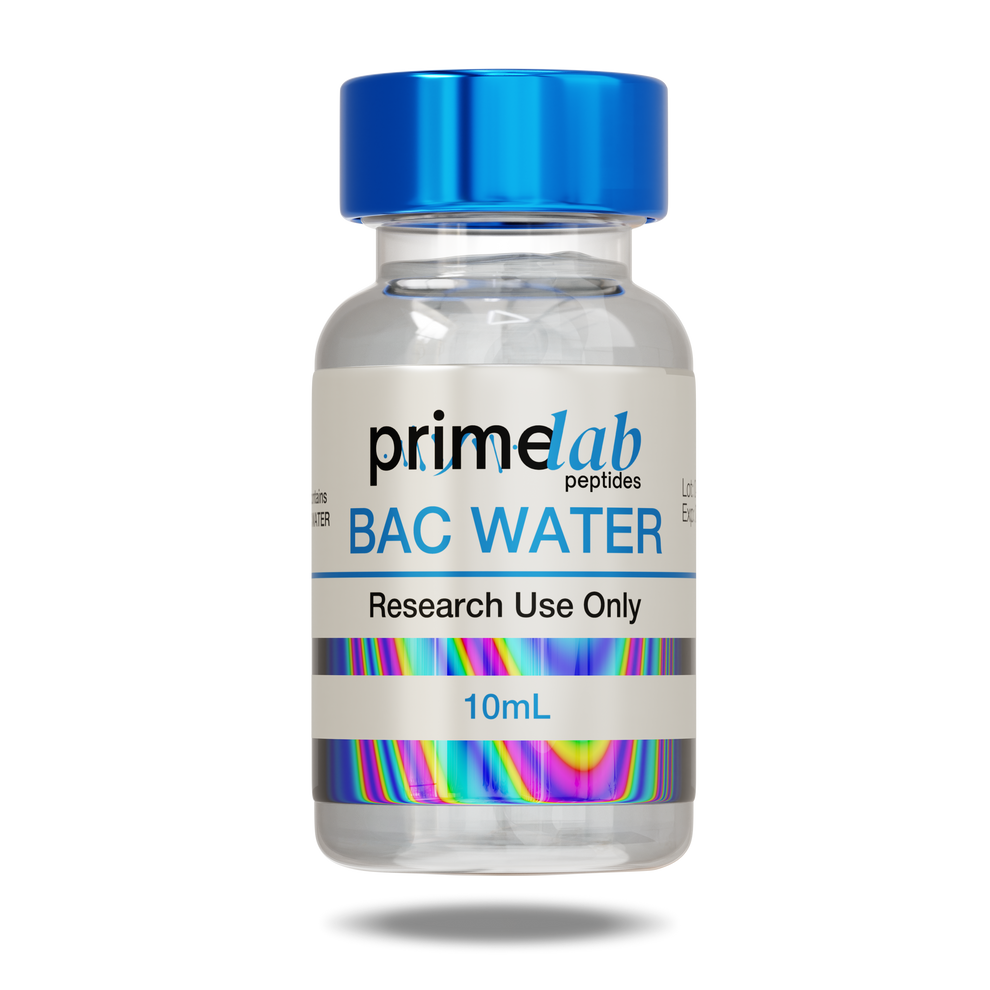
- Bacteriostatic Water (10 mL bottles): Use 3.0 mL per vial for reconstitution.
- 8 weeks (3 vials): 9 mL → 1 × 10 mL bottle
- 12 weeks (4 vials): 12 mL → 2 × 10 mL bottles
- 16 weeks (6 vials): 18 mL → 2 × 10 mL bottles
- Alcohol Swabs: One for the vial stopper + one for the injection site each day.
- Per week: 14 swabs (2/day)
- 8 weeks: 112 swabs → recommend 2 × 100-count boxes
- 12 weeks: 168 swabs → recommend 2 × 100-count boxes
- 16 weeks: 224 swabs → recommend 3 × 100-count boxes
" /></div>)


Protocol Overview
Concise summary of the once-daily regimen.
- Goal: Support metabolic improvements and fat reduction through NNMT inhibition[2][4].
- Schedule: Daily subcutaneous injections for 8 weeks (may extend as needed).
- Dose Range: 150–600 mcg daily with gradual titration.
- Reconstitution: 3.0 mL per 10 mg vial (~3.33 mg/mL) for accurate unit measurements.
- Storage: Lyophilized frozen; reconstituted refrigerated; avoid repeated freeze–thaw.
Dosing Protocol
Suggested daily titration approach.
- Start: 150 mcg daily for 2 weeks to assess tolerance.
- Mid-Phase: Increase to 300 mcg daily for weeks 3–4.
- Target: 600 mcg daily by weeks 5–8.
- Frequency: Once per day (subcutaneous).
- Cycle Length: 8 weeks minimum; may extend based on research goals.
- Timing: Any consistent time; rotate injection sites.
Storage Instructions
Proper storage preserves compound quality.
Important Notes
Practical considerations for consistency and safety.
- Use new sterile insulin syringes; dispose in a sharps container. mg/mL concentration.
- Rotate injection sites (abdomen, thighs, upper arms) to reduce local irritation.
- Inject slowly; wait a few seconds before withdrawing the needle.
- Document daily dose and site rotation to maintain consistency.
- Consider 30-unit or 50-unit syringes for small-volume doses (≤0.10 mL) to improve measurement accuracy.
How This Works
5-Amino-1MQ inhibits the enzyme nicotinamide N-methyltransferase (NNMT), which leads to preservation of cellular NAD⁺ levels and shifts metabolism in adipose tissue[1][3]. By blocking NNMT, it reduces 1-methylnicotinamide formation and alters the methionine/SAM cycle, thereby promoting increased energy expenditure and reduced fat storage at the cellular level. In diet-induced obese mice, 5-Amino-1MQ significantly reduced body weight and adiposity without affecting food intake[1], and in aged mice it improved muscle strength and metabolic markers, validating NNMT as a therapeutic target in metabolism[4].
Potential Benefits & Side Effects
Observations from preclinical research (no human clinical trials published to date).
- Significant reductions in body weight and adiposity observed in obese mice without changes in food intake[1].
- Improved muscle strength and metabolic markers in aged mice, demonstrating multi-tissue metabolic benefits[4].
- Animal data indicated 5-Amino-1MQ was well-tolerated without adverse effects at effective doses[1].
- Occasional mild injection-site reactions (redness/itch) may occur with subcutaneous administration.
Injection Technique
General subcutaneous guidance from clinical best-practice resources.
- Clean the vial stopper and skin with alcohol; allow to dry[5].
- Pinch a skinfold; insert the needle at 45–90° into subcutaneous tissue[5][6].
- Do not aspirate for subcutaneous injections; inject slowly and steadily[7].
- Rotate sites systematically (abdomen, thighs, upper arms) to avoid lipohypertrophy[5][6].
- Do not rub the injection site; apply light pressure with gauze if needed.
Lifestyle Factors
Complementary strategies for best outcomes.
- Pair with a balanced, protein-forward diet tailored to energy needs.
- Combine resistance training and aerobic activity to reinforce metabolic adaptations.
- Prioritize sleep and stress management to support adherence and recovery.
- Monitor body composition changes rather than scale weight alone.
Recommended Source
We recommend Pure Lab Peptides for high-purity 5-Amino-1MQ (10 mg).
Why Prime Lab Peptides?
- Start: 150 mcg daily for 2 weeks to assess tolerance.
- Mid-Phase: Increase to 300 mcg daily for weeks 3–4.
- Target: 600 mcg daily by weeks 5–8.
- Frequency: Once per day (subcutaneous).
- Cycle Length: 8 weeks minimum; may extend based on research goals.
- Timing: Any consistent time; rotate injection sites.
Important Note
References
Selective and membrane-permeable small molecule inhibitors of nicotinamide N-methyltransferase reverse high fat diet-induced obesity in mice
Roles of Nicotinamide N-Methyltransferase in Obesity and Type 2 Diabetes
Nicotinamide N-methyltransferase (NNMT): a novel therapeutic target for metabolic syndrome
Nicotinamide N-methyltransferase inhibition mimics and boosts exercise-mediated improvements in muscle function in aged mice
Parenteral Administration: Intradermal, Subcutaneous, and Intramuscular Routes
Peptide Storage and Handling Guide: Stability of Reconstituted Peptides
References
-
Nature Medicine (2014)
— Nicotinamide N-methyltransferase knockdown protects against diet-induced obesity -
PMC (2024)
— Nicotinamide N-methyltransferase inhibition mitigates obesity-related metabolic dysfunctions -
Frontiers in Pharmacology (2024)
— NNMT: a novel therapeutic target for metabolic syndrome -
PubMed (2021)
— LC-MS/MS assay for 5-amino-1-methylquinolinium: pharmacokinetic and oral bioavailability study -
ResearchGate (2021)
— Combined NNMT inhibition and reduced-calorie diet normalizes body composition in obese mice -
PMC (2022)
— Reduced calorie diet combined with NNMT inhibition establishes a distinct microbiome in DIO mice -
NMN.com / Scientific Reports
— Role of NNMT inhibition in muscle strength: enhanced grip strength with exercise -
Swolverine
— 5-Amino-1MQ mechanism, benefits, stacking and cycling guide -
PMC
— Subcutaneous drug injection review: pharmacologic considerations -
CDC
— Vaccine administration: subcutaneous route (angle/site; no aspiration) -
CDC (Subcut Injection PDF)
— Technique diagram and site guidance for subcutaneous injections -
NCBI Bookshelf
— Best practices for injection (asepsis, preparation, and administration) -
Journal of Medicinal Chemistry (ACS)
— Bisubstrate inhibitors of NNMT with enhanced activity -
PMC
— NNMT: a bad actor in fat makes good in liver -
Prime Lab Peptides
— 5-Amino-1MQ (10 mg) product page (quality and batch documentation)