

Quickstart Highlights
KLOW is a four-peptide blend (GHK-Cu, BPC-157, KPV, TB-500) formulated for advanced tissue repair and inflammation reduction. Components individually promote wound healing: thymosin β4 (TB-500) and BPC-157 accelerate angiogenesis and tissue regeneration in models[1][2], and GHK-Cu stimulates collagen production and skin remodeling[3]. This educational protocol outlines a once-daily subcutaneous regimen using a practical 3.0 mL dilution for precise dosing.
- Reconstitute: Add 3.0 mL bacteriostatic water (max vial capacity) → ~26.7 mg/mL total peptide concentration.
- Typical daily range: 2,700–5,300 mcg (~2.7–5.3 mg) once daily (gradual titration).
- Easy measuring: At 26.7 mg/mL, 1 unit = 0.01 mL ≈ 267 mcg total peptides on a U-100 insulin syringe.
- Storage: Lyophilized: freeze at −20 °C (−4 °F); after reconstitution, refrigerate at 2–8 °C (35.6–46.4 °F); avoid freeze–thaw cycles.

 Important: Before viewing any protocol, please consult our Prep & Injection Guide for essential preparation and safety instructions.
Dosing & Reconstitution Guide
Educational guide for reconstitution and daily dosing
Standard / Gradual Approach (3 mL = ~26.7 mg/mL)
| Week | Daily Dose (mcg) | Units (per injection) (mL) |
|---|---|---|
| Weeks 1–2 | 2,667 mcg | 10 units (0.10 mL) |
| Weeks 3–6 | 4,000 mcg | 15 units (0.15 mL) |
| Weeks 7–12 | 5,333 mcg | 20 units (0.20 mL) |
Frequency: Inject once daily subcutaneously. This schedule uses the maximum practical dilution (3.0 mL) so that each injection is ~10–20 units (0.10–0.20 mL) for accuracy. If any dose falls below ~10 units, consider using 30‑ or 50‑unit insulin syringes for finer gradations.
Reconstitution Steps
- Draw 3.0 mL bacteriostatic water with a sterile syringe.
- Inject slowly down the inside wall of the vial to minimize frothing.
- Gently swirl or roll to dissolve (do not shake).
- Label and refrigerate at 2–8 °C (35.6–46.4 °F), protecting from light.
Supplies Needed
Plan based on an 8–16 week daily protocol with gradual titration.
- Peptide Vials (KLOW, 80 mg each):
- 8 weeks ≈ 4 vials
- 12 weeks ≈ 6 vials
- 16 weeks ≈ 8 vials
- Insulin Syringes (U-100):
- Per week: 7 syringes (1/day)
- 8 weeks: 56 syringes
- 12 weeks: 84 syringes
- 16 weeks: 112 syringes
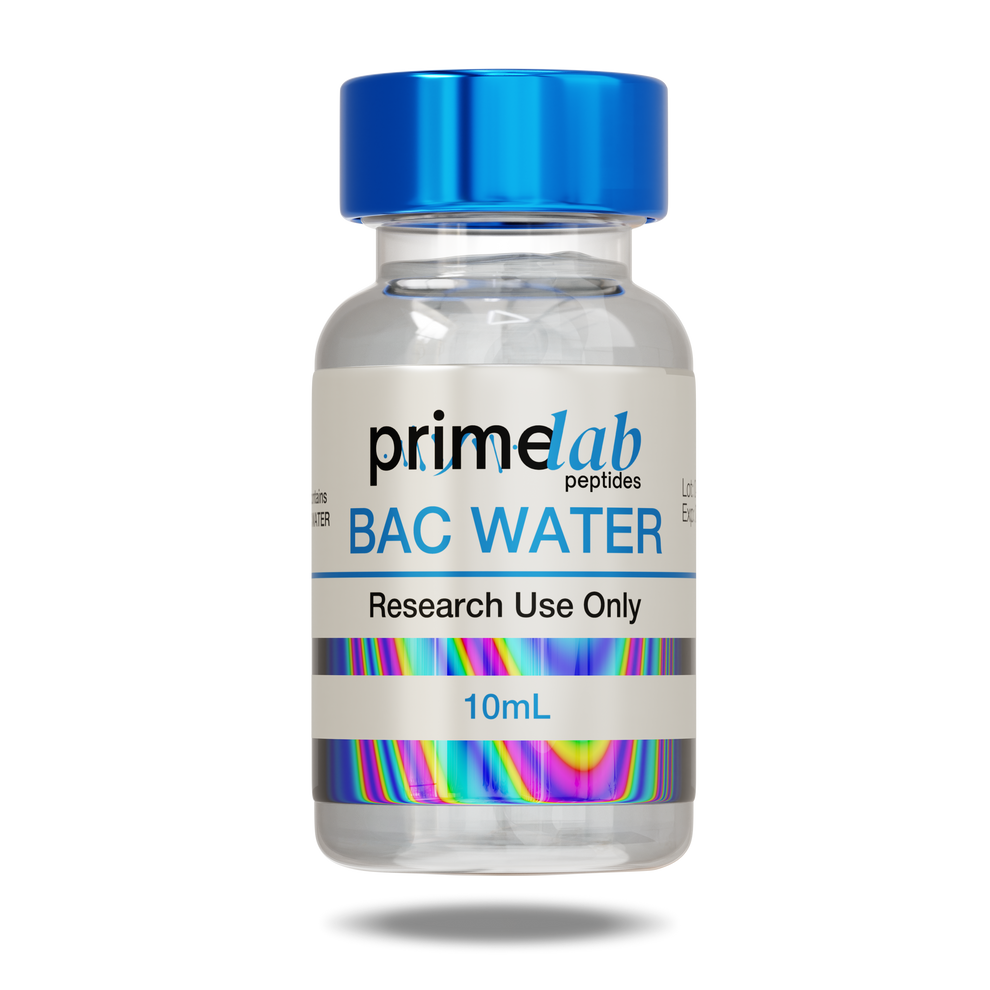
- Bacteriostatic Water (10 mL bottles): Use ~3.0 mL per vial for reconstitution.
- 8 weeks (4 vials): 12 mL → 2 × 10 mL bottles
- 12 weeks (6 vials): 18 mL → 2 × 10 mL bottles
- 16 weeks (8 vials): 24 mL → 3 × 10 mL bottles
- Alcohol Swabs: One for the vial stopper + one for the injection site each day.
- Per week: 14 swabs (2/day)
- 8 weeks: 112 swabs → recommend 2 × 100‑count boxes
- 12 weeks: 168 swabs → recommend 2 × 100‑count boxes
- 16 weeks: 224 swabs → recommend 3 × 100‑count boxes
" /></div>)


Protocol Overview
Concise summary of the once-daily regimen.
- Goal: Support tissue repair and reduce inflammation to promote healing[1].
- Schedule: Daily subcutaneous injections for 8–12 weeks (extend to 16 weeks if desired).
- Dose Range: ~2.7–5.3 mg total peptide daily with gradual titration.
- Reconstitution: 3.0 mL per vial (~26.7 mg/mL) for accurate dosing.
- Storage: Lyophilized frozen; reconstituted refrigerated; avoid repeated freeze–thaw.
Dosing Protocol
Suggested daily titration approach.
- Start: 10 units (~2.7 mg total) daily; increase by ~5 units (~1.3 mg) every 2–4 weeks.
- Target: 15–20 units (~4–5.3 mg) daily by Weeks 3–6.
- Frequency: Once per day (subcutaneous)[7].
- Cycle Length: 8–12 weeks; optional extension to 16 weeks.
- Timing: Consistent schedule; rotate injection sites.
Storage Instructions
Proper storage preserves peptide quality.
- Lyophilized: Store at −20 °C (−4 °F) in a dry, dark place; minimize moisture exposure.
- Reconstituted: Refrigerate at 2–8 °C (35.6–46.4 °F); prepare small aliquots if needed; avoid freeze–thaw cycles.
- Allow vials to reach room temperature before opening to reduce condensation uptake.
Important Notes
Practical considerations for consistency and safety.
- Use a new sterile insulin syringe for each injection; dispose in a sharps container[8].
- Rotate injection sites (abdomen, thighs, upper arms) to reduce local irritation.
- Inject slowly; hold the needle in place a few seconds before withdrawing.
- Record daily dose and site rotation to maintain consistency.
How This Works
KLOW’s components target multiple stages of the healing process. Thymosin β4 enhances wound repair via increased angiogenesis and cell migration[1]. BPC-157 promotes angiogenesis and cytoprotection while dampening inflammation[2]. GHK-Cu upregulates collagen synthesis and regenerative activity in skin[3]. These peptides together aim to accelerate tissue recovery with minimal systemic side effects.
Potential Benefits & Side Effects
Observations from preclinical and clinical studies.
- Supports wound closure and tissue regeneration (e.g., faster collagen deposition and vessel growth)[1][3].
- Anti-inflammatory effects (peptides may reduce cytokine-mediated damage)[2].
- Generally well tolerated; small human trials of BPC-157 reported no adverse effects[2]. Mild injection-site reactions (redness, itching) may occur with subcutaneous dosing.
Injection Technique
Lifestyle Factors
Complementary strategies for best outcomes.
- Follow a balanced, protein-rich diet to support healing and overall health.
- Include both resistance training and aerobic exercise to maintain circulation and muscle tone.
- Ensure adequate sleep and stress management to optimize recovery.
Recommended Source
We recommend Pure Lab Peptides for high-purity KLOW (80 mg).
Why Pure Lab Peptides?
- High-purity, third-party-tested lots with batch COAs.
- Consistent, ISO-aligned handling and documentation.
- Reliable fulfillment to maintain cold-chain integrity.
Product ID: 17302
Important Note
This content is intended for therapeutic educational purposes only and does not constitute medical advice, diagnosis, or treatment.