

Quickstart Highlights
GLOW is a research peptide blend combining GHK-Cu, TB-500 (Thymosin Beta-4 fragment), and BPC-157 in one 70 mg vial. Each component has been studied for its regenerative and healing properties across various tissues[1][5]. By delivering all three in one formulation, GLOW aims to synergistically promote tissue repair, inflammation reduction, and wound healing beyond what each peptide might achieve alone.
- Reconstitute: Add 3.0 mL bacteriostatic water → ~23.3 mg/mL concentration.
- Typical daily dose: 2,330 mcg (2.33 mg) once daily for 4 weeks.
- Easy measuring: At 23.3 mg/mL, 1 unit = 0.01 mL ≈ 233 mcg on a U-100 insulin syringe.
- Storage: Lyophilized: freeze at −20 °C (−4 °F); after reconstitution, refrigerate at 2–8 °C (35.6–46.4 °F); use within 4 weeks.

 Important: Before viewing any protocol, please consult our Prep & Injection Guide for essential preparation and safety instructions.
Dosing & Reconstitution Guide
Educational guide for reconstitution and daily dosing
Standard Approach (3 mL = 23.3 mg/mL)
| Week | Daily Dose (mcg) | Units (per injection) (mL) |
|---|---|---|
| Weeks 1–4 | 2,330 mcg | 10 units (0.10 mL) |
Frequency: Inject once daily subcutaneously. This schedule maintains a consistent dose throughout the 4-week cycle, delivering approximately 1.7 mg GHK-Cu, 0.33 mg TB-500, and 0.33 mg BPC-157 per injection. This once-daily regimen aligns with common research protocols for BPC-157 and similar repair peptides[5][6]. For ≤10-unit (≤0.10 mL) administrations, consider 30- or 50-unit insulin syringes for improved readability.
Reconstitution Steps
- Draw 3.0 mL bacteriostatic water with a sterile syringe.
- Inject slowly down the vial wall to minimize foaming.
- Gently swirl or roll the vial until fully dissolved (do not shake vigorously).
- Label with reconstitution date and refrigerate at 2–8 °C (35.6–46.4 °F), protected from light.
- Use within 4 weeks for optimal potency and safety.
Supplies Needed
Plan based on a 4-week daily protocol at standard dosing.
- Peptide Vials (GLOW Blend, 70 mg each):
- 4 weeks (28 days): 1 vial
- Insulin Syringes (U-100, preferably 0.3 mL / 30-unit for precision):
- 4 weeks: 28 syringes (1 per day)
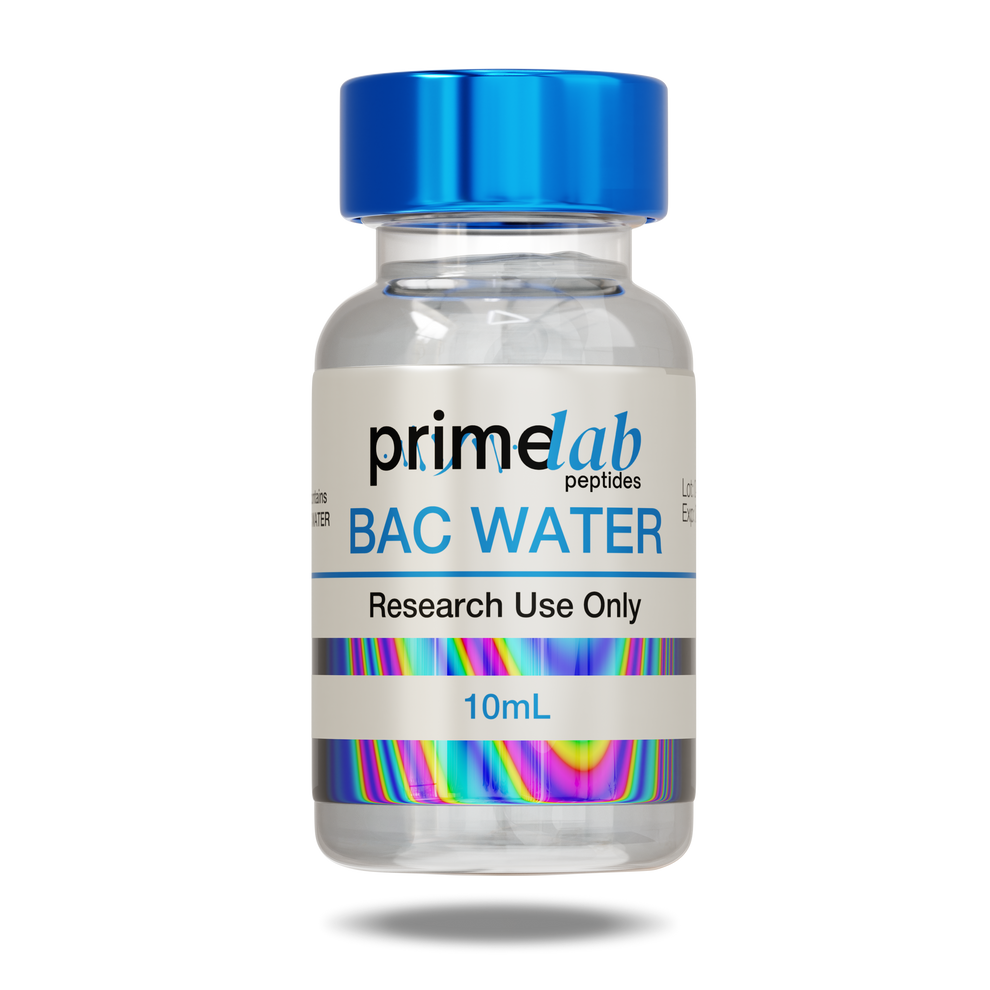
- Bacteriostatic Water (10 mL bottles): Use 3.0 mL per vial for reconstitution.
- 4 weeks (1 vial): 3 mL → 1 × 10 mL bottle
- Alcohol Swabs: One for the vial stopper + one for the injection site each day.
- 4 weeks: 56 swabs (2 per day) → recommend 1 × 100-count box
" /></div>)


Protocol Overview
Concise summary of the once-daily regenerative blend regimen.
- Goal: Support comprehensive tissue healing through synergistic peptide mechanisms—collagen synthesis (GHK-Cu), cell migration and angiogenesis (TB-500), and localized repair with anti-inflammatory effects (BPC-157)[1][4][5].
- Schedule: Daily subcutaneous injections for 4 weeks at a consistent dose, followed by a 2–4 week rest period to assess progress before considering another cycle.
- Dose: 2,330 mcg (2.33 mg) total blend daily, providing approximately 1.7 mg GHK-Cu, 0.33 mg TB-500, and 0.33 mg BPC-157 per injection.
- Reconstitution: 3.0 mL per 70 mg vial (23.3 mg/mL) for precise unit measurements.
- Storage: Lyophilized vials frozen; reconstituted solutions refrigerated; use within 4 weeks.
Dosing Protocol
Straightforward daily dosing approach for balanced peptide delivery.
- Daily Dose: 2,330 mcg (10 units / 0.10 mL) maintained throughout the 4-week cycle.
- Frequency: Once per day (subcutaneous), at a consistent time preferred.
- Cycle Length: 4 weeks of daily dosing, followed by 2–4 weeks off to evaluate progress and allow receptor resetting.
- Volume: Per-injection volume (~0.1 mL) is well below the 1.0–1.5 mL comfort threshold for subcutaneous administration[9].
- Syringe Recommendation: Use 0.3 mL (30-unit) insulin syringes for greater measurement precision at low volumes.
Storage Instructions
Proper storage preserves peptide stability and potency.
- Lyophilized: Store at −20 °C (−4 °F) or below for long-term stability (months to over a year)[8]. If freezer unavailable, refrigeration at 2–8 °C (35.6–46.4 °F) is acceptable for shorter durations (weeks). Store in sealed container with desiccant if possible to prevent moisture absorption.
- Reconstituted: Refrigerate at 2–8 °C (35.6–46.4 °F) at all times when not in use[8]. Do not freeze reconstituted solution. Use within 4 weeks (28 days) for optimal potency and safety[8]. Discard any unused solution after this period.
- Allow frozen vials to reach room temperature before opening to prevent condensation.
- Protect reconstituted solution from light (store in amber vial or wrap in foil).
- Inspect solution before each use; discard if discolored, cloudy, or contains precipitate.
Important Notes
Practical considerations for safe and effective administration.
- Use new sterile insulin syringes for each injection; dispose in a sharps container immediately after use.
- Rotate injection sites systematically (abdomen, thighs, upper arms) at least 1–2 inches apart to reduce local irritation and prevent lipo-hypertrophy.
- Inject slowly over 2–3 seconds and wait a few seconds before withdrawing the needle to ensure complete delivery.
- Document daily dose, injection site, and any observations to maintain consistency and track progress.
- Practice aseptic technique at every injection: clean vial stopper and skin with separate alcohol swabs, allow to air-dry completely.
How This Works
The three peptides in GLOW operate via distinct but complementary biological pathways to enhance healing and repair. GHK-Cu acts as a genomic modulator—it can upregulate a broad array of genes related to tissue growth and downregulate those linked to inflammation and tissue breakdown[1]. Notably, GHK-Cu stimulates collagen and glycosaminoglycan synthesis in fibroblasts, promotes angiogenesis (formation of new blood vessels), and exhibits antioxidant and anti-inflammatory properties (for example, it suppresses NF-κB activity)[1]. These actions translate to improved wound contraction, tissue remodeling, and even anti-aging effects in skin.
TB-500 (Thymosin β4) primarily facilitates cell migration and cytoskeletal remodeling. After an injury, endogenous thymosin β4 is released by platelets and immune cells to protect tissues from further damage[4]. TB-500 mimics this by binding to actin, a key cell structural protein, and promoting the mobilization of cells to the injury site[4]. It thereby accelerates angiogenesis (new capillary growth) and recruits stem and progenitor cells, which aid in regenerating damaged tissues[4]. TB-500 also has anti-apoptotic effects (reducing cell death) and modulates immune cells to limit excessive inflammation and fibrosis. One outcome of this mechanism is reduced scar tissue formation and more organized healing in wounds[4].
BPC-157 triggers a multi-factorial healing response. It is known to enhance growth factor signaling (e.g., increasing receptors for VEGF and PDGF) and upregulate nitric oxide pathways, leading to improved microcirculation in injured tissue[5]. BPC-157 also directly counteracts inflammatory mediators—it lowers pro-inflammatory cytokines and increases anti-inflammatory factors at injury sites[5]. On a cellular level, BPC-157 promotes the migration and survival of repair cells (fibroblasts, endothelial cells, etc.). For instance, in tendon cells it activates the FAK-paxillin pathway to increase cell movement and adhesion for repair[6]. Additionally, BPC-157 supports the formation of new blood vessels (angiogenesis) similar to growth factors, helping deliver nutrients for regeneration[5]. Through these mechanisms, BPC-157 has demonstrated accelerated healing in diverse tissues (muscle, tendon, bone, gut) in preclinical models.
By combining GHK-Cu, TB-500, and BPC-157, GLOW leverages these synergistic pathways—collagen synthesis, cell migration, angiogenesis, and inflammation control—to create an optimal environment for tissue repair. The net result observed in research is faster wound closure, stronger tissue regeneration, and reduced fibrosis compared to normal healing processes.
Potential Benefits & Side Effects
Observations from preclinical and clinical literature on the component peptides.
- Accelerated Wound Healing: All three components have shown the ability to speed up the repair of injuries. Thymosin β4 significantly improved the closure rate of chronic skin wounds in clinical trials and animal models[3], while also reducing excessive scar formation. BPC-157 has demonstrated enhanced healing in tendon ruptures, muscle tears, bone fractures, and even stomach ulcers in preclinical studies[5][6]. GHK-Cu likewise aids wound contraction and epithelialization in skin, promoting faster regeneration of damaged tissue[1].
- Anti-Inflammatory & Pain Reduction: Each peptide has inherent anti-inflammatory effects that can mitigate pain and swelling at injury sites. GHK-Cu downregulates inflammation-related genes (like NF-κB) and has been noted to reduce oxidative damage and even pain behaviors in studies[1]. TB-500 suppresses key inflammatory cytokines (such as IL-6, TNF-α) and was shown to create a more anti-inflammatory healing environment[4]. BPC-157 markedly dampens tissue inflammation in injury models, which contributes to less edema and discomfort during recovery[5].
- Improved Tissue Quality & Reduced Fibrosis: TB-500 helps minimize fibrous scar tissue in healing wounds—it was observed to decrease myofibroblast accumulation, leading to more orderly tissue architecture and less scarring[4]. BPC-157 has similarly been associated with organized collagen deposition in injured muscle and tendon, resulting in stronger, more functional repair tissue[5]. GHK-Cu contributes by boosting proper collagen and extracellular matrix production[1]. Collectively, the blend supports higher quality healing—meaning repaired tissues more closely resemble the original, with better tensile strength and flexibility.
- Multi-Tissue Regeneration: A unique advantage of the GLOW blend is its applicability to various tissues and systems, from orthopedic injuries (tendon, ligament tears, muscle strains, fractures) to dermatologic uses (skin rejuvenation, wound care) and potentially gastrointestinal repair (ulcers, gut lining integrity)[1][4][5].
- Tolerability: Generally well tolerated based on existing research. Occasional mild injection-site reactions (redness, itching) may occur with subcutaneous administration. The component peptides have demonstrated wide safety margins in preclinical and early clinical studies[3][4][5].
Note: These benefits are based on emerging research. Large-scale human clinical trials are still needed to confirm efficacy and safety for specific indications.
Injection Technique
- Clean the vial stopper and injection site with separate alcohol swabs; allow both to air-dry completely.
- Using an insulin syringe (typically 29–31 gauge, 5/16 to 1/2 inch needle), draw up the calculated dose (10 units = 0.1 mL).
- Select a site with adequate subcutaneous tissue (common sites include lower abdomen, thigh, or upper arm).
- Pinch a fold of skin; insert the needle at approximately a 45° angle into the fatty subcutaneous tissue[7]. With short insulin needles, a 90° angle can also be used if injecting into a pinched skin fold.
- Inject slowly over 2–3 seconds; do not aspirate for subcutaneous injections.
- Withdraw needle and apply gentle pressure with a clean cotton swab; do not rub the injection site.
- Rotate sites systematically with each injection, maintaining at least 1–2 inches spacing between sites to prevent tissue irritation.
- Dispose of used syringes and needles immediately in a proper sharps container; never reuse needles.
Lifestyle Factors
Complementary strategies to optimize tissue healing outcomes.
- Maintain adequate protein intake (1.6–2.2 g/kg body weight daily) to support collagen synthesis and tissue repair.
- Implement progressive resistance training and appropriate activity modification based on healing goals.
- Prioritize sleep quality (7–9 hours nightly) as the primary recovery window for tissue regeneration.
- Manage stress through evidence-based techniques to support optimal healing hormonal environment.
- Stay well-hydrated and ensure adequate micronutrient intake, particularly vitamin C, zinc, and copper for collagen formation.
Recommended Source
We recommend Pure Lab Peptides for high-purity GLOW Peptide Blend (70 mg).
Why Pure Lab Peptides?
- High-purity, third-party-tested peptides with batch-specific Certificates of Analysis.
- Consistent quality control and ISO-aligned handling procedures.
- Reliable cold-chain shipping to maintain peptide integrity.
- Transparent documentation and responsive customer support.
Product ID: 14310
Important Note
This content is intended for therapeutic educational purposes only and does not constitute medical advice, diagnosis, or treatment.