

Quickstart Highlights
BPC157 + TB500 (20mg) dosage protocol is designed to support tissue repair, enhance recovery, and promote regenerative benefits through daily or phased subcutaneous injections
- Often used for injury recovery, tendon/ligament health, and general tissue support
- Typical schedule involves once-daily or a few times per week injections
- Two common approaches: Standard (lower daily dose) and Advanced (higher daily dose)
- Reconstitute to a practical concentration for accurate dosing
- Store lyophilized in the freezer; reconstituted in the refrigerator

 Important: Before viewing any protocol, please consult our Prep & Injection Guide for essential preparation and safety instructions.
Dosing & Reconstitution Guide
Educational guide for reconstitution and daily dosing
Standard / Gradual Approach (3 mL = ~6,667 mcg/mL)
| Week | Daily Dosage (mcg) | Units (per injection) |
|---|---|---|
| Weeks 1–4 | 250 mcg | ~4 units |
Suitable for moderate tissue support over four weeks. Reconstitute with 3 mL of bacteriostatic water to achieve a ~6,667 mcg/mL solution.
Note: 250 mcg per day at this concentration is around 4 units. Consider using smaller insulin syringes (50u or 30u) for precise measurement.
- Draw 3.0 mL of bacteriostatic water into a sterile syringe.
- Slowly inject the water along the vial wall to minimize foam.
- Gently swirl—avoid vigorous shaking.
- Store the reconstituted solution at 2–8 °C (refrigerator), protected from light.
Advanced / Aggressive Approach (3 mL = ~6,667 mcg/mL)
| Week | Daily Dosage (mcg) | Units (per injection) |
|---|---|---|
| Weeks 1–4 | 500 mcg | ~8 units |
A more robust approach beneficial for higher dosing. Reconstitute with 3 mL of bacteriostatic water to create a ~6,667 mcg/mL solution.
Note: 500 mcg daily for 4 weeks totals ~14 mg, so one 20mg vial generally covers a 4-week advanced cycle with some leftover.
- Draw 3.0 mL of bacteriostatic water into a sterile syringe.
- Slowly inject the water to reduce foaming and peptide agitation.
- Gently roll/swirl the vial—no vigorous shaking.
- Store the reconstituted solution at 2–8 °C (refrigerator), protected from light.
Supplies Needed
Ensure you have these on hand for a 4-week (or longer) cycle.
- Peptide Vials:
• 4 wks @ 250 mcg/day ≈ 1 vial (20 mg total)
• 4 wks @ 500 mcg/day ≈ 1 vial (some leftover)
(Adjust if planning higher doses or extended duration) - Insulin Syringes: 1 syringe per injection day
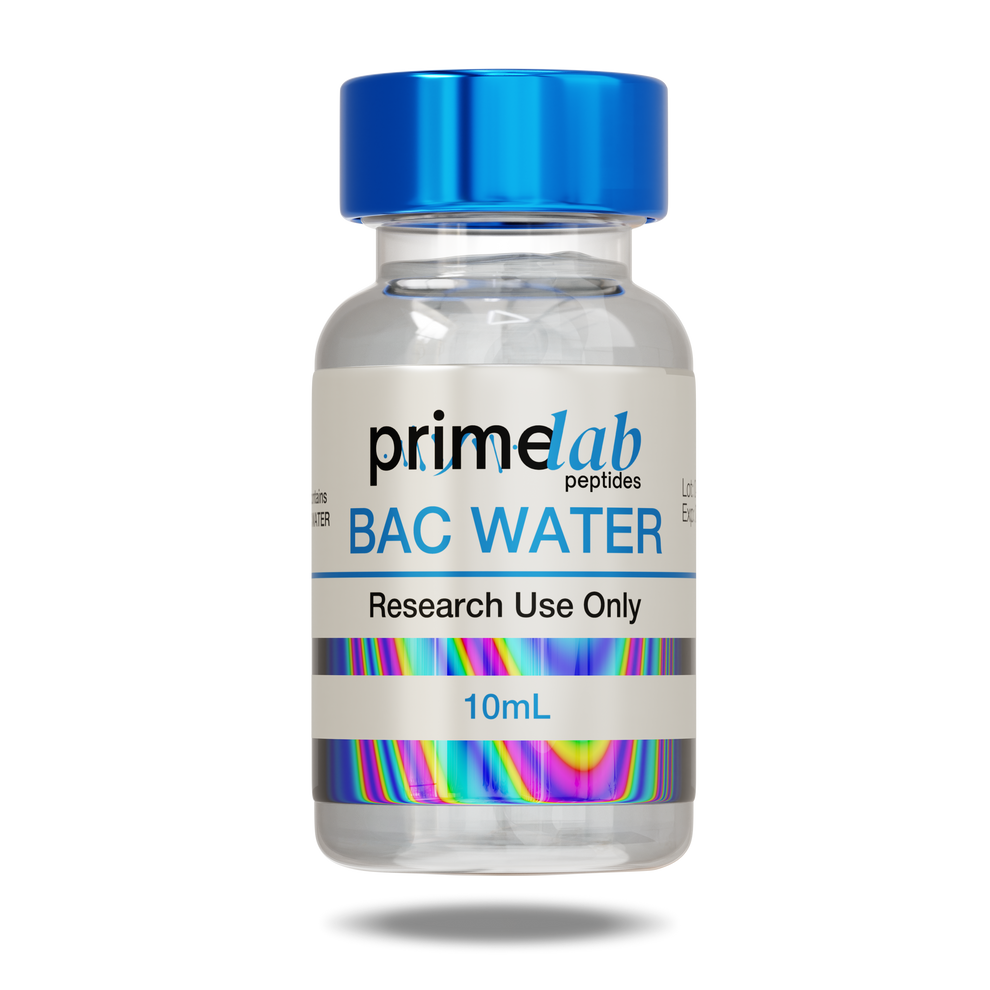
- Bacteriostatic Water: 1× 30ml
- Alcohol Swabs: 1 box
" /></div>)


Protocol Overview
A concise summary of daily injection protocols for tissue support and recovery.
- Goal: Promote healing, regeneration, and inflammation reduction
- Schedule: Daily subcutaneous injections for 4+ weeks
- Dose Range: 250 mcg to 500 mcg daily, as tolerated
- Reconstitution: Up to 3 mL to facilitate straightforward dosing
- Storage: Keep lyophilized vials frozen; refrigerate after reconstitution
Dosing Protocol
Suggested daily injection approach for effective tissue healing support.
- Daily Dose: 250 mcg (standard) or 500 mcg (advanced)
- Frequency: Inject once daily subcutaneously
- Cycle Length: 4 weeks minimum; can extend to 8+ weeks
- Multiple Vials: One 20mg vial typically covers 4 weeks at advanced dosing
- Timing: Any time of day; consistency is key
Storage Instructions
Proper storage ensures peptide integrity.
- Lyophilized: Freeze until mixing (−20°C or similar)
- Reconstituted: Refrigerate at 2–8°C
- Use within 30 days of reconstitution
- Avoid repeated freeze-thaw cycles
Important Notes
Practical tips to enhance safety and efficacy.
- Use new, sterile syringes for each injection & rotate injection sites.
- Maintain consistency; daily injections support steady peptide levels.
- Monitor for adverse reactions; consult a professional if concerns arise.
- Track progress throughout the protocol, adjusting dosage as recommended.
How This Works
BPC157 and TB500 (Thymosin Beta-4) target multiple aspects of tissue repair and regeneration.
- BPC157: May aid in repairing tendons, ligaments, and muscle tissues
- TB500: Helps regulate actin, boosting cell migration and recovery
- Together, they synergistically support wound healing and reduce inflammation
Potential Benefits & Side Effects
Most users observe better healing and reduced downtime, though responses vary.
- Enhanced tissue repair for injuries or chronic issues
- Possible reductions in inflammation and discomfort
- Mild side effects might include redness at injection site or fatigue
- Rarely, headaches or dizziness can occur
Injection Technique
General subcutaneous guidance from clinical best-practice resources.
- Clean the vial stopper and skin with alcohol; allow to dry[5].
- Pinch a skinfold; insert the needle at 45–90° into subcutaneous tissue[5][6].
- Do not aspirate for subcutaneous injections; inject slowly and steadily[7].
- Rotate sites systematically (abdomen, thighs, upper arms) to avoid lipohypertrophy[5][6].
- Do not rub the injection site; apply light pressure with gauze if needed.
Lifestyle Factors
Maximize peptide effectiveness with supportive habits.
- Combine with a balanced, nutrient-dense diet
- Incorporate physical therapy or regular activity for injury recovery
- Ensure adequate rest and manage stress levels
Recommended Source
We recommend Pure Lab Peptides for high-purity 5-Amino-1MQ (10 mg).
Why Pure Lab Peptides?
- Start: 150 mcg daily for 2 weeks to assess tolerance.
- Mid-Phase: Increase to 300 mcg daily for weeks 3–4.
- Target: 600 mcg daily by weeks 5–8.
- Frequency: Once per day (subcutaneous).
- Cycle Length: 8 weeks minimum; may extend based on research goals.
- Timing: Any consistent time; rotate injection sites.