

Quickstart Highlights
The AOD-9604 6mg + CJC-1295 3mg + Ipamorelin 3mg (12mg Blend Vial) dosage protocol is designed for research purposes to explore potential metabolic, regenerative, and fat oxidation effects via daily subcutaneous injections.
- Typical starting dose: 400 mcg daily, with gradual titration up to 1.2 mg daily
- Single daily injection ensures ease of use and accurate dosing
- Titration phases allow for safe adjustment based on research parameters
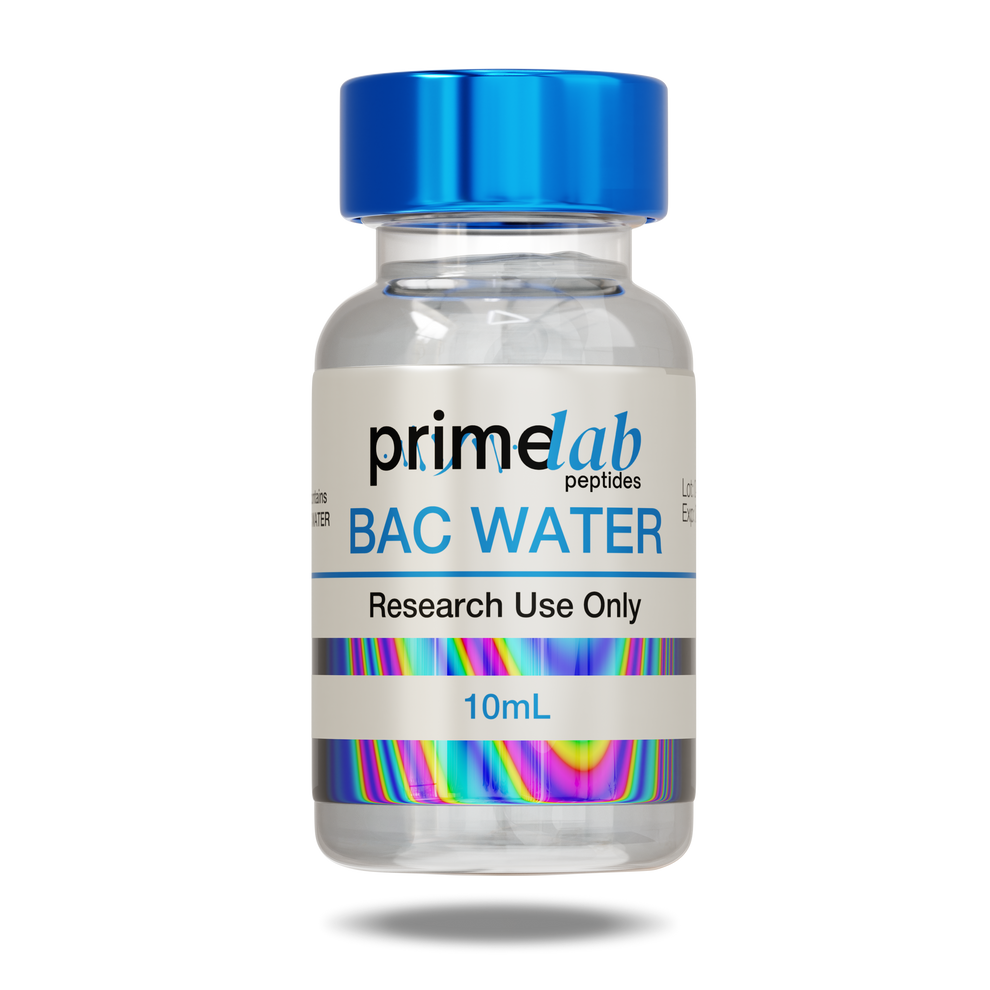
- Reconstitute with 3 mL bacteriostatic water to achieve a 4 mg/mL solution
- Store lyophilized vials in the freezer; reconstituted solution must be refrigerated

 Important: Before viewing any protocol, please consult our Prep & Injection Guide for essential preparation and safety instructions.
Dosing & Reconstitution Guide
Educational guide for reconstitution and daily dosing
Standard / Gradual Approach (Reconstituted with 3 mL = 4 mg/mL)
| Phase | Daily Dose | Approx. Units (per injection) |
|---|---|---|
| Weeks 1–4 | 400 mcg (0.4 mg) | 10 units |
| Weeks 5–8 | 800 mcg (0.8 mg) | 20 units |
| Weeks 9–12 | 1,200 mcg (1.2 mg) | 30 units |
Reconstitute the vial with 3 mL of bacteriostatic water to create a 4 mg/mL solution. If the calculated injection volume falls below 10 units, consider using a smaller insulin syringe for improved dosing accuracy.
- Draw 3.0 mL bacteriostatic water with a sterile syringe.
- Inject slowly down the vial wall; avoid foaming.
- Gently swirl/roll until dissolved (do not shake).
- Label and refrigerate at 2–8 °C (35.6–46.4 °F), protected from light.
Supplies Needed
Ensure you have these on hand for an 8–16 week cycle.
- Peptide Vials:
• 8 wks ≈ 1 vial
• 12 wks ≈ 2 vials
• 16 wks ≈ 3 vials
(More if planning higher doses) - Insulin Syringes:
• 8 wks ≈ 8
• 12 wks ≈ 12
• 16 wks ≈ 16 - Bacteriostatic Water: 1× 30 mL
- Alcohol Swabs: 1 box


Protocol Overview
The AOD-9604 6mg + CJC-1295 3mg + Ipamorelin 3mg (12mg Blend Vial) protocol combines a lipolytic peptide fragment with two growth hormone secretagogues to potentially enhance metabolic regulation and tissue repair. This research-focused regimen uses daily subcutaneous injections with a gradual dose escalation over a 12-week cycle.
- Goal: Investigate metabolic support, fat oxidation, and regenerative properties.
- Schedule: Daily subcutaneous injections over a 12-week cycle.
- Dose Range: Start at 400 mcg daily, increasing to 1.2 mg daily.
- Reconstitution: Reconstitute with 3 mL to achieve a 4 mg/mL solution.
- Storage: Freeze lyophilized vials; refrigerate reconstituted solution at 2–8°C.
Dosing Protocol
This protocol involves a single daily injection with gradual titration:
- Daily Dose: Begin with 400 mcg (10 units) and increase to 1,200 mcg (30 units) as tolerated.
- Injection Frequency: Once daily, preferably at the same time each day.
- Cycle Length: 12 weeks (adjustable based on research parameters).
- Note: Ensure consistent dosing intervals and accurate measurement using a 100-unit insulin syringe.
Storage Instructions
Proper storage ensures peptide integrity.
- Lyophilized: Store in the freezer (−20°C) until reconstitution.
- Reconstituted: Keep in the refrigerator at 2–8°C.
- Use within 30 days of reconstitution; avoid repeated freeze-thaw cycles.
Important Notes
Practical tips to enhance safety and efficacy.
- Always use new, sterile insulin syringes & rotate injection sites.
- Maintain consistent injection times for optimal results.
- Monitor for any adverse reactions and consult with a professional if concerns arise.
- Ensure accurate dosing; if injections are below ~10 units, consider using a smaller insulin syringe.
How This Works
This peptide blend combines:
- AOD-9604: A fragment of human growth hormone, studied for its lipolytic (fat-burning) properties.
- CJC-1295: A growth hormone-releasing hormone analog that may stimulate endogenous GH release.
- Ipamorelin: A selective GH secretagogue that works synergistically with CJC-1295 to potentially enhance tissue repair.
Potential Benefits & Side Effects
Research indicates potential for enhanced metabolic support and tissue repair. Observed benefits and side effects vary based on individual response.
- May support metabolic regulation and fat oxidation.
- Could potentially aid in tissue repair and recovery.
- Common mild side effects: localized injection site irritation, minor redness or discomfort.
- Rarely, systemic effects such as headache or transient dizziness have been reported.
Injection Technique
General subcutaneous guidance from clinical best-practice resources.
- Clean the vial stopper and skin with alcohol; allow to dry[5].
- Pinch a skinfold; insert the needle at 45–90° into subcutaneous tissue[5][6].
- Do not aspirate for subcutaneous injections; inject slowly and steadily[7].
- Rotate sites systematically (abdomen, thighs, upper arms) to avoid lipohypertrophy[5][6].
- Do not rub the injection site; apply light pressure with gauze if needed.
Lifestyle Factors
For best results, complement this protocol with supportive lifestyle practices.
- Adopt a balanced, nutrient-rich diet with adequate protein.
- Incorporate regular exercise and proper recovery routines.
- Maintain consistent hydration and stress management practices.
Recommended Source
We recommend Pure Lab Peptides for high-purity 5-Amino-1MQ (10 mg).
Why Pure Lab Peptides?
- Start: 150 mcg daily for 2 weeks to assess tolerance.
- Mid-Phase: Increase to 300 mcg daily for weeks 3–4.
- Target: 600 mcg daily by weeks 5–8.
- Frequency: Once per day (subcutaneous).
- Cycle Length: 8 weeks minimum; may extend based on research goals.
- Timing: Any consistent time; rotate injection sites.
Important Note
References
Nicotinamide N-methyltransferase inhibition mimics and boosts exercise-mediated improvements in muscle function in aged mice
Parenteral Administration: Intradermal, Subcutaneous, and Intramuscular Routes
Peptide Storage and Handling Guide: Stability of Reconstituted Peptides
References
-
Journal of Endocrinology & Metabolism (2014)
— Safety and metabolism of AOD9604: novel nutraceutical ingredient for improved metabolic health -
Journal of Clinical Endocrinology & Metabolism (PubMed)
— Prolonged stimulation of GH and IGF-I secretion by CJC-1295 in healthy adults -
European Journal of Endocrinology (PubMed)
— Ipamorelin: the first selective growth hormone secretagogue -
Translational Andrology and Urology (PMC)
— Role of growth hormone secretagogues in body composition management -
Endocrinology (OUP)
— hGH and AOD-9604: lipid metabolism and beta-adrenergic pathway insights -
CDC
— Preventing unsafe injection practices: multi-dose vial handling guidelines -
Journal of Endocrinology & Metabolism (2013)
— Safety and tolerability of the hexadecapeptide AOD9604 in humans -
Obesity Pharmacotherapy Review (PMC)
— AOD-9604 clinical trial overview and weight loss outcomes -
Subcutaneous Drug Injection Review (PMC)
— Pharmacologic considerations of the subcutaneous route -
CDC
— Vaccine administration: subcutaneous route (angle/site guidance) -
MedlinePlus
— Subcutaneous injections: patient instructions and technique -
NCBI Bookshelf
— Best practices for injection: asepsis, preparation, and administration -
Central & Peripheral Anti-Obesity Targets (PMC)
— AOD-9604 RCT summary and mechanistic overview -
PubMed
— Metabolic studies of AOD-9604 in obese rodents (oral dosing, fat oxidation) -
Pure Lab Peptides
— AOD-9604 + CJC-1295 + Ipamorelin Blend product page (quality and batch documentation)