

Quickstart Highlights
LL‑37 (human cathelicidin) is a multifunctional host‑defense peptide with broad antimicrobial, immunomodulatory, and pro‑healing properties[1][2][3]. Clinical exploration has focused mainly on topical and intralesional use; a phase I melanoma study evaluated intratumoral injections with documented dermatologic changes and immune activation signals[6][7][8]. The subcutaneous framework below is a conservative, once‑daily microgram‑level layout to make syringe math clear; it is educational only and not a clinical dosing recommendation.
- Reconstitute: Add 3.0 mL bacteriostatic water (max vial capacity) → ~1.67 mg/mL concentration.
- Illustrative daily range: 100–250 mcg once daily with gradual titration (keeps volumes ≤0.15 mL per injection; well within typical SC comfort limits)[10].
- Easy measuring: At 1.67 mg/mL, 1 unit = 0.01 mL ≈ 16.7 mcg on a U‑100 insulin syringe.
- Storage: Lyophilized: freeze at −20 °C (−4 °F); after reconstitution, refrigerate at 2–8 °C (35.6–46.4 °F); avoid repeated freeze–thaw cycles[11][12].

 Important: Before viewing any protocol, please consult our Prep & Injection Guide for essential preparation and safety instructions.
Dosing & Reconstitution Guide
Educational guide for reconstitution and daily dosing
Standard / Gradual Approach (3.0 mL = ~1.67 mg/mL)
Route/Frequency: Subcutaneous, once daily. Published human regimens have primarily used topical or intralesional LL‑37; a standardized subcutaneous systemic regimen has not been established[4][5][7].
| Week | Daily Dose | Units (per injection) (mL) |
|---|---|---|
| Weeks 1–2 | 100 mcg (0.10 mg) | 6 units (0.06 mL) |
| Weeks 3–4 | 150 mcg (0.15 mg) | 9 units (0.09 mL) |
| Weeks 5–6 | 200 mcg (0.20 mg) | 12 units (0.12 mL) |
| Weeks 7–12 | 250 mcg (0.25 mg) | 15 units (0.15 mL) |
Note: For ≤10‑unit (≤0.10 mL) administrations, consider 30‑ or 50‑unit insulin syringes for improved readability. Per‑injection volumes ≤0.15 mL are well below typical SC limits[10].
Reconstitution Steps
Supplies Needed
Plan based on an 8–16 week once‑daily framework with gradual titration.
- Peptide Vials (LL‑37, 5 mg each):
- 8 weeks ≈ 2 vials
- 12 weeks ≈ 4 vials
- 16 weeks ≈ 5 vials
- Insulin Syringes (U‑100):
- Per week: 7 syringes (1/day)
- 8 weeks: 56 syringes
- 12 weeks: 84 syringes
- 16 weeks: 112 syringes
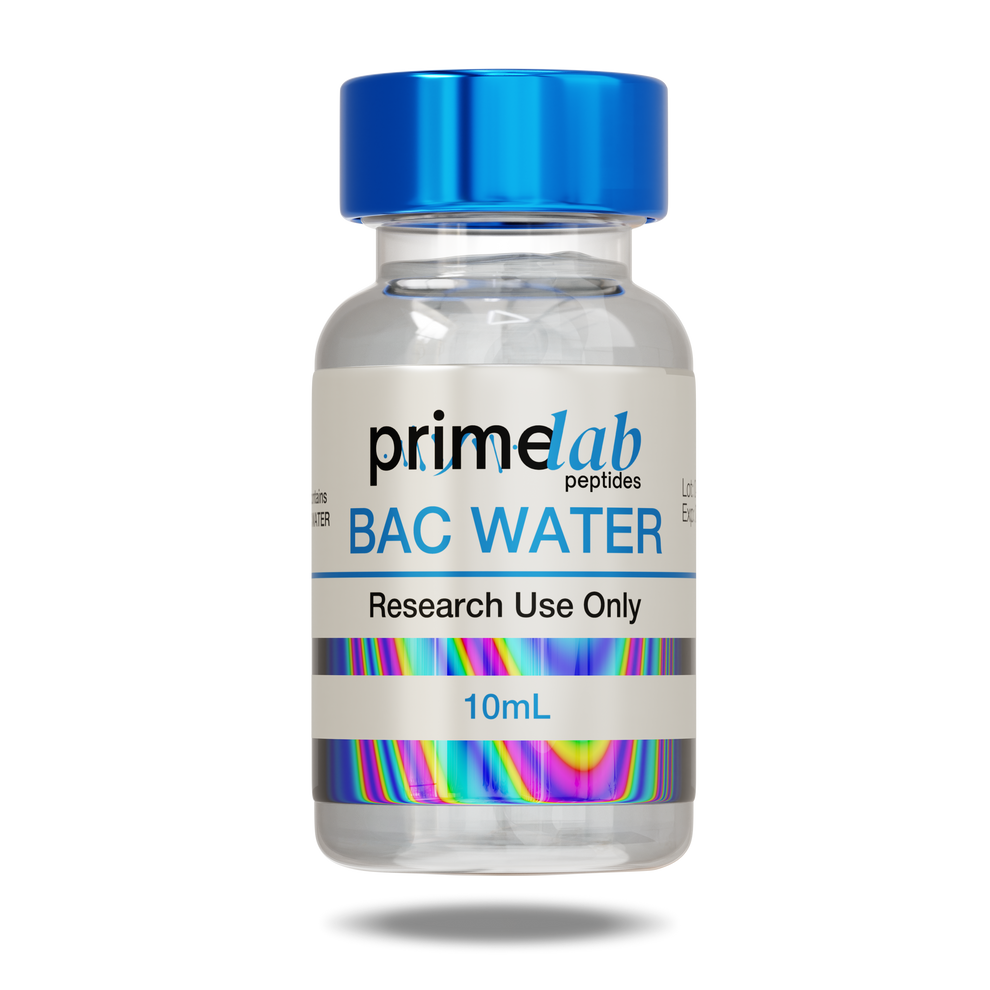
- Bacteriostatic Water (10 mL bottles): Use ~3.0 mL per vial for reconstitution.
- 8 weeks (2 vials): 6 mL → 1 × 10 mL bottle
- 12 weeks (4 vials): 12 mL → 2 × 10 mL bottles
- 16 weeks (5 vials): 15 mL → 2 × 10 mL bottles
- Alcohol Swabs: One for the vial stopper + one for the injection site each day.
- Per week: 14 swabs (2/day)
- 8 weeks: 112 swabs → recommend 2 × 100‑count boxes
- 12 weeks: 168 swabs → recommend 2 × 100‑count boxes
- 16 weeks: 224 swabs → recommend 3 × 100‑count boxes
" /></div>)


Protocol Overview
Concise summary of the once‑daily framework.
- Goal: Illustrate microgram‑level SC measurement for a host‑defense peptide with documented antimicrobial, angiogenic, and wound‑healing biology[1][2].
- Schedule: Daily subcutaneous administration for 8–12 weeks (optional extension to 16 weeks); clinical LL‑37 studies to date are mainly topical or intralesional[4][5][7].
- Dose Range (illustrative): 100–250 mcg once daily with gradual titration.
- Reconstitution: 3.0 mL per 5 mg vial (~1.67 mg/mL) for clear unit conversions.
- Storage: Lyophilized frozen; reconstituted refrigerated; avoid freeze–thaw cycles[11][12].
Dosing Protocol
Suggested conservative titration for measurement clarity.
- Start: 100–150 mcg daily; increase by ~50 mcg every 1–2 weeks as tolerated.
- Target: 200–250 mcg daily by Weeks 5–8.
- Frequency: Once per day (subcutaneous).
- Cycle Length: 8–12 weeks; optional extension to 16 weeks.
- Timing: Choose a consistent time; rotate injection sites.
Storage Instructions
Proper storage preserves peptide quality.
- Lyophilized: Store at −20 °C (−4 °F) in dry, dark conditions.
- Reconstituted: Refrigerate at 2–8 °C (35.6–46.4 °F); aliquot if needed and avoid repeated freeze–thaw[11][12].
- Allow vials to equilibrate to room temperature before opening to minimize condensation uptake and foaming during reconstitution[11].
Important Notes
Practical considerations and safety context.
- Use a new sterile insulin syringe for each administration; dispose in a proper sharps container.
- Rotate injection sites (abdomen, thighs, upper arms) to limit local irritation and lipohypertrophy[13].
- Inject slowly; wait a few seconds before withdrawing the needle to ensure full dose delivery.
- LL‑37 biology is context‑dependent; both pro‑healing and pro‑angiogenic or tumor‑promoting signals have been reported in specific models—interpret cautiously[8][15].
How This Works
LL‑37 links innate immunity and tissue repair. It exhibits direct antimicrobial effects (membrane disruption), immunomodulation (e.g., pDC and DC signaling), and pro‑angiogenic activity relevant to wound healing[1][2][3]. Human studies support topical LL‑37 in chronic wounds, while melanoma work has explored intratumoral injections with cutaneous reactions documented[4][5][6][7]. LL‑37–nucleic acid complexes can be immunostimulatory; prolonged or high local exposure has been associated with inflammatory dermatoses in experimental settings—underscoring cautious interpretation[14].
Potential Benefits & Side Effects
Highlights from preclinical and clinical literature.
- Antimicrobial, anti‑biofilm, immunomodulatory, and angiogenic/tissue‑repair activities are reported across models[1][2][9].
- Clinical wound literature indicates improved healing rates with topical LL‑37 formulations in venous and diabetic ulcers[4][5].
- Potential risks include local injection‑site reactions and, context‑dependently, pro‑angiogenic or tumor‑promoting signals in certain tumor models; long‑term/high exposure has been linked to inflammatory skin changes in experimental studies[8][15][14].
Injection Technique
Recommended Source
We recommend Prime Lab Peptides for high‑purity LL‑37 (5 mg).
Why Prime Lab Peptides?
- High‑purity, third‑party‑tested lots with batch COAs.
- Consistent, ISO‑aligned handling and documentation.
- Reliable fulfillment to maintain cold‑chain integrity.
Important Note
This content is intended for therapeutic educational purposes only and does not constitute medical advice, diagnosis, or treatment.
References
-
Ridyard KE, Overhage J. Int J Mol Sci (2021)
— The potential of human peptide LL‑37 as an antimicrobial and immunomodulatory agent (review). -
Koczulla R, et al. J Clin Invest (2003)
— An angiogenic role for the human peptide antibiotic LL‑37/hCAP‑18 (host defense & wound neovascularization). -
Kahlenberg JM, Kaplan MJ. Nat Rev Rheumatol (2013)
— Little peptide, big effects: LL‑37 in inflammation and autoimmunity (review). -
Grönberg A, et al. Wound Repair Regen (2014)
— RCT: Topical LL‑37 enhanced healing of hard‑to‑heal venous leg ulcers. -
Miranda E, et al. Arch Dermatol Res (2023)
— LL‑37 cream improved healing in diabetic foot ulcers (clinical study). -
Dolkar T, et al. J Cutan Pathol (2018)
— Dermatologic findings during phase I intratumoral LL‑37 injections in melanoma. -
ClinicalTrials.gov
— NCT02225366: Intratumoral injections of LL‑37 for melanoma (phase I schedule details). -
Lu F, et al. Front Pharmacol (2022)
— Repurposing LL‑37 for cancer: dual pro/anti‑tumor context and delivery strategies (review). -
Xhindoli D, et al. Biochim Biophys Acta (2016)
— Mechanistic overview: LL‑37 as a pore‑forming antimicrobial peptide. -
Usach I, et al. Adv Ther (2019)
— Subcutaneous injection of drugs: factors and practical considerations (review). -
Wang W. J Pharm Sci (1999)
— Instability, stabilization, and formulation of liquid protein pharmaceuticals (freeze–thaw considerations). -
Shi M, et al. Acta Pharm Sin B (2023)
— Strategies to overcome protein/peptide instability; avoid repeated freeze–thaw cycles (review). -
CDC
— Vaccine administration (SC route: site, angle, and technique) & You Call the Shots: Subcutaneous Injection. -
Herster F, et al. Nat Commun (2020)
— NET‑associated RNA and LL‑37 drive inflammatory responses (mechanistic caution). -
Ohuchi K, et al. Cancers (2023)
— LL‑37 may promote local invasion of melanoma via pro‑angiogenic factors (context‑dependent risk). -
Prime Lab Peptides
— LL‑37 (5 mg) product page (supplier information).