

Quickstart Highlights
Glutathione (GSH) is a tripeptide composed of glutamine, cysteine, and glycine that serves as the body’s master antioxidant[1]. High‑purity reduced L‑glutathione (≥99%) is supplied in 600 mg vials for research on oxidative stress reduction, detoxification support, and cellular protection[2][3]. This educational protocol presents a subcutaneous (SC) injection approach using moderate weekly dosing with clear reconstitution guidance.
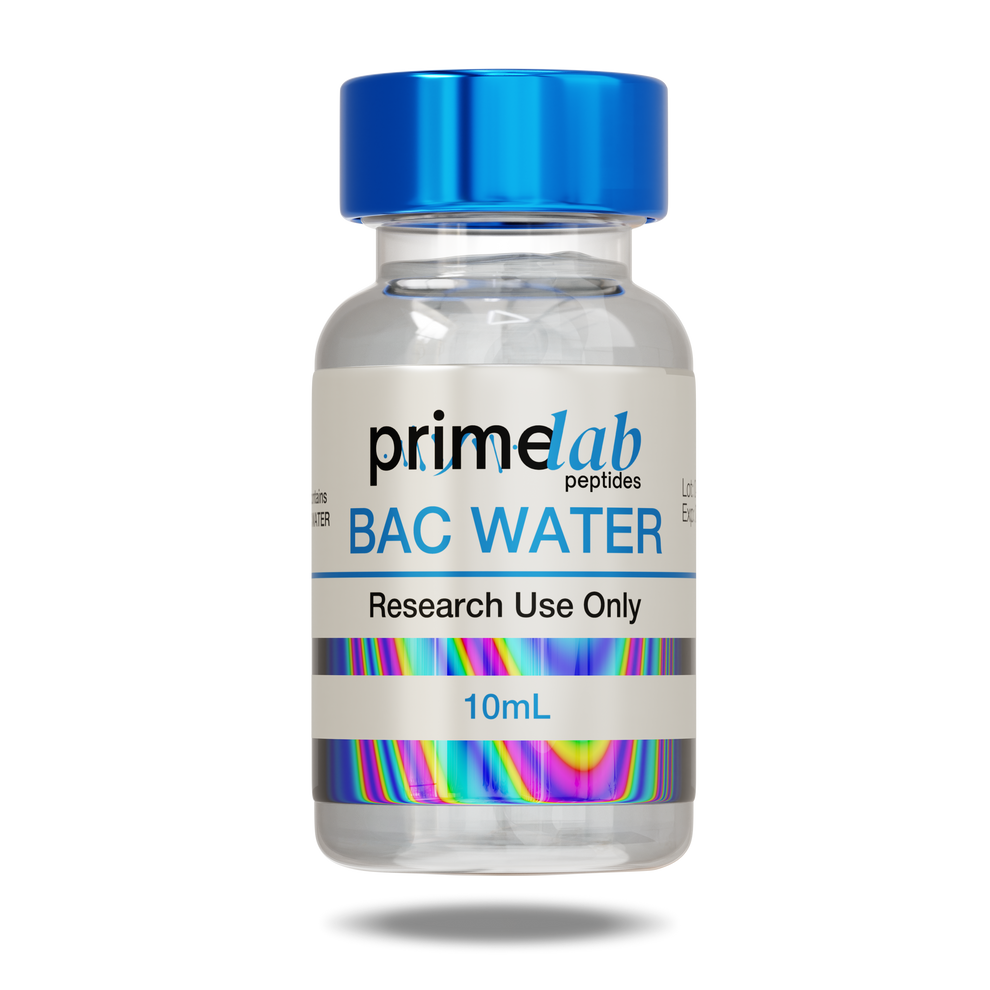
- Reconstitute: Add 3.0 mL bacteriostatic water → 200 mg/mL concentration.
- Typical range: 100–200 mg per injection, 2–3 times weekly (300–600 mg/week total).
- Easy measuring: At 200 mg/mL, 1 unit = 0.01 mL = 2 mg (2,000 mcg) on a U‑100 insulin syringe.
- Storage: Lyophilized: freeze at −20 °C (−4 °F); after reconstitution, refrigerate at 2–8 °C (35.6–46.4 °F); do not freeze reconstituted solution.

 Important: Before viewing any protocol, please consult our Prep & Injection Guide for essential preparation and safety instructions.
Dosing & Reconstitution Guide
Educational guide for reconstitution and daily dosing
Standard / Gradual Approach (3 mL = 200 mg/mL)
| Week / Phase | Per‑Injection Dose | Units (mL) |
|---|---|---|
| Weeks 1–2 (Initiation) | 100 mg (100,000 mcg) | 50 units (0.50 mL) |
| Weeks 3–8 (Maintenance) | 200 mg (200,000 mcg) | 100 units (1.0 mL) |
| Weeks 9–12 (Extended) | 200 mg (200,000 mcg) | 100 units (1.0 mL) |
Frequency: Inject 3 times weekly (e.g., Monday/Wednesday/Friday) subcutaneously. This yields 300 mg/week during initiation and 600 mg/week during maintenance phases. Common research protocols use 100–200 mg per injection, 2–3×/week for antioxidant support[4][5].
Reconstitution Steps
- Draw 3.0 mL bacteriostatic water with a sterile syringe.
- Inject slowly down the vial wall to minimize foaming; glutathione solutions should remain clear to pale yellow.
- Gently swirl or roll until fully dissolved (do not shake vigorously).
- Label with reconstitution date and refrigerate immediately at 2–8 °C (35.6–46.4 °F), protected from light[6].
- Do not freeze the reconstituted solution; freezing may cause precipitation[7].
Supplies Needed
Plan based on an 8–16 week protocol with 200 mg × 3/week dosing (600 mg/week).
- Peptide Vials (Glutathione, 600 mg each):
- 8 weeks ≈ 8 vials (4,800 mg total)
- 12 weeks ≈ 12 vials (7,200 mg total)
- 16 weeks ≈ 16 vials (9,600 mg total)
- Insulin Syringes (U‑100, 1 mL):
- Per week: 3 syringes (3×/week)
- 8 weeks: 24 syringes
- 12 weeks: 36 syringes
- 16 weeks: 48 syringes
- Bacteriostatic Water (10 mL or 30 mL bottles): Use 3.0 mL per vial for reconstitution.
- 8 weeks (8 vials): 24 mL → 1 × 30 mL bottle
- 12 weeks (12 vials): 36 mL → 2 × 30 mL bottles
- 16 weeks (16 vials): 48 mL → 2 × 30 mL bottles
- Alcohol Swabs: One for vial stopper + one for injection site per administration.
- Per week: 6 swabs (2 per injection × 3/week)
- 8 weeks: 48 swabs → recommend 1 × 100‑count box
- 12 weeks: 72 swabs → recommend 1 × 100‑count box
- 16 weeks: 96 swabs → recommend 1 × 100‑count box
" /></div>)


Protocol Overview
Concise summary of the subcutaneous glutathione regimen.
- Goal: Support systemic antioxidant defenses and cellular glutathione levels for oxidative stress reduction[8].
- Schedule: Subcutaneous injections 2–3 times weekly for 8–12 weeks (extend to 16 weeks if desired).
- Dose Range: 100–200 mg per injection (typical 300–600 mg/week total).
- Reconstitution: 3.0 mL per 600 mg vial (200 mg/mL) for convenient unit measurements.
- Storage: Lyophilized frozen; reconstituted refrigerated; avoid freeze–thaw cycles and light exposure.
Dosing Protocol
Suggested titration and frequency approach.
- Start: 100 mg SC, 3 times weekly (Weeks 1–2) for initial tolerance assessment.
- Maintenance: 200 mg SC, 3 times weekly (Weeks 3–12) for 600 mg/week total.
- Frequency: Monday/Wednesday/Friday (or similar spacing) to maintain stable levels.
- Cycle Length: 8–12 weeks standard; optional extension to 16 weeks with ongoing monitoring.
- Site Rotation: Rotate injection sites systematically (abdomen, thighs, upper arms).
Storage Instructions
Proper storage preserves glutathione stability and potency.
- Lyophilized: Store at −20 °C (−4 °F) in dry, dark conditions; keep vials sealed until ready to reconstitute[9].
- Reconstituted: Refrigerate at 2–8 °C (35.6–46.4 °F); solution is stable for up to 28 days with bacteriostatic water[6][10].
- Do not freeze reconstituted solution; freezing can cause precipitation or potency loss[7].
- Protect from light exposure; glutathione oxidizes when exposed to air and light over time[11].
- Allow vials to reach room temperature before opening to minimize condensation.
Important Notes
Practical considerations for consistency and safety.
- Use new sterile insulin syringes (29–31 gauge recommended) for each injection; dispose in a sharps container.
- Rotate injection sites (lower abdomen at least 5 cm from navel, outer thighs, back of upper arms) to reduce local irritation[12].
- Clean injection site and vial stopper with alcohol swab; allow to dry completely before injection.
- Inject slowly and steadily; glutathione is well tolerated subcutaneously with minimal discomfort[4].
- Document injection dates, sites, and any observations to maintain protocol consistency.
- Discard any reconstituted solution showing discoloration or cloudiness; glutathione should remain clear to pale yellow[13].
How This Works
Glutathione is a naturally occurring tripeptide (L‑γ‑glutamyl‑L‑cysteinyl‑glycine) that functions as the body’s primary endogenous antioxidant[1]. It plays critical roles in neutralizing reactive oxygen species, maintaining cellular redox balance, and supporting detoxification pathways through conjugation reactions[8]. Clinical and preclinical literature demonstrates that parenteral administration of reduced glutathione can temporarily elevate systemic and tissue glutathione levels[2][3].
Subcutaneous injection provides an accessible route with good bioavailability for research applications[4]. While oral glutathione faces significant first‑pass metabolism and variable absorption, parenteral routes (IV, IM, SC) deliver glutathione more directly to systemic circulation[14]. Research protocols have employed various dosing schedules ranging from 100–200 mg administered 2–3 times weekly for antioxidant support to higher‑frequency regimens in specific clinical contexts[5][15].
Potential Benefits & Side Effects
Observations from preclinical and clinical literature.
Potential Benefits
- Supports reduction of oxidative stress markers and enhancement of cellular antioxidant capacity[8][16].
- May assist detoxification processes through Phase II conjugation pathways[1].
- Research in male infertility demonstrated improvements in sperm motility with 600 mg IM daily for 2 months without significant adverse effects[3].
- Cosmetic applications have explored skin lightening effects with IV/IM protocols of 600–1,200 mg weekly[2][14].
Side Effects & Considerations:
- Generally well tolerated; most common side effects are mild and localized (injection site redness, minor irritation)[4].
- Rare reports of headache or mild GI discomfort at higher doses; these typically resolve with continued use or dose adjustment.
- No significant safety concerns reported in multiple clinical studies at moderate dosing ranges[3][15].
- As with any injectable, proper aseptic technique is essential to prevent infection.
Lifestyle Factors
Complementary strategies to optimize antioxidant support.
- Maintain adequate dietary protein intake; cysteine availability is rate‑limiting for endogenous glutathione synthesis.
- Include sulfur‑rich foods (cruciferous vegetables, alliums) and glutathione precursors (N‑acetylcysteine sources).
- Minimize oxidative stressors: reduce alcohol consumption, avoid tobacco, manage environmental toxin exposure.
- Support sleep quality and stress management; chronic stress depletes glutathione reserves.
- Consider complementary antioxidants (vitamin C, vitamin E, selenium) as cofactors for glutathione recycling.
Injection Technique
- Prepare materials: Clean work surface, alcohol swabs, insulin syringe (1 mL, 29–31G), reconstituted glutathione vial, sharps container.
- Hand hygiene: Wash hands thoroughly or use hand sanitizer.
- Select site: Choose injection site (lower abdomen 5+ cm from navel, outer thigh, or back of upper arm); rotate sites systematically[12].
- Clean site: Swab injection site with alcohol; allow to dry completely (15–30 seconds).
- Prepare vial: Clean vial stopper with fresh alcohol swab; allow to dry.
- Draw dose: Draw prescribed dose into insulin syringe; check for air bubbles and expel if present.
- Pinch skin: Pinch approximately 1 inch (2.5 cm) of subcutaneous tissue between thumb and forefinger[17].
- Insert needle: Insert needle at 45–90° angle (90° for adequate fat layer; 45° if lean) into pinched skin[12].
- Inject: Release pinch and slowly depress plunger to deliver glutathione solution.
- Withdraw: After complete injection, withdraw needle smoothly and apply gentle pressure with clean gauze for a few seconds.
- Dispose: Immediately place used syringe in sharps container; do not recap needle.
- Document: Record injection date, site, and dose in protocol log.
Note: Aspiration is not necessary for subcutaneous injections per current CDC guidelines[18]. Glutathione solutions are clear and low‑viscosity, making them easy to inject with fine needles.
Recommended Source
We recommend Pure Lab Peptides for high‑purity Glutathione (600 mg, ≥99%).
Why Pure Lab Peptides?
- High‑purity (≥99%) reduced L‑glutathione with third‑party testing and batch‑specific Certificates of Analysis.
- Vacuum‑sealed lyophilized vials with proper stability documentation.
- Consistent pharmaceutical‑grade handling and cold‑chain shipping.
- Transparent sourcing and quality assurance processes.
Product ID: 17269
Important Note
This content is intended for therapeutic educational purposes only and does not constitute medical advice, diagnosis, or treatment. Glutathione is provided for research purposes only and is not for human consumption. Consult qualified healthcare professionals before initiating any peptide protocol.
References
-
Drugs.com (Natural Medicines)
— Glutathione: uses, benefits, dosage, and safety overview (medically reviewed) -
Indian Journal of Dermatology, Venereology and Leprology
— Glutathione as skin whitening agent: facts, myths, evidence (Sonthalia et al., 2016) -
PubMed
— Glutathione therapy for male infertility (Lenzi et al., Arch Androl 1992; 600 mg IM daily) -
Empower Pharmacy
— Compounded glutathione injection: usage, dosing, and storage (medically reviewed) -
Strive Compounding Pharmacy
— Glutathione injectable solution (200 mg/mL): suggested dosing protocols -
MintRx Blog
— Practical advice for storing and handling compounded glutathione injections -
Google Patents
— Extended storage of reduced glutathione solutions (US Patent 6835811B1; Aronovitz 2004) -
NCBI Bookshelf
— Glutathione biochemistry and physiological functions (NIH review) -
PubMed Central
— Stability of glutathione in pharmaceutical formulations and storage conditions -
Eden Health (Digital Health Platform)
— Understanding glutathione injection dosage per week (clinical review) -
Bio‑Rad Technical Literature
— Glutathione assay and stability considerations (research reagent documentation) -
MedlinePlus Medical Encyclopedia
— Subcutaneous (SQ) injection: patient instructions (U.S. National Library of Medicine) -
Pollen Healthcure
— GLUTALEN (Glutathione 600mg Injection): product information and handling -
PubMed
— Pharmacokinetics of glutathione: oral vs. parenteral administration (clinical study) -
PubMed
— Clinical applications of intravenous glutathione in chronic disease management -
PubMed Central
— Glutathione metabolism and oxidative stress: mechanisms and clinical implications -
NCBI Bookshelf
— Best practices for injection: aseptic technique and administration (clinical guidelines) -
CDC
— Vaccine administration: subcutaneous injection technique (no aspiration recommended) -
Pure Lab Peptides
— Glutathione 600mg: high‑purity research peptide (product page with quality documentation)